0%

Table of Contents

Decorative sheeting represents a versatile and increasingly important material in modern construction, design, and disaster relief. Its ability to offer rapid deployment, cost-effectiveness, and aesthetic appeal makes it a crucial component in addressing diverse global needs, from creating temporary shelters to enhancing architectural spaces. Understanding its properties and applications is vital for professionals across various sectors.

The global demand for efficient and adaptable building materials is steadily rising, driven by factors like population growth, urbanization, and climate change-induced disasters. Decorative sheeting directly addresses these challenges by providing solutions that are both practical and visually appealing. Its adaptability extends to numerous industries, creating a significant global market.

Furthermore, the development of sustainable and innovative decorative sheeting materials contributes to a more environmentally responsible approach to construction and design. From eco-friendly substrates to advanced printing technologies, the ongoing advancements in this field promise continued growth and impact.
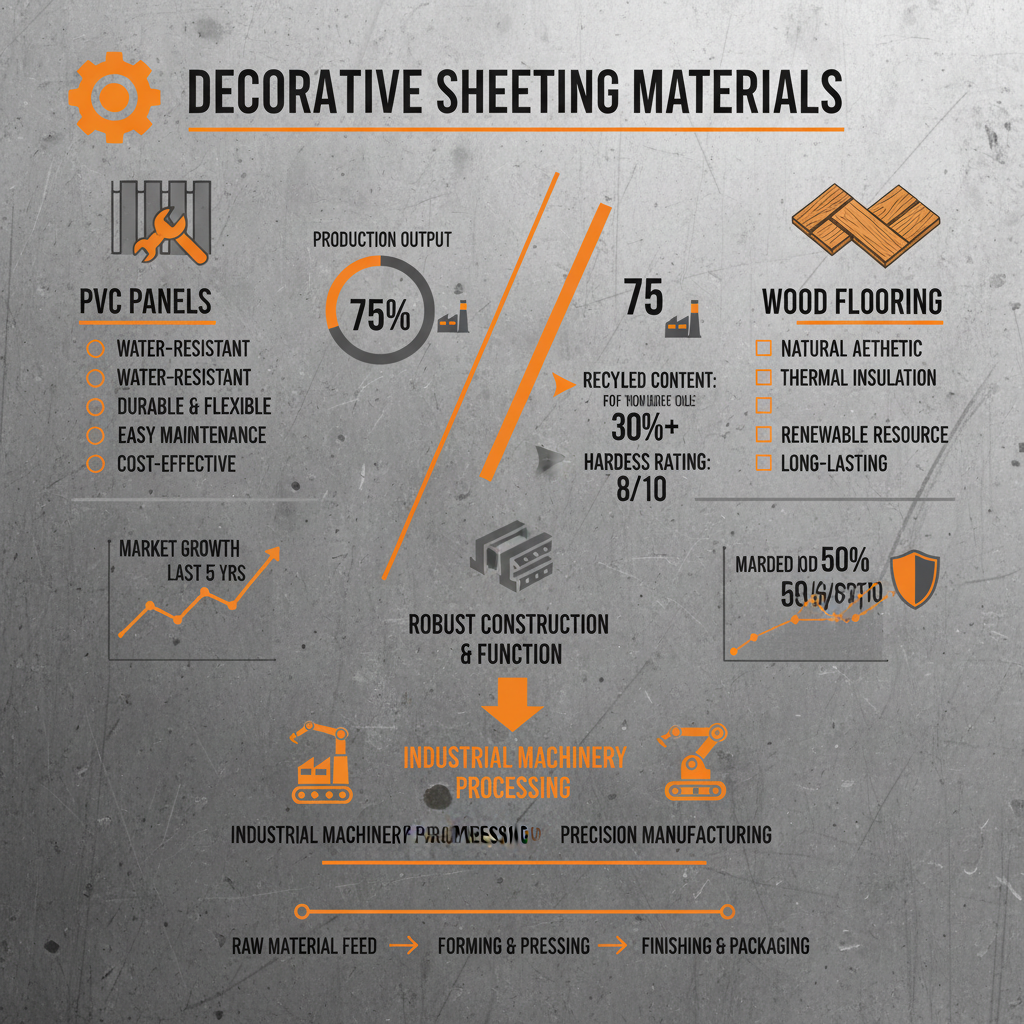
Exploring the Versatility and Applications of Decorative Sheeting in Modern Design

The Relevance of Decorative Sheeting

Exploring the Versatility and Applications of Decorative Sheeting in Modern Design

Decorative sheeting isn’t merely an aesthetic addition; it’s a practical solution to a multitude of challenges across industries. Its lightweight nature, combined with its ability to mimic various materials, makes it ideal for applications where weight and cost are critical factors. The use of decorative sheeting in temporary structures, for instance, significantly reduces transportation and installation costs.

Moreover, the increasing demand for sustainable building materials positions decorative sheeting as a viable alternative to traditional options. Many modern decorative sheeting products utilize recycled materials and are designed for recyclability, aligning with global sustainability initiatives and reducing environmental impact.

Defining Decorative Sheeting

At its core, decorative sheeting refers to a range of pre-finished materials used to cover surfaces for aesthetic and protective purposes. These sheets can be constructed from various substrates, including wood, plastic, metal, and composites, and are often laminated or coated with decorative finishes like wood grain, solid colors, or intricate patterns.

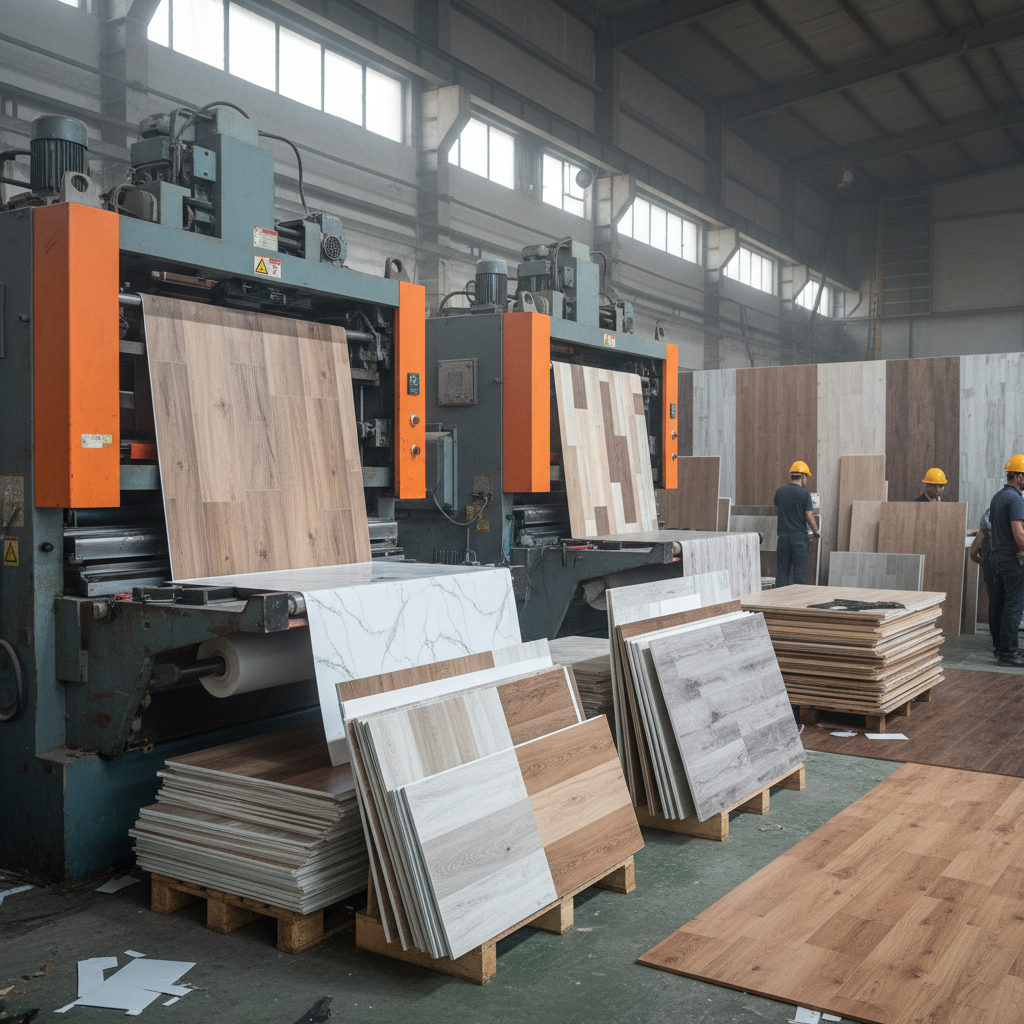
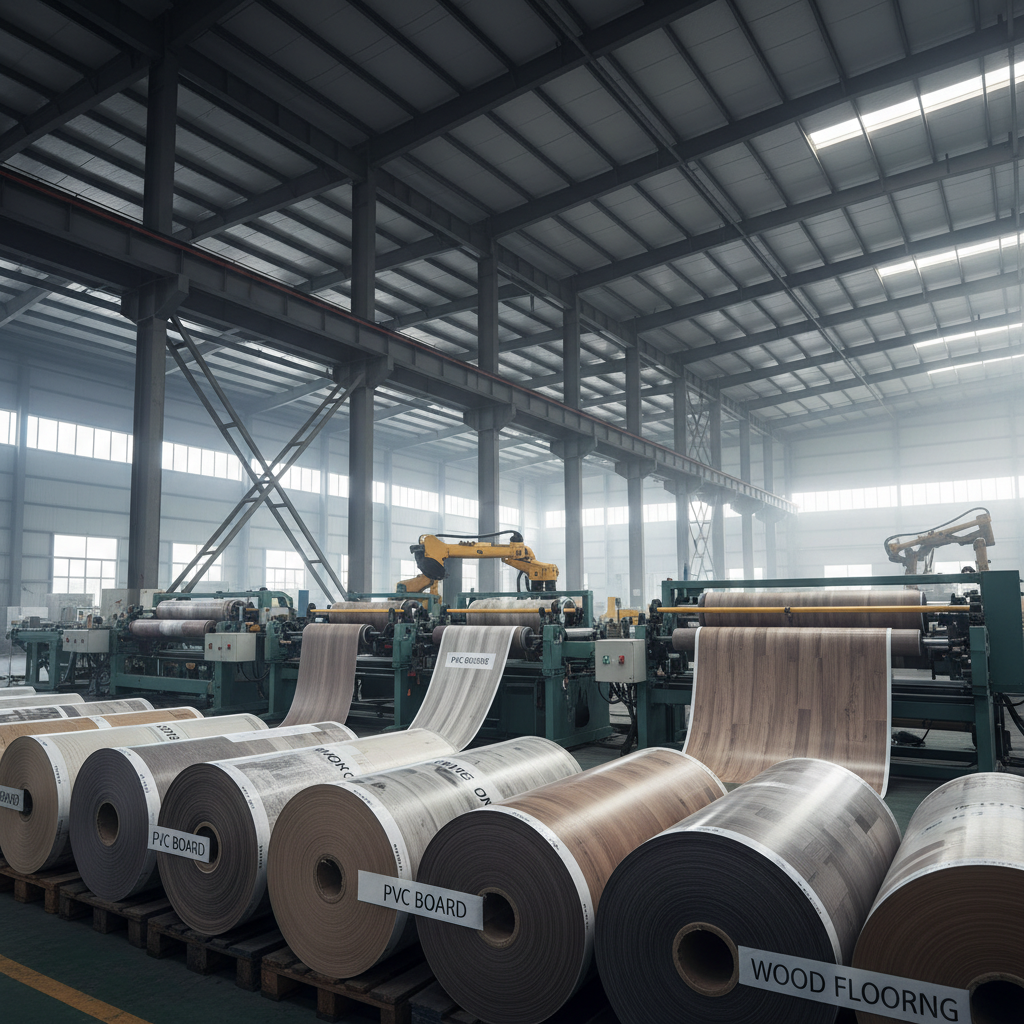
The connection to modern industry is particularly strong. Manufacturers utilize decorative sheeting extensively in furniture production, interior design, and even automotive applications. It offers a cost-effective and efficient way to achieve desired aesthetics without the expense or time involved in traditional finishing techniques.

Furthermore, its role is extending to humanitarian efforts. Rapidly deployable shelters utilizing decorative sheeting provide dignified and safe housing for displaced populations, showcasing its potential to address critical human needs.

Core Components of Decorative Sheeting

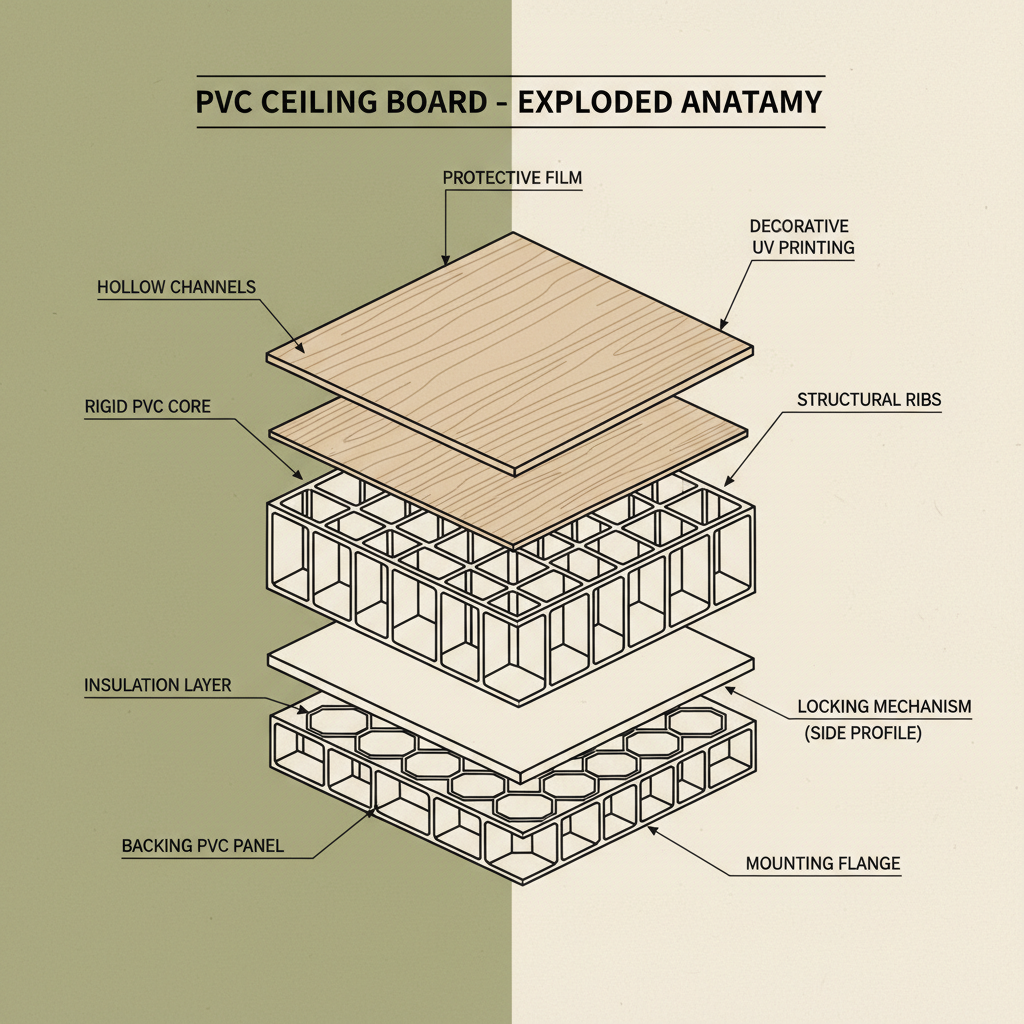
Several key components contribute to the functionality and versatility of decorative sheeting. The substrate, often made of materials like MDF, plywood, or PVC, provides the structural base. The decorative layer, whether a laminate, veneer, or digitally printed film, defines the aesthetic appearance.

The adhesive used to bond the decorative layer to the substrate is crucial for durability and longevity. Modern adhesives offer excellent bonding strength and resistance to moisture and temperature fluctuations. Finally, a protective coating, such as a clear lacquer or UV-resistant film, enhances the sheeting's resistance to wear and tear.

The interplay between these components dictates the overall performance characteristics of the decorative sheeting, influencing its suitability for different applications. Choosing the right combination of materials is essential for achieving desired results.

Key Factors Influencing Decorative Sheeting Selection

Selecting the appropriate decorative sheeting requires careful consideration of several key factors. Durability is paramount, particularly in high-traffic areas or environments exposed to harsh conditions. The sheeting must withstand abrasion, impact, and moisture without losing its aesthetic appeal.

Cost-effectiveness is another critical factor. Decorative sheeting often provides a more affordable alternative to solid wood or other premium materials, making it an attractive option for budget-conscious projects.

Decorative Sheeting Performance Metrics


Global Applications of Decorative Sheeting

The applications of decorative sheeting are remarkably diverse, spanning industries and geographical regions. In the construction sector, it's used extensively for interior wall panels, cabinetry, and furniture, offering a cost-effective and aesthetically pleasing alternative to traditional materials.

In post-disaster relief operations, rapidly deployable shelters incorporating decorative sheeting provide immediate and dignified housing for affected communities. These shelters are often designed for easy assembly and disassembly, making them ideal for temporary housing solutions.

Advantages and Long-Term Value

Beyond its immediate cost savings, decorative sheeting offers significant long-term value. Its durability reduces the need for frequent replacements, lowering lifecycle costs. Furthermore, the aesthetic appeal of decorative sheeting can enhance property value and create more inviting spaces.

The sustainability benefits of utilizing recycled materials and minimizing waste contribute to a more environmentally responsible approach to building and design. Choosing decorative sheeting is an investment in both functionality and environmental stewardship.

From a social impact perspective, its use in emergency housing solutions provides a sense of dignity and security to those in need, reinforcing its value beyond mere economic considerations.

Future Trends and Innovations in Decorative Sheeting

The future of decorative sheeting is poised for significant innovation. Developments in bio-based materials and sustainable manufacturing processes will further enhance its environmental credentials. Digital printing technologies are enabling increasingly intricate and customized designs, expanding the creative possibilities.

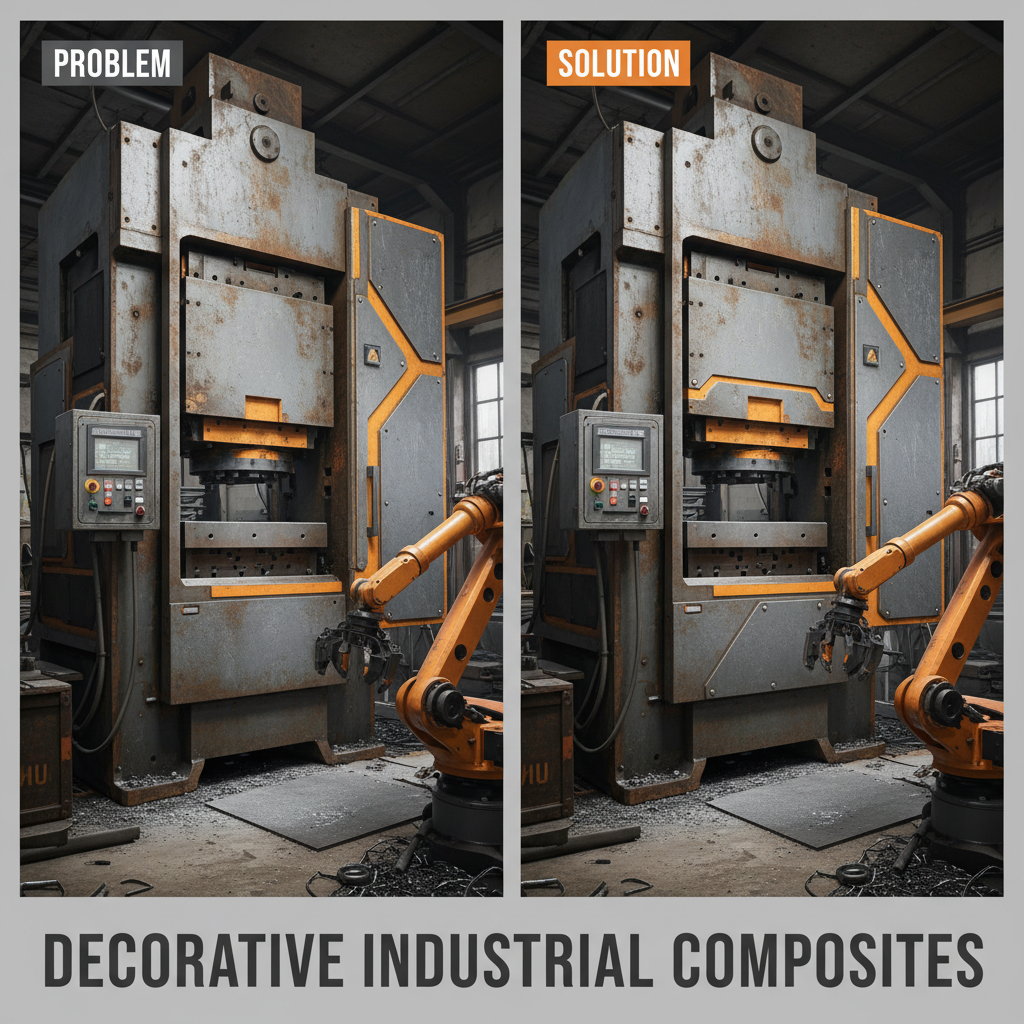
Automation and robotics are streamlining the production process, reducing costs and improving efficiency. The integration of smart technologies, such as embedded sensors and interactive surfaces, is also emerging as a potential area for growth.

These advancements, coupled with a growing demand for sustainable and adaptable building materials, will undoubtedly drive the continued evolution and expansion of the decorative sheeting market.

FAQS

What are the primary differences between HPL and laminate decorative sheeting?

High-Pressure Laminate (HPL) and standard laminate differ primarily in their manufacturing process and resulting durability. HPL is created using a higher pressure and temperature, resulting in a denser, more robust sheet that’s more resistant to scratches, heat, and moisture. Standard laminates are generally more cost-effective but offer less protection against wear and tear, making HPL preferable for high-traffic areas and demanding applications.

How does decorative sheeting perform in humid or damp environments?

The performance of decorative sheeting in humid environments depends on the material composition. PVC-based sheeting exhibits excellent moisture resistance, making it ideal for bathrooms and kitchens. MDF-based sheeting, while generally less resistant, can be sealed with moisture-resistant coatings. Choosing the right material and applying appropriate sealants are crucial for preventing water damage and ensuring longevity.

What is the typical lifespan of decorative sheeting applications?

The lifespan of decorative sheeting varies based on the material, application, and maintenance. HPL sheeting can last 10-20 years or more with proper care, while standard laminates typically have a lifespan of 5-10 years. Regular cleaning and prompt attention to any damage can significantly extend its longevity. Factors like UV exposure and abrasion also play a role.

Is decorative sheeting a suitable choice for outdoor applications?

While some decorative sheeting materials can be used outdoors, it’s crucial to select those specifically designed for exterior use. These typically have UV-resistant coatings and are made from waterproof materials like aluminum or specialized PVC. Exposure to sunlight, rain, and temperature fluctuations can damage standard sheeting, so ensuring proper protection is essential.

How does the installation process affect the quality and durability of decorative sheeting?

Proper installation is paramount for ensuring the longevity and performance of decorative sheeting. A smooth, level substrate is essential, and the correct adhesive must be used. Incorrect installation can lead to bubbling, peeling, or other issues. It’s generally recommended to use a professional installer to ensure a high-quality finish.

Are there any eco-friendly options available in decorative sheeting?

Yes, increasingly, there are eco-friendly options in decorative sheeting. These include materials made from recycled content, bio-based polymers, and sustainably sourced wood. Look for certifications like FSC (Forest Stewardship Council) to ensure responsible sourcing. Manufacturers are also focusing on reducing VOC (Volatile Organic Compound) emissions during production, contributing to healthier indoor environments.

Conclusion

Decorative sheeting stands as a versatile and valuable material, offering a compelling combination of aesthetic appeal, cost-effectiveness, and durability. Its diverse applications, spanning construction, design, and humanitarian efforts, highlight its global relevance. Continued innovation in materials and manufacturing processes promises an even brighter future for this essential component of the modern world.

Embracing sustainable practices, exploring advanced technologies, and prioritizing quality installation are critical for maximizing the benefits of decorative sheeting. For professionals and individuals alike, understanding its capabilities and limitations is essential for making informed decisions and creating spaces that are both beautiful and functional. Visit our website at www.sothinkdecor.com to learn more.

Owen Davies

Owen Davies

Owen Davies is the Logistics & Supply Chain Manager for Sothink, overseeing the efficient delivery of products to customers across North America. He has a decade of experience in international trade and logistics, with a proven track record of streamlining processes and reducing costs. Owen works closely with shipping partners
Previous Innovative Decorative Sheets for Project Transforming Construction and Disaster Relief
Next Exploring the Versatility and Benefits of Decorative Sheet Panels

Shijiazhuang Sothink trading Co., LTD.

Our company focuses on product development, production, sales and other all-round services, and is committed to providing customers with high-performance products and high-quality services.
sx-11
+86 13703399579
phone
email
whatsapp
goTop

If you are interested in our products, you can choose to leave your information here, and we will be in touch with you shortly.