


Decorative siding panels are rapidly becoming a cornerstone of modern construction and renovation, offering a versatile and aesthetically pleasing solution for both residential and commercial properties. Their increasing popularity stems from a confluence of factors including enhanced durability, design flexibility, and a growing emphasis on energy efficiency. This detailed exploration will delve into the intricacies of decorative siding panels, examining their global relevance and the benefits they offer.
The global market for siding materials is experiencing consistent growth, driven by urbanization, rising disposable incomes, and a demand for improved building aesthetics. According to recent industry reports, the decorative siding panel segment is outpacing traditional materials like wood and vinyl. This surge is particularly noticeable in emerging economies where rapid infrastructure development necessitates cost-effective and visually appealing building solutions. Understanding the nuances of these panels is crucial for architects, builders, and homeowners alike.
Decorative siding panels address the critical need for durable, attractive, and sustainable building materials. They offer an alternative to traditional siding options, often providing superior weather resistance, lower maintenance requirements, and a wider range of design possibilities. This is especially important in regions prone to harsh climates or where labor costs are high, making long-lasting and easy-to-install materials essential.
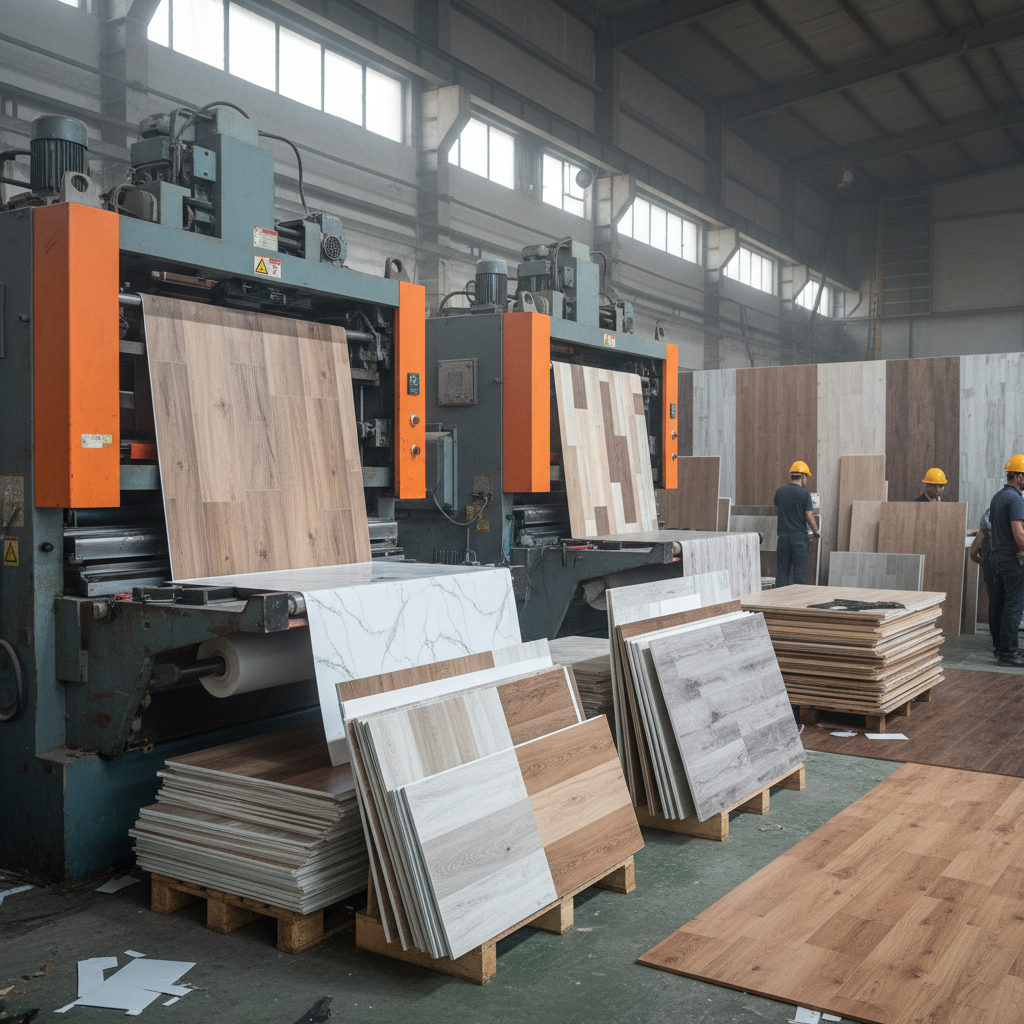
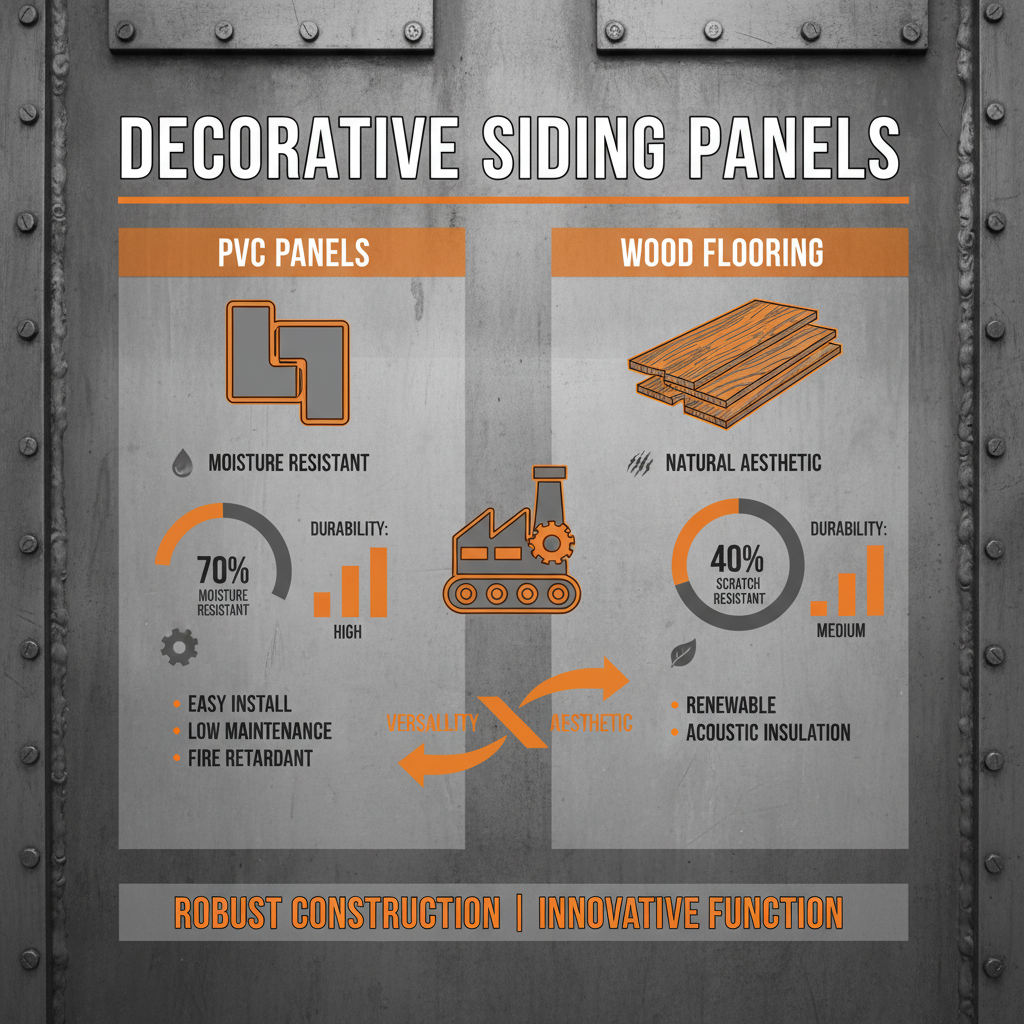
Decorative siding panels represent a significant advancement in exterior building materials, offering a compelling blend of aesthetic appeal and practical performance. These panels are engineered to mimic the look of traditional materials like wood, stone, or brick, but with the added benefits of lower maintenance, increased durability, and greater design flexibility. Their versatility makes them suitable for a wide range of architectural styles and applications.
The increasing demand for sustainable and energy-efficient building solutions is further fueling the growth of the decorative siding panels market. Many modern panels are manufactured from recycled materials or are designed to improve a building's thermal performance, reducing energy consumption and lowering operating costs. This aligns with global initiatives aimed at promoting green building practices and reducing carbon footprints.
Decorative siding panels offer several advantages over wood. They are significantly more resistant to rot, insect damage, and fire, requiring less maintenance and providing greater long-term durability. They also offer a wider range of design options and are often more cost-effective over their lifespan, considering reduced repair and replacement costs. Many are manufactured from recycled materials, making them a sustainable choice.
Installation difficulty varies depending on the material and the complexity of the design. However, many decorative siding panels are designed for relatively easy installation, often using interlocking systems or clip-and-lock mechanisms. While basic carpentry skills are helpful, specialized tools are typically not required beyond standard saws, drills, and measuring tools. Always follow the manufacturer's instructions.
The lifespan of decorative siding panels varies based on the material. Fiber cement can last 50+ years, metal 40-70 years, vinyl 20-40 years, and engineered wood 25-30 years. Factors impacting lifespan include climate exposure (sun, rain, snow), proper installation, and regular maintenance (cleaning and inspection). Choosing a high-quality product is also crucial.
Many decorative siding panels are considered environmentally friendly. Many are manufactured from recycled materials, reducing landfill waste. They also often improve a building's energy efficiency, lowering heating and cooling costs and reducing carbon emissions. Look for panels with certifications from organizations like LEED to ensure sustainability.
Fire resistance varies significantly by material. Fiber cement and metal panels offer excellent fire protection, often achieving a Class A fire rating. Vinyl panels are less fire-resistant, while engineered wood panels may have a limited fire-resistance rating. Always check the fire rating of the specific product before installation, particularly in areas prone to wildfires.
The cost of decorative siding panels varies widely depending on the material, style, and installation complexity. Vinyl panels are generally the most affordable, ranging from $3 to $8 per square foot. Fiber cement can cost $5 to $12 per square foot, while metal can range from $8 to $15 per square foot. Installation costs typically add another $2 to $6 per square foot. Getting multiple quotes from qualified contractors is recommended.
In conclusion, decorative siding panels represent a significant advancement in building materials, offering a compelling combination of aesthetic appeal, durability, cost-effectiveness, and sustainability. Their versatility and ease of installation make them an ideal choice for a wide range of applications, from residential renovations to large-scale commercial projects. Embracing these panels is not merely a choice of material but a step towards building a more resilient, efficient, and visually appealing built environment.
Looking ahead, continued innovation in materials science and manufacturing techniques will further enhance the performance and sustainability of decorative siding panels. As environmental concerns grow and building codes become more stringent, the demand for these panels is expected to increase, driving further adoption and establishing them as a cornerstone of modern construction. Visit our website at decorative siding panels to explore our extensive range of options and discover how we can help you elevate your next project.


Shijiazhuang Sothink trading Co., LTD.
Our company focuses on product development, production, sales and other all-round services, and is committed to providing customers with high-performance products and high-quality services.






 +86 31185293045
  qian@ss711.com