Decorative sheets for project represent a versatile and increasingly important element in modern construction, disaster relief, and a variety of industrial applications. These aren't simply aesthetic coverings; they are engineered materials offering rapid deployment, cost-effectiveness, and adaptability to diverse environments. Understanding the nuances of decorative sheets for project is crucial for architects, engineers, humanitarian organizations, and anyone involved in building or infrastructure projects, particularly in challenging or rapidly changing situations.
The global demand for efficient and sustainable building solutions is driving innovation in the field of decorative sheets for project. Driven by factors like increasing urbanization, natural disasters, and a growing need for affordable housing, the market is experiencing significant growth, as reported by organizations like the UN-Habitat and the World Bank. Decorative sheets for project address a critical challenge: the need for quick, reliable, and adaptable shelter and infrastructure in both emergency and planned construction contexts.
Ultimately, the benefits of utilizing decorative sheets for project extend beyond merely providing shelter. They represent a shift towards more sustainable, efficient, and responsive building practices, offering a pathway to improve lives and build more resilient communities globally.
Introduction to Decorative Sheets for Project
Decorative sheets for project are transforming the way we approach construction and disaster response. Their unique blend of rapid deployability, affordability, and customization potential makes them increasingly crucial in a world facing growing challenges related to housing, infrastructure, and emergency preparedness. Understanding the diverse applications of these materials is paramount for creating more resilient and sustainable communities.
The adoption of decorative sheets for project isn’t limited to temporary solutions. They are proving to be viable components in permanent housing, industrial facilities, and even artistic installations. The versatility of these sheets, coupled with advancements in manufacturing techniques, continue to expand their potential and drive innovation in various sectors.
Defining Decorative Sheets for Project
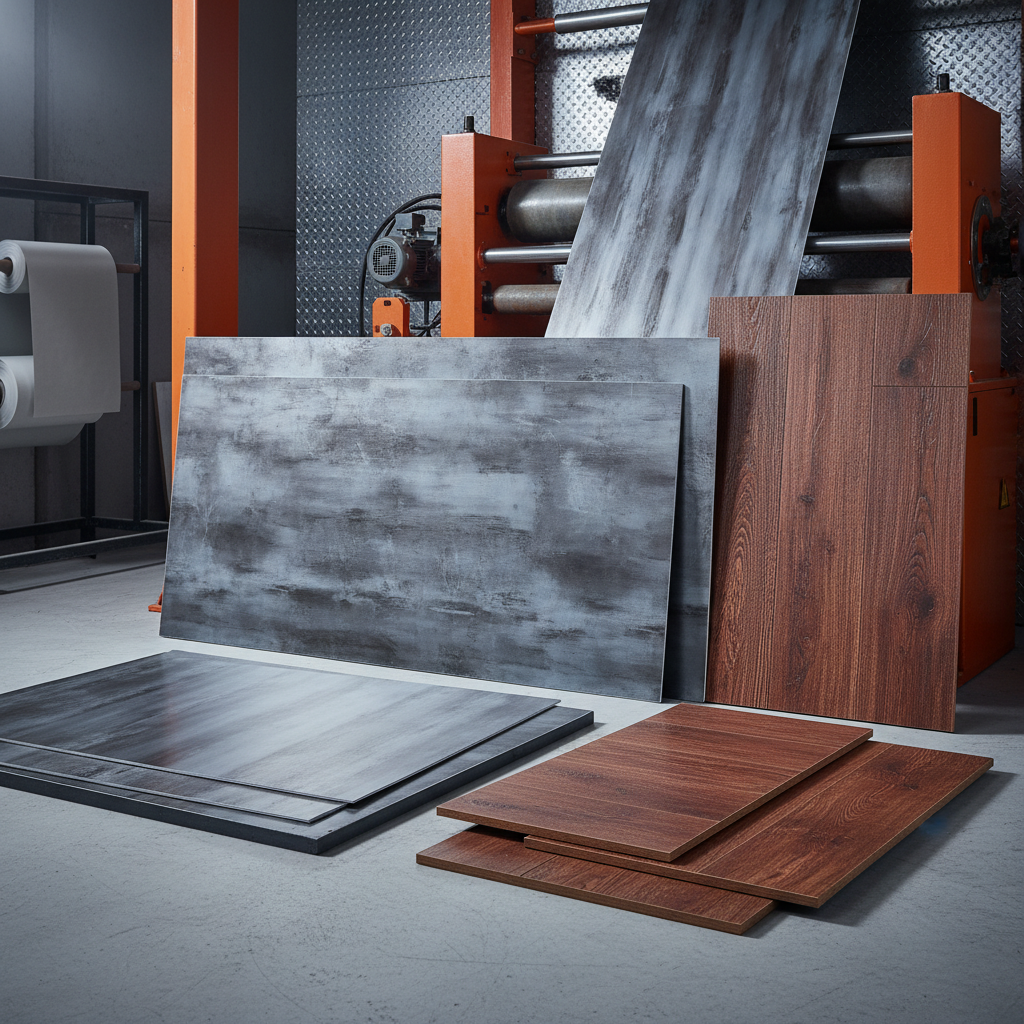
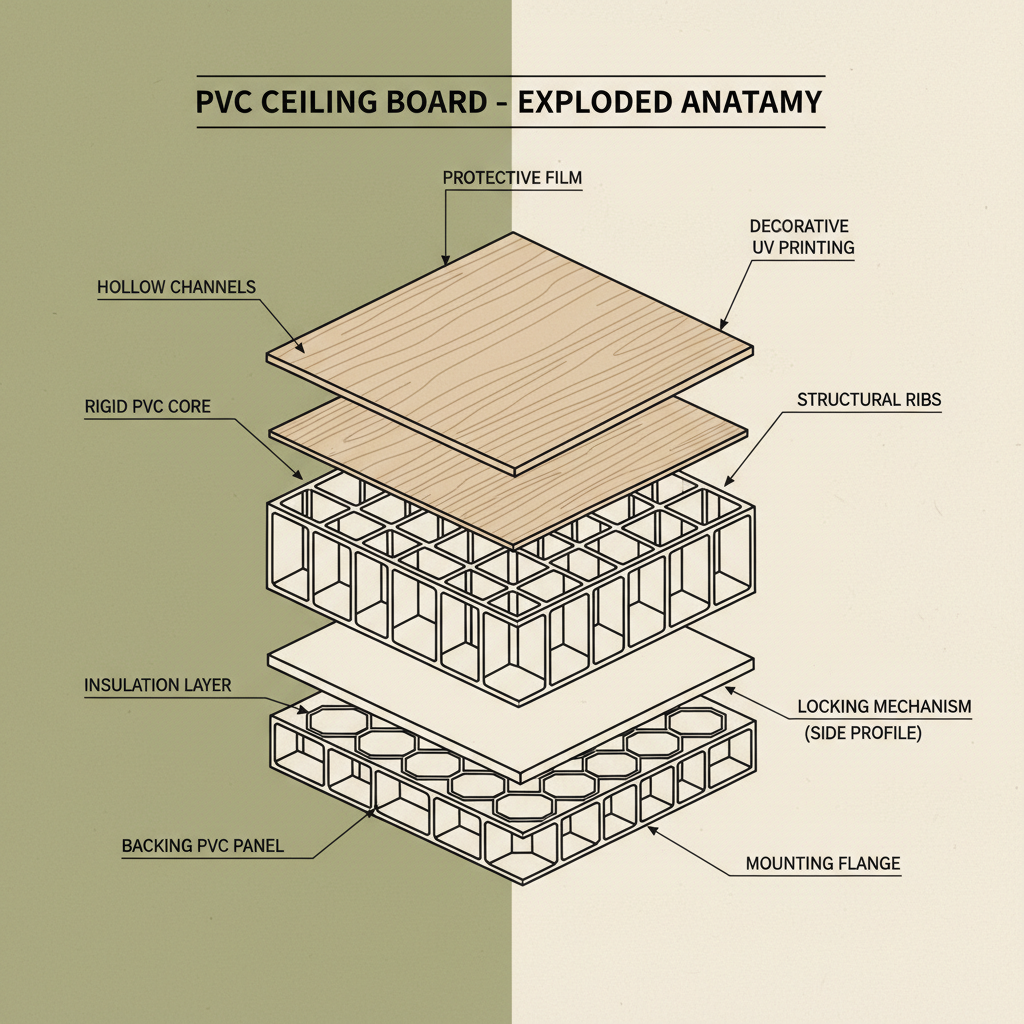
Decorative sheets for project are pre-fabricated panels designed for quick assembly and customization. They typically consist of a core material—often lightweight composites or recycled plastics—faced with a decorative or protective layer. This construction provides a balance of structural integrity, aesthetic appeal, and environmental considerations. These sheets can be adapted for a wide range of purposes.
These sheets are closely linked to modern demands for scalable and sustainable building practices. Traditional construction methods are often slow, labor-intensive, and generate significant waste. Decorative sheets for project offer a leaner alternative, reducing construction time, material waste, and overall project costs, making them particularly valuable in contexts where resources are limited.
Their applicability extends beyond simple building shells. They can be engineered for specific performance characteristics, such as insulation, fire resistance, and soundproofing, demonstrating their relevance to contemporary industry standards and humanitarian needs, especially in creating dignified and safe living conditions.
Key Factors in Decorative Sheets for Project
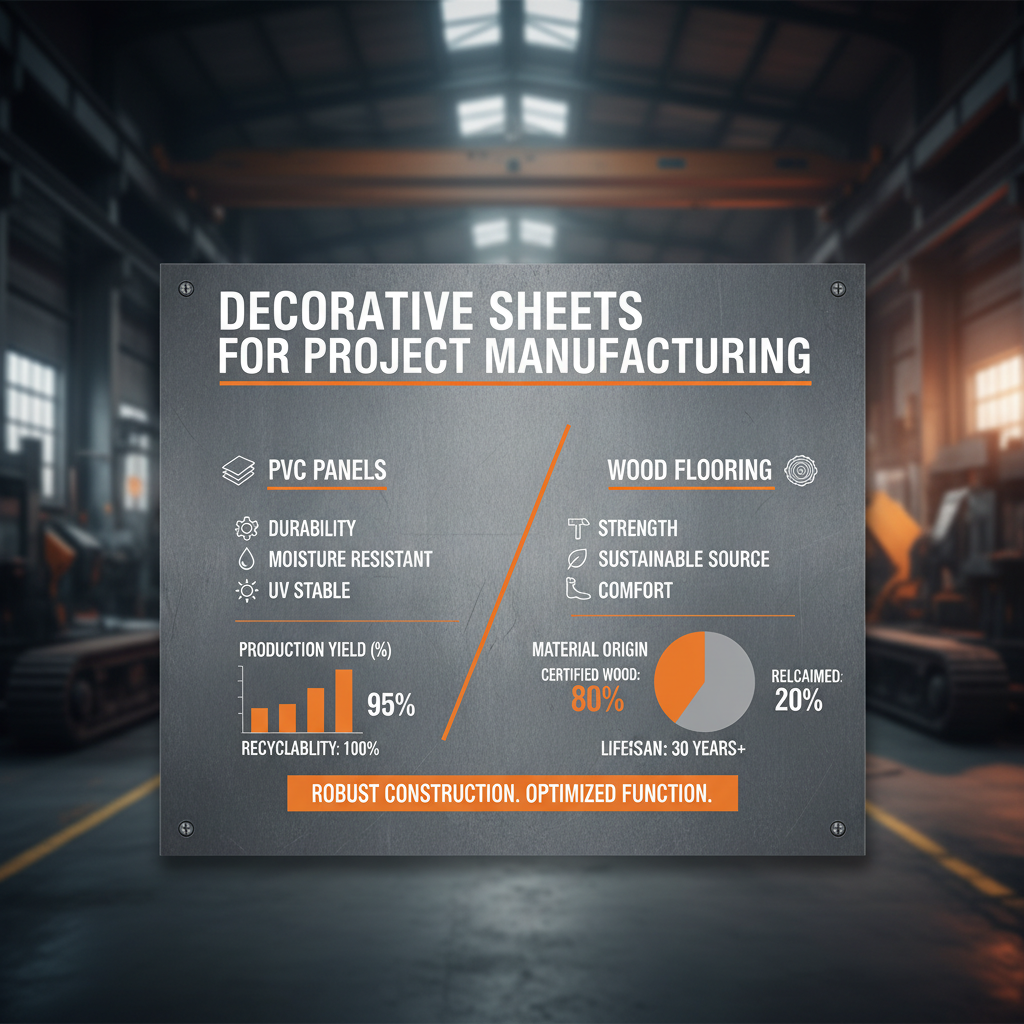
Several key factors contribute to the growing popularity of decorative sheets for project. Firstly, Durability is paramount. Modern sheets are manufactured to withstand harsh weather conditions, impact, and prolonged use, ensuring a long lifespan and minimal maintenance requirements. Secondly, Scalability is a significant advantage. Production can be rapidly adjusted to meet fluctuating demands, from small-scale emergency shelters to large-scale housing developments.
Cost Efficiency is another critical aspect. By reducing construction time, labor costs, and material waste, decorative sheets for project often offer substantial savings compared to traditional building methods. Moreover, Ease of Assembly is a crucial feature, requiring minimal specialized skills and reducing the need for extensive training. Finally, Design Flexibility allows for a wide range of aesthetic options and customization, catering to specific project requirements and cultural preferences.
These factors combine to make decorative sheets for project an attractive solution for a wide range of applications, offering a practical and sustainable alternative to conventional building methods. The ongoing refinement of materials and manufacturing processes continues to enhance these advantages.
Global Applications and Use Cases
The applications of decorative sheets for project are incredibly diverse. In post-disaster relief operations, they provide rapid shelter for displaced populations, offering a safe and dignified alternative to tents or improvised structures. Organizations like the Red Cross and Habitat for Humanity have successfully deployed these sheets in response to earthquakes, hurricanes, and other emergencies.
Beyond disaster relief, decorative sheets for project are increasingly used in affordable housing projects, particularly in developing countries. Their low cost and quick assembly make them an ideal solution for addressing housing shortages and improving living conditions in urban slums and rural areas. Furthermore, they find application in remote industrial zones, where temporary accommodation for workers or modular offices are required.
In developed nations, decorative sheets for project are gaining traction in the construction of temporary event spaces, pop-up retail stores, and even permanent structures like modular homes and office buildings. The increasing demand for sustainable and efficient building solutions is driving this trend, with innovative companies constantly exploring new applications for this versatile material.
Decorative Sheets for Project – Application Performance
Advantages and Long-Term Value
The tangible benefits of utilizing decorative sheets for project are substantial. Reduced construction costs, stemming from decreased labor and material needs, make them particularly attractive in budget-constrained projects. The inherent sustainability of many modern sheets – often utilizing recycled materials – further enhances their appeal, minimizing environmental impact. Beyond cost and environmental considerations, the speed of deployment is a game-changer in emergency situations.
The long-term value extends beyond purely logistical advantages. Decorative sheets for project contribute to social impact by providing safe, dignified, and rapidly deployable shelter. This fosters a sense of security and stability for vulnerable populations. Furthermore, the innovative nature of these materials drives trust in building practices and encourages the adoption of more resilient and sustainable solutions.
Future Trends and Innovations
The future of decorative sheets for project is closely tied to advancements in materials science and digital fabrication. Researchers are exploring the use of bio-based polymers and self-healing materials to create even more sustainable and durable sheets. Integration with Building Information Modeling (BIM) and digital design tools will enable greater customization and precision in construction.
Automation in manufacturing processes promises to further reduce production costs and improve efficiency. Furthermore, incorporating smart technologies – such as integrated sensors and energy-efficient systems – into decorative sheets for project will create buildings that are not only sustainable but also responsive to the needs of their occupants.
Challenges and Solutions
Despite their numerous advantages, decorative sheets for project face certain challenges. One key limitation is the potential for standardization issues, particularly with proprietary connection systems. This can hinder interoperability and increase long-term maintenance costs. Another challenge is ensuring consistent quality control across different manufacturers.
To address these challenges, industry-wide collaboration is crucial to develop open-source standards for connection systems and quality assurance protocols. Investing in research and development of more versatile and adaptable materials will also be essential. Furthermore, promoting education and training programs for construction workers will ensure the proper installation and maintenance of these innovative building components.
The development of circular economy models, focused on material reuse and recycling, will further enhance the sustainability and long-term viability of decorative sheets for project, minimizing waste and maximizing resource efficiency.
FAQS
Fire safety is paramount. Modern decorative sheets for project are often manufactured with fire-retardant additives and are tested to meet relevant building codes. However, it's crucial to verify the fire rating of the specific sheet being used and ensure proper installation, including the use of fire-resistant sealants and connections. Always consult local building regulations for specific requirements.
The longevity varies depending on the material composition and environmental conditions. While concrete and brick are renowned for their extreme durability, high-quality decorative sheets for project can last for decades with proper maintenance. Regular inspections, cleaning, and timely repairs can significantly extend their lifespan. Composite materials, in particular, are resistant to corrosion and decay, offering excellent long-term performance.
Decorative sheets for project offer versatility, but climate suitability depends on the specific material. Some sheets are designed to withstand extreme temperatures, humidity, and UV exposure, while others may require additional protection or are better suited for milder climates. Selecting the appropriate sheet for the intended environment is crucial for ensuring long-term performance and preventing degradation.
Decorative sheets for project often offer cost savings compared to conventional construction due to reduced labor, faster assembly times, and lower material waste. The cost per square foot can vary depending on the material, complexity of the design, and installation costs, but generally falls within a competitive range. A detailed cost analysis should always be conducted to compare options.
The recyclability of decorative sheets for project depends on the material composition. Many sheets are made from recyclable materials like plastics and metals. However, composite materials can be more challenging to recycle. Manufacturers are increasingly focusing on developing more recyclable or biodegradable options, and circular economy initiatives are promoting material reuse and repurposing.
Maintenance requirements are generally low. Regular cleaning with mild soap and water is usually sufficient. Periodic inspections should be conducted to identify any signs of damage, such as cracks or loose connections. Prompt repairs can prevent minor issues from escalating into more significant problems. Protective coatings may be applied to enhance durability and UV resistance.
Conclusion
Decorative sheets for project represent a paradigm shift in construction and disaster relief, offering a compelling combination of speed, affordability, sustainability, and versatility. Their ability to address critical challenges related to housing, infrastructure, and emergency preparedness makes them an increasingly important element in building a more resilient and equitable future. From emergency shelters to modular homes, the applications continue to expand, driven by ongoing innovation.
Looking ahead, continued research and development, coupled with industry-wide collaboration, will be crucial to unlocking the full potential of decorative sheets for project. By embracing open standards, promoting sustainable manufacturing practices, and fostering a culture of innovation, we can ensure that these materials play a vital role in creating a more sustainable and equitable world. For more information about incorporating decorative sheets for project into your next endeavor, visit our website: decorative sheets for project.









 +86 31185293045
  qian@ss711.com