Decorative sheet panels are rapidly transforming industries from construction and interior design to manufacturing and disaster relief. Their versatility, cost-effectiveness, and ease of installation make them an increasingly popular choice globally. Understanding the nuances of these panels – their material composition, application methods, and long-term benefits – is crucial for professionals and individuals alike seeking innovative and sustainable building solutions.
The global demand for efficient and adaptable building materials is surging, driven by urbanization, population growth, and a heightened awareness of environmental sustainability. Decorative sheet panels offer a compelling response to these challenges, providing a lightweight, durable, and aesthetically pleasing alternative to traditional materials like wood, concrete, and metal. This growing market presents opportunities for innovation and expansion across diverse sectors.
From enhancing architectural aesthetics to providing rapid shelter in emergency situations, decorative sheet panels are demonstrating their wide-ranging capabilities. Their ability to mimic various finishes, including wood grain, stone, and metal, without the associated environmental impact or high costs, makes them a valuable asset for modern construction and design.
Introduction to decorative sheet panels
Decorative sheet panels represent a significant advancement in material science, offering a blend of aesthetic appeal and practical functionality. These panels, typically composed of materials like PVC, acrylic, aluminum composite material (ACM), or high-pressure laminates (HPL), are designed to mimic the appearance of more expensive or less sustainable materials. They are quickly becoming a mainstay in both residential and commercial applications.
The versatility of decorative sheet panels allows for a wide range of design possibilities, from creating stunning feature walls to providing durable and weather-resistant cladding for buildings. Their lightweight nature simplifies installation, reducing labor costs and project timelines. The ease of maintenance and cleaning further enhances their long-term value, making them a preferred choice for projects seeking both style and efficiency.
Global Relevance & Industry Context
The construction industry is a massive global force, contributing significantly to economic growth but also facing increasing scrutiny for its environmental impact. According to the UN Environment Programme, the building sector accounts for approximately 39% of global carbon emissions. This statistic highlights the urgent need for more sustainable building materials and practices, and this is where decorative sheet panels play a crucial role. They offer a lower carbon footprint compared to traditional materials, particularly when utilizing recycled content.
The World Bank estimates that global construction spending will reach over $10 trillion annually by 2030. This growth is largely driven by urbanization in developing countries and infrastructure development worldwide. The demand for affordable, durable, and aesthetically pleasing building materials will therefore continue to rise. Decorative sheet panels meet these demands by offering a cost-effective and versatile solution suitable for a variety of climates and applications.
The ISO standards related to building materials increasingly emphasize sustainability and performance criteria. Manufacturers of decorative sheet panels are adapting to these standards by prioritizing eco-friendly materials and production processes. Certification programs, such as LEED (Leadership in Energy and Environmental Design), further incentivize the use of sustainable building products, driving the adoption of decorative sheet panels in green building projects.
Defining Decorative Sheet Panels
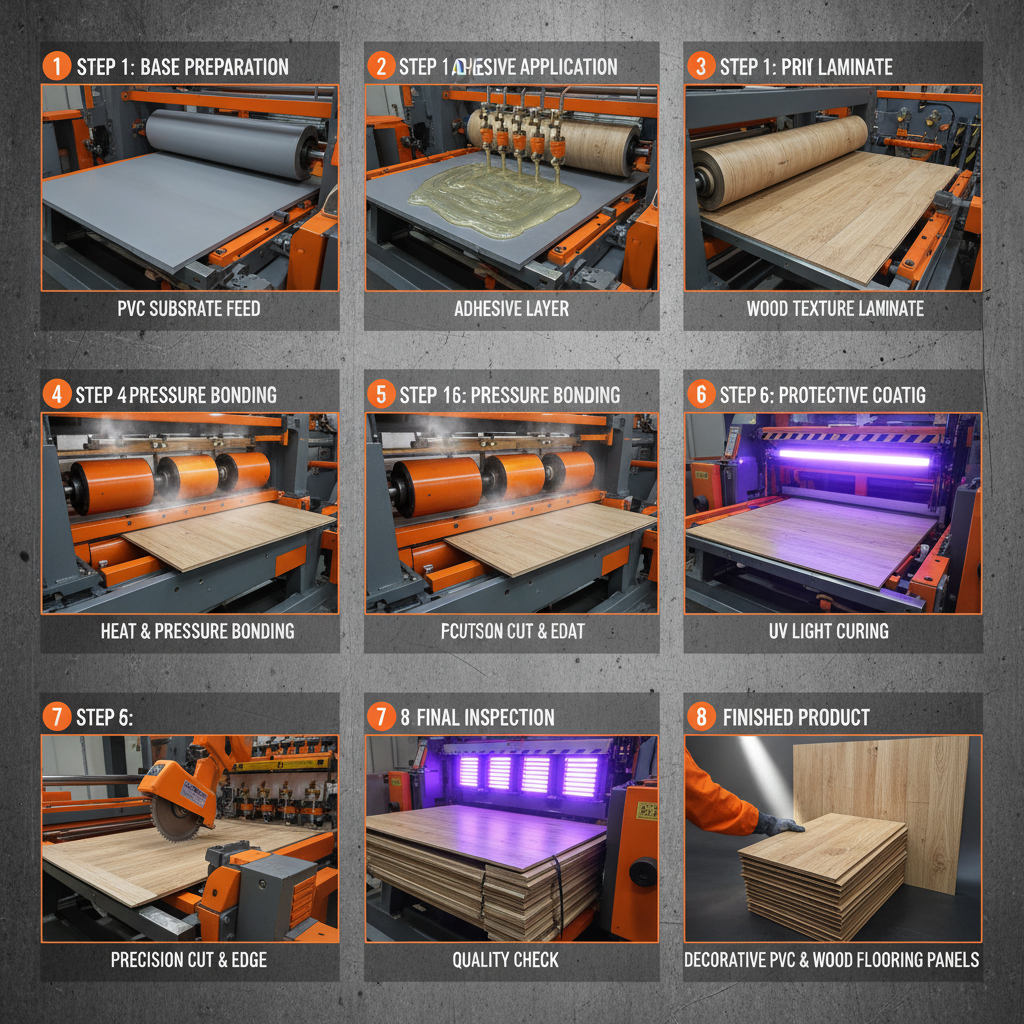
Decorative sheet panels are engineered surfacing materials used for both interior and exterior applications. Unlike traditional solid materials, they are typically constructed from multiple layers bonded together, resulting in a lightweight yet robust product. The visible surface layer is designed to replicate the appearance of other materials, such as wood, stone, metal, or solid colors, offering a wide range of aesthetic options.
Their connection to modern industry lies in their ability to streamline construction processes and reduce material waste. They’re employed as a substitute for heavier, more costly materials, reducing structural load and installation time. In humanitarian needs, particularly in disaster relief and rapid deployment housing, decorative sheet panels provide a quickly assembled, durable, and sanitary shelter solution.
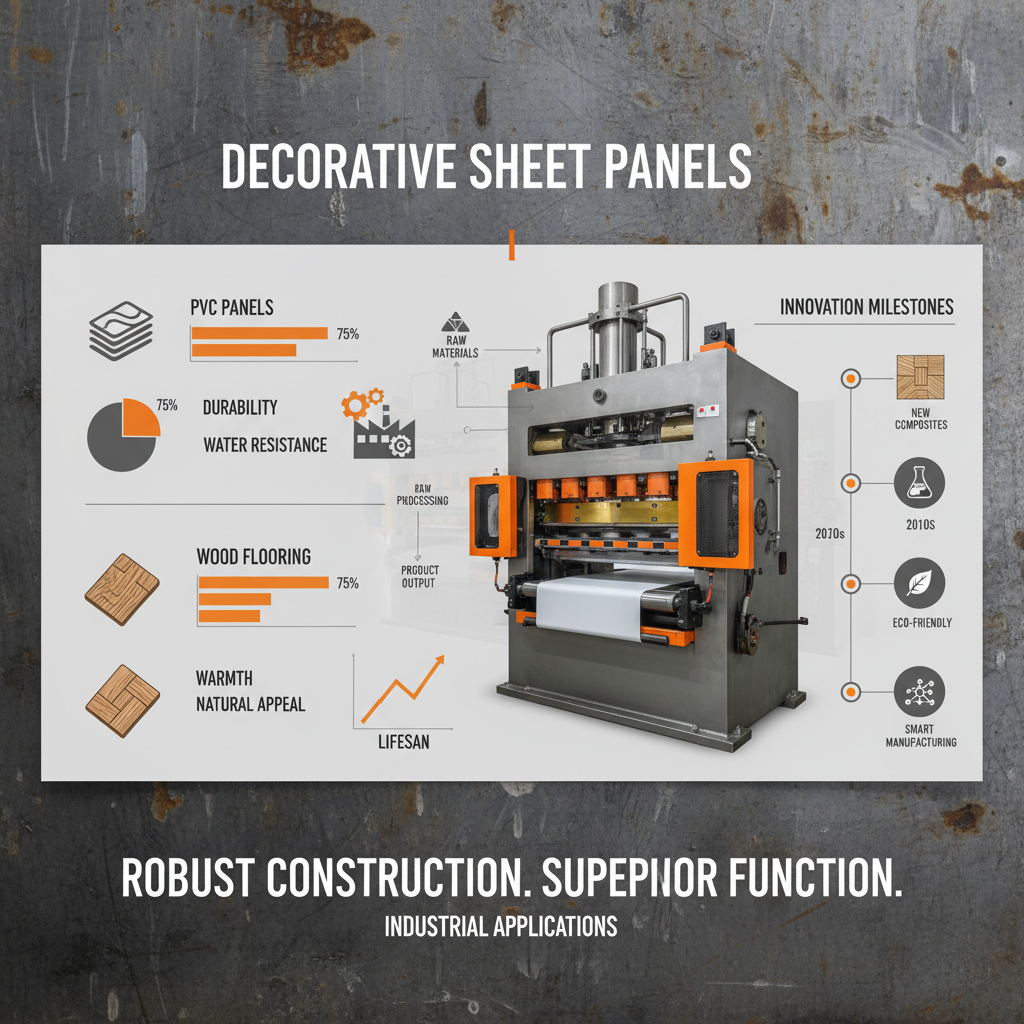
The core composition can vary significantly. PVC panels are popular for their water resistance and affordability, while ACM panels offer exceptional strength and design flexibility. HPL panels provide a hard-wearing, scratch-resistant surface suitable for high-traffic areas. Selecting the appropriate type of decorative sheet panel depends on the specific application and performance requirements.
Key Factors & Core Components
Durability: Decorative sheet panels, particularly those made from ACM or HPL, exhibit excellent resistance to weathering, impact, and abrasion. This makes them suitable for both indoor and outdoor applications, ensuring a long service life with minimal maintenance. They withstand harsh environmental conditions, reducing the need for frequent repairs or replacements.
Design Flexibility: The vast array of colors, textures, and finishes available allows for almost limitless design possibilities. Panels can be cut, shaped, and formed to create intricate patterns and custom designs. The ability to mimic natural materials without the associated environmental impact is a significant advantage.
Performance Ratings of Decorative Sheet Panel Methods
Global Applications & Use Cases
In the construction industry, decorative sheet panels are extensively used for building facades, cladding, interior wall coverings, and signage. Their lightweight nature reduces structural load, and their ease of installation saves time and labor costs. They are commonly found in commercial buildings, retail spaces, and residential developments worldwide.
In post-disaster relief operations, decorative sheet panels are employed for building temporary shelters and emergency housing. Their rapid assembly and durability make them ideal for providing immediate shelter to those affected by natural disasters. Organizations such as the Red Cross and Habitat for Humanity are increasingly utilizing these panels in their relief efforts.
Advantages & Long-Term Value
The cost-effectiveness of decorative sheet panels is a major advantage, significantly reducing material and labor expenses compared to traditional building materials. Their lightweight nature also lowers transportation costs, further enhancing their economic appeal. Furthermore, their durability translates into lower maintenance and replacement costs over the long term.
From a sustainability perspective, many decorative sheet panels utilize recycled content and are manufactured with eco-friendly processes. Their longevity reduces the need for frequent replacements, minimizing waste. The use of decorative sheet panels can contribute to achieving green building certifications and reducing a project's overall environmental footprint, offering both practical and ethical benefits.
Future Trends & Innovations
Ongoing research focuses on developing decorative sheet panels with enhanced fire resistance, improved thermal insulation, and self-cleaning properties. The integration of nanotechnology promises to create panels with even greater durability and performance characteristics. We are also seeing a trend towards bio-based materials, utilizing sustainable resources in their construction.
Digital transformation is playing a significant role, with advancements in digital printing allowing for highly customized designs and intricate patterns. Automation in manufacturing processes is increasing efficiency and reducing production costs. The convergence of these technologies is paving the way for a new generation of decorative sheet panels that are both innovative and sustainable.
Summary of Challenges & Solutions related to decorative sheet panels
Decorative sheet panels have been an innovative and popular material in recent years, but there have also been a lot of problems in its construction and application. Here’s a table summarizing some challenges, their contributing factors, impact levels, and potential solutions.
The challenges of decorative sheet panels include issues in installation complexity, material limitations and weathering problems. By implementing the proposed solutions, the industry can enhance the durability, usability, and overall value of decorative sheet panels.
By continuing to explore new materials and technologies, manufacturers and installers can address these challenges and ensure the long-term success of decorative sheet panels as a sustainable and versatile building material.
Summary of Challenges & Solutions related to decorative sheet panels
| Challenge |
Contributing Factors |
Impact Level (1-10) |
Potential Solutions |
| Installation Complexity |
Requires skilled labor, precise cutting, and secure fastening. |
7 |
Standardized installation guides, pre-fabricated components, training programs. |
| Material Limitations |
Some materials susceptible to UV degradation or impact damage. |
6 |
Use of UV-resistant coatings, stronger core materials, protective layers. |
| Weathering Problems |
Moisture ingress, expansion/contraction, color fading. |
8 |
Proper sealing, ventilation, use of weather-resistant materials. |
| Fire Resistance Concerns |
Certain materials are highly flammable, posing a fire hazard. |
9 |
Utilizing fire-retardant additives, incorporating non-combustible core materials. |
| Cost Fluctuations |
Raw material price volatility impacting overall project budget. |
5 |
Long-term supply agreements, exploring alternative material sources. |
| Environmental Impact |
Production of some materials can be energy-intensive and generate waste. |
7 |
Utilizing recycled content, optimizing manufacturing processes, promoting responsible disposal. |
FAQS
Decorative sheet panels are commonly made from materials like PVC (Polyvinyl Chloride), ACM (Aluminum Composite Material), HPL (High-Pressure Laminate), and acrylic. PVC offers excellent water resistance and affordability, ACM provides strength and design flexibility, and HPL delivers a durable, scratch-resistant surface. The choice of material depends on the specific application and desired performance characteristics.
Decorative sheet panels are generally more cost-effective than traditional wood paneling, both in terms of material costs and installation expenses. They require significantly less maintenance than wood, as they do not need to be stained, varnished, or sealed. Cleaning is typically as simple as wiping with a damp cloth, making them a low-maintenance solution for both residential and commercial spaces.
Many decorative sheet panels are suitable for outdoor applications, particularly those made from ACM or PVC. They offer excellent resistance to weathering, including rain, wind, and UV exposure. However, the level of weather resistance varies depending on the specific material and coating used. It's crucial to select panels specifically designed for outdoor use to ensure long-term durability.
Fire safety ratings for decorative sheet panels vary depending on the material and any fire-retardant additives used. Some panels meet Class A fire ratings, the highest level of fire resistance, while others may have lower ratings. It's essential to check the fire safety certifications and ratings of specific panels before using them in applications where fire safety is a concern, and to comply with local building codes.
Proper installation is crucial for the performance and longevity of decorative sheet panels. This typically involves using appropriate adhesives, fasteners, and support structures. It's important to follow the manufacturer's installation guidelines carefully and to ensure that the substrate is properly prepared. Professional installation is recommended, especially for large or complex projects.
The recyclability of decorative sheet panels varies depending on the material. PVC can be challenging to recycle, but there are emerging technologies for PVC recycling. ACM panels often contain recyclable aluminum, and HPL panels may be able to be recycled depending on local facilities. Look for panels made from recycled content and choose manufacturers committed to sustainable practices.
Conclusion
Decorative sheet panels have emerged as a versatile and sustainable solution across numerous industries, offering a compelling combination of aesthetic appeal, durability, and cost-effectiveness. Their ability to mimic diverse materials while reducing environmental impact positions them as a key player in modern construction and design. The benefits extend beyond mere aesthetics, encompassing ease of installation, low maintenance, and potential for long-term value.
As technology advances and sustainability concerns grow, decorative sheet panels are poised for continued innovation and wider adoption. Exploring new materials, optimizing manufacturing processes, and focusing on lifecycle assessments will further enhance their environmental performance. For architects, designers, and builders seeking adaptable and responsible building solutions, decorative sheet panels represent a forward-thinking choice.









 +86 31185293045
  qian@ss711.com