


Wpc Wall Panel Costa Rica
Product Introduction
Ultimate Guide to WPC Wall Panel Costa Rica: Climate-Proof, Cost-Effective Building Solutions for 2026
Discover how high-performance Wood Plastic Composite (WPC) wall panels solve Costa Rica's tropical humidity, UV exposure, and maintenance challenges. Built for hotels, resorts, and modern commercial projects.
The Hidden Costs of Tropical Construction: 5 Critical Pain Points for Costa Rican Projects
Building in Costa Rica means battling a relentless trifecta: constant humidity averaging 70-90%, intense equatorial UV radiation, and a salt-laden coastal breeze in Pacific and Caribbean zones. If you're specifying materials for a hotel in Tamarindo, a condo in Escazú, or a commercial building in San José, conventional materials are failing you. Here’s what we see from project managers on the ground:
- Material Degradation on Fast-Forward: Natural wood cladding, a popular aesthetic choice, begins to warp, rot, and develop surface mold within 18-24 months in Costa Rica's wet season. The constant swelling and shrinking cycle leads to cracking, gaps, and costly re-cladding. For a 500sqm façade, replacement costs can exceed $15,000 every 2-3 years, not including labor and downtime.
- Exorbitant Maintenance Schedules: Painting or sealing wood exteriors requires recoating every 1-2 years. For high-rise buildings or large resorts, this means scaffolding, specialized labor, and significant operational disruption. The lifetime cost of maintaining a wood façade can be 300% higher than an initial WPC installation, according to lifecycle cost analyses from the WPC vs. Wood studies.
- Thermal Inefficiency Driving Up AC Bills: Costa Rica's average temperatures range from 21°C to 27°C (70°F to 81°F), but direct sun on dark, non-insulated walls can create thermal bridges. This forces HVAC systems to work 15-25% harder, a critical factor for hotel operators where energy is a top-3 operational expense.
- Import Logistics & Tariff Headaches: Sourcing quality building materials from the US or Europe involves long shipping times (30-45 days), complex customs procedures, and unpredictable landed costs. A delayed shipment of specialty wood can stall a project for months, incurring penalty fees.
- Inconsistent Quality from Low-Cost Suppliers: The market is flooded with cheap WPC panels from suppliers using recycled polymers with low UV inhibitors and inconsistent wood fiber ratios. These panels fade to gray within 12 months, become brittle, and may not meet Costa Rican building codes for fire resistance (often requiring a Class B rating or higher).
The bottom line: choosing a wall system for Costa Rica isn't just about the upfront price per square meter. It's a calculation of total cost of ownership (TCO) over 10-20 years, factoring in maintenance, energy savings, replacement cycles, and project timeline risks.
Engineered for the Tropics: The Shijiazhuang Sothink WPC Wall Panel System
At Shijiazhuang Sothink Trading Co., LTD, we don't just sell WPC panels; we engineer building envelopes for specific climates. Our WPC Interior & Exterior Wall Panels are manufactured in our Hebei province factory, 300km from Beijing, using a proprietary formulation tested for tropical performance. With over a decade of export experience to North and South America, we understand the logistical and technical demands of the Costa Rican market.
Our Core Advantages for Costa Rican Projects
🌴 Tropical Formula
Our standard mix includes 7-9% premium UV inhibitors and anti-fungal additives, specifically balanced for high-humidity, high-UV environments. This is not an off-the-shelf product.
⚡ China Supply Chain Speed
We maintain a 40,000 sqm monthly production capacity for standard profiles. For urgent Costa Rica projects, we can prioritize production and secure space on weekly vessels to Limón or Caldera ports.
🔧 OEM/ODM Flexibility
Need a specific groove pattern for a Costa Rican architect's design? We offer free engineering support for custom profiles, colors (RAL/Pantone matched), and lengths up to 6m.
📜 Full Compliance
Our panels are ISO 9001, CE (EN 15534), and RoHS certified. We provide full test reports for fire performance (BS 476 Class 1 equivalent), impact resistance, and weathering, facilitating Costa Rican import approval.
Inside Our Factory: Quality You Can See
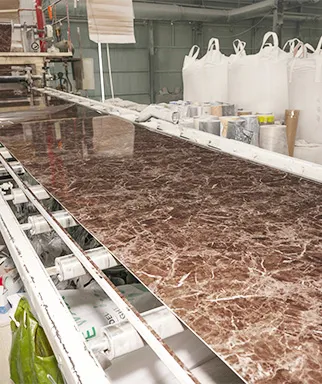
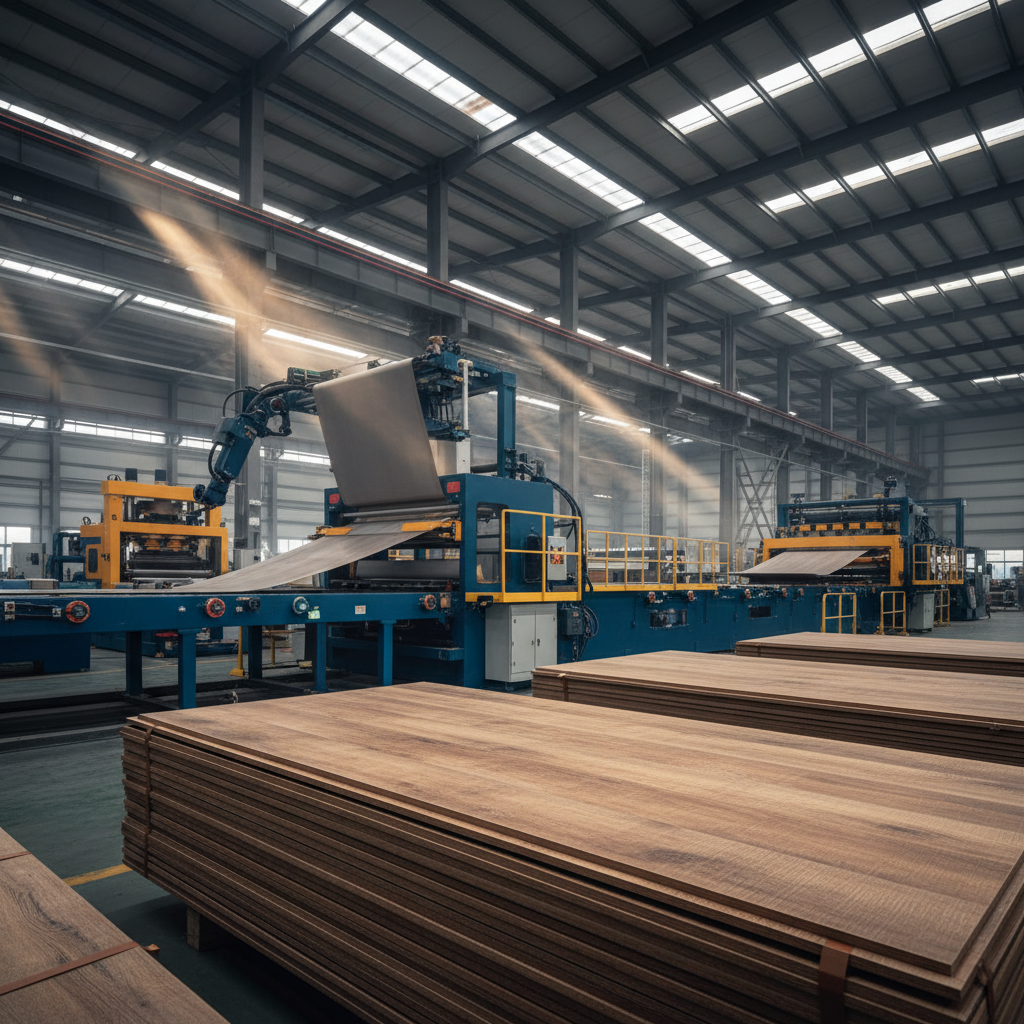
Our manufacturing process is the foundation of reliability. We control everything from raw material compounding to final extrusion.
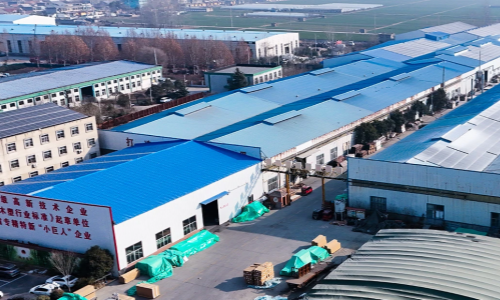
The process begins with meticulously dried wood flour (sourced from certified sustainable forests or recycled sources) blended with virgin or high-quality recycled HDPE/PP. The twin-screw extruder applies precise temperature control (180-220°C) to achieve perfect polymer-wood fusion, eliminating weak interfaces that cause delamination in cheaper products.
Technical Deep Dive: WPC Wall Panel Specifications for Costa Rican Conditions
When specifying for Costa Rica, you must look beyond aesthetic samples. The technical parameters determine 20-year performance. Here is a breakdown of our standard "Tropical Pro" series specifications, designed for the CRI climate.
1. Core Material Composition & Structure
Our panels are not hollow. They feature a solid, homogeneous core structure (no foam core) extruded in a single process. This is critical for:
- Impact Resistance: Withstands tropical storms and accidental bumps during installation.
- Dimensional Stability: Minimal expansion/contraction (<0.3% across 10-40°C range), preventing buckling in San José's temperature swings or coastal humidity.
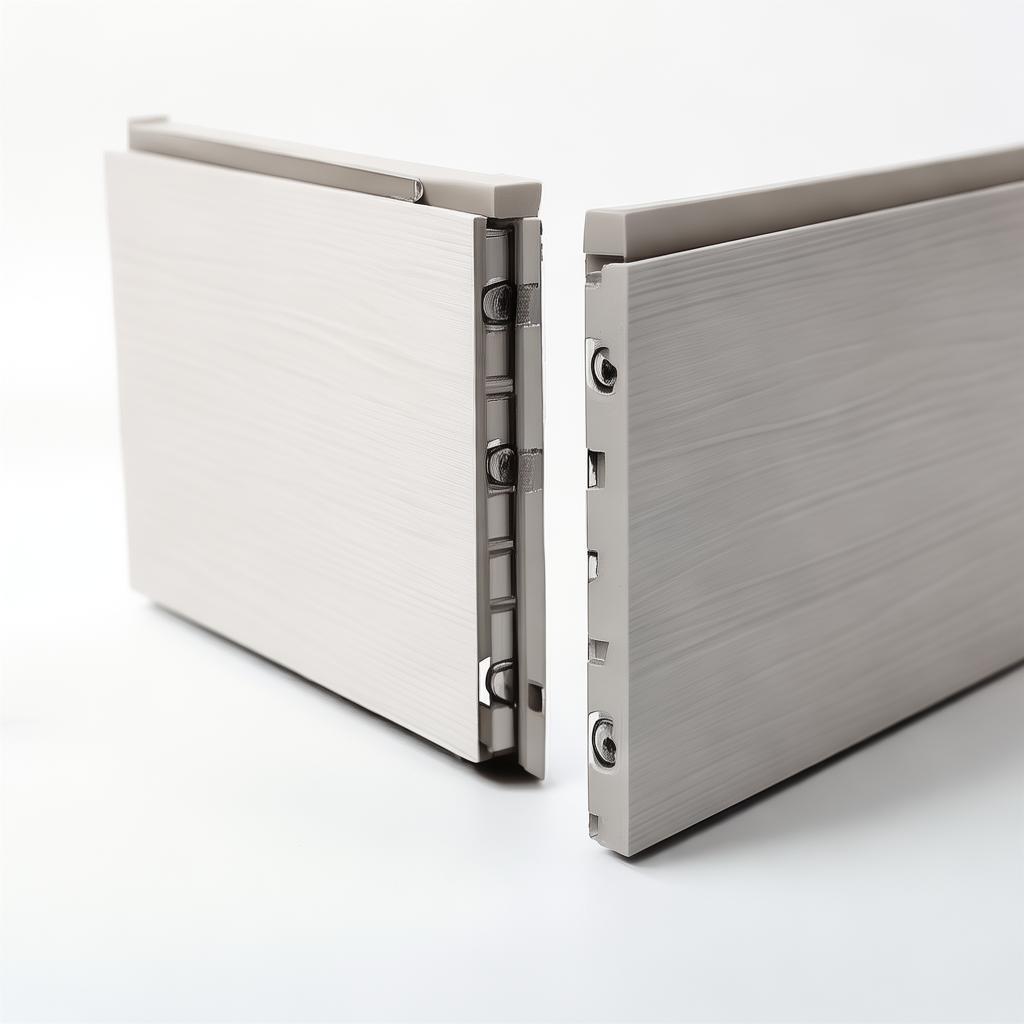
- Fastening Strength: Solid core holds screws and hidden clip systems securely without cracking.
| Parameter | Our "Tropical Pro" Spec | Typical Low-Cost WPC | Relevance to Costa Rica |
|---|---|---|---|
| Wood Fiber Content | 45% ± 3% (Hygroscopic, pre-dried to <3% MC) | 30-35% (often higher recycled content, inconsistent) | Higher, stable wood content ensures better dimensional stability in humidity. |
| Polymer Matrix | 70% HDPE (Virgin 30% + Recycled 70%) | 100% Recycled HDPE/PP mix | Virgin content provides UV/thermal stability, critical for coastal UV. |
| Density | 1.15 - 1.25 g/cm³ | 0.9 - 1.05 g/cm³ | Higher density resists impact and provides better thermal mass. |
| Flexural Strength | ≥ 25 MPa | 15-20 MPa | Required for wind load resistance on taller buildings in Costa Rica. |
| Water Absorption (24h) | ≤ 0.5% | 1.0 - 2.5% | Directly correlates to swelling, mold resistance in 90% RH. |
| UV Additive Package | HALS + Benzotriazole, 7-9% by weight | Basic Hindered Amine, 2-4% | Prevents fading, embrittlement under intense equatorial sun (UV Index 10-12). |
2. Surface & Decorative Layer
Our panels feature a co-extruded, multi-layer skin:
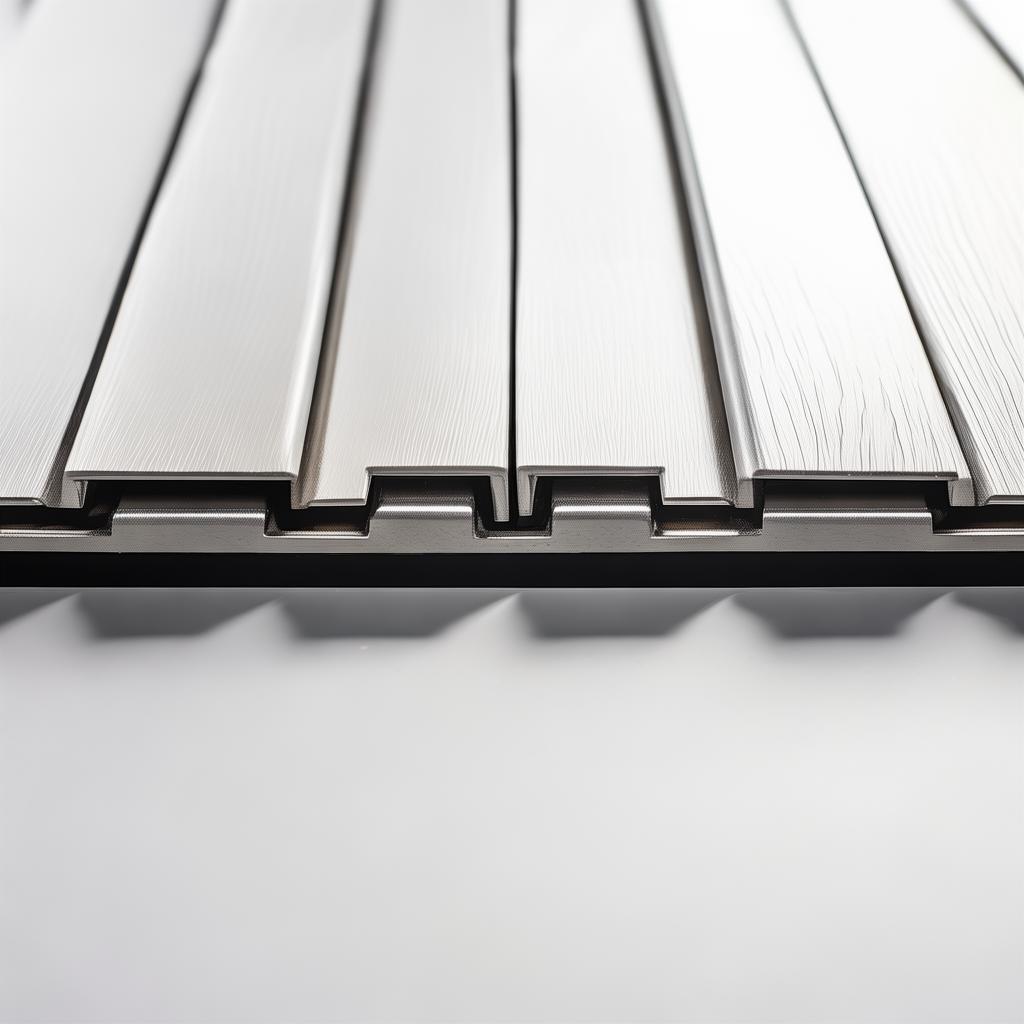
- Wear Layer: 0.5mm - 0.7mm transparent PVC cap. Provides scratch resistance (≥ 3H pencil hardness) and seals the decorative layer from moisture and cleaning chemicals.
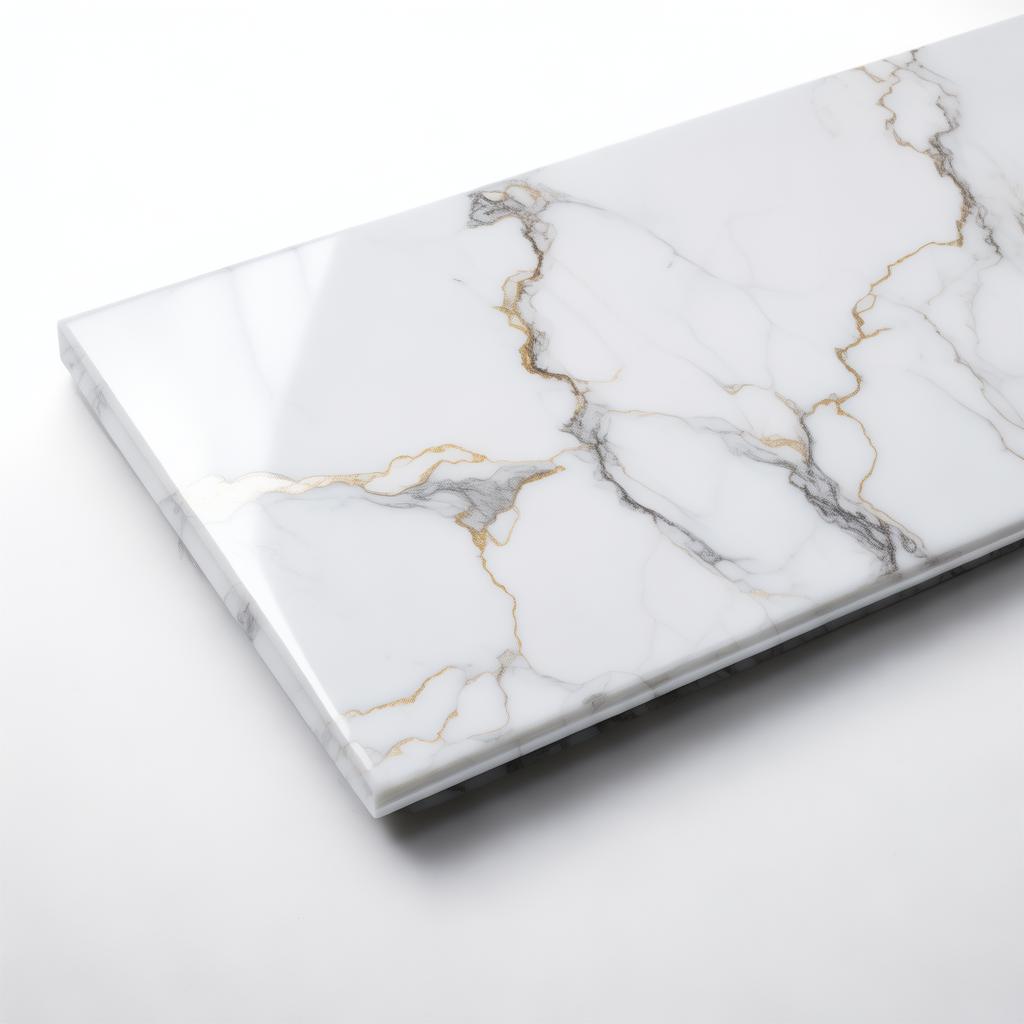
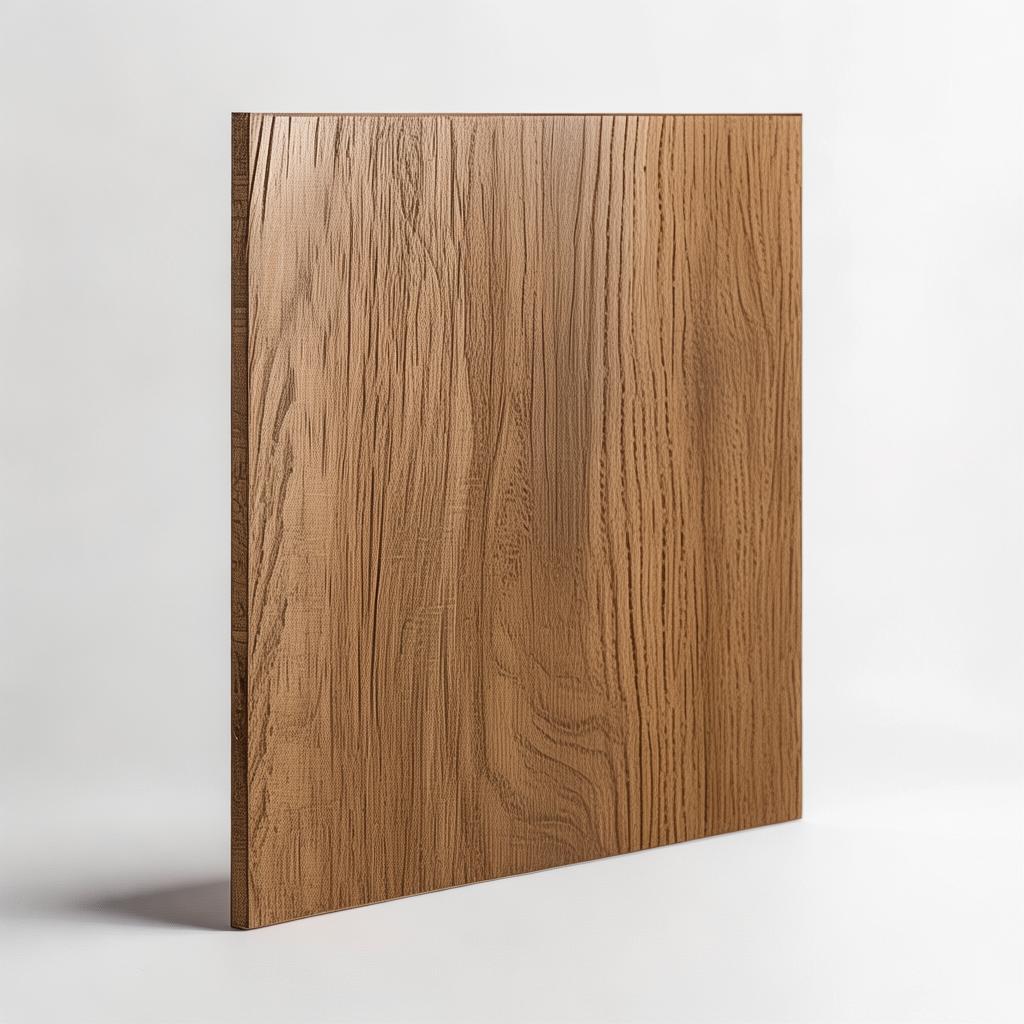
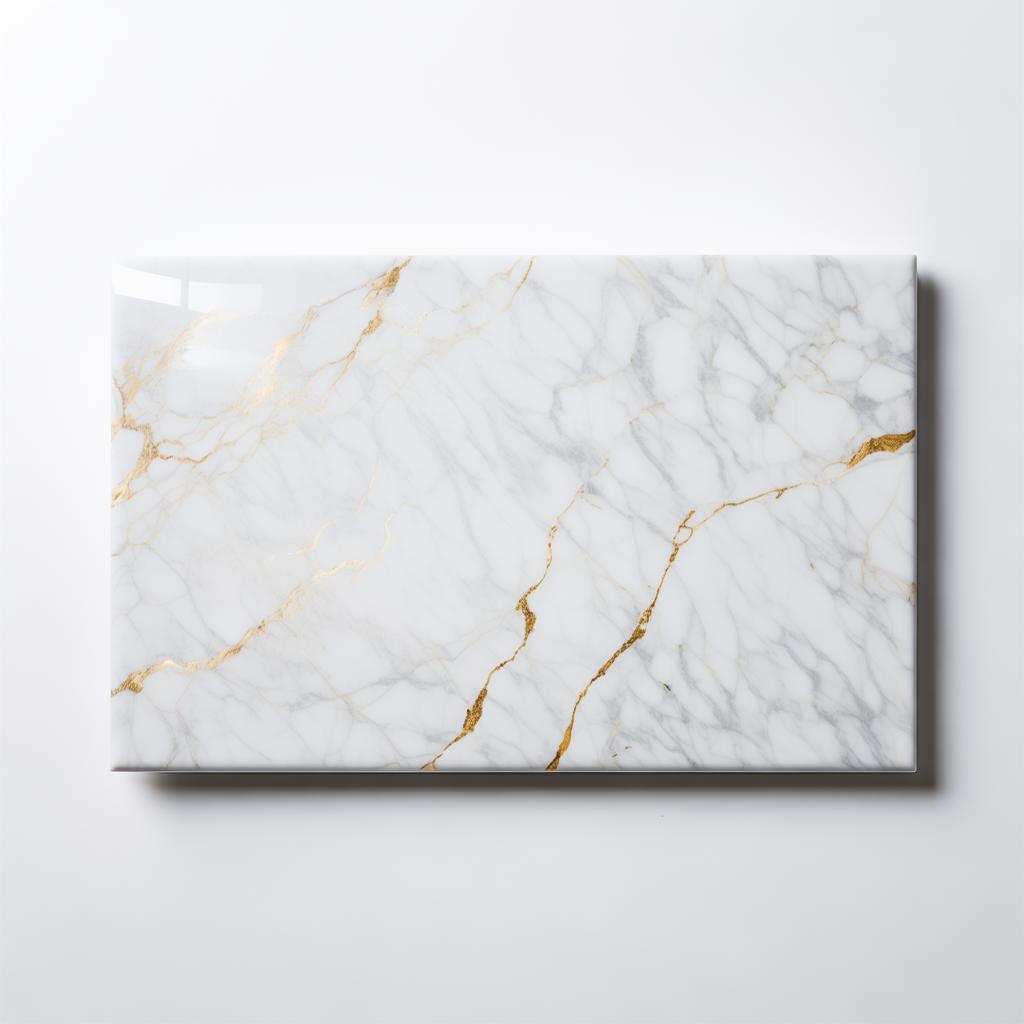
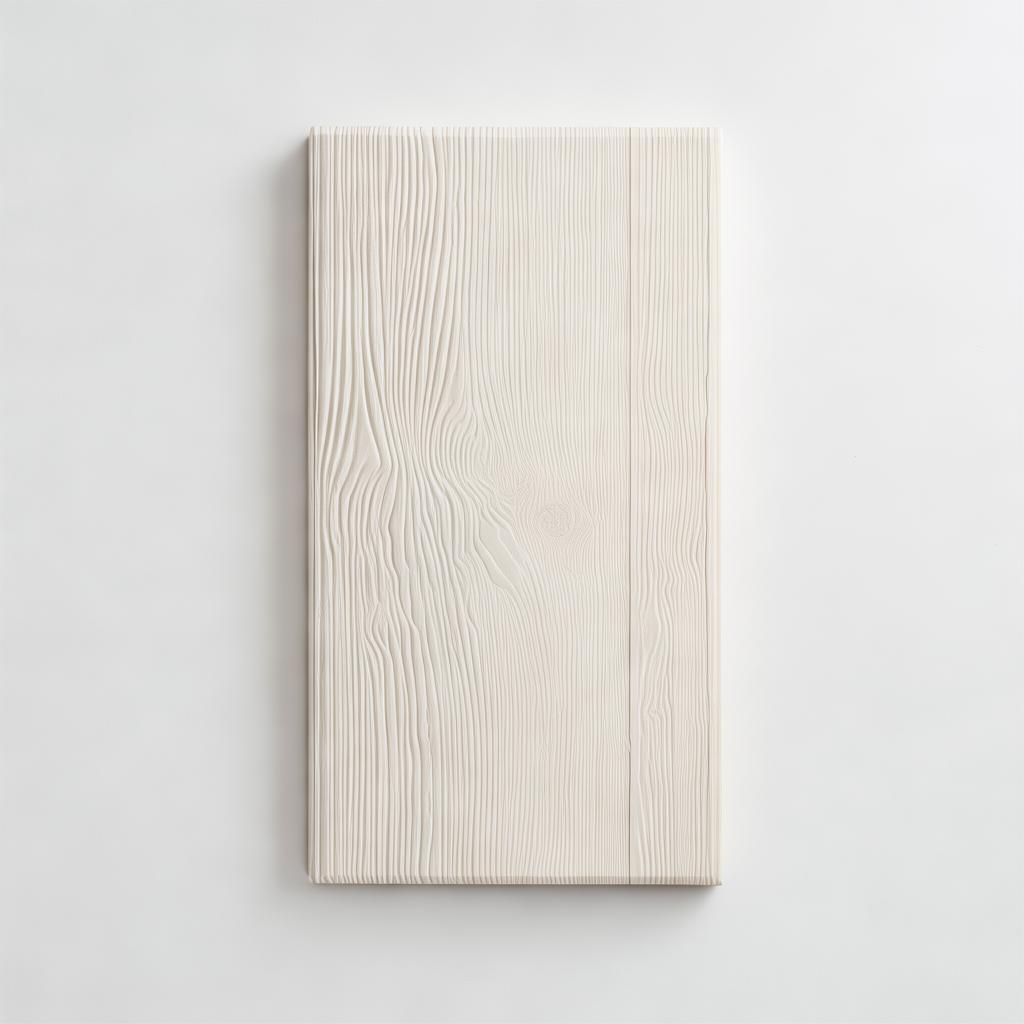
- Decorative Layer: High-resolution wood grain or stone texture printed via gravure cylinder. We use eco-solvent, low-VOC inks certified to REACH and RoHS. For Costa Rican hotels seeking a "local tropical wood" look (like Grapia or Laurel), we offer custom design services.
- Capstock Integration: The cap is chemically bonded to the core, preventing delamination—a common failure point in cheap imports where a simple veneer peels off.
3. Physical Dimensions & Tolerances
We produce standard and custom sizes. For efficient shipping to Costa Rica (typically 40ft containers), our most popular export profile is:
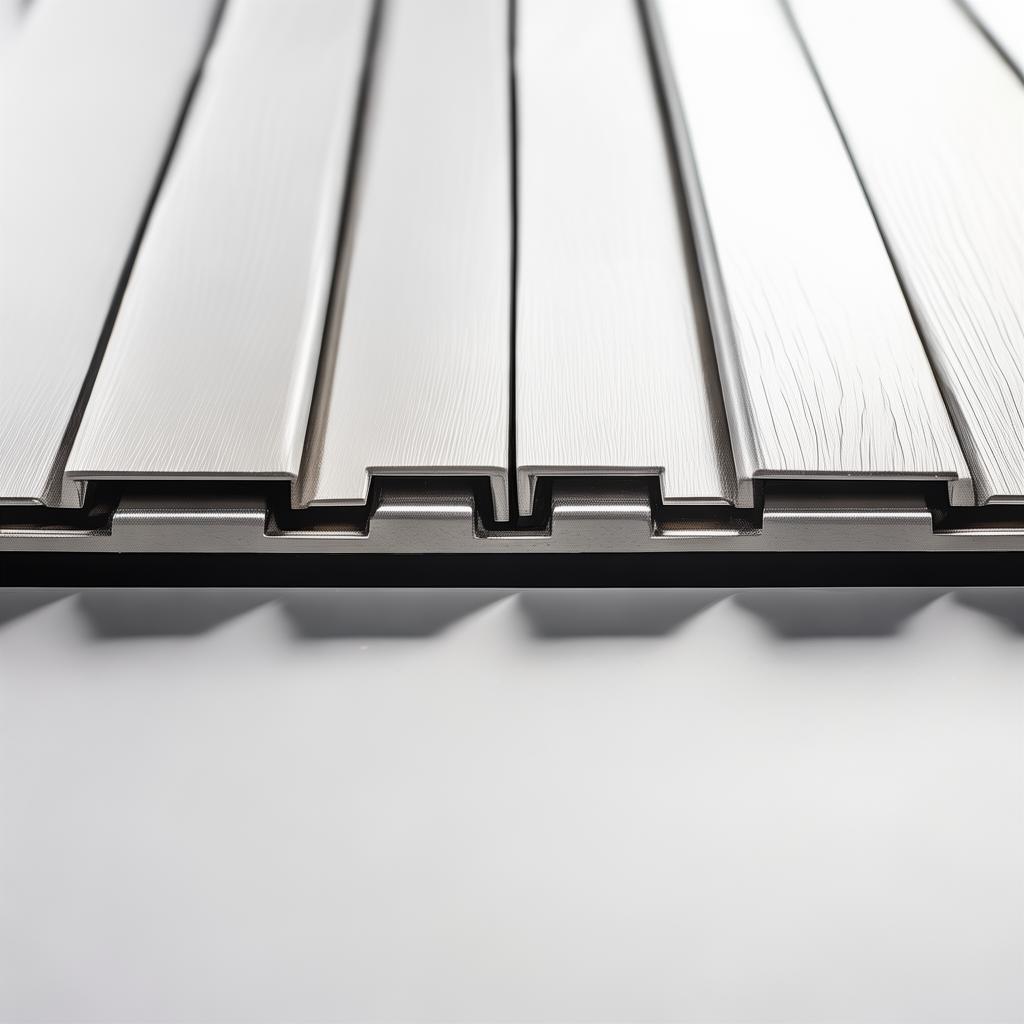
- Profile: Shiplap (tongue & groove), 156mm width, 20mm thickness
- Length: Standard 2.9m, 3.9m, 5.9m (max 6m). Custom lengths incur a cutting fee.
- Tolerance: ±1.5mm in width/length, ±0.5mm in thickness. Critical for seamless, gap-free installation.
WPC Wall Panel in Action: Costa Rica Application Scenarios
The theory is solid, but how does it perform in the real Costa Rican environment? Here are three common applications where our panels deliver measurable ROI.
Scenario 1: Beachfront Resort Façade Renovation - Tamarindo, Guanacaste
The Challenge: A 4-star resort with 50 bungalows used cedar tongue-and-groove siding. After 5 years, constant salt spray, sun, and humidity had caused severe warping, checking, and termite damage. Maintenance costs were $8,000/bungalow every 18 months. Downtime for repairs disrupted guest experience.
Our Solution: "Tropical Pro" 20mm shiplap in a warm cedar color (RAL 8001). Installed over existing studs using our stainless steel hidden clip system.
Measurable Results (After 2 Years):
- Zero maintenance required beyond annual hose-down.
- Guest complaints about "old, musty" bungalow exteriors dropped by 100% (per management survey).
- Project paid back in 4.2 years versus continuing wood maintenance cycle.
- No color fading observed (ΔE < 1.0).
Scenario 2: Commercial Office Building - San José Business District
The Challenge: A 6-story office building required a modern, professional exterior that met new Costa Rican energy efficiency norms (Ministerio de Vivienda). Concrete was too expensive; painted metal lacked warmth.
Our Solution: 3D embossed WPC panels in a charcoal grey (RAL 7021) installed as a ventilated rainscreen over an aluminum sub-frame.
Technical & Financial Impact:
- The 25mm air gap created by the ventilated facade reduced wall U-value by an estimated 0.4 W/m²K, contributing to HVAC energy savings of ~12%.
- Installation time was 40% faster than traditional ceramic tile cladding, minimizing business disruption.
- 10-year warranty provided financial predictability for the building owner.
Scenario 3: High-End Residential Interior - Escazú
The Challenge: A luxury home wanted the look of reclaimed teak for an interior feature wall and ceiling, but teak was prohibitively expensive and prone to cracking in air-conditioned interiors.
Our Solution: 8mm thick "Plank" profile WPC with a hand-scraped teak texture. Used on both wall and ceiling.
Outcome:
- Material cost was 55% lower than reclaimed teak.
- Zero cracking or cupping after 18 months in a 22°C, 50% RH controlled environment.
- Client cited the "seamless, consistent grain" as a major aesthetic plus over variable natural wood.
Proven, Compliant, and Trusted: Our Social Proof
Global Standards, Local Confidence
We meet the most rigorous international standards, ensuring your Costa Rican project passes inspections without delay. Our certifications are not just pieces of paper; they are the result of consistent, audited processes.

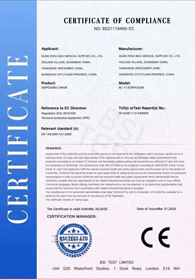


We provide full documentation packs including factory test reports, material safety data sheets (MSDS), and installation guides in English/Spanish.
Client Success Stories
Our panels are specified by developers and contractors across the Americas. Here is feedback from a key project in Central America:
"We used Sothink's WPC panels for the exterior of the 'Azure Bay' condo project in Jacó. The main win was the installation speed. Our local crew, unfamiliar with WPC, was up and running in a day using the clip system. Two rainy seasons later, zero callbacks on the façade. The color held perfectly against the sun. Their logistics team also coordinated the container discharge in Caldera seamlessly."
— Carlos M., Project Manager, Constructora Azul S.A., Costa Rica
Trusted by Leading Brands (Sample Logos)
We are a qualified supplier for major international brands seeking reliable, high-volume WPC solutions.




Frequently Asked Questions: Importing WPC Wall Panels to Costa Rica
What are the customs duties and import taxes for WPC panels in Costa Rica?
WPC wall panels typically fall under HS Code 3918.90.90 (other wall coverings). Costa Rica's standard import duty is 5-10% depending on the specific classification, plus a 13% Value Added Tax (IVA) on the CIF (Cost, Insurance, Freight) value. However, many building materials may qualify for reduced rates under free trade agreements or specific construction sector incentives. We strongly recommend consulting a local customs broker. We provide all necessary documents: commercial invoice, packing list, bill of lading, and certificates of origin.
What is the average lead time and shipping time from China to Costa Rica?
Production: For standard stocked profiles, 7-10 days after confirmed PO and deposit. For custom colors/lengths, add 15-20 days.
Shipping: Ocean freight from Tianjin/Shanghai to ports like Limón (Moín) or Caldera takes 30-45 days. We work with reliable forwarders who offer weekly consolidations. Air freight (for samples/small urgent orders) is 5-7 days but is cost-prohibitive for full containers.
Do your panels meet Costa Rican building codes for fire safety?
Our standard WPC formulation achieves a Class B (s2, d0) rating according to EN 13501-1 (equivalent to ASTM E84 Class B). This is suitable for most interior applications in Costa Rica. For exterior cladding on high-rise buildings, local codes may require a Class A rating. We offer a specialized "FireGuard" additive package that can achieve Class A (s1, d0) upon request, with corresponding test reports. Always confirm specific project requirements with your local architect or the Colegio de Ingenieros y Arquitectos.
Can you provide technical support for installation in Costa Rica?
Absolutely. We provide comprehensive English/Spanish installation manuals, detail drawings, and video tutorials. For projects over 500 sqm, we can arrange a remote training session for your local installation team via video call. For very large projects, site supervision by our engineer can be quoted (travel costs + daily rate). The key is proper sub-frame preparation (for exterior) and acclimatization of panels (48 hours on-site) in Costa Rica's humidity.
What payment terms do you offer for Costa Rican buyers?
We are flexible to support your cash flow. Standard terms are 30% T/T deposit, 70% against copy of B/L. For established clients with good credit history, we can negotiate L/C at sight (issued by a prime Costa Rican or international bank). For first-time orders, we may require a confirmed L/C. We also accept payments via Alibaba Trade Assurance for security.
Ready to Eliminate Maintenance Costs and Build a Lasting Façade in Costa Rica?
Don't let material failure drain your project budget. Get a precise quote for your WPC wall panel project, including CIF Limón landed cost estimates. Order a free sample pack (includes 3 different textures/colors) to touch and feel the quality before you commit.
⚠️ Limited Offer: Free sample shipping for qualified projects (over 200sqm) until Q3 2026. Mention this article for priority production scheduling.
What Our Costa Rican & Regional Clients Say

Architect, San José
"We specified Sothink's WPC for a hospital annex in Heredia. The key was the hygiene-friendly, seamless surface. No grout lines, no porous wood. Cleaning staff confirmed it's the easiest wall material they've ever maintained. The thermal comfort in the patient rooms improved noticeably."

Developer, Panama City
"For our 'Costa Verde' condo project in Bocas del Toro, we needed something that looked like local cedar but wouldn't rot in 100% humidity. Sothink's custom color match was perfect. Delivery was 2 weeks ahead of schedule, which kept our entire project on track. Their team proactively sent Spanish installation guides."
About the Author

David Chen, Senior Technical Director
With 18 years of experience in wood-plastic composite manufacturing and international trade, David leads the R&D and export sales team at Shijiazhuang Sothink Trading. He specializes in solving climate-specific material challenges for clients in tropical and subtropical regions, including Central America, Southeast Asia, and the Middle East. David holds a B.S. in Polymer Materials from Hebei University of Science and Technology and is a certified LEED Green Associate. He has visited over 20 countries to consult on WPC application projects.
"The most common mistake I see is treating WPC as a generic product. The formulation for a pool deck in Arizona is different from a wall panel in Costa Rica. It's about the science of the environment, not just the sheet of plastic."
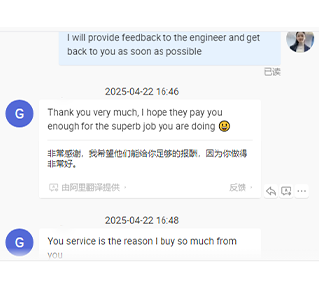
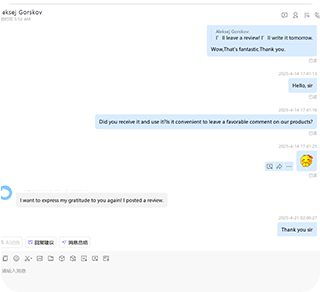
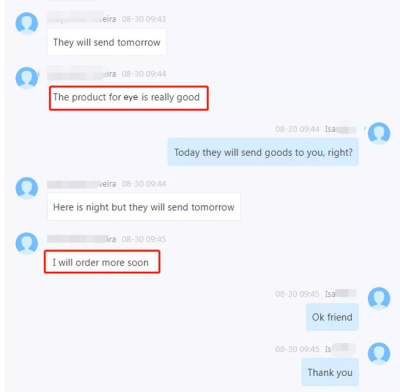
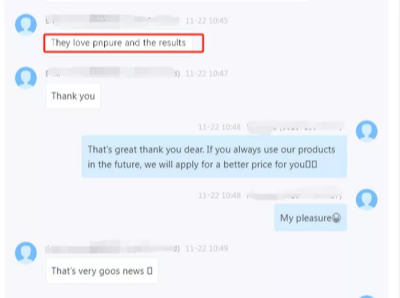
Real Conversations, Real Resolutions
See how our team supports clients through every step, from technical query to after-sales.

Data Sources & References:
- Wood Plastic Composites Based Wood Wall’s Structure and Thermal Insulation Performance. (2021). ScienceDirect. https://www.sciencedirect.com/science/article/pii/S2369969821000062. Main point: WPC layers in wood-frame walls reduce heat transfer and improve energy performance.
- WPC Wall Panel: The Pros, The Cons, and The Must-Knows. Onsun WPC. https://www.onsunwpc.com/the-pros-and-cons-of-wpc-wall-panels/. Main point: Advantages in moisture resistance, stability, low maintenance; cons include UV fading, flammability concerns.
- Eco‑Friendly WPC Wall Panels for a Greener Future. Delby Panels. https://delbypanels.com/wpc-wall-panel-eco-friendly-solutions-for-a-greener-future/. Main point: Uses recycled wood/plastic, lower energy manufacturing, supports circular economy.
- WPC Wall Panel Design Ideas & Trends for 2025. Canada Plastics. https://canada-plastics.com/wpc-wall-panel-design-ideas-trends/. Main point: Trends toward 3D textures, matte finishes, integrated lighting; design flexibility key.
- SPC Flooring Market Analysis and Future Outlook. LinkedIn (Furman Flooring). https://www.linkedin.com/pulse/spc-flooring-market-analysis-future-outlook-furman-flooring-blw4c. Main point: 2024 market >$25B, 15.8% growth, SPC >42% share of resilient flooring.
- Stone Plastic Composite (SPC) Flooring Market. DataIntelo. https://dataintelo.com/report/stone-plastic-composite-spc-flooring-market. Main point: Market $9.8B (2025) to $42.6B (2034) at ~17% CAGR.
- The Share of PVC Marble Sheet in the International Market. Aesthedge Wallpanel. https://aesthedgewallpanel.com/the-share-of-pvc-marble-sheet-in-the-international-market-of-decorative-materials/. Main point: Decorative materials market ~$600B (2022), PVC marble holds 2-3%, CAGR 8-10%.
- Comparing WPC vs Natural Wood. Wallcent. https://wallcent.ca/traditional-wood-vs-wpc/. Main point: WPC superior in durability, moisture/pest resistance, lower lifecycle cost.
- Advantages of Exterior WPC Wall Cladding. Everwood WPC. https://everwoodwpc.com/blog/wpc-cladding-advantages-everwood/. Main point: UV-resistant, anti-fading, termite-proof, impact-resistant, thermal insulation via hollow core.
- WPC Cladding in Modern Engineering. LinkedIn (Julia Sun). https://www.linkedin.com/pulse/wpc-cladding-modern-engineering-applications-advantages-julia-sun-mnk3c. Main point: Used in façades, balcony screens, noise barriers; combines performance, sustainability, aesthetics.
All technical data and performance claims are based on our internal product specifications and the referenced third-party industry studies. Actual performance may vary based on specific installation conditions, climate, and maintenance practices. We recommend consulting with a local building professional for project-specific compliance.
 +86 31185293045
 qian@ss711.com





