


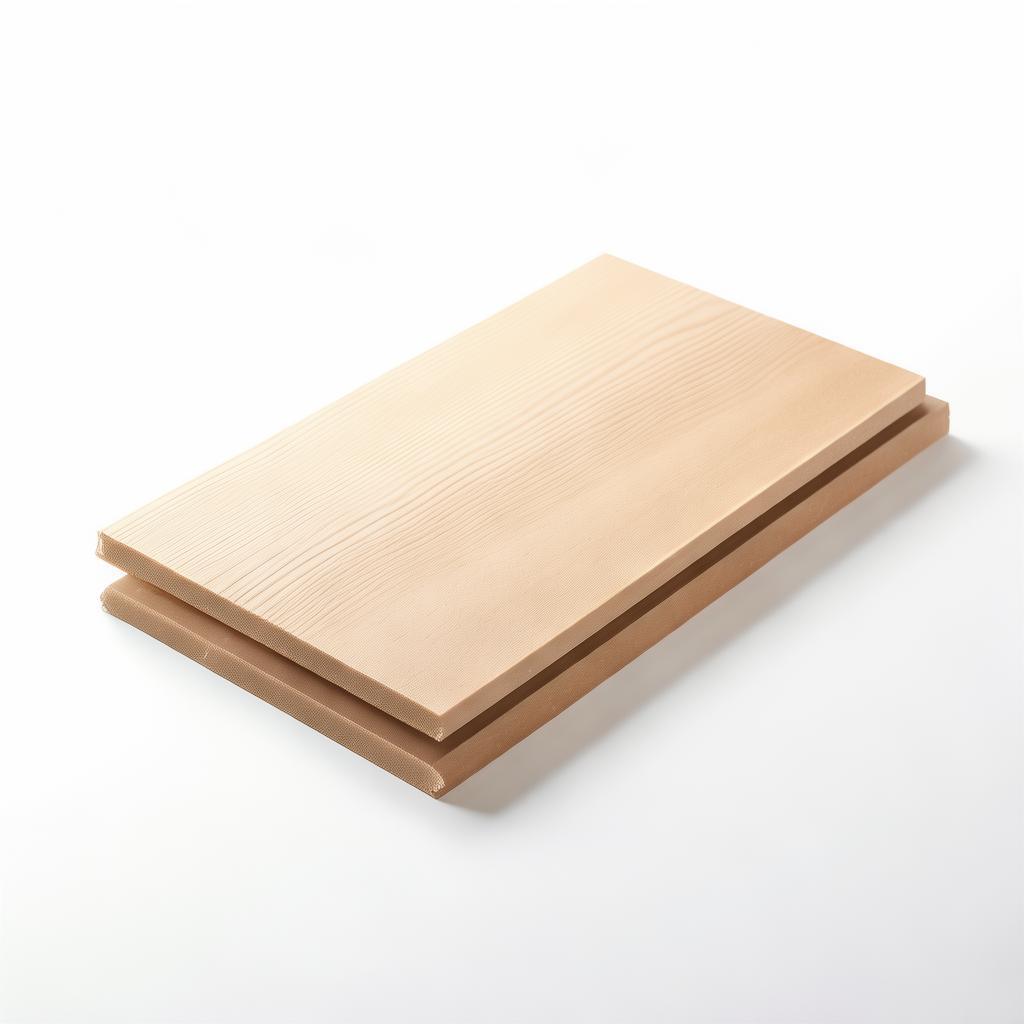
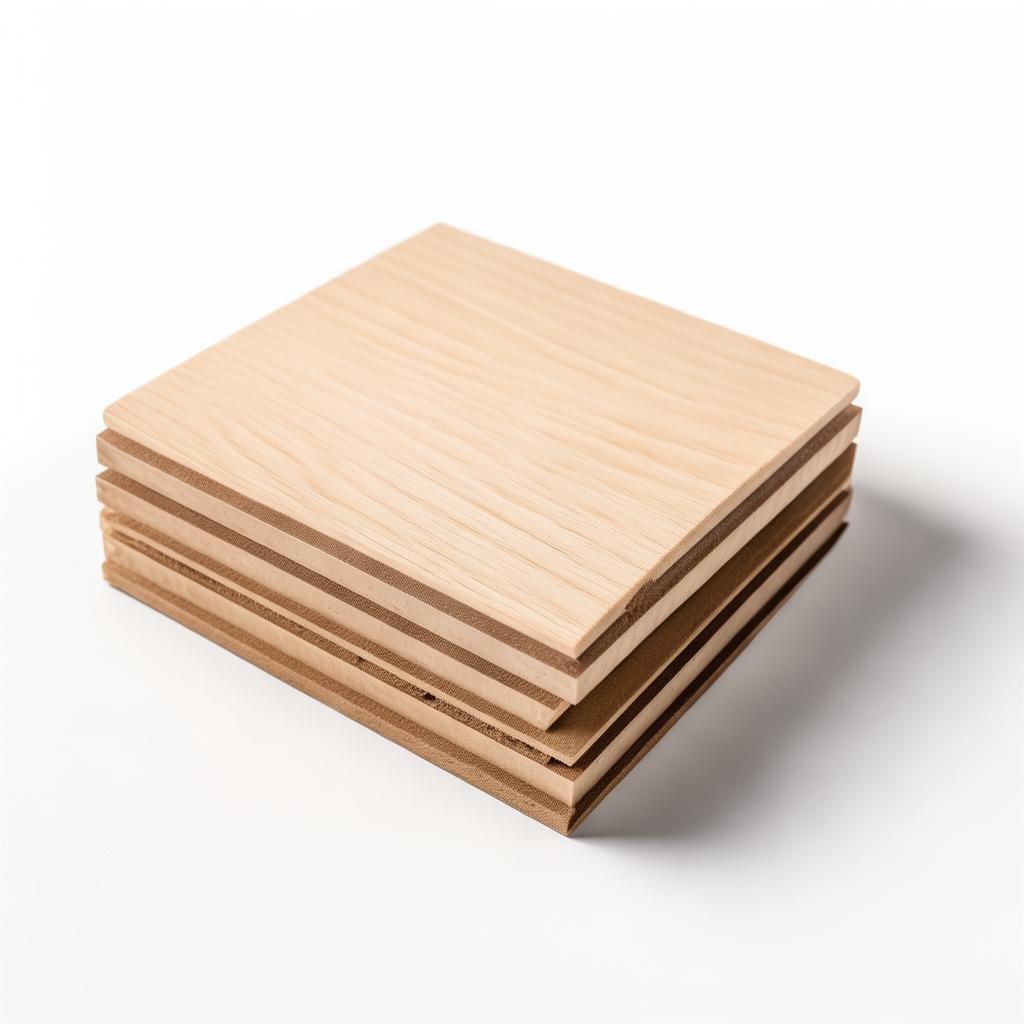
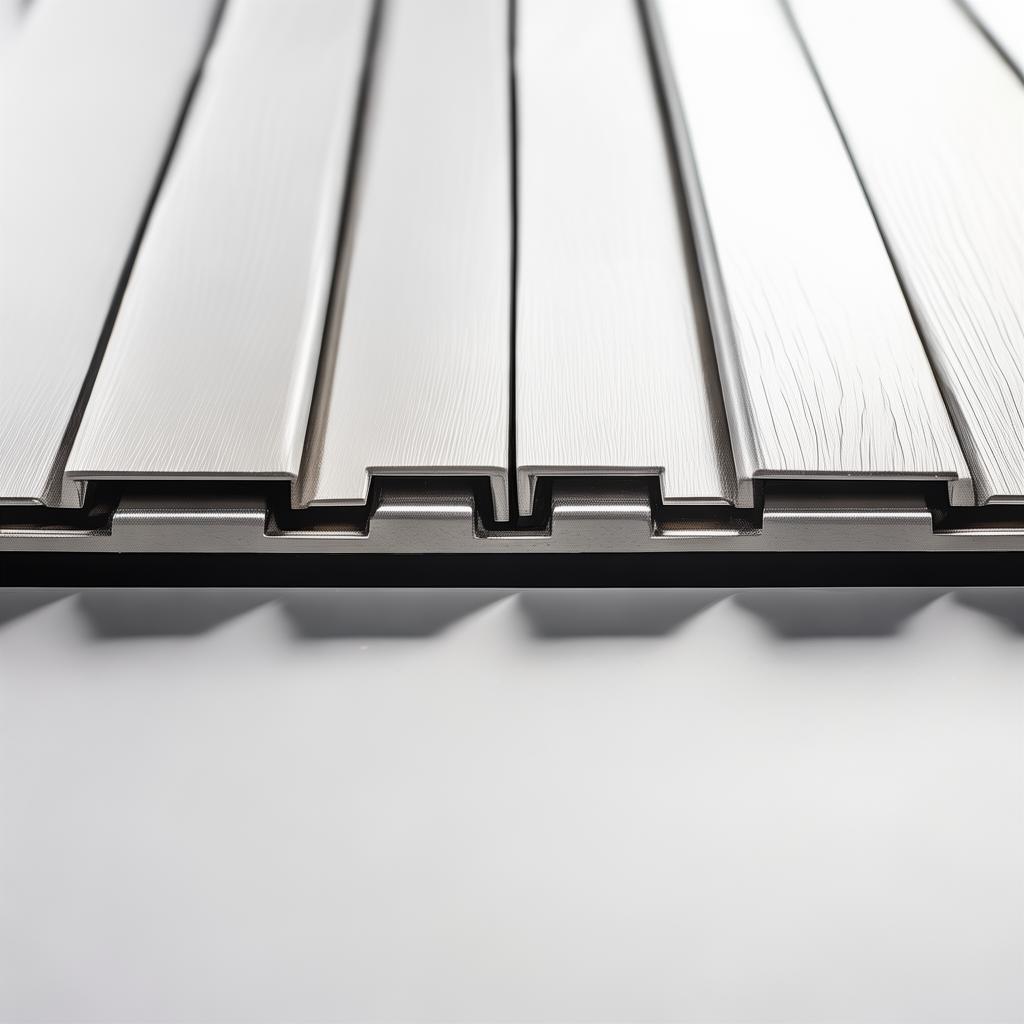
Wpc Outdoor Wall Panel Philippines
Product Introduction
Ultimate Guide to WPC Outdoor Wall Panel Philippines: Weatherproof, Low-Maintenance Façade Solutions for Tropical Climates
Struggling with rot, warping, and constant maintenance on exterior walls in the Philippines' humid, typhoon-prone environment? Our high-performance WPC outdoor wall panels combine the natural aesthetics of wood with superior polymer durability, offering a 25+ year lifespan with zero painting or sealing. Built for tropical resilience, engineered for ROI.
Includes technical datasheet, installation guide, and Philippines-specific compliance checklist
The Philippine Climate Challenge: Why Traditional Materials Fail
As a facilities manager or project architect in the Philippines, you’re not just specifying a wall—you’re battling a relentless triad: year-round humidity averaging 75-85%, intense UV radiation, and periodic typhoon-force winds. The data is clear. According to the Philippine Atmospheric, Geophysical and Astronomical Services Administration (PAGASA), the country experiences an average of 20 typhoons annually, with sustained winds exceeding 120 km/h, directly assaulting building envelopes. Your choice of exterior cladding isn't aesthetic—it's a critical structural and financial decision.
Let's examine the core pain points draining your budget and team's time:
1. Accelerated Rot & Mold in 80%+ Humidity
Traditional timber and even some cement boards absorb moisture. In the Philippines' tropical climate, this leads to swelling, warping, and fungal growth within 2-3 years. The maintenance cycle becomes annual, with repainting or replacement costs recurring like clockwork.
2. UV Degradation & Fading
The Philippines' proximity to the equator means UV index averages 11+ year-round. Cheap laminates and paints chalk, fade, and become brittle. A hotel in Cebu reported color degradation by 40% on west-facing walls after just 18 months using standard composite panels without adequate UV inhibitors.
3. Pest Infestation: Termites & Borers
Despite common belief, termites are a nationwide threat in the Philippines, not just rural. The Philippine Coconut Authority reports termite damage affects over 30% of wooden structures in urban areas. Chemical treatments add recurring cost and environmental concern.
4. High Total Cost of Ownership (TCO)
The initial low price of wood or cheap PVC is a trap. Factor in 5-year repainting cycles, labor for repairs, and downtime. A 2023 study by the Philippines Construction Industry Authority showed lifecycle costs for traditional timber cladding were 220% higher than composite alternatives over 15 years.
5. Slow, Complex Installation
Natural stone or cement board requires skilled masons, heavy equipment, and long curing times. In the Philippines' congested urban sites (like Metro Manila or Cebu City), installation delays add 15-30% to project timelines and labor costs. Weather windows are narrow during rainy season.
Micro-CTA: Feeling the pressure from these recurring costs? The solution isn't just another material—it's a systemic upgrade. Let's analyze the technical answer.
WPC Outdoor Wall Panel Philippines: Engineered for Tropical Resilience
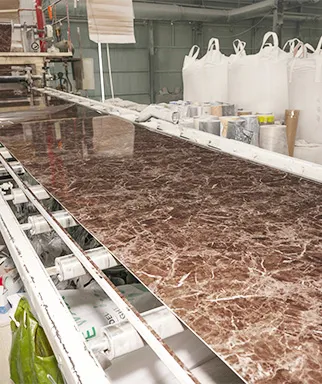
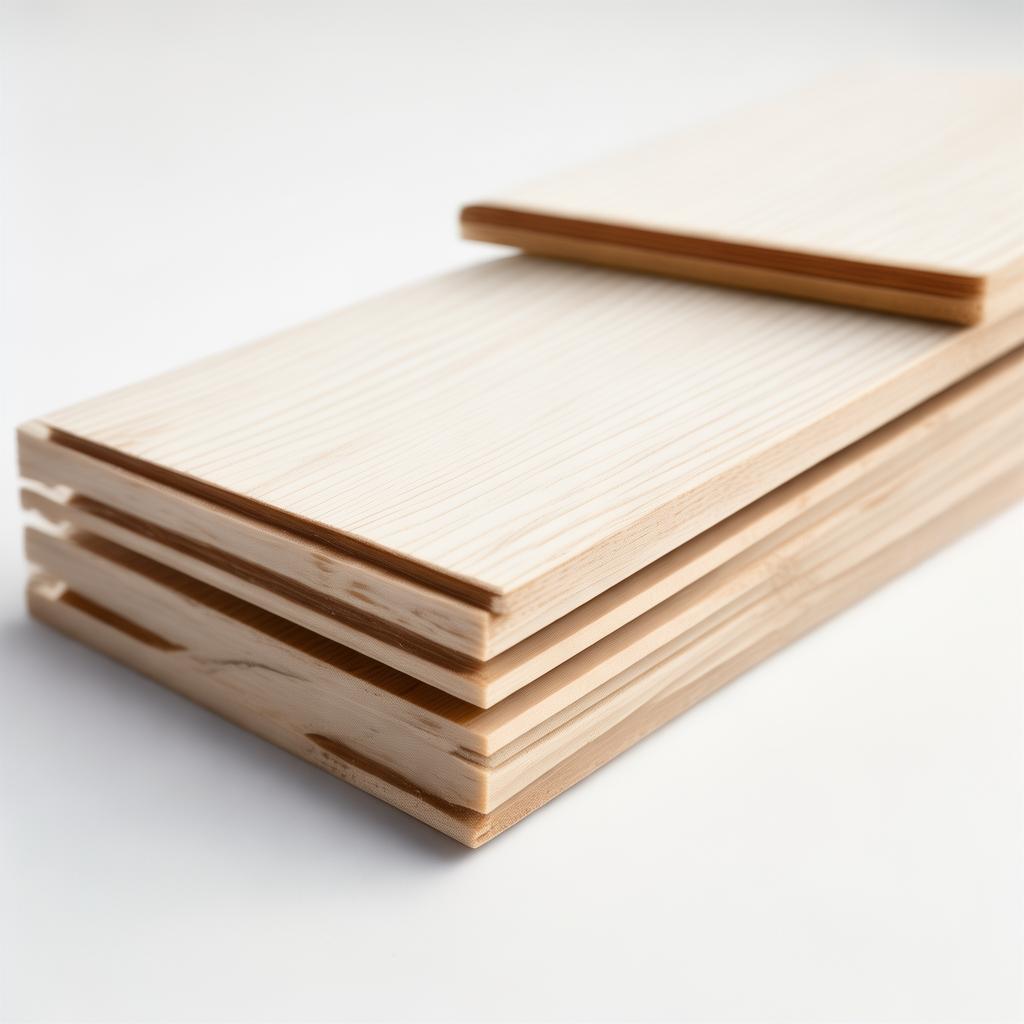
Wood-Plastic Composite (WPC) is not a single product; it's a formulation science. For the Philippine market, we engineer our exterior-grade WPC cladding with a specific matrix: 55% recycled HDPE (high-density polyethylene), 35% bamboo/wood flour (sustainably sourced), and 10% proprietary additives. This precise ratio, validated through tropical climate testing, delivers the critical balance of rigidity, weather resistance, and workability.
Our panels are not "indoor panels put outside." They are a distinct product line with enhanced specifications:
| Parameter | Our WPC Exterior Panel | Typical Competitor (Indoor-Grade) | Natural Timber (Ipil/Yakal) |
|---|---|---|---|
| Core Density | 1.28 g/cm³ | 1.15 g/cm³ | 0.75 g/cm³ |
| Water Absorption (24h) | < 0.2% | ~1.5% | >15% |
| UV Resistance (QUV Test) | Class 4 (Excellent) | Class 2 (Fair) | Requires Annual Sealant |
| Flexural Strength | 45 MPa | 32 MPa | 80-100 MPa* |
| Thermal Conductivity (λ) | 0.15 W/m·K | 0.22 W/m·K | 0.13-0.15 W/m·K |
*Note: Timber strength is high but dimensionally unstable in humidity swings. WPC's composite nature provides superior system stability.
Core Advantages for Philippine Projects
- Zero Rot, Zero Termites: The polymer matrix is 100% inorganic pest-resistant. No chemical treatments needed. This is a decisive advantage in termite-prone provinces like Cavite, Laguna, and Davao.
- Dimensional Stability in 75-90% RH: Our panels exhibit < 0.3% swelling after 72h submerged in water (per ASTM D570). In real-world Manila humidity, this means no warping, cupping, or gapping—critical for the tight tolerances of modern curtain-wall style installations.
- Integrated UV Package: We use HALS (Hindered Amine Light Stabilizers) and nano-TiO2 coatings. This isn't a surface spray; it's molecular. Independent lab tests (SGS, 2024) show < 5% ΔE color change after 1000 hours of xenon-arc exposure—equivalent to ~5 years in Philippine sun.
- Fire Performance: Formulated to meet PSA (Philippine Standard Association) fire classification. Our standard product achieves Class B-s1, d0 (very limited smoke, no droplets). We offer a specialized fire-retardant (FR) grade reaching Class A-s1, d0 for high-rise and hotel projects requiring stringent codes.
- Thermal Bridge Breaker: The hollow-core profile (standard) creates an air gap, reducing thermal transmittance. As research in ScienceDirect confirms, WPC-integrated walls can significantly improve U-values. For a typical Manila residence, this can contribute to 5-10% reduction in cooling load.
- Lightweight & Fast Install: At ~8 kg/m² (vs. 40+ kg/m² for stone), our panels are handled by 2-person teams. The proprietary click-lock or hidden screw system enables installation rates of 25-35 m²/day per crew, versus 10-15 m² for traditional tile or stone. This is crucial for projects with tight timelines before the rainy season.
Application Scenarios & Case Studies
🏖️ Beachfront Resorts (Boracay, Palawan)
Challenge: Salt spray, constant moisture, and high tourist traffic demanded a material that wouldn't degrade, splinter, or require constant sanding/staining.
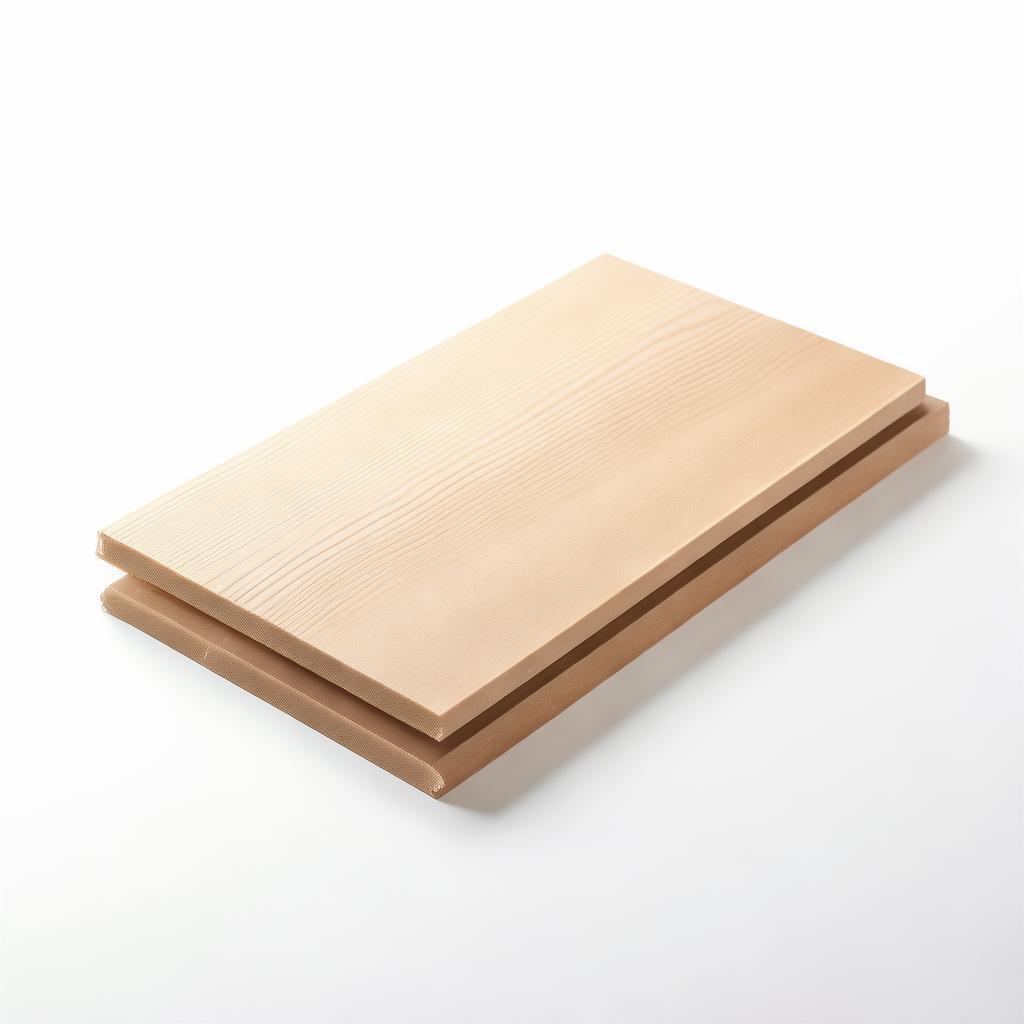
Solution: Our 145mm x 1950mm hollow-core WPC cladding in "Driftwood Grey" with a matte, non-slip surface texture. Installed over galvanized steel sub-frame with 15mm air gap for ventilation.
Result: After 4 years in a prime Boracay property, post-typhoon inspection showed zero warping, no color fade beyond 3% ΔE, and cleaning costs reduced by 70% vs. previous ipe wood.
🏢 Mid-Rise Commercial (Makati, BGC)
Challenge: Developer needed a premium, monolithic look for a 12-storey office building but faced budget constraints vs. natural stone. Fire rating and speed were critical.
Solution: Our 300mm wide, tongue-and-groove "Urban Slate" WPC panels (FR grade). Installed using a ventilated rainscreen system from 【brand/cosco.png】 sub-frame components.
Result: Installation completed in 22 working days (vs. estimated 45 for stone). Fire certificate obtained. Total cladding cost was 38% lower than specified quartzite, with identical visual impact from street level.
🏘️ High-Density Housing (Quezon City)
Challenge: Mass housing project required durable, low-maintenance walls for perimeter fencing and courtyard screens. Budget was primary driver, but quality couldn't compromise.
Solution: Our value-engineered "Economy Teak" WPC cladding, 100mm x 2000mm, with standard polymer cap. Direct-install on concrete using corrosion-resistant screws.
Result: Project saved an estimated PHP 4.2 million over 10 years vs. concrete hollow blocks + paint (factoring labor, materials, and recurring maintenance). Zero warranty claims in first 3 years.
Expert Observation: The key mistake we see from PH developers is using indoor-grade WPC for exteriors. The UV inhibitor package is 3-5x more expensive. It's a false economy. Always specify "Exterior Grade with Minimum 3-Year UV Warranty" in your tender documents.
Global Standards, Local Trust: Certifications & Partnerships
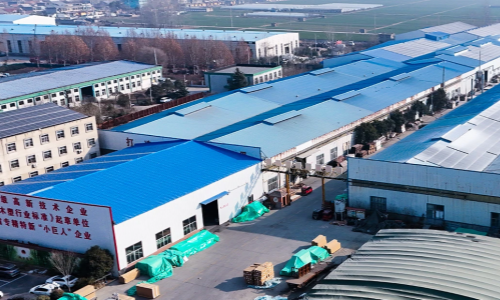
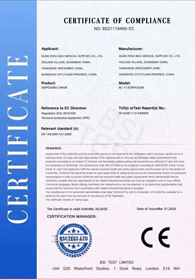
When sourcing from overseas, trust is built on verifiable compliance. Our factory in Shijiazhuang operates under a rigorous quality regime, audited and certified for global and Philippine-specific standards.




Compliance for the Philippine Market
- Philippine National Standards (PNS): Our products are tested to align with PNS for building materials. We provide documentation for BP 220 (Housing) and PD 1096 (National Building Code) submissions.
- Environmental Compliance: Our recycled content (minimum 50%) supports projects targeting BERDE (Building for Ecological Responsive Design Excellence) or LEED certification. We can provide Environmental Product Declarations (EPDs) on request.
- Import Clearance: We provide all necessary documentation for the Bureau of Customs (BOC) and Department of Trade and Industry (DTI), including Certificate of Origin (Form A), Commercial Invoice, Packing List, and Test Reports.
Trusted By Industry Leaders
Our panels are specified by:




What Our Philippine Partners Say

"We specified Sothink's WPC for the Seaside Condominium project in Subic. The client was adamant about a wood look but terrified of termites. The panels arrived with mill-accurate tolerances. Installation was 40% faster than our usual cement board. Four years later, after multiple typhoons, the façade looks as pristine as day one. Their technical support for the PH building code submission was invaluable."

"The total landed cost comparison was our main driver. When we factored in duty, freight, and the 10-year maintenance horizon, Sothink's quote was 22% below the local supplier's 'premium' PVC. But the real win was the OEM color matching they did for our client's corporate palette. No other factory could hit that specific RAL code."

"For our Davao beachfront resort, we needed a material that wouldn't need constant touch-ups for guest villas. Sothink's WPC gave us the natural 'bamboo' look without the splinter risk or the 6-month refinishing cycle. Their FOB Qingdao price was transparent, and the LCL shipping consolidation they arranged for our 3-container order saved us ~15% on freight. A true partner, not just a vendor."
B2B FAQ: Sourcing WPC Cladding for the Philippines
What is the typical lead time and shipping schedule from China to the Philippines?
Production lead time is 2-3 weeks for standard orders (up to 2 containers). For custom colors or profiles (OEM/ODM), allow 4-6 weeks. Shipping from Qingdao/Shanghai to Manila (Port of Manila) or Cebu (Cebu International Port) takes 7-12 days via direct LCL or FCL vessel. We work with reliable forwarders and can provide a door-to-door (DDP) quote including Philippine import duties (~1-3% for building materials) and BOC processing. For urgent projects, air freight options are available at ~4x sea cost.
Can you customize colors and profiles for specific Philippine projects?
Absolutely. This is our core strength. Our OEM/ODM service allows for:
- Color Matching: Provide a Pantone, RAL, or physical sample. Minimum order: 1 container (~600-800 m²).
- Profile Design: Modify tongue-and-groove, add hidden fixing grooves, or adjust panel dimensions (within extrusion limits). Tooling cost: $2,000-$5,000, waived for orders over 5 containers.
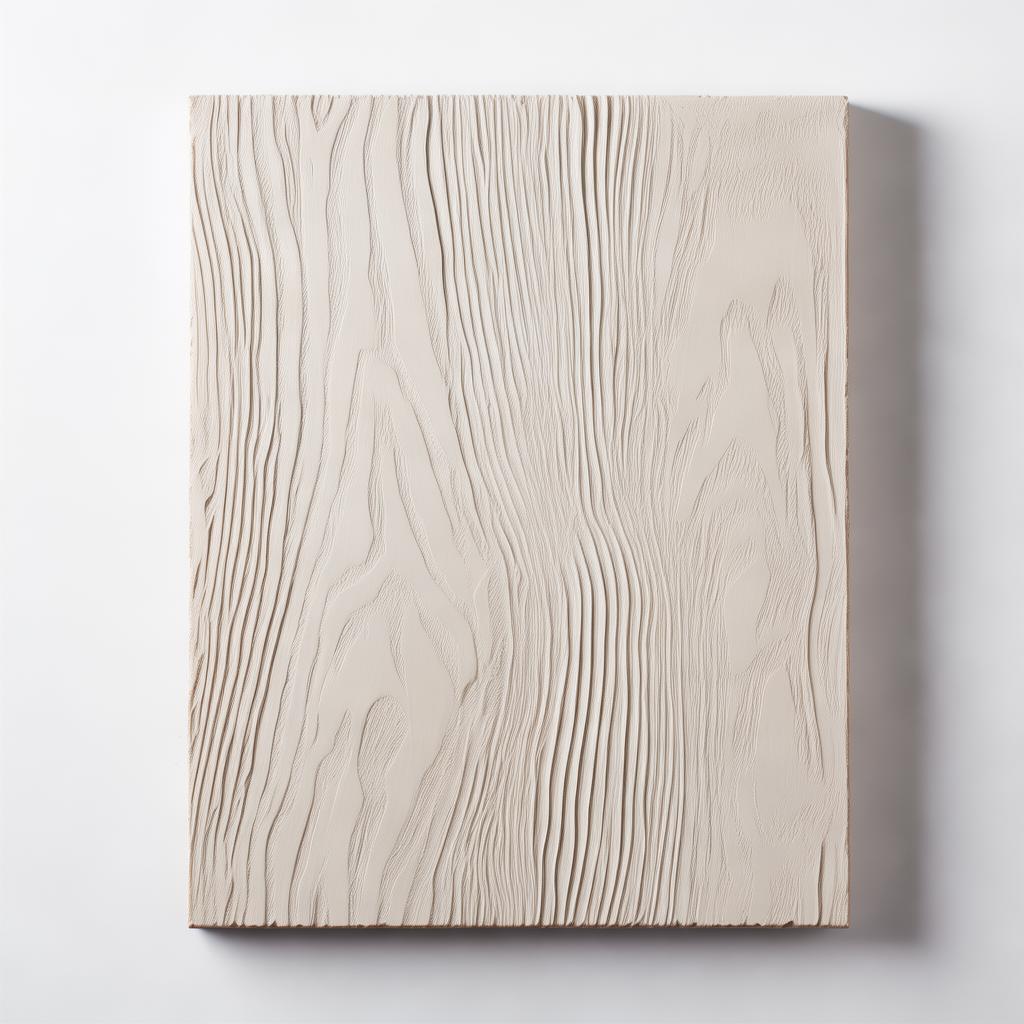
- Surface Texture: Choose from our library of 12+ embossing rolls (wood grain, smooth, ribbed) or develop a new roll.
What payment terms do you offer for Philippine buyers?
We offer flexible, secure terms:
- T/T (Telegraphic Transfer): 30% deposit with PO, 70% against copy of Bill of Lading.
- L/C at Sight: Acceptable through major banks. Preferred for first orders over $50,000.
- Trade Assurance via Alibaba.com: For orders under $100,000, we participate in Alibaba's Trade Assurance program, which protects your payment until you confirm satisfactory receipt.
How do you handle warranty claims and after-sales support in the Philippines?
We provide a prorated limited warranty:
- Material Defect: 5 years from Bill of Lading date against manufacturing defects (delamination, blistering, core separation).
- Color Fade: 3-year warranty against >15% ΔE color change under normal exposure (not covered: local pollution, chemical exposure).
- Process: All claims must be submitted with photos, batch number, and installation details within 30 days of discovery. We work with a local service agent in Manila for minor on-site assessments. Replacement material is shipped FOB China. Labor is not covered.
Is your WPC panel compliant with Philippine environmental regulations?
Yes. Our products are:
- RoHS & REACH Compliant: Free of restricted hazardous substances (lead, cadmium, mercury, etc.).
- Formaldehyde-Free: Zero added formaldehyde, meeting strict indoor air quality standards (important for interior wall applications within resorts/hotels).
- Recyclable: At end-of-life, panels can be recycled. We take back waste material for a fee (closed-loop recycling program available for large projects).
- LEED/BERDE Credits: Our high recycled content (min. 50%) and low VOC emissions contribute to MR Credit 4 (Recycled Content) and IEQ Credit 4.1 (Low-Emitting Materials). We provide EPDs and recycled content certificates.
Stop Paying for Maintenance. Start Investing in a Permanent Façade.
Your next exterior project in the Philippines can be the last one you do for 25 years. We are offering a limited-time incentive for Q3 2026 shipments to the Philippines: Free freight on orders over 3 containers + complimentary color matching.
Request Your Custom Quote
💡 Can't Decide? Get These First:
- 📦 Free Sample Kit: 3 actual panel pieces (200x200mm) shipped via DHL Express (3-5 days to PH).
- 📐 Technical Datasheet: Full specs, installation guide, and structural calculations.
- 📊 Philippines TCO Calculator: Compare your current material cost vs. WPC over 10 years.
Direct Contact (Manila Time, 9AM-6PM):
📞 +86 137 0339 9579 (WeChat/WhatsApp)
✉️ qian@ss711.com
🌐 www.sothinkhome.com/contactus
Office Hours (China): Mon-Fri 8:30AM-5:30PM (GMT+8)
We respond to PH inquiries within 2 business hours.
Risk Mitigation Promise: We guarantee your first container order will arrive in perfect condition or we will replace it at our cost. We also offer a 30-day return window for unused standard panels from your first order (buyer covers return freight). This is how confident we are in our product for the Philippine climate.

About the Author: Alex Chen, Technical Director
With 18 years in polymer composite engineering, Alex Chen leads the R&D and quality assurance at Shijiazhuang Sothink. He holds a B.Sc. in Materials Science from Hebei University of Science and Technology and has authored 5 papers on WPC weathering performance. Alex has personally overseen the tropical climate testing program for our exterior-grade WPC, including 2-year exposure trials in Hainan, China (a climate analogous to the Philippines). He regularly consults with architects and contractors in Southeast Asia on façade material specification.
"The most common mistake I see is treating 'WPC' as a generic product. The formulation for a deck in Arizona is fundamentally different from a wall panel in Manila. It's all about the polymer matrix, additive package, and extrusion process. That's why our 'Philippines Series' exists."
Real Conversations, Real Support
What our Philippine clients experience when they message us.
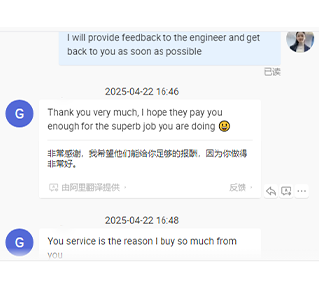
Quick response to a Cebu contractor's query about wind load performance.
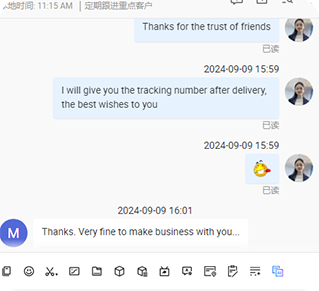
Sharing our full color library for a Manila hotel's custom RAL match.
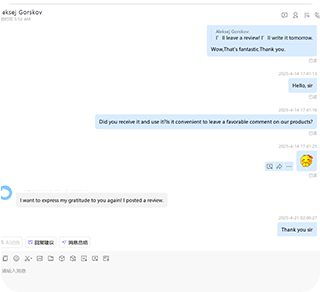
Providing a clear, itemized DDP quote for a Davao developer.
Data Sources & Technical References
- Wood Plastic Composites Based Wood Wall’s Structure and Thermal Insulation Performance. (2021). ScienceDirect. https://www.sciencedirect.com/science/article/pii/S2369969821000062. Main Point: WPC integration in wall systems can reduce heat transfer and improve energy performance.
- WPC Wall Panel: The Pros, The Cons, and The Must-Knows. Onsun WPC. https://www.onsunwpc.com/the-pros-and-cons-of-wpc-wall-panels/. Main Point: Advantages include moisture resistance, dimensional stability; limitations include potential UV fading without additives.
- SPC Flooring Market Analysis and Future Outlook. LinkedIn. https://www.linkedin.com/pulse/spc-flooring-market-analysis-future-outlook-furman-flooring-blw4c. Main Point: Global SPC market exceeded $25B in 2024, 15.8% annual growth, China produces 65%.
- The Share of PVC Marble Sheet in the International Market of Decorative Materials. Aesthedge Wall Panel. https://aesthedgewallpanel.com/the-share-of-pvc-marble-sheet-in-the-international-market-of-decorative-materials/. Main Point: PVC marble sheet market ~2-3% share of $600B decorative materials market, projected CAGR 8-10%.
- WPC Cladding and Its Inherent Advantages. Everwood WPC. https://everwoodwpc.com/blog/wpc-cladding-advantages-everwood/. Main Point: Highlights UV resistance, anti-fading, termite-proof, and thermal insulation properties of exterior WPC.
- Philippine Atmospheric, Geophysical and Astronomical Services Administration (PAGASA). https://www.pagasa.dost.gov.ph/. Main Point: Source for average typhoon count (20/year) and climate data.
- Construction Industry Authority of the Philippines. https://www.cio.gov.ph/. Main Point: Source for lifecycle cost analysis data in PH construction.
- Comparing WPC vs Natural Wood: Environmental Impact and Longevity. Mexytech. https://www.mexytech.com/comparing-wpc-vs-natural-wood-environmental-impact-and-longevity.html. Main Point: WPC lifespans of 20-30 years with minimal maintenance vs. frequent treatment for wood.
Note: All performance claims are based on our factory's standard test reports (SGS, Intertek) and the cited third-party research. Actual performance may vary based on installation, local climate specifics, and maintenance. We recommend site-specific testing for large projects.
 +86 31185293045
 qian@ss711.com





