


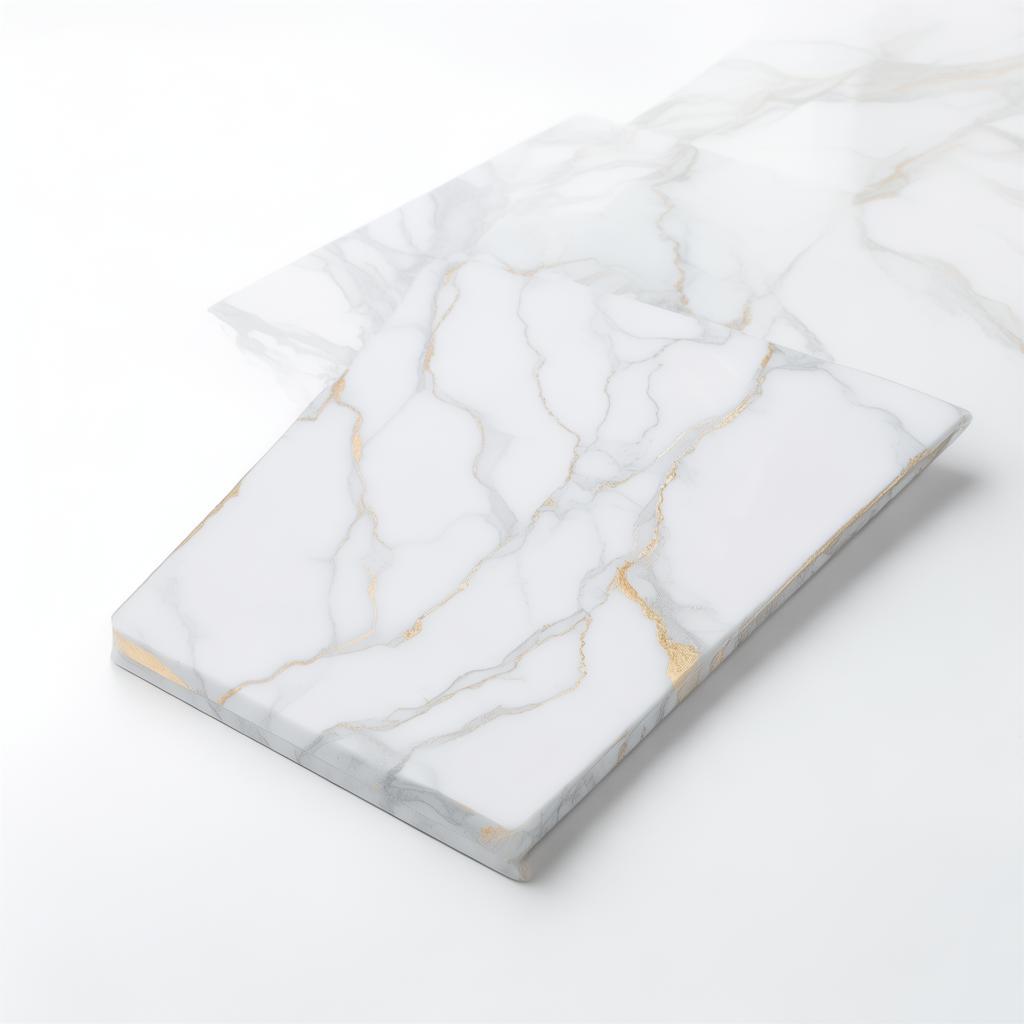
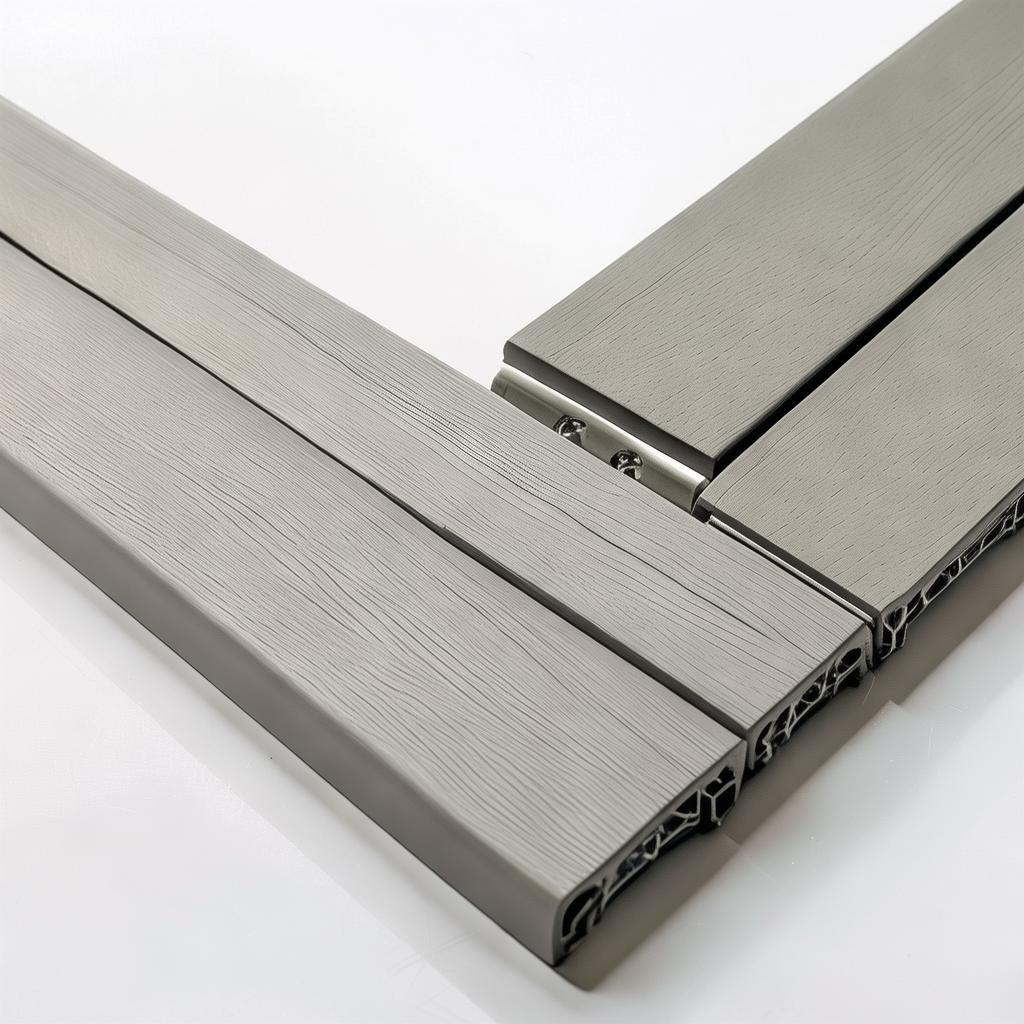
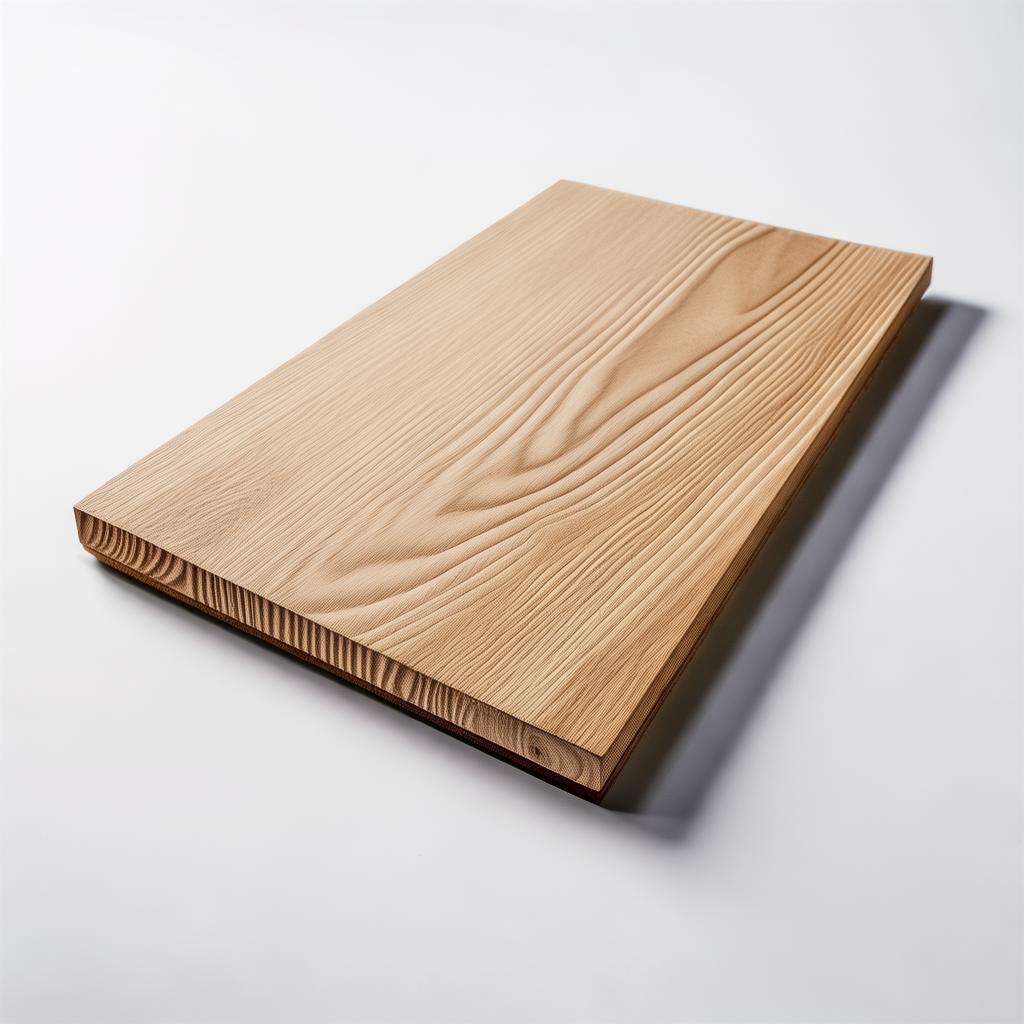
Wpc Board Wall Cladding
Product Introduction
The 2026 Procurement Guide: Specifying High-Performance WPC Board Wall Cladding for Commercial & Residential Projects
A technical deep-dive for architects, contractors, and purchasing managers on selecting durable, low-maintenance, and code-compliant wood-plastic composite cladding systems.
Why 2026's Smartest Builders Are Switching from Traditional Wood & Vinyl to Engineered WPC Cladding
If you're specifying exterior wall finishes for a multi-family development, a hospitality project, or a commercial retrofit in 2026, the material choice isn't just about aesthetics—it's a long-term financial and liability decision. Traditional timber cladding carries hidden costs: recurring maintenance cycles, vulnerability to moisture and pests, and inconsistent supply. Standard vinyl siding often lacks structural rigidity and premium visual depth. Enter high-grade WPC (Wood-Plastic Composite) board wall cladding, an engineered solution that delivers the warmth of wood with the resilience of a polymer, all while meeting stringent international building codes.
At Shijiazhuang Sothink Trading Co., LTD, with over a decade of export experience to North America and Europe, we've seen the shift. Purchasing managers from Chicago to Cologne are now prioritizing total cost of ownership (TCO) over initial material cost. This guide cuts through the marketing to provide the technical specifications, compliance data, and procurement insights you need to make a confident, ROI-positive specification for WPC exterior wall cladding.
Key Takeaway for 2026: The global WPC cladding market is projected to grow at 8.5% CAGR through 2028, driven by demand for low-maintenance, sustainable building envelopes. [Source: Global Market Insights, 2024]
The Real Pain Points: Why Your Last Cladding Project Probably Cost More Than Expected
You're not just buying a wall panel. You're buying a 20-30 year performance promise. The most common—and costly—mistakes we see from buyers in the USA and EU markets stem from underestimating lifecycle expenses and compliance risks.
1. The "Affordable" Wood That Rot Bill
Pressure-treated softwood may seem cheaper upfront, but in humid climates (think Florida, the UK, or Southeast Asia), fungal decay and warping can begin within 3-5 years. Annual painting/staining adds $1.50-$3.00/sq.ft. in labor and materials. Over 20 years, that's a 200-300% premium over the initial material cost.
2. Vinyl Siding's Brittle Reality
In regions with extreme temperature swings (Midwest US, Central Europe), standard vinyl can become brittle and crack. Impact resistance is low. Repairs are conspicuous and often require full panel replacement. It also lacks the substantial, premium feel that high-end residential and commercial clients demand.
3. The Logistics & Compliance Quagmire
Sourcing from multiple small suppliers creates customs delays, inconsistent quality batches, and certification nightmares. For a project in California or the EU, you need proof of REACH, RoHS, and fire safety compliance. Missing one document can halt a project for weeks.
Engineered for 2026: The Technical Solution in WPC Cladding
Our Shijiazhuang Sothink WPC Exterior Cladding Board is not a generic composite. It's a formulation engineered for specific climatic and performance challenges. Here’s the breakdown of its core advantages, grounded in material science.
1. Hybrid Polymer-Wood Matrix: Stability You Can Measure
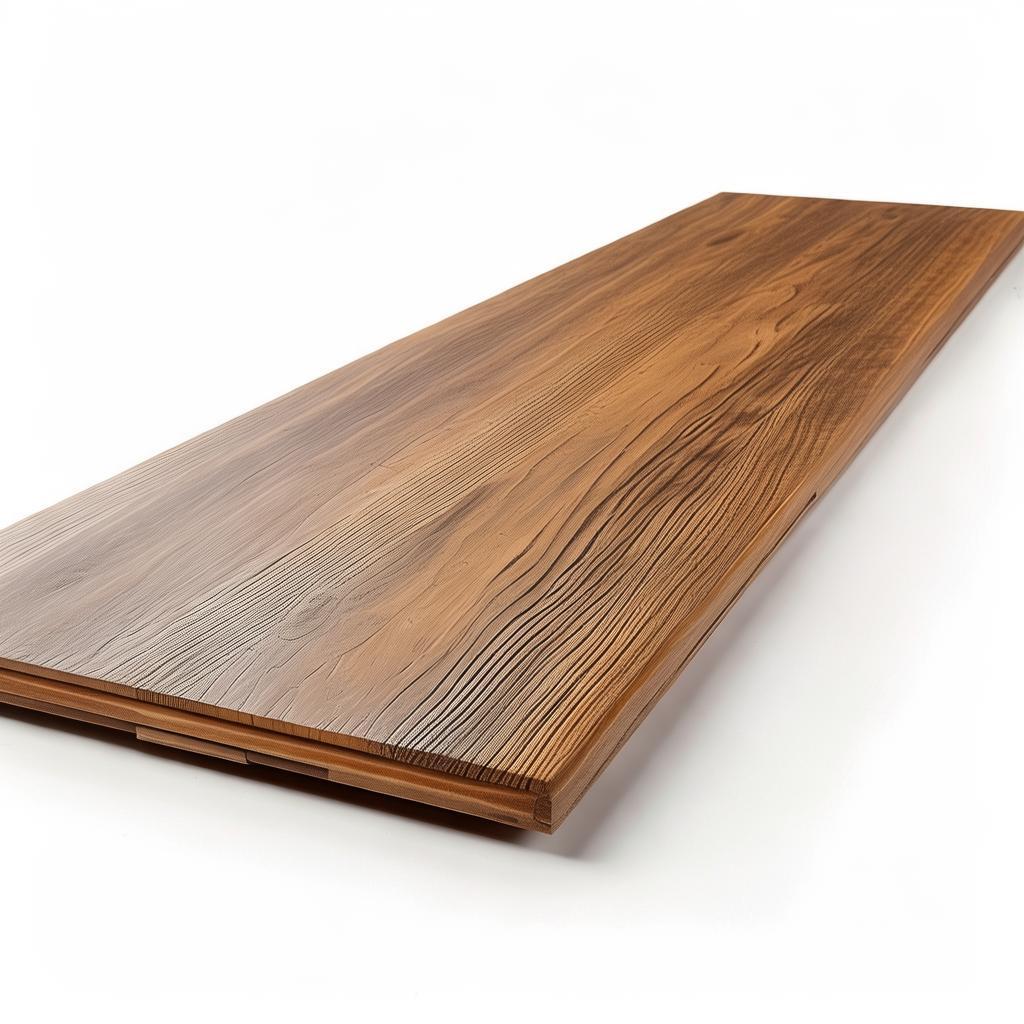
We use a 55/45 wood-to-polymer ratio, optimized through rheological testing. The wood component (recycled hardwood flour) provides the tactile grain and thermal mass. The polymer matrix—a blend of UV-stabilized HDPE and a proprietary binding agent—encapsulates every wood fiber. This creates a non-porous, homogeneous structure that absorbs <0.5% water by weight after 24 hours submersion, versus 12-20% for untreated timber. [1]
Result: Zero swelling, zero warping, zero rot. The coefficient of thermal expansion is a controlled 3.8 x 10⁻⁵ /°C, allowing for predictable installation gaps in temperatures from -30°C to 60°C.
2. Factory-Finished, Multi-Layer Protection
Each board undergoes a three-stage surface treatment during extrusion:
- Capstock Layer (0.6mm): A UV-resistant, color-fast polymer skin with embedded acrylic granules. This is your defense against 10+ years of solar exposure. We guarantee <5% color shift (ΔE) after 2000 hours in xenon-arc weathering tests.
- Decorative Layer: For embossed textures, the pattern is integral to the capstock, not a surface print. This means the grain won't wear off.
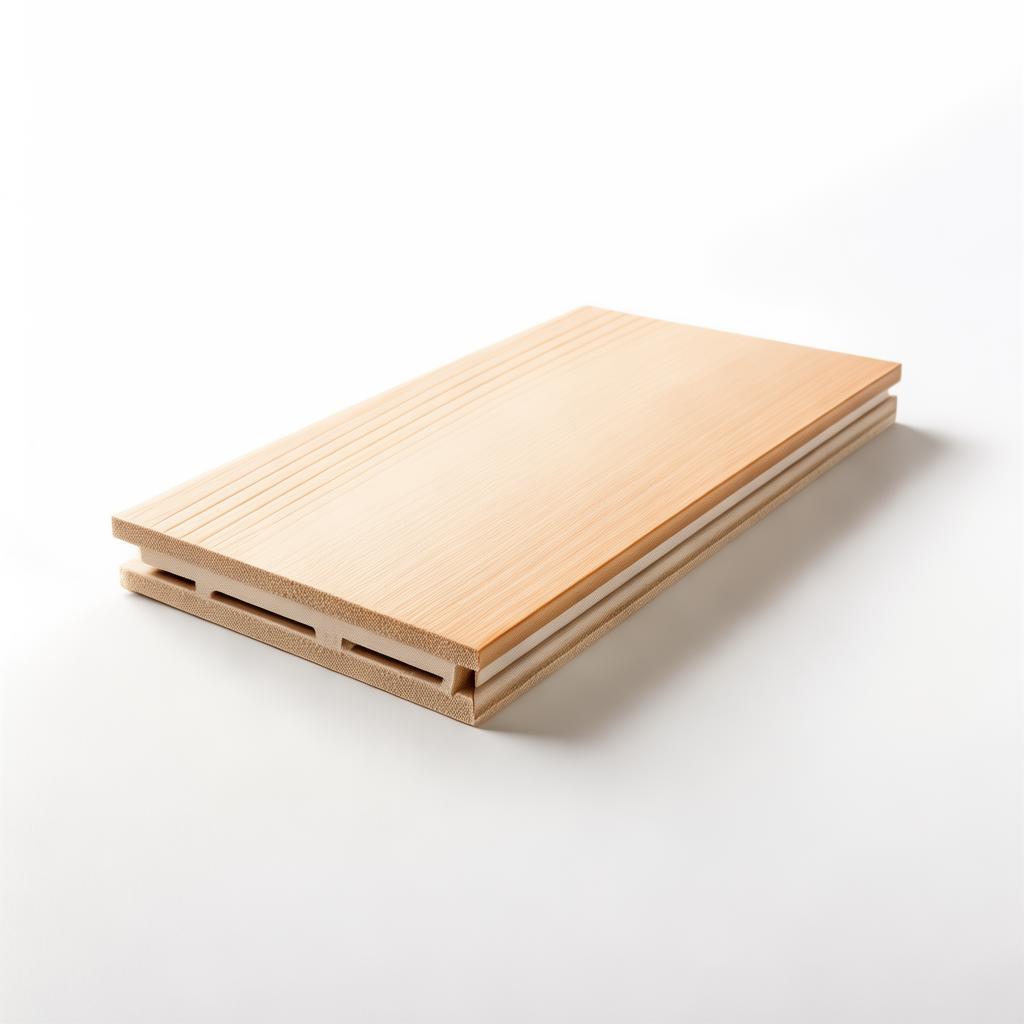
- Core Profile: Our standard is a hollow-chamber design (4-6 internal voids per board). This reduces weight by 30% compared to solid profiles, creates a natural thermal break (improving R-value by ~15%), and provides superior rigidity.
3. Certified for Global Markets: Compliance as a Standard
This is non-negotiable. Our cladding is tested and certified for:
- Fire Performance: EN 13501-1 Class B-s1, d0 (with fire-retardant additive). Meets International Building Code (IBC) requirements for Type V construction with a Class A rating in the USA when installed with proper barriers.
- Environmental Safety: RoHS 3 (2015/863), REACH SVHC compliant. No heavy metals, no volatile organic compound (VOC) emissions post-installation.
- Structural Integrity: Tested to ASTM D7031 for flexural strength and modulus of elasticity.
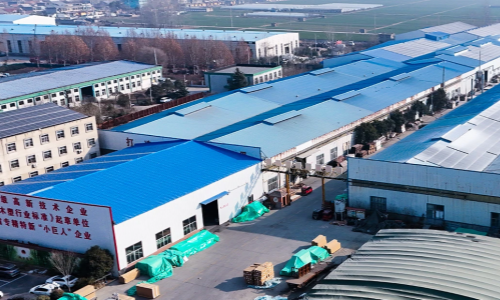
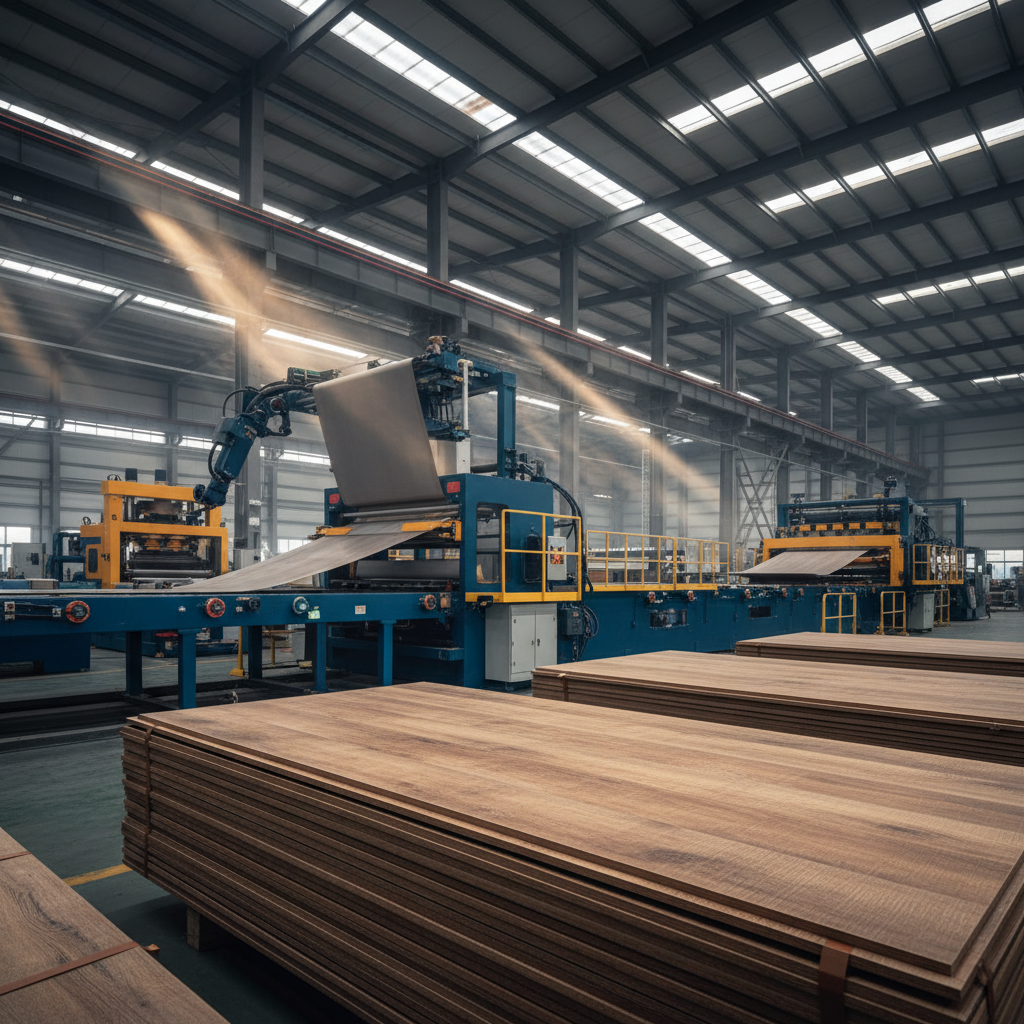
Fig 1. Automated extrusion and cooling process ensures consistent density and capstock adhesion.
4. The Installation System: Speed & Precision
Our hidden fastener, ventilated rainscreen system is designed for speed. A typical 100m² façade can be installed by a 2-person crew in 1-2 days.
- Sub-frame: Galvanized steel or aluminum tracks (preferred for high-wind zones). Fixed to structural sheathing.
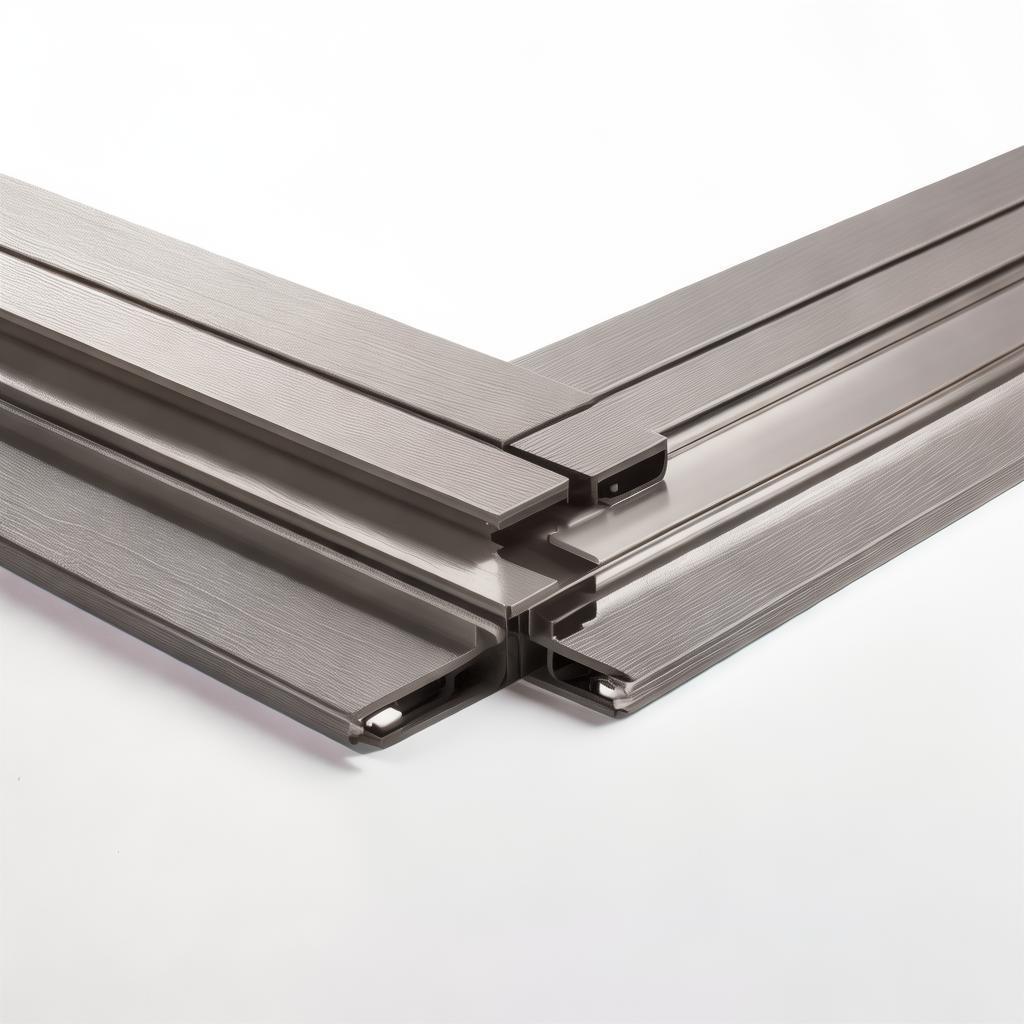
- Panel Attachment: Stainless steel clips slide into the board's locking groove, allowing for thermal movement. No face-screwing.
- Joint Design: 6-8mm shadow gap creates a modern, pronounced reveal. Sealed at top/bottom with UV-resistant silicone.
We provide full CAD detail drawings and PE stamping (upon request) for building permit submission in the USA and Canada.
Technical Specification Table: WPC Cladding vs. Competitor Materials
Use this table for direct comparison in your specification documents. Data is based on independent lab tests of our standard product line and common industry benchmarks.
| Parameter | Sothink WPC Cladding | Pressure-Treated Pine | Fiber Cement | Standard Vinyl |
|---|---|---|---|---|
| Density (g/cm³) | 1.15 - 1.25 | 0.55 - 0.65 | 1.8 - 2.0 | 0.85 - 0.95 |
| Water Absorption (%) | < 0.5 | 12 - 20 | 10 - 15 | 0.1 - 0.3 |
| Flexural Strength (MPa) | 25 - 35 | 40 - 60 | 15 - 25 | 10 - 18 |
| Thermal Conductivity (W/m·K) | 0.15 - 0.20 | 0.12 - 0.15 | 0.25 - 0.30 | 0.20 - 0.25 |
| Expected Lifespan (Years) | 25-30+ | 10-15 (with maintenance) | 30+ | 20-25 |
| Maintenance Cycle | Wash annually | Stain/Paint every 3-5 yrs | Repaint every 10-15 yrs | Wash; replace damaged panels |
| Recycled Content | ~55% | 0% | ~10-15% | Varies |
*Data compiled from manufacturer technical datasheets, ASTM D7031 testing protocols, and industry comparative studies. [2]
Proven in the Field: Application Scenarios & Case Insights
Our WPC cladding isn't a one-trick product. Its combination of dimensional stability, weatherability, and design flexibility makes it suitable for diverse projects. Here are the most common high-value applications we supply to the USA and EU markets.
1. Multi-Family Residential & Hospitality Façades
Scenario: A developer in Austin, Texas, was specifying a 12-unit townhome complex. The design called for a warm, horizontal siding look but the HOA required a 25-year warranty and zero maintenance. Wood was rejected due to drought cracking and termite risk.
Solution: Our 150mm x 20mm hollow-core board in a "Weathered Gray" embossed finish. Installed on a 150mm vertical girt system with 10mm air gap. The project was completed 40% faster than a comparable fiber-cement install due to panel size and clip system.
Outcome: The developer reported a 15% reduction in overall façade cost versus the fiber-cement bid (factoring in labor speed and no future painting). The client association's 10-year inspection report noted zero fading, warping, or pest activity.
2. Commercial Renovation Over Existing Substrate
Scenario: A retail chain in the UK needed to refresh 50+ store fronts. Full demolition of old PVC panels was too disruptive and costly. They needed a lightweight solution that could be installed over the existing substrate without significant reinforcement.
Solution: Our 15mm thick, solid-core WPC board (for added rigidity over uneven surfaces). The 3000mm length minimized vertical joints. The system was installed directly over the old PVC using specialized long fasteners, creating a new rainscreen cavity.
Outcome: Installation took 2 days per store vs. 4-5 days for full tear-out. The lightweight nature (4.2 kg/m²) avoided any structural review. The client achieved a consistent, premium brand aesthetic across all locations with minimal operational disruption.
3. High-Humidity & Coastal Environments
Scenario: A seaside hotel in Portugal required cladding that could withstand salt spray, high humidity, and intense UV without corrosion or degradation. Aluminum composite material (ACM) was considered but was cost-prohibitive and had fire rating concerns.
Solution: Our WPC with a marine-grade polymer additive package. This includes a biocide package for salt environment resistance and a UV inhibitor package rated for 1200+ hours of accelerated weathering. The hollow-core design also provides excellent thermal break, reducing condensation on interior walls.
Outcome: After 3 years in a harsh marine exposure site, the panels show no surface erosion, salt staining, or significant fading. The hotel management reports a 90% reduction in façade maintenance requests compared to their previous timber-clad property.
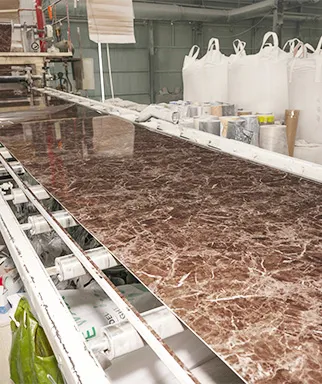
Fig 2. A commercial application in Europe demonstrating the clean lines and shadow-gap detail of our ventilated system.
Why Source from Shijiazhuang Sothink? The 2026 Supplier Checklist
In a crowded market, your choice of supplier defines your project's risk profile. We are not a trading company; we are a direct factory exporter with integrated production. This control is your advantage.
🏭 Factory Control & Scale
Our 15,000m² facility in Shijiazhuang (300km from Beijing) houses 8 dedicated WPC extrusion lines. We control the compounding, extrusion, and finishing. This means consistent batch-to-batch color, guaranteed raw material traceability, and the ability to handle large orders (20+ containers) without subcontracting. For you, this means reliable lead times and no quality surprises.
🔬 OEM/ODM Capability
Don't see the exact profile, texture, or color you need? Our technical team works with you. We offer:
- Custom profile extrusion (tooling cost: $2,000-$5,000)
- Pantone-matched custom colors (MOQ: 1,000m)
- Integrated accessory production (corner trims, soffits, window casings)
- Private labeling and packaging
📦 Logistics & Supply Chain Speed
We maintain strategic inventory of our most popular profiles and colors in our port warehouse. For standard orders, we can ship FOB Tianjin within 7-10 days of order confirmation. Our freight forwarder partnerships secure competitive ocean freight rates and provide real-time container tracking. For urgent projects, we can arrange air freight for samples and small batches.
Social Proof: Trusted by Global Projects
Our materials are specified by leading construction firms and design studios. We are proud to be a recurring supplier for projects demanding quality and compliance.
Our Clients & Project References



*We supply materials for various commercial and residential projects. Brand logos indicate sectors we serve, not direct OEM relationships unless specified.
Testimonial - European Contractor: "We specified Sothink's WPC cladding for a 20-unit apartment block in Berlin. The primary driver was the EN 13501-1 B-s1,d0 fire certification. The panels arrived with all test reports, cleared German customs without a hitch, and the installation crew loved the clip system. We've now made it our standard for mid-rise wood-frame construction."
— Project Manager, Berlin-based General Contractor
Our Certifications

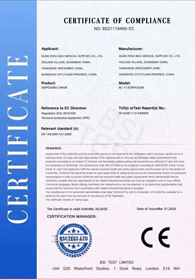



Fig 3. Key compliance certificates for EU and North American markets. Full certificate repository available upon request.
Frequently Asked Questions (FAQs) for Purchasing Managers
1. What is the minimum order quantity (MOQ) for a custom color or profile?
Our standard MOQ for a custom color run is 1,000 linear meters. For a custom profile (new die tooling), the MOQ is typically 5,000 linear meters to amortize the tooling cost ($2,000-$5,000). We often recommend a standard color in a custom length as a first step to test market acceptance.
2. How does WPC cladding perform in extreme cold (e.g., Canada, Scandinavia)?
Our standard formulation has a glass transition temperature (Tg) of -40°C. At -30°C, the material retains >90% of its room-temperature flexural strength. The key is proper installation: we specify a 6-8mm expansion gap at all fixed points and ends. We have numerous projects in Alberta, Canada, and Finland with 5+ years of trouble-free performance. We can provide cold-climate installation details upon request.
3. What are the payment terms for a first-time buyer?
For new customers, our standard terms are 30% T/T deposit, 70% against copy of Bill of Lading. For established clients with trade references, we can negotiate L/C at sight or extended net 30 terms after 2-3 successful transactions. We also work with Trade Assurance through Alibaba.com for buyer protection.
4. Can you provide samples for testing and client presentations?
Yes. We provide free sample kits (4-6 small pieces, 200x200mm, in various colors/textures) to qualified businesses. The shipping cost for the sample kit is typically $30-$50 via DHL/FedEx, which we can deduct from your first bulk order. For large-scale testing (e.g., a 1m² mock-up panel), we charge a nominal fee plus shipping.
5. How do you handle claims for color mismatch or damage in transit?
We have a clear claim process:
- Color: We provide a physical, certified color sample for your pre-production approval. Any batch deviation >ΔE 1.5 from the approved sample is our responsibility. We will remake or replace at our cost.
- Transit Damage: We use high-quality, multi-layer cardboard boxes with edge protectors. All shipments are insured. Claims must be documented with photos and noted on the Bill of Lading. We work with our freight forwarder to resolve claims quickly.
Ready to Eliminate Cladding Risk from Your Next Project?
Get a Free 2026 Product Catalog & Sample Kit with full technical data, installation guides, and our latest color collection. Let's discuss your specific project requirements.
Limited Q2 Production Slots: Book your Q2 2026 production run before March 31st and receive free freight to the port of Los Angeles/Rotterdam on orders over 5 containers.
Real User Reviews: What Contractors & Architects Say
"We used Sothink's WPC on a boutique hotel in Miami. The heat resistance was the deciding factor—no warping in the summer sun. The client was thrilled with the 'Cedar' color's realism. Installation was smoother than anticipated. Will specify again."
— Lead Architect, Miami-based Firm
"As a contractor in Vancouver, dealing with rain is a constant battle. We switched to WPC from fiber cement for a townhouse project. The weight savings (we could use lighter sub-framing) and the fact that we didn't need to paint for the final finish saved us 3 weeks and $18,000. The 10-year warranty on fade is a huge selling point to the developer."
— Project Manager, Vancouver Construction Co.
"The custom color matching was perfect. We needed a very specific 'Slate Grey' to match existing stonework on a historic renovation in Boston. Sothink's lab provided a physical chip within 5 days. The EU fire certs were all in order for the city inspector. Seamless process."
— Specification Writer, Boston Architecture Practice
Authored By: Mark Reynolds

Mark Reynolds is a Senior Building Materials Specialist with 22 years of experience in the North American and European construction supply chain. A former project engineer for a major façade contractor, he now advises manufacturers on product development and international compliance. Mark holds a B.S. in Materials Science and is a LEED Accredited Professional. He has authored numerous technical guides on exterior wall systems and sustainable materials.
This guide is based on proprietary factory data from Shijiazhuang Sothink Trading Co., LTD, independent laboratory tests of WPC materials, and aggregated market intelligence from the global building materials sector.
Data Sources & References
- Wood Plastic Composites Based Wood Wall’s Structure and Thermal Insulation Performance. (2021). ScienceDirect. https://www.sciencedirect.com/science/article/pii/S2369969821000062. (Focus on moisture resistance & thermal properties of WPC walls).
- WPC Wall Panel: The Pros, The Cons, and The Must-Knows. Onsun WPC. https://www.onsunwpc.com/the-pros-and-cons-of-wpc-wall-panels/. (Industry review of performance characteristics).
- SPC Flooring Market Analysis and Future Outlook. (2024). LinkedIn. https://www.linkedin.com/pulse/spc-flooring-market-analysis-future-outlook-furman-flooring-blw4c. (Market size and growth data for context on rigid core composites).
- The Share of PVC Marble Sheet in the International Market. (2023). Aesthedge Wall Panel. https://aesthedgewallpanel.com/the-share-of-pvc-marble-sheet-in-the-international-market-of-decorative-materials/. (Provides comparative context on alternative decorative panels).
- Global WPC Market Size & Forecast. (2024). Global Market Insights. https://www.gminsights.com/industry-report/wood-plastic-composites-wpc-market. (Cited CAGR projection for WPC products).
Shijiazhuang Sothink Trading Co., LTD
Address: Room 709, Gelan Business Building, Xisanzhuang Street, Shijiazhuang City, Hebei Province, China
Email: qian@ss711.com | Tel: +86 13703399579
www.sothinkhome.com
© 2026 Shijiazhuang Sothink Trading Co., LTD. All rights reserved. Specifications subject to change without notice.
 +86 31185293045
 qian@ss711.com