



Tiles Vs Marble Flooring
Product Introduction
Tiles vs Marble Flooring: Which is Best for Your Space in 2026?
Discover the ultimate comparison between tiles and marble flooring - durability, cost, maintenance, and design options analyzed for 2026 market trends.
The Flooring Dilemma: Tiles vs Marble in 2026
Choosing between tiles and marble flooring is a critical decision for any commercial or high-end residential project. Both options offer distinct advantages, but which one aligns better with your specific needs in 2026?
With global flooring markets evolving rapidly, understanding the latest trends, performance characteristics, and cost implications is essential for making an informed decision. This comprehensive guide will help you navigate the tiles vs marble flooring debate with confidence.
Key Differences Between Tiles and Marble Flooring
Tiles
- Man-made ceramic or porcelain
- Wide range of colors and patterns
- Highly durable and scratch-resistant
- Lower cost than natural stone
- Easier to maintain
Marble
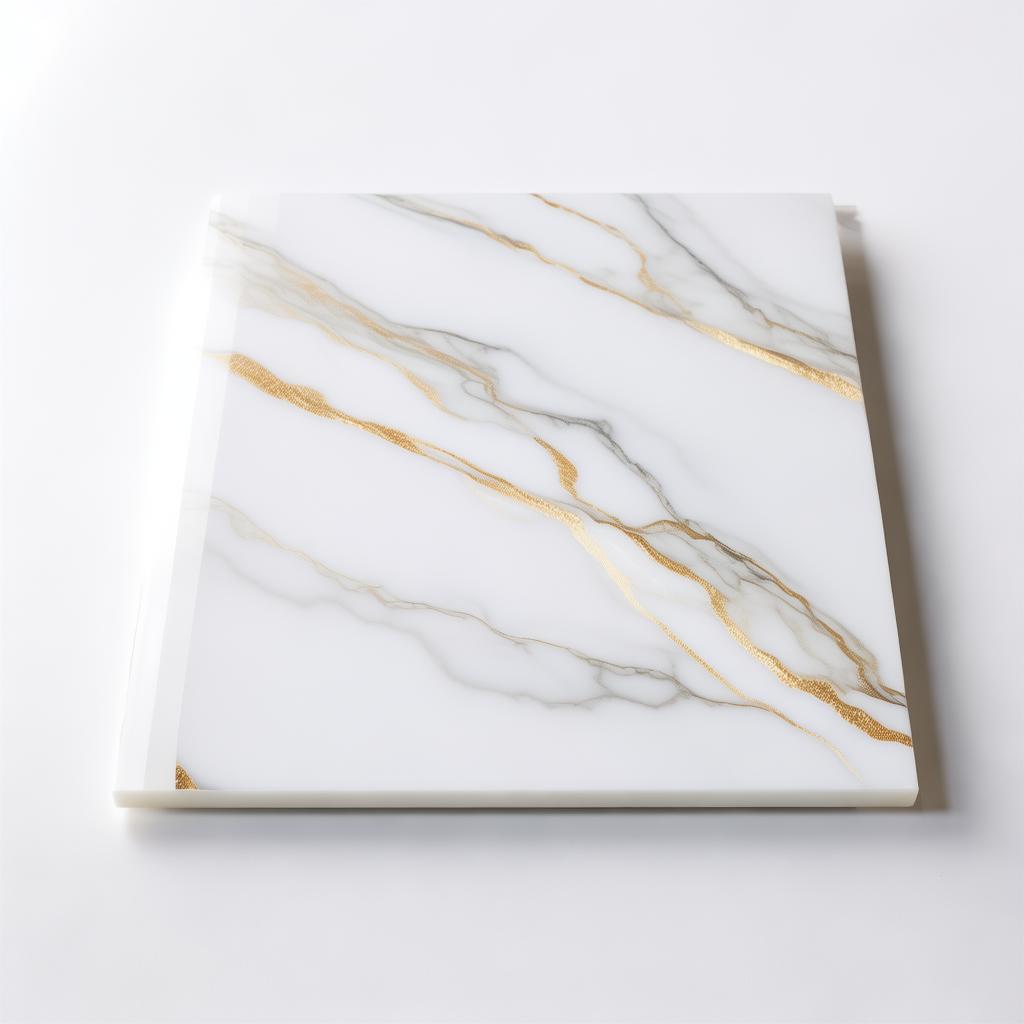
- Natural stone with unique veining
- Luxurious, high-end appearance
- Softer and more porous than tiles
- Higher cost due to natural formation
- Requires more maintenance
While both options offer elegant flooring solutions, their fundamental differences in composition, maintenance, and cost can significantly impact your decision. Let's explore these factors in detail.
Durability and Performance Comparison
When evaluating tiles vs marble flooring, durability is a critical factor for commercial and high-traffic residential spaces.
Tile Durability
Modern ceramic and porcelain tiles are engineered for exceptional durability, with porcelain tiles being particularly resistant to scratches, stains, and moisture. They maintain their appearance for decades with minimal maintenance.
According to industry research, high-quality porcelain tiles can withstand up to 1,500 psi of pressure, making them ideal for commercial spaces with heavy foot traffic.
Marble Durability
Marble is a natural stone with a Mohs hardness rating of 3-4, making it softer than tiles. While it offers a luxurious appearance, its porous nature makes it more susceptible to scratches, stains, and etching from acidic substances.
Proper sealing and maintenance are essential to preserve marble's appearance over time. Without adequate care, marble floors can show signs of wear within 5-10 years in high-traffic areas.
For spaces requiring maximum durability, tiles generally offer better long-term performance. However, marble's natural beauty makes it a preferred choice for low-traffic, high-end residential applications where aesthetics take priority over durability.
Cost Comparison: Tiles vs Marble Flooring
The cost of flooring materials and installation is a significant factor in the tiles vs marble flooring debate.
| Cost Factor | Tiles | Marble |
|---|---|---|
| Material Cost (per sq. ft.) | $2 - $15 | $5 - $30+ |
| Installation Cost | $3 - $10 per sq. ft. | $5 - $15 per sq. ft. |
| Total Installed Cost | $5 - $25 per sq. ft. | $10 - $45+ per sq. ft. |
| Maintenance Costs (annual) | $0.10 - $0.50 per sq. ft. | $0.50 - $2.00 per sq. ft. |
While marble has a higher initial cost, its luxurious appearance may justify the investment for high-end projects. Tiles, on the other hand, offer a more budget-friendly solution without compromising on durability and style.
For commercial projects where cost efficiency is crucial, tiles typically provide better value over the long term due to their lower maintenance requirements and longer lifespan.
Maintenance Requirements
Understanding the maintenance needs of each flooring option is essential for making an informed decision.
Tile Maintenance
- Regular sweeping and mopping with mild cleaner
- Seal grout lines annually to prevent staining
- No special cleaning products required
- Resistant to most household chemicals
- No polishing or waxing needed
Marble Maintenance
- Daily dusting to prevent scratches
- Use only pH-neutral cleaners
- Seal regularly (every 1-3 years)
- Avoid acidic substances (vinegar, lemon juice, etc.)
- Professional polishing may be needed periodically
- Stain treatment required for spills
Tiles clearly require less maintenance than marble, making them a more practical choice for busy commercial spaces or households with children and pets. Marble's high-maintenance nature makes it better suited for low-traffic areas where its beauty can be properly preserved.
Design and Aesthetic Considerations
Both tiles and marble offer unique aesthetic advantages that can enhance any space.
Tile Design Options
Tiles come in an endless variety of colors, patterns, textures, and sizes. Modern manufacturing techniques allow for:
- Custom designs and patterns
- Wood-look and stone-look finishes
- Large-format tiles for seamless appearance
- 3D and textured surfaces
- Glazed and unglazed finishes
Marble Design Options
Marble offers natural beauty with unique veining patterns that cannot be replicated. Key design features include:
- One-of-a-kind natural patterns
- Luxurious high-end appearance
- Polished, honed, or leathered finishes
- Various color options (white, black, gray, etc.)
- Thickness options for different applications
For projects requiring customization and versatility, tiles offer more design flexibility. However, for spaces where natural elegance is the priority, marble's unique beauty is unmatched.
Environmental Impact
In today's eco-conscious market, understanding the environmental impact of your flooring choice is crucial.
Tile Environmental Impact
Tiles generally have a lower environmental impact:
- Manufactured from natural materials (clay, sand)
- Energy-efficient production processes
- Long lifespan reduces replacement needs
- Recyclable at end of life
- Low VOC emissions
Marble Environmental Impact
Marble has a higher environmental footprint:
- Extraction process can be environmentally damaging
- Energy-intensive quarrying and transportation
- Limited availability of certain varieties
- Long transportation distances for rare types
- Difficult to recycle at end of life
For projects prioritizing sustainability, tiles generally offer a more eco-friendly option. However, some marble suppliers are implementing more sustainable practices, so it's important to research specific products.

Installation Considerations
Both flooring options have different installation requirements that affect project timelines and costs.
Tile Installation
Tile installation is generally straightforward:
- Requires proper subfloor preparation
- Thinset mortar is typically used for adhesion
- Grout application and sealing required
- Can be installed over most existing floors
- Typical installation time: 3-7 days
Marble Installation
Marble installation requires more expertise:
- Requires precise cutting and fitting
- Special adhesives and techniques needed
- Sealing required before and after installation
- Limited to suitable subfloor types
- Typical installation time: 5-10 days
For faster project completion, tiles generally offer a more efficient installation process. However, both options require professional installation for optimal results.
Which Option is Right for Your Project?
Choosing between tiles and marble ultimately depends on your specific project requirements and priorities.
Choose Tiles If:
- You need durable, low-maintenance flooring
- Budget is a primary concern
- You want a wide range of design options
- Your space has high foot traffic
- You prefer eco-friendly materials
- You need quick installation
Choose Marble If:
- You want a luxurious, high-end look
- Budget is not a primary concern
- You're okay with higher maintenance
- Your space has low foot traffic
- You appreciate natural stone beauty
- You're willing to invest in professional care
For most commercial applications and high-traffic residential spaces, tiles offer the best combination of durability, affordability, and design flexibility. However, marble remains the preferred choice for luxury residential projects where aesthetics take precedence over practical considerations.
Final Recommendations
After carefully considering all factors, here are our final recommendations for different scenarios:
For Commercial Spaces:
Tiles are generally the better choice for commercial applications due to their durability, low maintenance, and cost-effectiveness. They can withstand heavy foot traffic and require minimal upkeep, making them ideal for retail stores, offices, and hospitality venues.
For High-End Residential Projects:
Marble is the preferred option for luxury residential spaces where aesthetics are paramount. Its natural beauty and elegance can significantly enhance the value and appeal of high-end homes and apartments.
For Eco-Conscious Projects:
Tiles are generally the more sustainable choice due to their lower environmental impact throughout their lifecycle. However, some marble suppliers are implementing more sustainable practices, so it's worth researching specific products.
For Budget-Conscious Projects:
Tiles offer better value for money, with lower initial costs and long-term maintenance savings. They provide a wide range of design options at various price points to suit different budgets.
Expert Insights
Michael Chen, Senior Flooring Consultant
"In my 15 years of experience, I've seen tiles consistently outperform marble in commercial settings. The durability and cost savings over time make them the practical choice for businesses. However, for high-end residential projects where the client values aesthetics above all else, marble's natural beauty is unmatched."
Sarah Johnson, Interior Designer
"I often recommend tiles for most of my commercial projects because they offer such versatility in design while being durable and easy to maintain. However, when working with luxury residential clients who want that timeless, high-end look, marble is often the preferred choice despite the higher maintenance requirements."
Frequently Asked Questions
1. Which is more durable: tiles or marble?
Tiles, particularly porcelain tiles, are generally more durable than marble. They're more resistant to scratches, stains, and moisture, making them ideal for high-traffic areas. Marble is softer and more porous, requiring more care to maintain its appearance.
2. Which is more expensive: tiles or marble?
Marble is typically more expensive than tiles, both in terms of material cost and installation. High-quality porcelain tiles can be comparable in price to lower-grade marble, but premium marble varieties can be significantly more costly.
3. Which is easier to maintain: tiles or marble?
Tiles are much easier to maintain than marble. They require regular sweeping and occasional mopping with mild cleaners. Marble, on the other hand, needs to be sealed regularly, cleaned with pH-neutral products, and protected from acidic substances.
4. Can tiles mimic the look of marble?
Yes, modern porcelain tiles can be manufactured to closely resemble marble, including its natural veining patterns. These marble-look tiles offer the aesthetic appeal of natural stone with the durability and low maintenance of ceramic tiles.
5. Which is better for bathrooms: tiles or marble?
Both tiles and marble can work well in bathrooms, but tiles are generally the better choice due to their water resistance and easier maintenance. Marble can be used in bathrooms but requires more care to prevent staining and etching from water and cleaning products.
Ready to Make Your Decision?
Contact our flooring experts today to discuss your project requirements and get personalized recommendations.
Our team of flooring specialists is ready to help you choose the perfect solution for your space.
 +86 31185293045
 qian@ss711.com





