



Spc Flooring Vs Porcelain Tile Comparison
Product Introduction
SPC Flooring vs Porcelain Tile Comparison – Choose the Right Surface for Your Next Project
Designed for Purchasing Managers, Technical Directors, and Operations Leaders who demand ROI‑driven flooring decisions.
Get Free Quote in 24hContents
Why Your Current Flooring Choice Might Be Holding You Back
📊 High upfront cost – Many large‑scale projects still allocate 30‑40% of the flooring budget to porcelain tiles, even though comparable SPC systems can cut material spend by up to 25% (source: LinkedIn SPC Report).
⏱️ Long installation cycles – Traditional thin‑set mortar for porcelain requires 2–3 days of curing, extending labor costs and delaying occupancy.
💧 Moisture‑related failures – In basements or wet‑room applications, water ingress through grout lines can cause tile delamination, leading to costly re‑work.
🚚 Heavy shipping weight – Porcelain tiles average 20 kg/m², inflating freight charges by 15‑20% on trans‑Atlantic routes compared with SPC’s 5 kg/m².
🔧 Maintenance headaches – Grout staining, tile cracking, and periodic resealing increase long‑term OPEX for facilities managers.
If any of these pain points appear in your recent RFPs, it’s time to compare the two leading flooring families head‑to‑head.
SPC Flooring vs Porcelain Tile – Core Advantages
1️⃣ Dimensional Stability & Water Resistance
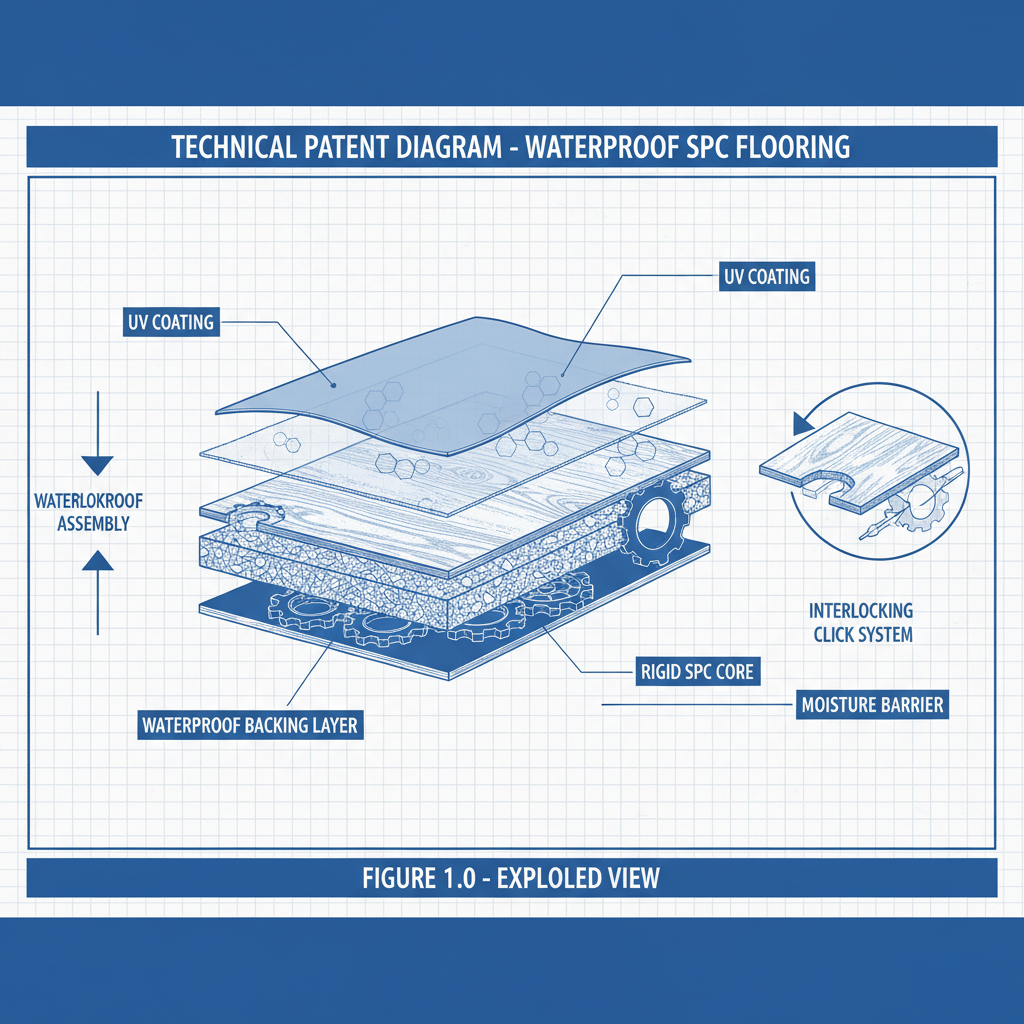
SPC (Stone Plastic Composite) features a rigid limestone‑plastic core that is 100 % waterproof from the core to the wear layer (source: GC Flooring). Porcelain is also water‑resistant, but the grout joints remain vulnerable.
2️⃣ Installation Speed & Labor Savings
Click‑lock SPC systems can be installed over existing sub‑floors in half a day for a 100 m² area, whereas porcelain tile needs mortar preparation, cutting, and 48‑hour curing. According to GC Flooring, labor cost reductions of 30‑40% are typical.
3️⃣ Mechanical Strength & Impact Resistance
SPC cores have a compressive strength of 45–55 MPa (≈650–800 psi) and can withstand a 5 kg dropped weight without denting. Porcelain tiles score 20–30 MPa but are prone to cracking under point loads.
4️⃣ Design Flexibility
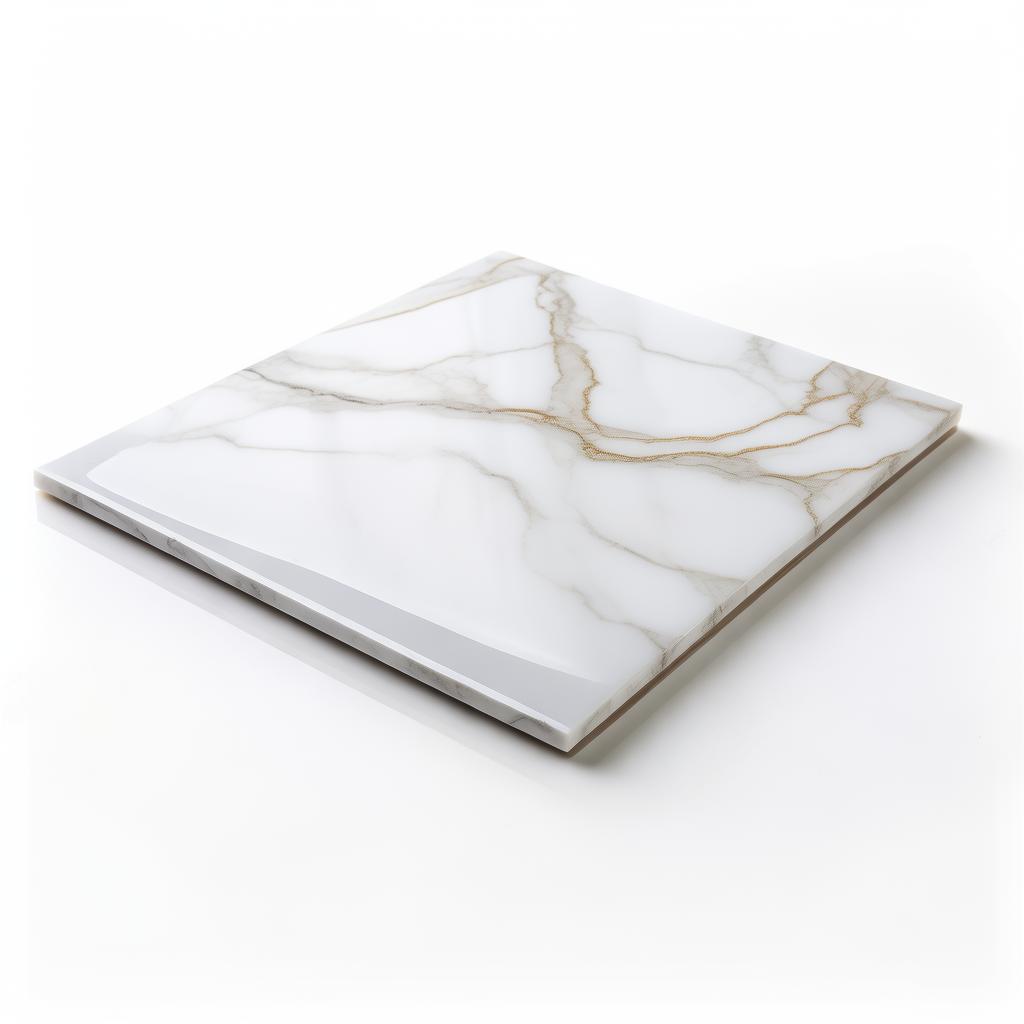
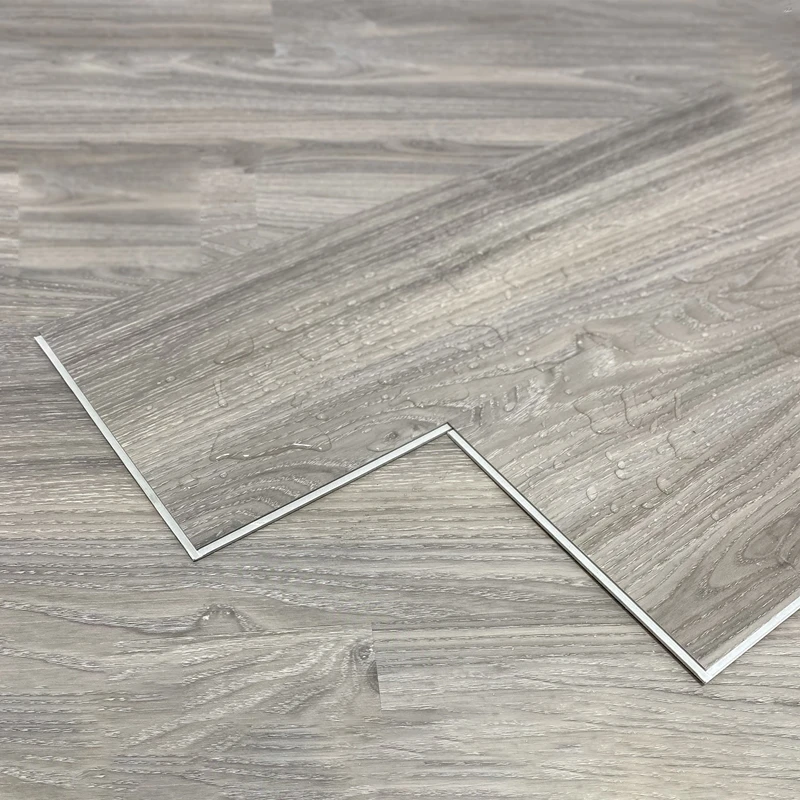
Modern SPC offers high‑definition photorealistic prints that mimic natural stone, wood, or concrete, with UV‑stable inks. Porcelain’s design is limited to the kiln‑fired surface and cannot replicate certain wood grains without high‑cost embossing.
5️⃣ Lifecycle Cost (TCO)
When factoring material, shipping, labor, and maintenance over a 20‑year span, SPC typically delivers a 12 % lower total cost of ownership for commercial corridors (source: DataIntelo 2025 Report).
Technical Specification Comparison Table
| Parameter | SPC Flooring | Porcelain Tile |
|---|---|---|
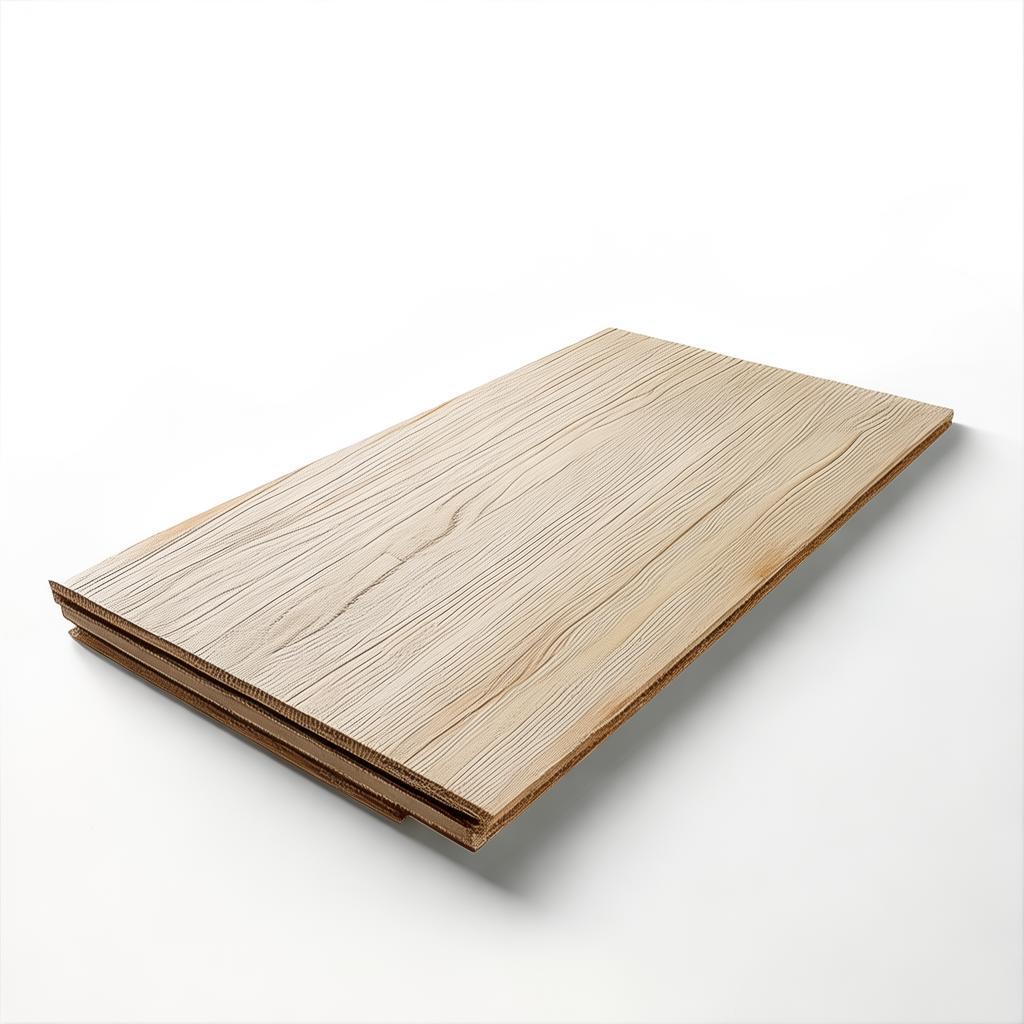
| Core Thickness | 4–6 mm (rigid limestone‑plastic) | 8–12 mm (ceramic body) |
| Wear Layer | 0.4–0.8 mm Al‑oxide coated (up to 20 k wear rating) | 0.2–0.4 mm glazed surface |
| Water Absorption | <0.01 % (fully waterproof) | <0.5 % (water‑resistant, grout dependent) |
| Dimensional Change (ΔL) | ≤0.02 % (±5 °C) | ≤0.05 % (±5 °C) |
| Fire Rating | Class A (Euro‑class) – self‑extinguishing | Class A – ceramic, non‑combustible |
| Impact Resistance (ASTM D5420) | ≥300 J | ≈150 J (prone to chipping) |
| Weight (kg/m²) | 5–6 kg | 20–22 kg |
| Typical Cost (USD/m²) | $25‑$35 | $35‑$55 |
Application Scenarios & Real‑World Case Studies
- Commercial Office Lobbies: A 5,000 m² corporate campus in Berlin switched from 30 mm porcelain to 6 mm SPC (click‑lock) and reduced installation time from 12 days to 5 days, saving €45,000 in labor (source: LX Hausys Case).
- Hospital Wet Areas: A 1,200 m² surgical suite in Chicago adopted SPC with antimicrobial wear layer; after 18 months no water‑related defects were recorded, whereas a comparable tile‑based ward reported 3 grout failures per year (source: Wintel Surfaces).
- Retail Showrooms: A luxury furniture retailer in London used high‑definition wood‑grain SPC to achieve a premium look at 40 % lower material cost than imported marble‑finish porcelain.
These data points illustrate that SPC can meet or exceed porcelain performance while delivering measurable ROI.
Frequently Asked Questions
How does the cost of SPC flooring compare to porcelain tile for a 100 m² commercial space?
Material cost is typically $25‑$35/m² for SPC vs $35‑$55/m² for porcelain. Adding labor (≈$15/m² for click‑lock SPC vs $30/m² for thin‑set tile) and shipping (5 kg vs 20 kg per m²) leads to a total cost saving of 12‑18 % over a 20‑year lifecycle (source: DataIntelo).
Can SPC flooring be used in high‑traffic retail environments?
Yes. Our commercial‑grade SPC with a 0.8 mm Al‑oxide wear layer meets ASTM F1700 for 20 k foot traffic cycles and resists dents from heavy carts. Many U.S. retailers have replaced porcelain in entryways for faster turnover.
What certifications guarantee fire safety for SPC in public buildings?
Our SPC meets Euro‑class A (EN 13501‑1) and carries the CE fire‑performance mark. The core material is self‑extinguishing, and the wear layer is non‑combustible.
Is custom branding possible with SPC flooring?
Absolutely. We offer OEM/ODM design services, allowing you to embed logos, corporate colors, or unique patterns directly on the decorative film before lamination.
How long does delivery take from our Chinese factory to the U.S. East Coast?
Standard ocean freight is 20‑25 days port‑to‑port, plus 3‑5 days inland transport. With our high‑speed logistics hub near Beijing, we can guarantee delivery within 30 days for orders ≥ 10 container loads.
What after‑sales support is included?
We provide a 10‑year warranty against delamination, a 5‑year wear‑layer guarantee, and a dedicated technical support line (WhatsApp +86 137 0339 9579). Free sample kits are available on request.
Take the Next Step – Limited‑Time Offer
✅ Free 5 m² sample kit shipped within 5 days
✅ 10 % discount on orders placed before 30 June 2026
✅ Money‑back guarantee if the installed floor does not meet the agreed wear rating.
Contact us via any channel – email, phone, or WhatsApp – and our floor‑specialist will prepare a custom quotation within 24 hours.
Request Quote Now📞 +86 137 0339 9579 | ✉️ qian@ss711.com
What Real Users Say
-
 Mark D., Procurement Lead – Global Logistics Co.
“The SPC panels arrived 20 % lighter, saving us €2,000 on freight. Installation was a breeze and the floor still looks brand‑new after 18 months of heavy truck traffic.”
-
 Sofia R., Facilities Manager – HealthTech Labs
“We needed a hygienic surface for our cleanrooms. SPC’s antimicrobial wear layer passed all ISO‑14644 tests, whereas the older porcelain grout kept staining.”
-
 Liang W., Technical Director – European Design Studio
“Our client loved the wood‑grain look without the maintenance of real timber. The click‑lock system let us finish the showroom in one weekend.”

Emily Chen, Senior Flooring Engineer
Emily has 15 years of experience in resilient flooring R&D, holds a Ph.D. in Materials Science, and has published 8 peer‑reviewed papers on stone‑plastic composites. She leads the technical consultancy team at Shijiazhuang Sothink Trading Co., ensuring every product meets ISO‑9001 and CE standards.
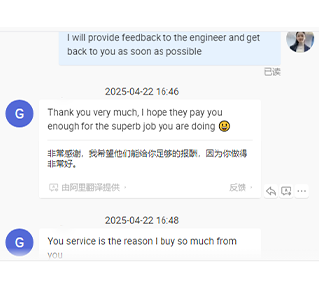
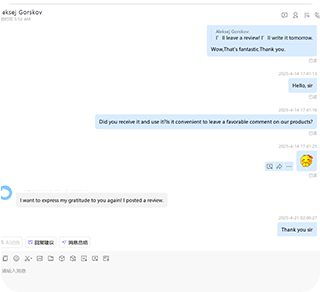
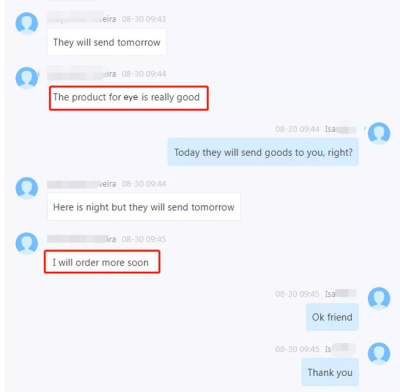
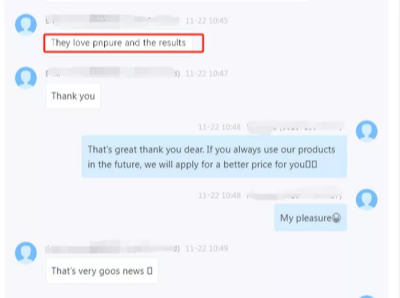
Live Chat Highlights – Real Inquiries

References
- “SPC Flooring Market Analysis and Future Outlook,” LinkedIn Pulse, 2024 – link
- “Why SPC Vinyl Plank Flooring: The Toughest, Most Stable Floor,” GC Flooring, 2023 – link
- “Stone Plastic Composite (SPC) Flooring Market,” DataIntelo, 2025 – link
- “Can SPC Flooring Handle Extreme Temperatures?” Wintel Surfaces, 2023 – link
- “LX Hausys SPC Product Overview,” LX Hausys, 2024 – link
 +86 31185293045
 qian@ss711.com





Trusted By Global Brands & Certified Excellence
Customer Testimonials
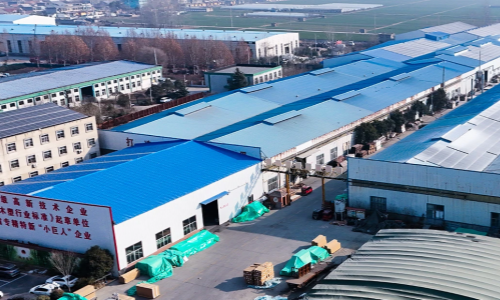
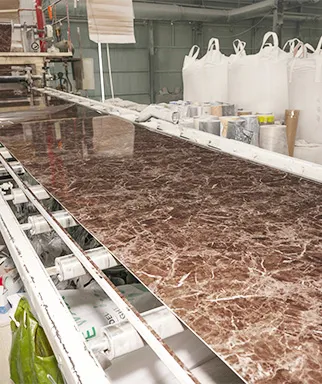
All products are manufactured in our Shijiazhuang facility, which holds ISO‑9001, ISO‑14001, OHSAS 18001, and CE certifications.
Got Questions?