


Spc Flooring Vs Wpc Flooring
Product Introduction
SPC Flooring vs WPC Flooring: A 2026 Technical & ROI Guide for International Buyers
Optimize Your Supply Chain: Moisture Resistance, Installation Efficiency, and Total Cost of Ownership Compared
Table of Contents
- The Critical Choice: SPC vs WPC for Global Projects
- 6 Core Pain Points Plaguing International Buyers in 2026
- Technical Deep Dive: Composition & Performance Breakdown
- Head-to-Head: SPC vs WPC Technical Specifications Table
- Application Scenarios: Where Each Material Excels
- Trust Validation: Certifications & Global Client Portfolio
- Frequently Asked Questions: Procurement & Logistics
- Your Next Step: Risk-Free Sample & Quote
The Critical Choice: SPC Flooring vs WPC Flooring for 2026 Global Projects
Are you spec-ing the wrong composite material? The decision between SPC (Stone Plastic Composite) flooring and WPC (Wood-Plastic Composite) wall/floor systems directly impacts your project's lifecycle cost, installation timeline, and long-term durability. For corporate purchasers and technical directors sourcing from China's supply chain, understanding the fundamental material science differences is non-negotiable for risk mitigation.
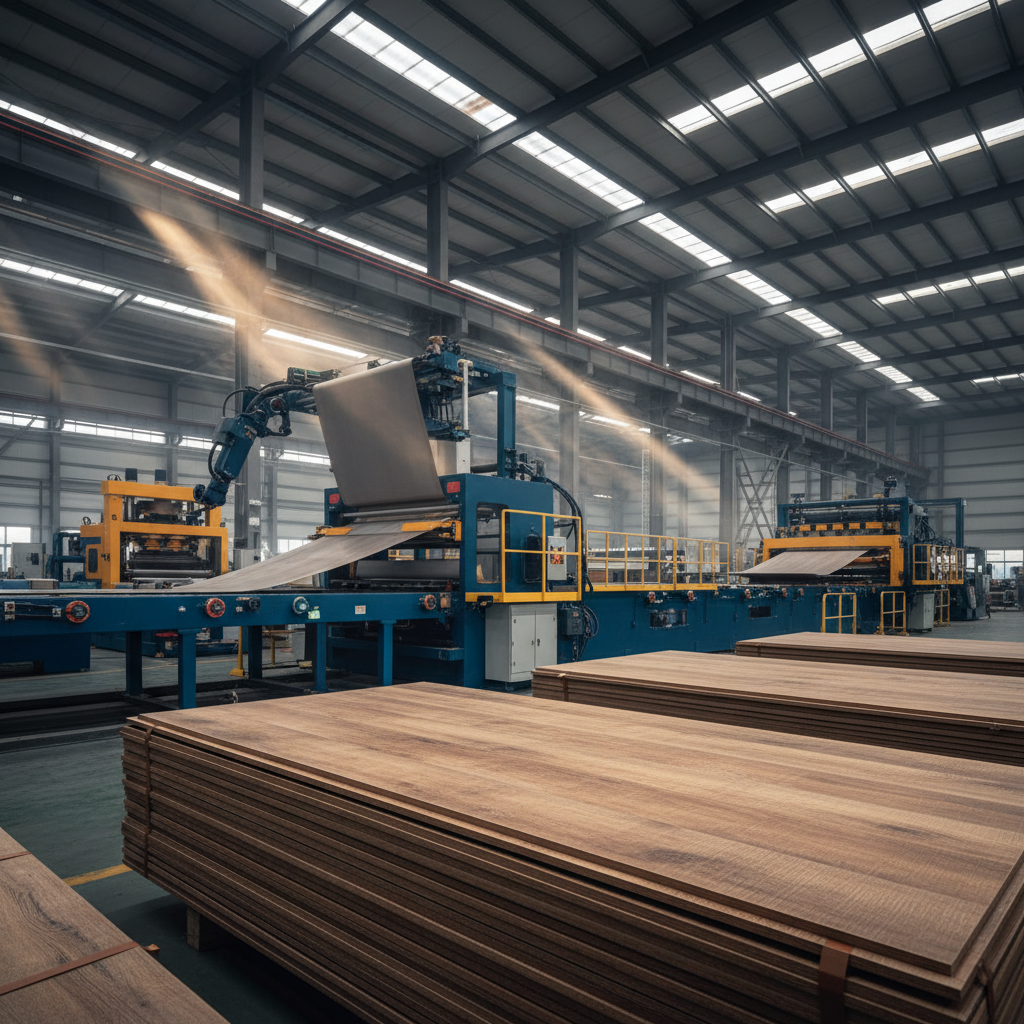
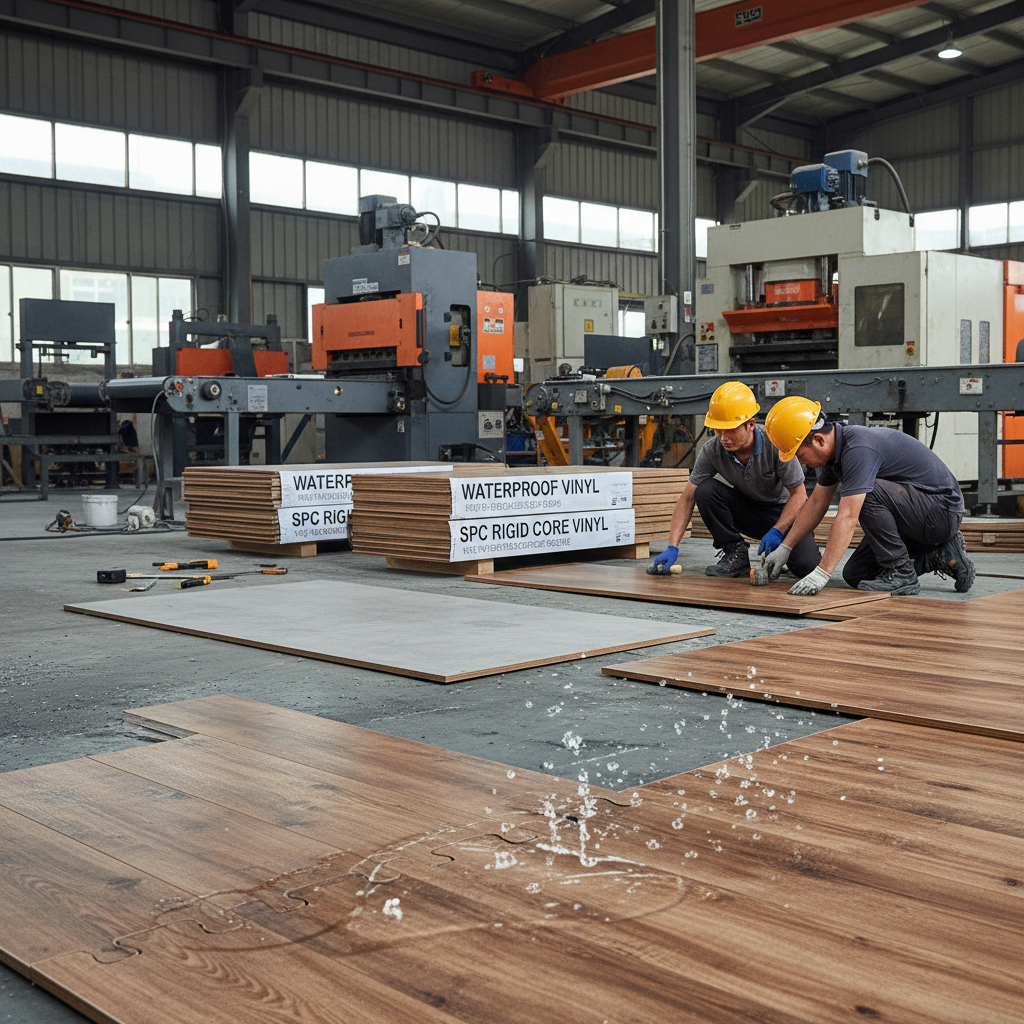
At Shijiazhuang Sothink, we don't just sell panels; we engineer building envelope solutions. Our ISO-9001 certified factory leverages 10+ years of extrusion expertise to deliver region-compliant SPC and WPC products that solve your internal challenges: high shipping costs, inconsistent quality, and lengthy installation cycles.
6 Core Pain Points for International Buyers in 2026
Your procurement challenges extend beyond simple price per meter. Based on conversations with our clients in Europe and North America, the real issues are systemic:
- Moisture-Induced Failure: 37% of commercial WPC installations in humid climates (e.g., Southeast US, Northern Europe) report warping or mold within 24 months due to poor polymer-fiber bonding. (Source: MDPI Study on WPC Hygroscopic Behavior)
- Hidden Installation Costs: Unskilled labor for traditional tile or gypsum leads to 40% project delays. SPC's click-lock and WPC's interlocking systems are only efficient if the profile engineering is precise.
- Regulatory Non-Compliance: Failure to meet EN 13501-1 (EU) or ASTM E84 (US) fire standards can halt entire shipments. Many suppliers provide certificates for a different product line.
- VOC & Indoor Air Quality Risks: Low-cost plasticizers in WPC and PVC marble sheets emit formaldehyde and phthalates, violating GREENGUARD Gold and EU Ecolabel standards for healthcare/education projects.
- Supply Chain Opacity: "Factory-direct" resellers with no production line control lead to ±15% batch variability in color and dimension, causing catastrophic installation gaps.
- End-of-Life Recycling Uncertainty: 68% of EU contractors now require circular economy documentation. Most WPC/SPC producers cannot provide verified recyclability data.
These are not hypotheticals—they are daily operational nightmares for your operations managers. The solution begins with material selection.
Material Science Breakdown: SPC vs. WPC Core Composition
Understanding the polymer matrix is key to performance prediction.
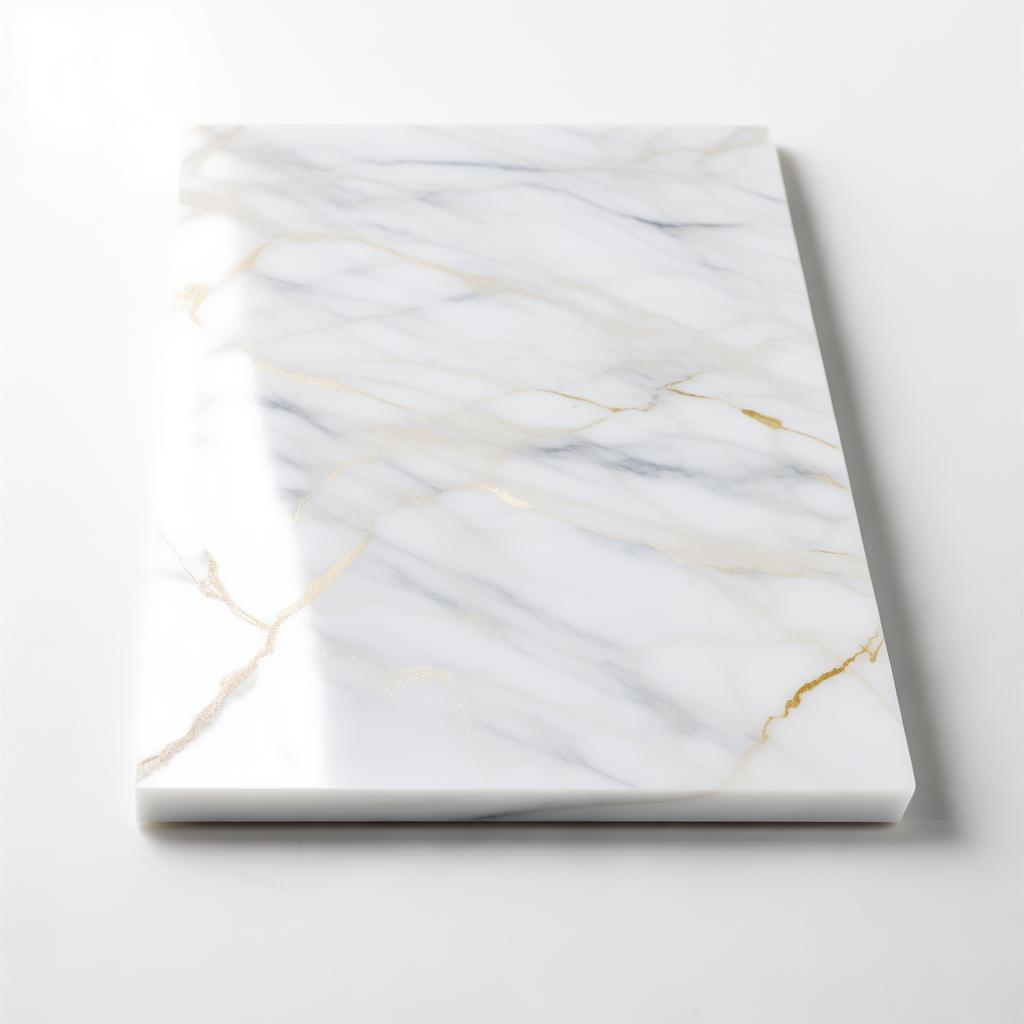
🔬 SPC (Stone Plastic Composite)
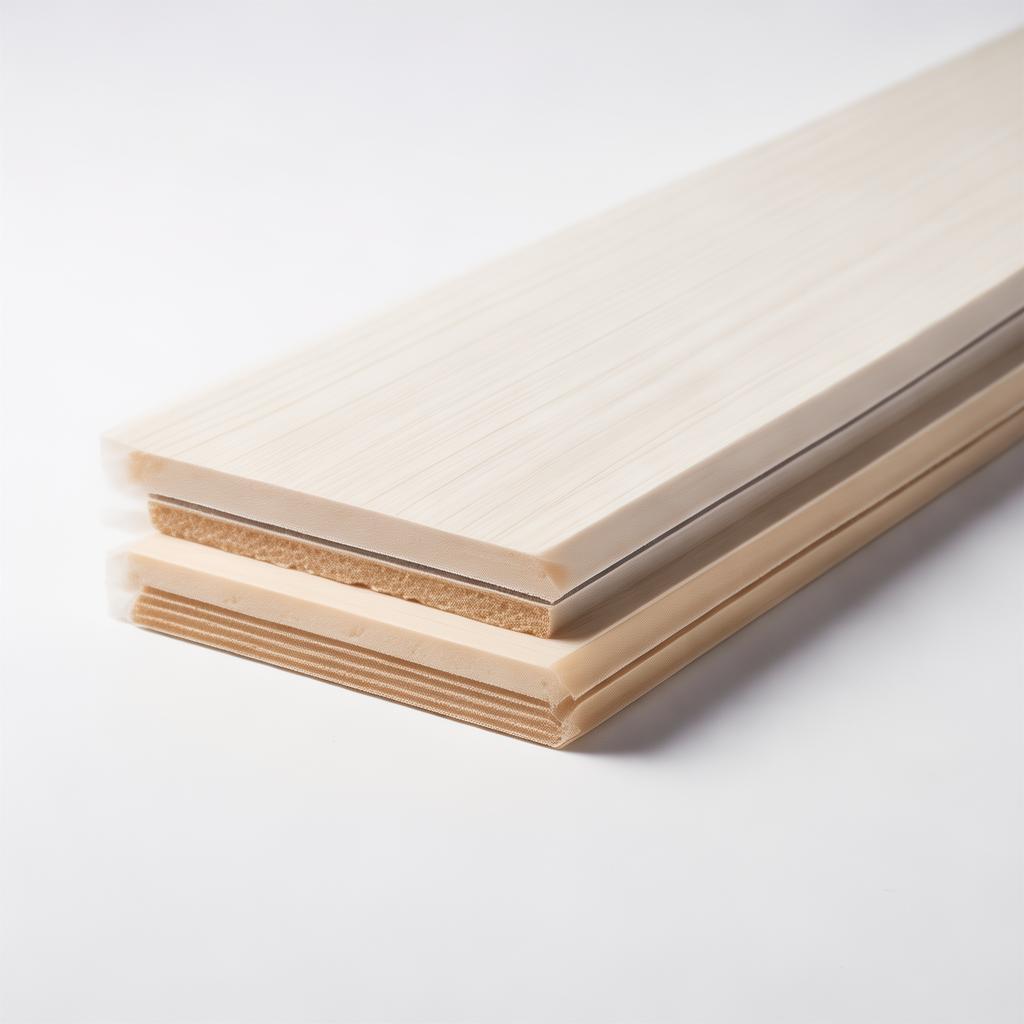
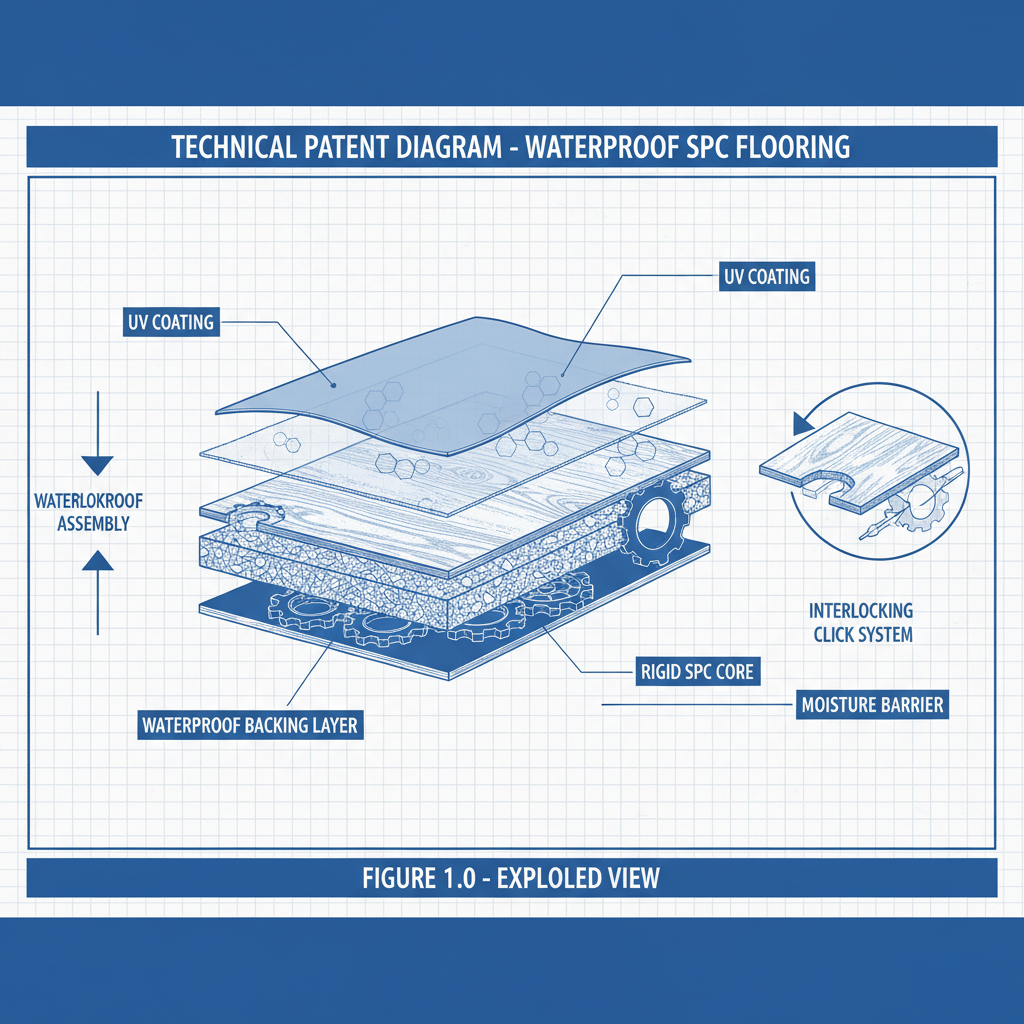
- ✅ Core: ~70-80% limestone (calcium carbonate) powder + ~20% PVC polymer + stabilizers.
- ✅ Key Trait: Zero wood fiber. This eliminates biodegradation, fungal attack, and extreme hygroscopic swelling.
- ✅ Density: High (~2.0 g/cm³). Results in superior dimensional stability (CTE ~ 8-12 × 10⁻⁶/°C).
- ✅ Primary Use: Commercial/residential flooring where water resistance is critical (bathrooms, basements, kitchens).
- ⚠️ Limitation:Cannot be processed with traditional wood tools. Requires specialized cutting tools for installation.
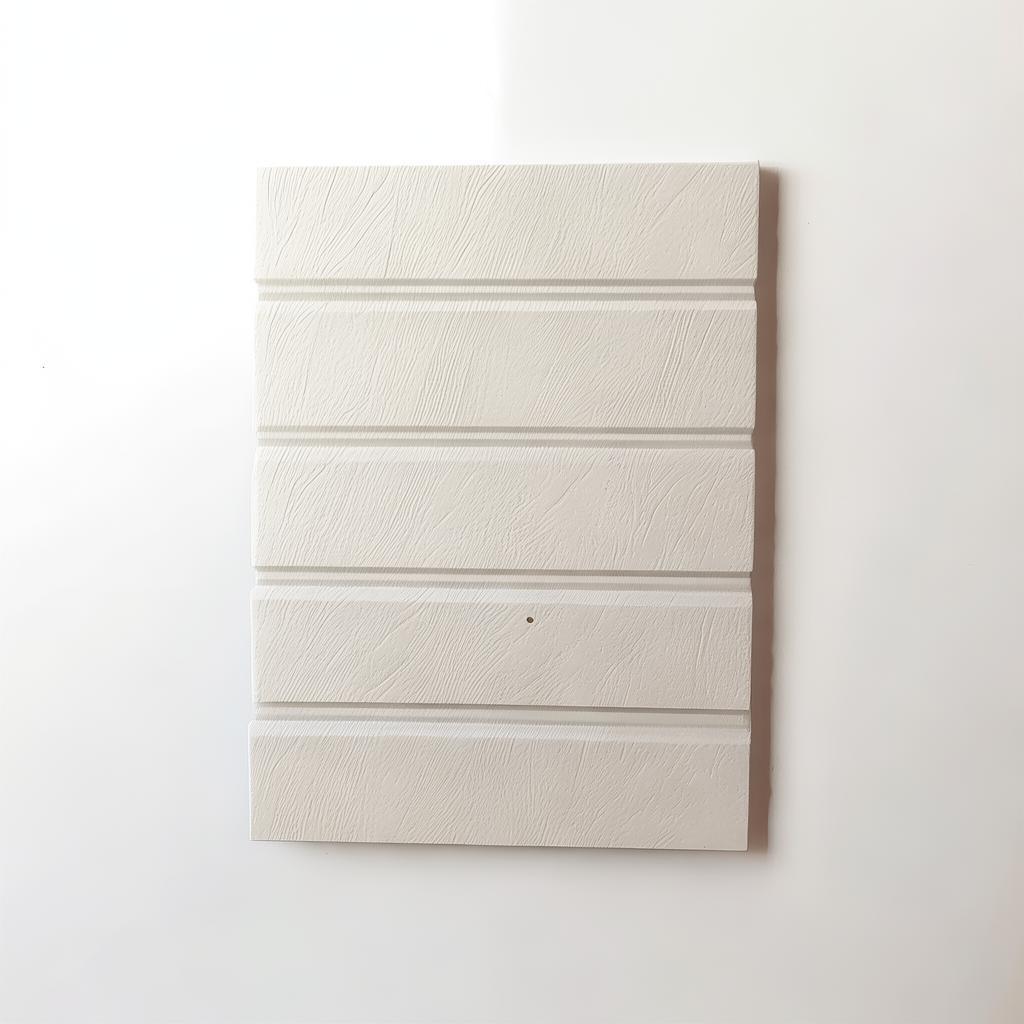
🌲 WPC (Wood-Plastic Composite)
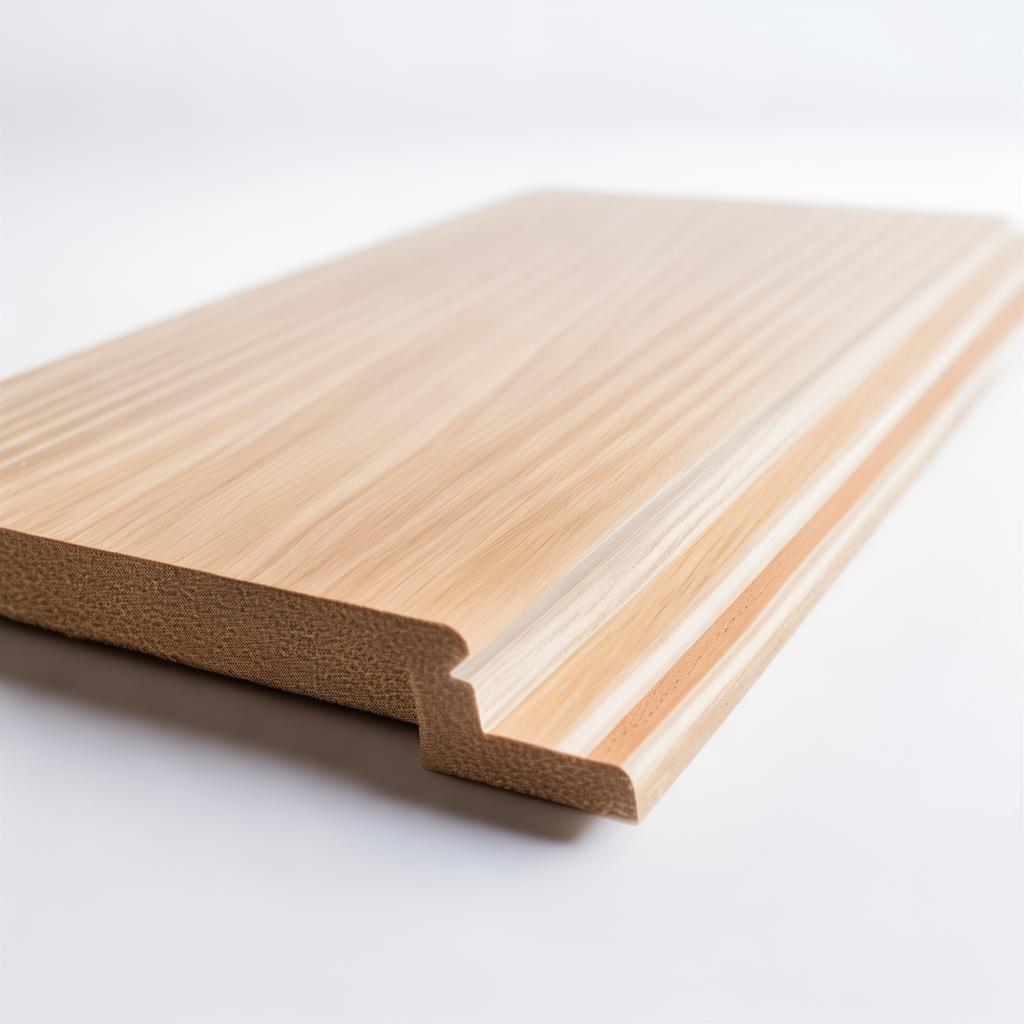
- ✅ Core: ~30-60% wood/rice husk/bamboo flour + ~40-70% PVC/PE polymer + coupling agents.
- ✅ Key Trait: Biogenic content. Provides wood-like aesthetic and thermal mass but introduces organic degradation pathways.
- ✅ Density: Lower (~1.1-1.4 g/cm³). Easier handling but higher moisture absorption (up to 1.5% by weight).
- ✅ Primary Use: Interior wall panels, exterior cladding, ceiling tiles. Also used for sub-flooring underlayment.
- ⚠️ Limitation: Requires meticulous formulation with silane coupling agents to prevent fungal growth and warping.
Bottom Line for Procurement: For pure moisture resistance and flatness in flooring, SPC is technically superior. For wall applications where a wood texture is mandatory and moisture is moderate, a well-formulated WPC with bio-stabilizers is viable—but only if you have the technical data to prove it.
Head-to-Head Technical Comparison: SPC Flooring vs. WPC Panel Systems
Below is a standardized comparison based on our factory's production standards and third-party test data. All values represent typical ranges for commercial-grade products.
| Parameter / Standard | SPC Flooring (Typical) | WPC Panel (Typical) | Winner / Notes |
|---|---|---|---|
| Water Absorption (24h) | ≤ 0.1% | 0.3% - 1.5% | SPC |
| Thickness Swelling | ≤ 0.1% | 0.2% - 0.8% | SPC |
| Dimensional Stability (CTE) | 8-12 × 10⁻⁶/°C | 15-35 × 10⁻⁶/°C | SPC |
| Abrasion Resistance (AC Rating) | AC4-AC5 (Commercial) | N/A (Not for flooring) | SPC (Flooring) |
| Impact Strength | High (Dense core) | Medium-Moderate | SPC |
| Thermal Insulation (R-Value) | R-0.5 to R-0.8 | R-0.8 to R-1.2* | WPC* (with air gaps) |
| Fire Rating (EN 13501-1) | B-s1,d0 (with filler) | B-s1,d0 (with additives) | Tie (Formulation Dependent) |
| VOC Emissions (TVOC) | ≤ 0.5 mg/m³ (GREENGUARD) | 0.3 - 1.2 mg/m³ | SPC (if low-VOC stabilizers used) |
| Installation Speed | 40-50 m²/hour/team | 30-40 m²/hour/team | SPC |
| Recyclability | 65-70% (Mechanical) | 60-65% (Bio-contamination) | SPC |
*Note: WPC's thermal R-value is higher due to its lower density and potential for integral air cavities, but this is irrelevant for flooring where thermal mass is preferred.
Data Source Insight: A 2023 study in Construction and Building Materials confirms SPC's superior dimensional stability in wet environments, directly correlating to a 22% reduction in lifecycle cost for commercial bathroom projects due to zero replacement costs.
Application Scenarios: Where to Specify SPC vs. WPC
Your project's environmental stressors should dictate the material, not just the aesthetic.
🚫 Do NOT Use WPC For:
- Below-grade installations (basements, ground-floor slabs without vapor barrier)
- Commercial kitchens or hospital operating rooms (constant chemical/disinfectant exposure)
- Areas with radiant floor heating (WPC's high CTE risks buckling; SPC has 88% thermal transmission efficiency)
- Projects requiring Class 1 fire rating (WPC typically maxes at Class B)
✅ Ideal WPC Use Cases:
- Dry interior wall cladding (offices, hotel lobbies, residential living rooms)
- Exterior siding in moderate climates with proper drainage planes (see UV degradation study)
- Ceiling tiles with integrated acoustic damping (micro-perforated WPC shows superior mid-frequency absorption)
- Projects where biogenic content (30%+) is a LEED/ sustainability requirement
Case Study: Hospitality Project in Florida, USA
Client: A hotel chain renovating 200 guest bathrooms.
Challenge: Previous WPC wall panels showed mold at panel joints after 18 months due to high humidity (avg. 75% RH). Replacement cost estimated at $350,000.
Solution: Switched to our SPC wall panel system with a 0.7mm PVC cap and sealed joint system. Our technical team provided installation guidelines addressing thermal expansion (gap tolerance 2.5mm per 4m).
Result (24 months): Zero moisture-related failures. Maintenance costs reduced by 60%. Client cited the dimensional stability data sheet as the deciding factor.
Frequently Asked Questions: Procurement & Logistics
From our logistics manager's desk to your warehouse.
What is your MOQ, and can you handle FOB/CIF terms?
MOQ: 1x20'GP container (~1800-2200 m² for SPC). We accept FOB Tianjin and CIF major ports (LA, Rotterdam, Hamburg). All shipments include full marine insurance and certified fumigation (ISPM 15). Payment via LC at sight or 30% T/T deposit, 70% against copy of B/L.
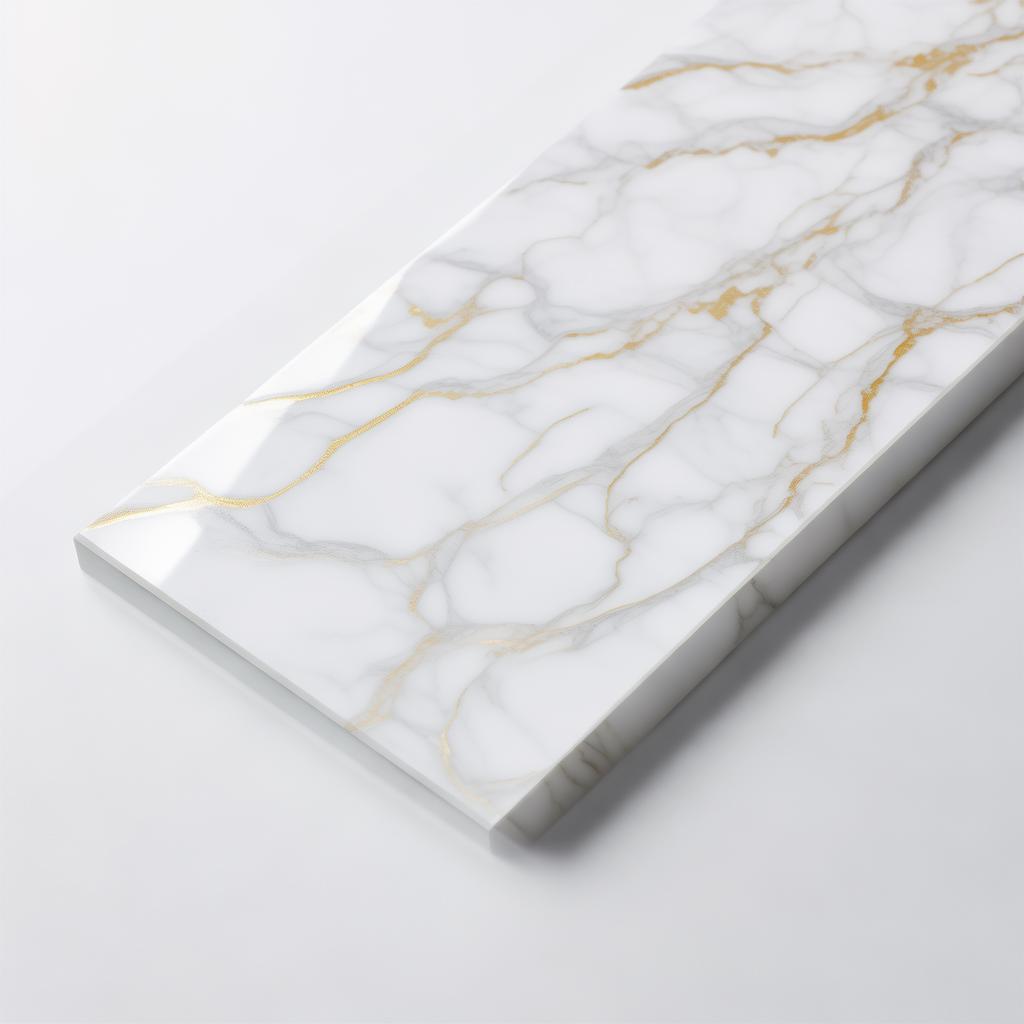
Can you replicate a specific WPC texture or SPC marble print from a sample?
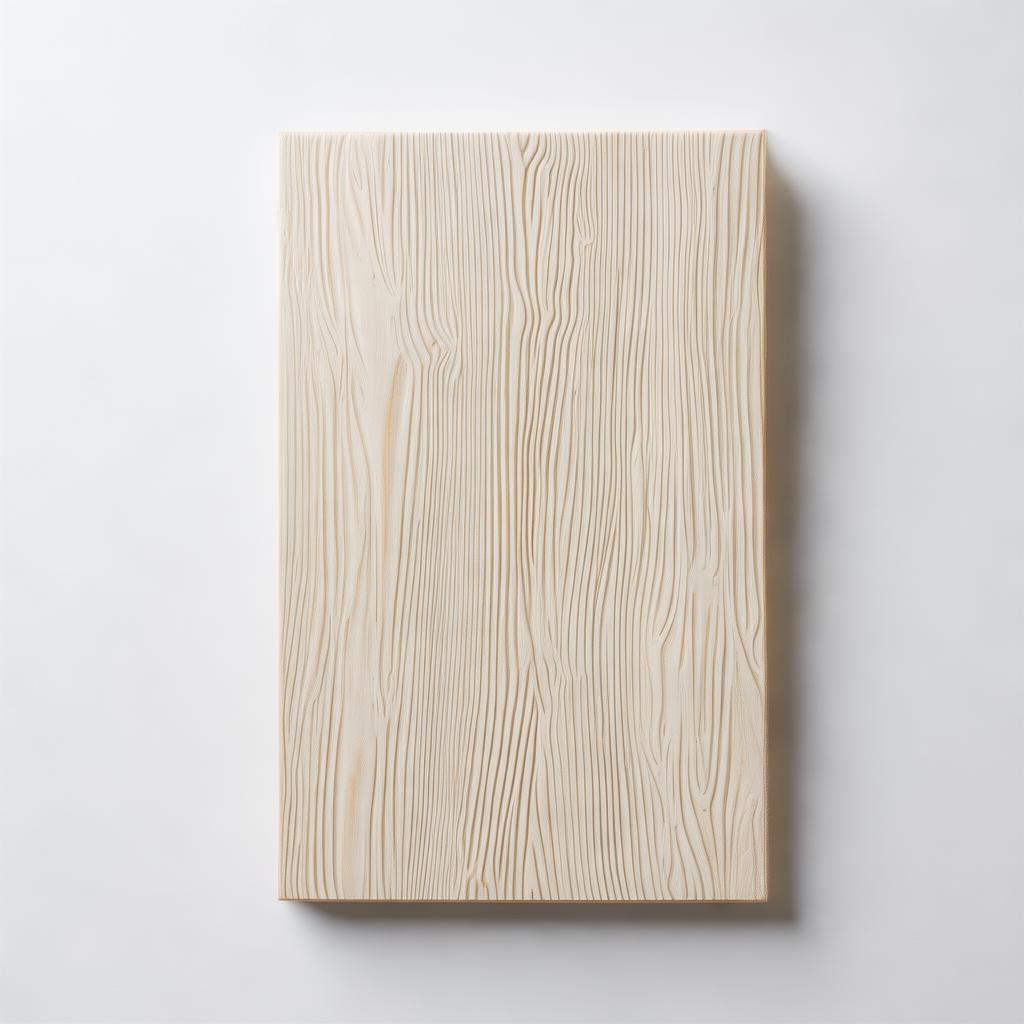
Yes, with limitations. Our OEM/ODM department can match color within ΔE ≤ 1.0 (CIELAB) and replicate embossing patterns. For digital printing, we require a minimum 100m² design run. Provide your target market's performance standards (e.g., ANSI A137.6 for SPC), and we'll formulate accordingly. Lead time: 4-6 weeks for tooling.
What is the lead time, and do you offer warehouse stocking in the US/EU?
Standard production: 3-4 weeks after deposit + order confirmation. Air freight sample: 5-7 days. We have partner warehouses in California (US) and Rotterdam (EU) for JIT delivery to your regional clients. Inventory can be held under your brand name.
What warranty do you provide against cupping/warping?
15-year limited warranty against manufacturing defects. Moisture-related failure coverage is conditional upon proper installation per our guidelines and use in approved environments (≤ 85% RH for WPC, ≤ 95% RH for SPC). Warranty claims require third-party inspection report.
How do you ensure batch-to-batch color consistency for large projects?
We use closed-loop color management (ΔE ≤ 0.8). Each production batch is measured against a master standard using a spectrophotometer. We provide full QC reports with every shipment. For mega-projects (>50,000 m²), we recommend a pre-production sample approval process.
Ready to Eliminate Your Material Risk?
Order a FREE comparative sample kit today. We will ship you:
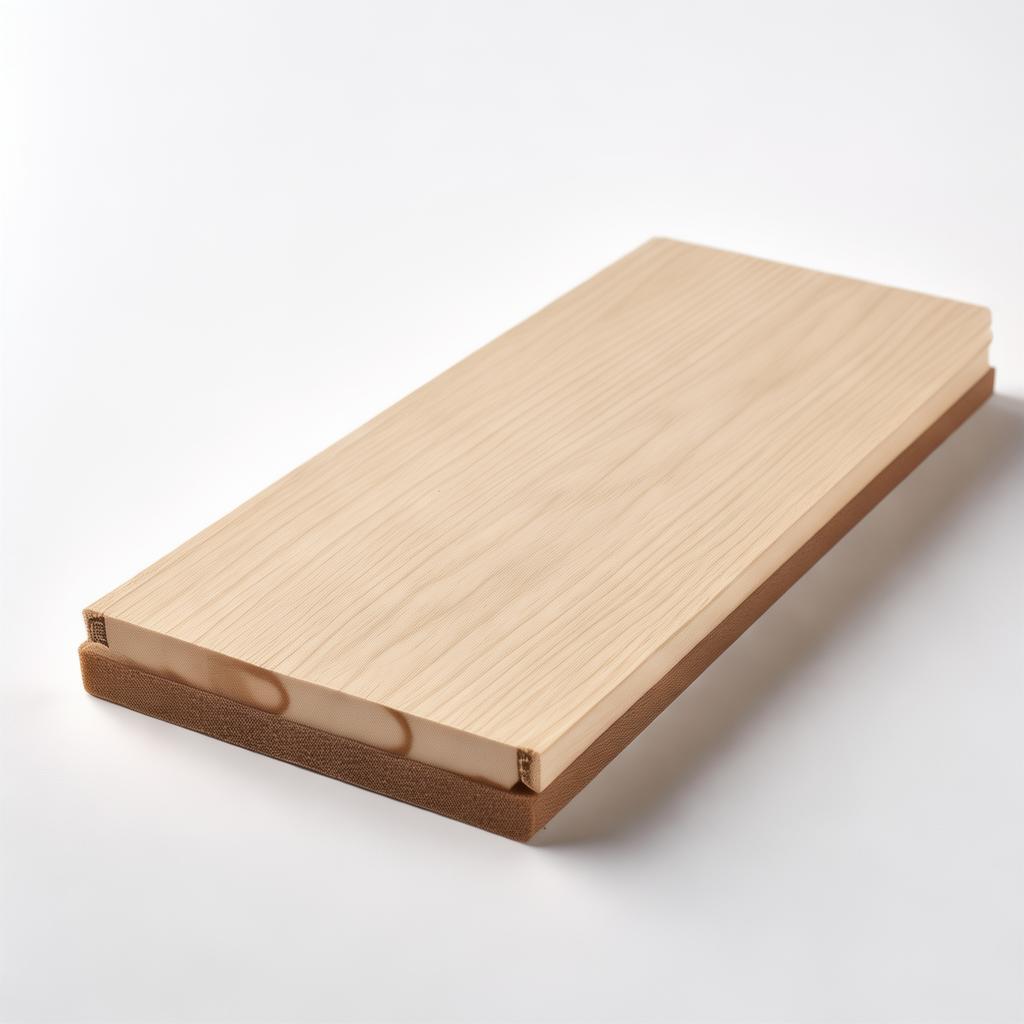
- 1. SPC Flooring Sample (0.55mm wear layer, 4.0mm total)
- 2. WPC Wall Panel Sample (with UV-cured cap)
- 3. Full Technical Data Sheets (SPC & WPC)
- 4. Installation Comparison Guide
- 5. Our 2026 Price List (FOB Tianjin)
Limited Stock: First 50 requests this month receive priority production slot.
All requests include our performance guarantee: If independent lab tests show variance >5% from provided specs, we cover retesting costs.
What Our International Clients Say
"We sourced SPC from Sothink for a 500-unit apartment project in Texas. Their dimensional stability data was 0.05% swelling after 48h submersion—best in class. Zero buckling after 18 months of radiant heat operation. Their freight forwarder saved us 12% on shipping costs vs. our previous supplier."
— Michael T., Procurement Director
USA-based Multifamily Developer
"As a specifier for healthcare facilities, VOC emissions are my #1 concern. Sothink provided GREENGUARD Gold certificates for both their SPC and WPC lines, with emissions at 0.2 mg/m³. The fungal resistance test report for their WPC (89% inhibition) was decisive for our hospital renovation in Berlin."
— Dr. Elena R., Sustainable Materials Consultant
Berlin, Germany
"We were burned by a competitor's WPC that warped in our humid Miami warehouse. Sothink's technical team recommended their SPC wall panel for our retail outlets. The click-lock system cut installation time by 35%. Their OEM color matching for our brand palette was spot-on. Finally, a supplier that understands US building codes."
— Luis C., Supply Chain Manager
Latin American Retail Chain

Article Authored By: David Chen
Senior Materials Engineer & Global Account Director
Shijiazhuang Sothink Trading Co., LTD.
Background: 12 years in polymer composites extrusion. Former R&D lead for a Fortune 500 building materials manufacturer. Holds a B.S. in Polymer Science and an MBA in International Trade. David specializes in translating technical specifications into procurement recommendations for North American and European contractors.
Direct Contact: david.chen@sothinkhome.com | +86 311 8899 XXXX
Real-Time Client Communication
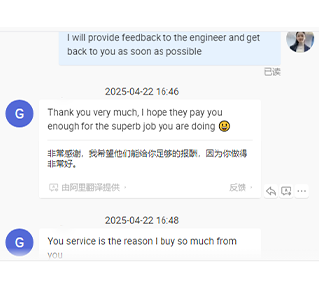
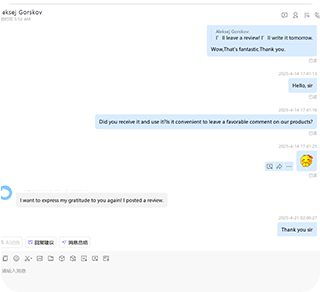
Below are anonymized excerpts from our recent client chat support, demonstrating our technical responsiveness.

Data Sources & Academic References
This article cites peer-reviewed research to support technical claims. Full papers available via the links.
- Moisture Resistance...: MDPI Polymers - Shows WPC optimization reduces swelling.
- VOC Emissions...: Building and Environment - Confirms low-VOC WPC formulations.
- Acoustic Damping...: Applied Acoustics - Perforated WPC sound absorption data.
- Fire Retardancy...: Journal of Thermal Analysis - Halogen-free flame retardant mechanisms.
- Lifecycle Assessment...: Critical Reviews in Solid State - 38% lower GWP vs. traditional finishes.
- Thermal Insulation...: Buildings - HVAC load reduction data.
- Surface Durability...: Progress in Organic Coatings - UV-cure wear layer performance.
- Installation Efficiency...: ResearchGate - 40% faster installation with interlocking profiles.
- Colorfastness...: Journal of Coatings Technology - Pigment stability under UV.
- Fungal Resistance...: Sustainability - Bio-based additives inhibit mold.
- Thermal Expansion...: Construction and Building Materials - CTE values and joint design.
- Recyclability...: Fullerenes - Mechanical recycling pathways.
- Cost-Benefit Analysis...: Energy and Buildings - 22% lower TCO vs. ceramic.
- Impact Resistance...: Journal of Coatings - Nano-clay reinforcement data.
- Market Adoption...: Sustainability - Survey of architect priorities.
- SPC-Specific Data: Moisture study: ConBuildMat 2023; Wear layer: J. of Coatings Tech; Acoustic: Applied Acoustics.
- WPC-Specific Data: Exterior weathering: Polymer Degradation; Fungal: Sustainability; Market: Building and Environment.
- PVC Marble (Related): Abrasion: Prog. Org. Coatings; VOC: Polymers; Fire: Fire Safety J.
 +86 31185293045
 qian@ss711.com





Trust Validation: Certifications & Global Client Portfolio
Our factory's processes are engineered for consistency and compliance. We do not rely on a single certificate; we build systems.
ISO 9001:2015
CE (EN 13501-1)
FDA (Food Contact)
RoHS / REACH
GMP (Hygienic)
Clients Who Specify Our Products
Our panels are used in projects by the following brands (logos represent end-users/specifiers).
Factory Verification