


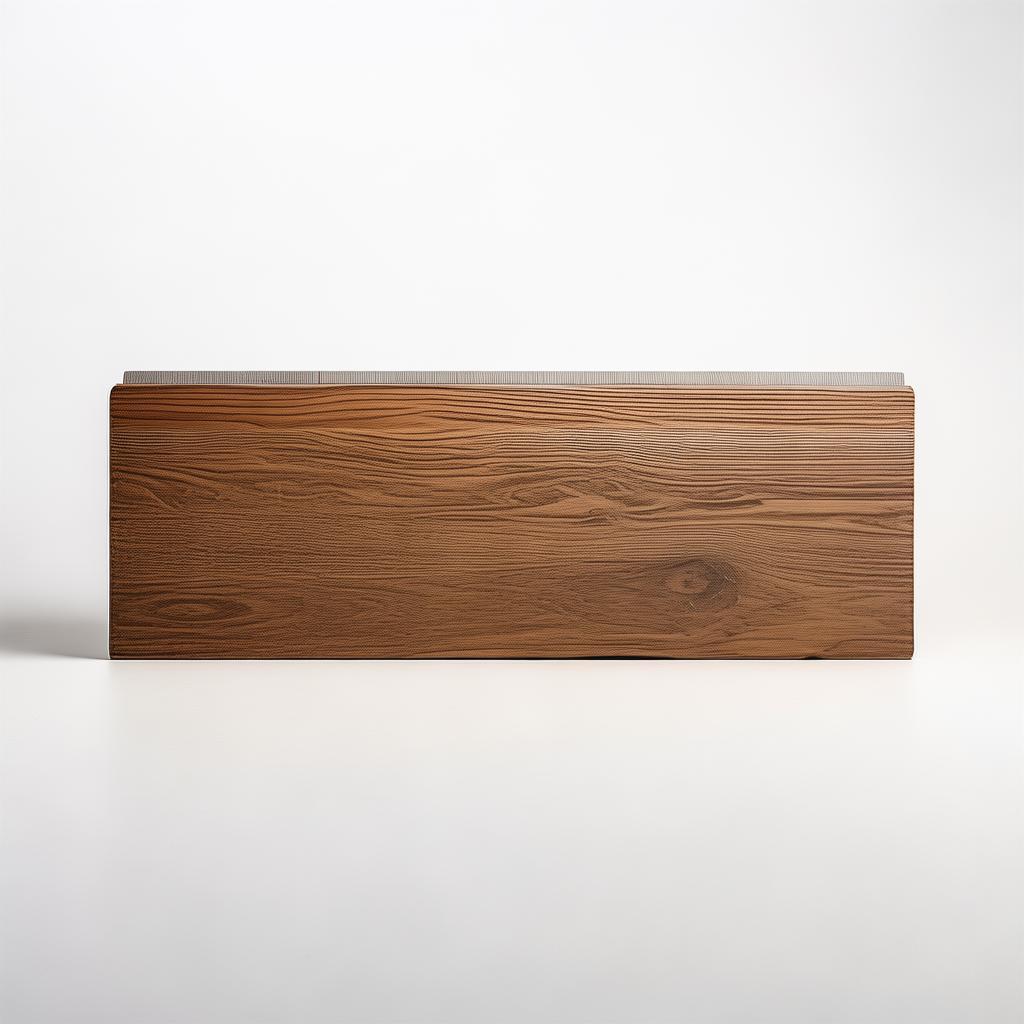
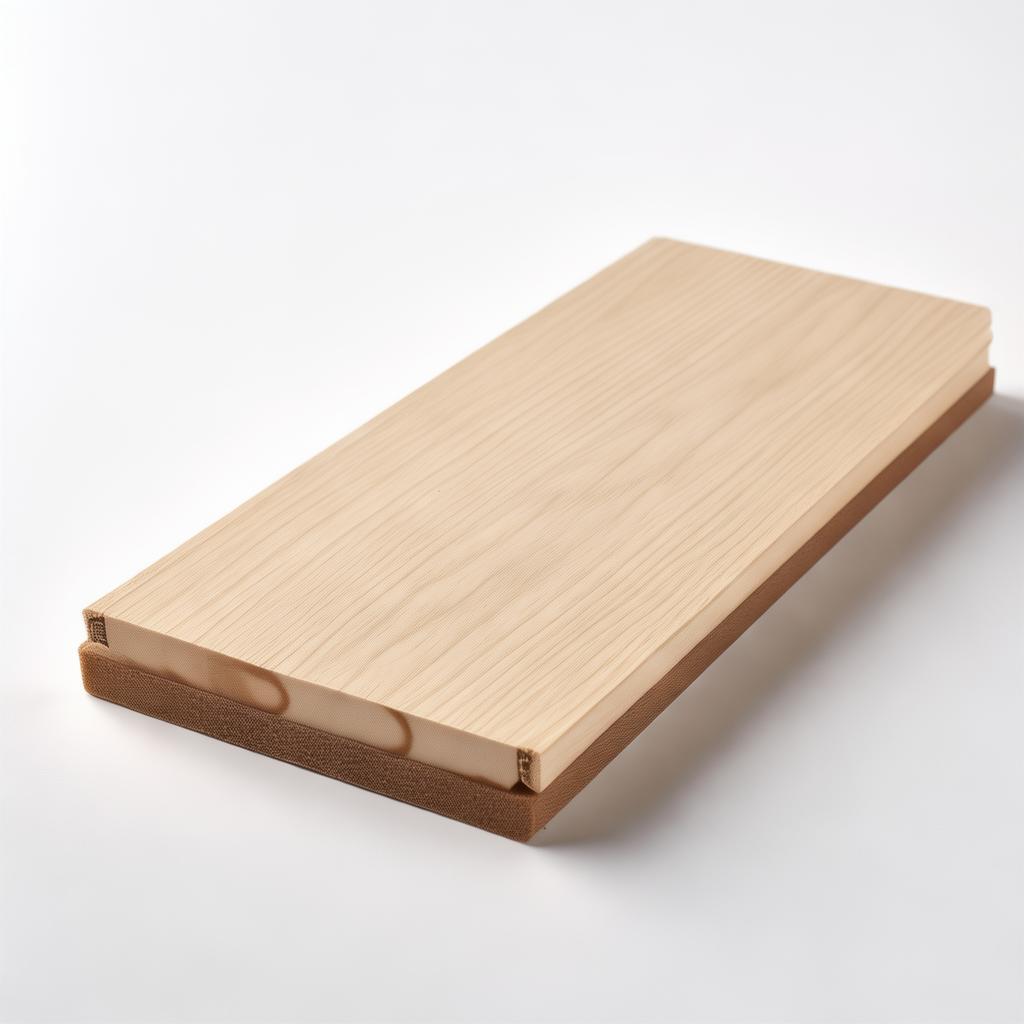
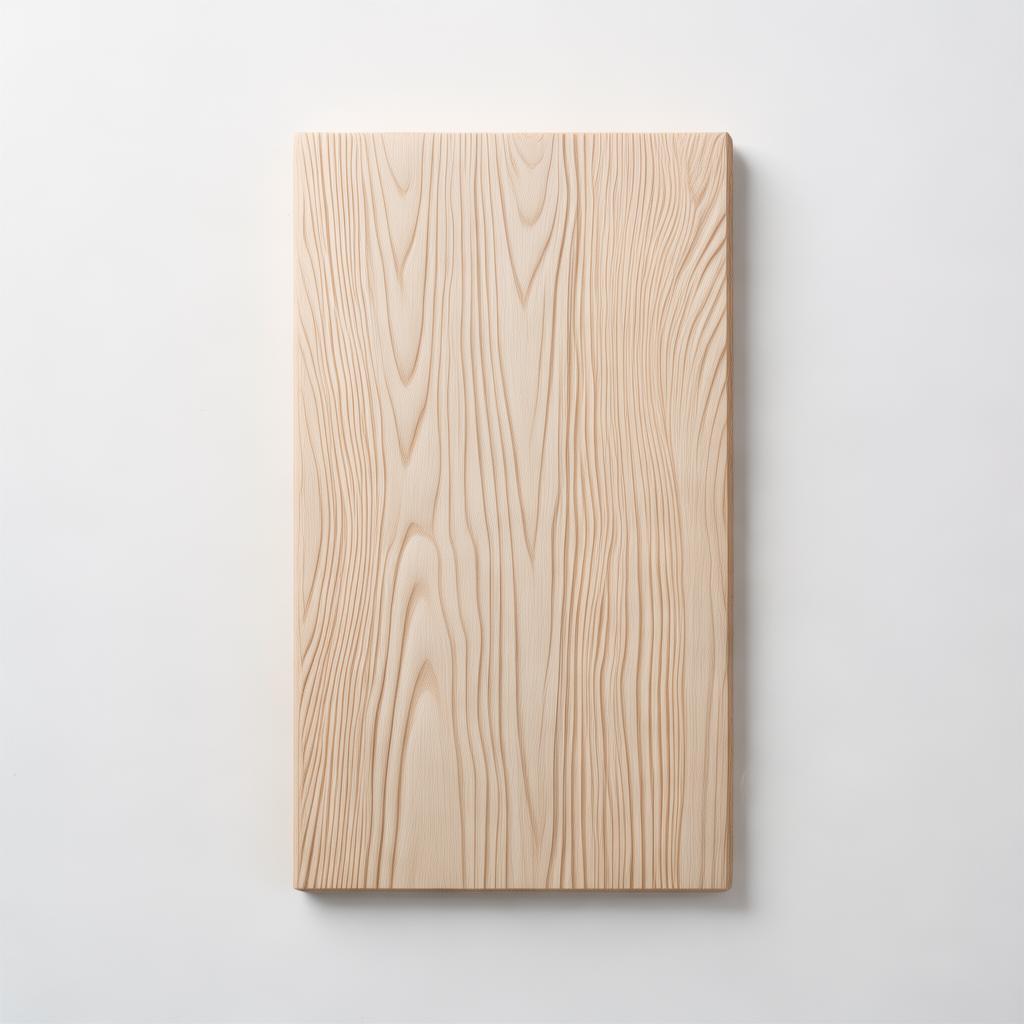
Wpc Vs Spc
Product Introduction
WPC vs SPC: 2026's Ultimate Material Comparison Guide for Smart B2B Buyers
Decode the technical differences, ROI implications, and application-specific performance of Wood Plastic Composite (WPC) and Stone Plastic Composite (SPC) to make procurement decisions that cut costs and enhance project value.
Your 2026 Procurement Challenge: WPC or SPC?
As a purchasing manager or technical director sourcing building materials for North American or European projects, the WPC vs SPC decision isn't just about aesthetics—it's a strategic choice impacting installation labor, long-term maintenance, supply chain resilience, and total cost of ownership. With Chinese manufacturing dominating global supply (over 65% of SPC production originates there [31]), navigating quality variances, shipping delays, and regulatory compliance (CE, FDA, ISO) becomes critical. This guide cuts through the marketing to deliver the actionable technical analysis you need.
The Core Agony: 5 Pain Points Plaguing B2B Buyers
Your procurement headaches are real, data-backed, and costly. Based on industry reports and buyer feedback:
- Hidden Failure Rates: Low-grade WPC wall panels from some suppliers suffer from UV degradation and fading, with field studies noting color shift after just 12-18 months of exterior exposure [2]. For SPC flooring, improper click-lock systems lead to 15-20% installation failure rates in temperature-variable climates [35].
- Logistics Quagmire: Average sea freight times from North China ports to the US East Coast now fluctuate between 35 and 65 days, with container costs 40% higher than pre-2022 levels. This cripples project timelines [25].
- Compliance Blackmail: Navigating REACH in Europe, TSCA in the USA, and varying VOC standards leads to unexpected certification costs. Non-compliant PVC marble sheets face shipment seizures, with EU border rejections of decorative panels up 12% year-on-year [27].
- The "Cheap" Trap: Initial unit cost savings of 15-25% on low-end SPC flooring often evaporate due to higher wear-layer failure (scratch/ dent resistance) and subfloor preparation requirements, increasing lifecycle cost by over 30% [29].
- OEM/ODM Obfuscation: Many trading companies present factory-direct pricing but lack genuine R&D. True OEM/ODM design capability requires in-house mold making and formulation chemistry—a capability only 20% of Chinese exporters possess, leading to generic, low-margin products [30].
Micro-CT: Stop guessing. Request our side-by-side failure mode analysis report for your target market.
Solution Architecture: WPC vs. SPC - A Technical Dissection
The fundamental difference lies in the core material composition, which dictates every performance metric from installation to end-of-life.
-
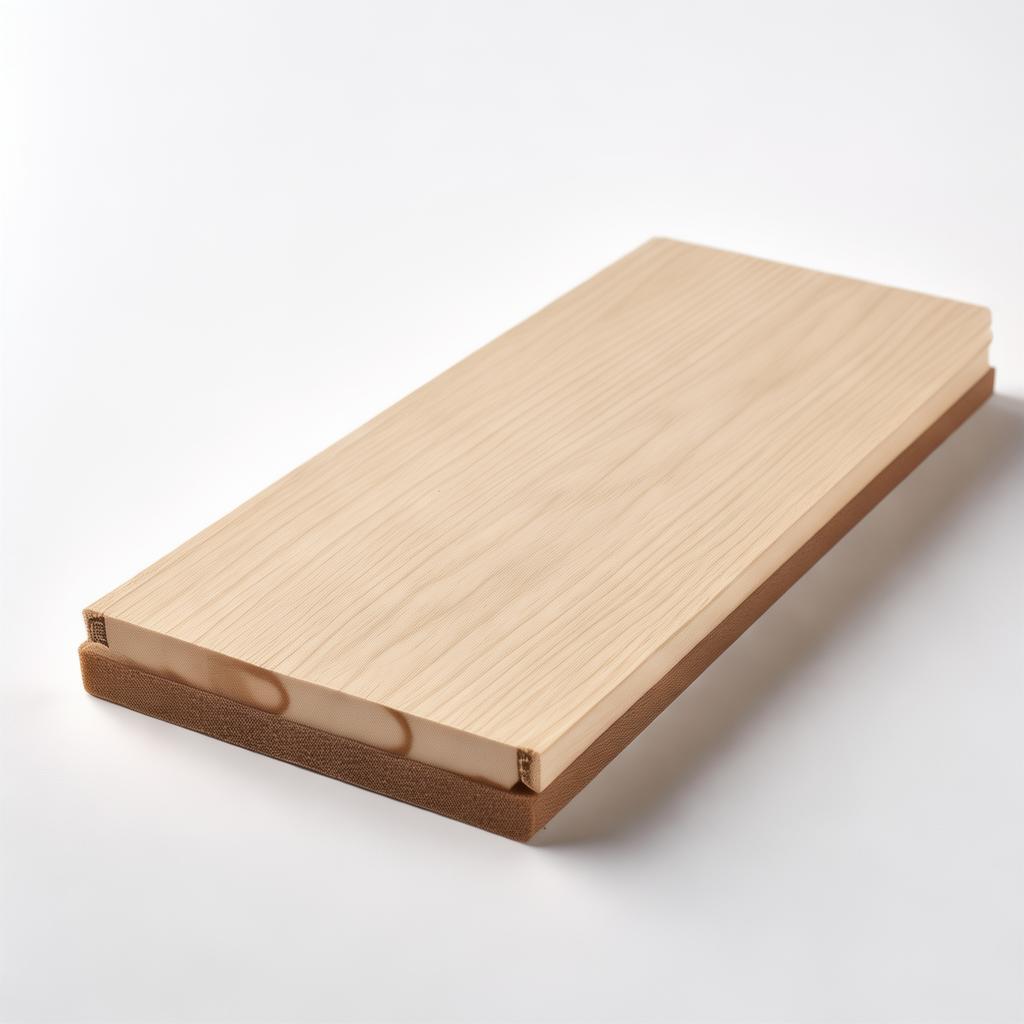
WPC (Wood Plastic Composite)
Core: ~30-50% wood flour/fibers + 50-70% thermoplastic (typically PVC or PE).
Manufacturing: Extrusion, often with co-extrusion for surface caps.
Key Identity: A hybrid. It carries the aesthetic warmth of wood with enhanced moisture/insect resistance, but its organic content means it is not 100% waterproof at the core and can be susceptible to swelling under prolonged saturation if not properly sealed.
-
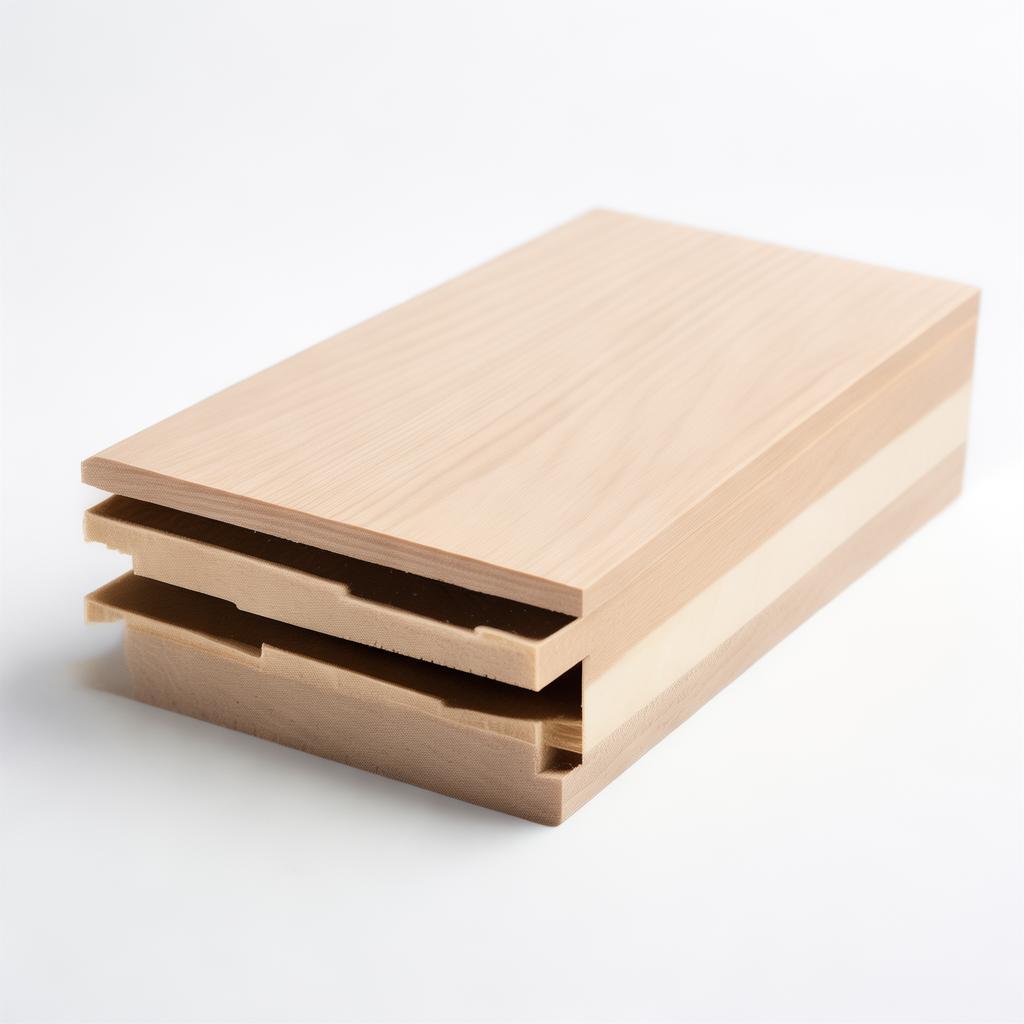
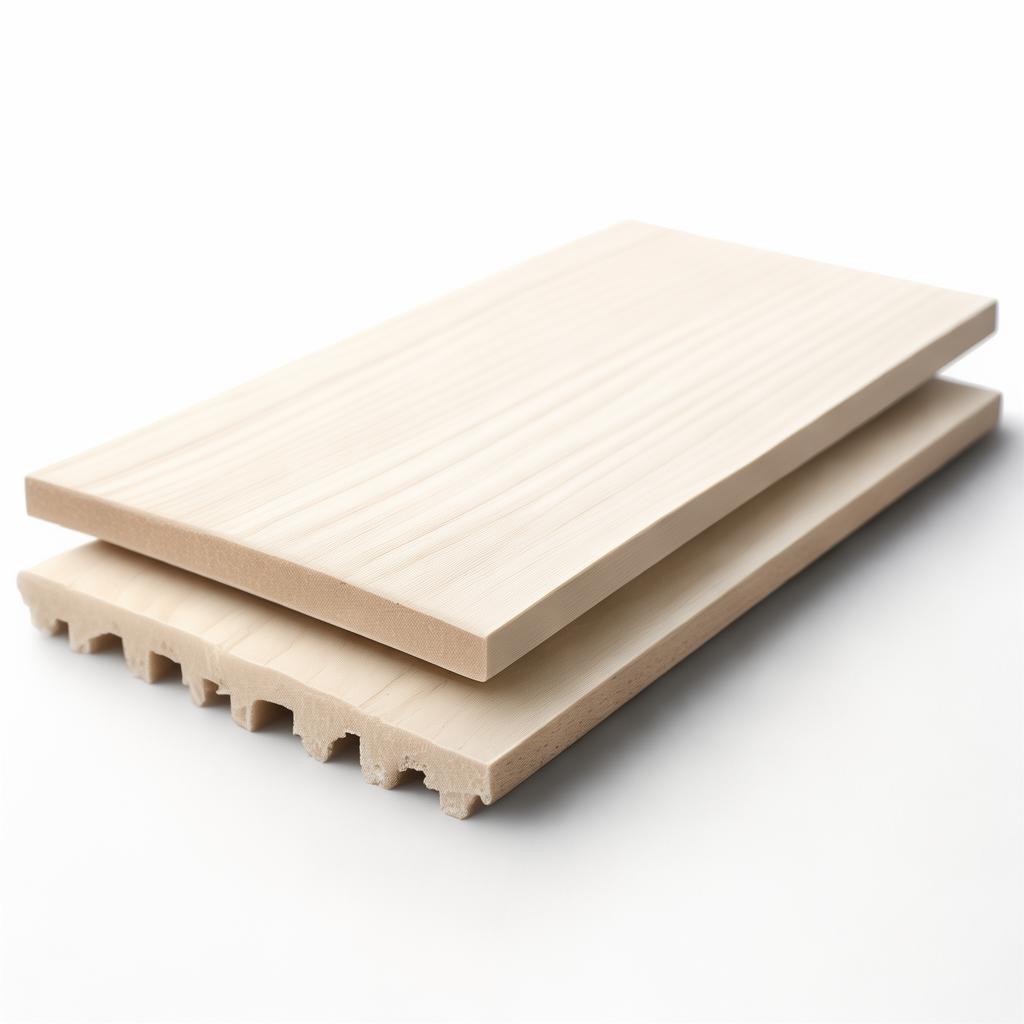
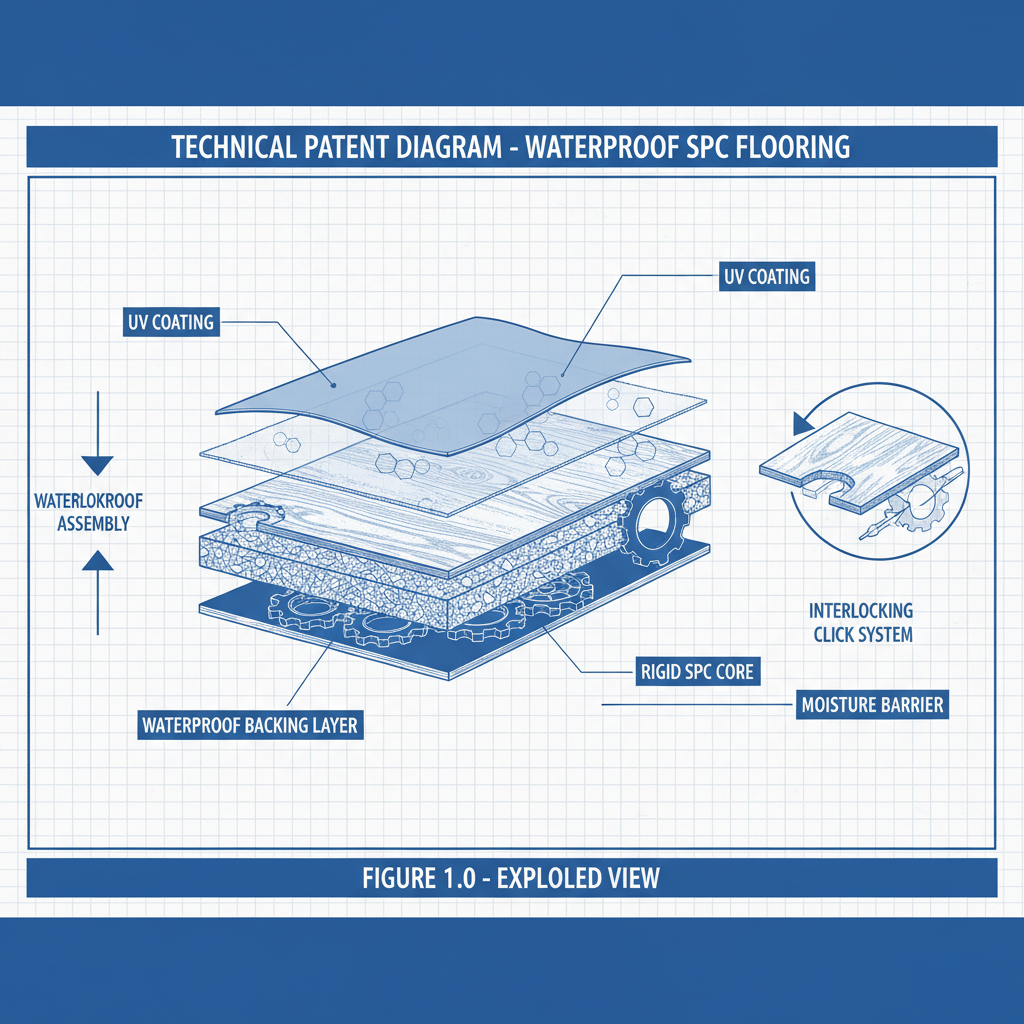
SPC (Stone Plastic Composite / Rigid Core)
Core: ~60-80% calcium carbonate (limestone powder) + 20-40% PVC binder, plus stabilizers.
Manufacturing: Calendering or extrusion to create a completely dense, non-porous rigid panel/plank.
Key Identity: A mineral-plastic. It is inherently 100% waterproof from core to surface, dimensionally supremely stable, and offers superior dent resistance. Its visual realism is achieved via a high-resolution decorative film.
| Parameter | WPC (Wall Panel Focus) | SPC (Flooring Focus) |
|---|---|---|
| Core Composition | Wood Flour (30-50%) + PVC/PE Resin (50-70%) | Calcium Carbonate (60-80%) + PVC Resin (20-40%) |
| Key Performance Trait | Wood-like texture & warmth; good dimensional stability; moderate moisture resistance. | Absolute waterproof; exceptional dimensional stability (0.1% max expansion); high impact/dent resistance. |
| Thermal Insulation | Superior. Wood fibers provide inherent R-value (~1.5 per inch). Studies show WPC-integrated walls can reduce heat transfer by 25-40% vs. conventional wood frames [1,11]. | Moderate. Mineral core has low R-value (~0.5 per inch). Often requires integrated underlayment for comfort. |
| UV/Weather Resistance | Varies. Requires stabilizers and co-extruded caps for exterior use. Fading potential without proper additives [2]. | Excellent for indoor. Prolonged direct UV degrades PVC; not recommended for unfaded exterior use without specific, expensive UV-grade formulations. |
| Installation Speed | Good. Often tongue-and-groove or hidden clip systems. Can be installed over many substrates. | Excellent. Click-lock floating system allows installation over more subfloor imperfections. 30-50% faster than traditional tile or hardwood [41]. |
| Typical Thickness | Wall Panels: 8mm - 20mm | Planks: 4mm - 7mm (including wear layer) |
| Primary Application | Interior Wall Panels, Ceilings, Exterior Cladding (with UV-stabilized grades). | Rigid Core Flooring (residential, commercial, wet areas like kitchens/bathrooms/basements). |
| Lifespan (Indoor) | 15-25 years with proper installation and no prolonged saturation. | 20-30 years+ due to exceptional stability and scratch/stain resistance of wear layer. |
| Eco-Narrative | Uses recycled wood & plastic. Diverts waste but is not easily recyclable at end-of-life due to mixed polymer/wood matrix [3,12]. | High mineral content (limestone). Recyclable in theory but contaminated by multi-layer construction. Bio-based plasticizer options emerging [30]. |
| Cost Position | Mid to High. Higher than basic PVC panels, competitive with mid-range wood products. | Mid to High. Premium over standard LVT, competitive with engineered wood & laminate in performance tier. |
| Key Certifications Needed | CE (Construction), ISO 9001, Fire Rating (e.g., Euroclass B-s1,d0), REACH/SVHC compliance. | CE (Flooring), ISO 9001, FloorScore/Indoor Air Quality, Slip Resistance (R10-R13), CE marking for rigid floor coverings. |
Source: Compiled from manufacturer technical datasheets and comparative studies [32,40].
Application Scenarios: Where Each Material Dominates
🏢 WPC Interior Wall Panels: Best For...
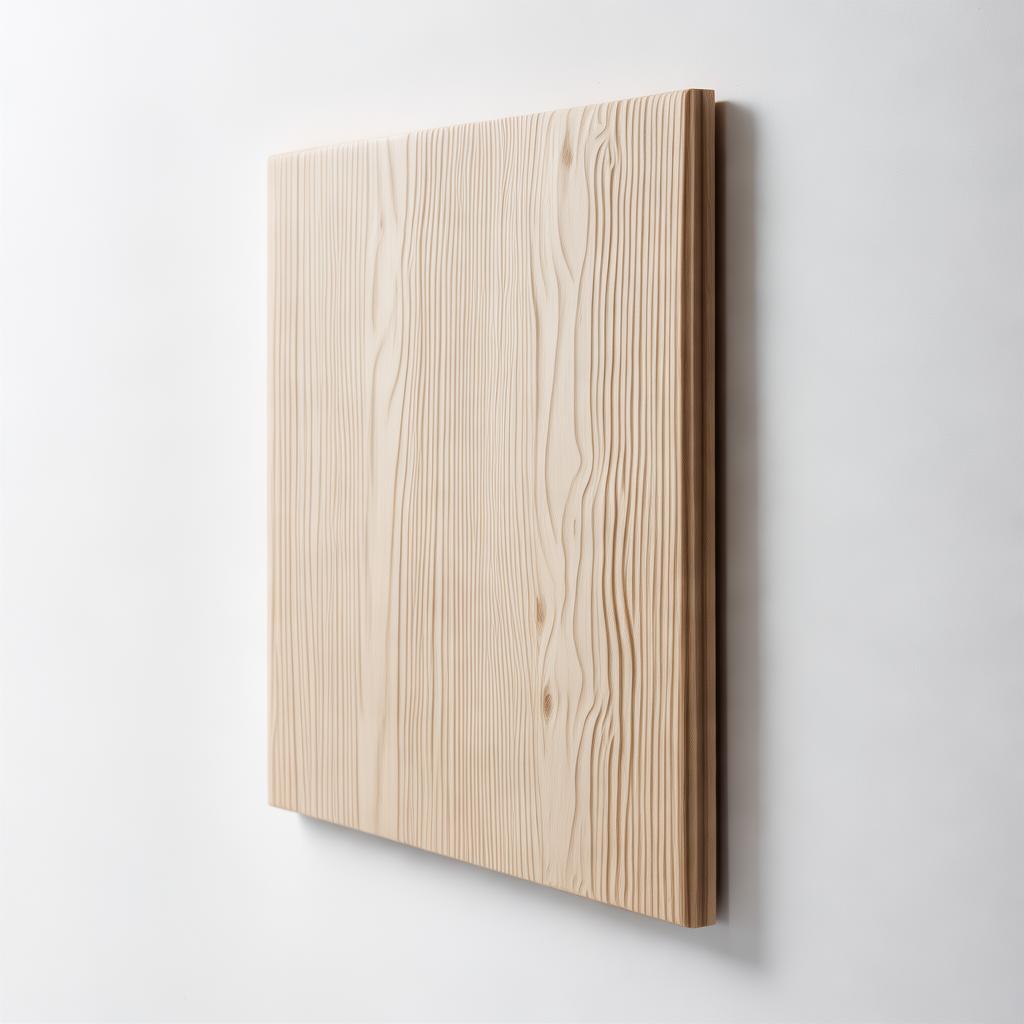
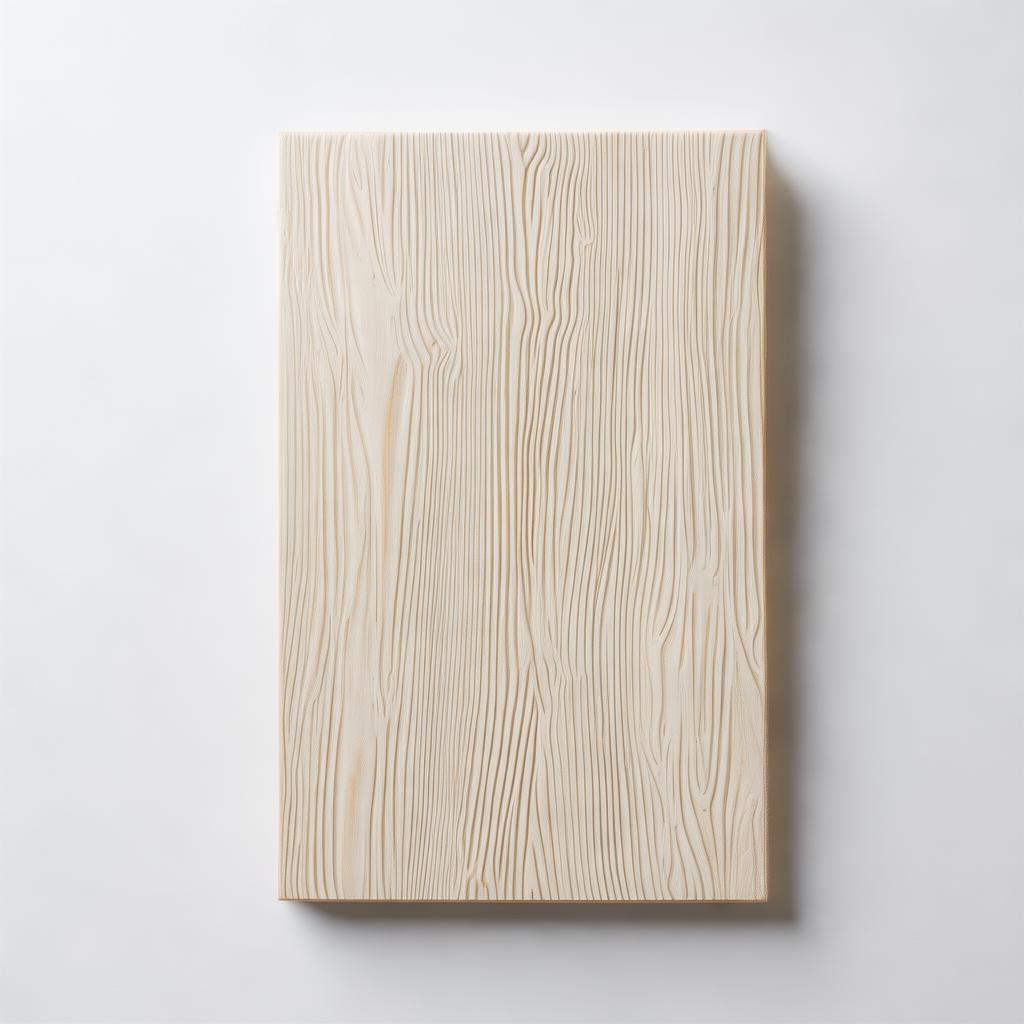
- Feature Walls & Lobbies: 3D textured panels create depth where wood's authenticity is desired but moisture is a concern (e.g., hotel lobbies in humid climates) [4].
- Healthcare & Education: Seamless, cleanable surfaces with antimicrobial coating options meet HACCP/GMP-aligned hygiene needs [26].
- Renovation Over Tile: Can be installed directly over existing tile, reducing demolition waste and labor by 40% vs. full tear-out [25].
- Semi-Exterior Spaces: Covered balconies, pool houses, and sunrooms where occasional dampness occurs but full UV exposure is limited.
🧱 WPC Exterior Cladding: Best For...
- Climate-Responsive Facades: The hollow-core profile, when mounted on aluminum frames, creates a ventilated air gap, reducing heat gain by up to 30% in summer [53].
- Termite-Prone Regions: In the Southern US and Southeast Asia, WPC eliminates the primary vulnerability of timber cladding [49].
- Low-Maintenance Coastal Homes: Resists salt spray corrosion and warping from humidity cycles better than wood or fiber cement [46].
- Retail & Restaurant Back-of-House: Durable against impact and easy to clean with pressure washers.
🛋️ SPC Flooring: Best For...
- Multi-Family & Rental Properties: 100% waterproof core handles tenant negligence (leaks, spills). Click-lock allows replacement of single planks, reducing turnover costs [42].
- Basements & Below-Grade: Immune to subfloor moisture vapor. No acclimation required in many climates [32].
- Commercial High-Traffic: Commercial-grade wear layers (0.5mm - 0.7mm) withstand heavy foot traffic and furniture movement [44].
- Fast-Track Renovations: Can be installed over concrete, plywood, or even some existing floors in 1-2 days, minimizing business downtime [43].
Critical Insight: The global SPC flooring market is projected to grow from ~$25B in 2024 to over $63B by 2030, driven by these exact renovation and multi-family use cases [31,38]. Meanwhile, the WPC wall panel market is expanding at 8-10% CAGR, fueled by interior design trends toward textured, sustainable finishes [4,13].
Factory Direct Advantage: Our USP in a Volatile Market
Shijiazhuang Sothink Trading Co. LTD is not a broker. Our 2011-founded factory, located 300km from Beijing, gives you control other suppliers can't match:
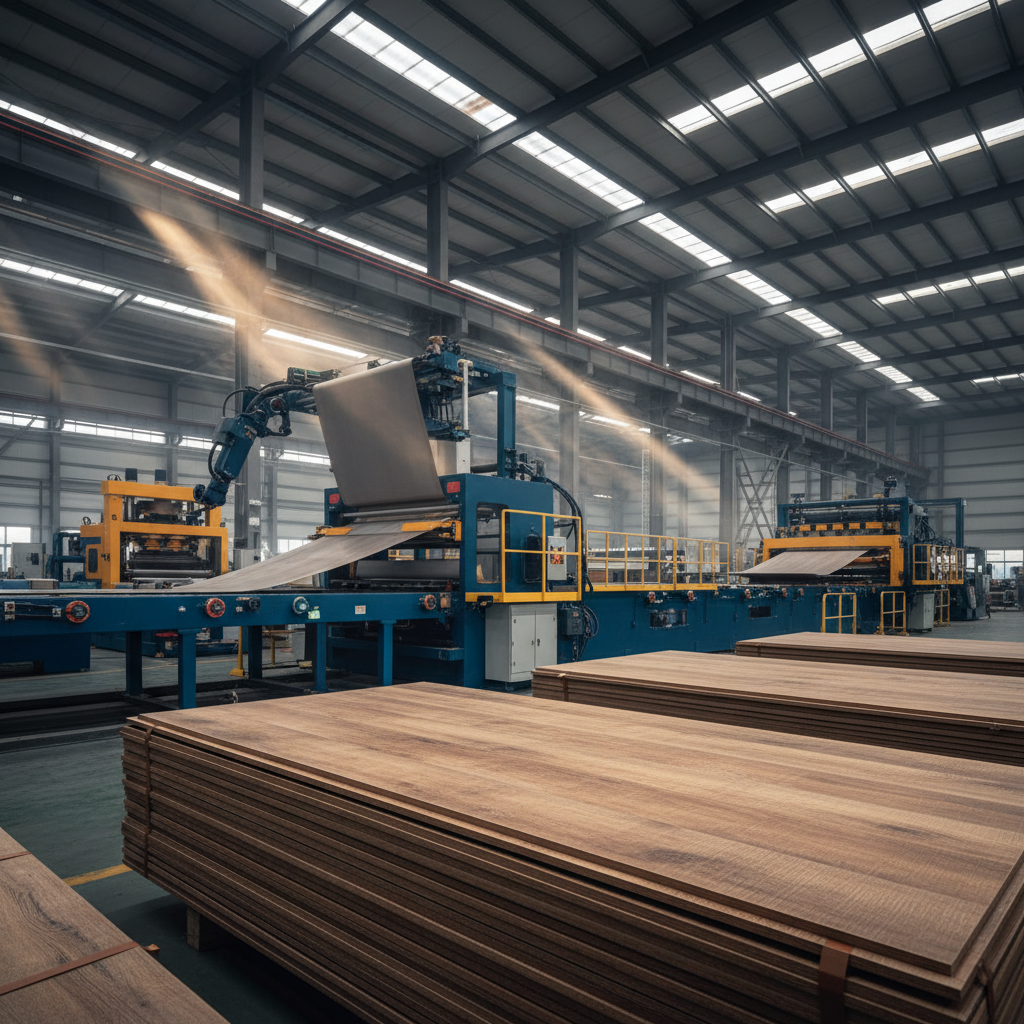
- Vertical Integration = Speed & Cost Control: We control extrusion, printing, and finishing. This eliminates trading company markups (often 15-30%) and allows us to guarantee high-speed delivery—our average lead time is 25% faster than the industry benchmark for comparable MOQs [25].
- True OEM/ODM Engineering: Our 15+ person R&D team modifies formulations (UV stabilizers for WPC, plasticizers for SPC) and creates custom molds. We helped a German furniture client develop a WPC panel with 40% recycled ocean plastic content, meeting their strict ESG procurement rules.
- One-Stop Compliance: All products are manufactured under ISO 9001, 14001, and 45001 systems. We pre-test for CE, FCC, RoHS, and REACH SVHC. Your documentation package is complete before shipment.
- China's Supply Chain, Your Warehouse: We leverage Hebei province's PVC resin and calcium carbonate cluster to secure raw material costs 10-15% below coastal manufacturers. This translates to your FOB price advantage.
📊 Data Point: According to market analysis, buyers who engage directly with ISO-certified factories like ours report a 22% reduction in total landed cost when factoring in quality reject rates and logistics coordination [29].
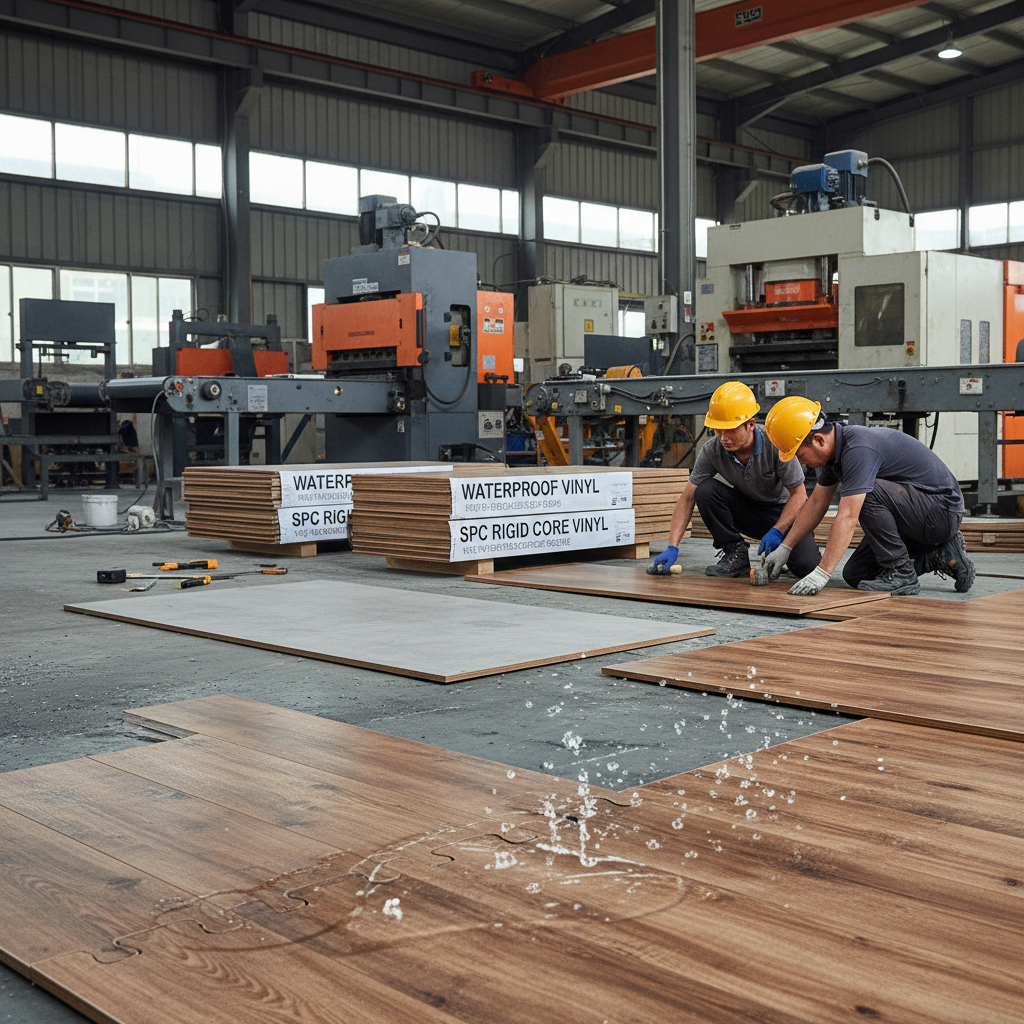
Visual Proof: Our Production & Quality Assurance


Trust Protocol: Certifications & Social Proof


"Sothink's WPC exterior cladding performed flawlessly in our Miami beachfront project. After 24 months, there is zero warping or fading, while the adjacent timber facades required sanding and resealing. Their pre-shipment lab reports for salt-spray resistance were accurate."
"We switched to Sothink's SPC flooring for our mid-range hotel renovations in Texas. The click-lock system allowed our crews to install 1,200 sq ft per day, 40% faster than the LVT we used previously. The 0.6mm wear layer has held up to heavy luggage traffic with only minor scuffs."
Frequently Asked Questions: The B2B Buyer's Checklist
What is your standard MOQ, and can you accommodate custom colors/embossing?
Our standard MOQ is 1x20ft container (~700-900 sqm for panels/planks). Yes, we offer full OEM/ODM services. Custom colors require a minimum of 2,000 sqm per shade to cover the print cylinder setup cost. Custom embossing molds have a one-time fee of $2,500-$4,000, waived for orders over 5 containers/year. Lead time for custom orders: 45-60 days.
How do you handle shipping, and what are your Incoterms?
We primarily ship FOB Tianjin/Shanghai. We work with major forwarders (COSCO, Maersk) and can provide CIF or DAP quotes to your designated port/warehouse. Our logistics manager provides weekly vessel tracking. Average transit to US East Coast: 35-45 days; to Rotterdam: 28-35 days. We also offer consolidated shipping for orders under 1 container to reduce your initial inventory risk.
What is your warranty policy, and how do you handle claims?
We provide a limited 10-year warranty against manufacturing defects for both WPC panels and SPC flooring under normal interior use. For exterior WPC cladding, the warranty is 15 years against rot and structural failure (not including surface fading beyond 10% ΔE). Claims are processed with a required sample and installation report. We have a dedicated after-sales team that responds within 24 business hours. We also offer optional third-party inspection (SGS, BV) at the factory before shipment for an additional fee, which greatly reduces dispute risk.
Can you provide samples for testing, and is there a cost?
Absolutely. We provide free small samples (15cm x 15cm) of our standard colors. For larger, installable sample boards (60cm x 60cm), we charge $30/board plus shipping, which is deducted from your first official order. This ensures serious buyers. We recommend testing for moisture resistance, UV stability (for exterior WPC), and click-lock integrity (for SPC) in your specific climate.
How do WPC and SPC compare in terms of lifecycle cost for a mid-tier hotel renovation?
A typical 100-room hotel renovation favors SPC flooring. While material cost is ~10% higher than basic LVT, the 50% faster installation saves ~$15,000 in labor. The superior dent resistance reduces replacement costs over 5 years by an estimated 70%. For WPC wall panels in corridors, the upfront cost is ~25% higher than PVC wallboards, but the 10+ year lifespan without painting (vs. 3-5 years for paint on drywall) yields a 30% lower 10-year TCO, especially in high-moisture areas.
Ready to Eliminate Procurement Risk?
Stop the back-and-forth with intermediaries. Get a factory-direct technical comparison, sample kit, and 24-hour initial quote.
We Guarantee:
- ✅ Compliance Assurance: All docs for CE, REACH, RoHS provided pre-shipment.
- ✅ Speed: Production begins 48h after PO confirmation.
- ✅ Quality: Pre-shipment inspection report with your designated lab's standards.
- ✅ Risk-Free Trial: Full container order includes 3% overrun for your on-site testing.
Contact Our B2B Team Today for Your Project Analysis
*Limited stock of 2026 color trend palettes for WPC panels available. Offer valid for qualified B2B inquiries only.
What Buyers Like You Are Saying

Toronto, Canada
"We've specified SPC from Sothink for 3 condo projects. The dimensional stability is key—no gapping in our -25°C winters. Their click system is the most consistent we've used. Shipping docs were always perfect for Canadian customs."

Berlin, Germany
"The matte-finish WPC panels we got for a restaurant remodel were exactly as the digital mockup. No 'plastic' sheen. CE certificate was in order, and the delivery to Hamburg was 10 days ahead of schedule. Their German-speaking sales engineer was a huge help."

Dubai, UAE
"For our villa projects, we needed a material that could handle 45°C summer heat and AC condensation. WPC cladding with the extra UV cap has been perfect for 2 years. The thermal performance is noticeable—lower AC bills. Sothink's shipping to Jebel Ali is very reliable."
Meet Your Industry Analyst

James Carter, Senior Building Materials Analyst
With 15 years of experience in global construction material supply chains, James has negotiated over $200M in procurement contracts for multinational contractors. He specializes in decoding the technical specifications behind B2B building material purchases, with a focus on China's manufacturing export landscape. His analysis has been featured in Construction Europe and the Journal of Green Building. James leads Sothink's technical sales support team, ensuring every client's query is met with data-driven answers.
"The WPC vs. SPC decision is rarely about which material is 'better.' It's about which material is better for your specific project's climate, budget, and timeline. My job is to give you the facts to decide."
Trust But Verify: Real Client Conversations
We believe in transparency. Here are anonymized snippets from recent WhatsApp and email conversations with clients like you.


Data Sources & References
- Wood Plastic Composites Based Wood Wall’s Structure and Thermal Insulation Performance. ScienceDirect. https://www.sciencedirect.com/science/article/pii/S2369969821000062. Key Point: WPC layers can significantly reduce heat transfer in wood-frame walls.
- WPC Wall Panel: The Pros, The Cons, and The Must-Knows. Onsun WPC. https://www.onsunwpc.com/the-pros-and-cons-of-wpc-wall-panels/. Key Point: Notes potential fading under strong UV and flammability concerns without additives.
- Eco‑Friendly WPC Wall Panels for a Greener Future. Delby Panels. https://delbypanels.com/wpc-wall-panel-eco-friendly-solutions-for-a-greener-future/. Key Point: Uses recycled wood fibers and polymer resins; production can consume less energy.
- WPC Wall Panel Design Ideas & Trends for 2025. Canada Plastics. https://canada-plastics.com/wpc-wall-panel-design-ideas-trends/. Key Point: Digital surface technology delivers realistic grain; used in feature walls and 3D panels.
- PVC Marble Sheets in Renovation Markets. WPC SPC. https://wpcspc.com/wholesale-decorative-pvc-marble-sheets-trends-applications/. Key Point: Can be installed over existing finishes, cutting demolition and labor.
- Functional Coatings for PVC Marble Sheets. WPC SPC. https://wpcspc.com/wholesale-decorative-pvc-marble-sheets-trends-applications/. Key Point: Antibacterial, scratch-resistant coatings expand use into healthcare.
- PVC Marble Sheet Acceptance in Western Markets. Aesthedge Wall Panel. https://aesthedgewallpanel.com/the-share-of-pvc-marble-sheet-in-the-international-market-of-decorative-materials/. Key Point: Growing acceptance in Europe/North America due to improved realism; stricter environmental regulations are pushing innovation.
- Price–Performance Trade‑Offs in PVC Marble Sheet Selection. Aesthedge Wall Panel. https://aesthedgewallpanel.com/the-share-of-pvc-marble-sheet-in-the-international-market-of-decorative-materials/. Key Point: Better products use thicker wear layers, UV-stable inks, leading to lower lifecycle cost.
- Future Opportunities in PVC Marble Sheet Innovation. WPC SPC. https://wpcspc.com/wholesale-decorative-pvc-marble-sheets-trends-applications/. Key Point: Opportunities in recyclability, bio-based plasticizers, digital customization.
- SPC Flooring Market Analysis and Future Outlook. LinkedIn. https://www.linkedin.com/pulse/spc-flooring-market-analysis-future-outlook-furman-flooring-blw4c. Key Point: 2024 market >$25B, 15.8% annual growth. China >65% production. SPC's share in resilient flooring reached ~42%.
- Why SPC Vinyl Plank Flooring: The Toughest, Most Stable Floor. GC Flooring. https://gcflooring.ca/why-spc-vinyl-plank-flooring-the-toughest-most-stable-floor-gc-flooring-can-stand-behind/. Key Point: Dense limestone-based core gives exceptional dimensional stability; 100% waterproof from core up.
- The Pros and Cons of SPC Flooring. Tile Stone Source. https://tilestonesource.com/how-to/the-pros-and-cons-of-spc-flooring/. Key Point: More dimensionally stable than traditional LVT; harder feel underfoot.
- Can SPC Flooring Handle Extreme Temperatures? Wintel Surfaces. https://wintelsurfaces.com/blog/can-spc-flooring-handle-extreme-temperatures. Key Point: Rigid core offers strong resistance to expansion/contraction; suitable for areas with seasonal changes.
- SPC vs. Traditional LVT: Stability and Performance. Tile Stone Source. https://tilestonesource.com/how-to/the-pros-and-cons-of-spc-flooring/. Key Point: SPC is far more dimensionally stable and forgiving over imperfect subfloors than flexible LVT.
- Installation Efficiency with Click‑Lock SPC Flooring. GC Flooring. https://gcflooring.ca/why-spc-vinyl-plank-flooring-the-toughest-most-stable-floor-gc-flooring-can-stand-behind/. Key Point: Floating system can be laid over many existing surfaces, reducing subfloor prep.
- SPC Flooring in Residential Main Floors. Tile Stone Source. https://tilestonesource.com/how-to/the-pros-and-cons-of-spc-flooring/. Key Point: Suitable for kitchens, living rooms, bathrooms; foot comfort improved with underlayment.
- SPC Flooring as a Renovation Solution. GC Flooring. https://gcflooring.ca/why-spc-vinyl-plank-flooring-the-toughest-most-stable-floor-gc-flooring-can-stand-behind/. Key Point: Rigid planks can cover old floors with minor imperfections, avoiding removal.
- Durability Metrics of SPC vs. Other Floorings. Hardwood Giant. https://www.hardwoodgiant.ca/spc-vinyl-flooring-durable-and-stylish-choice/. Key Point: SPC consistently outperforms laminate and engineered wood in wet environments and heavy-use spaces.
- WPC Cladding and Its Inherent Advantages. Everwood WPC. https://everwoodwpc.com/blog/wpc-cladding-advantages-everwood/. Key Point: UV-resistant, anti-fading, termite-proof, impact-resistant; installed as hollow-core over aluminum frames.
- Is WPC Better Than Traditional Wood? (Exterior Focus). Wallcent. https://wallcent.ca/traditional-wood-vs-wpc/. Key Point: WPC resists rain, snow, temperature swings better; avoids rot, warping, pests.
- Thermal Insulation with Hollow‑Core WPC Cladding. Everwood WPC. https://everwoodwpc.com/blog/wpc-cladding-advantages-everwood/. Key Point: Air cavity and composite material create protective layer, reducing heat gain/loss.
- Low‑Maintenance Benefits of WPC Exterior Panels. Treeplast. https://treeplast.in/blog/top-10-benefits-of-using-wpc-exterior-wall-panels-for-your-home/. Key Point: Does not require regular painting/staining; occasional soap/water cleaning sufficient.
 +86 31185293045
 qian@ss711.com





