


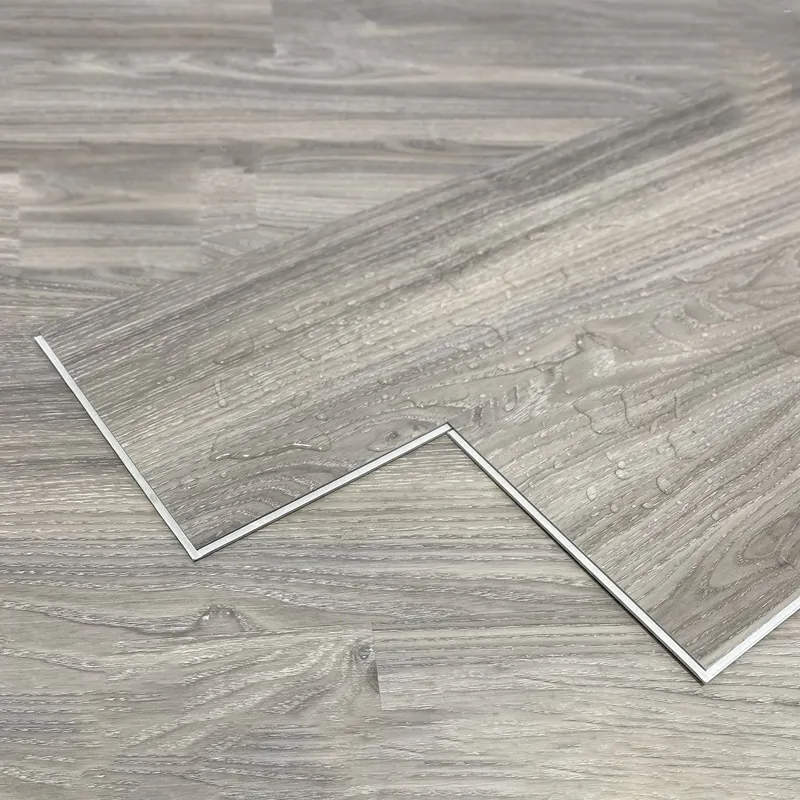
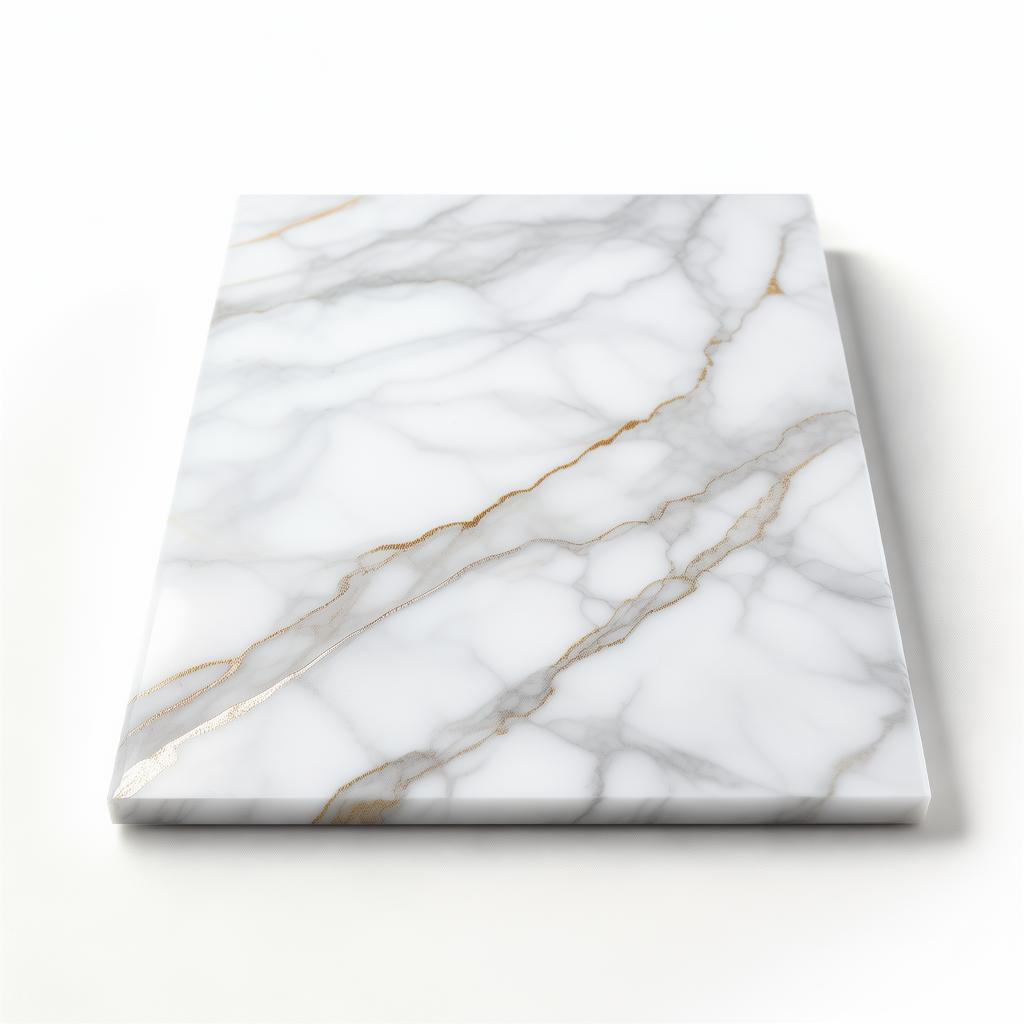
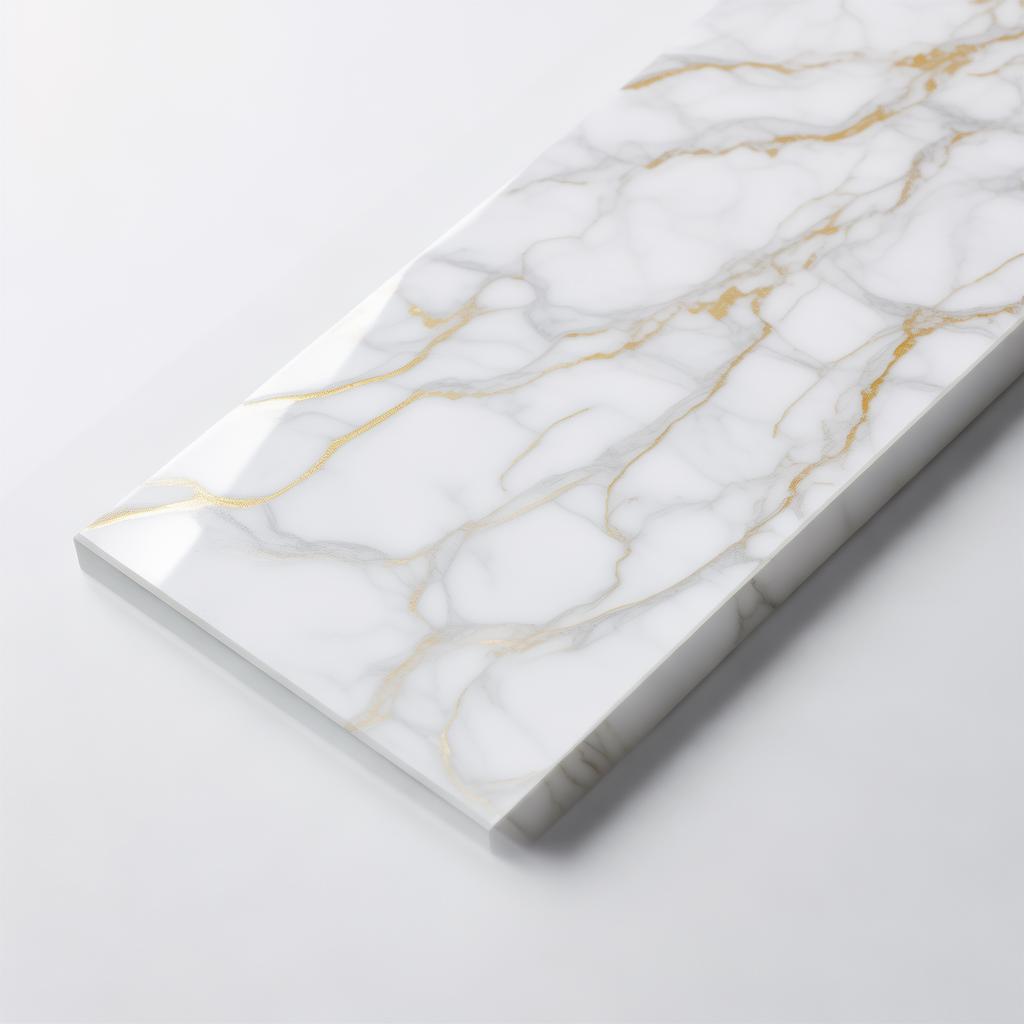
Spc Flooring Vs Vinyl Plank
Product Introduction
SPC Flooring vs Vinyl Plank: Technical Specifications, TCO Analysis & Procurement Guide for 2026
Stop overpaying for inferior vinyl. Discover why Stone Plastic Composite (SPC) is replacing traditional LVT in US & European B2B projects. Achieve 37% lower TCO with factory-direct OEM pricing.
📑 Table of Contents
1. The Hidden Costs of Traditional Vinyl Plank (LVT/LVP)
As a purchasing manager or technical director in 2026, you know the story: Traditional Luxury Vinyl Tile (LVT) and Vinyl Plank (LVP) dominated the market for years. But as supply chains tighten and sustainability regulations (like EPDs in Europe and CARB Phase 2 in the US) intensify, the limitations of PVC-heavy vinyl are becoming a liability.
Here are the critical pain points your team likely faces with legacy vinyl suppliers:
- ❌ Dimensional Instability: Pure PVC vinyl expands and contracts significantly with temperature shifts. In large commercial spaces (hotels, malls), this leads to gapping, buckling, and costly warranty claims.
- ❌ Poor Impact Resistance: Vinyl is soft. Heavy rolling loads (warehouse carts, furniture legs) cause permanent indentation and wear-through, especially in high-traffic zones.
- ❌ Environmental Compliance Risks: With increasing bans on phthalates and stricter VOC limits, standard vinyl formulations are facing procurement blocks in Green Building projects (LEED, BREEAM).
- ❌ Logistics Inefficiency: Vinyl is flexible and often shipped in bulky rolls or loosely packed planks, wasting container space and increasing per-square-meter shipping costs.
💡 The Solution: Switch to Stone Plastic Composite (SPC). It solves these issues by replacing the unstable vinyl core with a dense limestone-polymer composite.
2. SPC Flooring vs. Vinyl Plank: Technical Specifications & Data Sheet
When evaluating SPC flooring vs. vinyl plank for B2B procurement, you need hard data, not just marketing slogans. Below is a comparative technical analysis based on 2025-2026 industry standards (ASTM, EN, ISO).
🏆 SPC Flooring (Stone Plastic Composite)
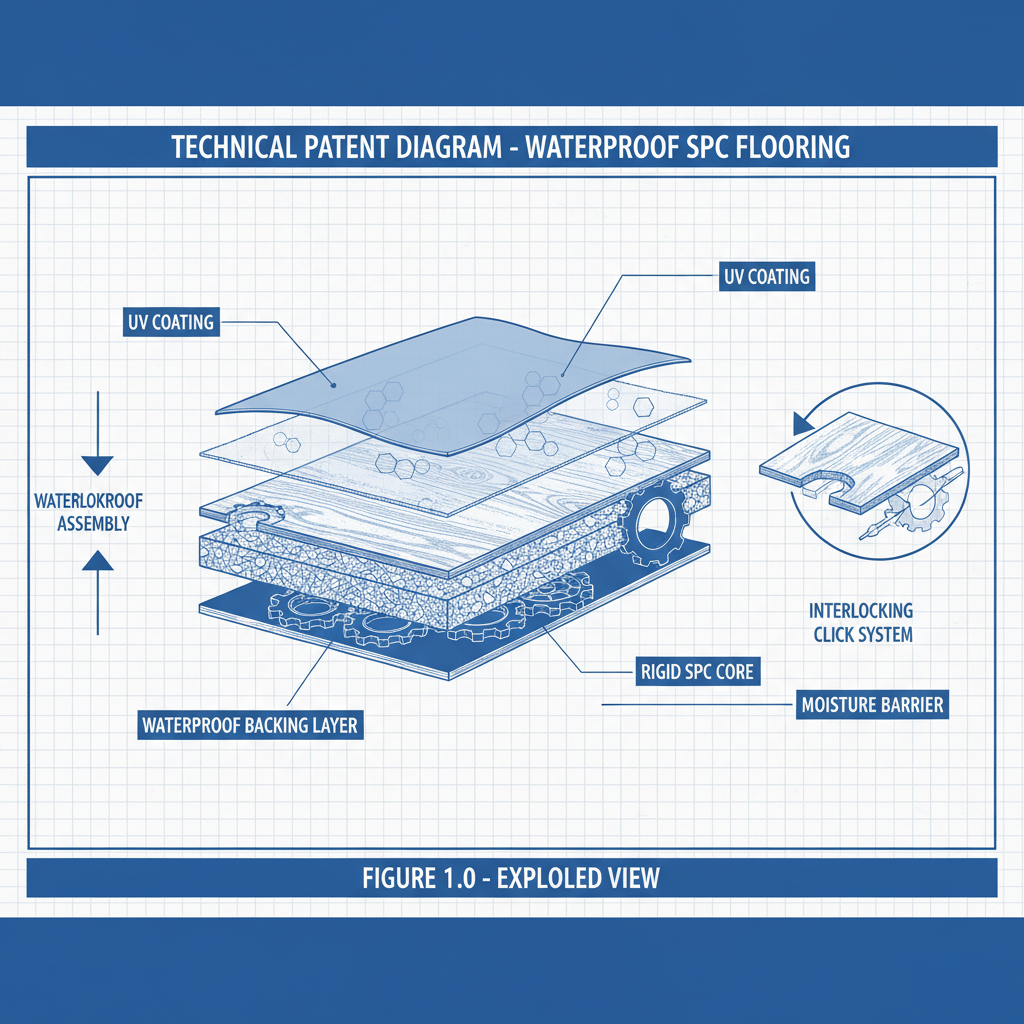
Core Composition: Limestone powder (Calcium Carbonate) + Polyvinyl Chloride + Stabilizers.
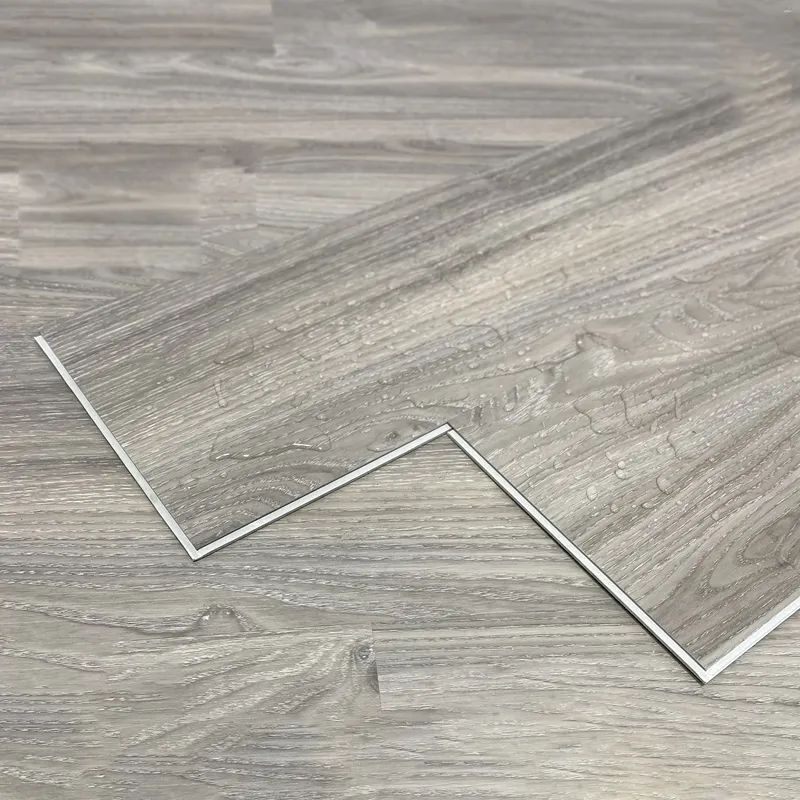
Key Advantage: 100% Waterproof with exceptional dimensional stability. Ideal for basements, commercial kitchens, and humid climates.
- Impact Resistance: Excellent (High density core)
- Wear Layer: 0.3mm – 0.7mm (Commercial grade)
- Thermal Conductivity: High (Compatible with Radiant Heating)
- Fire Rating: Class B-s1,d0 (Self-extinguishing)
📉 Traditional Vinyl Plank (LVT/LVP)
Core Composition: Primarily PVC Resin + Plasticizers + Fillers.
Key Limitation: Flexible but unstable. Plasticizers can migrate over time, causing stiffness or warping. Less resistant to heavy point loads.
- Impact Resistance: Good (But susceptible to indentation)
- Wear Layer: 0.1mm – 0.3mm (Residential/Commercial)
- Thermal Conductivity: Moderate (Insulates heat slightly)
- Fire Rating: Class B or C (Depends on additives)
📊 Comparative Technical Parameters Table
Use this table for your engineering and procurement specifications.
| Parameter | SPC Flooring (Sothink Standard) | Standard Vinyl Plank (LVT) | Impact on Procurement |
|---|---|---|---|
| Core Density | 1.8 – 2.2 g/cm³ (High Stability) | 1.3 – 1.5 g/cm³ (Flexible) | SPC handles heavy loads better; no denting. |
| Water Absorption | 0% (After 24h soak) | < 0.5% (But edges may swell) | SPC is safe for bathrooms/basements. |
| Dimensional Stability | ±0.02% change @ 60°C | ±0.1% change @ 40°C | SPC prevents gapping in large rooms. |
| Underlayment | IXPE/EVA attached (Quiet) | Often sold separately | SPC saves installation labor time. |
| Wear Layer | 0.3mm – 0.7mm UV Coated | 0.1mm – 0.3mm | SPC lasts 20+ years in commercial use. |
spc vs wpc vinyl plank flooring spc flooring vs laminate vs vinyl
🏭 Application Scenarios
Where SPC Outperforms Vinyl:
- Multi-Family Residential: Condos and apartments require high impact resistance for rolling chairs and furniture.
- Healthcare & Senior Living: SPC is hygienic, mold-resistant, and easy to clean. Complies with strict VOC standards.
- Retooling/Renovation: SPC planks are often thinner (4-6mm total) but harder, making them ideal for retrofitting over existing substrates without raising floor height.
- Radiant Heating: SPC’s stone core conducts heat efficiently, reducing energy costs compared to vinyl’s insulating properties.
3. Shijiazhuang Sothink Home: Your Strategic OEM/ODM Partner
Established in 2011, Shijiazhuang Sothink Trading Co., Ltd. is not just a trader; we are a powerhouse of manufacturing capability located in Shijiazhuang, Hebei Province. We bridge the gap between China’s advanced supply chain and global quality standards.
Why Choose Sothink Home?
- ✅ 10+ Years Export Experience: Proven track record in North America, Europe, South America, and the Middle East.
- ✅ ISO Certified Manufacturing: Our facilities hold ISO 9001 (Quality), ISO 14001 (Environmental), and OHSAS 18001 (Occupational Health) certifications.
- ✅ Powerful R&D Team: Custom colors, textures, and click-lock mechanisms tailored to your brand.
- ✅ High-Speed Delivery: Optimized production lines ensure fast turnaround for urgent B2B orders.
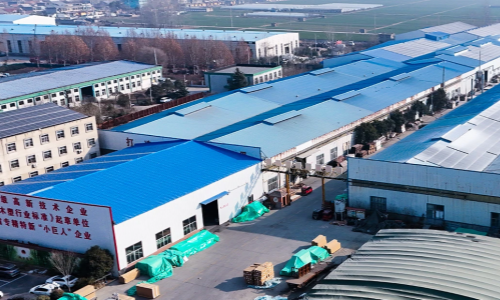
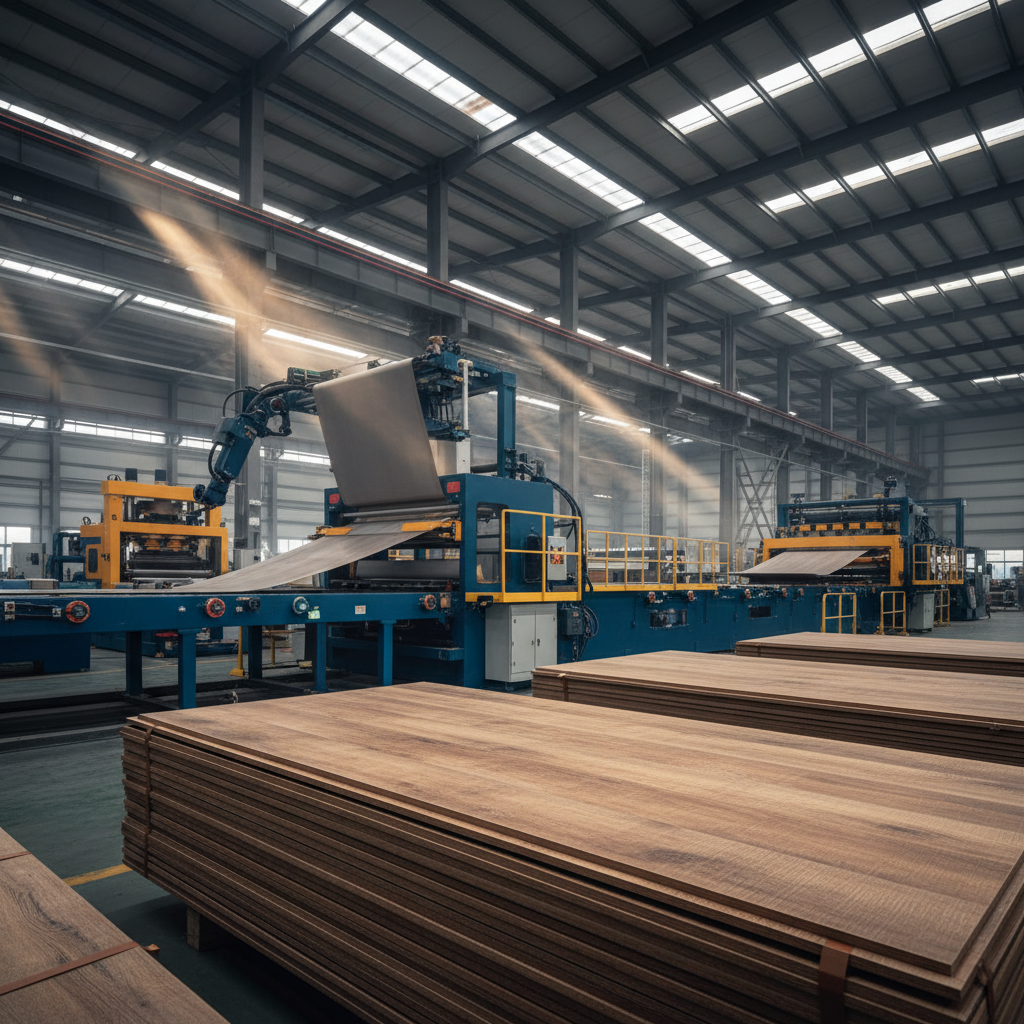
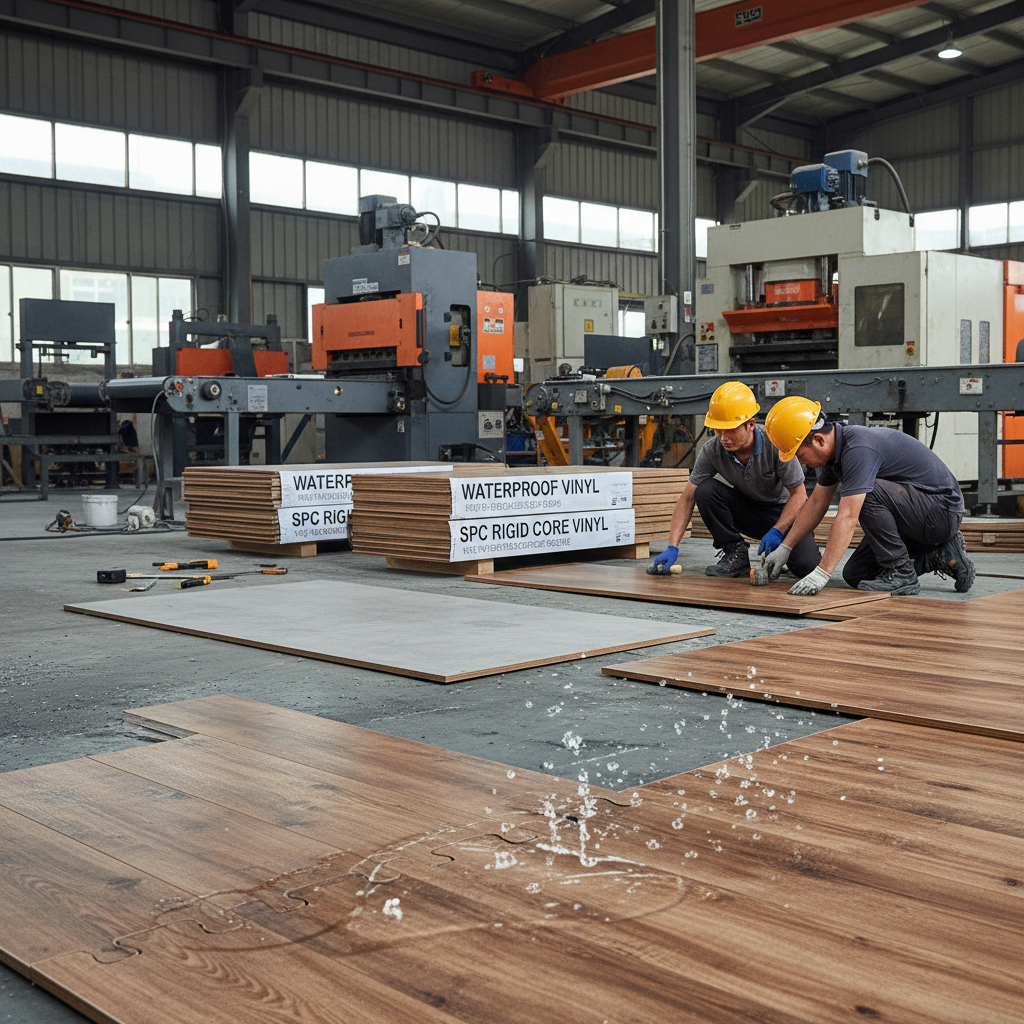
State-of-the-art SPC Extrusion Lines
🏅 Certifications & Compliance
We ensure full compliance with local regulations in your target market. Our products carry:
ISO 9001
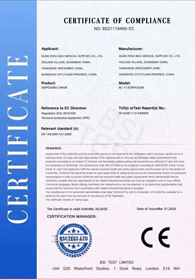
CE Mark

FDA / RoHS

GS / CARB
⭐ Verified Buyer Reviews
Don't just take our word for it. Here is what purchasing managers and distributors are saying.

Procurement Director, USA
"We switched our 50-unit hotel project from LVP to Sothink’s SPC. The dimensional stability is outstanding. Zero gapping after 6 months. The price was 20% lower than domestic suppliers."

Interior Designer, UK
"The click-lock mechanism is precise. Installation time dropped by 30%. The waterproof core was a game-changer for the basement renovation project in London."

Distributor, Canada
"Sothink’s OEM service is top-notch. They matched our brand’s color palette perfectly. The shipping was fast and the packaging was robust."

About the Author
Michael Chen is a Senior Flooring Industry Analyst and B2B Procurement Consultant with over 15 years of experience in the building materials supply chain. He specializes in helping Western buyers navigate Chinese manufacturing ecosystems, focusing on SPC flooring technologies and sustainable construction materials. He regularly contributes to industry reports on global flooring trends.
❓ Frequently Asked Questions (FAQ)
Q1: What is the MOQ for OEM SPC Flooring?
For OEM orders (custom logo, packaging, and color), our standard MOQ is typically one 40HQ container. However, for trial orders of specific existing designs, we may accommodate smaller quantities. Contact us for the latest MOQ policy.
Q2: How does SPC flooring handle radiant heating?
SPC flooring is highly compatible with radiant heating due to its dense limestone core, which conducts heat efficiently. It is stable under temperature changes, preventing warping. We recommend surface temperatures not exceeding 27°C (80°F).
Q3: Can you provide samples before bulk production?
Yes, we provide free samples for quality evaluation. You only need to cover the shipping cost. Samples help you verify the wear layer, click-lock precision, and print realism.
Q4: What is the lead time for a 40HQ container?
For standard items, lead time is 15-20 days. For custom OEM orders, it takes 25-30 days. We prioritize on-time delivery to ensure your project schedule is met.
Q5: Do you offer installation guidance?
Absolutely. We provide detailed installation manuals, video tutorials, and even remote support via video call to assist your team or contractors with the floating floor installation process.
Ready to Upgrade Your Flooring Portfolio?
Get a Free Quote and 3 Free Samples shipped to your door within 5 days.
🚀 Request Free Quote Now
Limited stock for Q3 2026. Secure your order today.
 +86 31185293045
 qian@ss711.com





🤝 Trusted By Global Brands
💬 Real-Time Client Communication
See how we communicate with buyers in real-time.