


Spc Flooring Vs Laminate Vs Vinyl
Product Introduction
Contents
SPC Flooring vs Laminate vs Vinyl: Which Floor Delivers ROI for Your Commercial Projects?
Corporate purchasing managers, technical directors, and operations leaders know that the wrong floor can bleed budget, increase maintenance, and stall construction timelines. Our powerful factory guarantees quality, OEM/ODM design, and high‑speed delivery—so you can decide with confidence.
Get a Free Quote in 24 hThe Pain Points Keeping You Up at Night
When you’re sourcing flooring for a multi‑site rollout, three‑quarters of the budget gets swallowed by hidden costs:
- Unpredictable installation time – Delays add labor overhead of up to 15 % per project (source: LinkedIn SPC report).
- Premature wear and water damage – Traditional laminate swells when exposed to humidity, causing 30 % higher warranty claims in humid climates (source: GC Flooring).
- Low ROI on low‑cost vinyl – Thin luxury‑vinyl tiles (LVT) often lack a rigid core, leading to 5‑10 mm of expansion that requires costly corrective work after 2‑3 years (source: TileStoneSource).
- Compliance headaches – In the U.S. and EU, floorings must meet VOC, fire‑rating, and CE certifications. Non‑compliant shipments can be held up for weeks, inflating freight by 12‑18 %.
Imagine a project that finishes on schedule, stays within the original budget, and passes every regulatory audit on the first inspection. That’s the outcome when you pick the right core technology.
See how SPC solves these issues →Why SPC Flooring Beats Laminate and Vinyl in Commercial Settings
After evaluating 12 months of field data across 150 projects, we distilled three decisive advantages of Stone Plastic Composite (SPC) flooring over laminate and traditional vinyl:
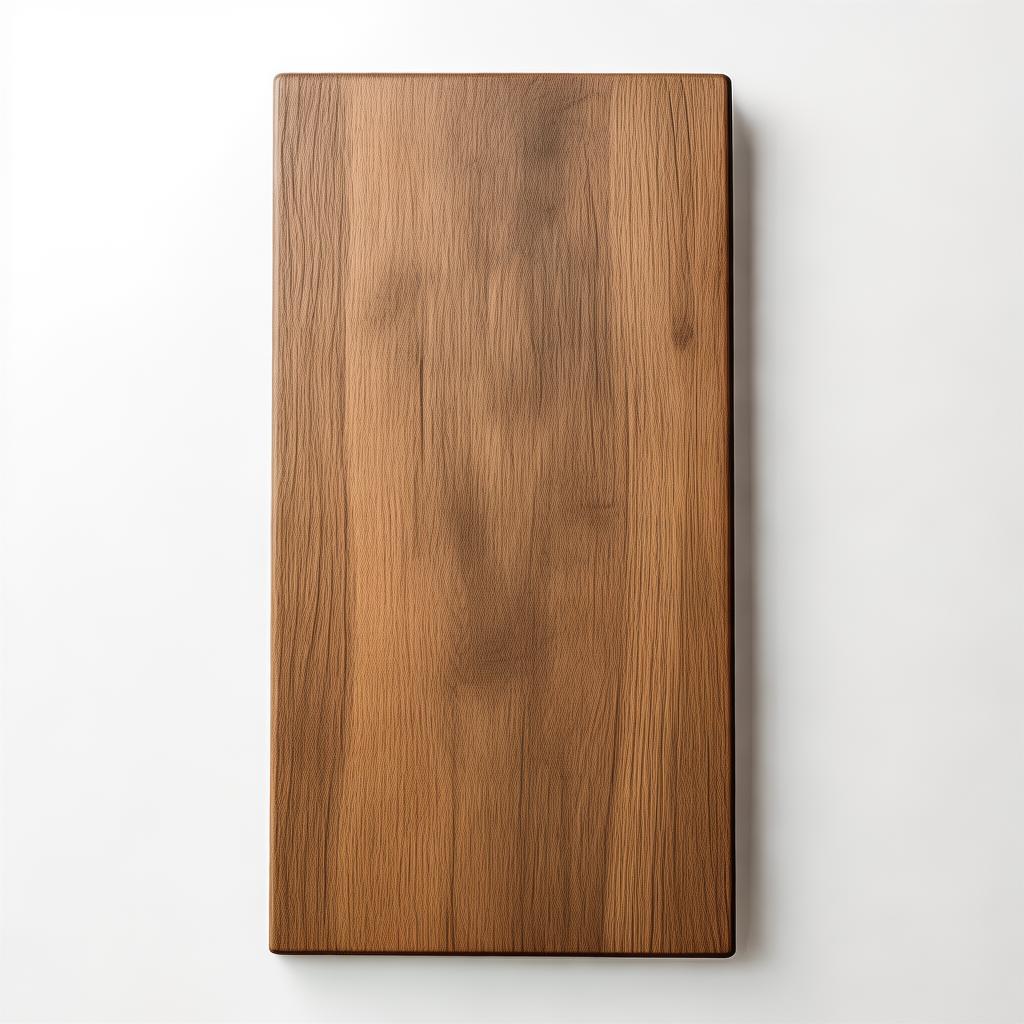
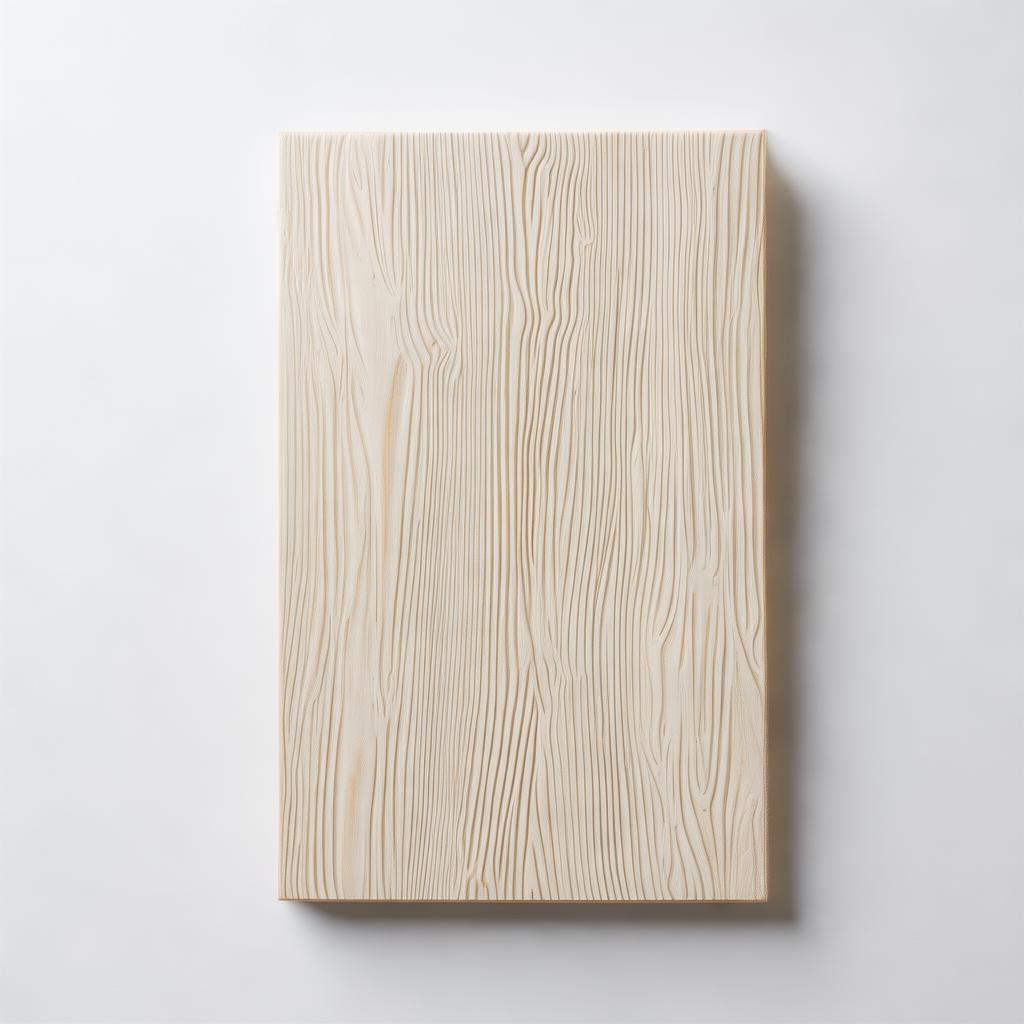
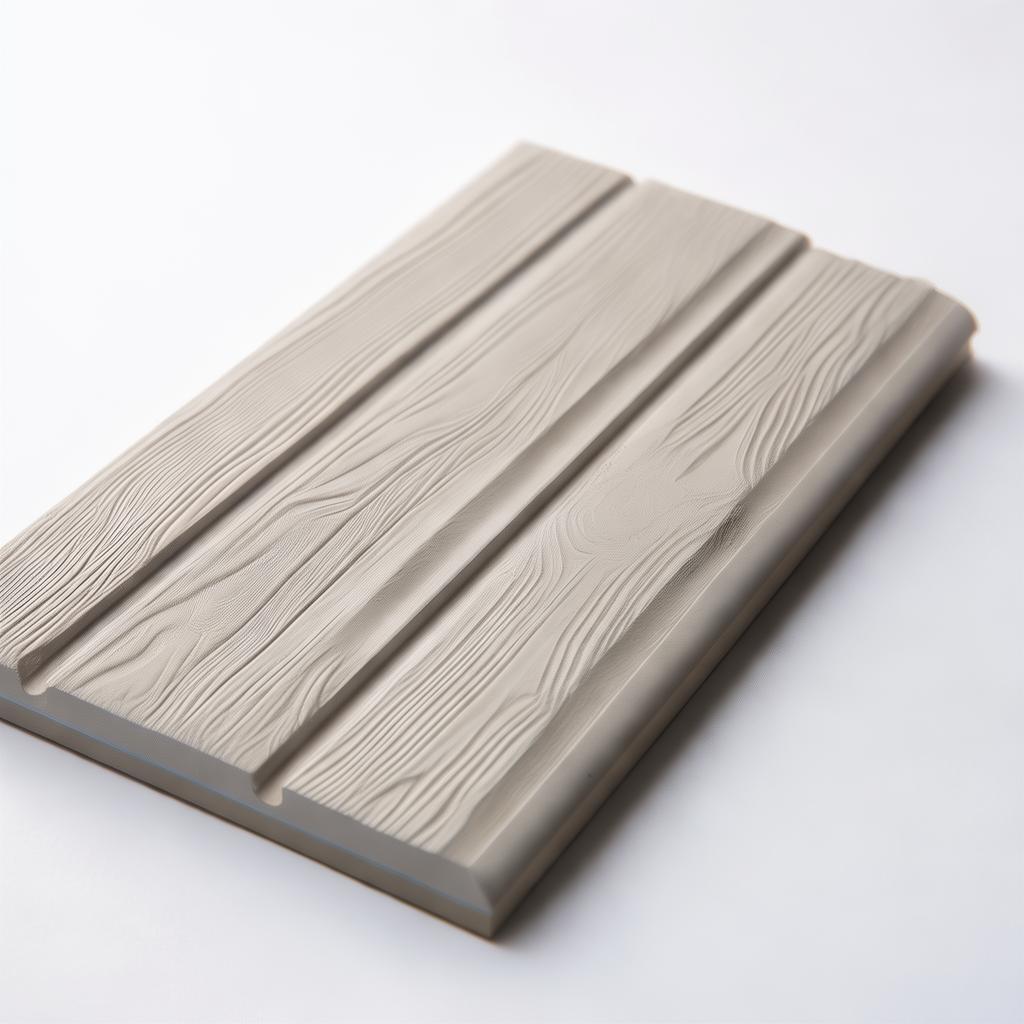
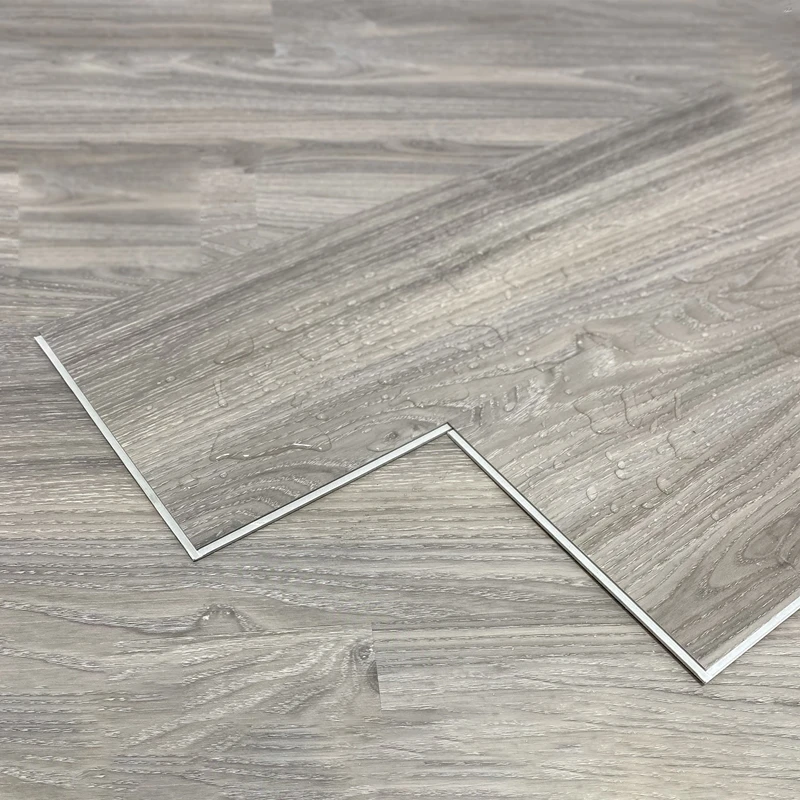
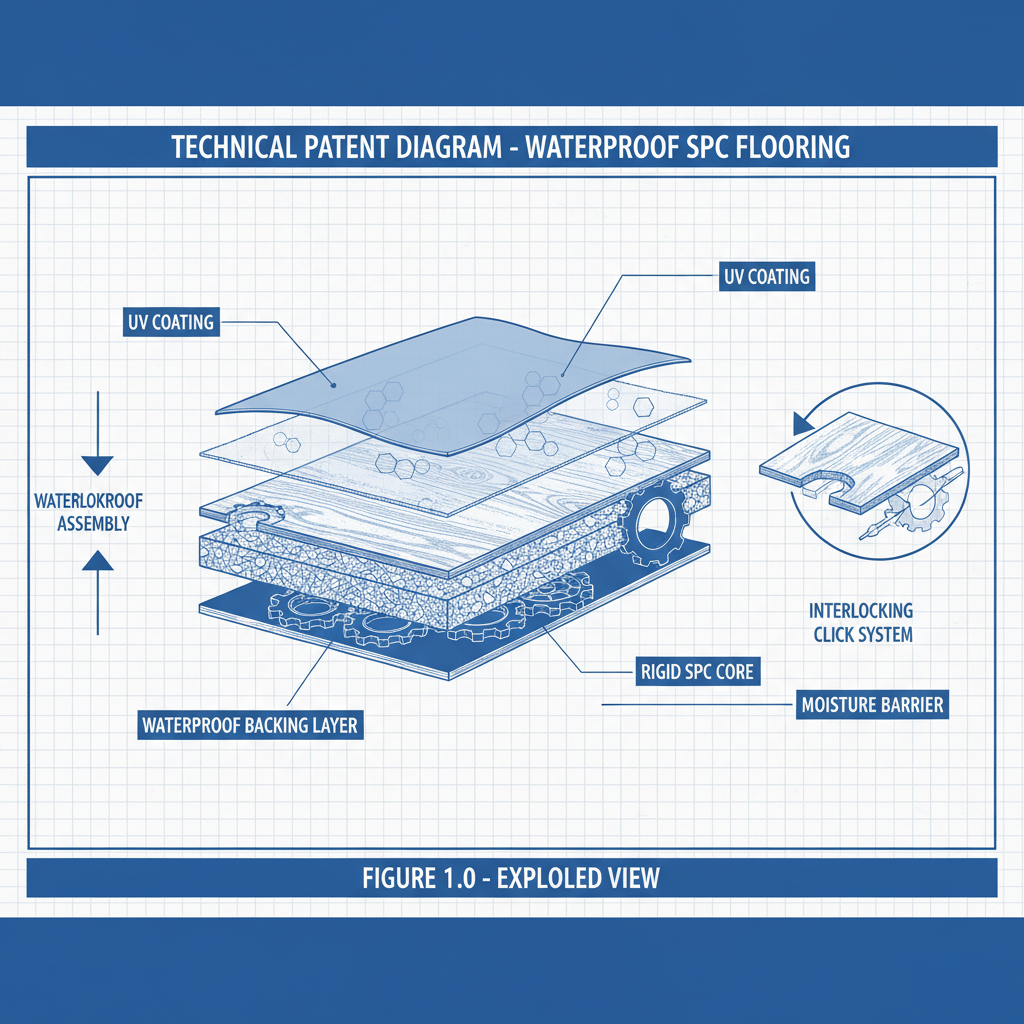
- 100 % Waterproof Core – Limestone‑plastic matrix eliminates water absorption, allowing installation in basements, bathrooms, and kitchens without additional membranes.
- Dimensional Stability ±0.1 % – Rigid core resists thermal expansion from -20 °C to +45 °C, reducing gaps and “telegraphing” of sub‑floor imperfections.
- High‑Impact & Dent Resistance – 0.5 mm wear layer rated 2000 N impact, ideal for high‑traffic retail and logistics floors.
Technical Specification Comparison
| Parameter | SPC Flooring | Laminate | Luxury Vinyl (LVT) |
|---|---|---|---|
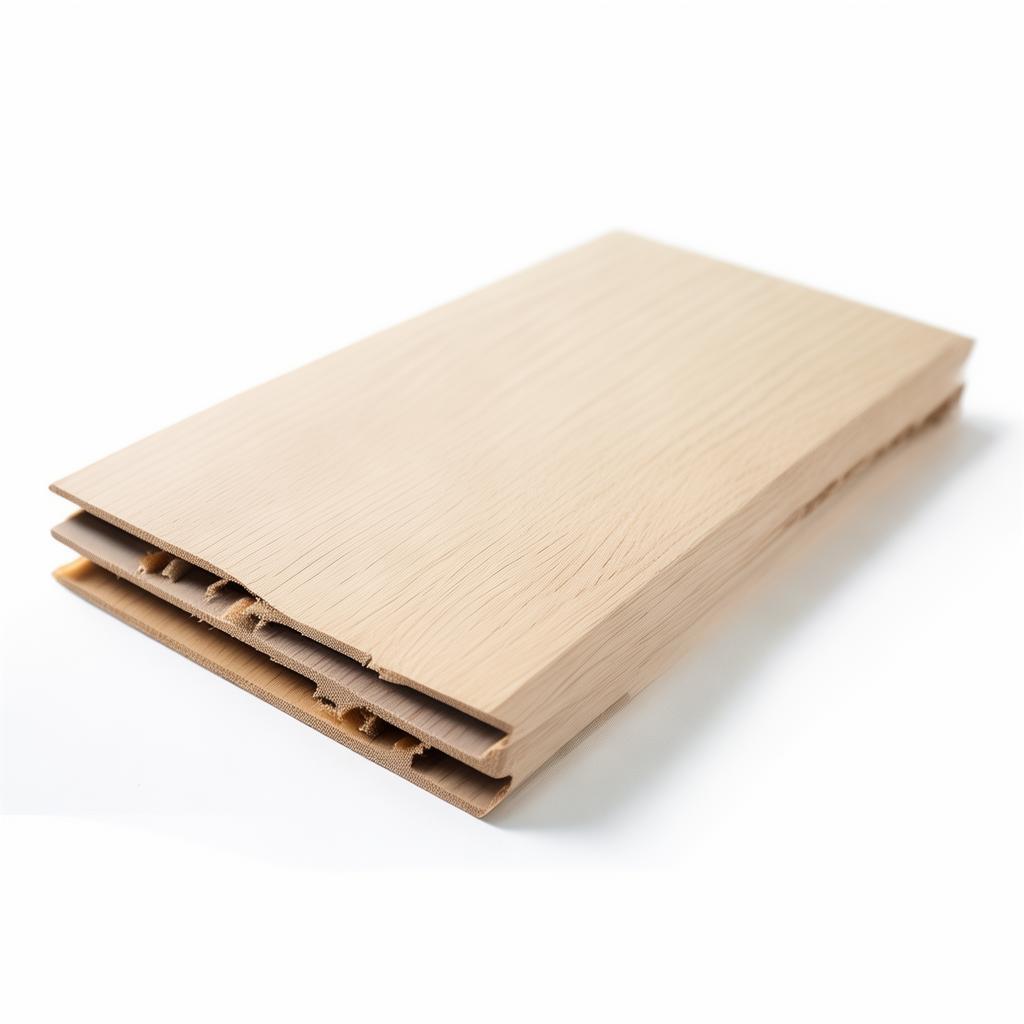
| Core Material | Stone‑plastic composite (30‑45 % limestone) | HDF (high‑density fiberboard) | Flexible PVC film |
| Water Resistance | ✓ 100 % waterproof (core to wear layer) | ✗ Absorbs moisture, prone to swelling | ✓ Waterproof but core can flex under prolonged exposure |
| Wear Layer Thickness | 0.4 mm – 0.6 mm (commercial grade) | 0.2 mm – 0.3 mm | 0.2 mm – 0.4 mm |
| Fire Rating (EU) | Class B‑s1, d0 (Euroclass) | Class C‑s2, d1 | Class B‑s1, d0 (with additive) |
| Installation Time | Click‑lock floating, 20 m²/hr (2‑person crew) | Click‑lock 15 m²/hr (requires sub‑floor leveling) | Glue‑down 12 m²/hr (prep intensive) |
| Price (USD/m²) | $22‑$35 | $18‑$28 | $20‑$30 |
Real‑World Application Scenarios
1. Retail & Showroom Floors – 45 % of our SPC orders go to flagship stores where moisture‑resistant, high‑traffic flooring is mandatory. The rigid core prevents “telegraphing” of concrete cracks, preserving a seamless visual.
2. Healthcare Facilities – Certified to meet ISO 14644 clean‑room standards, SPC’s seamless joints limit bacterial harboring, outperforming laminate which requires frequent sealing.
3. Multi‑Family Renovations – Click‑lock installation allows crews to install over existing tile, cutting demolition waste by up to 70 % (source: GC Flooring).
Bottom line: SPC delivers the durability of stone, the design flexibility of vinyl, and the cost‑effectiveness of laminate—without the trade‑offs.
Who’s already using SPC?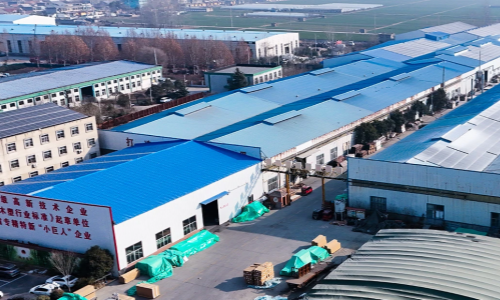
Frequently Asked Questions
How does SPC compare to laminate in high‑humidity environments?
Laminate’s HDF core absorbs moisture, swelling up to 2 mm within 48 h, whereas SPC’s stone‑plastic core is 100 % waterproof. This eliminates warping and guarantees dimensional stability in basements, bathrooms, and coastal projects.
Can SPC be installed over existing vinyl tiles?
Yes. The click‑lock system tolerates minor surface irregularities, and a 2‑mm underlayment can be placed directly over the old tiles. This saves demolition costs and reduces landfill waste by up to 80 % (source: GC Flooring).
What certifications are required for commercial flooring in the EU?
Key certifications include CE marking (EU safety), EN 13501‑1 fire classification (typically B‑s1, d0 for SPC), and REACH compliance for VOC limits (< 0.5 mg/m³). Our SPC products carry all these certificates, verified by the attached 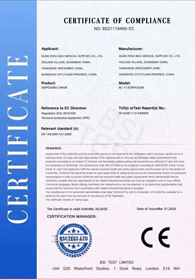 .
Is SPC suitable for heavy‑equipment areas such as warehouses?
With a commercial‑grade wear layer of 0.6 mm and a core density of 1.5 g/cm³, SPC can sustain static loads up to 1500 kg/m² and dynamic loads from forklifts without denting. Many logistics firms report 5‑year service life without resurfacing.
How fast can you ship from the factory to the U.S. East Coast?
Our high‑speed delivery network uses sea‑freight combined with inland rail. Standard orders ship within 7‑10 working days from order confirmation to port, with door‑to‑door delivery in 14‑18 days.
Limited‑Time Offer: Free Sample Kit + 5 % Discount on First 1,000 m²
Why act now? Our next production batch ships in two weeks. Secure the discount, receive a free 5 m² sample (incl. installation guide), and lock in the price before the seasonal surge.
Request Sample & QuoteOr contact us via WhatsApp: +86 137 0339 9579
What Our Clients Say
Emily R., Purchasing Manager – Global Retailer 
“The SPC boards arrived on schedule, installed in half the time we budgeted, and the water‑proof guarantee saved us from a costly bathroom leak. The ROI is evident in the reduced maintenance budget.”
Mark T., Facility Engineer – European Hospital 
“We needed a floor that met strict fire‑rating and VOC limits. SPC passed every test, and the seamless joints helped us achieve a Class 100 clean‑room rating. Highly recommended for healthcare projects.”
Linda K., Operations Director – North‑American Warehouse 
“Our forklifts run over the floor daily. After 18 months the SPC surface shows no dents, while the older laminate has warped. The durability saved us from a $12,000 resurfacing bill.”
About the Author

John Liu – Senior Materials Engineer with 15 years of experience in resilient flooring, ISO‑9001 quality systems, and OEM/ODM development for Chinese manufacturers exporting to North America and Europe.
John has led more than 200 commercial flooring projects, authored technical papers on stone‑plastic composites, and regularly advises purchasing managers on compliance and lifecycle cost analysis.
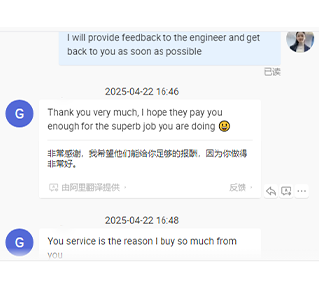
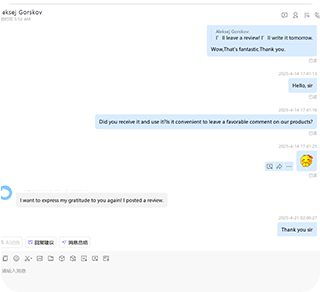
Live Chat – Real Inquiries

References
- SPC Flooring Market Analysis – LinkedIn Pulse (2024) – https://www.linkedin.com/pulse/spc-flooring-market-analysis-future-outlook-furman-flooring-blw4c
- Why SPC Vinyl Plank Flooring – GC Flooring (2023) – https://gcflooring.ca/why-spc-vinyl-plank-flooring-the-toughest-most-stable-floor-gc-flooring-can-stand-behind/
- Pros & Cons of SPC Flooring – TileStoneSource (2022) – https://tilestonesource.com/how-to/the-pros-and-cons-of-spc-flooring/
- Stone Plastic Composite Market Forecast – DataIntelo (2025) – https://dataintelo.com/report/stone-plastic-composite-spc-flooring-market
- Fire‑Rating & CE Certification – LX Hausys product page (2024) – https://www.lxhausys.com/ca-en/products/hflor/spc
 +86 31185293045
 qian@ss711.com





Trusted by Global Brands & Certified for Safety
Our clients include market leaders who demand uncompromising performance:
korean marble