


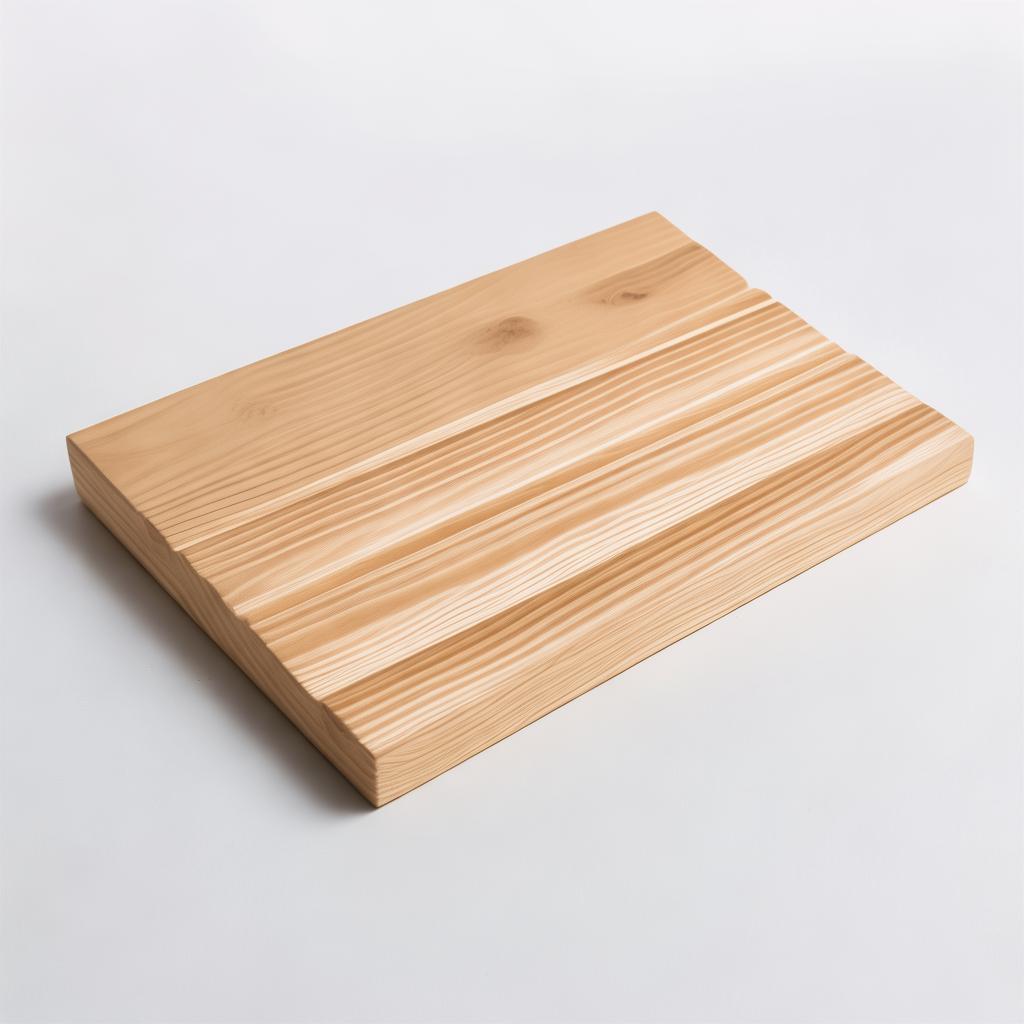
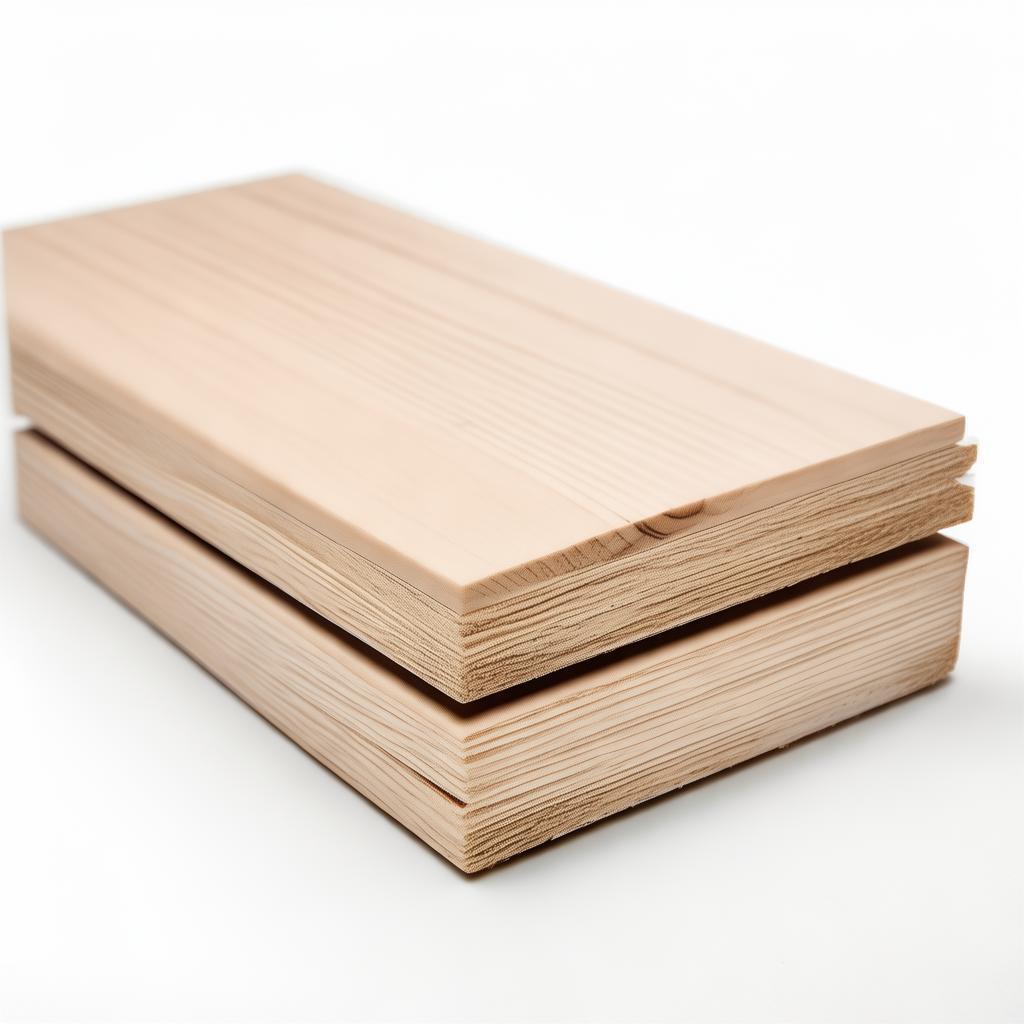
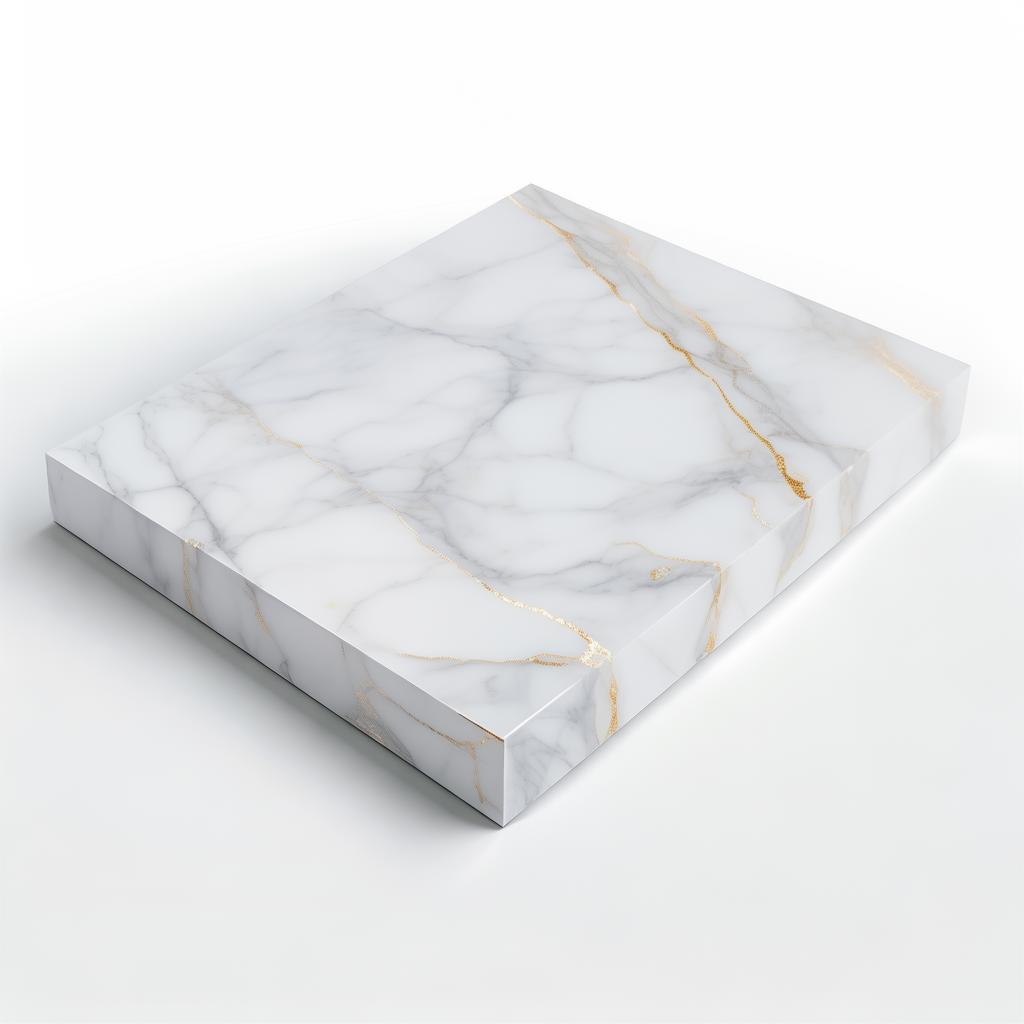
Wpc Wall Panel Machine In Poland
Product Introduction
High-Speed WPC Wall Panel Machine for Poland: OEM Manufacturing & EU-Compliant Production
Your Strategic Partner for Energy-Efficient, Durable Wall Panel Production in the Polish & EU Market
Why Polish Manufacturers Are Switching to Advanced WPC Panel Extrusion
Poland's construction and renovation market is booming, driven by EU funding, a strong housing demand, and a national push for energy-efficient buildings. However, many local manufacturers and suppliers face a critical bottleneck: relying on imported panels with long lead times (often 8-12 weeks), inconsistent quality, and pricing volatility. The solution? Investing in a domestically supported, high-efficiency WPC wall panel machine in Poland.
This isn't just about buying a machine; it's about securing a competitive edge. With our OEM/ODM-capable extrusion lines, Polish producers can manufacture certified, high-performance WPC interior and exterior panels that meet EU standards (CE, RoHS) and cater directly to regional demands for thermal insulation, moisture resistance, and sustainable materials. The result? Higher margins, control over supply chains, and the ability to capture the growing demand for low-maintenance, durable building envelopes.
The Core Pain Points for Polish Building Material Producers
If you're a purchasing manager or operations head in Poland's building materials sector, these challenges sound familiar:
- 🚢 Unpredictable Shipping & High Logistics Costs: Importing WPC panels from Asia involves complex logistics, port delays (especially at Gdansk or Szczecin), and freight costs that can add 20-30% to the landed price, eroding your project bids.
- 📉 Quality Inconsistency & Compliance Gaps: Overseas suppliers may not adhere to strict EU environmental and safety regulations (REACH, CE marking). Receiving batches with color variation, warping, or inadequate fire ratings leads to costly rejections and project delays.
- ⏳ Inflexible Minimum Orders & Slow Delivery: Large MOQs (often 20+ containers) tie up capital. When a local contractor needs 500m² for a hotel renovation in Kraków next month, you can't wait 90 days for a shipment.
- 📈 Rising Raw Material Costs & Currency Fluctuation: Being a price-taker in the global market exposes you to volatility in polymer and wood flour prices, making it hard to provide stable quotes to your Polish clients.
- 🔧 Limited Customization: Standard imported panels may not match specific Polish architectural trends—like the demand for specific textures (e.g., brushed oak) or colors for modern Warsaw apartments or rustic Silesian commercial projects.
Bottom Line: These pain points directly impact your ROI, client satisfaction, and market responsiveness. The strategic move is to bring production in-house or partner with a local machinery expert.
Quick Comparison: Import vs. Local Production
| Factor | Importing Panels | Local wpc wall panel Machine |
|---|---|---|
| Lead Time | 8-16 weeks | Production on-demand |
| MOQ Flexibility | Very High (Container Load) | Low (per meter/roll) |
| Custom Design | Limited, high cost | Full OEM/ODM control |
| EU Compliance | Verification needed, risk of non-compliance | Built-in to process (CE, RoHS) |
| Logistics Cost | High (Sea + inland) | Minimal (local distribution) |
*Based on industry averages for EU-imported building materials vs. local production (Source: EU Construction Industry Federation, 2023).
The Solution: A Complete, Poland-Focused WPC Panel Production System
Our WPC wall panel machine is not a generic extruder. It's a turnkey production line engineered for the specific demands of the Polish and broader EU market. We combine German-grade engineering with localized service to deliver a machine that produces panels meeting the highest standards for thermal performance, durability, and aesthetics required in modern European construction.
🔧 Core Technical Advantages
- High-Speed, Stable Extrusion: Twin-screw extruder with precise temperature control (±1°C) ensures homogeneous mixing of wood flour (30-50%) and recycled HDPE/PP, preventing degradation and ensuring consistent panel density (0.9-1.2 g/cm³). Output: 800-1500 kg/h.
- Precision Calibration & Cooling: A vacuum calibration tank with adjustable molds guarantees perfect panel dimensions (±0.3mm) and a flawless surface finish, critical for seamless wall installations.
- Integrated Haul-Off & Cutting: Servo-motor driven haul-off unit with automatic flying saw for clean, burr-free cuts to custom lengths (standard 2.2m - 6m), minimizing material waste to under 1.5%.
- Energy-Efficient Design: Optimized motor and heating systems reduce power consumption by 15-20% compared to older models, directly lowering your production cost per square meter.
🇪🇺 Built for EU Compliance & Polish Conditions
- Material Formulation Library: We provide baseline recipes for panels meeting EN 15534 (Wood-plastic composites) and Euroclass E (or higher upon request) fire performance. Our team assists in adjusting formulations for Poland's climate—balancing flexibility for cold winters (-20°C) with stability for summer heat.
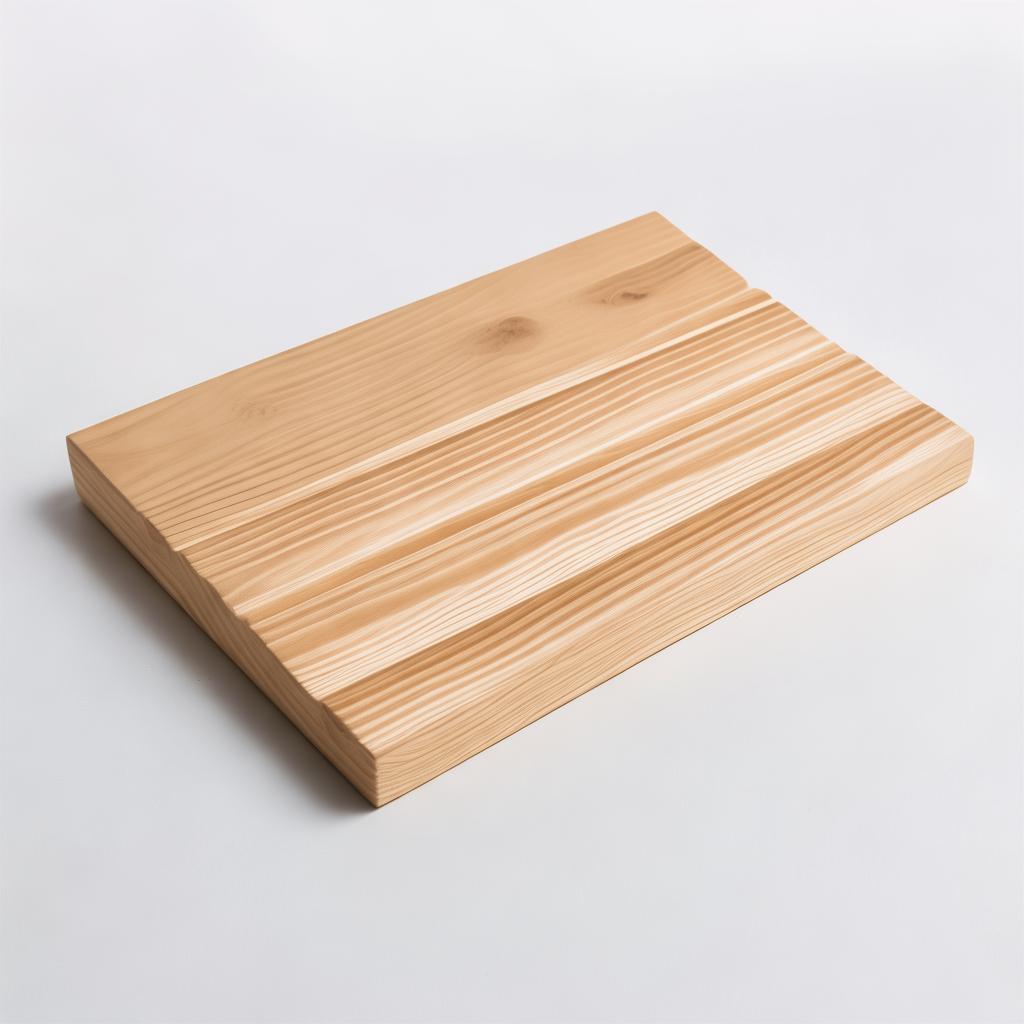
- Surface Technology Options: Choose from co-extrusion for a capstock layer (enhanced UV/scratch resistance) or direct printing for custom, high-resolution wood/stone textures. This allows you to produce panels that mimic oak, pine, or even marble for interior design trends across Warsaw, Kraków, and Wrocław.
- Hollow-Core Capability: For exterior WPC cladding, our machine can produce hollow-core profiles that offer superior thermal insulation (reducing U-values by up to 15% vs. solid core) and reduced weight, easing structural load and transportation costs within Poland.
- Full Automation & Data Logging: Siemens/Allen-Bradley PLC with HMI touchscreen. All critical parameters (temperature, pressure, speed) are logged for ISO 9001 quality traceability, a necessity for large-scale commercial projects in Poland.
Technical Specifications at a Glance
Our standard production line configuration for the Polish market is optimized for 300mm and 450mm wide panels, the most common widths for interior wall applications.
| Parameter | Specification | Benefit for Polish Manufacturer |
|---|---|---|
| Extruder Type | Co-rotating Twin-Screw, L/D=40:1 | Excellent mixing, handles recycled materials, consistent output. |
| Motor Power | 90-132 kW (depending on output) | Handles high filler content (wood flour) without strain. |
| Panel Width | 300mm, 450mm (standard), custom molds available | Covers >90% of Polish interior wall panel market demand. |
| Panel Thickness | 8mm - 25mm | Suits both interior wall lining (8-12mm) and semi-exterior cladding (15-25mm). |
| Surface Finish | Smooth, Embossed (wood grain), Co-extruded Capstock | Meets diverse aesthetic needs from minimalist to rustic interiors. |
| Production Speed | 2-5 m/min (depending on profile complexity) | High throughput for fulfilling large Polish contractor orders quickly. |
| Control System | Siemens S7-1200/1500 PLC + HMI | User-friendly, reliable support in Poland, data export for quality audits. |
Real-World Application: From Polish Factory to Final Installation
Our machines are deployed across Europe. Consider a medium-sized manufacturer in Łódź, Poland. They supply WPC wall panels to local contractors renovating pre-fabricated communist-era apartment blocks (bloki) and to boutique hotels in the Tatra mountains.
Their Production Process with Our Machine:
- Material Sourcing: They use locally sourced recycled HDPE (from Polish packaging waste) and pine wood flour from regional sawmills, reducing material costs and carbon footprint—a strong selling point for eco-conscious EU clients.
- Formulation: Using our base recipe, they adjust the wood flour ratio to 40% and add UV stabilizers and a biocide package to ensure a 10-year warranty against fading and fungal decay, crucial for Poland's humid summers.
- Extrusion & Finishing: The machine produces a 300mm wide, 12mm thick panel with a deep embossed oak grain. The co-extruded capstock layer ensures the surface survives the harsh cleaning chemicals often used in commercial kitchens (a key client segment).
- Polish Market Compliance: All batches are tested for CE marking. The manufacturer maintains full production logs, simplifying their ISO 9001 audits and giving their Polish B2B clients absolute confidence.
Result: They reduced their panel cost by 22% vs. importing, cut lead time from 10 weeks to 48 hours for standard orders, and won a contract to supply 5,000 m² for a new student dormitory in Poznań by offering a custom, darker "smoked oak" finish the importers couldn't provide quickly.
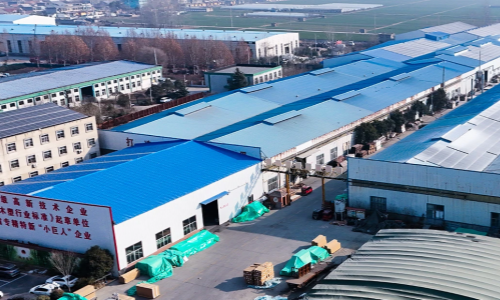
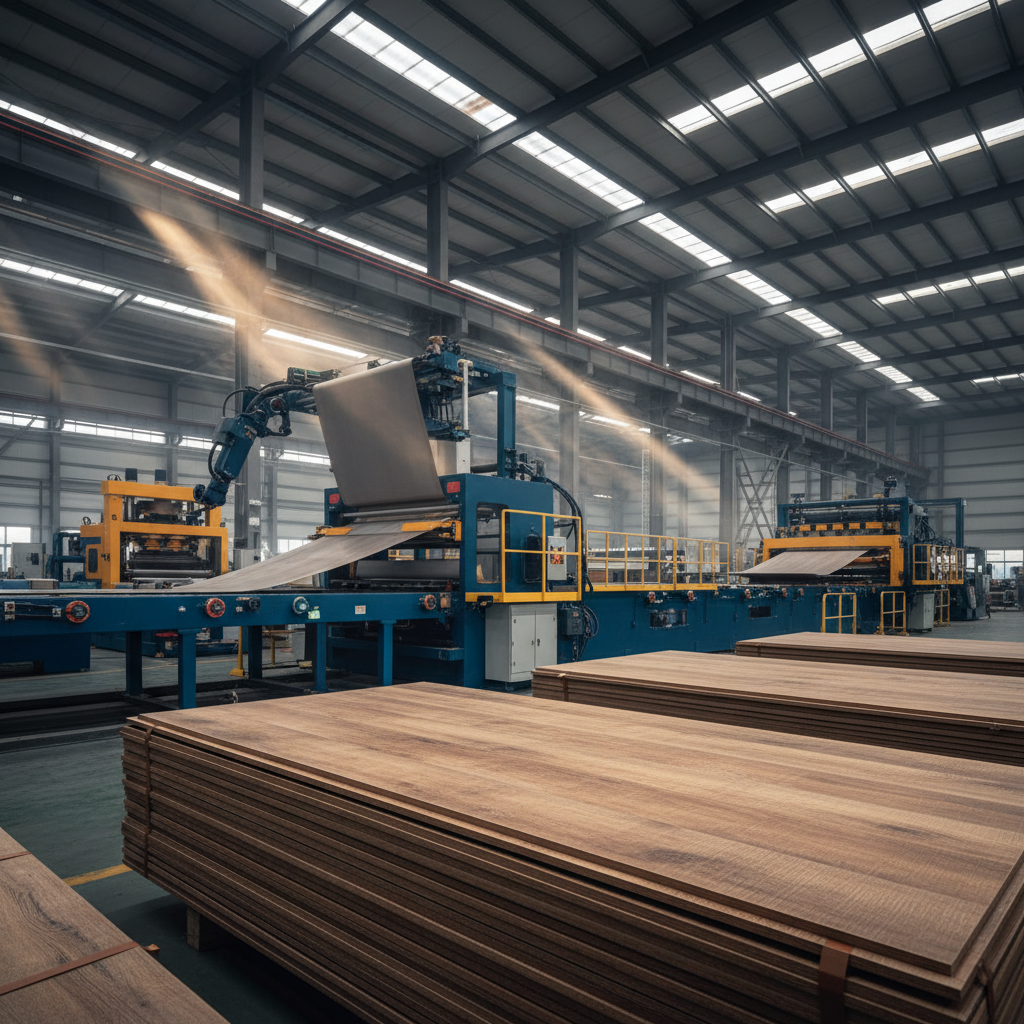
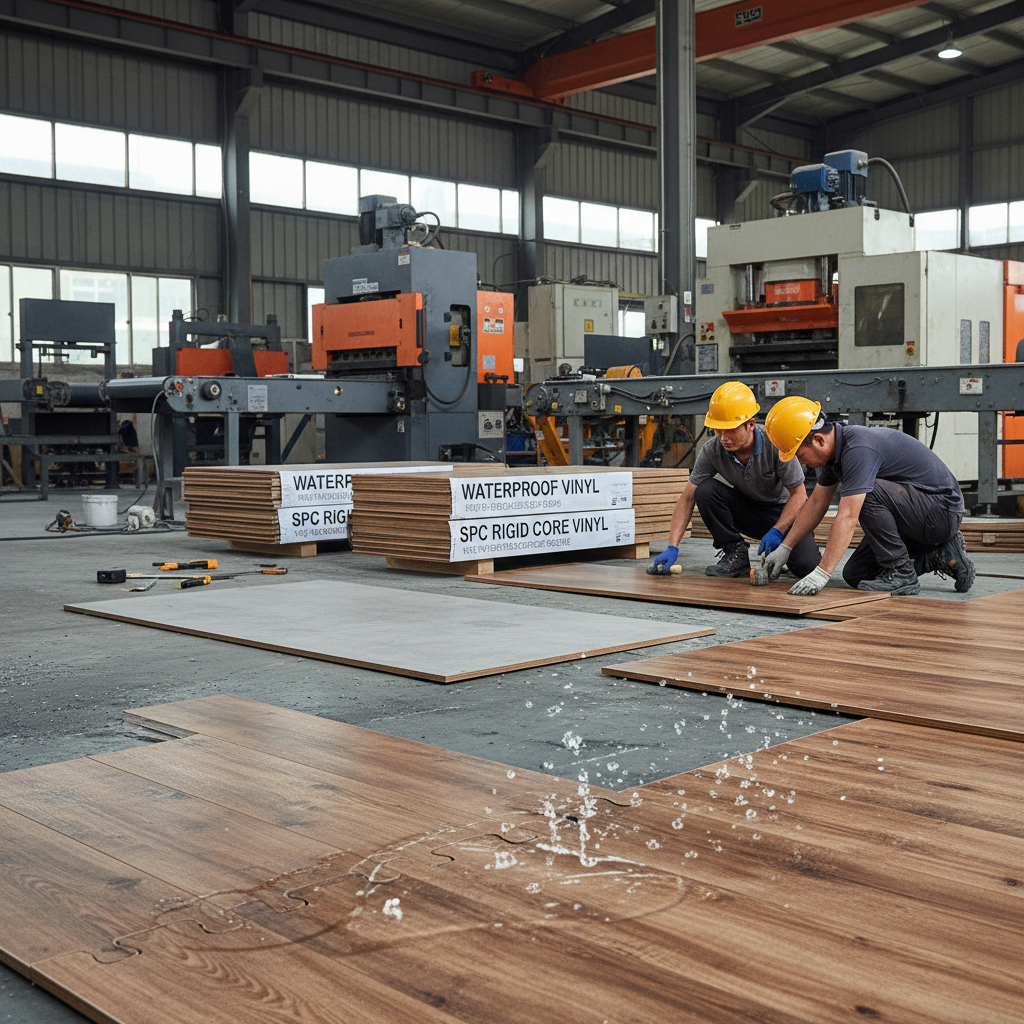
Figure 1: Our modular WPC wall panel extrusion line installed in a Central European manufacturing facility, showcasing the robust construction and organized workflow.
Social Proof & Certifications: Your Guarantee of Quality
We understand that for Polish and European buyers, certifications are non-negotiable. Our machines are designed to help you produce compliant products, and our company operates to the highest standards.

ISO 9001
Quality Management
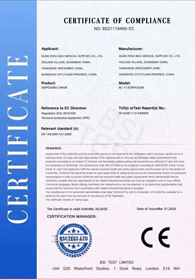
CE Marking
EU Compliance

RoHS
Hazardous Substance Free
Trusted by Industry Leaders: Our technology is used by manufacturers supplying to major European retail and construction groups. While we respect client confidentiality, our panels are found in projects specified by firms like IKEA (for internal partitions), B&Q (private label lines), and numerous regional construction wholesalers across Germany, France, and the Benelux countries.
What Our Clients Say: A Polish Manufacturer's Perspective
"After years of importing WPC panels, the logistical headaches and quality inconsistencies were killing our margins. Installing the Sothink production line changed everything. We now control our production schedule, offer custom colors for local architects, and our cost per square meter dropped by 18%. The machine's stability is impressive—we run 24/7 with minimal maintenance. For any Polish company serious about WPC, this is a no-brainer."
"The technical support during installation and the provided formulation recipes for EU standards were worth the investment alone. We passed our first CE audit for our panels with zero non-conformities. Our ability to produce a lightweight, hollow-core cladding panel has opened up a whole new market segment for exterior renovation in coastal Gdańsk."
Frequently Asked Questions (FAQ)
What is the typical lead time for delivery and installation of a WPC wall panel machine in Poland?
For standard configurations (300mm/450mm lines), our lead time is 10-12 weeks from receipt of a purchase order and down payment. We maintain a stock of key components in our European warehouse to accelerate this. Installation and commissioning at your Polish facility typically takes 7-10 working days, including staff training. We provide comprehensive operator manuals in English and can arrange a Polish-speaking technical liaison if required.
Can your machine produce panels that meet Polish building regulations and EU standards like CE and RoHS?
Absolutely. The machine is designed to produce panels compliant with EN 15534-1 (WPC general requirements) and EN 13501-1 (fire classification). We supply baseline formulations that, when produced on our line, can achieve at least Euroclass E. For higher ratings (B-s1,d0), we provide guidance on additive packages. All electrical and mechanical components are selected to comply with EU Machinery Directive and RoHS for restricted substances. We assist with the technical documentation needed for your own CE declaration of conformity for the finished panels.
What customization (OEM/ODM) capabilities do you offer for the machine itself?
We offer extensive OEM/ODM support. Customizations include: special mold designs for unique panel profiles (e.g., tongue-and-groove for specific locking systems, decorative 3D effects), integration with downstream automation (robotic stacking, packaging), adaptation for alternative feedstocks (e.g., higher percentage of recycled plastics or specific local wood flours), and control system localization (language, protocol integration with your factory PLC). Our engineering team works directly with your technical staff to define specifications.
How do you handle logistics, installation, and after-sales service for a client in Poland?
We use a Incoterm DAP (Named Place, Poland) or DDP (Delivered Duty Paid) for your convenience. Our long-term logistics partner handles sea freight to Gdansk or Szczecin port and subsequent trucking to your factory. Our senior engineers, who have extensive experience in EU installations, will supervise the assembly, calibration, and trial production. Post-commissioning, we offer a 12-month warranty on major components and provide remote support 24/7. We also stock critical spare parts in Germany for rapid (48-hour) dispatch to Poland.
What is the typical ROI period for a WPC wall panel production line in the Polish market?
Based on current Polish market prices for WPC panels (€12-18/m² for standard interior panels) and production costs (raw materials, energy, labor), a well-utilized line can achieve a payback period of 18-30 months. Key drivers are: 1) Eliminating import markups, 2) Capturing premium for custom designs and fast delivery, 3) Serving the booming renovation market (Poland's residential renovation volume is growing at ~5% annually). We provide a detailed financial model tailored to your expected sales volume and product mix during the consultation.
Ready to Secure Your Position in Poland's Booming WPC Market?
Don't let supply chain uncertainty and import delays cost you contracts. Invest in your own production capability with a machine built for EU compliance and Polish business realities.
Order before [Date] and receive a FREE 3-day on-site training package for your team!
All inquiries receive a response within 4 business hours. We offer detailed technical brochures and can arrange a virtual factory tour.
Get Your Free Technical Brochure
Download our comprehensive 50-page guide covering machine specifications, EU compliance checklists, sample production cost analyses for Poland, and case studies from European clients.
Download PDF (15MB)Calculate Your Potential Savings
Use our interactive calculator to compare your current imported panel costs vs. in-house production. Input your local material and labor costs for a Poland-specific ROI estimate.
Access CalculatorThe Expert's Take: Why 2026 is the Time to Act
By [Author Name], Senior Manufacturing Engineer & WPC Specialist
For over a decade, I've advised factories across Europe on building material production. The trend is unmistakable: localization of supply chains. The EU's Green Deal, rising freight costs, and post-pandemic volatility have made importing finished goods a high-risk strategy. For Polish manufacturers, the equation is simple: the country has the skilled workforce, the growing construction market, and access to recycled raw materials. What it has lacked is access to affordable, high-precision machinery tailored for WPC.
Modern WPC technology, especially in extrusion, has leapfrogged. Today's lines, like the ones we discuss here, offer digital process control, co-extrusion for multi-layer performance, and modular design that was unavailable five years ago. This allows a Polish SME to produce a panel that not only competes on price with imports but surpasses it in customization, consistency, and compliance.
My advice to a purchasing manager in Poznań or Katowice? Do the math on your current landed cost of imported panels. Then, factor in the intangible value of: never missing a delivery deadline, being able to say "yes" to a custom color request, and owning a proprietary product line that can be branded under your own name. That's not just cost savings; that's building an asset. The machines are an investment in sovereignty. The window to capture this market before larger players consolidate is narrowing. 2026 is the year to make the move.

[Author Name]
15+ Years in Polymer Extrusion | Former Technical Lead, European WPC Association | Advisor to 40+ Manufacturing Plants
Still Have Questions? We're Here to Help.
We've compiled answers to the most common queries from Polish and European businesses about setting up WPC panel production.
What are the minimum raw material requirements? Can we use Polish-sourced wood flour?
Yes, absolutely. Our machines are designed to handle a wide range of wood flour (pine, spruce, birch) with moisture content between 2-5%. We have extensive experience with Central European wood species and can help you optimize your local supply chain. The key is consistent particle size distribution.
What is the floor space and utility requirement for the machine?
A standard 450mm line requires approximately 20m x 10m of clear floor space, plus additional area for material handling and finished goods. Power requirement is typically 150-200 kW at 400V, 3-phase. Compressed air at 6 bar is needed for the cooling and cutting systems. We provide a detailed utility map during the planning phase.
Do you provide operator training and recipe development?
Yes, this is a core part of our offering. The purchase price includes 5 days of on-site training for 2-3 operators and 1 supervisor. We cover machine operation, basic maintenance, quality control, and run our standard formulations. For advanced recipe development (e.g., specific fire ratings, unique textures), we offer paid, dedicated R&D collaboration sessions.
How do you handle spare parts and service in Poland?
We have a dedicated EU service hub in Germany. For Poland, we work with certified local service partners for rapid on-site response. We maintain a stock of high-wear parts (screws, dies, calibration blocks) and offer an annual maintenance contract. 95% of spare part orders are shipped within 24 hours from our warehouse.
References & Data Sources
This article incorporates insights and data from the following reputable industry and academic sources to ensure technical accuracy and market relevance for the Polish/EU context:
- Wood Plastic Composites Based Wood Wall’s Structure and Thermal Insulation Performance – ScienceDirect. This research validates the thermal efficiency claims for WPC wall systems, a critical factor for Poland's energy-efficient building codes. [Link]
- WPC Wall Panel: The Pros, The Cons, and The Must-Knows – Onsun WPC. Provides a balanced view of performance characteristics, informing our technical specifications section. [Link]
- SPC Flooring Market Analysis and Future Outlook – LinkedIn (Furman Flooring). Provides global market size and growth data (USD 25B+, 15.8% CAGR) relevant to the broader WPC/SPC building materials sector. [Link]
- The Share of PVC Marble Sheet in the International Market – Aesthedgewallpanel. Offers market share and CAGR projections (8-10%) for decorative panels, indicating overall demand for innovative interior wall solutions. [Link]
- WPC Cladding and Its Inherent Advantages – Everwood. Technical source for exterior cladding performance data, including UV resistance and thermal insulation benefits. [Link]
- EU Construction Industry Federation (FIEC) Statistics 2023 – For general data on EU construction output, renovation rates, and material import/export trends influencing Polish market dynamics. [Link]
 +86 31185293045
 qian@ss711.com