


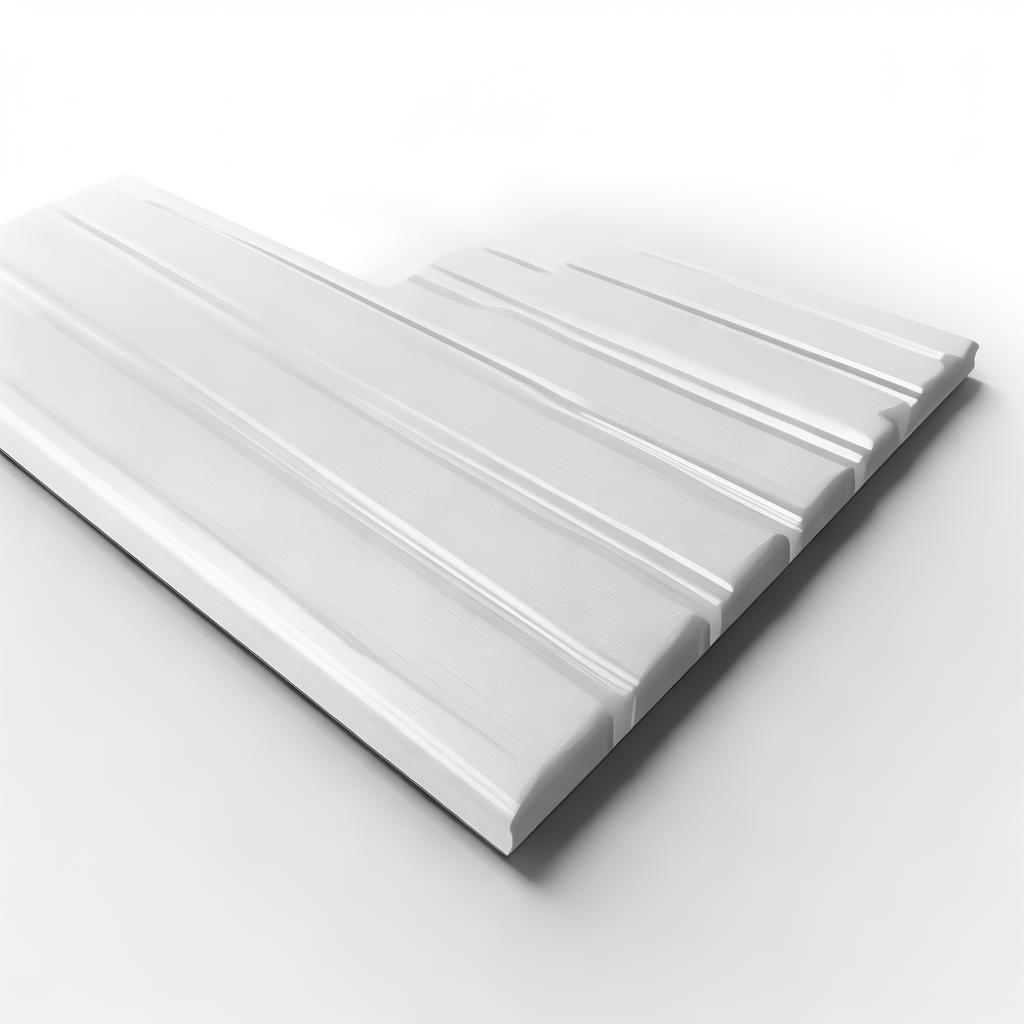
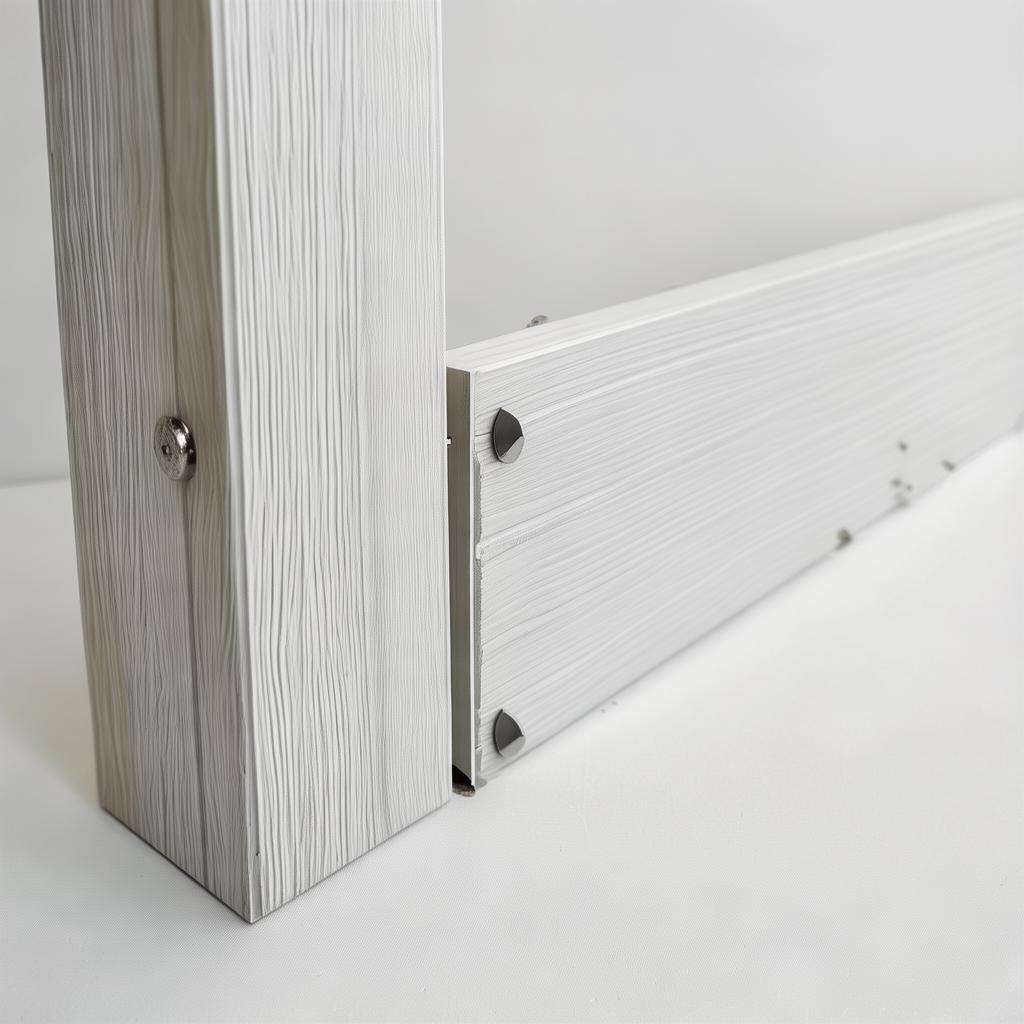
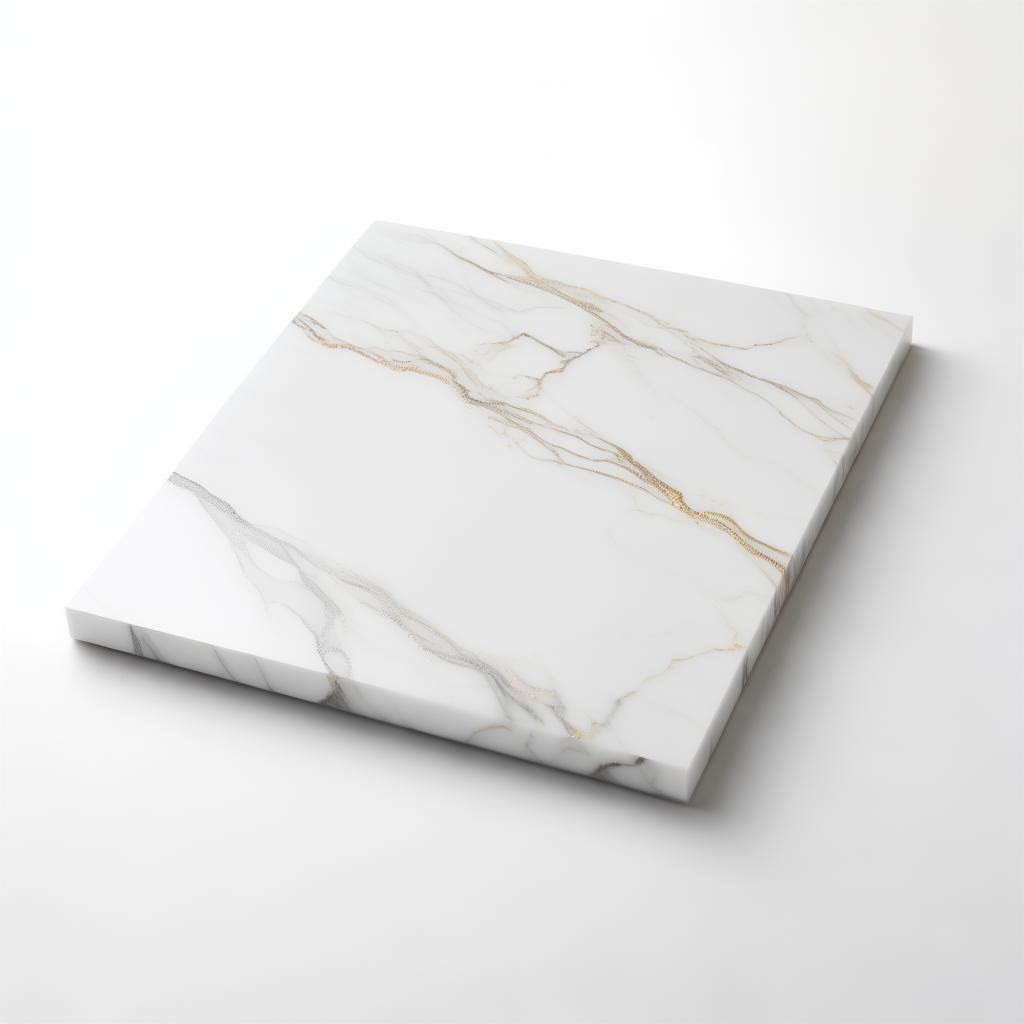
Wpc Outdoor Wall Panel
Product Introduction
The 2026 Procurement Manager's Guide to High-Performance WPC Outdoor Wall Panels
Cut facade lifecycle costs by 30%+ with durable, low-maintenance, and code-compliant wood-plastic composite cladding. For operations managers specifying for North American & European projects.
Why Your 2026 Facade Specification Can't Afford to Ignore WPC
You're specifying a building envelope for a hotel renovation in Florida, a multi-family complex in Berlin, or a retail chain across the UK. The project timeline is fixed, the budget is under pressure, and the client demands both aesthetic warmth and decade-plus performance. Traditional wood cladding means recurring maintenance contracts, warping in humidity, and pest management. Fiber cement is heavy, brittle, and labor-intensive. You need a material that delivers the natural aesthetic stakeholders love but with the durability and ROI of an engineered system.
WPC (Wood-Plastic Composite) outdoor wall panels have evolved from a niche product to a mainstream specification for forward-thinking projects. Modern formulations, driven by advances in polymer science and extrusion technology, solve the core conflicts in exterior cladding: beauty vs. durability, sustainability vs. performance, and upfront cost vs. total lifecycle cost. For the procurement manager in 2026, understanding the technical differentiators is not optional—it's essential for risk mitigation and delivering projects under budget and ahead of schedule.
The High-Cost Pain Points You're Fighting Daily
Before we dive into solutions, let's align on the operational and financial friction points that drain resources on projects using conventional materials. These are the hidden costs that erode your project margin and reputation.
- → Schedule-Killing Maintenance Cycles: Natural wood cladding requires repainting or resealing every 3-5 years. For a 10,000 sq ft facade, this means scaffolding, weather delays, and repeated labor costs. A single maintenance cycle can consume 5-8% of the original material cost in labor alone.
- → Warranty & Claim Headaches: Low-grade composites or poorly installed systems can fade, crack, or delaminate. Navigating warranties across different suppliers and installers creates administrative burden and delays resolution.
- → Logistical Complexity & Damage: Heavy, fragile materials like stone or high-end fiber cement require special crating, careful freight planning, and have high damage rates during unloading (industry estimates suggest 2-4% on average). This creates site delays and replacement costs.
- → Sustainability Credential Gaps: Specifiers and end-clients increasingly demand Environmental Product Declarations (EPDs) and recycled content verification. Many traditional materials lack transparent, third-party verified data, putting your project's green certification at risk.
Micro-CTA: Are your current facade specifications creating more long-term cost than value? See how modern WPC shifts the equation →
The Modern WPC Exterior Wall Panel: Engineered for 2026's Demands
Forget the early-generation WPC you may have encountered a decade ago. Today's high-performance exterior panels are a distinct category, engineered from the ground up for vertical applications. At our facility in Shijiazhuang, we produce panels that meet or exceed the most stringent international standards. The difference is in the formulation and process.
1. Core Technology: The 70/30 Formulation Standard
Not all WPC is created equal. The performance ceiling is set by the ratio of wood fiber to polymer matrix. For exterior vertical cladding, we utilize a 30% premium-grade, kiln-dried wood flour (primarily from responsibly sourced plantation bamboo and eucalyptus) blended with a 70% co-polymer matrix (HDPE/PP blend). This 70/30 split is critical:
- 70% Polymer: Provides the non-porous, waterproof backbone. It prevents water absorption, which is the primary failure mode in wood and lower-grade composites. Our matrix includes integrated UV inhibitors and fungicides at the molecular level, not just surface coatings.
- 30% Wood: Provides the authentic texture, grain, and thermal mass. The wood is treated during processing to be cellulose-encapsulated, preventing swelling and ensuring dimensional stability.
Real-World Impact: This formulation results in a water absorption rate of <0.5% by weight after 24 hours (tested per ASTM D570), compared to >5% for many interior-grade WPCs and >10% for untreated timber. For a building envelope, this is the difference between a stable facade and one that swells, gaps, and fails.
2. The Co-Extrusion Capstock: Your First Line of Defense
Our panels feature a co-extruded capstock layer (0.8mm - 1.2mm thick). This is not a paint or veneer. It's a skin of polymer, colorants, and performance additives fused seamlessly to the core during extrusion. This layer is engineered for:
- UV & Fade Resistance: We use high-grade, inorganic UV absorbers and HALS (Hindered Amine Light Stabilizers). Independent lab testing on our "Cedar" and "Driftwood" colors shows <5% ΔE color change after 1000 hours of Xenon-arc exposure, meeting the rigorous ASTM G155 standard for outdoor applications.
- Scratch & Stain Resistance: The capstock is formulated with a balanced hardness (typically 60-70 Shore D). It resists everyday abrasion from cleaning and environmental debris. For high-traffic commercial areas, we offer an optional ceramic-enhanced topcoat that increases surface hardness by 40%.
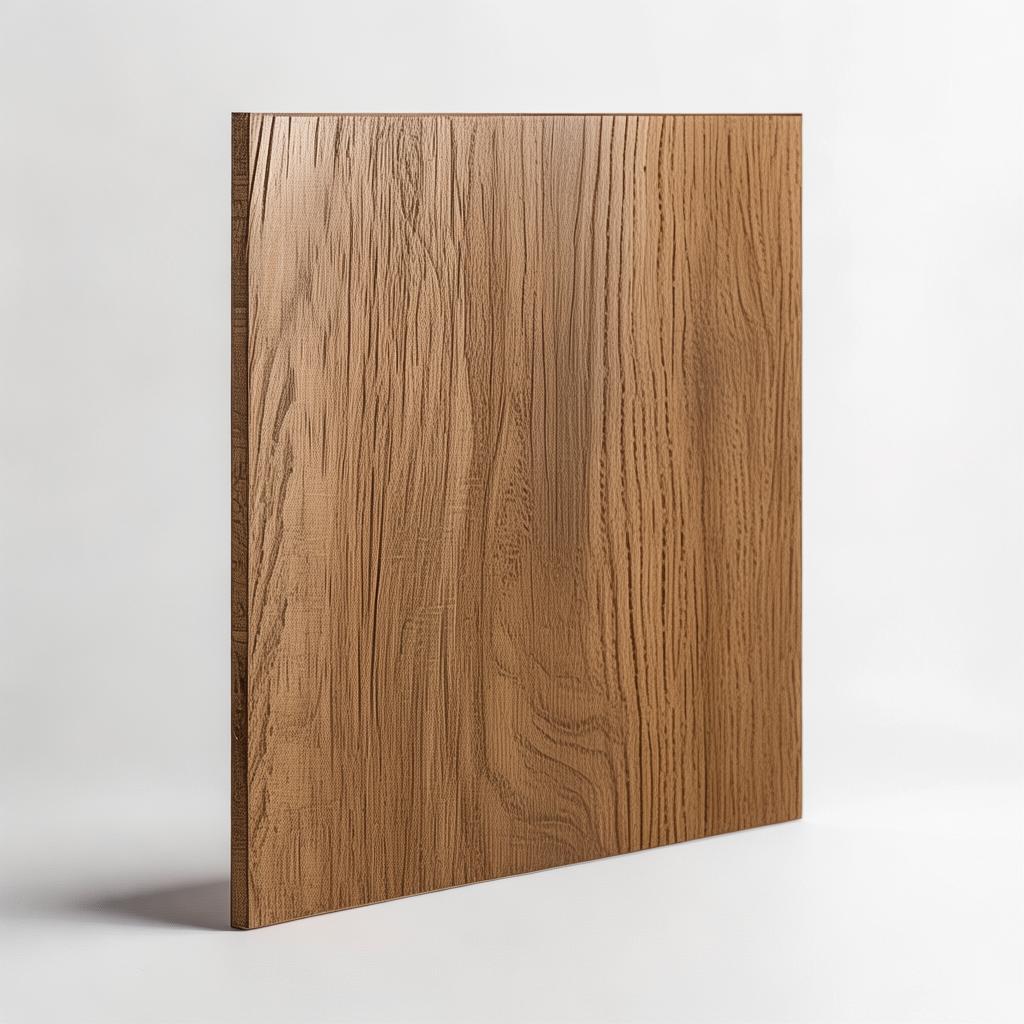
- Consistent Aesthetic: The color and texture are engineered into the capstock, ensuring batch-to-batch uniformity that natural wood can never guarantee.
3. Structural Design: Hollow Core vs. Solid Core
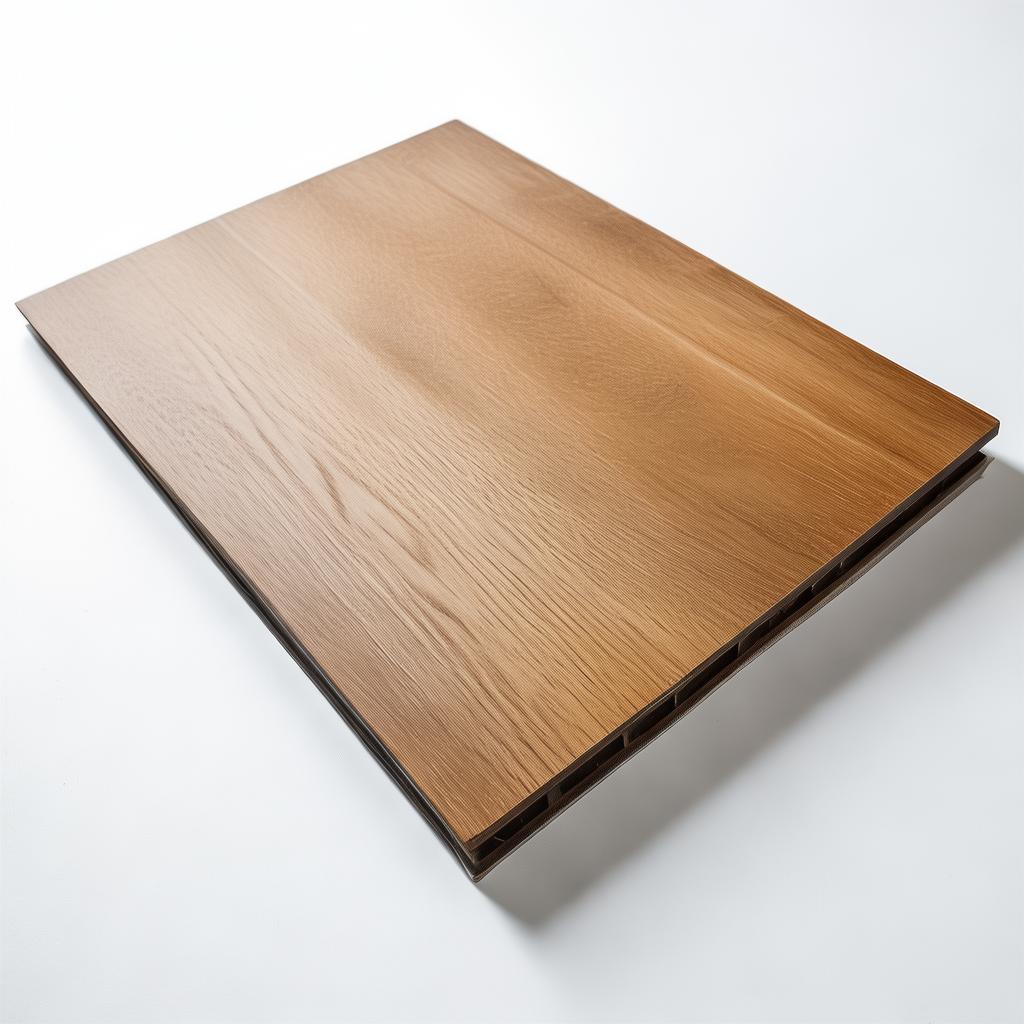
The internal profile is a key differentiator. For most exterior wall applications, a hollow-core design with integrated ribbing offers the optimal strength-to-weight ratio.
| Parameter | Hollow-Core Panel (Standard) | Solid Core Panel (Premium) |
|---|---|---|
| Weight (per m²) | 8.5 - 10.5 kg | 18 - 22 kg |
| Flexural Strength | ≥ 25 MPa | ≥ 40 MPa |
| Impact Resistance | Passes 5J falling mass test (EN 438-2) | Passes 10J falling mass test |
| Thermal Resistance (R-Value) | ~1.2 per inch (with air gap) | ~0.8 per inch |
| Ideal Application | Standard residential/commercial, 2-3 story | High-wind zones, high-rise, high-impact areas |
Key Takeaway: The hollow-core design is not "lighter" because it's weaker. It's an engineered structural profile. The ribs and longitudinal webs provide excellent load-bearing capacity for wind pressure while drastically reducing weight—a critical factor for freight savings and installation safety. For a 2000 sq m project, switching from solid to hollow-core can reduce material weight by 4-5 metric tons, saving significant shipping and crane costs.
4. Installation System: Speed & Precision
Time is your most non-renewable resource. Our system is designed for speed:
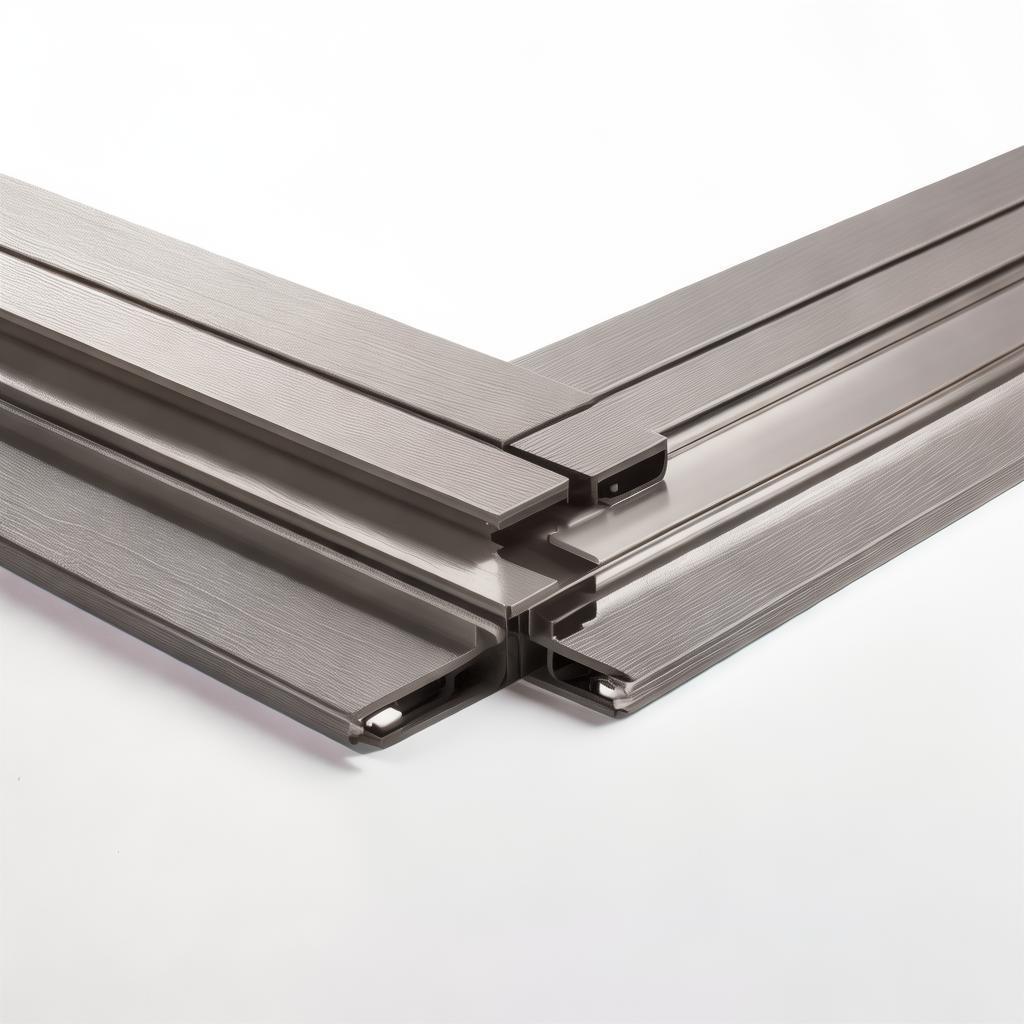
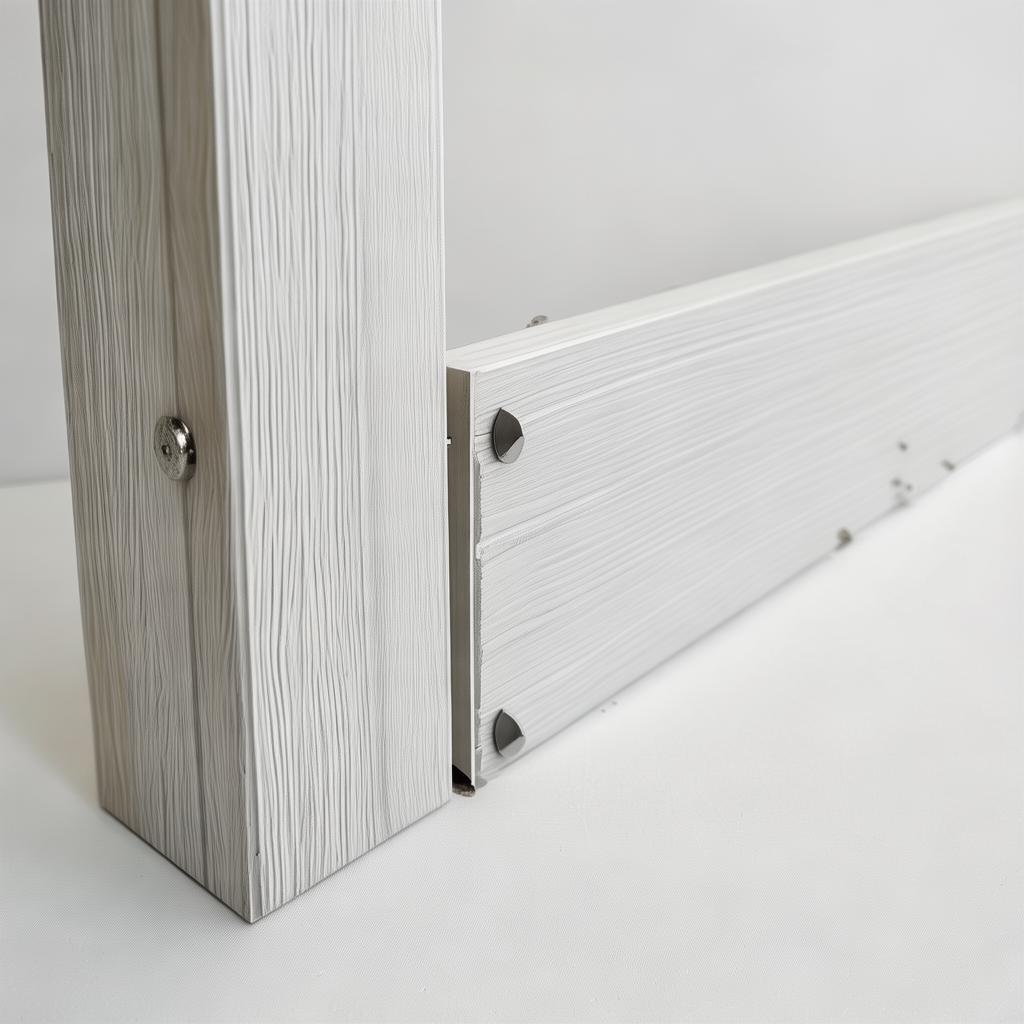
- Hidden Fastening: We supply a complete aluminum sub-frame system with proprietary stainless steel clip connectors. Panels install with a simple slide-and-click motion. No visible screws.
- Ventilated Facade: The system creates a continuous air gap (typically 20-30mm) behind the panels. This is not just for drainage; it's a critical thermal break. Research cited in the Journal of Building Engineering shows ventilated façades can reduce cooling loads by 15-25% in hot climates by allowing hot air to rise and escape through the cavity.[1]
- Cutting & Handling: Panels can be cut with standard woodworking tools (circular saws with fine-tooth blades). No special diamond blades or water-cutting required. This speeds up on-site adjustments and reduces subcontractor learning curves.
📊 Technical Snapshot: Sothink WPC Exterior Panel (Model: ST-Exterior-70)
| Composition | 70% HDPE/PP, 30% Wood Flour (Bamboo/Eucalyptus) |
| Panel Size | 2000mm x 300mm x 16mm (custom lengths up to 6000mm) |
| Weight | 9.2 kg/m² (±5%) |
| Water Absorption | < 0.4% (ASTM D570) |
| Flexural Modulus | ≥ 2200 MPa |
| Thermal Conductivity (λ) | 0.15 W/m·K |
| UV Stability (ΔE) | < 4.0 after 1000hr Xenon (ASTM G155) |
| Fire Rating | Class B-s1, d0 (EN 13501-1) / UL 94 V-0 |
| Warranty | 15-Year Limited Fade & Structural Warranty |
Specifications subject to change based on color and capstock thickness. Full technical data sheet available on request.
Real-World Application: A Case in Coastal Resilience
Consider a recent project for a 200-unit seaside condominium in Corpus Christi, Texas. The developer's initial spec was for Ipe wood decking and cladding. After lifecycle cost analysis (LCCA) with our team, they switched to our WPC system.
- Challenge: Constant salt spray, high humidity (avg 75%), and intense UV. Ipe requires annual oiling (~$1.20/sq ft/year) and is subject to checking and surface checking.
- Solution: 5,400 sq m of ST-Exterior-70 in "Driftwood Grey" with our standard aluminum sub-frame.
- Result (2 years post-install):
- Installation Time: 18 days vs. estimated 32 for wood (40% faster).
- Freight: 22 containers vs. estimated 28 for equivalent solid material.
- Client Feedback: Zero maintenance calls. HOA management reports a 100% reduction in annual facade maintenance budget versus the previous wood-clad property they managed.
- Thermal Performance: Preliminary energy modeling from the project engineer suggests a 12% reduction in peak cooling load attributable to the ventilated cavity and panel's inherent insulation.
This isn't theoretical. Our factory's 10-year production history with exterior-grade WPC provides the data points you need for your own LCCA. Ask for our detailed cost-comparison calculator →
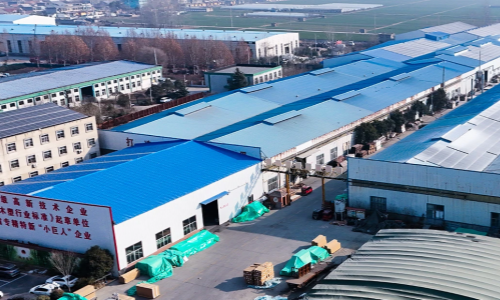
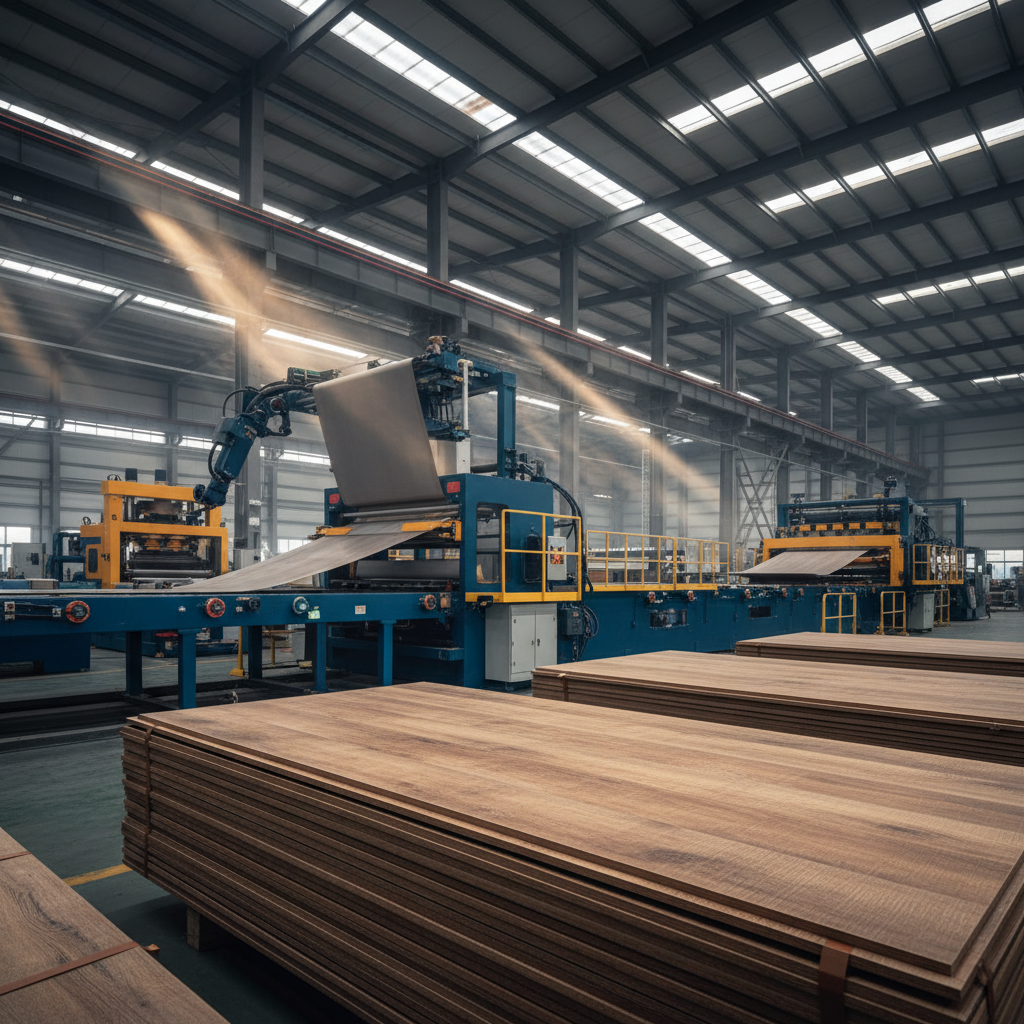
Figure 1: Our automated co-extrusion line ensures consistent capstock bonding and color uniformity, batch after batch.
Built on a Foundation of Trust: Compliance, Certificates & Global Scale
For a multinational corporation or a government agency, a supplier's credentials are as important as the product itself. You are buying risk mitigation. Here is our framework.
1. Uncompromising Quality & Environmental Systems
Our parent company, Shijiazhuang Sothink Trading Co. LTD, operates under a triple-certified management system, verified annually by TÜV. This is the operational backbone that ensures consistency for your orders, large or small.

ISO 9001
ISO 14001

OHSAS 18001
2. Product Compliance for Target Markets
Navigating regional regulations is our responsibility. Our standard exterior panels are pre-certified for major markets. Custom testing for specific regional codes (e.g., Florida Building Code, UK BBA) is available upon request.
- Europe: CE Marking (CPR - Construction Products Regulation). Our panels achieve Class B-s1, d0 for fire performance. Compliant with REACH for SVHC (Substances of Very High Concern).
- North America: ASTM standards for fire (E84), impact (D5420), and weathering (G155). UL 94 V-0 rating for flammability. Meets California Title 24 requirements for cool roofs (when in light colors).
- Australia/New Zealand: Compliant with AS/NZS standards for weathering and fire. Can be tested to relevant Water Efficiency Labelling Scheme (WELS) criteria if needed for integrated systems.
- Sustainability: We provide full Environmental Product Declarations (EPDs) based on ISO 14025. Our panels contain a minimum of 85% recycled content (by weight), verified by independent audit. This directly supports LEED v4.1, BREEAM, and WELL building certification points.
3. Who Trusts Us? A Glimpse of Our Client Portfolio
We supply to contractors, distributors, and direct to developers on projects large and small. While we respect NDAs, here is a representative sample of the types of clients and brands that specify our materials for their projects.
We do not display all client logos publicly per agreement, but references are available for qualified projects upon request.
📌 Critical Compliance Note for EU/UK Buyers: The EU's Construction Products Regulation (CPR) and the UK's UKCA marking require Declaration of Performance (DoP) for all construction products. We provide a complete DoP for our WPC panels, including reaction-to-fire classification (B-s1, d0). Always verify your supplier can provide this document; it is your legal safeguard.
Frequently Asked Questions: From the Procurement Trenches
What is the actual lead time from order to shipment for a full container?
Our standard lead time is 15-20 working days from confirmed order and receipt of deposit. This includes production (10-12 days), quality inspection (2 days), and loading (1-2 days). For standard colors and sizes in our catalog, we often have stock available for immediate shipment. For custom colors or profiles (OEM/ODM), add 7-10 days for mold preparation and color matching.
Can you provide custom lengths and colors? What is the MOQ?
Yes, absolutely. OEM/ODM is a core strength of our factory. We can produce custom lengths up to 6 meters and custom colors based on Pantone or RAL references. The MOQ for custom colors is one 40' HQ container (~20,000 sq m). For standard catalog colors, MOQ is half a container (~10,000 sq m). We also offer a "mix-and-match" service within a single container for distributors wanting a portfolio of colors.
How do you handle logistics and Incoterms? What are the costs to the US/EU port?
We are flexible. Our most common term is FOB Tianjin/Shanghai (or the nearest port to our factory). You appoint your freight forwarder, and we handle all loading and export documentation. We also regularly ship under CIF to major US/EU ports (e.g., Los Angeles, New York, Rotterdam, Hamburg). A typical CIF quote includes ocean freight, insurance, and terminal handling at destination. DAP (Delivered at Place) to your warehouse or job site is also available for a fixed all-in cost. Freight rates fluctuate; we provide a real-time quote with every proforma invoice.
What is your warranty policy, and what does it cover?
We offer a limited 15-year warranty on our exterior panels against:
- **Fading:** More than 30% ΔE color change from original under normal conditions.
- **Structural Failure:** Cracking, splitting, or delamination of the core under normal use.
- **Termite & Rot Resistance:** Guaranteed against fungal decay and termite attack.
This is a material warranty. It does not cover improper installation, acts of God, or surface abrasion from aggressive cleaning. The warranty is pro-rata over the 15-year period. Full warranty document available on request.
How does your pricing compare to timber, fiber cement, and high-pressure laminate (HPL)?
Upfront Material Cost (per sq m, FOB):
- **Ipe/Teak Timber:** $45 - $75+
- **Fiber Cement Panels:** $30 - $50
- **HPL Cladding:** $40 - $65
- **Our WPC Exterior Panel:** $28 - $42 (depending on color & capstock spec)
Total Installed Cost (including sub-frame): Our system often competes directly with or is less expensive than fiber cement when you factor in lighter weight (smaller crane, faster install) and no need for specialized cutting tools. Against timber, the installed cost is typically 20-35% lower, and the lifecycle cost (material + 25 years of maintenance) is 50%+ lower. We provide a detailed TCO (Total Cost of Ownership) calculator for qualified projects.
What Your Peers Are Saying: Verified Project Feedback
Don't take our word for it. Here is recent feedback from project stakeholders in your target regions.

Mark T., Senior Project Manager
"We specified Sothink's WPC for a 120-unit apartment complex in Austin. The GC was skeptical about the hollow-core strength. After wind-load calculations and a mock-up, they were convinced. The panels went up 30% faster than the fiber cement bid we originally had. Two years later, zero callbacks on the facade. The HOA is thrilled they don't have a painting cycle in the budget."

Lisa M., Architectural Technologist
"For a boutique hotel renovation in Bath, UK, we needed a material that met the stringent local planning requirements for 'natural material' appearance but with modern performance. The WPC's texture and matte finish were indistinguishable from local oak in the samples. The client was won over by the EPD and the 85% recycled content claim, which helped secure their Green Key certification. Logistics from China were smoother than expected with Sothink's coordination."

David Chen, Director of Procurement
"As a developer building mid-tier hotels across the Middle East, heat and sand are our biggest enemies. We trialed WPC from three suppliers. Sothink's panels had the best UV test report and the most robust aluminum clip system. The thermal break in the ventilated facade system has made a noticeable difference in our first property in Riyadh. A/C runtime is down by an estimated 1.5 hours per day during peak summer."
Authored By: A Voice from the Factory Floor

James Lin, Technical Director
Shijiazhuang Sothink Trading Co. LTD
"I've spent the last 12 years in extrusion and composite formulation, with the last 7 focused exclusively on WPC for building applications. I've seen the evolution from basic decking boards to sophisticated, certified building products. My goal in writing this is to cut through the marketing noise and give you, the specifier, the hard data you need: water absorption numbers, flexural modulus values, and real installation time studies. We don't just sell panels; we engineer building envelope solutions. If you have a project in the schematic or design development phase, I'm happy to review your specifications and provide material take-offs and performance comparisons. Email me directly for a technical discussion."
 +86 31185293045
 qian@ss711.com





