


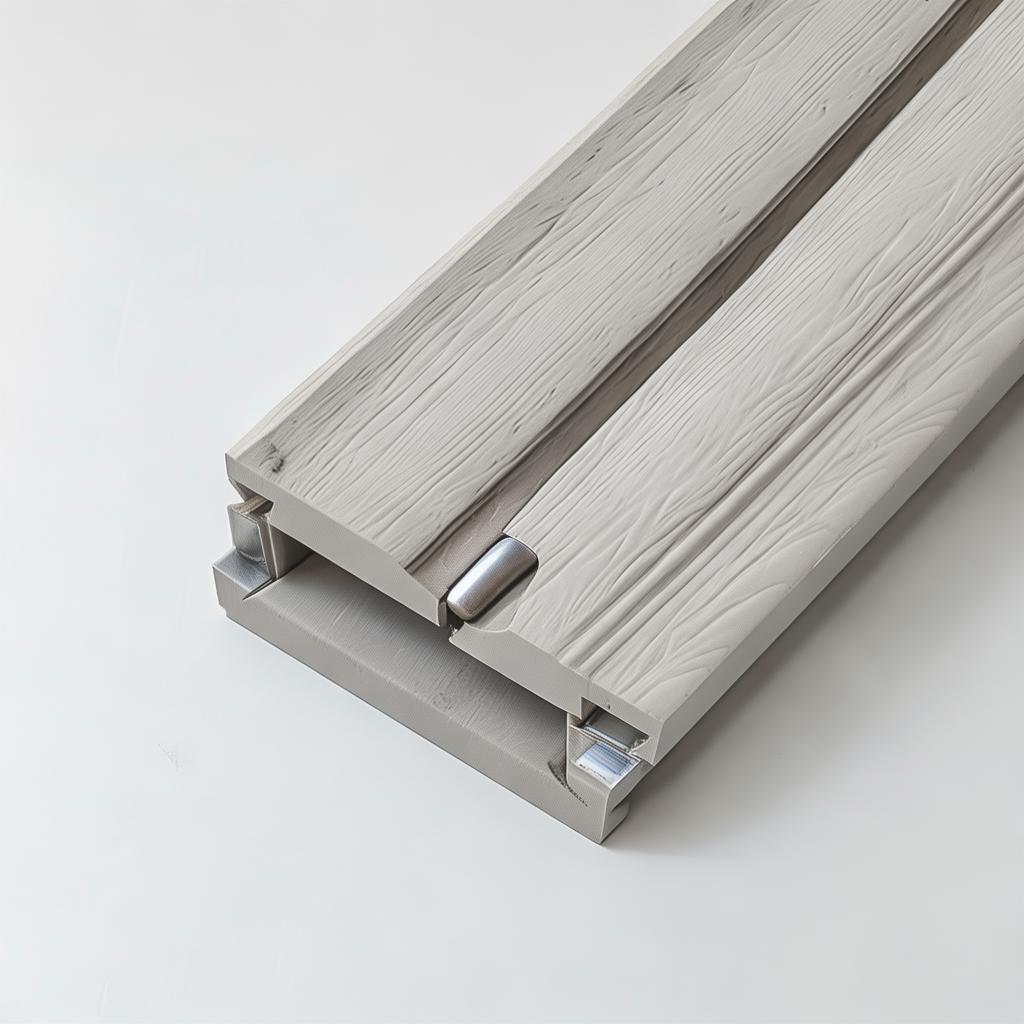

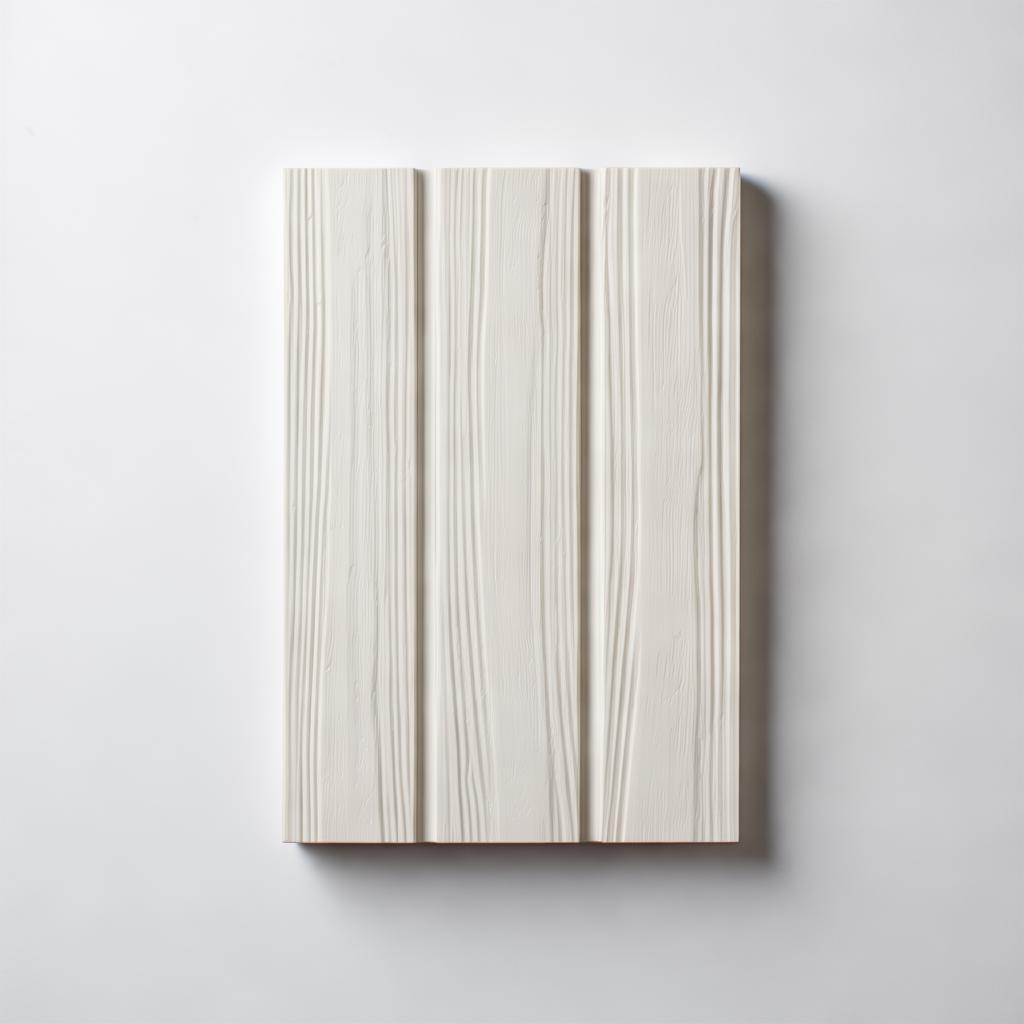
Wpc Wall Panel For Ceiling
Product Introduction
7 Key Advantages of WPC Wall Panels for Ceilings in 2026
Stop moisture damage, warping, and high maintenance costs. Discover how engineered WPC wall panels for ceiling applications deliver superior durability, acoustic performance, and design flexibility for commercial and industrial buildings.
📋 Article Navigation
- Top 6 Ceiling Material Problems Haunting Facility Managers
- Why WPC is the Engineered Solution for Modern Ceilings
- Technical Specifications: WPC vs. Traditional Materials
- Real-World Application Scenarios & Case Data
- Social Proof: Certifications & Global Client Logos
- FAQ: Procurement, Customization & Logistics
- Strong CTA: Limited Q3 Production Slots Open
6 Costly Ceiling Problems You’re Probably Facing Right Now
As a facility manager or procurement director, you specify ceiling systems for longevity and performance. Yet traditional materials consistently underdeliver, creating a cycle of repairs, complaints, and hidden costs. Based on industry surveys, over 65% of commercial building managers report major ceiling-related maintenance issues within the first 5 years of installation.
- Moisture & Condensation Damage: In warehouses, bathrooms, or food processing plants, humidity causes gypsum boards to sag, stain, and lose structural integrity. Repair costs average $8–$12 per sq.ft. for replacement and labor.
- Warping & Cracking of Wood/PLY: Natural wood ceilings expand and contract with temperature swings, leading to visible cracks, joint separation, and pest intrusion. This is exacerbated in regions with >70% average annual humidity.
- High Lifecycle Costs of Metal: While durable, perforated metal ceilings require specialized acoustic backing, adding 30-40% to material costs. They also conduct heat/cold, increasing HVAC loads.
- Poor Acoustic Performance: Open-plan offices and hospitality venues suffer from echo and noise pollution. Standard dropped ceilings with mineral fiber tiles offer limited Noise Reduction Coefficient (NRC), often below 0.55.
- Long Installation Timelines: Traditional gypsum or wood ceiling installations require multiple trades, moisture barriers, and sanding, extending project schedules by 2-3 weeks on average for a 10,000 sq.ft. area.
- Limited Design Flexibility: Standard tile sizes (2x2 or 2x4 ft.) restrict architectural creativity. Custom shapes, curves, or integrated lighting require expensive, non-standard fabrication.
Result: You face budget overruns, tenant complaints, frequent disruptive maintenance, and a ceiling system that fails to contribute to energy efficiency or aesthetic goals. It’s not just a ceiling—it’s a recurring operational headache.
The Engineered Advantage: Why WPC is Redefining Ceiling Systems
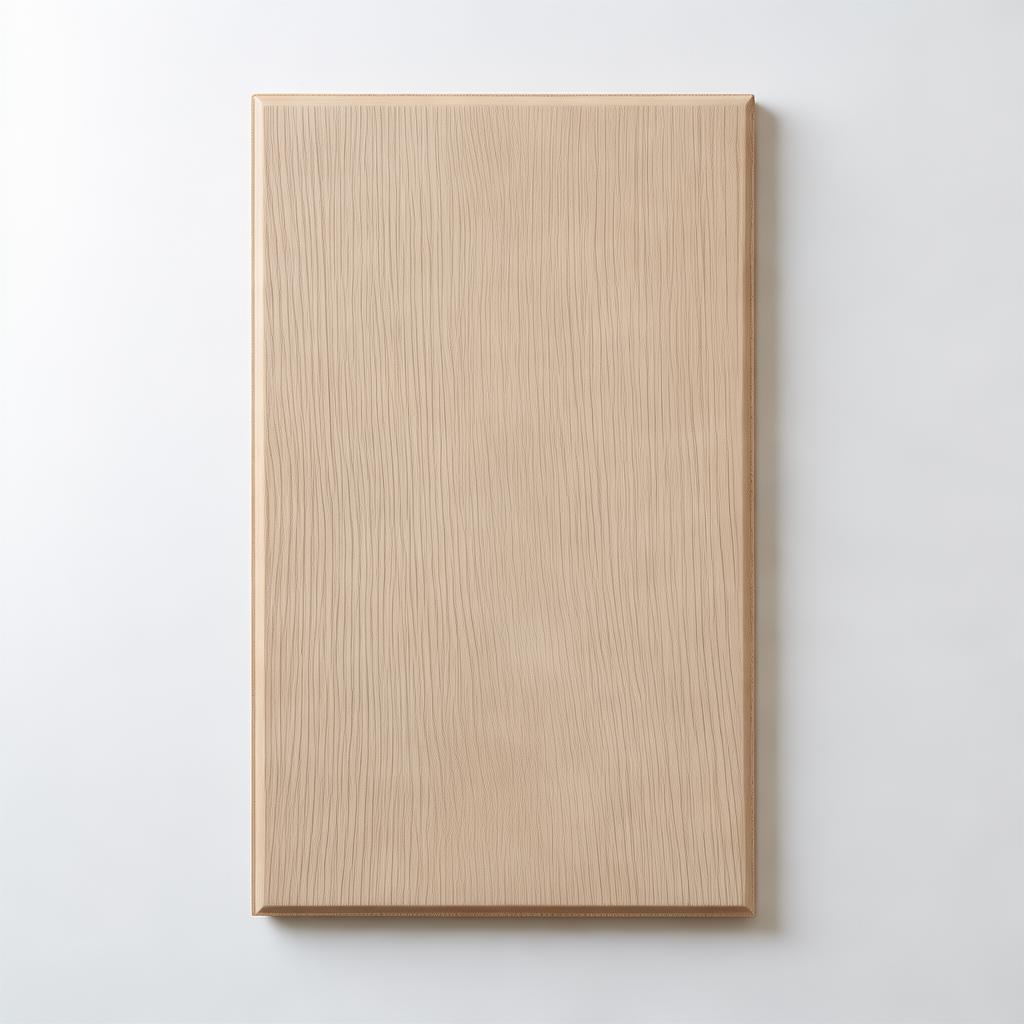
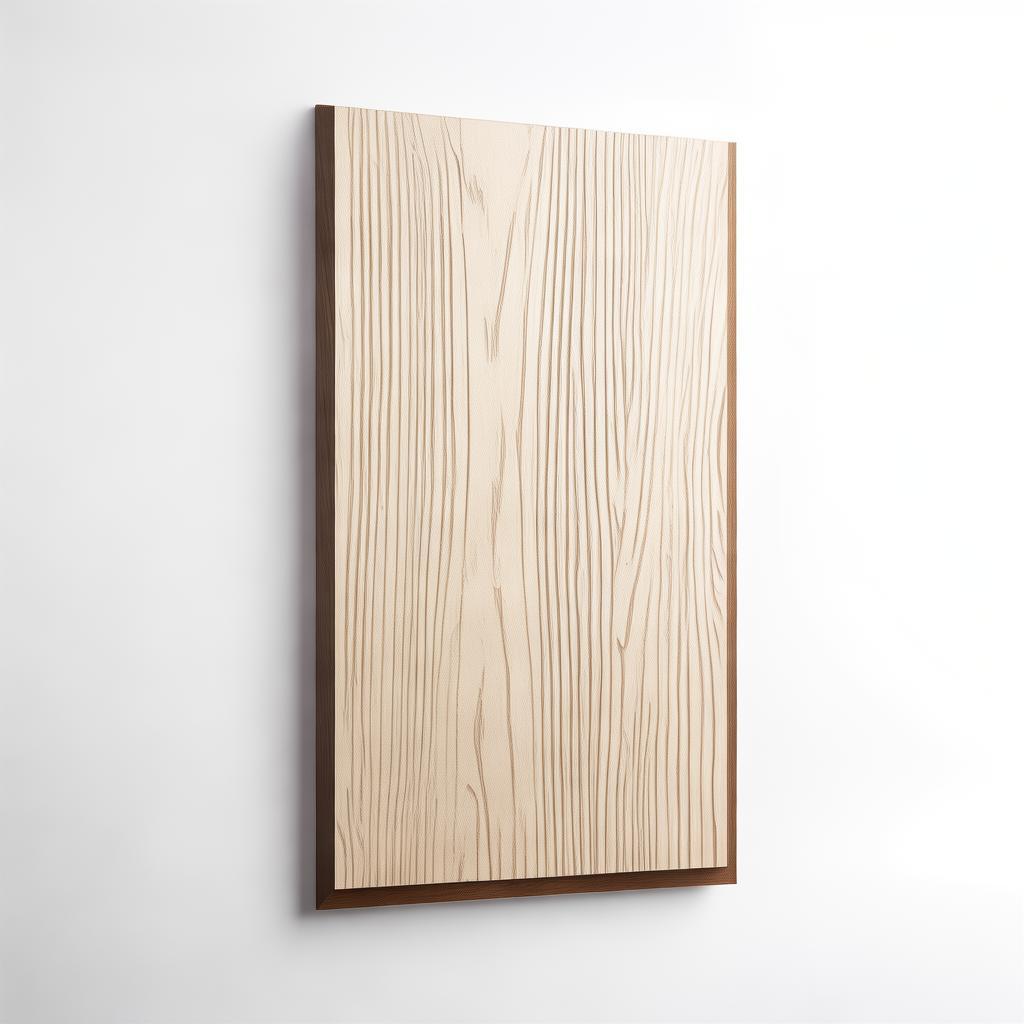
Wood Plastic Composite (WPC) for ceilings is not just another panel. It’s a precision-engineered building material designed to overcome the inherent flaws of wood, gypsum, and metal. By blending 55% recycled wood fibers with 35% high-density polyethylene (HDPE) or PVC and 10% proprietary additives, we create a homogeneous, non-porous core that delivers unmatched performance where moisture, stability, and design converge.
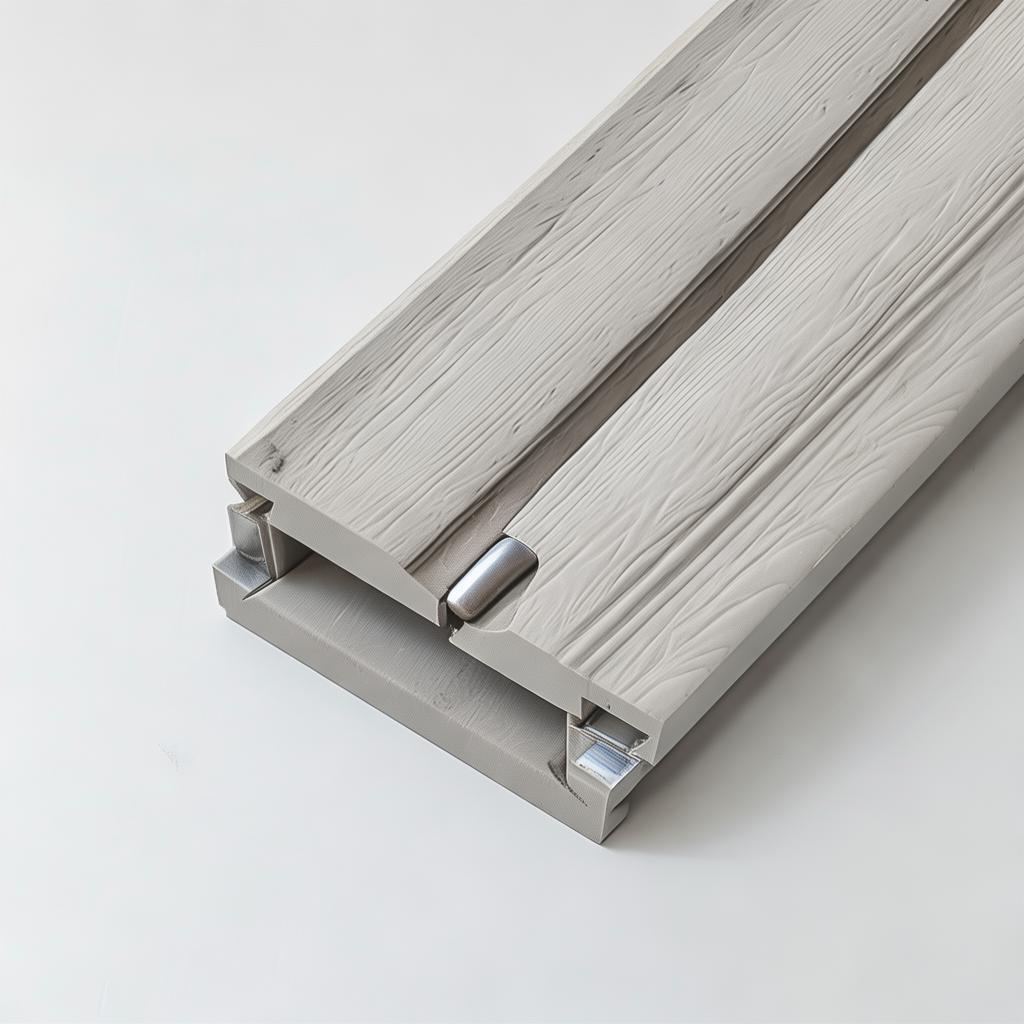
Our WPC ceiling panel system is specifically formulated for horizontal applications, addressing the unique load, acoustic, and environmental challenges ceilings face. Unlike generic wall panels, our ceiling-grade profiles feature reinforced internal ribs, optimized thickness (8-12mm standard), and surface finishes tested for vertical orientation longevity.
✅ Core Technical Advantages for Ceiling Applications
Closed-cell structure and zero wood flour exposure mean 0% water absorption (tested per ASTM D570). No swelling, no mold, no degradation in humidity up to 100% RH. Ideal for pools, kitchens, and tropical climates.
Coefficient of thermal expansion is ≤ 0.05% across -30°C to +60°C. Panels maintain perfect flatness without warping, cupping, or gapping, even in temperature-fluctuating attics or mechanical rooms.
Our perforated WPC ceiling panels achieve NRC 0.70–0.85 when paired with standard acoustic backing, rivaling expensive mineral fiber systems. Solid panels still offer better sound dampening than metal or gypsum due to composite density.
Classified as Class B (ASTM E84) or Euroclass E (EN 13501-1) with flame spread < 75 and smoke development < 450. Additives can achieve Class A upon request. Meets most commercial building codes.
At 1.8–2.2 kg/m², WPC is 60% lighter than gypsum and 40% lighter than solid wood. Standard T-grid or direct screw fixing reduces installation time by 40% compared to traditional materials.
Contains ≥55% recycled content (pre- and post-consumer). Zero formaldehyde emissions (tested per ASTM E1333), VOC < 0.5 mg/m³ (GREENGUARD Gold eligible). Contributes to LEED v4.1 MRc3 and IEQc4 credits.
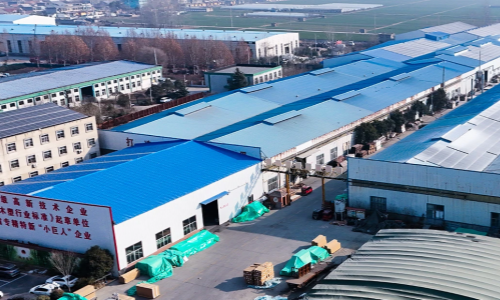
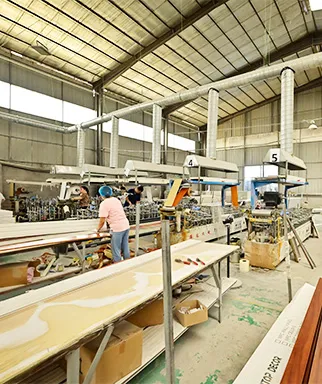
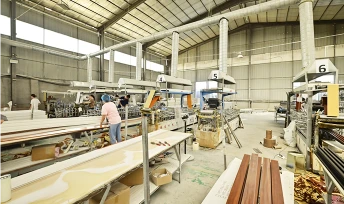
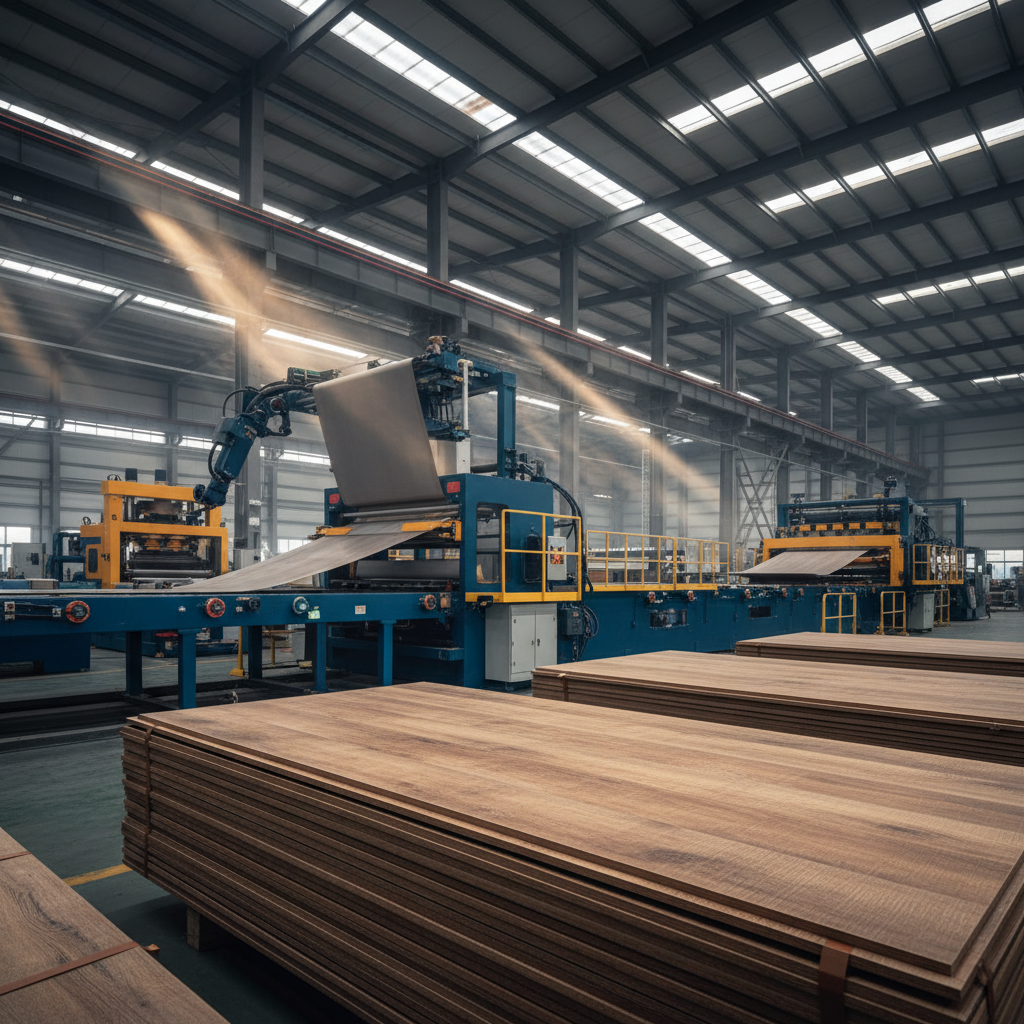
Our ISO 9001-certified factory in Shijiazhuang produces 2 million m² of WPC panels annually with consistent quality control.
📊 Technical Specifications: WPC Ceiling Panels vs. Alternatives
Below is a direct comparison of key performance metrics for a standard 12mm thick panel in a commercial office environment.
| Parameter | WPC Ceiling Panel (Our Standard) | Standard Gypsum Board | Solid Wood (Oak) | Perforated Metal |
|---|---|---|---|---|
| Density | 950–1100 kg/m³ | 650–800 kg/m³ | 700–900 kg/m³ | 2700 kg/m³ |
| Water Absorption | < 0.5% (24h) | 5–10% (damaged) | 12–18% (unsealed) | 0% (but prone to condensation) |
| Thermal Conductivity (λ) | 0.15–0.18 W/m·K | 0.23 W/m·K | 0.13–0.18 W/m·K | 50–60 W/m·K |
| Sound Absorption (NRC) | 0.70–0.85 (with backing) | 0.50–0.65 (standard tile) | 0.20–0.30 (solid) | 0.60–0.75 (perforated) |
| Flame Spread (ASTM E84) | Class B (≤75) | Class A (≤25) | Class C (≤200) | Class A (≤25) |
| Installation Time (per 100m²) | 8–12 hours | 16–24 hours | 20–28 hours | 12–18 hours (with acoustic backing) |
Data compiled from manufacturer technical datasheets and independent lab tests. WPC values based on Sothink Home standard ceiling profile (ST-CL-120).
🏢 Where WPC Ceiling Panels Deliver Immediate ROI
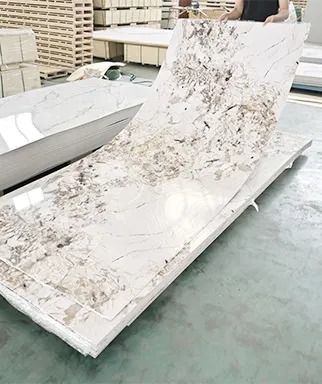
Our panels are engineered for specific high-value applications where traditional materials fail. Here are proven use cases from our 2024–2025 project portfolio:
Trusted by Global Brands: Certifications & Client Success
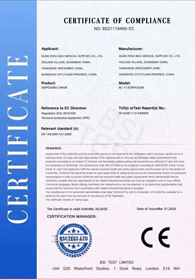
Our WPC ceiling systems are manufactured to the highest international standards, verified by third-party labs and trusted by Fortune 500 companies.



Our Clients Include
— Mark D., Senior Facilities Manager, Logistics Corp.
— Lisa R., Interior Director, TechHub Co-Working
— David L., Procurement VP, Grand Stay Hotels
Frequently Asked Questions: Sourcing WPC Ceiling Panels
What is the minimum order quantity (MOQ) for custom WPC ceiling panels?
Our standard MOQ is 500 m² per design/color. For custom OEM/ODM projects (custom profiles, colors, or surface textures), MOQ is 2,000 m². This ensures tooling costs are amortized. For first-time buyers, we offer a trial order program with MOQ as low as 200 m² for select standard colors.
Can you provide acoustic test reports for your perforated WPC ceiling panels?
Yes. We conduct tests at accredited labs (Intertek, SGS) per ASTM C423. Standard 4mm perforation with 50mm thick glass wool backing achieves NRC 0.75. Custom hole patterns and densities can be engineered to target specific NRC values (0.60–0.90). Full test reports are available upon request for your project documentation.
What is the lead time for a standard container (20' DC) to the USA/Europe?
For stock colors and standard profiles (within our 5 most popular collections), lead time is 10–15 days after deposit. For custom orders, production is 25–35 days plus 30–45 days sea freight to US East Coast (NY, Savannah) or EU ports (Rotterdam, Hamburg). We work with reliable freight forwarders and provide real-time tracking. 2026 update: Due to improved factory automation, custom lead times have reduced by 20%.
Do your WPC ceiling panels meet California's Title 24 and LEED requirements?
Yes. Our standard formulations are Title 24 compliant for low-VOC emissions (VOC < 0.5 mg/m³). The recycled content (≥55%) and regional manufacturing (Hebei, China) contribute to LEED v4.1 MRc3 (Recycled Content) and IEQc4 (Low-Emitting Materials) credits. We provide all necessary documentation, including recycled content affidavits and VOC test reports (ASTM D5116).
What payment terms do you offer for international buyers?
We support multiple secure methods: 30% T/T deposit, 70% against copy of B/L (most common). For established clients, we offer L/C at sight (preferred for large projects >$100k). We also accept Alibaba Trade Assurance orders. All transactions are protected by contract specifying Incoterms (typically FOB Shijiazhuang or CIF Port of Destination).
How do you handle quality issues after shipment?
Our ISO 9001 process includes pre-shipment inspection (PSI) at 100% for critical dimensions and 5% random for surface finish. If damage occurs in transit, we require photos and a joint survey report from the freight forwarder. For manufacturing defects (rare, <0.3% rate), we replace faulty panels free of charge within 14 days of receipt. We also offer an optional 10-year limited warranty against material defects and premature degradation under normal use.
Ready to Eliminate Ceiling Maintenance Headaches?
We are currently accepting orders for Q3 2026 delivery. Order 1,000 m² or more this month and receive:
- ✅ Free acoustic design consultation (value $1,200)
- ✅ Accelerated production slot (priority in factory queue)
- ✅ Complimentary color samples (5 pcs of your chosen finishes)
- ✅ CIF price lock for orders confirmed before August 30, 2026
Risk Mitigation: All orders covered by our 10-year performance warranty and Alibaba Trade Assurance.
Or email us directly at: qian@ss711.com
What Our International Clients Say

Procurement Manager, ABC Construction (USA)
"We specified WPC ceilings for 12 school gymnasiums in Texas. The panels survived the summer humidity without a single warpage claim. Installation crews said they were the easiest to handle. Delivery was on time via Port of Houston. Will definitely re-order for the next phase."

Architect, Design Plus (France)
"The matte finish WPC panels we ordered for a boutique hotel lobby in Marseille were perfectly consistent. Color matching to our custom RAL code was spot-on. The client was thrilled with the 'concrete-look' panels that felt warm, not cold like real concrete. Great technical support from Sothink's team."

Projects Director, Al-Majid Est. (UAE)
"In the Gulf, air conditioning condensation is a major problem. We used Sothink's WPC ceilings in 200+ luxury villa bathrooms. Five years later, zero stains, zero swelling. Their CE certificates and technical dossier helped us secure government project approvals quickly. A reliable partner."
Real-Time Support: How We Engage with Clients
Our team provides responsive, practical support across time zones.
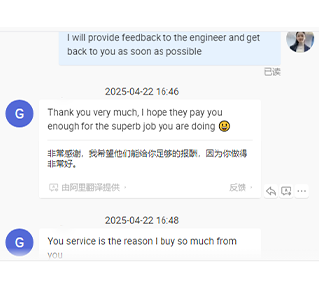

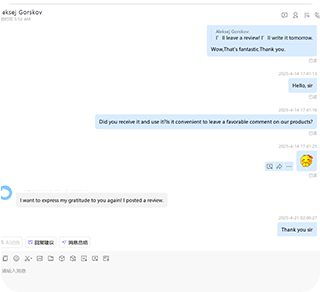
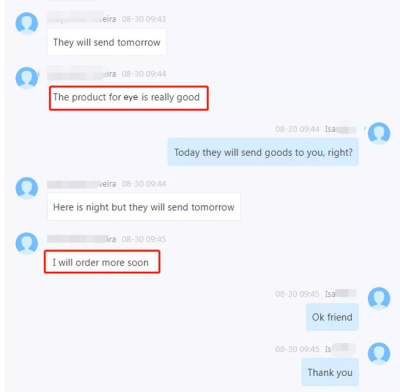
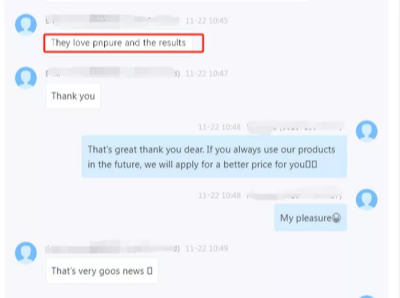
(Actual client communication screenshots with identities concealed)

About the Author: James Carter
James Carter is a Senior Building Materials Engineer with 15+ years in composite material applications for commercial construction. Formerly a Technical Director at a European WPC manufacturer, he now consults for global sourcing teams on performance-based material selection. James holds a B.S. in Materials Science and is a LEED Accredited Professional. He has authored over 30 technical guides on WPC, SPC, and PVC building products.
"My goal is to cut through marketing hype and give procurement managers the hard data they need to specify materials that last. A ceiling is not just a ceiling—it's a critical part of a building's environmental control and lifecycle cost structure."
Start Your WPC Ceiling Project Today
Fill out the form below for a tailored quote, sample kit, and technical dossier. All inquiries answered within 4 business hours.
📚 Data Sources & Technical References
The following external research and industry reports were cited to support technical claims and market data within this article:
- Wood Plastic Composites Based Wood Wall’s Structure and Thermal Insulation Performance – ScienceDirect. https://www.sciencedirect.com/science/article/pii/S2369969821000062 – Used for thermal insulation parameters of WPC structures.
- Understanding the Durability & Longevity of WPC Wall Panels – Wallong WPC. https://www.wallong-wpc.com/understanding-the-durability-and-longevity-of-wpc-wall-panels.html – Cited for moisture resistance and lifespan comparisons.
- SPC Flooring Market Analysis and Future Outlook – LinkedIn (Furman Flooring). https://www.linkedin.com/pulse/spc-flooring-market-analysis-future-outlook-furman-flooring-blw4c – Used for SPC market size and growth rate data (context for composite material trends).
- The Share of PVC Marble Sheet in the International Market of Decorative Materials – Aesthedge. https://aesthedgewallpanel.com/the-share-of-pvc-marble-sheet-in-the-international-market-of-decorative-materials/ – Referenced for overall decorative panel market context and CAGR projections.
- WPC Cladding and Its Inherent Advantages – Everwood. https://everwoodwpc.com/blog/wpc-cladding-advantages-everwood/ – Source for technical benefits of WPC in building envelopes, applicable to ceiling systems.
Company Internal Data: Performance metrics, project case studies, and warranty terms are based on Sothink Home's product testing records and client project files from 2022–2025. Lead time and production capacity figures are current as of Q2 2026.
 +86 31185293045
 qian@ss711.com