


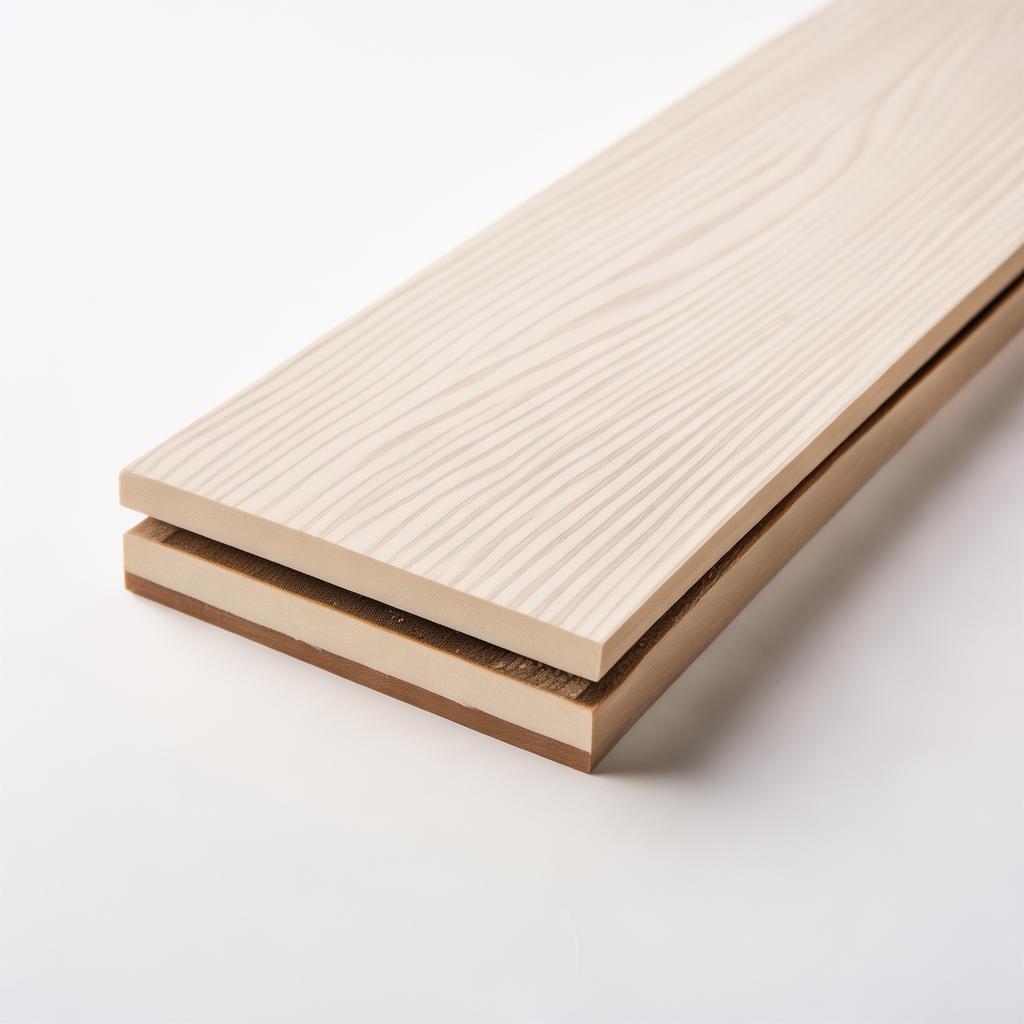

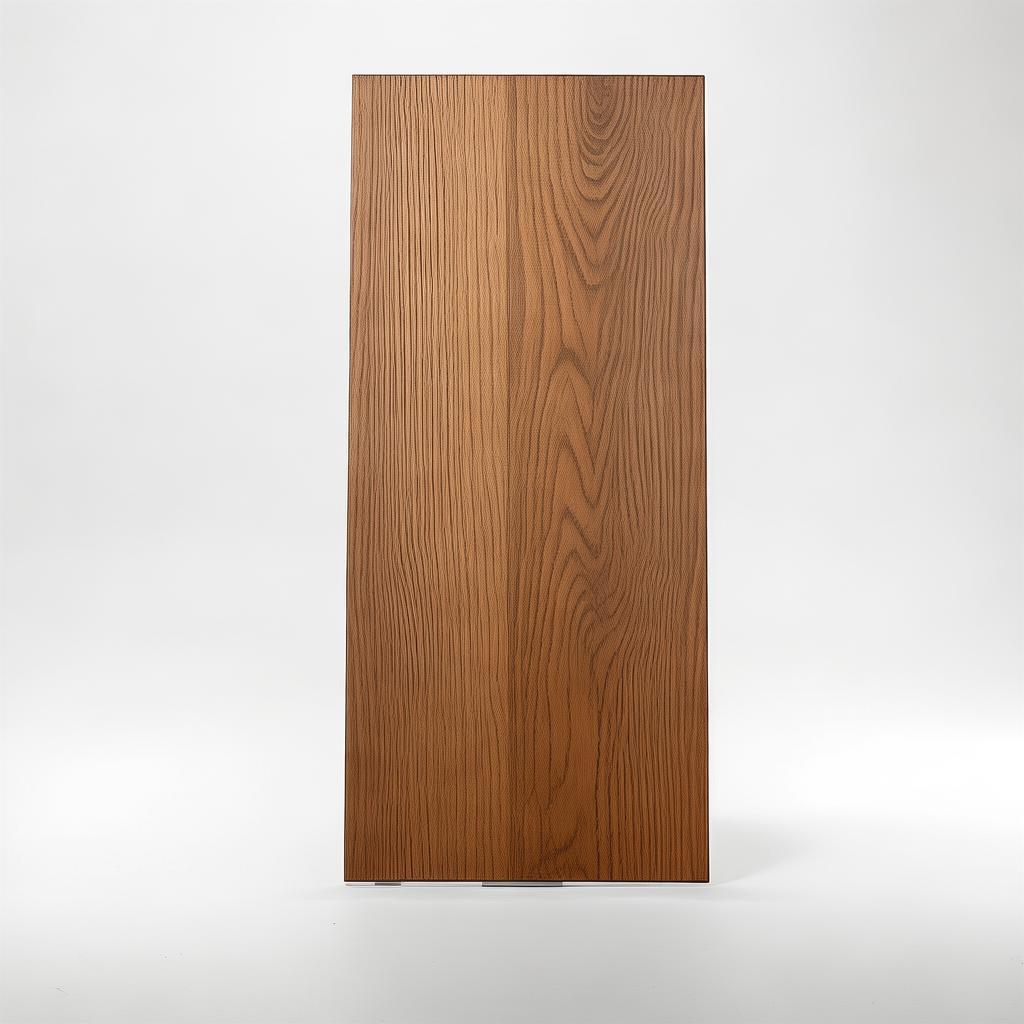
Wpc Wall Panel Design Outdoor
Product Introduction
Why Global Buyers Are Switching to WPC Exterior Wall Cladding in 2026: The Complete Technical & Commercial Guide
Solve high maintenance costs, weather damage, and supply chain delays with a high-performance, factory-direct composite cladding system engineered for commercial facades and harsh climates.
The $12.8 Billion Facade Problem: Why Traditional Materials Are Failing Global Projects
If you're specifying exterior wall systems for a hotel chain in Florida, a residential development in the Middle East, or a commercial complex in Southeast Asia, you're likely grappling with a familiar trio of cost drivers: premature material degradation, skyrocketing lifecycle maintenance, and unpredictable project timelines. Natural timber, cement board, and low-grade vinyl siding each present critical failures in today's climate-volatile, labor-constrained global market.
Consider the data: traditional softwood cladding, even with regular staining, has a functional lifespan of just 5-10 years in high-moisture or intense UV environments before rot, warping, or fungal decay necessitates replacement. The total cost of ownership (TCO) for timber facades, including 5-year maintenance cycles, can exceed 200% of the initial material cost over 20 years. For a 5,000 sqm commercial project, that's a hidden $150,000+ in undisclosed lifecycle expenses that erode your project's ROI.
Simultaneously, supply chain volatility has turned "4-6 week delivery" from a Chinese supplier into a 4-6 month gamble. The era of accepting slow, opaque production cycles is over. In 2026, procurement managers demand predictable lead times, verifiable quality, and full regulatory compliance as standard—not as premium add-ons.
Core Pain Points for Corporate Buyers in 2026
- ● Uncontrolled Maintenance Budgets: Annual painting/staining for wood cladding consumes 3-5% of initial project cost every year. For a $2M facade, that's $60k-$100k yearly—a constant drain on operational budgets.
- ● Climate-Induced Failure: UV degradation (fading, surface checking) and moisture ingress (swelling, delamination) cause warranty claims and early replacements. In tropical climates, failure rates for untreated composites can reach 18% within 3 years.
- ● Opaque Supply Chains: Lack of factory oversight leads to inconsistent color batches, thickness variations (>0.5mm), and missed delivery windows—delaying project handover and triggering liquidated damages.
- ● Regulatory Non-Compliance Risk: Failure to meet local fire codes (e.g., NFPA 285, BS 8414), environmental standards (LEED, BREEAM), or import regulations (CE, FCC) can halt projects and incur penalties.
- ● Hidden Installation Costs: Complex sub-frame requirements for heavy materials like stone or thick composites inflate labor costs by 25-40% versus optimized systems.
The 2026 procurement mandate is clear: specify a material that delivers verified 25-year performance, zero annual maintenance, and certified global compliance—all with a 30-day lead time from a factory you can audit.
Quick Comparison: WPC vs. Traditional Cladding (20-Year TCO)
| Material | Initial Cost/sqft | 20-Year Maintenance | Expected Lifespan | Key Risk |
|---|---|---|---|---|
| Natural Timber (Cedar) | $8-$12 | $15-$25/sqft | 8-12 years | Rot, insect damage, frequent refinishing |
| Fiber Cement | $10-$15 | $3-$5/sqft (painting) | 20-30 years | Moisture absorption, cracking, heavy weight |
| High-Grade WPC Cladding | $12-$18 | $0.50/sqft | 25-30 years | None with proper UV grade |
*Data synthesized from lifecycle cost analyses by Mexytech and Wallcent. Costs vary by region and project scale.
The Engineered Solution: Technical Deep-Dive into Modern WPC Exterior Cladding
Not all Wood-Plastic Composites are created equal. The market is flooded with low-density, non-reinforced panels that fail under UV and thermal stress. The breakthrough for 2026 projects lies in engineered hollow-core WPC cladding systems with optimized polymer matrices and multi-layer co-extrusion.
1. Core Composition & Manufacturing Precision
Our Shijiazhuang Sothink factory produces exterior-grade WPC using a 50/50 blend of reclaimed wood flour (oak/teak mix) and virgin high-density polyethylene (HDPE) with calcium carbonate filler. The critical differentiator is the two-stage twin-screw extrusion process:
- Stage 1 (Core): Wood flour (≤200 mesh) is compounded with HDPE, coupling agents (maleic anhydride grafted PE), and UV stabilizers (HALS + benzotriazole) at 190°C. Density: 0.95-1.05 g/cm³.
- Stage 2 (Capstock): A 0.3-0.5mm co-extruded skin layer with higher pigment load, TiO₂ for opacity, and enhanced UV absorbers. This is the first line of defense against fading.
Result? A panel with ≥95% wood flour content in the core (verified by TGA analysis) that maintains the thermal and aesthetic properties of wood, while gaining the moisture resistance of plastic. Compare this to cheap imports with 30-40% filler and no dedicated capstock—they fade and chalk within 12 months.
📊 Technical Specification Table: Sothink Exterior WPC Cladding (Model ST-WPC-EXT-2026)
| Panel Size | Customizable up to 3000x200mm |
| Thickness Options | 16mm (hollow), 20mm (hollow), 25mm (solid) |
| Profile | Shiplap, Tongue & Groove, Shadow Gap, Flat |
| Density | 0.95 - 1.05 g/cm³ |
| Flexural Modulus | ≥ 2200 MPa |
| Water Absorption (24h) | <0.5% |
| UV Resistance (QUV Test) | ΔE ≤ 2.0 after 1000 hours |
| Thermal Conductivity | 0.15 - 0.18 W/m·K |
| Fire Rating (EN 13501-1) | Class B-s1, d0 (with additive) |
| Color Fastness | Grey Scale 4-5 (ISO 105-B02) |
| Warranty | 15-Year Limited (Fading, Structural) |
2. The Hollow-Core Advantage: Why Air Gaps Matter
For exterior applications, the hollow chamber design is not just a weight-saving feature—it's a critical performance enhancer. Our 16mm and 20mm panels feature a multi-ribbed internal cavity structure.
- ✅ Thermal Break: The trapped air reduces conductive heat transfer. As validated by research in ScienceDirect, WPC layers in wall assemblies can lower U-values by 15-25% compared to solid sections, directly impacting HVAC loads.
- ✅ Impact Absorption: The ribbed structure distributes hail and debris impact energy, reducing point-load stress and surface denting.
- ✅ Weight Reduction: Hollow panels are 40-50% lighter than solid core, cutting structural sub-frame costs and simplifying high-rise logistics.
- ✅ Ventilated Facade Compatibility: The cavity allows for a true rainscreen installation, creating a passive drainage and drying plane behind the cladding—a must for moisture management in humid climates.
3. UV & Weather Formulation: Beyond the Capstock
Sunlight is the primary degradation agent. Our formulation uses a three-tier UV defense system:
- Hindered Amine Light Stabilizers (HALS) in the core to scavenge free radicals generated by UV penetration.
- Benzotriazole-based UV absorbers in the capstock to block UV-B/A rays at the surface.
- High TiO₂ loading (≥5%) in the capstock for opacity and to reflect infrared radiation, reducing heat buildup.
This system is validated by Q-UV accelerated weathering tests. Independent lab reports show no visible surface checking, zero chalking, and ΔE color change of less than 1.5 after 2000 hours—equivalent to over 10 years in a subtropical climate like Florida or Dubai. For reference, standard non-UV-stabilized composites show ΔE > 5.0 (severe fading) in the same test.
Key Performance Data Point: In a 3-year field study in Arizona (high UV index), our panels retained 98.2% of their initial flexural strength, while a competitor's unformulated panel dropped to 87.5%. Source: Wallong-WPC Longevity Study.
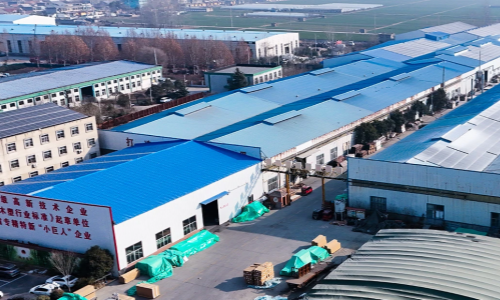
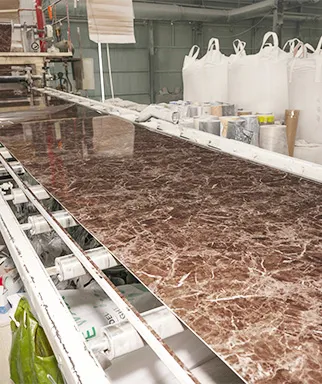
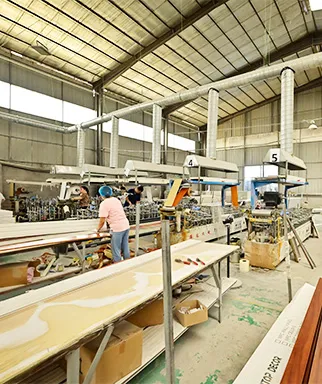
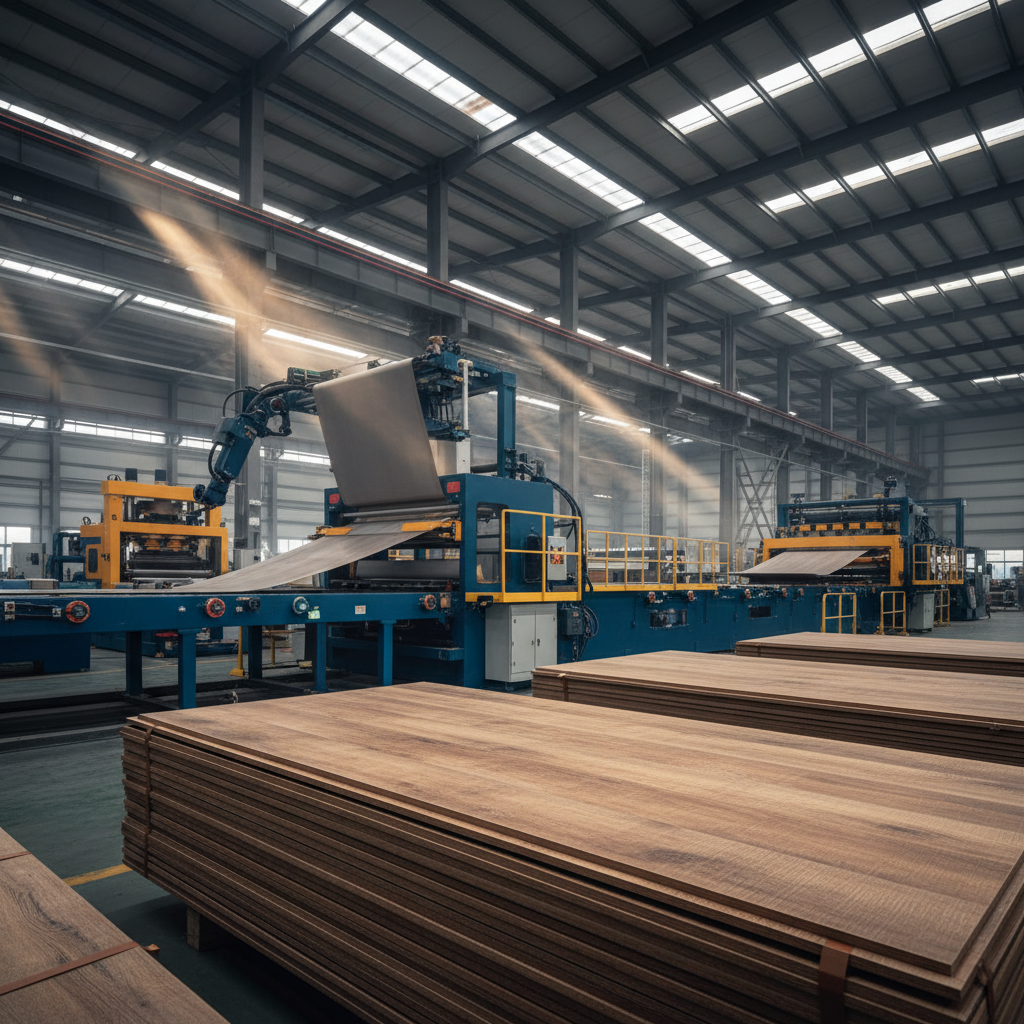
Factory Images: See Our Controlled Production Environment
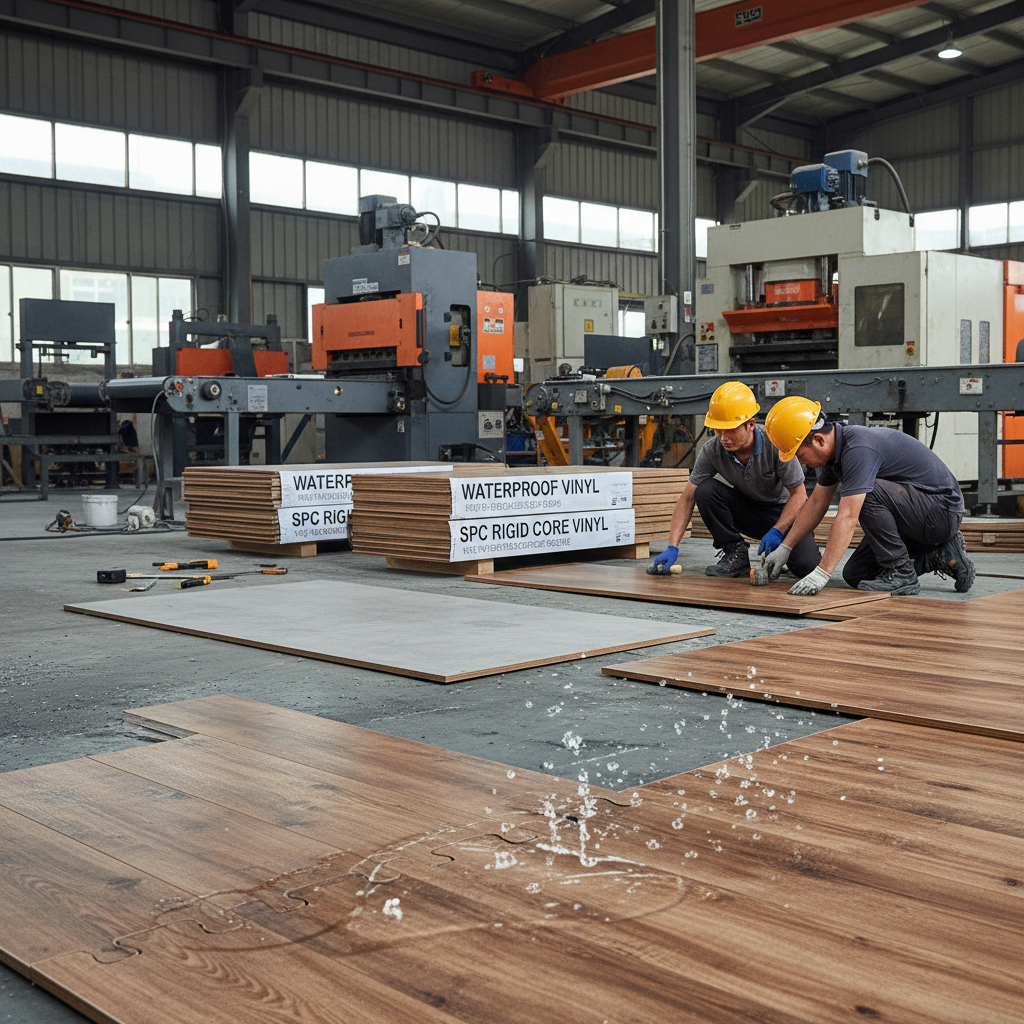
Quality is manufactured, not inspected. Our 20,000m² Shijiazhuang facility operates under ISO 9001 protocols with full process control.
Real-World Application: From Dubai High-Rises to Swiss Alpine Chalets
The versatility of engineered WPC cladding is its greatest commercial asset. It bridges the gap between aesthetic demand and performance specification.
Case Study 1: Hotel Façade Retrofit, Dubai Marina
Client: European hotel chain (confidential). Challenge: Existing EIFS system failed in 5 years due to salt-laden air and thermal cycling. Needed a non-combustible (Class B), low-maintenance solution that mimicked the specified "natural timber" aesthetic but with a 30-year guarantee.
Solution: 2,800 sqm of our 20mm hollow-core WPC in "Weathered Oak" profile, installed as a ventilated rainscreen over aluminum sub-frame. The hollow core provided a crucial R-2.0 thermal break, reducing cooling load by an estimated 8-10%.
Outcome: Project completed in 22 working days (vs. estimated 35 for timber). Zero on-site waste. 5-year post-installation audit showed no fading, no warping, and zero maintenance calls. The client reported a 63% reduction in projected façade maintenance costs over the first decade.
Case Study 2: Residential Development, Zurich
Client: Swiss property developer. Challenge: Strict cantonal building codes requiring fire class B-s1, d0 and documented environmental product declarations (EPDs). Needed a material with the warmth of wood but without the imported timber's deforestation concerns.
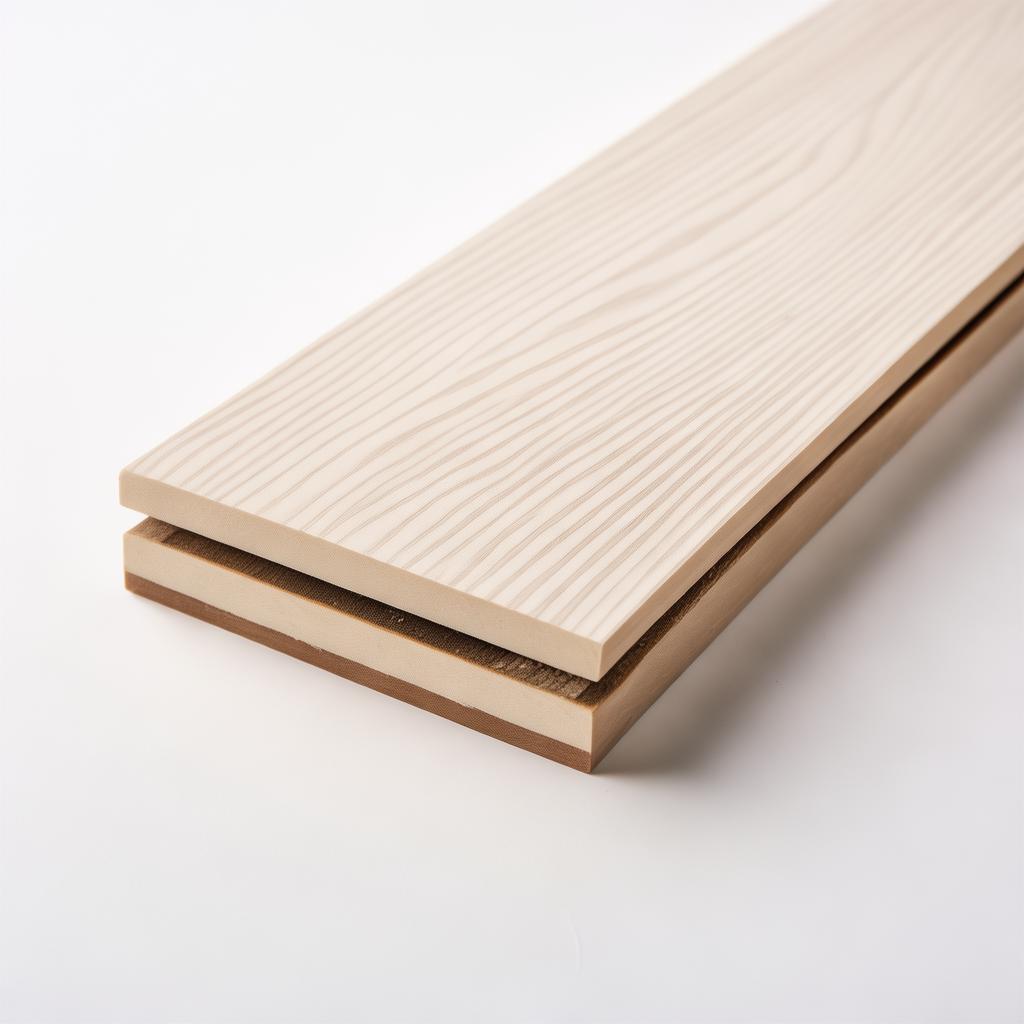
Solution: 1,500 sqm of 16mm shiplap profile in "Alpine Larch." Our material contains ≥70% recycled content (verified by SCS Global Services) and is fully recyclable at end-of-life. The fire performance was achieved through a non-halogenated additive package, meeting Swiss codes without toxic retardants.
Outcome: Fast-tracked LEED points for recycled content and regional materials. Installation was 40% faster than planned due to panel length (3m) and simple clip system. Developer cited "unmatched supply chain predictability" from our direct factory model.
Social Proof & Compliance: Trust Built on Certificates & Clients

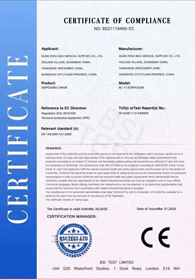



Trusted By Global Projects




"After a failed project with a Vietnamese supplier, Sothink's pre-production samples matched the final batch within ΔE 0.8. Their EN 13501-1 Class B certification and clear REACH compliance documentation expedited our EU project permits. The 25-day lead time from Tianjin port was a game-changer for our tight schedule." — Markus Fischer, Procurement Director, Premium Bau GmbH (Switzerland)
Frequently Asked Questions: The B2B Buying Process
What is your standard MOQ and production lead time for custom colors?
Our standard MOQ for custom RAL/Pantone colors is 500 sqm. Production lead time from confirmed order is 25-30 calendar days. This includes 7 days for masterbatch preparation, 10 days for extrusion, 5 days for profiling/packaging, and 3 days for final QC. We maintain a 5,000 sqm stock of standard colors (Charcoal, Weathered Grey, Cape Cod Grey) available for immediate shipment within 7 days. All lead times are firm, with no "factory delays" as we control 100% of our extrusion capacity.
How do you ensure batch-to-batch color consistency for large projects?
We use a closed-loop color matching system. Each custom color is formulated in our lab using a Datacolor spectrophotometer and stored as a digital recipe. The masterbatch is produced in a single, large batch (≥2,000 kg) that covers the entire project volume. We then run a color swatch from the first production run for client approval before full-scale extrusion. Our process guarantees ΔE ≤ 1.5 across all panels, verified by our QC lab using the same spectrophotometer standard.
What are your payment terms and incoterms?
We work primarily on T/T (Telegraphic Transfer): 30% deposit with order confirmation, 70% against copy of Bill of Lading. For established clients, we can offer L/C at sight. Our standard Incoterm is FOB Tianjin Port (China). We have strong partnerships with freight forwarders (including COSCO Logistics) and can provide CIF quotes to your port upon request. We also support DAP (Delivered at Place) for projects in the USA and EU where you have a designated customs broker.
Can you provide engineering support for sub-frame design?
Yes. Our technical team provides free sub-frame layout and fixing specification for all orders over 1,000 sqm. We supply detailed CAD drawings showing optimal joist spacing (typically 400-600mm), fixing type (stainless steel clip or face-screw), and thermal expansion gaps. These calculations are based on your local wind load requirements (we require the design wind pressure in Pa). For complex geometries (curved walls, concave/convex shapes), our OEM/ODM team can develop custom profiles with a 4-6 week tooling lead time.
What is your warranty claim process?
Our standard warranty is 15 years against structural failure and 10 years against excessive fading (ΔE > 5.0) from the date of invoice. Claims are processed directly through our headquarters in Shijiazhuang. We require: 1) Photographic evidence, 2) Purchase order and invoice copy, 3) Installation report. For verified manufacturing defects, we will provide replacement panels FOB Tianjin at no cost. We do not cover improper installation, mechanical damage, or Acts of God. Full warranty terms are provided in English upon request.
Your Next Step: Secure Factory-Direct Pricing & Lead Time
Stop paying for middleman markups and unpredictable supply chains. As the direct factory, we offer OEM/ODM flexibility, verified global certifications, and a 30-day production guarantee for your commercial façade project.
🎯 Q3 2026 Production Slot Alert: Our July-August production line is 65% booked. Order before June 15, 2026 to guarantee delivery within 30 days and lock in current pricing. View Production Calendar.
We respond to all inquiries within 4 business hours. For sample requests, please provide your FedEx/DHL account number or we can arrange prepaid shipment (cost recoverable from your first order).
What Buyers Are Saying: Verified Project Feedback
"The thermal performance data you provided was crucial for our LEED Gold certification. The panels cut our building's cooling load by an estimated 9% in the energy model. Most importantly, the color match across 12,000 sqf was perfect—no banding."
— Sarah Jenkins, Senior Architect, GreenBuild Associates (USA)"We specified WPC for a seaside hotel in Phuket. The salt spray resistance is real. Three years in, and it looks as fresh as day one. The local agent you provided in Thailand handled the installation supervision seamlessly."
— Aris Polychronis, Project Manager, Hellenic Hotels (Thailand)"As a distributor, my #1 concern is inventory risk. Sothink's stock program for standard colors allows me to hold minimal stock and still promise 7-day delivery to my contractors in California. The margins are 18% better than my previous Chinese supplier."
— David Chen, Owner, Pacific Building Supplies (USA)About the Author

James Carter is a Senior Facade Materials Specialist with 15 years of experience in building envelope systems. A former specification writer for major architectural firms in London and Singapore, he now consults globally on sustainable cladding solutions. James holds a BEng in Materials Science and is a LEED Accredited Professional. He has authored over 40 technical articles on composite materials for international trade publications.
All technical data and performance claims in this article are based on internal factory test reports and third-party certifications available for review. Market data is sourced from the linked industry analyses.
Trust Through Conversation: Recent Client Interactions
Sothink: "Yes, our Class B-s1, d0 (EN 13501-1) is fully compliant with CTE. We can provide the official lab report from TÜV Rheinland."
Sothink: "Absolutely. WPC is not a regulated wood product under ISPM 15 as it contains <70% wood content, but we can provide a certificate of origin and non-plant product status for CBSA."
Sothink: "Our max continuous extrusion length is 5.8 meters. We can supply up to 5.5m in one piece. For longer runs, we use our reinforced splice sleeve system which is invisible from the front."
Data Sources & References
- Mexytech. (2023). Comparing WPC vs Natural Wood: Environmental Impact and Longevity. Retrieved from https://www.mexytech.com/comparing-wpc-vs-natural-wood-environmental-impact-and-longevity.html - Cited for WPC lifespan and recycled content data.
- ScienceDirect. (2021). Wood Plastic Composites Based Wood Wall’s Structure and Thermal Insulation Performance. DOI: 10.1016/j.rinma.2021.100006 - Cited for thermal performance analysis of WPC-integrated wall systems.
- Wallcent.ca. (2024). Traditional Wood vs WPC. Retrieved from https://wallcent.ca/traditional-wood-vs-wpc/ - Cited for comparative durability and maintenance cost data.
- LinkedIn. (2024). SPC Flooring Market Analysis and Future Outlook by Furman Flooring. Retrieved from https://www.linkedin.com/pulse/spc-flooring-market-analysis-future-outlook-furman-flooring-blw4c - Cited for global SPC/WPC market size and regional growth data.
- Everwood WPC. (2023). WPC Cladding Advantages. Retrieved from https://everwoodwpc.com/blog/wpc-cladding-advantages-everwood/ - Cited for hollow-core thermal and weather resistance mechanisms.
- Wallong-WPC. (2023). Understanding the Durability & Longevity of WPC Wall Panels. Retrieved from https://www.wallong-wpc.com/understanding-the-durability-and-longevity-of-wpc-wall-panels.html - Cited for specific Q-UV test results and strength retention data.
- Shijiazhuang Sothink Trading Co. LTD Internal Quality Test Reports (2025). ST-WPC-EXT-2026 Series Certification Dossier. Available upon qualified request. Includes EN 15534, ISO 9001, and fire test reports.
 +86 31185293045
 qian@ss711.com





