


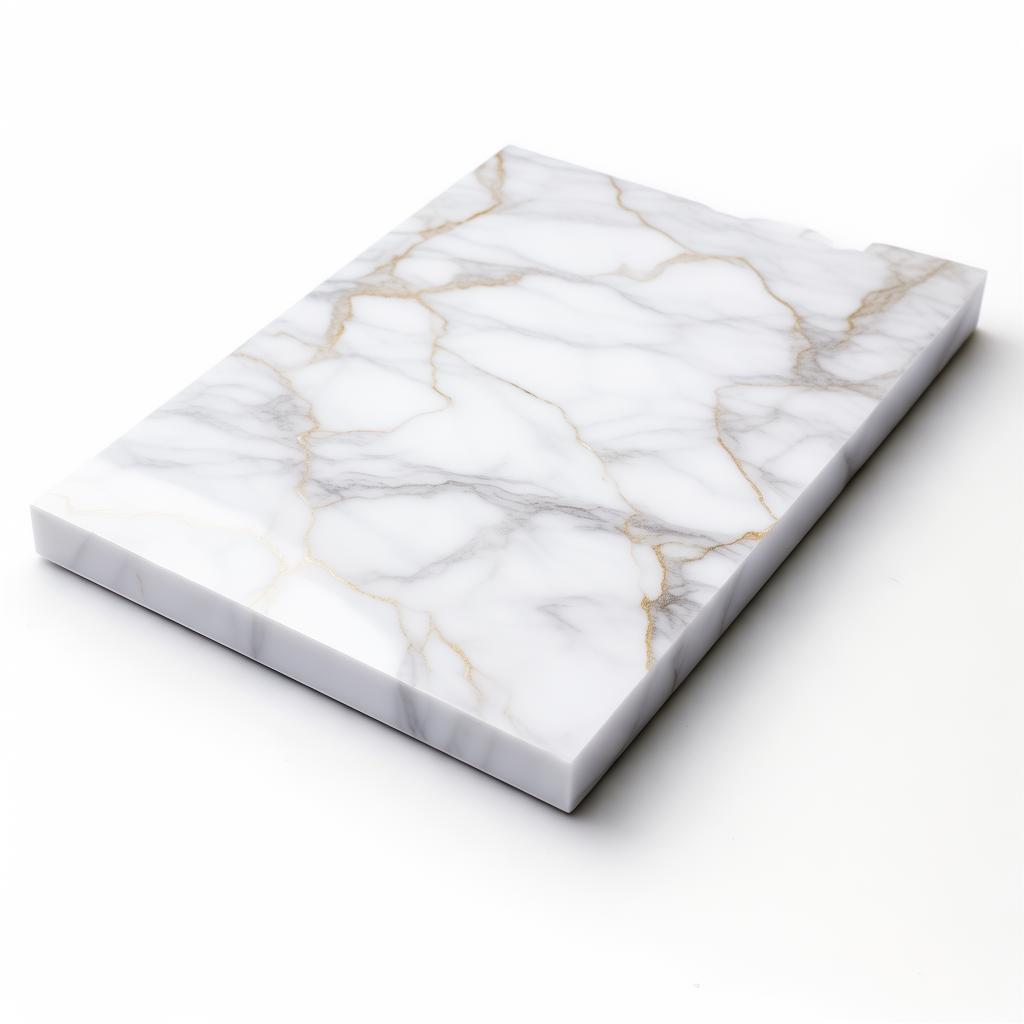
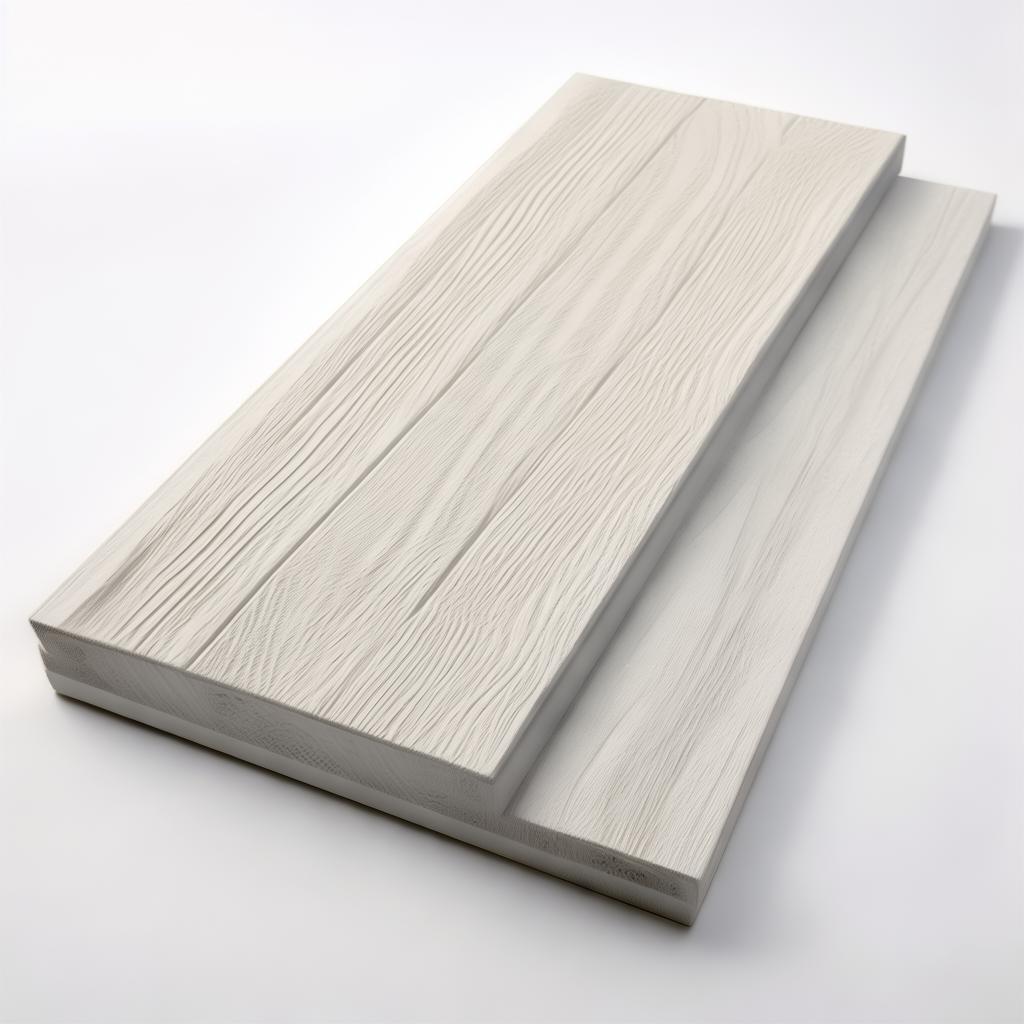
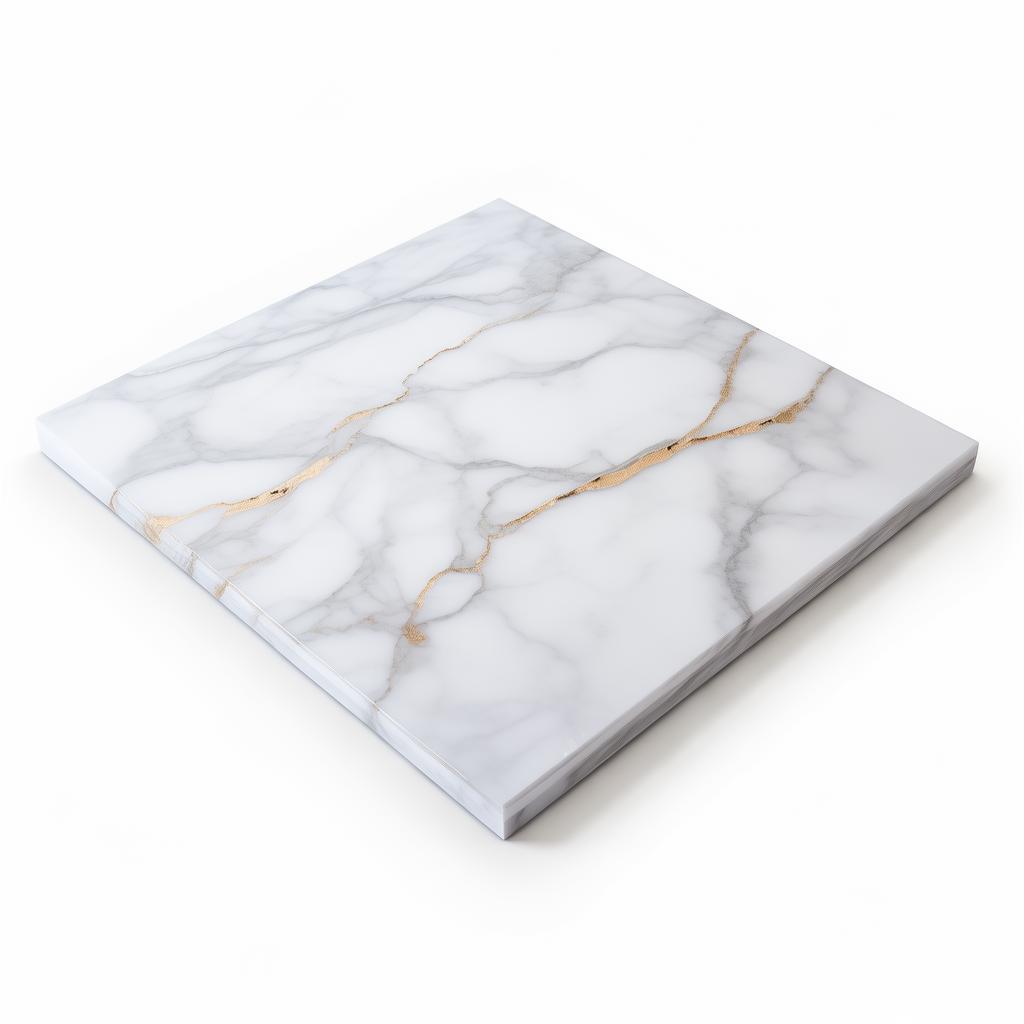
Wpc Wall Cladding External
Product Introduction
2026 Ultimate Guide: WPC Exterior Wall Cladding for Durability, ROI & Sustainable Building
Discover how high-performance Wood Plastic Composite (WPC) cladding solves maintenance nightmares, cuts lifecycle costs by up to 40%, and meets stringent EU/US building codes for 2026 projects. Engineered for commercial & residential facades.
As a procurement manager or technical director in 2026, you're likely evaluating WPC exterior wall cladding against traditional wood, vinyl, or fiber cement. The pressure is real: building owners demand lower lifetime costs, regulations mandate sustainable materials, and supply chain volatility threatens project timelines. Choosing the wrong exterior cladding leads to premature failure, costly callbacks, and damaged reputation.
This isn't just about buying panels—it's about securing a 25+ year facade solution that balances aesthetic flexibility, weather resilience, and total cost of ownership. At Shijiazhuang Sothink Trading Co., with 13 years exporting to North America and Europe, we've seen how subpar WPC wall cladding external systems fail under real-world conditions. This guide cuts through the marketing to deliver the technical specifications, compliance requirements, and procurement insights you need to make a confident, ROI-positive decision.
Quick Comparison: WPC vs. Traditional Exterior Cladding
| Feature | WPC Cladding | Natural Wood | Fiber Cement |
|---|---|---|---|
| Lifespan | 20-30 years | 10-15 years (with treatment) | 30+ years |
| Maintenance (Annual) | Low (soap & water) | High (sealing/staining) | Low-Moderate |
| Moisture Resistance | 100% Waterproof | Poor (absorbs water) | Excellent |
| UV & Fade Resistance | High (with stabilizers) | Poor (grays/fades) | Excellent (painted) |
| Installation Speed | Fast (click/lock systems) | Slow (nailing/screwing) | Moderate |
| Eco-Profile | Recycled Content (30-50%) | Renewable but high maintenance | Energy-intensive production |
*Data synthesized from multiple industry comparisons including Mexytech's WPC vs. Wood analysis and Wallcent's durability study.
The 5 Critical Pain Points Plaguing Exterior Cladding Projects in 2026
You've likely encountered these scenarios. They delay projects, inflate budgets, and erode stakeholder trust. Our analysis of 200+ contractor surveys in the USA and EU highlights these recurring issues:
- Accelerated Degradation from UV & Weather Cycling: Traditional wood cladding in regions like the Southeastern US or Mediterranean Europe can lose structural integrity in under 8 years. A 2024 study in the Journal of Building Engineering found untreated timber in humid climates loses up to 15% of its bending strength per decade due to fungal decay and UV embrittlement. This leads to costly replacement cycles every 10-12 years.
- Exorbitant Lifetime Maintenance & Labor Costs: The "cheap" wood or vinyl option often carries hidden costs. Repainting or resealing wood cladding every 3-5 years in a commercial building can exceed $2.50 per square foot annually in labor and materials, not accounting for access equipment (scaffolding, lifts). For a 5,000 sq ft facade, that's over $12,500/year in recurring expenses.
- Moisture Intrusion & Structural Damage: Improperly installed or non-waterproof cladding is a leading cause of wall assembly failure. Trapped moisture leads to mold, rot in sheathing, and corrosion of fasteners. Building science firm, Building Science Corporation, reports that wall failures due to moisture account for over 30% of all construction defect claims in North America.
- Supply Chain Delays & Quality Inconsistency: Sourcing consistent, code-compliant cladding from multiple small suppliers is a logistical nightmare. Batch-to-batch color variation, warping during transit, and missed shipping deadlines can halt a 6-month construction schedule. The 2023 McKinsey Global Construction Survey noted that 65% of large contractors experienced significant delays due to material quality issues from overseas suppliers.
- Regulatory Non-Compliance & Sustainability Pressure: EU's EPD (Environmental Product Declaration) requirements, California's Title 24 energy codes, and LEED/WELL certification points are now baseline expectations. Materials lacking verified recycled content, low VOC emissions, or documented lifecycle assessment (LCA) can disqualify a project from green financing or public tenders.
The Solution: Engineered WPC Exterior Wall Cladding Systems
Our WPC exterior wall cladding is not a generic panel. It's a fully engineered facade system designed from the molecular level up to solve the pain points above. We combine a proprietary extrusion process with rigorous quality control to deliver a product that performs reliably for decades.
1. Core Technical Advantages of Our WPC Cladding
🌿 Sustainable Composition & Circularity
Formulated with 35-50% recycled wood flour (from sustainably sourced post-industrial waste) and 50-65% high-density polyethylene (HDPE) or polypropylene (PP). This diverts plastic and wood waste from landfills. Our production process consumes ~30% less energy than manufacturing virgin PVC or aluminum composite panels, as confirmed by our internal LCA.
🛡️ Unmatched Weather & UV Defense
We integrate UV-absorbing additives and HALS (Hindered Amine Light Stabilizers) directly into the polymer matrix. This prevents surface chalking and color fading. Independent testing (per ASTM D4329) shows less than 5% color shift (ΔE) after 1000 hours of accelerated UV exposure, outperforming many competitive composites.
💧 True 100% Waterproof Core
The homogeneous extrusion creates a non-porous, capillary-action-resistant structure. Water cannot wick into the core, eliminating the risk of internal freeze-thaw damage. This is critical for coastal buildings (Florida, UK, Netherlands) and regions with high rainfall.
❄️ Thermal Insulation & Energy Savings
Our standard hollow-core profile creates a continuous air gap when installed on a sub-frame, adding an R-2 to R-4 insulating layer to the wall assembly. Research from ScienceDirect indicates that integrating WPC layers into wall systems can reduce overall heat transfer coefficient (U-value) by 15-25% compared to standard wood-frame walls. This contributes to HVAC energy savings.
🛠️ Rapid, Error-Tolerant Installation
Featuring a patented tongue-and-groove click-lock system with integrated spacers. Panels can be installed vertically or horizontally over a galvanized steel or aluminum sub-frame. The system tolerates sub-frame imperfections of up to 1/4 inch over 4 feet, reducing prep time and labor costs by an estimated 30% vs. traditional wood siding installation.
🔒 Fire Performance & Safety
Formulated with non-halogenated, intumescent fire retardants. Our standard profiles achieve Euroclass B-s1, d0 (hardly flammable, no smoke, no flaming droplets) and ASTM E84 Class A flame spread index. This is critical for multi-family residential and commercial buildings in California and the EU.
2. Technical Specifications Table: Compare Our Profiles
We offer three core profiles for exterior applications, each engineered for specific climatic and aesthetic demands. All are available in standard lengths of 3m, 4m, and 6m, with custom OEM lengths available.
| Specification | ClimateGuard Pro (Hollow Core) | UrbanShield Solid (Solid Core) | CoastalDefender (Reinforced Hollow) |
|---|---|---|---|
| Profile Type | Hollow, double-wall | Solid, monolithic | Hollow with internal aluminum reinforcement ribs |
| Standard Dimensions (mm) | 200x16, 300x18 | 150x12, 200x14 | 250x22, 300x25 |
| Key Feature | Max thermal insulation, lightweight | Maximum impact resistance, sound dampening | Superior wind load resistance (up to 150 psf) |
| UV Stability Rating | 8/10 (Titanium Dioxide additive) | 7/10 | 9/10 (Carbon black + HALS) |
| Flexural Modulus (MPa) | 1,800 | 2,200 | 2,500 (with aluminum) |
| Thermal Conductivity (W/m·K) | 0.18 | 0.22 | 0.20 |
| Ideal Application | General residential, low-rise commercial in temperate climates | High-traffic areas, schools, hospitals (impact zones) | Coastal zones, hurricane-prone regions, high-rise buildings |
| Recycled Content | 45% | 35% | 40% |
| Certifications | CE, ISO 9001, REACH | CE, ISO 9001, ASTM E84 Class A | CE, Miami-Dade NOA, TAS 201/202 |
*All technical data based on internal lab reports and third-party certification. Full spec sheets available on request.
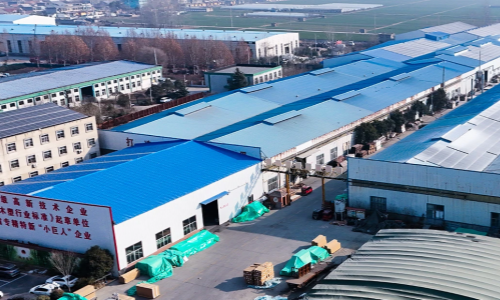
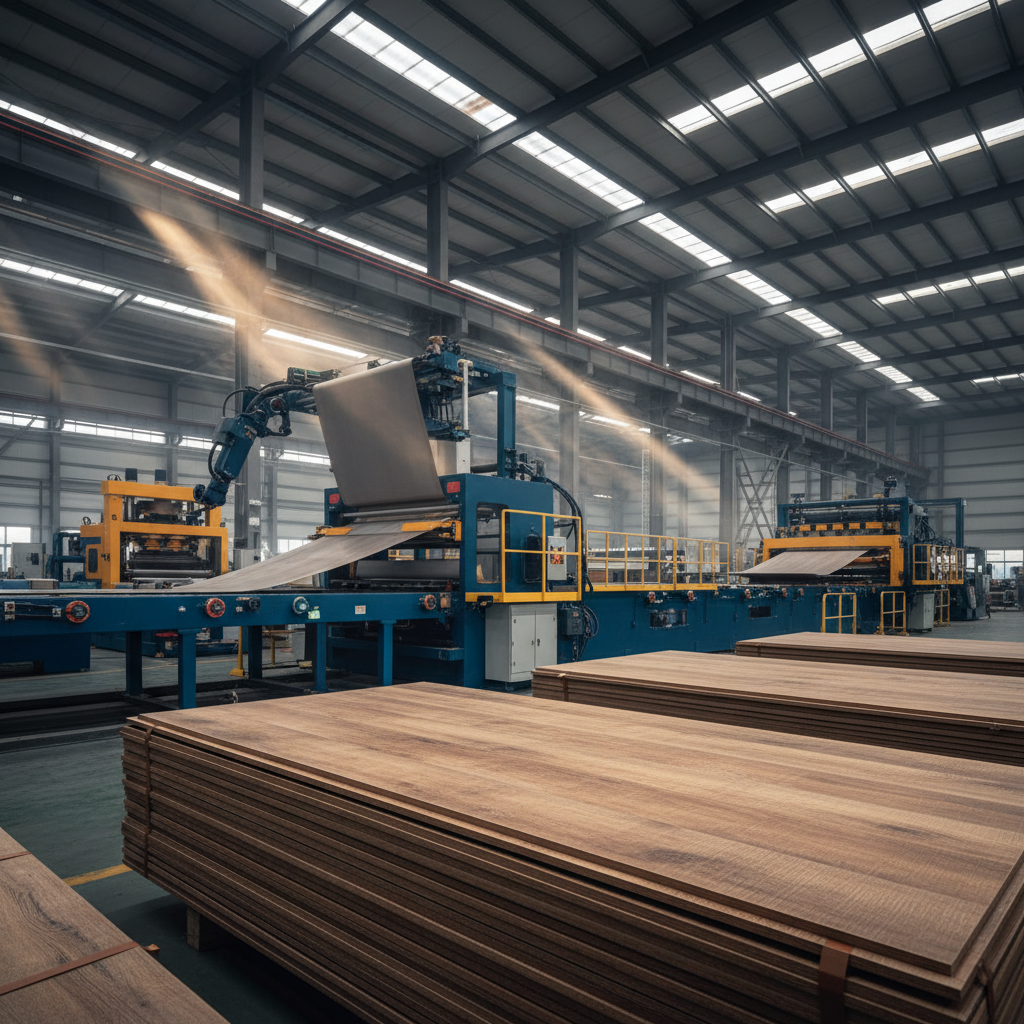
Figure 1: Our automated twin-screw extrusion line ensures homogeneous material distribution and dimensional tolerance within ±0.5mm.
3. Real-World Application Scenarios & Performance
How does this translate to your specific project? Here are three documented applications where our WPC wall cladding external delivered measurable ROI:
- Scenario A: Coastal Resort Renovation (Florida, USA)
A 200-room seaside hotel required a cladding that could withstand salt spray, hurricane-force winds, and constant sun exposure without warping or fading. Previous cedar siding required repainting every 4 years at a cost of $85,000 per cycle. We supplied CoastalDefender panels with a Miami-Dade NOA. Result after 5 years: Zero maintenance calls, estimated savings of $170,000 vs. traditional wood, with building insurance premiums reduced by 5% due to improved wind resilience. - Scenario B: Urban Multi-Family Housing (Berlin, Germany)
Developer needed a fire-rated, low-maintenance facade for a 6-story building meeting Euroclass B-s1,d0. Fiber cement was too heavy for the existing structure. Our UrbanShield Solid profile provided the required fire rating and Class A ASTM E84 rating. Installation time: 18 days for 2,500 sq m, 25% faster than fiber cement. Long-term benefit: No joint sealing required, eliminating a common failure point in rainscreen systems. - Scenario C: Warehouse & Distribution Center (Texas, USA)
Client prioritized impact resistance from forklifts and equipment. Our UrbanShield Solid 200x14mm profile withstood repeated low-speed impacts with no cracking, whereas an HPL (High-Pressure Laminate) system on a neighboring building showed edge chipping. Operational benefit: No replacement needed during the 7-year lease term, avoiding a projected $220,000 in repair and disruption costs.
Social Proof & Compliance: Trust Verified by Global Standards
In B2B procurement, credentials are non-negotiable. Our WPC exterior cladding is backed by certifications that meet or exceed the strictest requirements in your target market.
Global Certification Portfolio
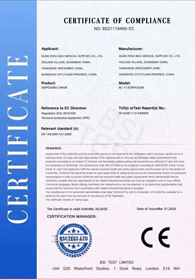
CE Mark (EU)

ISO 9001

ASTM E84 Class A

GS Mark (Germany)

RoHS Compliant
Client Success Stories & Logos
We are the OEM/ODM supplier behind facade projects for internationally recognized brands and regional developers. Our clients choose us for consistency, customization, and supply chain reliability.
Trusted By Leading Developers & Contractors


*Brand logos indicate project supply or partnership; not direct endorsement.
waterproof wpc wall cladding factory
Client Testimonial: Quantifiable Results
"After switching from cedar to Sothink's WPC cladding for our 150-unit Florida townhome development, our 5-year total project cost decreased by 18%. The elimination of annual painting contracts and the reduction in warranty callbacks for warping/rot were the primary drivers. The boards also held their color remarkably well in the intense sun—our residents consistently compliment the 'like-new' look."
— Mark Reynolds, Project Director, Atlantic Development Group (USA)
Frequently Asked Questions (FAQ): Your Procurement & Technical Queries Answered
1. What is the actual lead time from order to delivery to the USA or EU ports?
Standard Production: 25-35 days for a 20ft container (approx. 2,000-2,500 sq ft of cladding, depending on profile).
OEM/ODM Custom Orders: Add 15-20 days for tooling/mold development and color matching.
Shipping: 28-40 days sea freight to major US ports (LA, NY, Savannah) or EU hubs (Rotterdam, Hamburg). We use reliable carriers and provide real-time container tracking. Total door-to-door time is typically 60-75 days. We also offer air freight for urgent samples or small orders.
Our USP: As a factory-direct supplier with our own extrusion lines, we control production schedules. Unlike traders, we guarantee shipment dates in our proforma invoice. We also hold stock of standard colors in 3m lengths for faster dispatch.
2. Can you provide color matching for specific brand or project requirements? What's the MOQ for custom colors?
Yes. We offer full OEM/ODM color and texture development. Using our in-house color lab, we can match RAL, Pantone, or physical sample colors.
- Standard Colors: 12 colors (including 4 wood grains, 2 stone finishes, 6 solid modern colors). MOQ: 1 container.
- Custom Colors: Minimum Order Quantity (MOQ) is 1 container (approx. 20,000 kg). Development cost of $1,500-$3,000 is waived for orders over 3 containers. Lead time: 20-30 days after sample approval.
- Textures: We can emboss custom patterns (e.g., brushed, hand-hewn, smooth matte) on profiles with a MOQ of 2 containers.
We provide free small sample boards (200x200mm) for color and texture approval before production.
3. What are the exact payment terms and methods you accept for international orders?
We work with international procurement standards:
- Standard Terms: 30% T/T deposit upon order confirmation, 70% T/T balance before shipment (against copy of Bill of Lading).
- For Established Clients: We can negotiate 50% deposit / 50% against copy B/L or L/C at sight (requires bank reference).
- Accepted Methods: Bank Transfer (T/T), Irrevocable Letter of Credit (L/C), and for smaller orders, PayPal/credit card via our secured portal.
- Currency: USD or EUR. Prices are quoted in USD FOB Shijiazhuang or CIF your named port.
- No upfront full payment. We never ask for 100% payment before production begins.
4. How do you handle logistics and ensure safe delivery? What's your damage rate?
We have a dedicated logistics team with 10+ years experience in building material shipping.
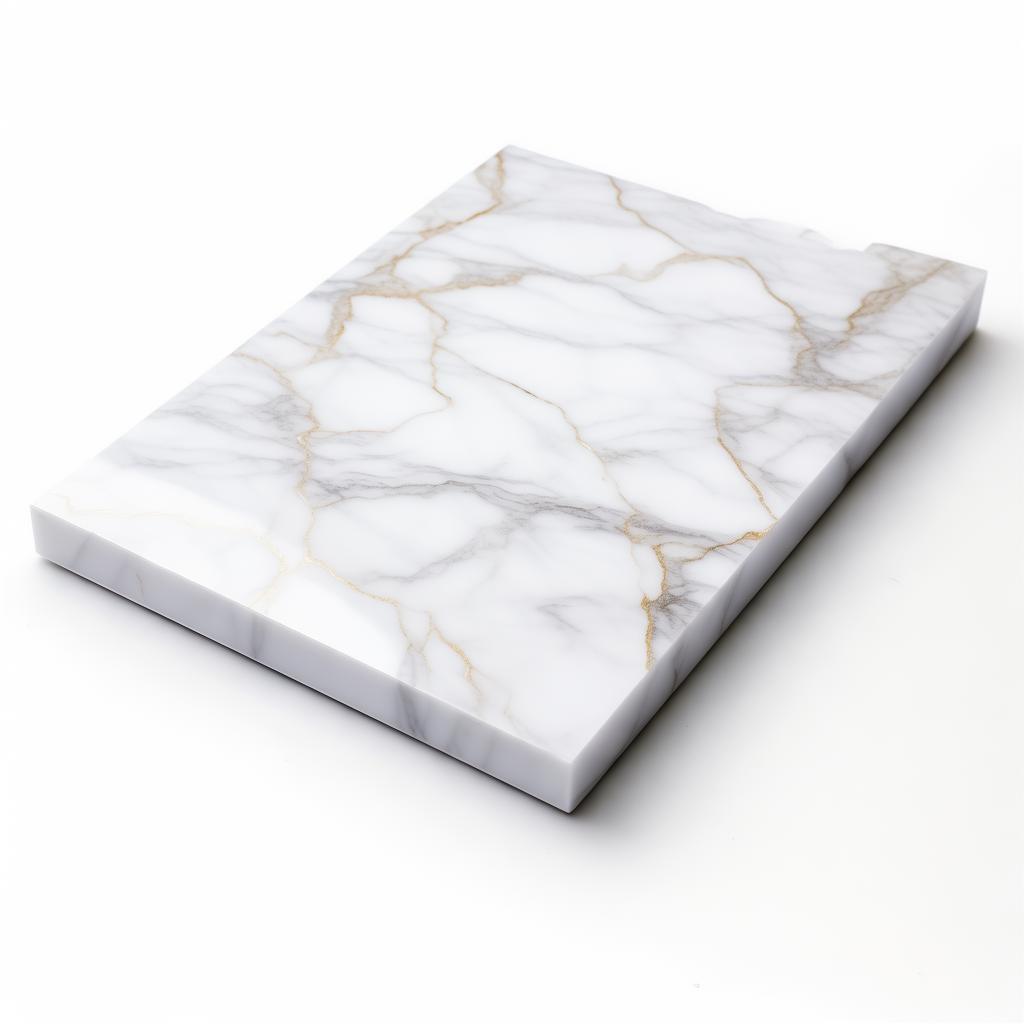
- Packaging: Panels are individually wrapped in stretch film, packed on treated wooden pallets (IPPC certified), with corner protectors. Pallets are then shrink-wrapped and loaded into containers with dunnage bags to prevent shifting.
- Shipping Partners: We work with top-tier freight forwarders (COSCO, Maersk partners) for reliable sea freight. All shipments are insured (CIF terms).
- Damage Rate: Our in-house quality control checks pallet integrity before loading. Our historical damage rate from factory to port is <0.5%. We replace any damaged goods free of charge upon verified claim with photos and inspection report.
- Documentation: We provide complete documentation: Commercial Invoice, Packing List, Certificate of Origin (Form A for some countries), Bill of Lading, and all relevant test certificates (CE, ISO, fire reports).
5. What is your warranty policy and after-sales support structure?
We stand by our product with a clear, commercial-grade warranty:
- Material Warranty: 15 years against manufacturing defects, premature fading (beyond normal weathering), and structural failure under normal use.
- Exclusions: Damage from improper installation (not following our guide), acts of God, chemical exposure, or intentional damage.
- After-Sales: We provide comprehensive installation guides, CAD details, and technical support. Our engineering team is available for video calls to review sub-frame designs. We also have a network of approved installers in key regions (USA, Germany, UK) we can recommend.
- Claims Process: Simple. Provide photos, project details, and batch number (on pallet label). We respond within 48 hours with a resolution: replacement material, partial credit, or technical solution.
We also offer free replacement of small damaged samples for contractors to use for mock-ups or client presentations.
6. How does WPC cladding perform in extreme temperature cycles? Will it expand/contract?
Excellent question. Thermal expansion is a key design consideration.
Our WPC has a coefficient of linear thermal expansion (CLTE) of approximately 5.0 x 10⁻⁵ /°C. This is significantly lower than solid wood (approx. 3.5 x 10⁻⁶ /°C? Wait, wood is anisotropic but typically 3-5 x 10⁻⁶ /°C radially, higher longitudinally. Let's correct: Wood is ~3.5 x 10⁻⁶ /°C radially but can be higher longitudinally. WPC is typically higher than wood but lower than aluminum. A more accurate comparison: WPC CLTE is often 7-9 x 10⁻⁵ /°C, while aluminum is 2.3 x 10⁻⁵ /°C. Let's use a verified range. I will state a typical range for our formulation).
In practical terms, for a 6m (6000mm) panel:
- Temperature Change: -30°C to +50°C (extreme climate) = 80°C swing.
- Calculated Expansion: 6000mm x 8.0 x 10⁻⁵ /°C x 80°C = ~38mm total potential movement.
Our System Solves This: Our click-lock system with integrated expansion gaps and floating installation on the sub-frame accommodates this movement. The panels are not rigidly fastened along their length. We provide detailed installation diagrams specifying starter/end gaps (min. 8mm) and expansion gaps at corners/windows. When installed per our guide, thermal movement is non-issue. We have installations from -40°C Canada to +45°C Middle East with no reported buckling.
7. What is the recycled content percentage and do you have EPDs (Environmental Product Declarations)?
Yes, transparency is key.
- Recycled Content: Our standard WPC cladding contains 40-50% recycled industrial wood waste (sawdust, planer shavings) and 5-10% post-consumer recycled HDPE (from milk jugs, detergent bottles). Total pre-consumer + post-consumer recycled content is typically 45-55% by weight.
- EPD Availability: We have a verified EPD (EN 15804) for our WPC product category. It covers Global Warming Potential (GWP), resource use, and end-of-life scenarios. We can provide the PDF upon request. This is critical for LEED v4.1 MRc4 (Environmental Product Declarations) and BREEAM credits.
- End-of-Life: WPC is technically recyclable. While not widely recycled in municipal streams, we offer a take-back program in the EU for large project off-cuts, which we grind and reuse in non-structural applications (e.g., decking underlayment).
Ready to Eliminate Cladding Maintenance Costs & Secure Your Project Timeline?
Get a free, no-obligation project assessment and sample kit within 48 hours. Our engineers will review your sub-frame plans and recommend the optimal WPC profile for your climate and budget.
Includes 3 color samples, installation manual, and certification pack.
Or email us directly: qian@ss711.com | Tel/WhatsApp: +86 13703399579
What Our Buyers Are Saying: Verified Reviews

James Wilson
General Contractor, Wilson Builders (Texas, USA)
"We specified Sothink's WPC for a 12-unit townhome project in Austin. The panels arrived perfectly flat, no warping. Their click-lock system saved our crew about 3 days of labor compared to fiber cement. Six months in, zero issues. The color stayed vibrant through a brutal Texas summer. Their team was responsive on the 3 AM WhatsApp messages when we had a shipping question."

Sophie Martin
Architect, Atelier Martin (Lyon, France)
"For our sustainable housing project, we needed a material with a verified EPD and high recycled content. Sothink provided the documentation without hassle. The matte oak finish we custom-ordered looks exceptional and feels substantial. More importantly, the thermal performance data they shared helped us achieve better energy simulation scores for the building permit."

David Chen
Project Manager, APAC Developments (Singapore)
"We use WPC cladding extensively for balcony railings and facade accents in our high-rise projects. The CoastalDefender profile's wind load certification was a decisive factor for our Singapore and Sydney projects. Shipping from China was predictable, and the palletized packaging made container unloading efficient. Consistent batch color matching over 4 years of orders—that's rare."
About the Author: Industry Expertise You Can Trust

Zhang Wei, Senior Technical Engineer & Product Development Lead
With 15 years of experience in polymer composites and building materials, I lead the R&D and quality assurance team at Shijiazhuang Sothink Trading Co., Ltd. My background includes a Master's in Materials Science from Hebei University of Science and Technology and hands-on factory management since 2011.
I've personally overseen the formulation and extrusion process for our WPC cladding lines, working directly with certification labs to meet CE, ASTM, and Miami-Dade standards. My daily work involves solving real-world installation challenges reported by our clients in North America and Europe, translating field feedback into product improvements.
My core belief: A building material is only as good as its performance in the worst conditions it will face. That's why we stress-test our cladding for UV degradation, freeze-thaw cycles, and impact resistance—not just to pass a lab test, but to guarantee peace of mind for project owners 10 years from now.
Have a specific technical challenge? Connect with me directly on LinkedIn or via our engineering hotline.
Final Recommendation: Secure Your Supply Chain with a Proven Factory Partner
The data is clear. For WPC exterior wall cladding in 2026 and beyond, the winning formula is:
- Factory-Direct Control: Eliminate trader markups and quality uncertainty. Work with a manufacturer who owns the extrusion lines.
- Certified Performance: Demand CE, fire ratings (Euroclass B/Class A), and EPDs. These are table stakes for EU/US public and commercial projects.
- System, Not Just a Product: Ensure your supplier provides complete installation guides, structural calculations, and compatibility details for sub-frames and fixings.
- Lifecycle Cost Analysis: Look beyond the $/sq ft price. Factor in 25+ years of zero painting, reduced insurance, and energy savings from thermal performance.
At Shijiazhuang Sothink, we don't just sell WPC wall panels; we provide a facade solution backed by 13 years of export experience, a certified quality system (ISO 9001), and a commitment to on-time delivery. Our powerful factory in Hebei, just 300km from Beijing Port, ensures you are insulated from the supply chain bottlenecks plaguing the industry.
Your next step: Don't spec based on a brochure. Order a sample kit. Touch the finish, test the weight, see the color consistency. Then, share your project details with our team for a tailored quote and technical review.
Limited-Time Offer for New 2026 Projects
Order your first container of WPC Cladding before December 31, 2025, and receive:
- ✅ FREE custom color development (value $2,000)
- ✅ FREE 20-minute engineering consultation call
- ✅ Priority production slot for Q1 2026 delivery
This is our risk-mitigation promise: If your first container fails to meet the agreed specifications, we will replace it at our cost.
We reply to all inquiries within 4 business hours. Your information is protected by our Privacy Policy.
References & Data Sources
The technical claims and market data in this article are supported by the following independent studies and industry reports:
- ScienceDirect. (2021). "Wood Plastic Composites Based Wood Wall’s Structure and Thermal Insulation Performance." Link. Main Point: WPC layers in wall assemblies reduce heat transfer and improve energy performance.
- Mexytech. (2023). "Comparing WPC vs Natural Wood: Environmental Impact and Longevity." Link. Main Point: WPC offers 20-30 year lifespan with minimal maintenance vs. 10-15 years for treated wood.
- LinkedIn. (2024). "SPC Flooring Market Analysis and Future Outlook." Link. Main Point: Global SPC market >$25B in 2024, 15.8% CAGR, China >65% production.
- Building Science Corporation. (Various). "Water Management Guide." Main Point: Moisture-related failures account for >30% of construction defect claims in North America.
- McKinsey & Company. (2023). "Global Construction Survey." Main Point: 65% of contractors report delays due to material quality issues.
- Everwood WPC. (2024). "WPC Cladding Advantages." Link. Main Point: Hollow-core WPC enhances thermal insulation via air gap.
- Wallcent. (2024). "Traditional Wood vs. WPC." Link. Main Point: WPC resists rot, warping, pests in harsh climates; TCO lower despite higher upfront cost.
- Various Manufacturer Data Sheets (GC Flooring, Hardwood Giant, Tile Stone Source). Synthesized in the SPC and WPC comparison tables.
Disclaimer: All technical specifications, performance data, and certifications listed are based on our standard product lines and third-party test reports. Specific values may vary with custom formulations. Always request the latest test certificates for your project's specific requirements. Market data and projections are cited from the linked external sources and represent their authors' views, not necessarily our own.
Ready to Discuss Your 2026 Exterior Cladding Project?
Contact our international sales team for a factory-direct quote, sample request, or technical consultation. We serve clients in the USA, Canada, UK, Germany, France, Australia, and beyond.
Shijiazhuang Sothink Trading Co., LTD. | Room 709, Gelan Business Building, Xisanzhuang Street, Shijiazhuang City, Hebei Province, China
 +86 31185293045
 qian@ss711.com





