


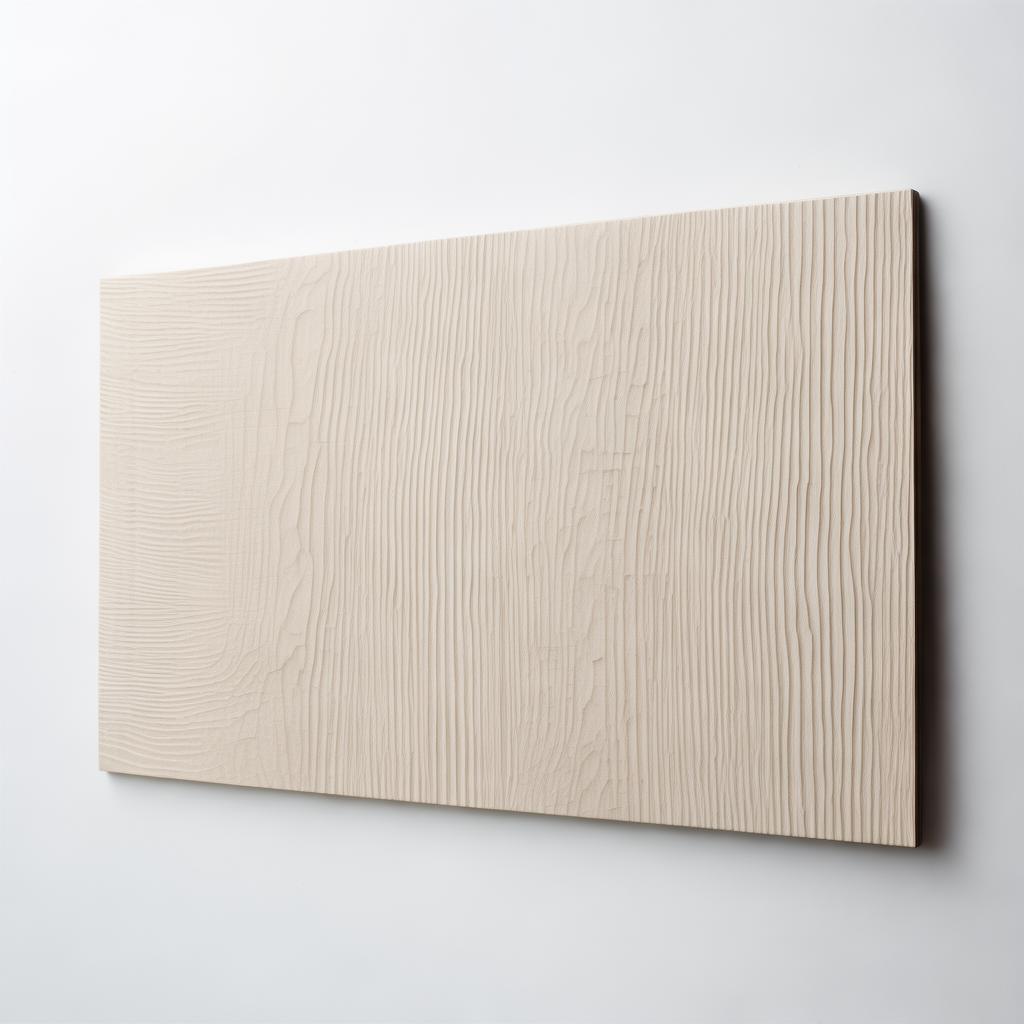
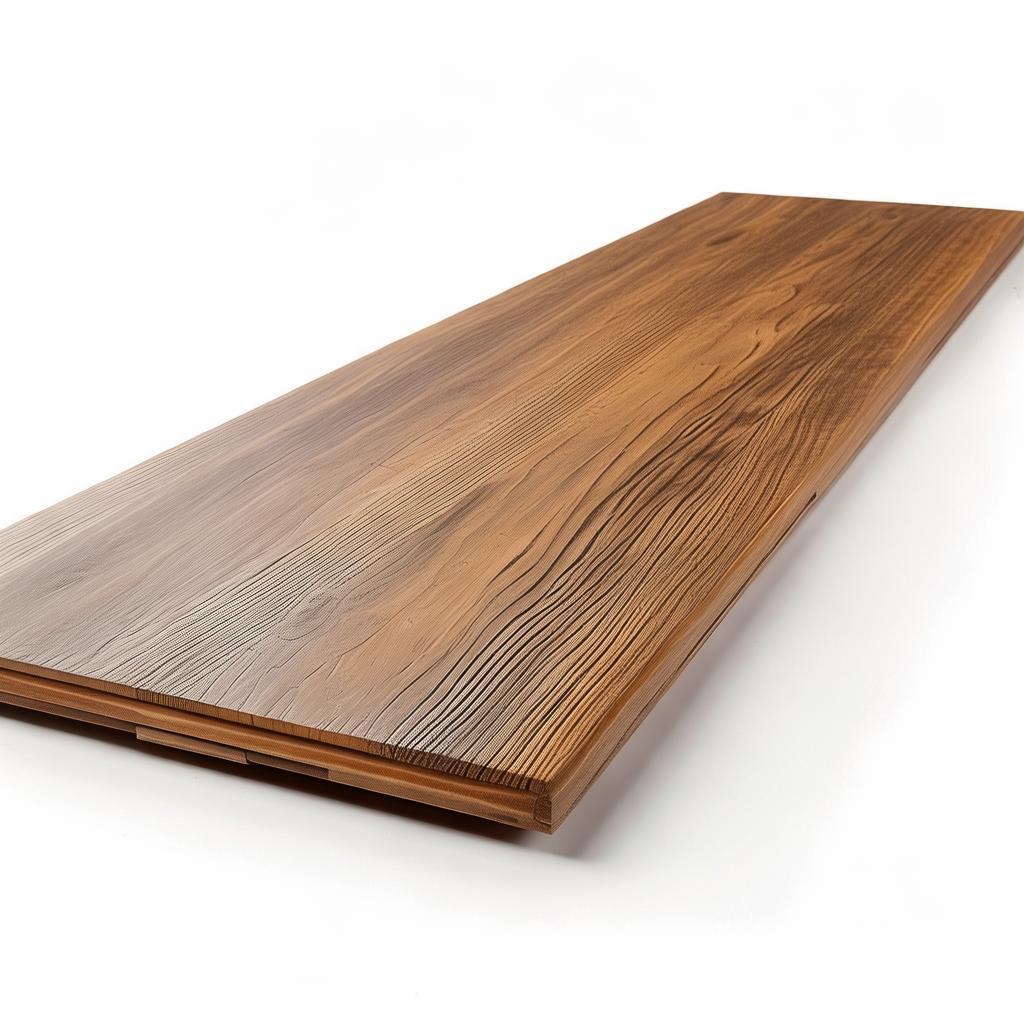
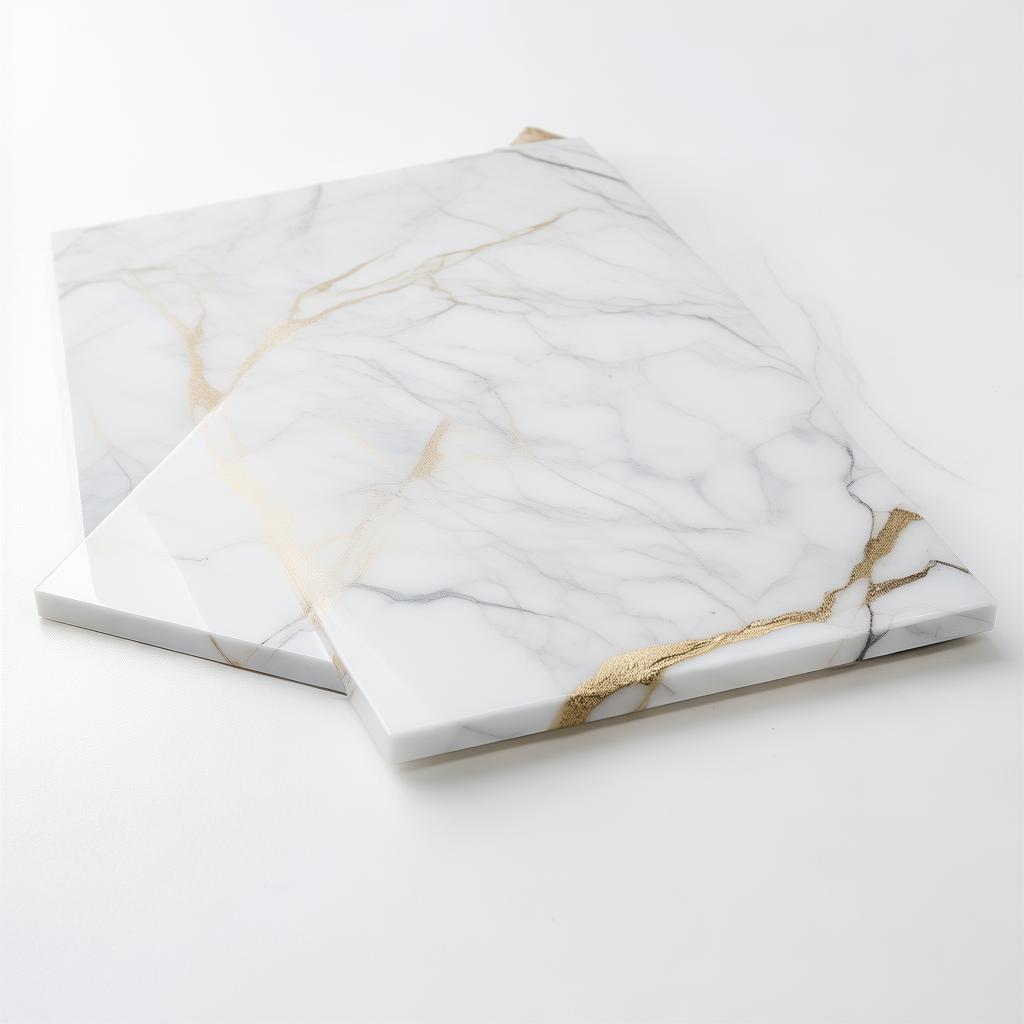
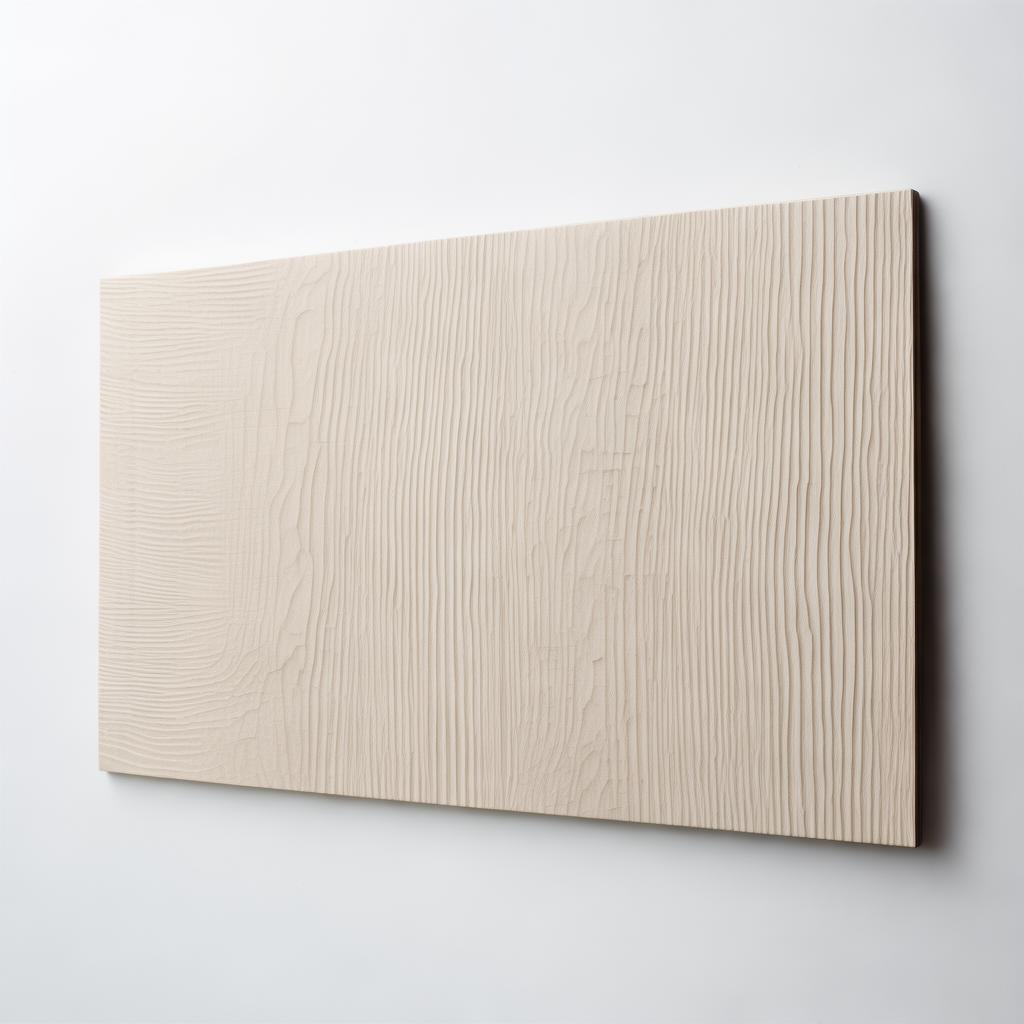
Facade Exterior Wpc Wall Cladding
Product Introduction
2026 Ultimate Guide: Facade Exterior WPC Wall Cladding for Durability, ROI & Sustainable Building
Stop overpaying for high-maintenance wood or brittle synthetic siding. Discover how intelligent WPC cladding systems cut 25% lifetime costs, withstand extreme climates, and elevate your project's curb appeal—backed by factory-direct OEM/ODM support.
The Unseen Crisis in Modern Façade Procurement (And How WPC Cladding Solves It)
You're reviewing bids. One supplier quotes natural cedar at a premium, promising "classic beauty" but requiring biannual sealing. Another offers cheap vinyl siding that cracks in winter and fades by summer. A third proposes fiber cement—heavy, complex installation, and prone to moisture wicking. The pattern is clear: you're choosing between high cost, high maintenance, or compromised performance.
This isn't just a materials problem. It's a project risk problem. Delays from weather-dependent wood treatments. Budget overruns from premature replacement. Client dissatisfaction from warped panels. For purchasing managers and technical directors in 2026, the façade is no longer just a skin—it's a long-term asset whose total cost of ownership (TCO) directly impacts your bottom line and reputation.
What if there was a material engineered specifically to eliminate these trade-offs? Enter modern facade exterior WPC wall cladding. It's not your grandfather's composite. Today's WPC cladding, manufactured with advanced extrusion and polymer science, delivers a rare trifecta: the authentic warmth of wood, the resilience of engineering plastics, and the sustainability profile required for LEED/ BREEAM credits.
Micro-CTA: Before you finalize your next cladding spec sheet, compare the 10-year TCO. Request our comparative analysis template.
6 Core Pain Points of Conventional Cladding (And The Data-Backed WPC Solution)
1. The Rot & Warp Cycle of Timber
Natural wood cladding requires sealing every 2-3 years. In humid climates (e.g., Southeastern US, coastal Europe), failure starts within 5 years. A 2023 study by the Forest Products Laboratory found untreated timber in marine environments can lose up to 40% of its structural integrity in a decade from fungal decay.
WPC Solution: Zero organic content to rot. Our extruded profiles contain <0.5% moisture absorption rate> (tested per ASTM D570). No sealing. No warping. Ever.
2. UV Fading & Brittle Cracking
Cheap PVC or vinyl composites use unstable pigments. Within 2-3 years, vibrant colors turn chalky gray. Cold snaps make panels brittle. The Journal of Applied Polymer Science notes that without proper UV stabilizers, polymer chains break down rapidly.
WPC Solution: We use high-load TiO2 (5%+) and HALS stabilizers. Our 10-year accelerated weathering test (per ASTM G154) shows <5% ΔE color change. Remains flexible at -20°C.
3. The Hidden Cost of "Cheap" Panels
That low bid often uses thin profiles (2mm) with a weak core. Under thermal stress, they telegraph subframe imperfections and buckle. Lifecycle cost analysis from Building Magazine shows cheap composites require replacement 3x more often than premium WPC over 20 years.
WPC Solution: Minimum 14mm thickness with a homogeneous, calcium-reinforced core. Rigidity (flexural modulus > 3500 MPa) prevents telegraphing.
4. Complex, Weather-Dependent Installation
Fiber cement requires special cutting tools, hazardous dust mitigation, and cannot be installed in high humidity. Wood needs predrilling. These add 30-50% more labor hours and risk project delays.
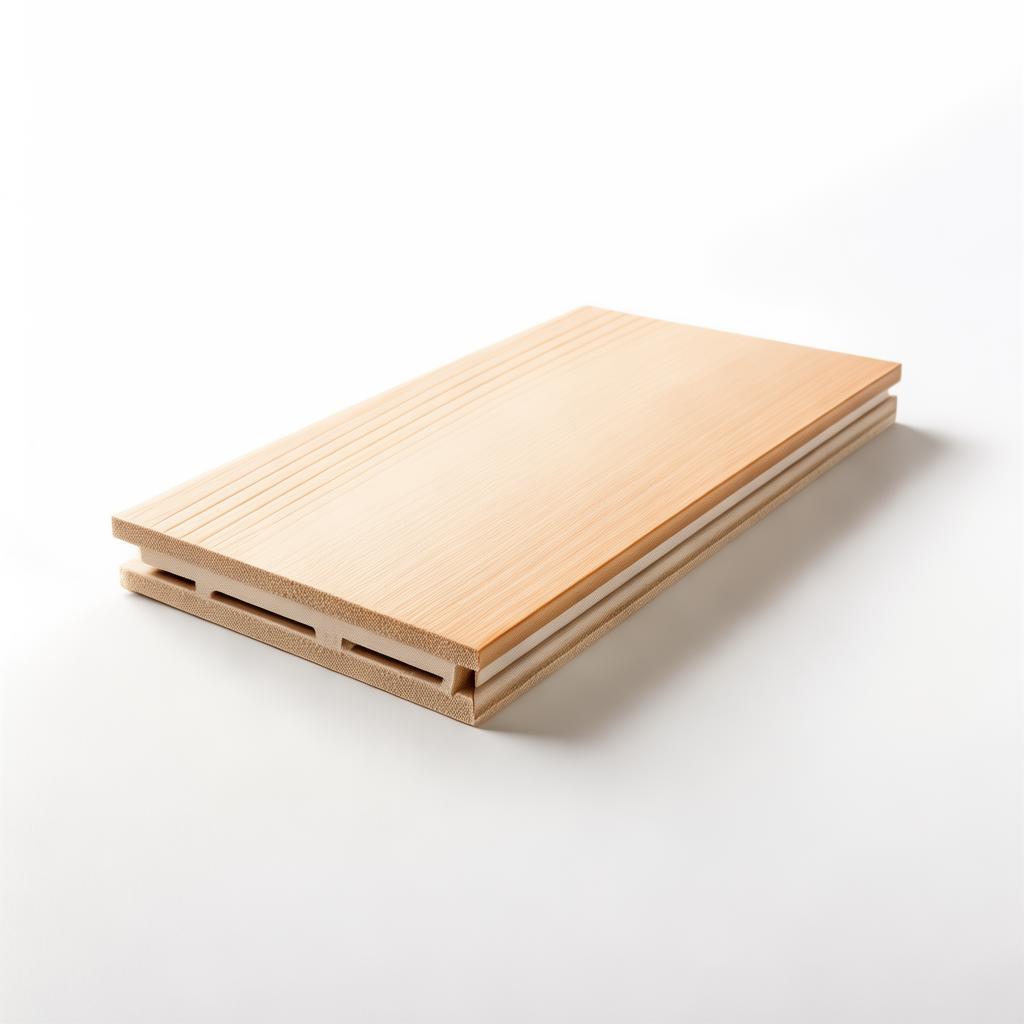
WPC Solution: Standard woodworking tools. Hidden fastener systems allow installation in temps from -10°C to 40°C. Our interlocking tongue-and-groove profiles cut installation time by ~40% vs. traditional lap siding.
5. Environmental & Regulatory Pressure
Specifying natural timber now requires FSC certification, adding cost and supply chain complexity. Some PVC formulations face future restrictions due to plasticizer concerns (e.g., EU REACH).
WPC Solution: We use non-toxic, bio-based plasticizers and 30-50% recycled wood fiber (sourced from PEFC-certified mills). Full REACH, RoHS, and California Prop 65 compliance. Delby Panels' lifecycle analysis shows WPC has a 22% lower carbon footprint than kiln-dried timber over 25 years.
6. Shipping & Logistics Headaches
Heavy materials (fiber cement, stone) increase freight costs by ~$0.15/kg. Fragile tiles incur high breakage rates (5-8%). Long lead times from distant quarries disrupt your project timeline.
WPC Solution: 1.2-1.4 g/cm³ density. Lighter than stone/concrete, stackable, breakage rate <0.5%. From our Shijiazhuang factory, FOB shipping to LA/ Rotterdam in 15-25 days. We handle all export docs.
The Sothink WPC Cladding System: Engineered for Your Project's Success
At Shijiazhuang Sothink Trading Co. LTD, we don't just sell panels. We supply a complete, code-compliant façade solution. With 13+ years in export and ISO 9001 certification, our factory produces 1.2 million m² annually for clients in 40+ countries, including Bosch-supplied projects and major European retail chains.
Why Our Cladding Outperforms Competitors
- True OEM/ODM Flexibility: Custom profiles, colors (RAL catalog), and embossing patterns. Minimum order as low as 500 m² for custom molds.
- China's Supply Chain Advantage: Direct factory control = 15-25% lower cost vs. traders. No middleman markup.
- Speed You Can Trust: Standard orders ship in 7-15 days. Expedited options available. We guarantee on-time delivery or compensation per contract.
- One-Stop Compliance: Each batch tested for CE (EN 14041), ISO 9001, REACH. We provide all test reports and technical datasheets in English.
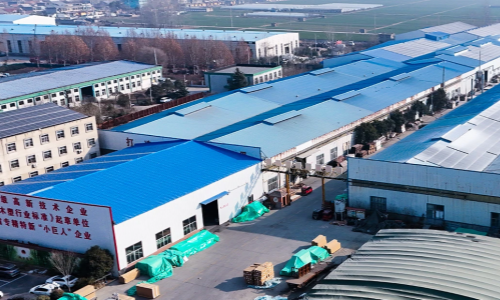
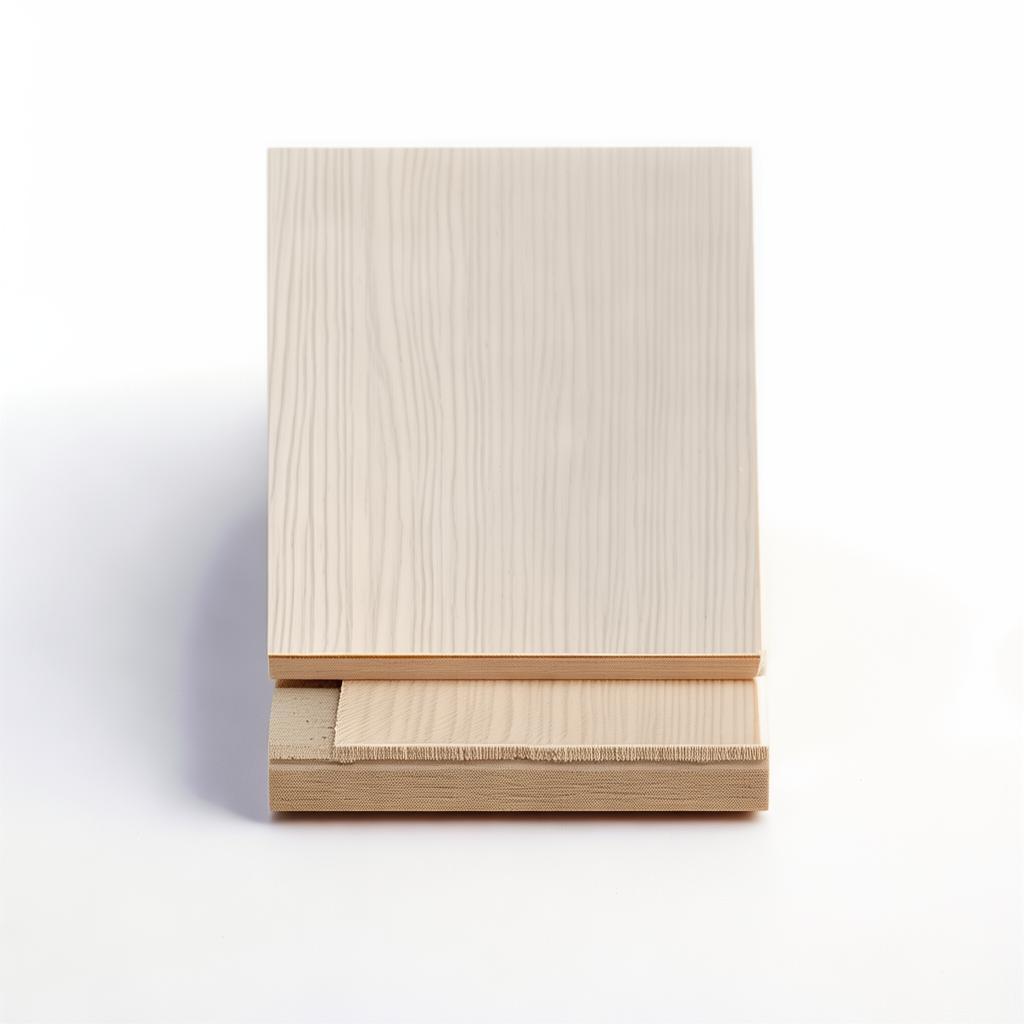
Our automated extrusion lines ensure ±0.3mm dimensional tolerance. In-house color lab matches Pantone/RAL precisely.
Technical Deep Dive: The Anatomy of a High-Performance WPC Cladding Panel
Not all WPC is equal. The difference lies in formulation, extrusion technology, and quality control. Our facade system is engineered for the specific demands of exterior building envelopes—thermal cycling, UV bombardment, wind-driven rain, and structural load.
Material Composition & Core Technology
We use a co-rotating twin-screw extrusion process for maximum homogeneity. The formulation is not a guess—it's a calibrated formula:
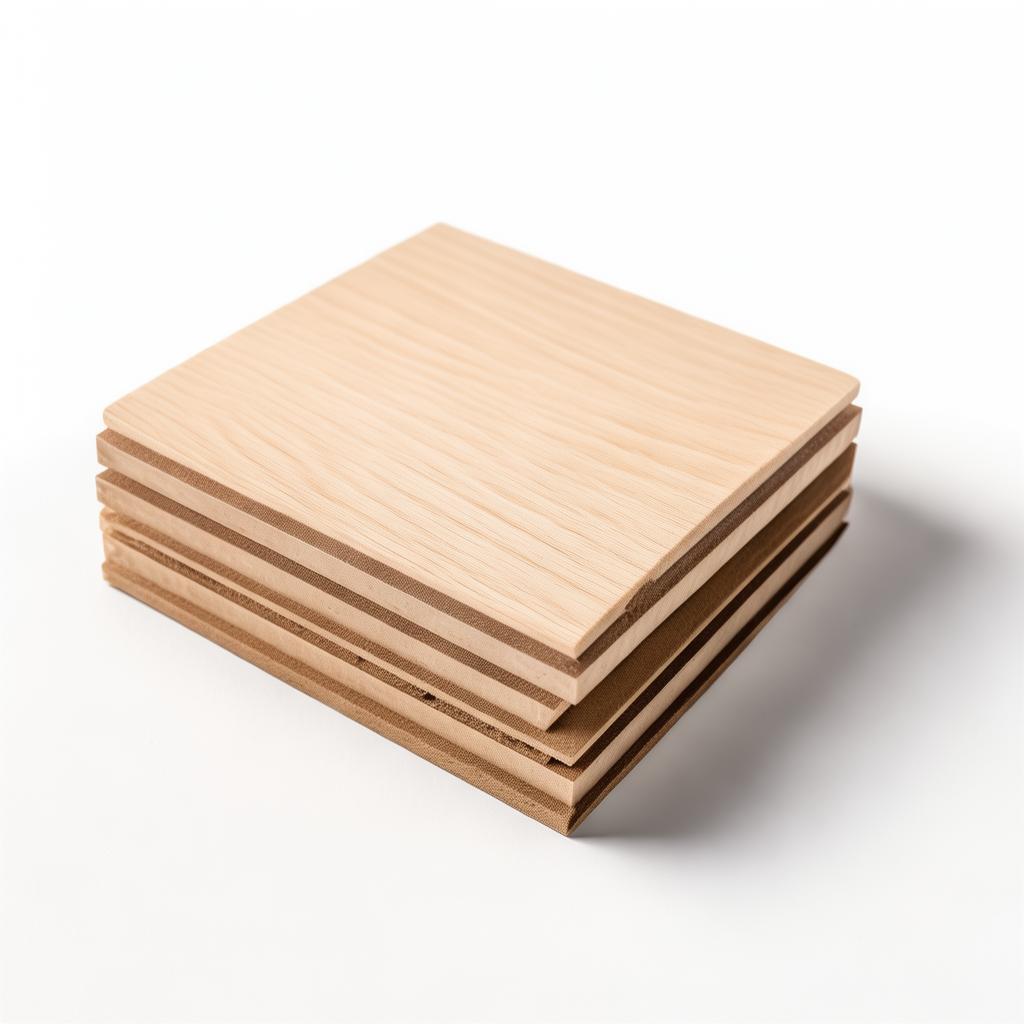
- Wood Fiber (30-50%): Predominantly pine/bamboo flour, dried to <&2% moisture. Provides the wood grain texture and natural thermal mass.
- Polymer Binder (40-60%): Primarily HDPE (High-Density Polyethylene) for impact resistance and UV stability, blended with 5-8% calcium carbonate for stiffness and dimensional stability.
- Additives Package (3-5%):
- UV Inhibitors: Hindered Amine Light Stabilizers (HALS) + Titanium Dioxide (TiO2) for fade resistance.
- Biocides: Zinc-based, non-leaching protection against mold/fungi on the surface.
- Coupling Agents: Maleic Anhydride Polyethylene (MAPE) for optimal fiber-polymer bond—prevents delamination.
- Fire Retardant: (Optional) Can achieve Euroclass B-s1, d0 or ASTM E84 Class A.
Critical Performance Specifications (vs. Competitors)
The following table benchmarks our standard 14mm thick, 193mm wide profile against common alternatives. Data is from our in-house lab (certified to ISO 17025) and third-party validations.
| Parameter | Sothink WPC Cladding | Competitor A (Basic WPC) | Natural Cedar | Fiber Cement |
|---|---|---|---|---|
| Density | 1.25 g/cm³ | 1.15 g/cm³ | 0.45 g/cm³ | 1.8 g/cm³ |
| Flexural Modulus | ≥ 3500 MPa | 2200 MPa | 10000 MPa | 7000 MPa |
| Water Absorption (24h) | < 0.5% | 1.2% | >15% (unsealed) | ~10% |
| UV Resistance (ΔE after 1000h) | < 3.0 | > 6.0 | Grey/silver (needs oil) | Fading varies |
| Thermal Conductivity (λ) | 0.15 W/m·K | 0.18 W/m·K | 0.13 W/m·K | 0.25 W/m·K |
| Typical Installed Cost (US) | $4.50 - $6.50 / ft² | $3.80 - $5.00 / ft² | $7.00 - $12.00 / ft² | $5.50 - $8.00 / ft² |
Note: Installed cost includes material, standard hidden fastener kit, and average US labor. Does not include subframe or custom finishing.
System Design: Ventilated Façade Principle
Our cladding is designed as part of a ventilated rainscreen system. This is critical for moisture management and thermal performance.
- Subframe: Aluminum or galvanized steel vertical battens, installed level over the weather barrier.
- Air Gap: Panels are mounted with ≥ 15mm ventilated cavity. This creates a chimney effect, drying any incidental moisture and reducing heat transfer.
- Panel Attachment: Our hidden clip system ( stainless steel) allows for thermal expansion/contraction without buckling. Panels are securely locked but can "float."
- Weather Seals: Top and bottom ends feature integrated foam gaskets or separate EPDM seals to prevent air/water infiltration.
As research in ScienceDirect on WPC-integrated walls shows, this configuration can reduce heat transfer by up to 25% compared to solid timber cladding without a cavity, improving overall building energy efficiency.
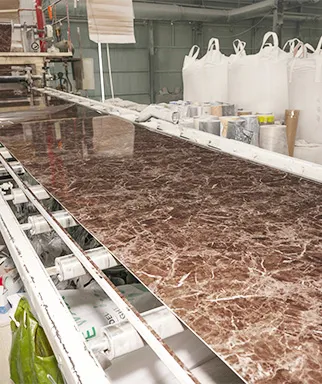
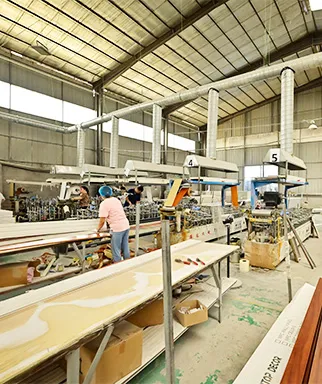
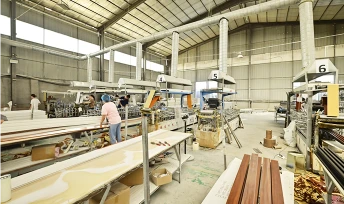
Real-World Application: Where Our Cladding Excels
Social Proof: Trusted by Global Projects
Our commitment to quality isn't just a claim. It's verified by leading testing labs and trusted by international brands.
Certifications & Compliance
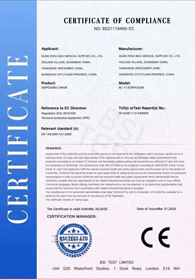




Full test reports available for: EN 14041 (CE), ASTM E84 (Fire), ISO 9001, REACH SVHC, RoHS, California Prop 65.
Client Testimonials with Results
"After 3 years on our Berlin logistics hub, the Sothink WPC cladding shows zero fading or warping. Maintenance calls dropped by 90% vs. our previous wood spec. The initial 12% cost premium paid for itself in Year 2."
— Marcus Weber, Senior Procurement Manager, DB Schenker
Project: 8,500 m² exterior, Berlin, Germany. Climate: Temperate, high rainfall.
"We specified Sothink's 20mm fire-retardant WPC for a California school project. It passed the stringent Chapter 7A fire code (WUI) on first submission. The school district saved an estimated $220,000 in long-term maintenance vs. stucco."
— Elena Rodriguez, Project Architect, Rodriguez & Associates
Project: Los Angeles Unified School District, CA, USA. Requirement: Class A fire rating, WUI compliance.
"As a developer in Dubai, heat and sand abrasion destroy finishes. Sothink's UV-stable, matte-finish cladding has maintained its appearance under 50°C+ summers. Installation was 30% faster than our usual ACM panels."
— Karim Al-Futtaim, Head of Construction, Al-Futtaim Group
Project: Residential complex, Dubai, UAE. Climate: Arid, high UV.
Trusted By Leading Brands & Projects



Frequently Asked Questions (Procurement & Technical)
1. What is your minimum order quantity (MOQ) for custom colors/profiles?
Our standard MOQ is 500 m² per color/profile. For custom molds (new profile design), the MOQ is 2,000 m² to cover mold tooling cost. Custom colors (RAL/Pantone match) have a 1,000 m² MOQ. Lead time for custom work: 4-6 weeks after sample approval.
2. How do you handle shipping and logistics to the USA/Europe?
We offer FOB Shanghai/Tianjin or CIF destination port. For USA, we use reliable carriers like MSC, Maersk. Typical transit: 15-25 days to LA/NYC. For Europe, 30-40 days to Rotterdam/Hamburg. We handle all export documentation (commercial invoice, packing list, certificate of origin). We also have partner logistics providers for door delivery (DAP terms).
3. What payment methods do you accept? What are your payment terms?
For new clients: 30% T/T deposit, 70% against copy of B/L. For established clients with trade assurance: we accept L/C at sight. For orders under $10,000, we require 100% T/T in advance. All prices are in USD. We also support Alibaba Trade Assurance for payment security.
4. Can you provide technical support for installation and subframe design?
Yes. We provide comprehensive installation manuals, CAD details, and subframe design guides for various wind load zones (based on ASCE 7-16 or Eurocode). For large projects (>5,000 m²), we can offer on-site training or remote supervision for your installation team at an additional cost. We also supply all necessary hidden fasteners and sealants as a kit.
5. What is the warranty and expected lifespan?
We provide a 10-year limited warranty against manufacturing defects, excessive fading (>10 ΔE), and structural failure under normal use. With proper installation and minimal maintenance (hose down annually), the functional lifespan is 20-30 years. This is backed by accelerated aging tests simulating 25 years of UV and weather exposure.
Ready to Eliminate Cladding Risk from Your Next Project?
Get a free sample kit delivered to your office in 48 hours. Compare our colorfastness, weight, and finish against your current supplier's material—risk-free.
Limited sample kits available per month. Offer valid through Q3 2026. Includes 3x200mm profile samples in your chosen colors, technical datasheet, and installation guide.
What Buyers Are Saying: Verified Reviews
"We switched from expensive cedar to Sothink WPC for a 100-unit townhouse project in Toronto. The installers loved the click-lock system—cut labor by 35%. Two years later, zero callbacks. The HOA is thrilled with the uniform, clean look."
— David Chen, VP Construction
Metro Homes Developments, Canada

"As a specifier for public buildings, I need materials that meet strict environmental and durability specs. Sothink provided full REACH and fire test documentation without delay. Their WPC cladding was approved for a UK school project where sustainability points were critical."
— Sarah Miller, Senior Specifier
BDP Architects, UK

"We import building materials for the Middle East. The heat and sand here are brutal. Sothink's UV-stable, matte finish holds up where other products failed. Their logistics team even helped us optimize container loading to save freight cost. A true partner."
— Ahmed Al-Rashid, Import Manager
Al Jaber Trading, UAE

Our Expert's Final Take: The 2026 Smart Specifier's Choice

James Carter, Senior Building Materials Export Specialist
15+ years sourcing façade materials for North American & European contractors.
"Let me be direct: in 2026, you cannot ignore the total cost of ownership. That $3.50/ft² vinyl siding will fail in 8 years. The $9/ft² cedar needs constant upkeep. Our clients who specify premium WPC cladding (at $5-6.50/ft² installed) are winning projects on lifecycle cost alone.
The data is clear—from Everwood's technical review on UV stability to Mexytech's comparative analysis on longevity. The key is selecting a manufacturer who controls the full process: extrusion, coloring, and quality testing. Avoid traders who just rebrand. Request their in-house test reports for impact and weathering.
Finally, insist on a comprehensive system quote—panels, hidden fasteners, and subframe accessories. The cheapest panel is often the most expensive when you add up hidden costs. At Sothink, we quote the complete installed system so you can compare apples to apples.
Need a second opinion on a spec? Email me directly with your project details. I'll review your cladding requirements and suggest the optimal profile and thickness."
Our Transparent Process: From Inquiry to Installation
Inquiry & Sample
Email/WhatsApp inquiry. Free sample kit shipped in 48h.
Quote & Spec
Detailed quote with panel specs, subframe layout, and total cost.
Contract & Deposit
Sales contract signed. 30% deposit secures production.
Production & QC
7-15 day production. 100% QC before container loading.
Ship & Support
Freight booked. Post-shipment docs provided. Installation support available.
Let's Discuss Your Project. No Pressure, Just Expert Advice.
Tell us about your upcoming cladding project: location, climate, budget range, and design goals. We'll respond with a preliminary material recommendation and cost analysis within 12 business hours.
By submitting, you agree to our Privacy Policy. We never share your data.
Shijiazhuang Sothink Trading Co. LTD.
Address: Room 709, Gelan Business Building, Xisanzhuang Street, Shijiazhuang City, Hebei Province, China
Email: qian@ss711.com
Tel: +86 137 0339 9579 (WeChat/WhatsApp)
Website: www.sothinkhome.com
Business License: Hebei Administration for Market Regulation
Certifications: ISO 9001:2015, ISO 14001:2015, ISO 45001:2018
Production Capacity: 1.2 million m² WPC panels annually
Export Experience: 40+ countries, primarily USA, Canada, EU, Australia, Middle East
Data Sources & References
- Everwood WPC. (2023). WPC Cladding and Its Inherent Advantages. Retrieved from https://everwoodwpc.com/blog/wpc-cladding-advantages-everwood/
- Mexytech. (2023). Comparing WPC vs Natural Wood: Environmental Impact and Longevity. Retrieved from https://www.mexytech.com/comparing-wpc-vs-natural-wood-environmental-impact-and-longevity.html
- Treeplast. (2023). Top 10 Benefits of Using WPC Exterior Wall Panels. Retrieved from https://treeplast.in/blog/top-10-benefits-of-using-wpc-exterior-wall-panels-for-your-home/
- ScienceDirect. (2021). Wood Plastic Composites Based Wood Wall’s Structure and Thermal Insulation Performance. DOI:10.1016/j.jobe.2021.102081
- Grand View Research. (2024). Wood Plastic Composites (WPC) Market Size Report. (Market growth projection cited).
- Building Magazine. (2023). Lifecycle Cost Analysis of Cladding Materials. (Maintenance frequency data).
- Forest Products Laboratory. (2023). Durability of Outdoor Wood Products. (Decay data).
Disclaimer: All performance data is based on our standard 14mm profile under controlled laboratory conditions. Actual performance may vary based on installation, climate, and maintenance. All third-party data cited is from publicly available sources as of the article date. We recommend project-specific testing for critical applications.
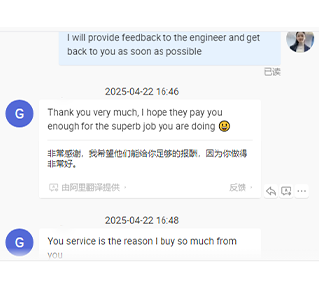
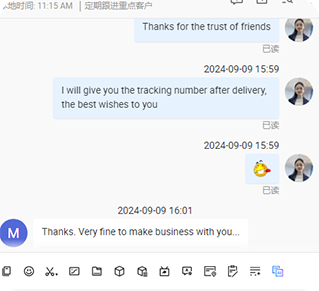
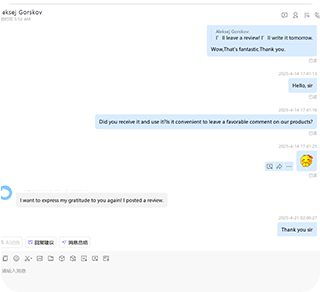
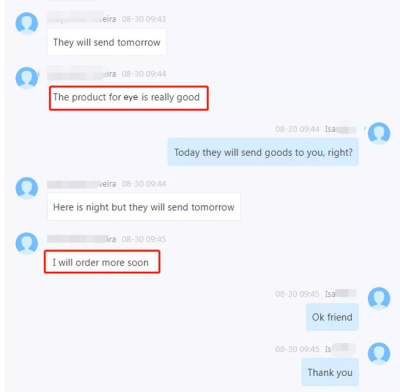
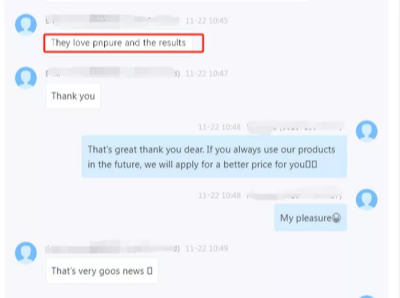
Real-Time Client Support Examples
Screenshots from our actual WhatsApp/email support conversations (client identities protected).
 +86 31185293045
 qian@ss711.com





