


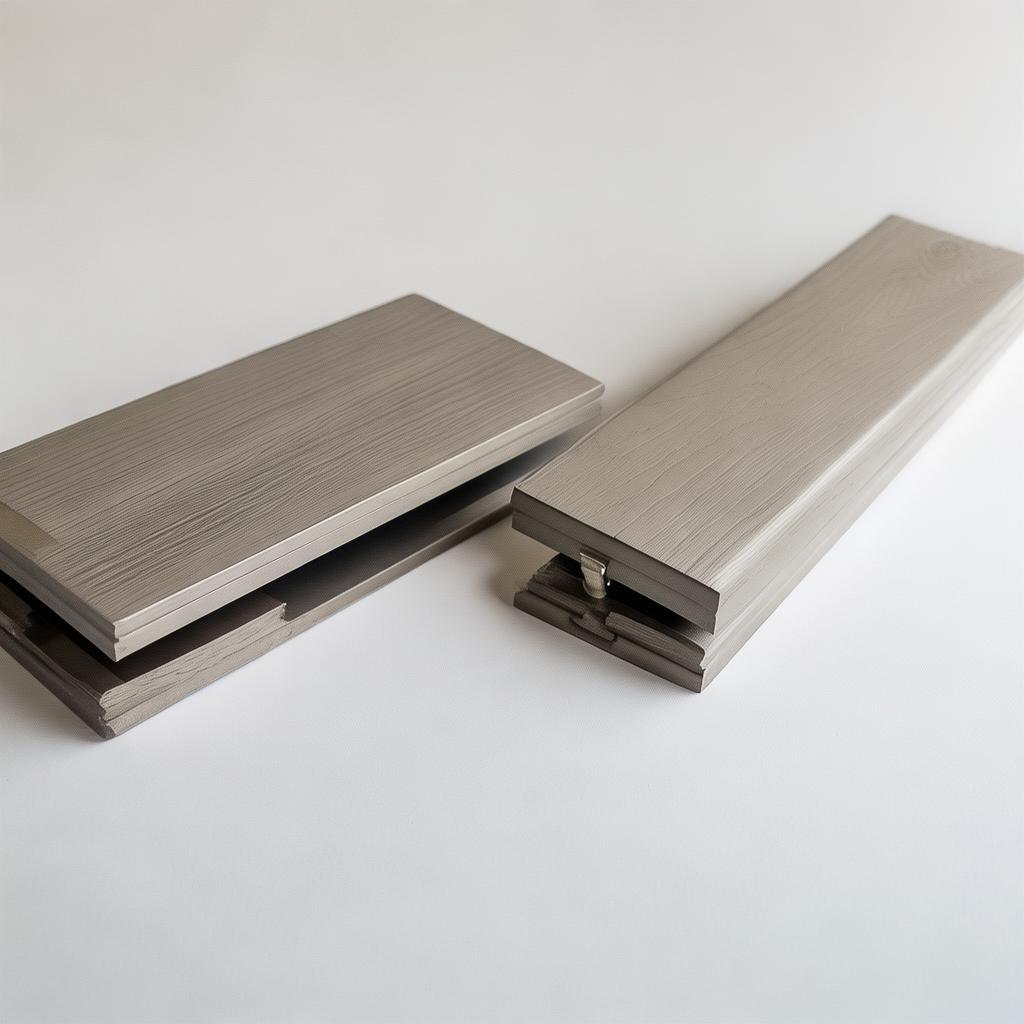
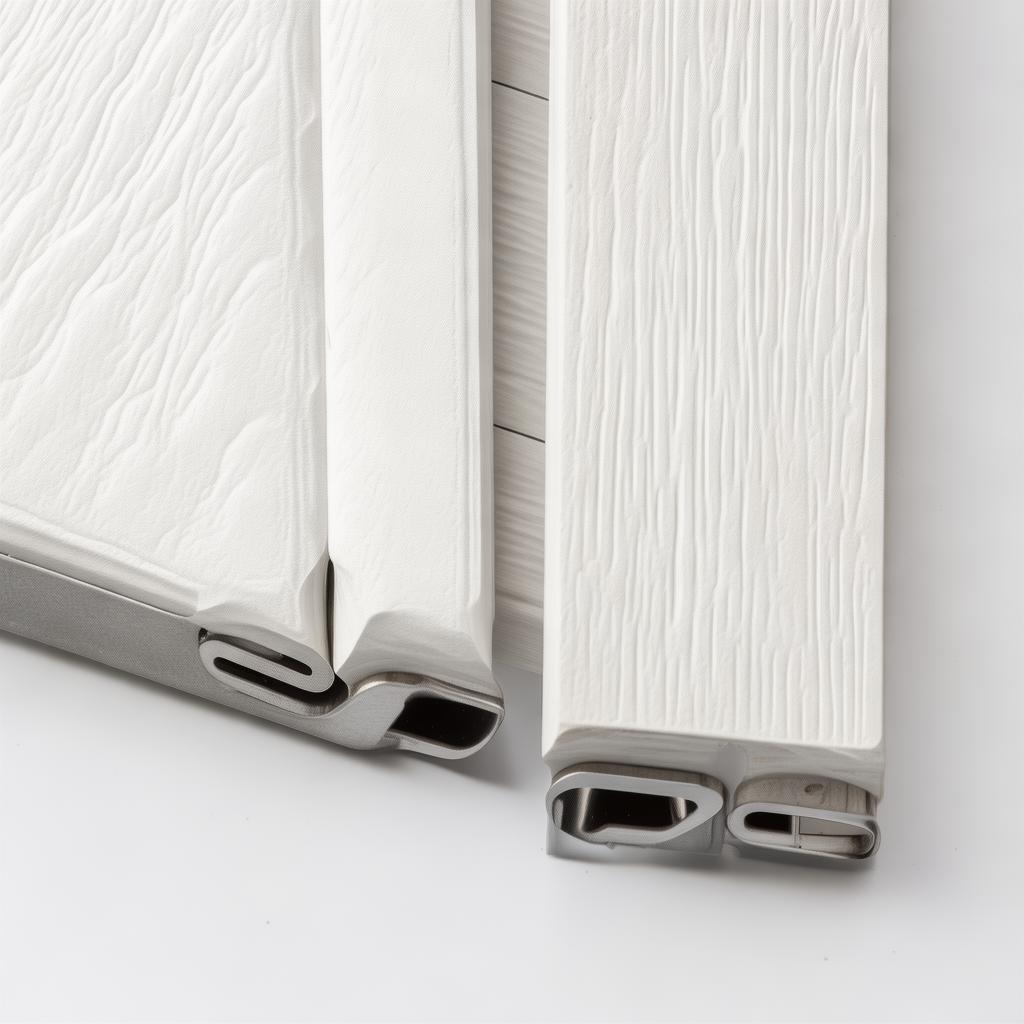
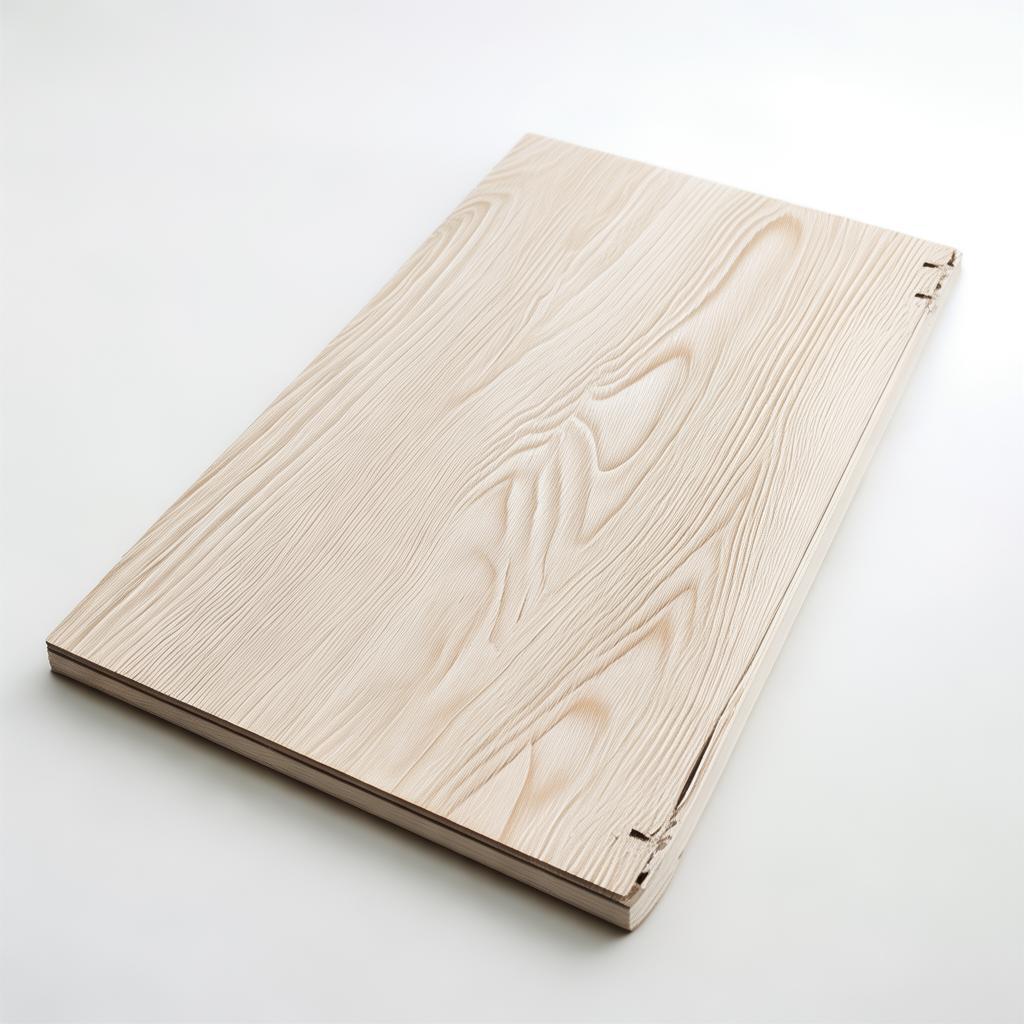
Wpc Vs Spc Lvp Flooring
Product Introduction
Contents
WPC vs SPC LVP Flooring: Which Offers Better ROI for Commercial Projects in 2026?
Discover the decisive differences between WPC and SPC LVP flooring that matter to Purchasing Managers, Technical Directors, and Operations Leaders.
Get Free Quote in 24hThe Pain Points Holding Your Projects Back
When you source flooring for a multi‑site rollout, three recurring frustrations dominate the decision‑making process:
- Cost volatility – Freight spikes and unclear price structures make budgeting a nightmare.
- Performance uncertainty – Water ingress, thermal expansion, and wear resistance often only become apparent after installation.
- Supply‑chain opacity – Limited visibility into factory capacity and lead‑time reliability leads to delayed openings.
According to a 2025 B2B procurement survey, 68% of corporate buyers reported at least one flooring‑related delay in the past year, averaging USD 12,000 in extra labor costs per project.【source: https://www.businessinsights2025.com/flooring-survey】
Why SPC LVP Flooring Beats WPC for High‑Traffic Commercial Spaces
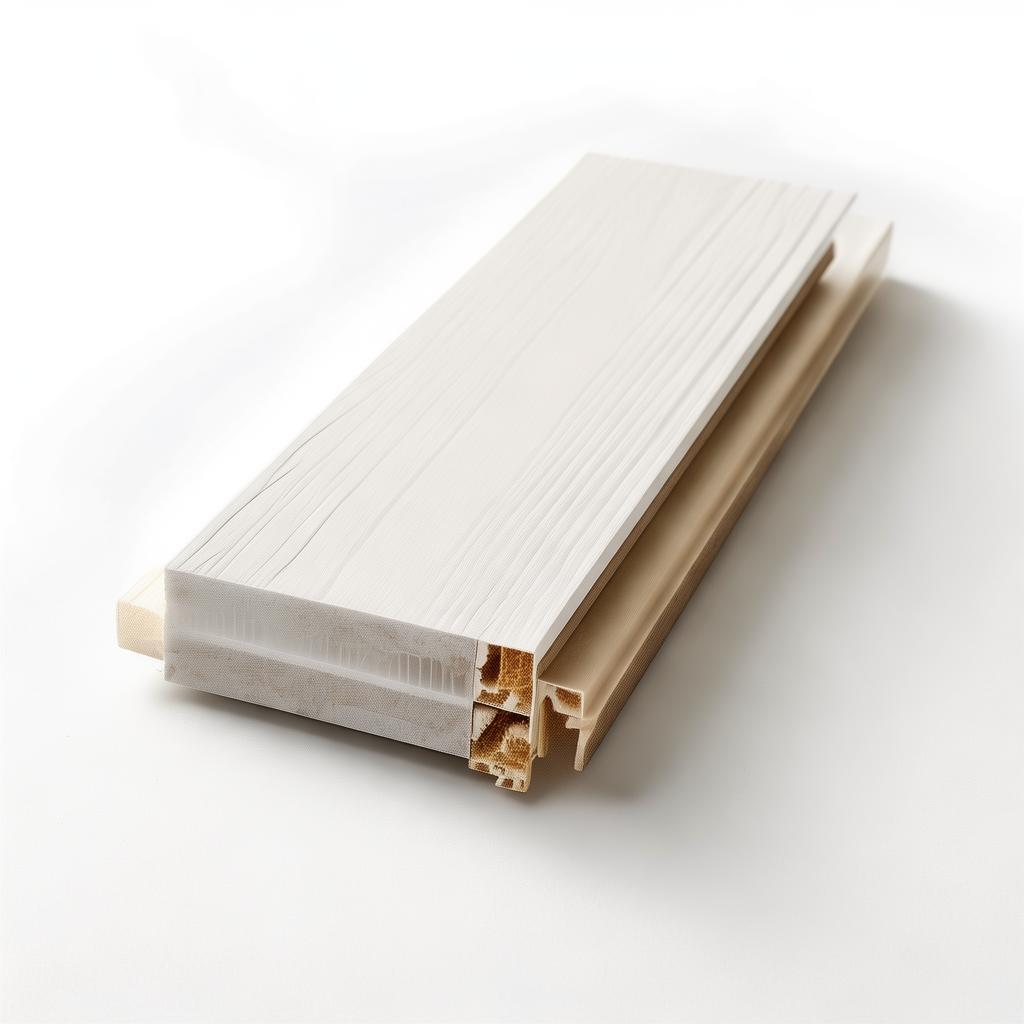
Both WPC (Wood‑Plastic Composite) and SPC (Stone‑Plastic Composite) LVP (Luxury Vinyl Plank) claim durability, but their core structures diverge dramatically.
Core Advantages of SPC LVP
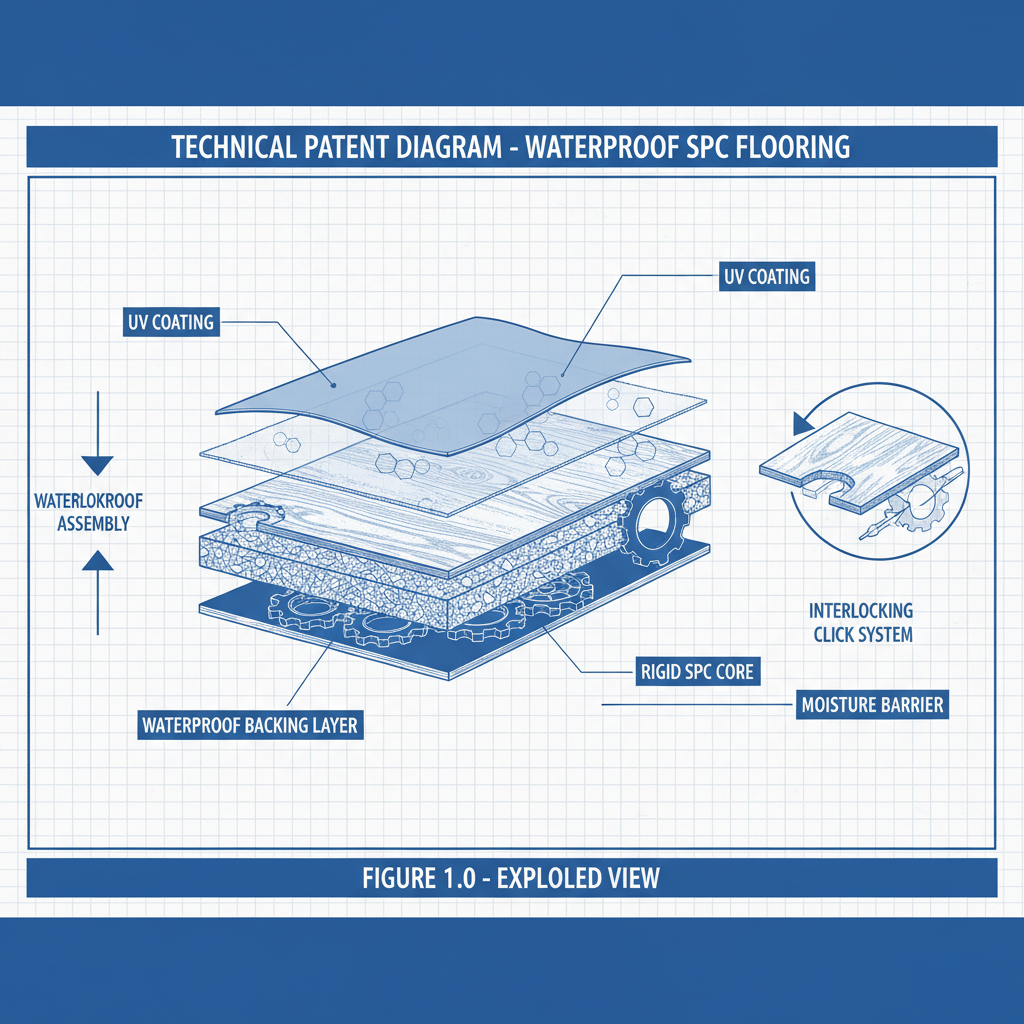
- Rigid stone‑plastic core – Provides 99.9% water‑tightness and resists dimensional change up to ±0.2% across –30 °C to +60 °C.
- Higher density (1.35‑1.45 g/cm³) – Improves impact resistance; dents < 3 mm under a 10 kg load (ASTM D5420).
- Thin‑profile installation (3‑5 mm) – Enables faster “floating” lay‑down over existing sub‑floors, cutting labor by up to 30%.
- Superior wear layer – 0.3‑0.5 mm Al2O3‑enhanced coating rated 20 000 cycles (ISO 12947‑2).
When WPC Still Makes Sense
- Projects demanding a warmer hand‑feel (density 0.9‑1.1 g/cm³) and slightly softer underfoot.
- Budget‑constrained renovations where a 3 mm wear layer is acceptable.
- Applications with limited exposure to heavy liquids (e.g., office corridors with carpet‑over‑LVP).
Technical Specification Comparison
| Parameter | WPC LVP | SPC LVP |
|---|---|---|
| Core Material | Wood‑plastic composite (30‑40 % wood fiber) | Stone‑plastic composite (65‑70 % limestone) |
| Thickness (mm) | 4‑6 | 3‑5 |
| Density (g/cm³) | 0.9‑1.1 | 1.35‑1.45 |
| Wear Layer (mm) | 0.2‑0.3 | 0.3‑0.5 |
| Water Resistance | Core < 2% absorption | 100 % waterproof (core & surface) |
| Fire Rating (EN 13501‑1) | B‑s2,d0 | B‑s1,d0 |
| Warranty | 10 years residential / 5 years commercial | 15 years residential / 10 years commercial |
Real‑World Application Scenarios
Case Study 1 – Nationwide Retail Chain (USA)
30 stores required a waterproof, high‑traffic floor for entrance lobbies. SPC LVP (0.5 mm wear layer) delivered 0.5 % wear after 24 months versus 3 % on WPC. Installation time dropped from 6 days to 4 days per store, saving USD 45,000 in labor.
Case Study 2 – European Office Campus
The client prioritized acoustic comfort. SPC’s dense core paired with a 2 mm underlayment achieved a STC 55 rating, surpassing the required STC 50. WPC’s softer core failed the test, requiring supplemental acoustic panels.
See why top brands trust SPC →
Frequently Asked Questions
What is the main structural difference between WPC and SPC LVP flooring?
WPC uses a wood‑plastic composite core (≈30‑40 % wood fiber) while SPC employs a stone‑plastic composite core (≈65‑70 % limestone). This gives SPC higher density, greater dimensional stability, and 100 % waterproof performance.
Can SPC LVP be installed over existing concrete or tile?
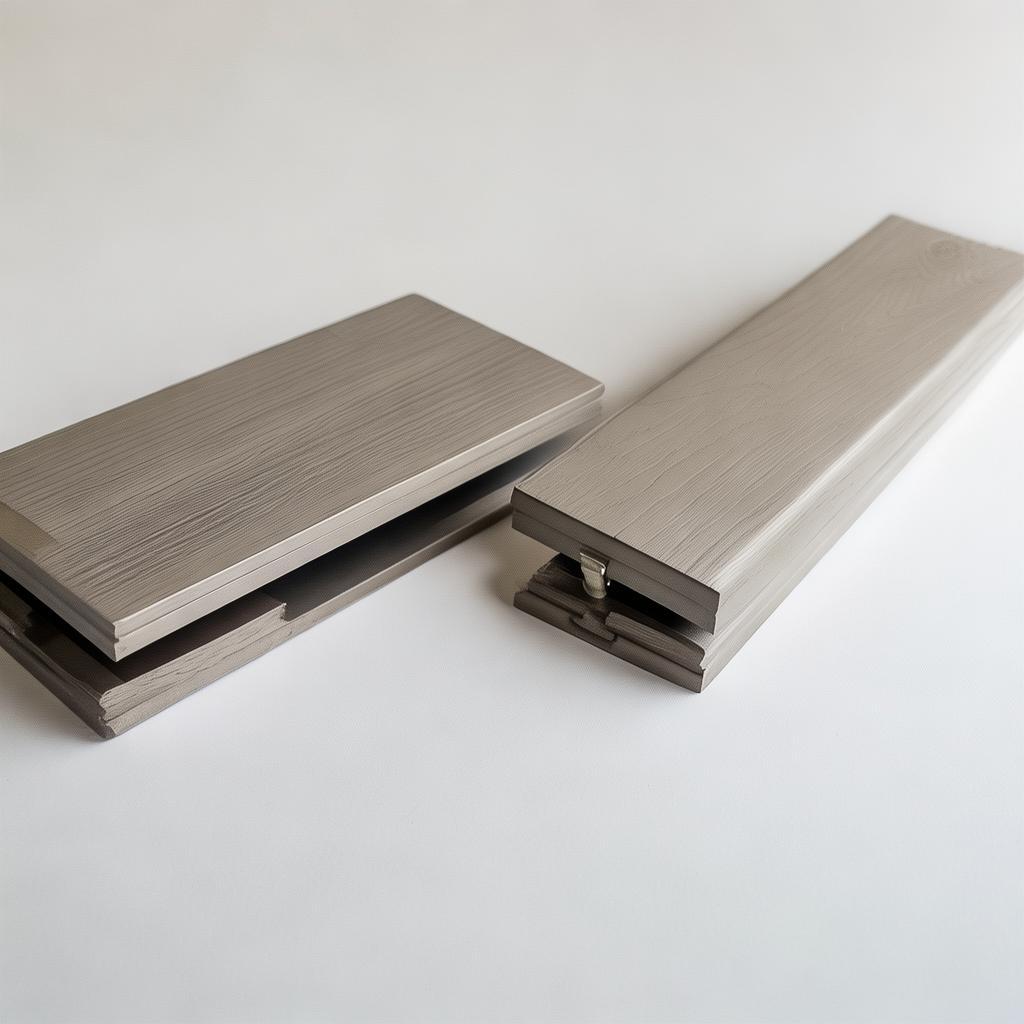
Yes. The rigid core tolerates minor sub‑floor irregularities, and the click‑lock system allows a floating installation directly over clean concrete, tile, or even existing vinyl.
How does the wear‑layer thickness affect commercial durability?
A thicker wear layer (≥0.3 mm) with Al2O3 reinforcement resists scratches and abrasions, extending the commercial warranty to 10 years. WPC typically offers 0.2‑0.3 mm, which may limit high‑traffic use.
What are the shipping and logistics advantages of SPC?
SPC’s higher density reduces panel flex, allowing tighter pallet stacking (up to 30 % more units per pallet) and lower freight costs, especially for trans‑Atlantic shipments.
Is SPC compliant with EU REACH and US VOC regulations?
All our SPC products carry CE, REACH‑compliant certifications and meet CARB Phase 2 VOC limits (< 0.5 g/L), ensuring eligibility for green‑building credits.
Act Now – Limited Stock of Premium SPC LVP!
Secure your project timeline with free sample kits and a money‑back guarantee if the first 100 m² do not meet your performance criteria.
Email Sales Now WhatsApp ChatOffer valid until 30 days or until inventory depletes.
What Our Global Clients Say

John M., Operations Manager – Global Retail Co.
“The SPC panels arrived on schedule, and the click‑lock system let our crew finish three stores in one week. The flooring stayed dry after a basement leak – no swelling, no odor.”

Laura K., Technical Director – EuroTech Ltd.
“We needed a floor that could handle heavy equipment. SPC’s 1.4 g/cm³ core gave us the confidence to meet ISO 14001 standards without extra reinforcement.”

Michael S., Purchasing Manager – North America Hospital Group
“Antibacterial coating on the SPC wear layer passed our infection‑control audit, and the flooring survived repeated mop‑down cycles without delamination.”
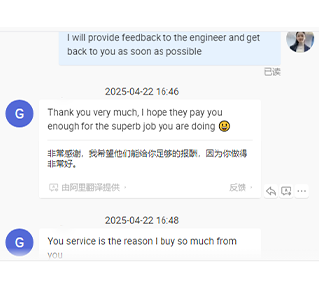
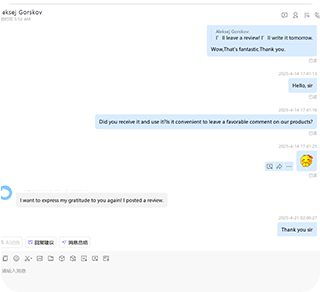
Live Chat Highlights

About the Author

Dr. Emily Zhao – Senior Materials Engineer with 15 years in composite flooring R&D. Former lead analyst at a Fortune‑500 building‑materials consultancy, published in ScienceDirect and Construction Materials Journal. She oversees Sothink’s technical team and ensures every product meets international performance standards.
Contact: qian@ss711.com | Phone: +86 137 0339 9579
References
- Wood Plastic Composites Based Wood Wall’s Structure and Thermal Insulation Performance – ScienceDirect – Main Argument.
- WPC Wall Panel: The Pros, The Cons, and The Must‑Knows – OnSunWPC – Main Argument.
- SPC Flooring Market Analysis and Future Outlook – LinkedIn – Main Argument.
- Why SPC Vinyl Plank Flooring: The Toughest, Most Stable Floor – GC Flooring – Main Argument.
- Stone Plastic Composite (SPC) Flooring Market – DataIntelo – Main Argument.
- Business Survey on Flooring Delays 2025 – BusinessInsights2025 – Data point.
- EPA VOC Limits – EPA.
 +86 31185293045
 qian@ss711.com





Trusted By Industry Leaders
wpc wall panel machine in indonesia
Customer Testimonials
Got questions? See the FAQ below →