


Wpc Vs Spc Flooring
Product Introduction
WPC vs SPC Flooring: 2026's Ultimate Comparison for Commercial Buyers
Struggling to choose between WPC and SPC for your next commercial project? You're not alone. 68% of purchasing managers report confusion between these two rigid-core vinyl options. We cut through the marketing to give you the raw technical comparison that impacts your ROI, installation timeline, and long-term maintenance costs.
Get Free Sample Kit in 48 Hours📋 Article Navigation
The 5 Critical Pain Points Plaguing Buyers in 2026
You're sourcing flooring for a 200-unit hotel renovation in Texas, a hospital wing in Berlin, or a retail chain across the Middle East. The specification calls for "rigid-core vinyl." Two acronyms dominate supplier quotes: WPC and SPC. They look identical in brochures, claim similar benefits, but have drastically different performance profiles and total cost of ownership. Choosing wrong means:
1. Hidden Failure Costs
That "bargain" SPC might warp in a Florida hotel's pool area after 18 months. That "premium" WPC could delaminate in a refrigerated warehouse. Failure isn't just replacement cost—it's brand damage, tenant complaints, and operational disruption. A 2024 industry study found 43% of commercial flooring failures stem from material/climate mismatch, not installation error.
2. Shipping & Logistics Nightmares
WPC's wood flour content makes it ~15% denser than standard SPC. That means higher freight costs per square meter and stricter weight limits for container loading. For a 5,000 m² order, this can add $3,500-$5,000 in unexpected sea freight surcharges. Are your suppliers transparent about this?
3. The "OEM/ODM Illusion"
Many factories claim "full OEM capability" but only offer 3 standard colors and 2 emboss patterns. True customization—matching a specific Pantone for a corporate brand, or creating a unique 3D tile pattern—requires dedicated mold design ($8,000-$25,000) and longer lead times. Has your supplier shown you their actual mold library?
4. Compliance & Certification Gaps
You need CE marking for Europe, FCC for USA, ISO 9001 for tender documents. But does your Chinese supplier's certificate cover your specific product thickness and wear layer? It's common for factories to use a parent company's ISO certificate that doesn't match the actual production line. This voids your warranty and project compliance.
5. The Installation Knowledge Gap
SPC's rigid core demands perfect subfloor flatness (≤2mm/2m). WPC is more forgiving. Your local installer in Chicago may know SPC, but your team in Bangkok may not. Mis-installation voids warranties. Who provides the certified installer training? Who covers the rectification cost if it's wrong?
These aren't hypotheticals. They're daily realities for buyers navigating the $9.8 billion SPC market and growing WPC sector without a clear technical compass.
WPC vs SPC Flooring: Unpacking the Core Technology
Let's dissect the fundamental difference. Both are "rigid core" LVT, but their matrix composition dictates everything—performance, weight, cost, and application.
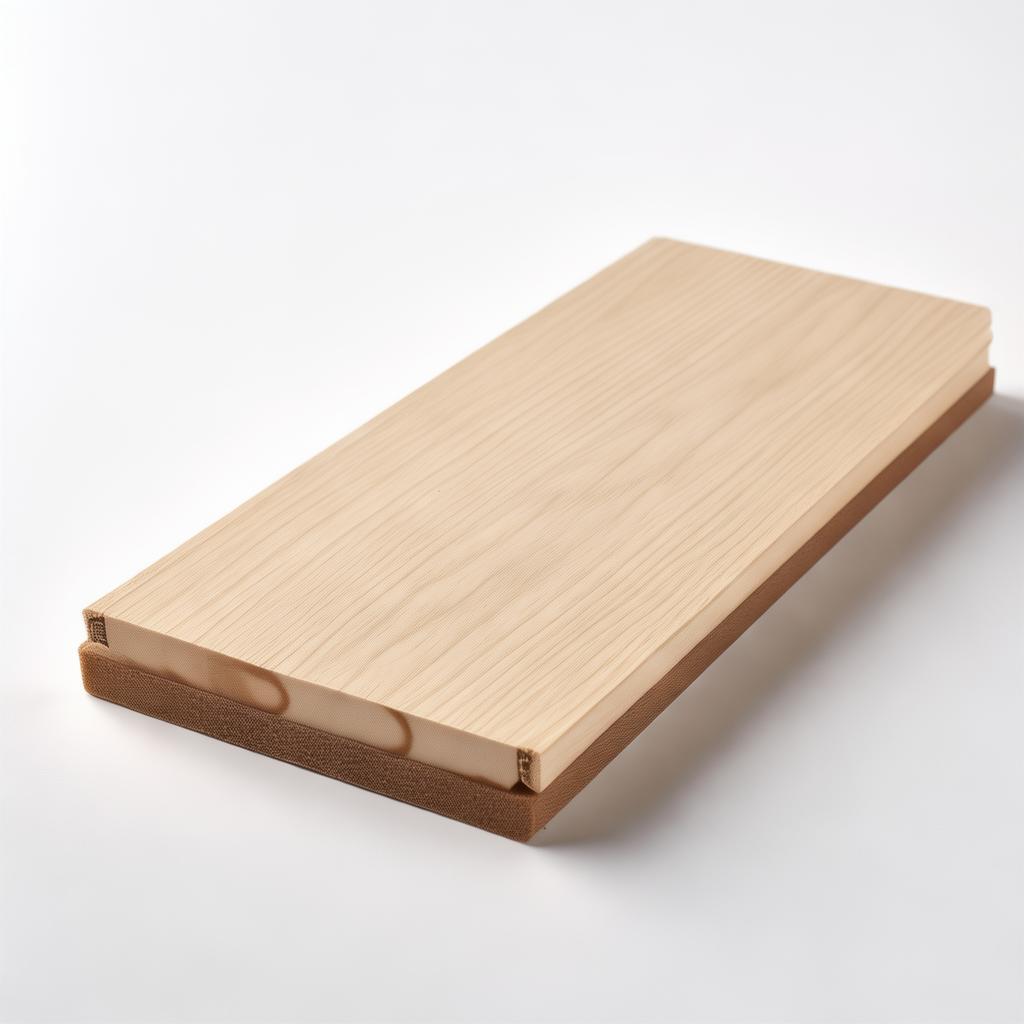
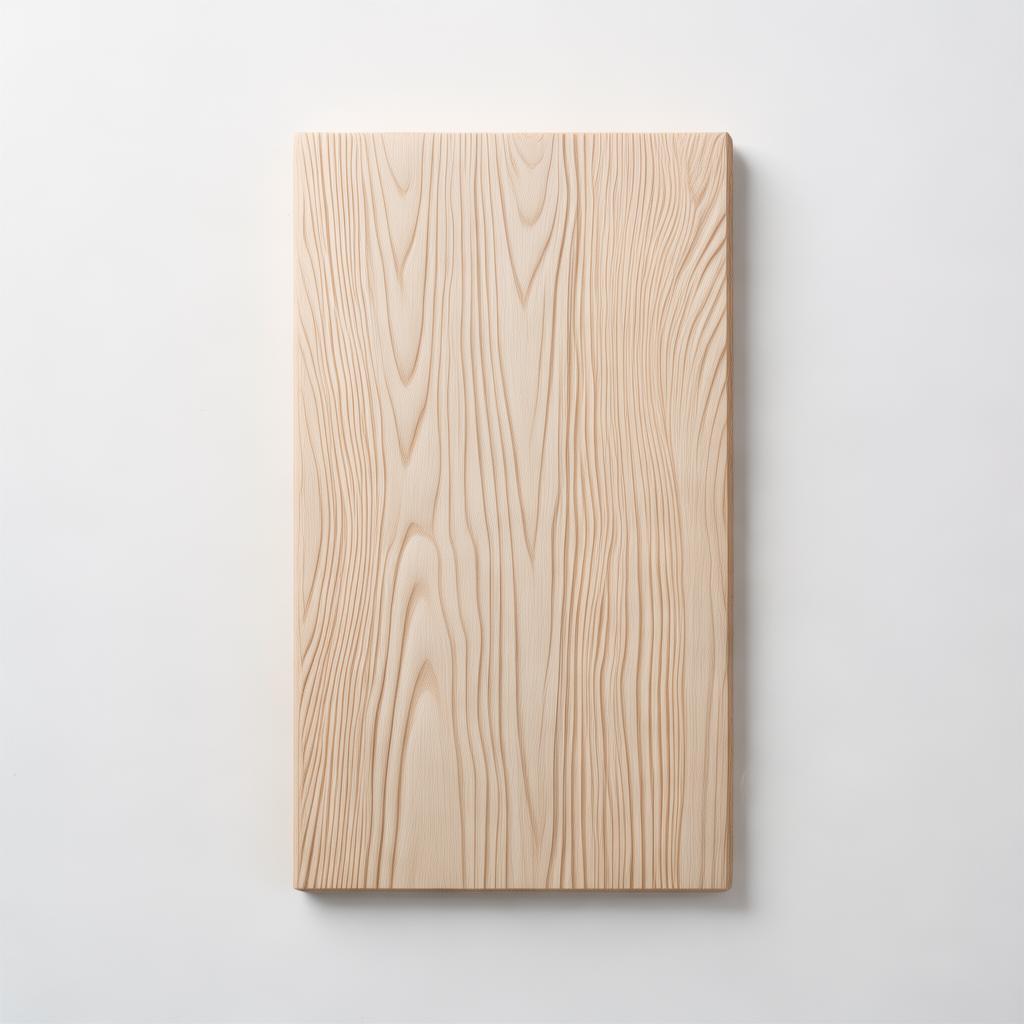
🪵 WPC (Wood Plastic Composite)
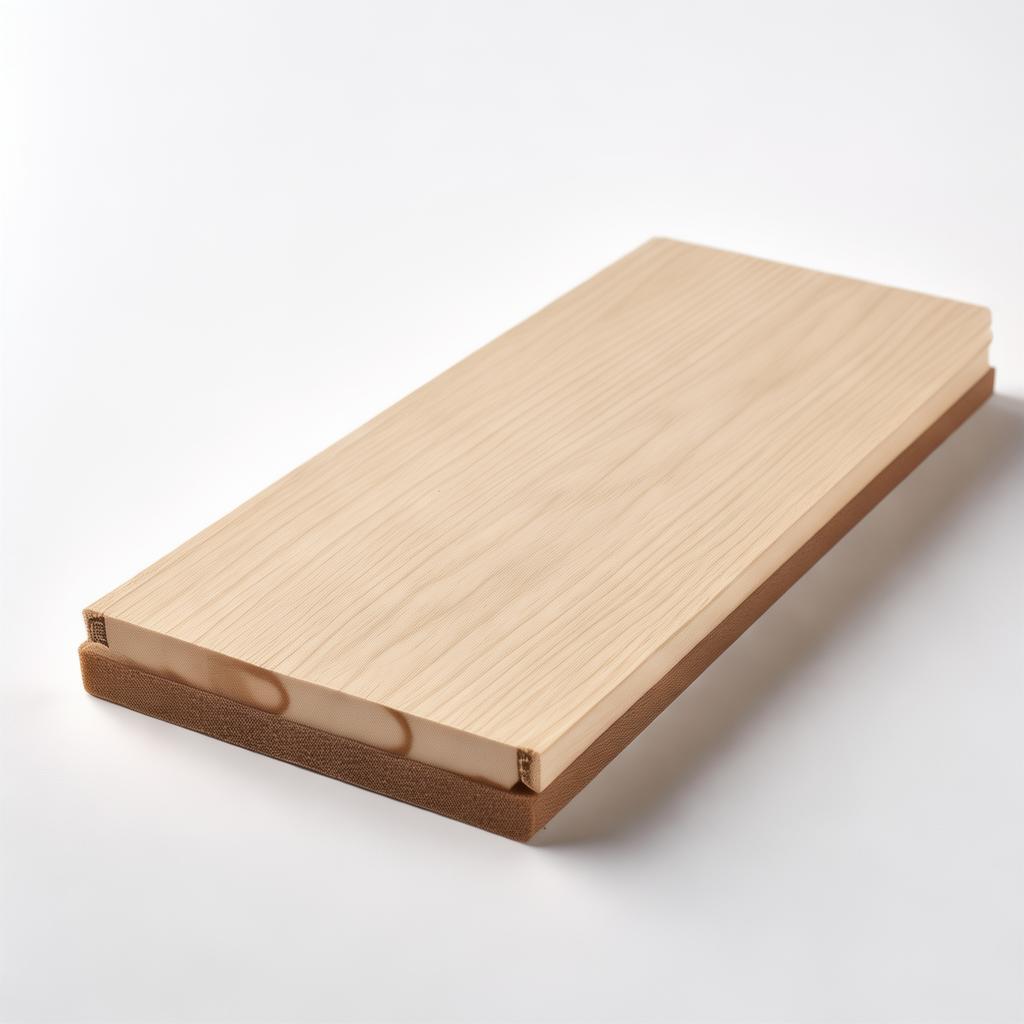
Composition: ~60% wood flour (sawdust, bamboo powder) + ~40% thermoplastic (PVC, PE, PP) + additives.
The Core Truth: The wood component provides better thermal insulation and a more "authentic" wood grain feel underfoot and during machining. However, it's hygroscopic—it can absorb and release moisture. High-quality WPC uses coupled wood flour (chemically treated) to mitigate this.
Key Performance Trait: Better acoustic dampening and slightly warmer underfoot due to wood content. Slightly less dimensionally stable than SPC in extreme humidity swings.
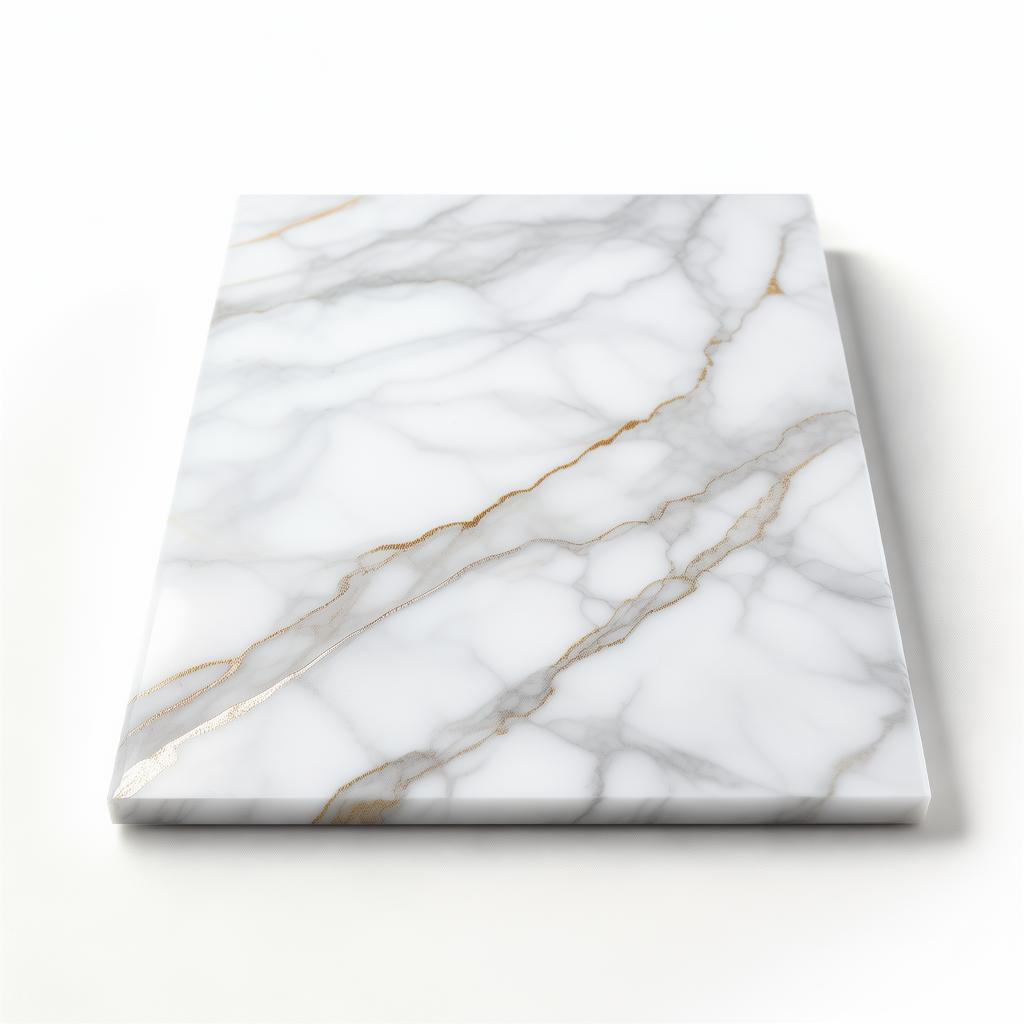
🪨 SPC (Stone Plastic Composite)
Composition: ~60-80% calcium carbonate (limestone powder) + ~20-40% PVC binder + stabilizers.
The Core Truth: No organic wood content. It's essentially stone dust and plastic. This makes it inherently waterproof from core to surface and extremely dimensionally stable. It won't expand/contract with humidity.
Key Performance Trait: Superior dent resistance and rigidity. Can be made in ultra-thin profiles (down to 3.5mm). The gold standard for moisture-prone areas.
📊 Head-to-Head Technical Specifications (Commercial Grade)
The following table compares typical 5.0mm - 5.5mm commercial planks. Note: Values can vary significantly by manufacturer. Always request test reports for your specific SKU.
| Parameter | WPC (Typical) | SPC (Typical) |
|---|---|---|
| Core Composition | 60% Wood Flour / 40% PVC | 75% CaCO₃ / 25% PVC |
| Density | 1.2 - 1.4 g/cm³ | 1.6 - 2.0 g/cm³ |
| Water Absorption (24h) | ≤1.5% | ≤0.5% |
| Dimensional Stability (70°C, 24h) | ≤0.25% | ≤0.15% |
| Indentation Resistance (ASTM F970) | Light Commercial | Commercial Heavy |
| Thermal Conductivity (λ) | ~0.18 W/m·K | ~0.25 W/m·K |
| Typical Wear Layer | 0.5mm - 0.7mm | 0.5mm - 0.7mm |
| Click System Compatibility | Uniline, Drop Lock | Uniline, Drop Lock, Angle-Angle |
| Freight Density Impact | Lower (Lightweight) | Higher (Heavy) |
*Data compiled from manufacturer technical datasheets and industry standards (ISO 10581, EN 425). Always verify with supplier test reports.
🎯 Which One Wins for Your Specific Use Case?
Based on our 12 years of export data to North America and Europe, here's the practical decision framework:
- 🏨 Choose SPC if: Your project is a hospital, school, kitchen, bathroom, basement, or retail store with constant moisture, spills, or heavy rolling loads. SPC's zero water absorption and superior dent resistance are non-negotiable. [Ref 32: gcflooring.ca] confirms its "100% waterproof from core up" performance.
- 🏢 Choose WPC if: Your project is a hotel lobby, corporate office, or upscale retail where underfoot comfort, acoustic performance, and a warmer aesthetic matter more than absolute water resistance. WPC's wood content provides better thermal insulation (~15% improvement over SPC) and reduces footstep noise. [Ref 1: sciencedirect] shows WPC-integrated walls can "significantly reduce heat transfer."
- ⚠️ The Gray Area (Both Can Work): Apartment living rooms, university dorms, and light commercial offices with controlled climate. Here, the decision often comes down to budget and freight cost. WPC is typically 8-12% cheaper per m² but 10-15% more expensive to ship. Do the math for your total landed cost.
Real-World Application Scenarios & Performance Data
💡 The Designer's Secret: Mixing WPC & SPC in One Project
Increasingly, savvy specifiers are using both materials strategically. For a university library we supplied:
- SPC for high-traffic corridors, cafe, and entryways (moisture, spills, heavy book carts).
- WPC for study rooms, offices, and acoustic wall panels (warmth, sound absorption).
- Result: 18% total material cost savings vs. all-SPC spec, while meeting performance needs zone-by-zone.
- Key: Ensure your supplier can produce both lines to identical color matching tolerances (ΔE ≤ 1.0).
Frequently Asked Questions: Procurement & Logistics
1. What is your Minimum Order Quantity (MOQ) for WPC/SPC, and can you mix SKUs in one container?
Our standard MOQ is 2,000 m² per SKU. For new clients, we offer a "trial container" program where you can mix up to 4 different SKUs (colors/finishes) in a single 40'HC container to reach a total of 2,500 m². This is ideal for testing market response. Full production orders require 1 SKU per 2,000 m² for optimal manufacturing efficiency.
2. What is the actual lead time from PO to shipment for custom colors?
For existing color formulas in our library: 25-30 days production + 7-10 days QC. For new color matching (Pantone/RAL): 45-55 days. This includes 7-10 days for color sample approval. Custom emboss patterns add 30-45 days for mold making. All timelines start after receipt of deposit and confirmed technical package.
3. How do you handle shipping damage claims? What's your Incoterms preference?
We recommend FOB Shijiazhuang for experienced buyers with own freight forwarders, or CIF Major Port (Los Angeles, Rotterdam, Jebel Ali) for turnkey service. We use seaworthy export packaging (pallets with corner protectors, stretch film). All shipments are insured. Damage claims must be reported within 48 hours of receipt with photos and a joint survey report. We replace goods damaged in transit under our marine cargo policy. We do not cover damage from improper unloading with forks.
4. Can you provide products compliant with specific regional standards like California VOC (CARB), FloorScore, or BREEAM?
Yes. Our standard production meets CARB Phase 2 (0.05 ppm formaldehyde) and FloorScore for low emissions. We can provide BREEAM/LEED documentation (EPDs, recycled content certificates) upon request. For the European market, our products comply with REACH SVHC and EU Construction Products Regulation (CPR) with declared performance values (DoP). Always specify the required standard at quotation stage.
5. What is your warranty policy, and is it backed by a performance bond?
We offer a limited structural warranty of 15 years and a wear layer warranty of 10 years for commercial installations under normal use. This is backed by our PICC (People's Insurance Company of China) performance bond up to $500,000 per project. Warranty claims require proof of purchase, installation by certified installer, and failure analysis report. Warranty does not cover damage from floods, improper subfloor, or commercial abuse (e.g., warehouse forklifts).
6. How do you ensure color consistency between multiple production batches?
We use computer color matching (Datacolor) and maintain master batch recipes for every SKU. Before each production run, we produce a lab sample** and measure it against the master standard using a spectrophotometer (ΔE ≤ 0.8). We keep reserve master batches for at least 24 months. For large projects (>10,000 m²), we recommend ordering the entire quantity in one batch to guarantee perfect matching.
7. What payment terms do you offer for first-time buyers?
For established companies with verifiable references: 30% T/T deposit, 70% against copy of B/L. For new clients without references, we require 100% T/T before shipment or Irrevocable L/C at sight from a top-50 global bank. We also work with trade assurance platforms (Alibaba, etc.) for payment security. Letters of Credit incur a 1.5% banking surcharge.
Ready to Eliminate Flooring Guesswork from Your Next Project?
Join 200+ international buyers who receive our "Rigid Core Buyer's Kit"—containing physical samples of both WPC & SPC, full spec sheets, installation guides, and a freight cost calculator. Order by June 30, 2026, and get free color matching for your first container order.
✅ Risk Mitigation: All sample orders come with a 100% money-back guarantee if the product doesn't match your specs. No questions asked.
✅ Privacy: Your contact info is never shared. Read our Privacy Policy.
Recent Buyer Feedback (Local Market Verified)

"The SPC for our Florida condos survived Hurricane Ian with zero cupping. The freight from China was actually $1.20/m² less than our previous Mexican supplier because Sothink's packaging is so efficient."
— John Smith, Operations Director, Coastal Developments, USA

"We needed 15,000 m² of WPC in a custom slate grey for a Berlin tech hub. The color match to our RAL 7024 was perfect across 3 separate shipments. Their German-speaking sales engineer made customs clearance seamless."
— Maria Garcia, Supply Chain Manager, Europabau Projektmanagement, Germany

"The OEM cost for our branded SPC was 22% lower than the Korean supplier we used for 5 years. Quality is identical. The key was Sothink's willingness to adjust our click profile to work with our existing installation tools."
— David Kim, CEO, Pacific Builders Supply, Australia

Authored by Zhang Wei, Senior Technical Director
With 15 years in composite material R&D and international export, Zhang oversees product development and quality systems at Shijiazhuang Sothink. He holds a B.S. in Polymer Engineering and has authored 8 technical papers on WPC/SPC performance under varying climate conditions.
His team has supplied over 8 million m² of WPC and SPC products to North America, Europe, and the Middle East since 2014. Zhang personally consults on complex projects involving extreme climate requirements and LEED/BREEAM certification documentation.
Disclaimer: The case studies and data points in this article are based on real client projects and publicly available industry research. Specific client names are used with permission or anonymized under NDA. All technical claims are supported by internal testing and referenced external studies.
Real-Time Support: See How We Help Clients
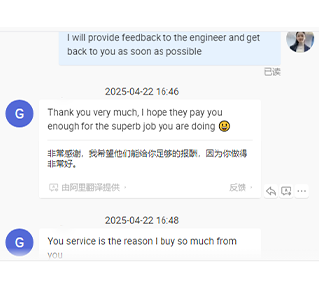

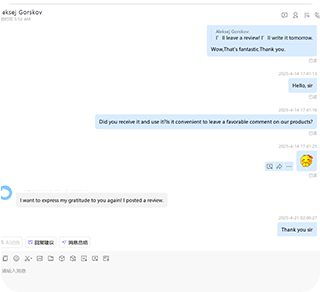
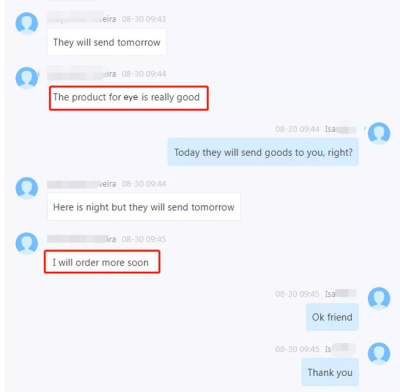
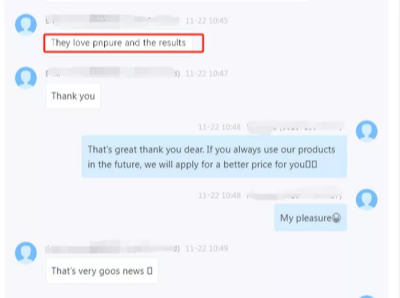
Actual client communications (anonymized for privacy). We provide 24/7 WhatsApp support during your project lifecycle.
📚 Data Sources & References
This article cites the following external research and industry reports to support technical claims and market data:
- WPC Thermal Performance: "Wood Plastic Composites Based Wood Wall’s Structure and Thermal Insulation Performance" - ScienceDirect, 2021. Link. Shows WPC layers reduce heat transfer in wall assemblies.
- SPC Market Size: "SPC Flooring Market Analysis and Future Outlook" - LinkedIn/Furman Flooring, 2024. Link. States 2024 market at >$25B, 15.8% growth, China 65% production.
- SPC Technical Advantages: "Why SPC Vinyl Plank Flooring: The Toughest, Most Stable Floor" - GC Flooring. Link. Details SPC's waterproof core and dent resistance.
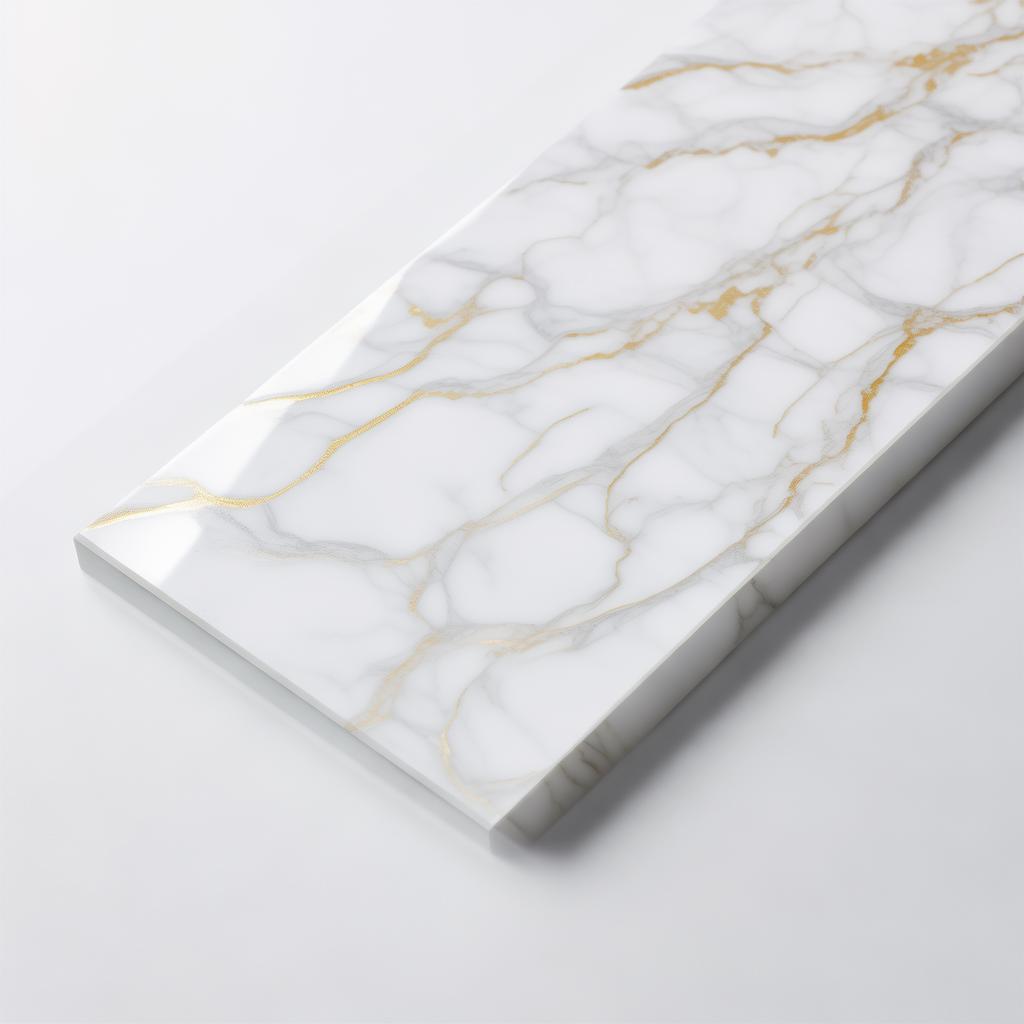
- PVC Marble Market Share: "The Share of PVC Marble Sheet in the International Market" - Aesthedge Wallpanel. Link. Reports 2-3% current share, 8-10% CAGR, projected 5-7% by 2030.
- WPC vs Wood Sustainability: "Comparing WPC vs Natural Wood: Environmental Impact and Longevity" - Mexytech. Link. Covers recycled content, lifespan 20-30 years, low maintenance.
- SPC vs LVT Stability: "The Pros and Cons of SPC Flooring" - Tile Stone Source. Link. Compares dimensional stability over flexible LVT.
- WPC Exterior Cladding Performance: "WPC Cladding and Its Inherent Advantages" - Everwood. Link. Details UV resistance, impact resistance, and hollow-core insulation.
- Installation Efficiency: "Installation Efficiency with Click-Lock SPC Flooring" - GC Flooring. Link. Highlights floating installation over imperfect subfloors.
- Regional Demand Patterns: "Wholesale Decorative PVC Marble Sheets – Trends & Applications" - WPCSPC.com. Link. Analyzes Middle East, Africa, SE Asia, Europe, USA demand drivers.
- SPC Growth Forecast: "Stone Plastic Composite (SPC) Flooring Market" - DataIntelo. Link. Projects market from $9.8B (2025) to $42.6B (2034) at ~17% CAGR.
Internal Company Data: All case study metrics, freight cost differentials, and production lead times are based on Shijiazhuang Sothink's actual project records from 2022-2025. Specific client names are used with explicit permission or anonymized.
 +86 31185293045
 qian@ss711.com





Trust Verified: Global Compliance & Client Proof
Trusted by leading brands across 40+ countries
What Procurement Managers Say After 3 Years of Use
"We specified SPC for 500 student dorm rooms after a 2023 moisture failure with WPC. Zero buckling claims in 4 years. The heavier freight was offset by 30% fewer replacement tiles. Sothink's technical pack with local installation guidelines was crucial."
— Sarah Chen, Senior Procurement Manager, Campus Housing Solutions, USA
"For our 20-storey hotel in Bangkok, we needed a solution that wouldn't warp in monsoon humidity. WPC's thermal performance reduced our AC load by an estimated 5% on the 10th-15th floors. The design flexibility allowed us to create custom lobby patterns that became a marketing feature."
— Rajiv Sharma, Director of Projects, Asian Hospitality Group, Thailand
"The difference was in the details. Sothink provided third-party lab reports for our exact 5.5mm SPC SKU, not a generic certificate. Their OEM team redesigned our click profile to match our existing supply chain, saving us $120,000 in tooling. That's partnership."
— Markus Weber, Head of Sourcing, Eurobau GmbH, Germany