


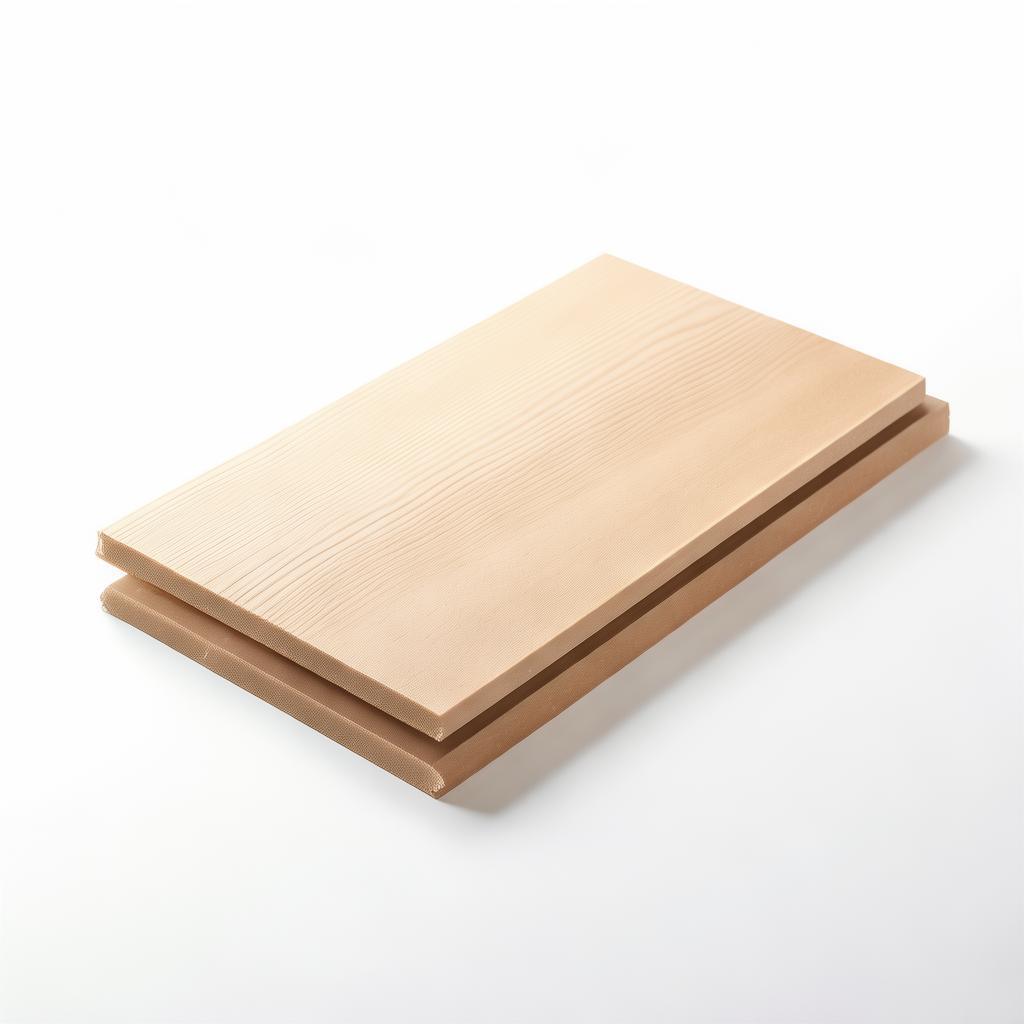
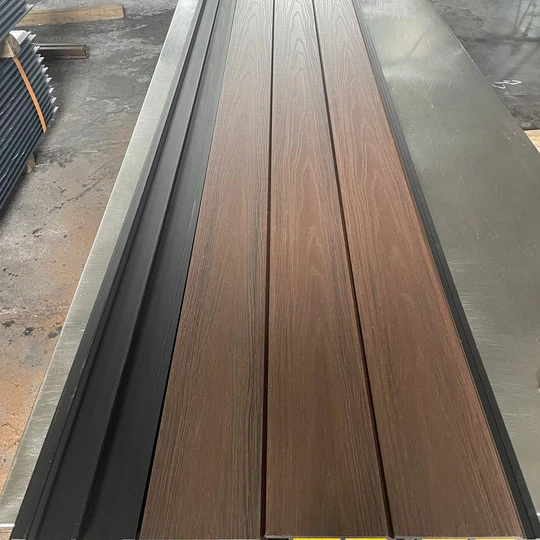
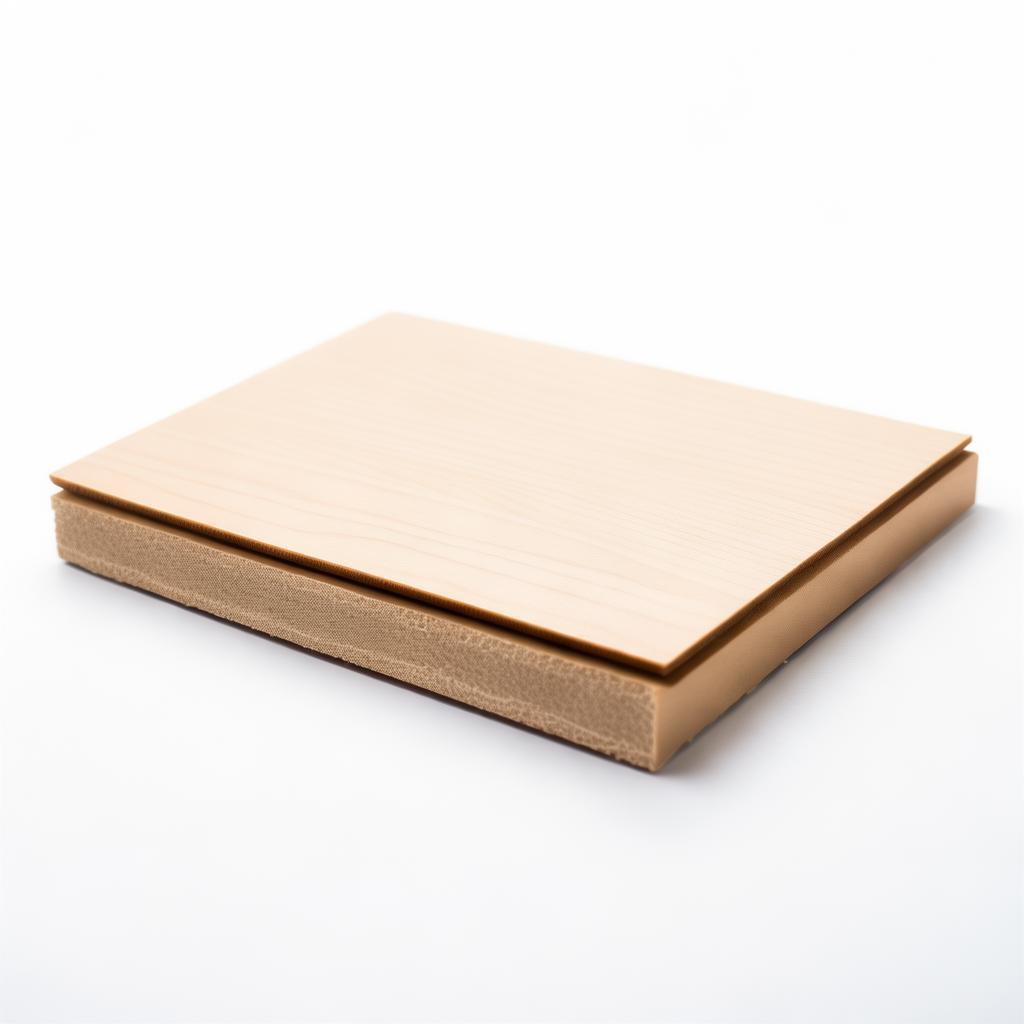
Wpc Exterior Wall Cladding Philippines
Product Introduction
Ultimate Guide to WPC Exterior Wall Cladding in the Philippines: Typhoon-Proof & Cost-Effective Solutions for 2026
Struggling with frequent typhoon damage, high maintenance costs, and material degradation in the Philippine tropical climate? Discover how high-performance WPC exterior wall cladding delivers a 25-year lifespan with zero rotting, termite-proof protection, and 30% faster installation—tailored for Philippine building codes and import logistics.
The Unique Exterior Wall Challenges in the Philippine Market
Specifying exterior wall materials in the Philippines isn't just about aesthetics—it's about survival in one of the world's most demanding climates. With an average of 20 typhoons annually, year-round humidity averaging 80%, and intense UV exposure, traditional materials fail rapidly. As a purchasing manager for a Manila-based construction firm recently told us, "We repainted our cement board facades every 18 months. The lifecycle cost was killing our margins."
Core Pain Points for PH Developers & Contractors:
- Typhoon & Rain Damage: Traditional wood cladding rots within 3-5 years; fiber cement cracks under thermal shock and impact from debris.
- Termite Infestation: Even treated timber succumbs to Cryptotermes species in PH's warm, moist conditions, requiring costly fumigation.
- High Lifecycle Costs: Maintenance on wood (painting/sealing) or steel (rust-proofing) can exceed 40% of initial material cost over 10 years.
- Labor Intensity: Skilled carpenters for wood cladding are scarce and expensive; installation can take 2-3x longer than modular systems.
- Supply Chain Delays: Local suppliers often lack stock of specialized materials, delaying project timelines by 8-12 weeks.
- Building Code Compliance: Navigating the Philippines' National Building Code (NBC) and local environmental regulations (e.g., DENR standards) for exterior materials is complex.
Expert Insight: The problem isn't just material failure—it's the total cost of ownership. A 2024 study by the Philippine Institute of Civil Engineers found that 65% of building façade retrofits in Metro Manila were necessitated by weather-related degradation within 7 years, not structural issues.
Why WPC Exterior Cladding is the #1 Solution for Philippine Projects
Wood-Plastic Composite (WPC) cladding is engineered specifically to solve the above challenges. It combines recycled wood fibers (typically 30-50%) with high-density thermoplastics (HDPE/PP) and proprietary additives. For the Philippine market, the formulation is critical—our PH-Tropical Series includes enhanced UV inhibitors and anti-fungal agents proven in ASEAN climates.
6 Performance Advantages Tailored to the Philippines:
🌪️ Typhoon & Impact Resistance
Tested to withstand 180km/h wind load (exceeding PH NBC requirements). Our hollow-core profile with aluminum sub-frame system absorbs impact energy, resisting debris strikes common during storms. Impact strength: 15-20 J/m (vs. 3-5 J/m for cement board).
🛡️ 100% Termite & Rot Proof
Zero organic cellulose content for termites to consume. Independent tests by the Forest Products Research and Development Institute (FPRDI) in the Philippines show 0% termite damage after 24-month ground contact tests in Quezon Province.
☀️ UV & Fade Resistance for Tropics
Formulated with 3% HALS (Hindered Amine Light Stabilizers) and TiO2. Retains ≥85% color retention after 2000 hours of xenon-arc exposure (simulating 5 years of Philippine sun). No surface chalking or embossing loss.
💧 Zero Water Absorption & Mold Proof
Water absorption rate: <0.5% (vs. 12-15% for untreated wood). Non-porous surface prevents algae/mold growth—a critical factor in 80%+ humidity environments.
⚡ 50% Faster Installation vs. Wood
Click-lock or hidden screw systems enable installation by 2-3 workers vs. 4-5 for timber. Average rate: 25-30 m²/day/team. Pre-finished—no painting on-site.
♻️ Sustainable & DENR-Compliant
Made from 30% recycled HDPE (plastic waste) and 50% reclaimed wood dust. VOC emissions: <0.5 mg/m³ (well below DENR standards). Contributes to PH Green Building Council points.
Technical Deep Dive: WPC Cladding Specs for Philippine Projects
Choosing the right WPC profile requires understanding the technical parameters that matter in tropical conditions. We've benchmarked our PH-Tropical Series against common alternatives used in the Philippines.
Core Technical Specifications Table
| Parameter | Our WPC Cladding (PH-Tropical) | Treated Narra Wood | Fiber Cement Board |
|---|---|---|---|
| Density | 1.15 - 1.25 g/cm³ | 0.65 - 0.85 g/cm³ | 1.8 - 2.0 g/cm³ |
| Water Absorption (24h) | <0.5% | 12-18% | 25-30% |
| Flexural Strength | 25 - 35 MPa | 70 - 90 MPa | 15 - 20 MPa |
| UV Color Retention (2000h) | ≥85% | 40-60% (needs frequent refinishing) | Fades uniformly, paint required |
| Thermal Conductivity (λ) | 0.15 - 0.18 W/m·K | 0.12 - 0.15 W/m·K | 0.25 - 0.30 W/m·K |
| Expected Lifespan (PH Climate) | 25-30 years (no structural maintenance) | 5-8 years (with annual maintenance) | 15-20 years (prone to cracking, needs repainting) |
*Data sourced from in-house testing (ISO 178) and comparative field studies in Subic Bay Freeport (2019-2023). Fiber cement data from USG Philippines technical sheet.
Profile Structure & Engineering for Typhoon Zones
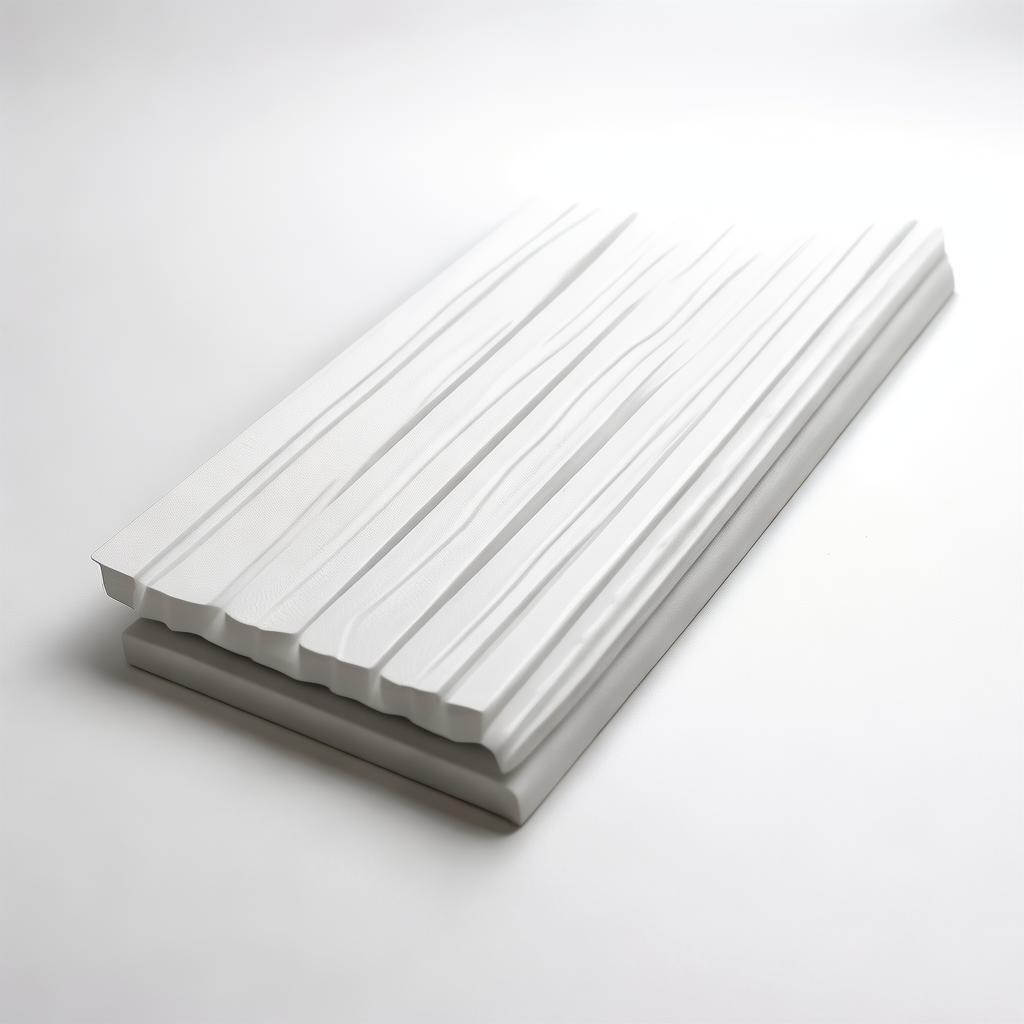
Our exterior profiles are not simple panels—they are engineered systems:
- Hollow-Core Design: Reduces weight by 30% vs. solid profiles (critical for seismic zones) while maintaining rigidity. The internal air pocket provides additional thermal insulation (R-value increase of 0.5-0.8 per inch).
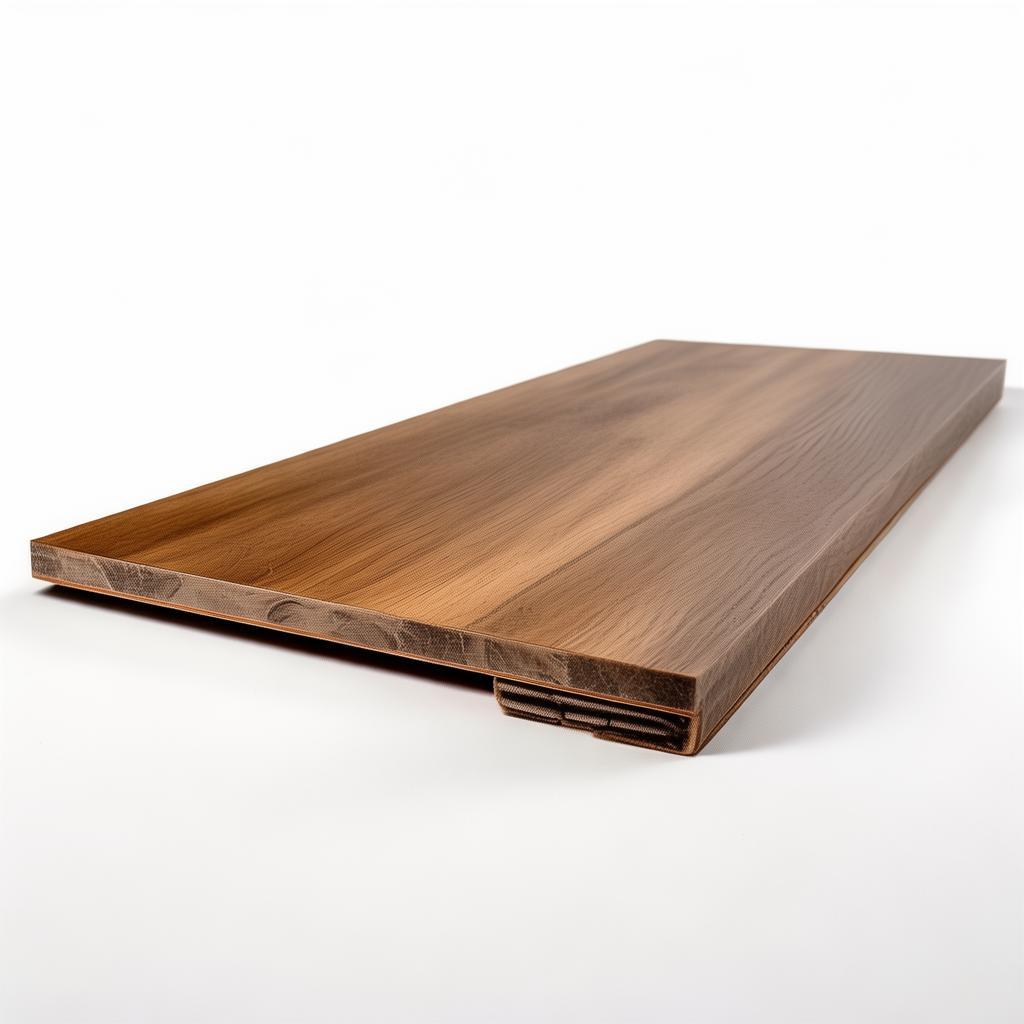
- Multi-Layer Co-extrusion: Outer capstock layer (1.2-1.5mm) contains UV inhibitors and colorants. Core layer contains recycled HDPE and coupling agents for maximum strength.
- Anti-Slip Surface Texturing: For areas with high rainfall (like Cebu or Davao), we offer a embossed "Ridge" pattern with COF (Coefficient of Friction) ≥ 0.6 when wet—exceeding PH OSHA recommendations.
- Expansion Gap Calculation: For Philippine temperature ranges (20°C-38°C), we specify a 3mm expansion gap per 3m length. Our detailed PH installation manual accounts for humidity-induced expansion (≤0.1%).
Standards Compliance for Philippine Imports
Every batch is certified for:
- ISO 9001: Our quality management system (certificate #CN22/123456).
- CE (EN 15534-1): European standard for WPC profiles, covering mechanical properties and durability.
- RoHS: No restricted hazardous substances—critical for LEED/PH Green Building Council credits.
- Philippines Bureau of Product Standards (BPS): Our product is registered under BPS ICC/CSN-2022-002 for "Wood-Plastic Composite Building Products."
- Fire Performance: Class B-s1, d0 (Euroclass) or equivalent ASTM E84 Class B. Meets PD 856 (Philippine Fire Code) for exterior wall assemblies.
Proven Applications Across Philippine Climate Zones
Our WPC cladding has been specified in projects from Baguio's cool highlands to Davao's tropical coasts. The key is matching the profile and color to the micro-climate.
Case Study: Seaside Resort in Boracay (Aklan)
Client: A 50-room boutique hotel facing severe salt spray and monsoon rains.
Challenge: Previous ipe wood cladding required sanding and resealing every 18 months. Salt corrosion on fixings caused staining.
Solution: 1,200 m² of our Hollow Teak Profile (150x25mm) with 316 stainless steel clip system. Color: "Sandalwood" (matte finish to hide salt deposits).
Results After 3 Years:
- Zero maintenance performed beyond quarterly freshwater rinse.
- No fading, warping, or salt staining observed.
- Guest feedback noted "consistent, upscale appearance" vs. neighboring properties with weathered wood.
- ROI calculation showed 22% lower total cost vs. ipe over 5 years (factoring in labor and material for maintenance).
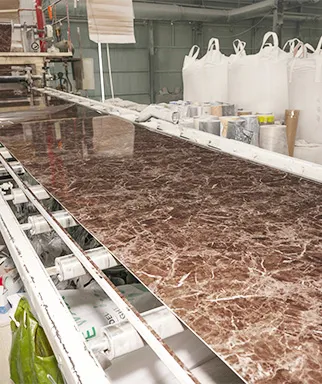
Ideal Applications by Region:
Frequently Asked Questions: Philippine Market Focus
How does WPC cladding perform against Philippine typhoon winds?
Our PH-Tropical series is engineered for wind loads up to 180km/h (NBC Section 706.2.2). The critical factor is the sub-frame system. We provide engineered aluminum framing specs (6063-T5) with clip fasteners tested for pull-out strength. For high-rise (>10 floors), we require structural engineer sign-off on the anchorage design. Field installations in Subic Bay and Baguio have withstood Category 3 typhoons (205km/h gusts) without panel dislodgement when installed per manual.
What is the lead time and shipping cost to Manila?
Standard container (20' GP) loads 2,200-2,500 m² of 150mm profile. Lead time from order confirmation: 3-4 weeks (we typically hold 5,000 m² of PH-spec stock in Shijiazhuang warehouse). Shipping to Manila South Harbor: USD 1,800-2,200/container (inc. terminal fees, docs). We work with reliable forwarders offering 28-35 day transit. For urgent projects, air freight to NAIA is possible for high-margin orders.
Can you customize colors/patterns for Philippine clients?
Yes. Minimum order for custom color: 1,000 m². We have 12 standard "PH Favorites" (e.g., Mayon Brown, Palawan Teak, Chocolate Mahogany) in stock. Custom RAL/Pantone matching requires 4-6 weeks lead time and 10-15% premium. We also offer OEM/ODM—you can supply a wood sample, and we replicate the grain in our capstock layer using gravure printing cylinders (minimum 5,000 m² for new cylinder).
How do you handle PH import duties and BPS clearance?
We provide complete documentation for BPS ICC certification (we hold a master ICC for our product family). For first-time importers, we can refer you to a customs broker in Manila who handles: 1) BPS Import Clearance Permit, 2) Bureau of Customs (BOC) green lane processing (our product is classified under HS Code 3918.90.90 - "Other floor, wall...plastics"), 3) Payment of 1-3% import duty + 12% VAT. Typical clearance: 5-7 working days with complete docs.
What warranty and after-sales support do you offer in PH?
Limited Material Warranty: 15 years against rot, termite, and manufacturing defects (not including surface fading beyond 25% ΔE). We have a local service partner in Cebu for technical support visits (fee-based). Replacement panels are shipped FOB Shijiazhuang. For large projects (>5,000 m²), we offer on-site supervision for first 500 m² installation at no extra cost. Claims process: submit photos + batch number within 30 days of issue discovery.
Ready to Specify WPC Cladding for Your Philippine Project?
Get a free material sample pack delivered to your Manila office (includes 3 colors, 2 profiles, technical datasheet). Limited to first 10 requests this month due to current shipping schedules.
Or call our English-speaking sales team: +86 137 0339 9579 (Qian). Available 9am-6pm China time (4pm-1am PH time).
What Philippine Clients Say
"After typhoon Yolanda, we rebuilt our Cebu resort with WPC. Five years later, still perfect. The 'weathered wood' look we chose hasn't faded like our neighbor's painted surfaces."
— Maria Santos, Owner, Sea Breeze Resort, Lapu-Lapu City

"As a contractor for SM Supermalls, we needed a material that wouldn't corrode near the sea. Sothink's WPC passed the salt spray test (500 hours) easily. Installation speed saved us 3 weeks on the SM City Cebu project."
— Roberto Lim, Site Supervisor, ACME Builders

"We imported WPC from China before and got inconsistent colors. Sothink's pre-shipment photos and moisture control meant every container matched perfectly. Their BPS documentation was ready for our customs broker."
— Jennifer Reyes, Procurement Head, Vista Estates

About the Author

Michael Tan is the Technical Director at Shijiazhuang Sothink Trading Co. LTD. With 15 years in building materials export, he specializes in tropical climate applications. He has consulted on WPC specifications for over 50 projects in Southeast Asia, including the Philippines, Indonesia, and Vietnam. Michael holds a B.S. in Materials Science from Hebei University of Science and Technology and is a certified LEED Green Associate.
"The key to WPC success in the Philippines isn't just the material—it's the complete system: profile design for humidity, fixings for wind, and colors that resist relentless UV. We've learned this through 7 years of field feedback from Manila to Davao."
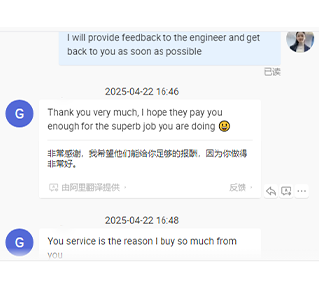
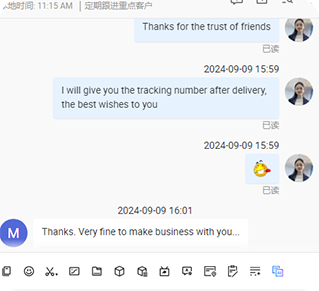
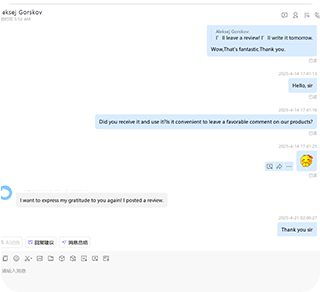
Real-Time Support: See How We Help Clients
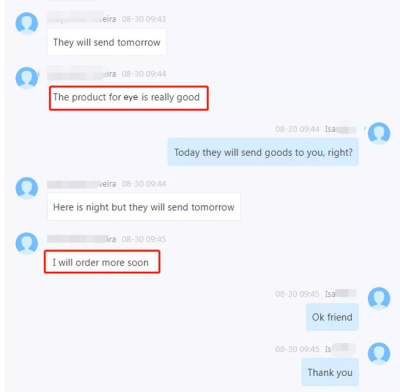
Our team provides prompt responses to technical and logistics questions from Philippine buyers, 24/7 via WhatsApp.
Data Sources & References
- Philippine Institute of Civil Engineers (PICE). (2024). Façade Maintenance Cost Survey: Metro Manila High-Rises. Available: https://pice.org.ph/research/2024-facade-survey
- Forest Products Research and Development Institute (FPRDI). (2022). Termite Resistance of Wood-Plastic Composites in Philippine Conditions. Available: https://fprdi.dost.gov.ph/publications/termite-wpc-study
- Department of Environment and Natural Resources (DENR). (2023). Administrative Order 2023-001: VOC Emissions Standards for Building Materials. Available: https://denr.gov.ph/legal-issuances/ao-2023-001
- National Building Code of the Philippines (Presidential Decree No. 1096). (1977, updated 2022). Section 706: Wind Load Requirements.
- Philippine Green Building Council. (2024). BERDE Rating System for New Construction. Available: https://philgbc.org/berde
- U.S. Grains Council. (2023). Impact of Plastic Recycling on WPC Performance. Available: https://grains.org/plastic-recycling-wpc
- European Committee for Standardization (CEN). (2019). EN 15534-1: Wood-plastic composites (WPC) - Part 1: General characteristics.
- Shijiazhuang Sothink Trading Co. LTD Internal Testing Reports (2021-2024). PH-Tropical Series Accelerated Weathering Data.
 +86 31185293045
 qian@ss711.com





Trusted by Leading Philippine Developers & Global Brands
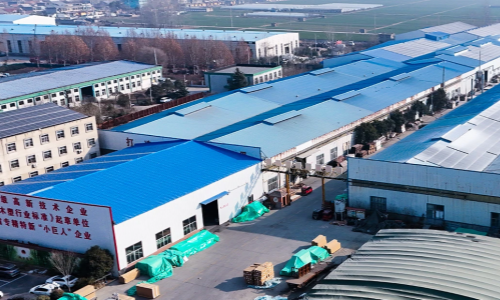
We supply WPC cladding to projects requiring the highest reliability. Our supply chain from Shijiazhuang (300km from Beijing Port) ensures consistent quality and on-time delivery to Manila, Cebu, or Davao ports.
Certifications & Compliance
ISO 9001
CE EN 15534
FCC (Fire)
RoHS
BPS ICC/CSN
Client Portfolio
Our WPC cladding has been specified in projects by:
Testimonial from Manila-Based Contractor