The Definitive Material: Decoding WPC Wall Panel Technology
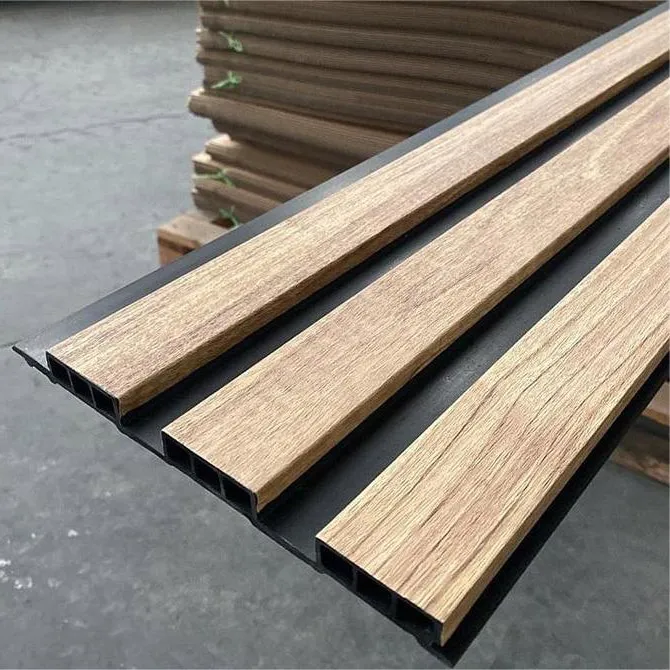
If you're specifying materials for a 2026 project, understanding what is a WPC wall panel is no longer optional—it's essential for balancing aesthetics, durability, and total cost of ownership. WPC wall panel, or Wood Plastic Composite wall panel, is an engineered building material combining wood fibers (or wood flour) with thermoplastic polymers, typically polyethylene (PE), polypropylene (PP), or polyvinyl chloride (PVC). This fusion, achieved through extrusion or compounding, creates a homogeneous, dimensionally stable product that mimics the look of natural wood while overcoming its inherent flaws.
The core value proposition for purchasing managers and technical directors lies in its hybrid nature. It inherits the aesthetic warmth and grain texture of wood from its natural component, while the plastic matrix provides imperviousness to moisture, insects, and decay. For projects in the USA and Europe where building codes demand rigorous performance and sustainability data, WPC panels present a compelling alternative to solid wood, gypsum, or traditional PVC cladding. According to a 2024 market analysis, the global WPC market is projected to grow at a CAGR of 8-10% through 2030, driven heavily by construction and renovation sectors in North America and Europe seeking low-maintenance, durable materials.
Micro-CTA: Need precise performance data for your next project specification? Download our full technical datasheet here.
Internal Structure & Manufacturing: The Heart of Performance
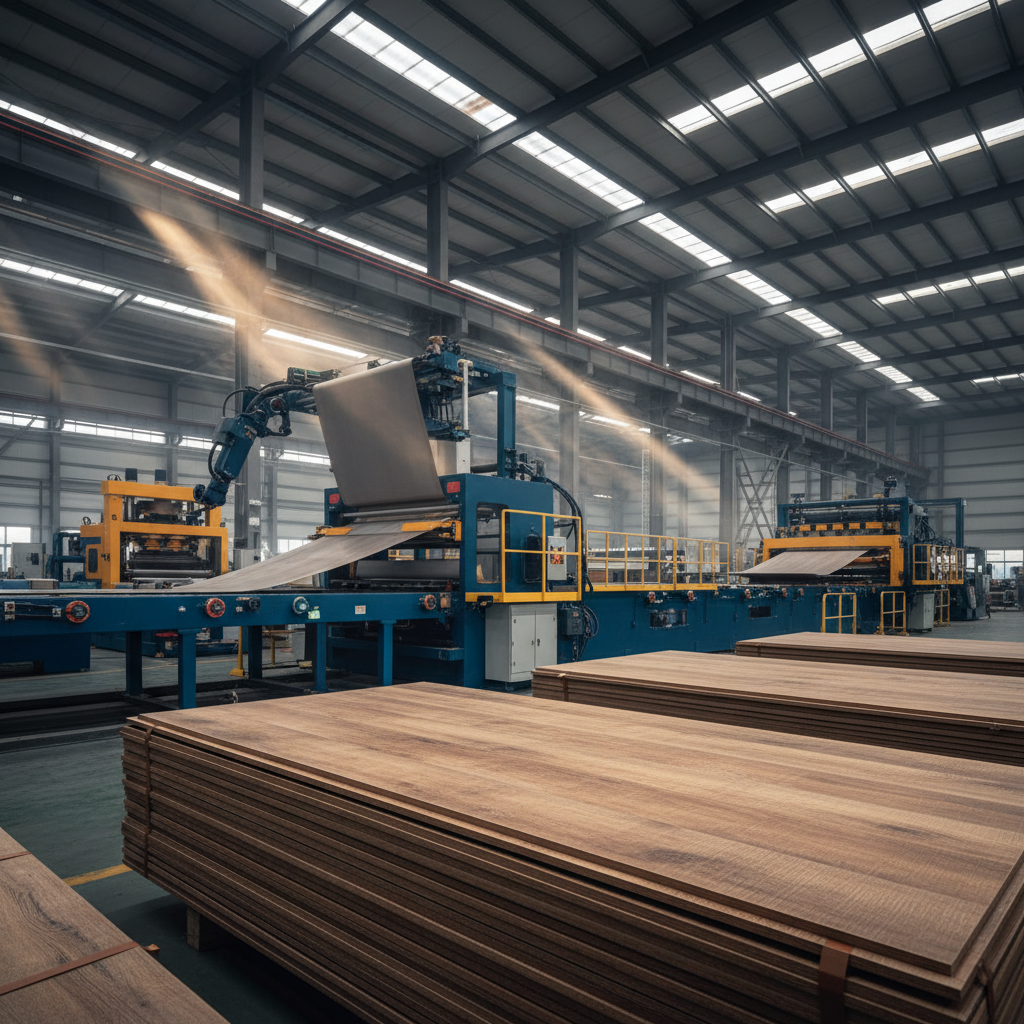
The performance of a WPC interior wall panel is dictated by its internal structure, which is far from a simple mixture. Modern manufacturing involves a precise, multi-stage process:
- Material Preparation: Recycled or virgin wood fibers are dried to a moisture content of <1.5% to prevent steam formation during extrusion. Thermoplastics are pelletized.
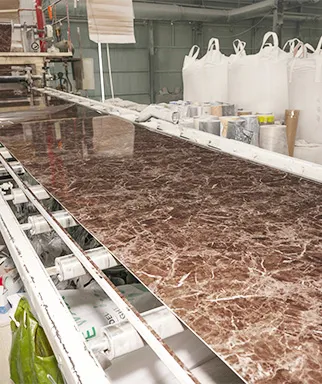
- Compounding & Extrusion: Fibers and polymers are blended with coupling agents (like maleic anhydride grafted polymers) to improve adhesion between hydrophilic wood and hydrophobic plastic. Stabilizers, UV inhibitors, and colorants are added. The mixture is heated and forced through a die to form a continuous profile.
- Cooling & Calibration: The hot extrudate is cooled (often in a water tank) and calibrated to precise dimensions using a vacuum former to ensure a flawless surface.
- Finishing: Panels may be surface-treated with embossing rollers for texture, coated with a protective capstock layer, or primed for painting.
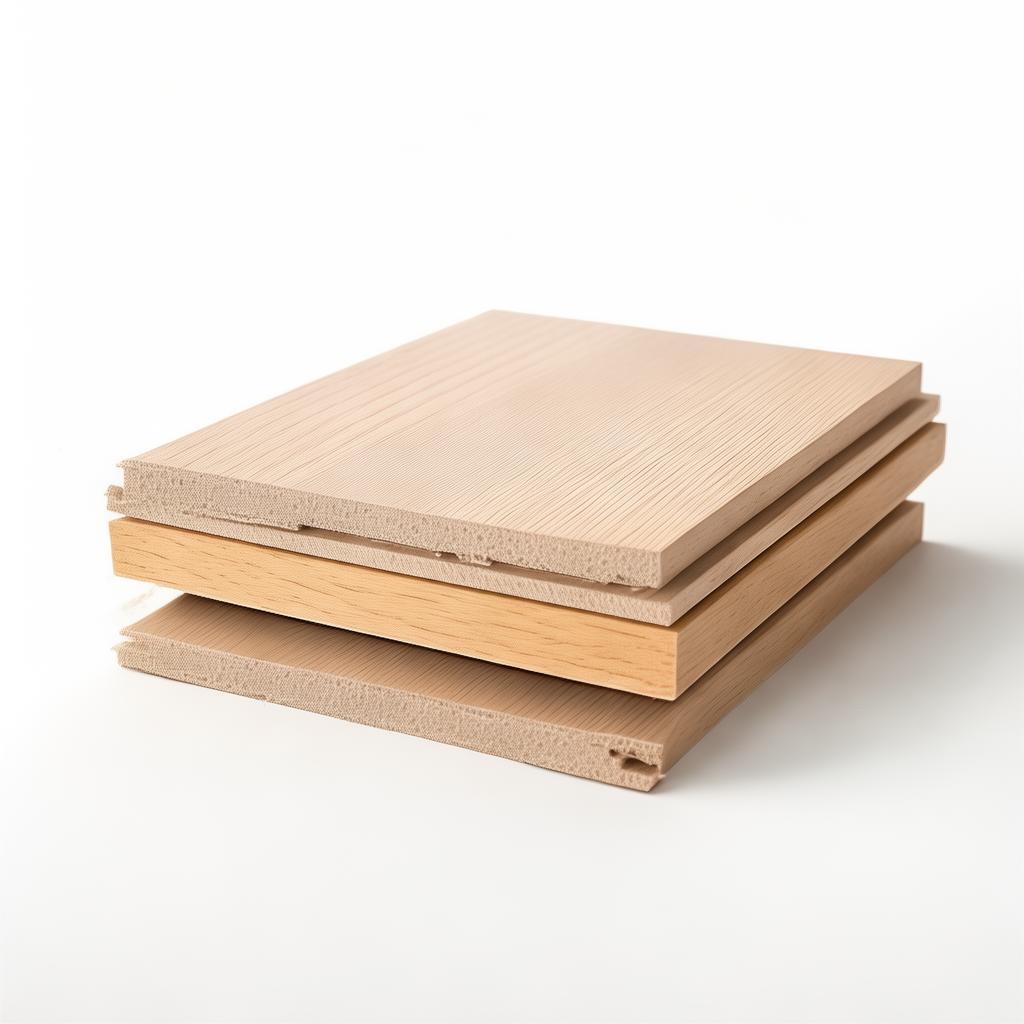
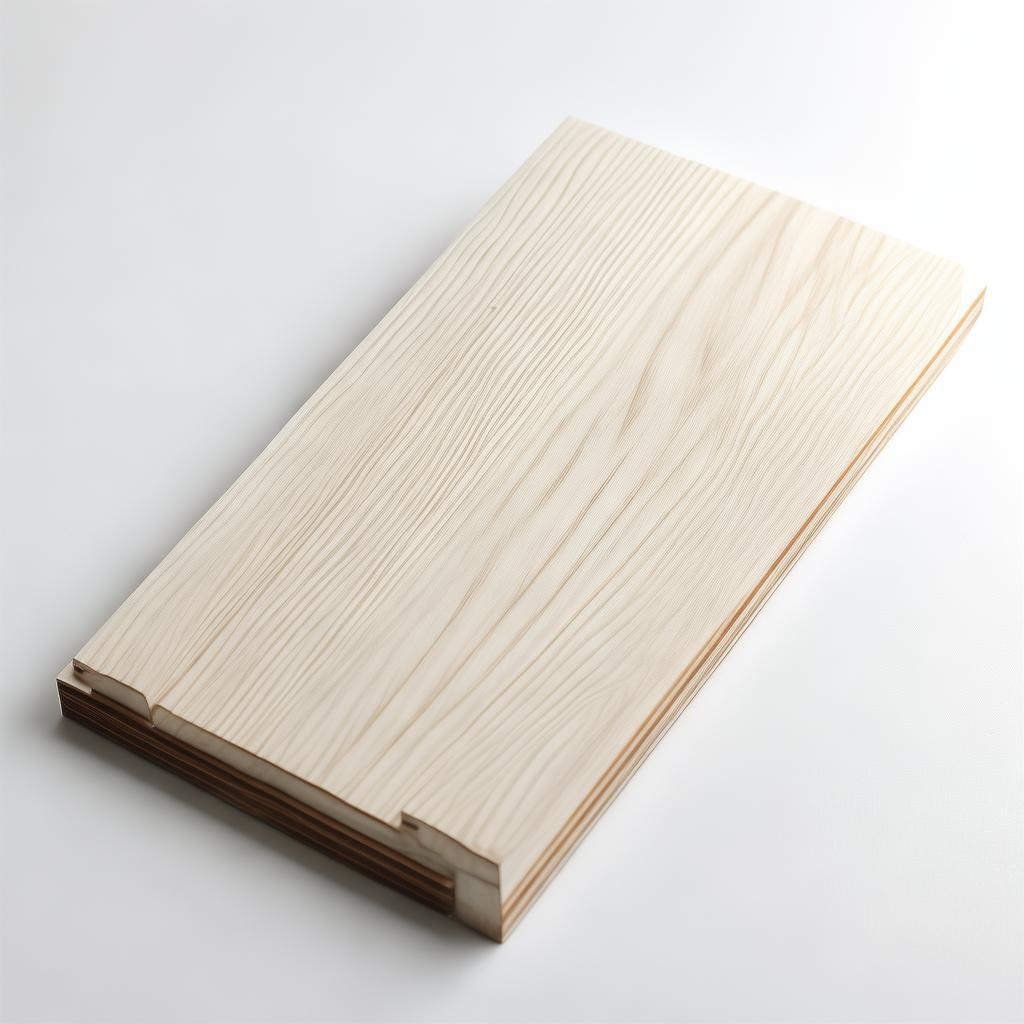
This process results in a non-porous, homogeneous cross-section. Unlike veneered products, the wood aesthetic is integral to the panel, meaning scratches are less visually detrimental and the material can be machined (drilled, routed) without exposing a raw core. A key technical parameter is the wood flour content, typically 30-60% by weight. Higher wood content improves aesthetics and stiffness but can reduce moisture resistance if not properly coupled. Premium WPC wall panels for export markets like Germany and Canada often target a 50/50 ratio with advanced coupling chemistry.
The 5 Core Problems haunting Your Project (And How WPC Solves Them)
As a sourcing manager, you're not just buying a material; you're buying an outcome. The choice of wall panel directly impacts project timelines, lifetime costs, and occupant satisfaction. Here are the acute pain points we hear from clients in the USA and Europe, validated by industry reports.
Pain Point 1: The "Evergreen" Problem of Warping & Rot
Scenario: You've specified beautiful cedar cladding for a coastal hotel renovation in Florida or a mountain lodge in the Alps. Within 18 months, boards are cupping, twisting, and developing black spots. Maintenance costs skyrocket. Data Point: Traditional wood in high-moisture environments can lose up to 25% of its structural integrity over five years without rigorous, costly maintenance.
WPC Solution: The plastic encapsulation around each wood fiber creates an impermeable barrier. Our WPC panels have a water absorption rate of <0.3% after 24 hours (ASTM D570), virtually eliminating swelling, shrinking, and rot. The dimensional stability means no warping, even in environments with 95% relative humidity swings.
Pain Point 2: The Lifetime Cost Illusion of "Cheap" Wood
Scenario: A developer chooses pressure-treated pine for a multifamily complex to hit a tight CapEx budget. The 20-year lifetime cost analysis tells a different story: annual power washing, staining every 3-5 years, and eventual replacement. Data Point: Maintenance on exterior wood cladding can consume 3-5% of the initial material cost annually.
WPC Solution: WPC is a zero-paint, zero-stain material. The only required maintenance is occasional washing with soap and water. A lifecycle cost study from Treeplast shows WPC cladding can have a 30-40% lower total cost of ownership over 25 years compared to stained cedar, even with a 15-25% higher upfront material cost.
Pain Point 3: Supply Chain Volatility & Long Lead Times
Scenario: Your European project is on a critical path. Your usual tropical hardwood supplier faces logging restrictions and 12-week shipping delays. Your project timeline hemorrhages. Data Point: According to the World Bank, global timber supply chain disruptions added an average of 8-12 weeks to project timelines in 2023-2024.
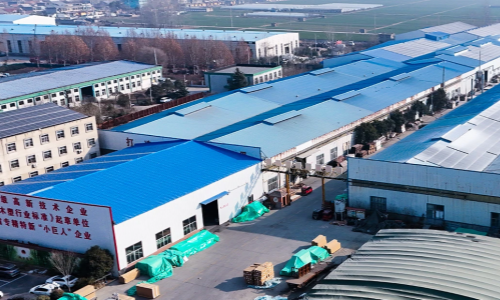
WPC Solution: As a manufacturer with a powerful factory in Shijiazhuang (300km from Beijing Port), we control the entire supply chain from raw material compounding to final extrusion. Our standard WPC interior wall panel is stocked in common colors (White, Grey, Walnut, Oak). For OEM projects, our lead time is 3-4 weeks for a 20ft container, versus 8-12 weeks for many exotic woods. We utilize a hybrid shipping model (sea + rail) for Europe and direct ocean freight for the USA, ensuring predictability.
Pain Point 4: Inconsistent Quality & Certification Gaps
Scenario: You receive a container of "premium" WPC panels from a new supplier. One batch has severe fading after 6 months of sun exposure. Another has surface pitting. No CE certificate, no fire test report. The liability risk is immense. Data Point: A 2023 industry audit found nearly 20% of imported WPC panels from certain regions failed to meet declared EU REACH or US ASTM standards for UV stability or fire performance.
WPC Solution: Sothink operates under a rigorous ISO 9001:2015 quality management system. Every batch undergoes:
- UV Weathering Test (5000 hours, ASTM G155)
- Fire Resistance Test (Euroclass B-s1, d0 or ASTM E84 Class A)
- Dimensional Stability Test (24h/70°C water boil)
- Scratch & Impact Resistance (ASTM D2583/D5420)
We provide full compliance documentation:
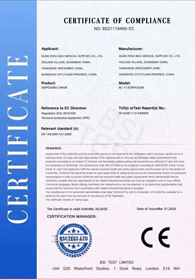
CE, FDA (for food-proximity areas), FCC, GS, CB, RoHS, VDE, SAA, ISO 9001, and HACCP/GMP where applicable. This isn't just paperwork; it's your legal and reputational shield.
Pain Point 5: The "Greenwashing" vs. Genuine Sustainability Dilemma
Scenario: Your client's ESG mandate requires verified recycled content and low-carbon materials. Supplier A claims "eco-friendly" but provides no LCA (Life Cycle Assessment). Supplier B's product contains 20% recycled content but uses toxic plasticizers. Data Point: The Delby Panels lifecycle analysis confirms that WPC panels made with recycled HDPE and wood waste can have a 40-50% lower carbon footprint than virgin PVC or imported tropical hardwood, factoring in transport and processing.
WPC Solution: Our standard WPC formulation uses minimum 30% recycled wood flour (from certified sustainable forestry waste streams) and 15-25% recycled HDPE (post-consumer plastic). We can customize for projects requiring higher recycled content. Furthermore, our panels are 100% recyclable at end-of-life, supporting circular economy goals. We provide full Environmental Product Declarations (EPDs) upon request for LEED and BREEAM credit calculations.







 +86 31185293045
 qian@ss711.com





