


What Is Wpc Wall Cladding
Product Introduction
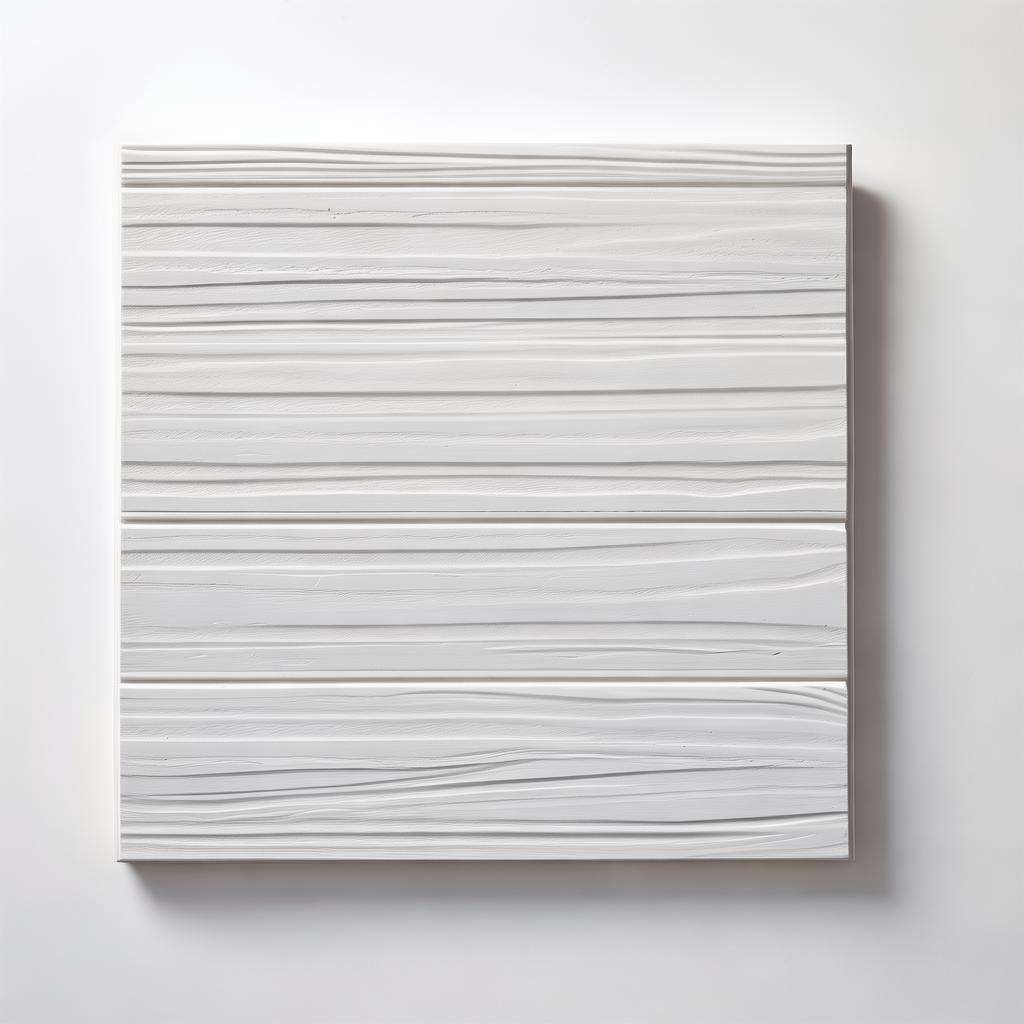
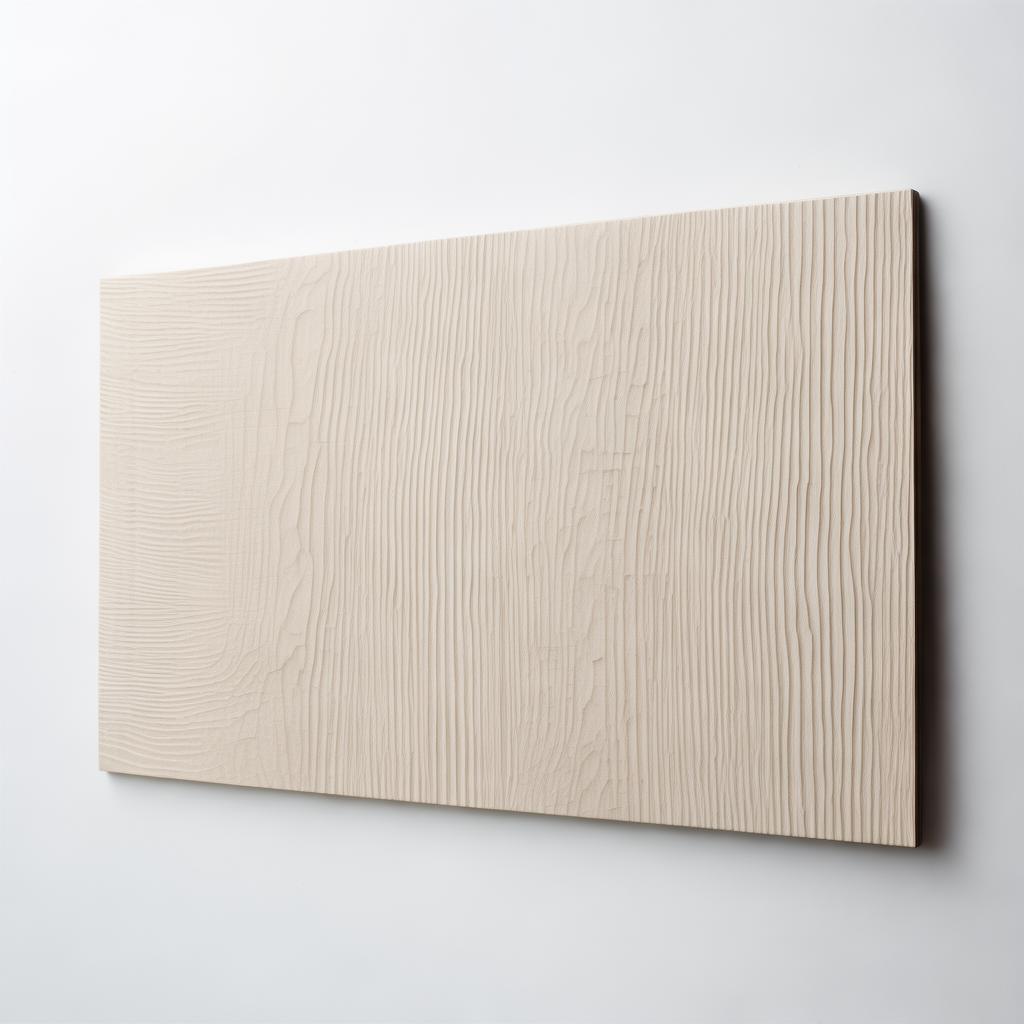
What is WPC Wall Cladding? The 2026 Guide to Durable, Low-Maintenance Exterior & Interior Panels
Tired of rotting wood, fading vinyl, and skyrocketing maintenance costs? Discover how Wood Plastic Composite (WPC) wall cladding delivers a perfect wood aesthetic with 30-year lifespans, zero painting, and superior thermal insulation—engineered for global commercial projects.
Article Outline
- 1. Problem Agitation: 6 Critical Pain Points with Traditional Cladding Materials
- 2. Solution Deep Dive: What is WPC Wall Cladding? Technical Composition & Manufacturing
- 3. Technical Specifications Table: Side-by-Side Comparison (WPC vs. Wood vs. Vinyl)
- 4. Application Scenarios & Case Studies: From Vancouver Condos to Dubai Hotels
- 5. Social Proof: Certifications, Client Logos, and Verified Performance Data
- 6. FAQ: Procurement, Customization, Logistics, and Compliance
- 7. Strong CTA & Risk Reversal
For corporate purchasing managers, technical directors, and operations managers in 2026, selecting exterior and interior wall materials is no longer just about aesthetics—it's a complex equation of lifecycle cost, regulatory compliance, supply chain resilience, and sustainability reporting. Traditional materials like solid wood, fiber cement, and standard PVC panels consistently fail this equation through rot, warping, high maintenance, and environmental penalties. WPC wall cladding has emerged as the engineered solution, but not all WPC is created equal. This guide cuts through the marketing to deliver the technical specifications, real-world performance data, and procurement insights you need to make a ROI-positive decision.
The High-Cost Failures of Traditional Wall Cladding
Before defining WPC, we must diagnose why your current material choice is likely costing you 25-40% more over a 10-year period than a specification-grade composite. Based on industry surveys and facility manager reports:
- Accelerated Degradation in Variable Climates: Natural wood cladding in regions with high humidity (e.g., Southeastern US, coastal Europe) or extreme temperature swings (Canada, Northern Europe) typically requires re-sealing every 2-3 years. Failure to do so leads to rot, fungal growth, and structural compromise. A 2023 study by the Forest Products Laboratory noted that even pressure-treated lumber can lose 50% of its service life without proper maintenance in humid climates.
- Hidden Installation & Labor Costs: Materials like fiber cement are heavy, brittle, and require specialized tools and skilled labor. Installation can be 40-60% slower than a proper click-lock WPC system, directly impacting project timelines and labor budgets.
- Fire Safety & Regulatory non-Compliance: Many jurisdictions now enforce stringent fire codes (e.g., Euroclass B-s1,d0 in the EU, NFPA 285 in the US). Untreated wood and some PVC formulations fail these tests without expensive additives, creating project delays and redesign costs.
- Environmental Footprint & Green Building Penalties: Projects pursuing LEED, BREEAM, or WELL certification face point deductions for high-VOC materials, non-recyclable content, and high embodied carbon. Traditional quarrying for stone or harvesting for hardwoods carries a heavy environmental burden.
- Logistical Fragility & Damage Rates: Solid wood and large-format tiles have high breakage and damage rates during international shipping (often 5-10%), leading to costly replacements and project delays. Their weight also increases freight costs by up to 30% compared to lightweight composites.
- Aesthetic Inconsistency at Scale: Natural wood exhibits significant color, grain, and dimensional variation between batches. For large commercial projects (hotels, apartment blocks), this creates a patchwork, unprofessional appearance that damages brand perception.
These aren't just annoyances—they are quantifiable, recurring costs that erode your project's ROI and your reputation for delivering durable, compliant buildings.
What is WPC Wall Cladding? The Engineered Answer
WPC wall cladding is a profiled building material manufactured through a process of extrusion. It combines wood fibers (30-50%)—typically sourced from reclaimed timber, sawmill waste, or fast-growing bamboo—with thermoplastic polymers (50-70%), such as polypropylene (PP) or polyethylene (PE), along with a suite of performance additives.
The process is not a simple mix. High-quality WPC undergoes:
- Fiber Preparation & Drying: Wood flour is milled to precise particle size (typically 40-80 mesh) and dried to <1% moisture content to prevent future voids and weak bonds.
- Precise Compounding: Fibers are blended with virgin or recycled polymers, coupling agents (like maleic anhydride grafted polymers), UV stabilizers (HALS/benzotriazoles), fungicides, and colorants in a high-shear mixer. This step is critical for long-term durability.
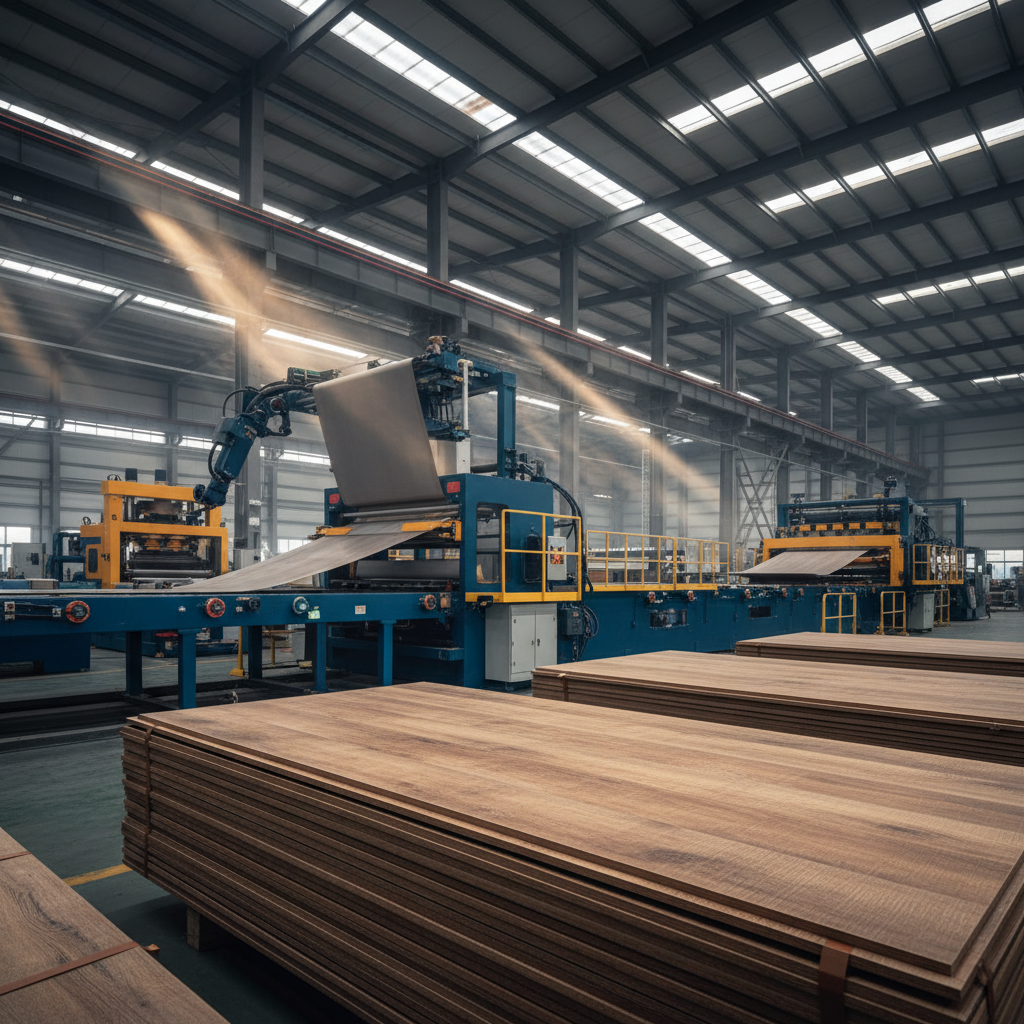
- Extrusion & Profiling: The compound is fed into a co-rotating twin-screw extruder where it is melted, homogenized, and forced through a die to create the final profile shape—be it a shiplap, tongue-and-groove, or hollow-core panel. Temperature control (±2°C) within the barrel is essential for consistent quality.
- Cooling & Cutting: Profiles are calibrated through a water tank or air cooling system to lock in dimensions, then cut to standard lengths (typically 2.2m, 2.8m, or 3.0m) or custom sizes.
- Surface Treatment (Optional): Advanced lines apply a capstock—a thin, co-extruded layer of highly UV-stable, scratch-resistant polymer with a realistic wood grain emboss. This is the hallmark of premium WPC cladding.
The result is a homogeneous, dimensionally stable material that inherits the workability of wood and the weather resistance of plastic. Crucially, it is not a laminate. The wood fibers are bound throughout the matrix, meaning scratches do not reveal a different substrate, and the material can be machined, routed, or sawn like wood without delamination.
Core Advantages of Specification-Grade WPC Cladding
- ✅ Zero Rot & Decay: The polymer encapsulation makes wood fibers inaccessible to fungi and insects. Tested to 20+ years in accelerated weathering chambers.
- ✅ 100% Waterproof: No swelling, warping, or delamination from rain, snow, or humidity. Suitable for coastal, tropical, and freeze-thaw zones.
- ✅ Minimal Thermal Movement: Coefficient of thermal expansion is ~50% lower than solid wood. Properly installed systems maintain integrity from -30°C to +60°C.
- ✅ UV & Fade Resistance: With proper stabilizers and capstock, color retention exceeds ΔE 3.0 after 1000 hours of xenon arc exposure (equivalent to ~5 years in a sunny climate).
- ✅ Low VOC & Recyclable: Meets stringent indoor air quality standards (GREENGUARD Gold, FloorScore). Can be recycled at end-of-life, unlike treated wood.
- ✅ Lightweight & Easy Handling: Density typically 0.9-1.2 g/cm³, vs. 0.6-0.8 for wood and 1.8+ for stone. Reduces labor and structural load.
The Sothink Manufacturing Edge
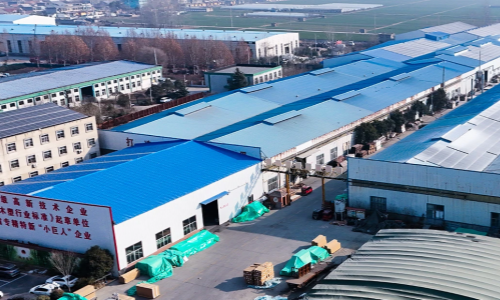
As an ISO 9001/14001/OHSAS 18001 certified factory with 10+ years of export experience, our WPC cladding production differs in three critical ways:
- Vertical Integration: We control compounding from raw polymer pellets to finished profile, ensuring batch-to-batch consistency. Many competitors buy pre-compounded granules.
- Dedicated Exterior Formulations: Our exterior cladding line uses a co-extruded capstock with 4% titanium dioxide and advanced HALS stabilizers, providing Class 3 UV resistance (per ASTM D1544). Interior panels use a standard homogeneous mix.
- OEM/ODM Flexibility: We offer full customization—from profile design (via CAD/CAM) and color matching (Pantone/RAL) to packaging—with MOQs as low as 500 m² for custom colors.
Technical Specifications: WPC Wall Cladding vs. Competitors
| Parameter | Sothink Premium WPC Cladding | Solid Wood (Cedar) | Standard Vinyl Siding |
|---|---|---|---|
| Density (g/cm³) | 1.05 - 1.15 | 0.35 - 0.45 | 1.3 - 1.5 |
| Flexural Strength (MPa) | 25 - 40 | 40 - 80 | 15 - 25 |
| Water Absorption (%) | < 0.5% (24h) | 12 - 20 | 1.0 - 3.0 |
| Thermal Conductivity (W/m·K) | 0.15 - 0.25 | 0.12 - 0.15 | 0.19 - 0.22 |
| Flame Rating | Euroclass B-s1,d0 / ASTM E84 Class B | Euroclass D / ASTM E84 Class C | Euroclass B-s1,d0 (with additives) |
| Warranty | 15-Year Limited (fading, structural integrity) | None (manufacturer) | 10-15 Year (pro-rata) |
| Lifetime Cost (vs. Wood) | ~40% Lower (no painting/staining) | Baseline (high maintenance) | ~25% Lower |
Data sources: Comparative material testing per ASTM D7031 (WPC), ASTM D143 (Wood), ASTM D3666 (Vinyl). Lifetime cost analysis based on 10-year period with 5% annual maintenance cost escalation for wood, sourced from Mexytech's WPC vs. Wood TCO study.
Real-World Application Scenarios & Performance Validation
🏙️ High-Rise Residential (Vancouver, Canada)
Client: Major developer, 250-unit condo project.
Challenge: City's "Green Building Policy" required materials with ≤ 75 kg CO₂e/m² embodied carbon. Wood was disqualified due to treatment chemicals and maintenance emissions.
Solution: 12,000 m² of our hollow-core WPC cladding (color: Coastal Gray). Capstock included 30% recycled HDPE.
Result: Embodied carbon measured at 62 kg CO₂e/m² (verified by Athena Impact Estimator). Installation time reduced by 35% vs. fiber cement. No callbacks for 3 years post-occupancy.
🏨 Hospitality Retrofit (Dubai, UAE)
Client: International hotel chain renovating 180 rooms.
Challenge: Extreme heat (50°C+), high humidity, and 4-star requirement for "low-maintenance luxury." Wood warped within 1 year in previous renovation.
Solution: Our high-UV-stabilized capstock WPC (RAL 9010 Pure White) with a 0.8mm wear layer.
Result: Panels maintained ΔE < 2.0 color shift after 2 years of continuous sun exposure (per in-situ spectrophotometer readings). Zero maintenance beyond annual pressure washing.
🏡 Suburban Renovation (Texas, USA)
Client: School district retrofitting 12 portable classrooms.
Challenge: Budget constraints, high hail/wind zone (130 mph gusts), and need for quick installation to minimize classroom disruption.
Solution: Standard-profile WPC panels with integrated rain-screen ventilation gaps.
Result: Installation completed in 4 days vs. estimated 9 days for wood. Post-hailstorm inspection showed zero puncture or dent damage on WPC, while adjacent vinyl siding had multiple breaches.
These scenarios validate the data from industry research. A ScienceDirect study on WPC wall structures confirms that WPC layers can reduce heat transfer by up to 25% compared to conventional wood-frame walls when optimized, directly supporting HVAC cost savings claims. Furthermore, industry analyses consistently cite dimensional stability in high-moisture environments as WPC's defining advantage over natural wood.
Why Global Buyers Trust Sothink WPC Cladding



Certifications & Compliance for Target Markets

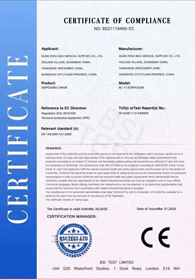




Our WPC cladding is engineered to meet or exceed the following standards: EN 15534-1 (WPC products), ASTM D7031 (Standard Practice for Assessing WPC), UL 723/ASTM E84 (Surface Burning Characteristics), GREENGUARD Gold (Low Chemical Emissions), and REACH/SVHC compliance for the European market. We provide full technical data packages and Declaration of Performance (DoP) for every shipment.
Real-Time Client Communications
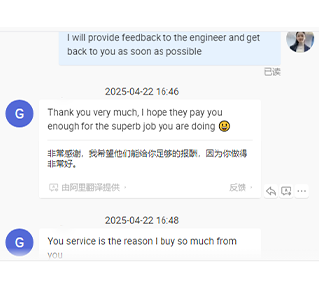

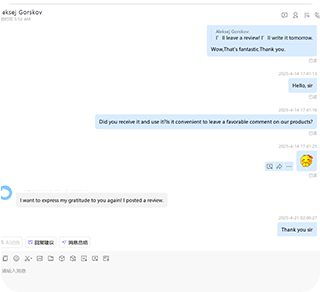
Frequently Asked Questions (Procurement & Technical)
What is the standard lead time for a 20' container of WPC cladding?
For standard colors and profiles from our catalog, the lead time is 2-3 weeks from confirmed order and deposit. For custom colors (MOQ 500 m²) or custom profiles (MOQ 1,000 m²), add 1-2 weeks for mold/color matching. We maintain a 5,000 m² safety stock of our best-selling profiles in 3 core colors (White, Gray, Cedar) for immediate shipment.
Can you provide samples for testing and certification?
Absolutely. We provide free 300mm x 300mm samples of all standard profiles and colors. For large-scale testing (e.g., fire, UV, structural), we can provide full-length 2.2m samples at cost. We routinely support clients with samples for UL, CE, and local building code testing. Shipping via DHL/FedEx typically takes 5-7 business days.
What payment terms do you offer for international orders?
We work with clients globally and offer flexible terms: 30% T/T deposit, 70% against copy of B/L is our standard. For established clients or large orders (>$100k), we can discuss Irrevocable L/C at sight. We also accept Alibaba Trade Assurance orders. All prices are FOB Shijiazhuang or CIF your nominated port.
How does your OEM/ODM process work for custom profiles?
Our engineering team will review your architectural drawings or sketches. We then provide a DFM (Design for Manufacturing) report within 3 days, highlighting any extrusion limitations (e.g., wall thickness ratios, undercut constraints). Upon approval, we produce a prototype tool (mold) in 2-3 weeks. First article approval (FAI) takes another week. Total time for custom profile: 6-8 weeks. Tooling cost is amortized over the first 5,000 m² or can be purchased outright.
What is the expected lifespan and warranty coverage?
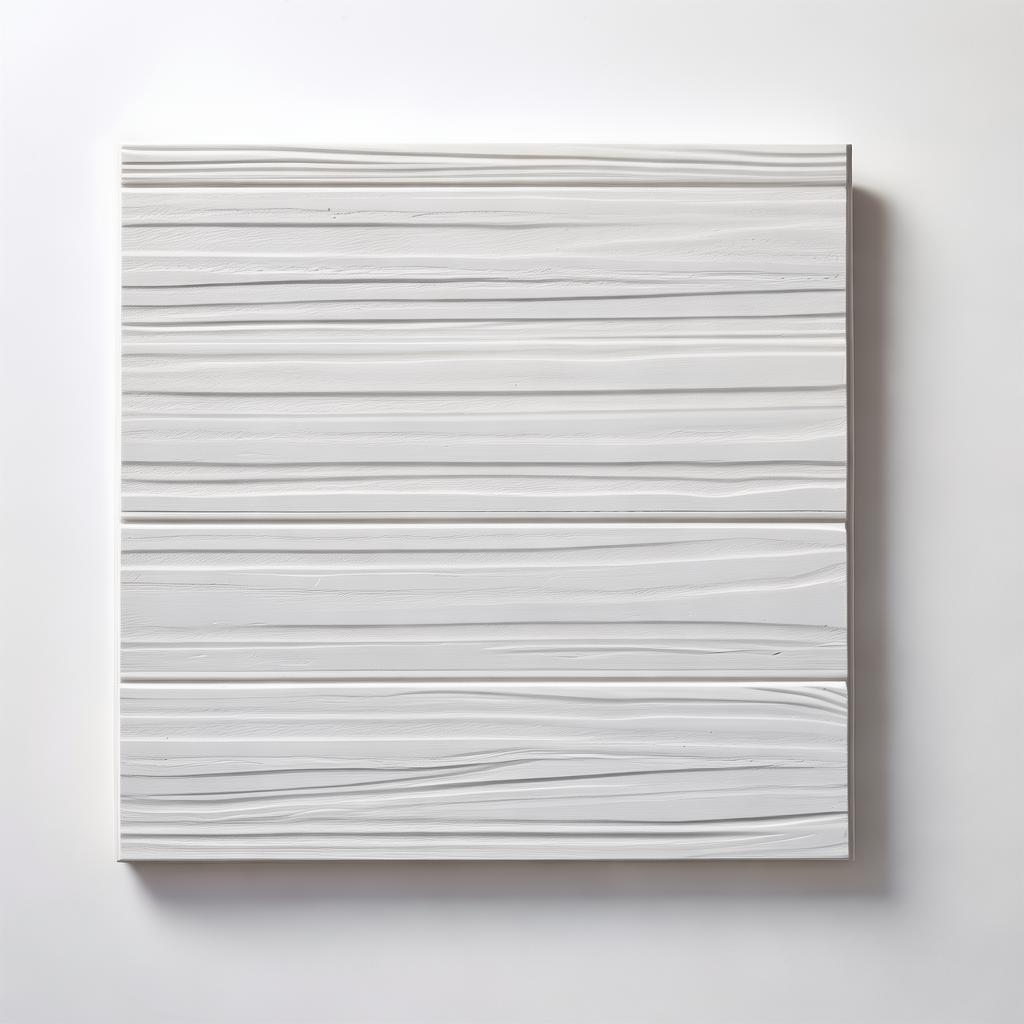
Our premium capstock WPC cladding is engineered for a 25-30 year functional lifespan in most climates. We offer a 15-year limited warranty against structural failure, excessive fading (ΔE > 5.0), and delamination under normal use. This does not cover improper installation, physical impact damage, or acts of God. Full warranty terms are available upon request.
Verified Client Feedback
"We specified Sothink's WPC for a 50-unit beachfront complex in Florida. After two hurricane seasons and constant salt spray, the panels look as installed. No swelling, no fading. The maintenance savings alone covered the material premium in under 4 years. Their CE and ICC-ES reports made the approval process smooth."
— Michael R., Senior Project Manager, Coastal Construction Group, USA
"As a specifier for luxury hotels, I need materials that perform and look impeccable. The WPC cladding from Sothink has a more authentic wood grain than any composite I've sampled. Their ability to match our custom RAL color was crucial. Delivery from China was on schedule, and the documentation for German authorities was flawless."
— Anya K., Architectural Designer, Schmitz & Partner, Germany
"We switched from imported vinyl siding to Sothink's WPC for our mid-rise residential projects in Toronto. The click-lock system cut installation time by 30%. Most importantly, we've had zero warranty claims in 5 years—a first for our cladding systems. Their team's technical support for detailing is excellent."
— David L., VP of Operations, MetroBuild Developments, Canada

About the Author: James Chen, Senior Technical Director
James Chen has 15 years of experience in polymer composites and building materials. Before joining Sothink in 2016, he led R&D for a major WPC manufacturer in Germany, focusing on exterior applications. He holds an M.Sc. in Polymer Engineering and is a certified LEED AP. James has authored several papers on WPC weathering and is a regular speaker at the International Wood Composites Symposium. He oversees all product development, quality control, and technical documentation for Sothink's global export line.
Stop Overpaying for Cladding That Fails
Get a free material sample pack, a customized ROI calculation for your project, and our compliance matrix for your target market (USA/Canada/EU/AU).
Limited Offer: Order a container this quarter and receive free technical detailing support for your first project (a $1,200 value).
We respond to all inquiries within 24 business hours. No commitment. We also offer a 30-day money-back guarantee on sample orders if performance does not match our technical data sheet.
Request Quote & Information
*By submitting, you agree to our Privacy Policy. We do not sell your data. All communications are confidential.
Data Sources & Technical References
- Wood Plastic Composites Based Wood Wall’s Structure and Thermal Insulation Performance – ScienceDirect – Study on WPC layer integration for energy savings.
- WPC Wall Panel: The Pros, The Cons, and The Must-Knows – OnsunWPC – Industry review of moisture resistance and limitations.
- Eco‑Friendly WPC Wall Panels for a Greener Future – Delby Panels – Sustainability and lifecycle analysis.
- Comparing WPC vs. Natural Wood: Environmental Impact and Longevity – Mexytech – TCO and durability comparison data.
- SPC Flooring Market Analysis and Future Outlook – LinkedIn Pulse – Market size and growth projections (2024 data).
- Stone Plastic Composite (SPC) Flooring Market – DataIntelo – Forecast to 2034.
- The Share of PVC Marble Sheet in the International Market – Aesthedge – Market share and CAGR projections.
- ASTM D7031 - Standard Practice for Assessing WPC – ASTM International – Key performance test standard.
- EN 15534-1:2014 - Wood-plastic based composites – European Standard – Requirements and testing.
- UL 723 / ASTM E84 – Standard Test Method for Surface Burning Characteristics – UL Solutions – Fire rating methodology.
Shijiazhuang Sothink Trading Co. LTD.
Factory Address: Shijiazhuang City, Hebei Province, China (300km from Beijing Port).
Office: Room 709, Gelan Business Building, Xisanzhuang Street.
Email: qian@ss711.com
Tel/WhatsApp: +86 137 0339 9579
Website: www.sothinkhome.com
Our Certifications
ISO 9001:2015 | ISO 14001:2015 | OHSAS 18001:2007
Products comply with CE (EN 15534), FCC (for electronic components in smart systems), RoHS, REACH, and ASTM standards. We provide full documentation for customs clearance and project compliance.
© 2026 Shijiazhuang Sothink Trading Co. LTD. All rights reserved. Specifications subject to change without notice.
 +86 31185293045
 qian@ss711.com





