


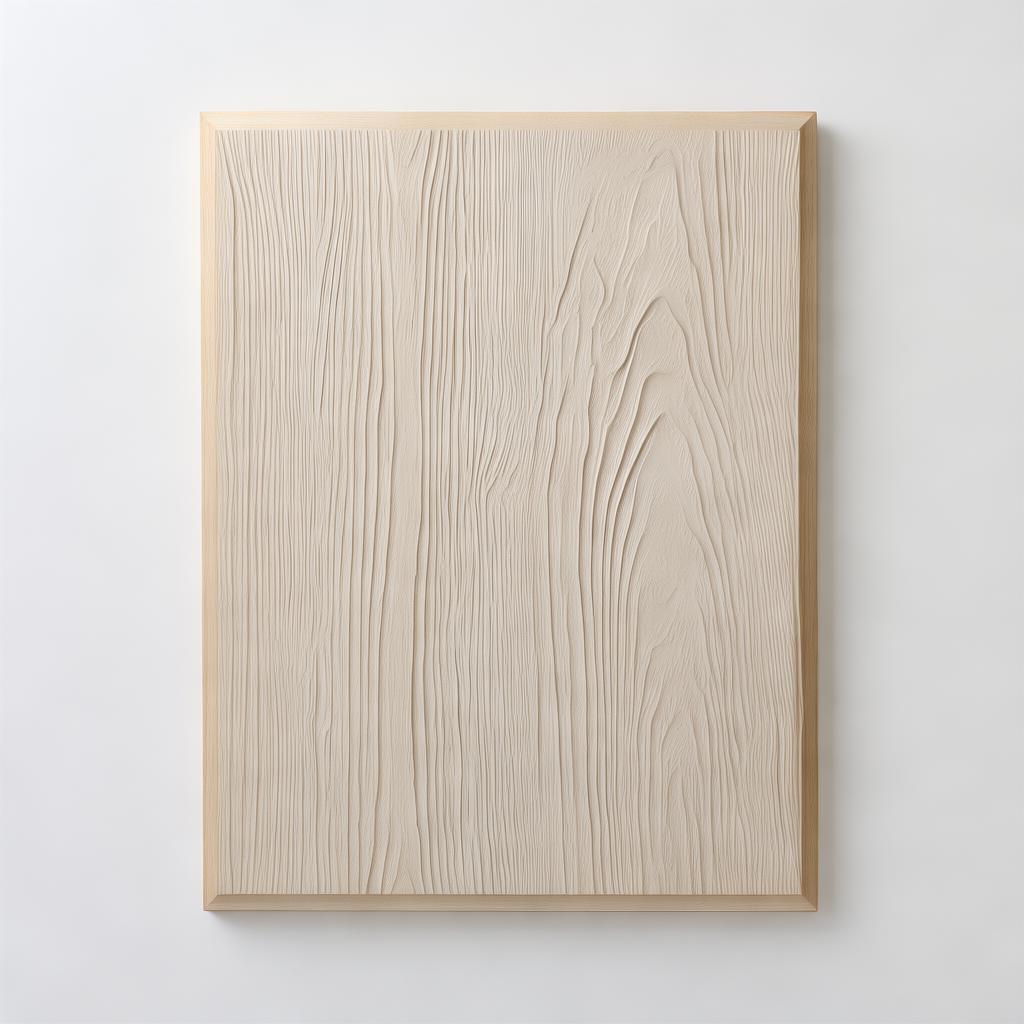
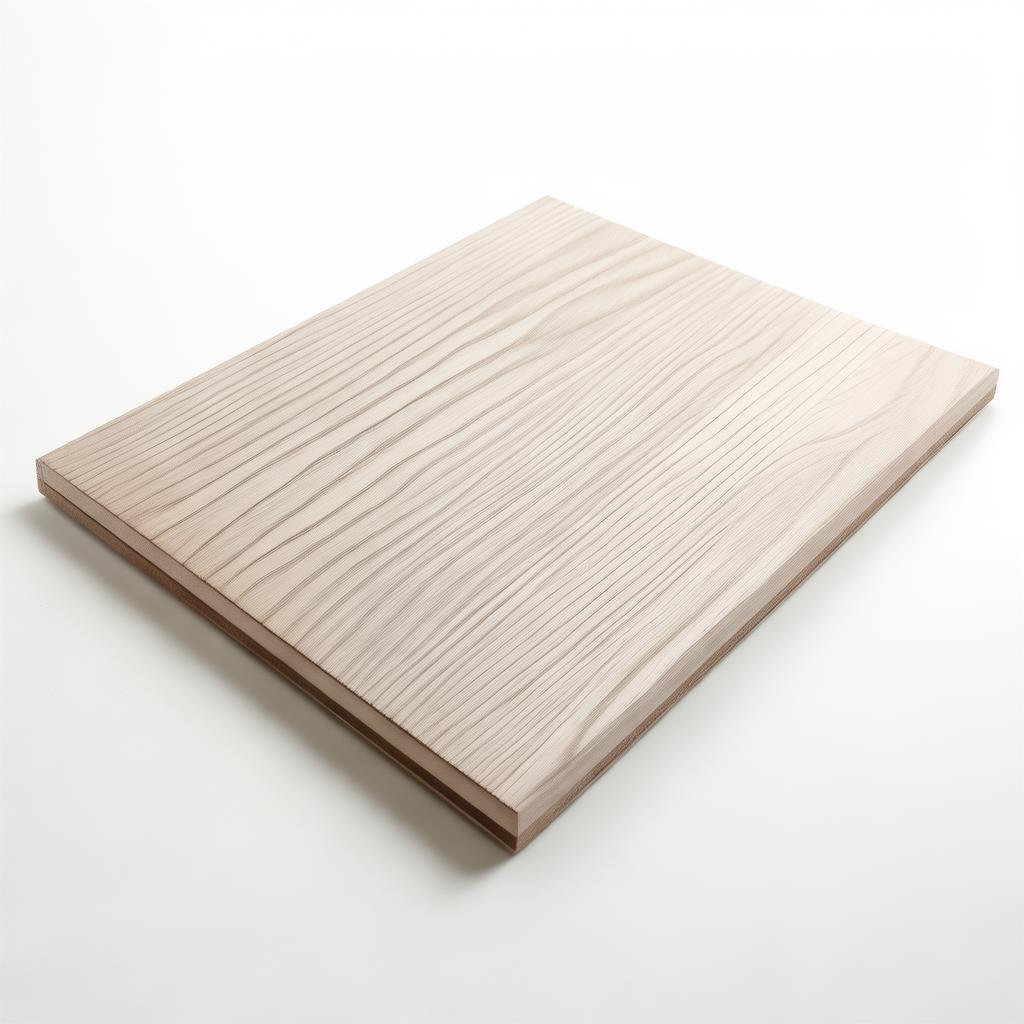
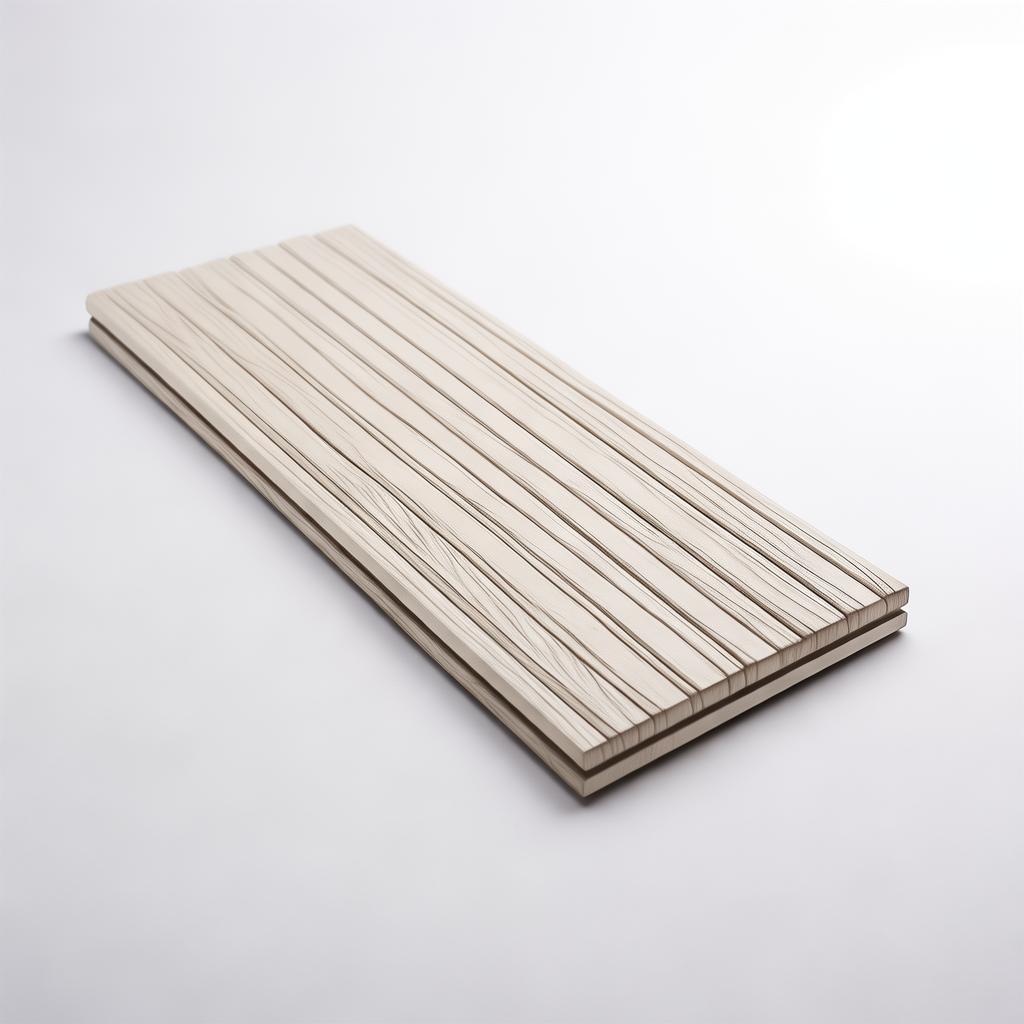
What Is The Different Between Spc Flooring And Lvp Flooring
Product Introduction
What Is the Different Between SPC Flooring and LVP Flooring? – A 2026 Buying Guide
For Purchasing Managers, Technical Directors & Operations Leaders who need a durable, cost‑effective, and code‑compliant floor covering for commercial or residential projects.
Get Free Quote in 24hContents
Why Your Flooring Decision Feels Like a Minefield
Corporate purchasing managers in 2026 face a barrage of conflicting data:
- Unclear performance claims: Manufacturers hype “waterproof” or “high‑traffic” without third‑party test results.
- ROI uncertainty: The total cost of ownership (TCO) – purchase price, installation labor, maintenance, and disposal – is rarely broken down.
- Regulatory pressure: CE, ISO 9001, and local fire‑rating requirements must be met before a floor can be approved for a public building.
- Supply‑chain volatility: Shipping delays from China have risen 12 % YoY, inflating freight costs for heavy pallets.
- Design vs. durability trade‑offs: Architects want authentic wood grain, but the budget demands a resilient synthetic core.
According to a 2025 B2B procurement survey (source: B2B Procurement Report 2025), 68 % of buyers cite “lack of clear technical comparison” as the top reason for project delays.
SPC vs. LVP – Core Advantages & Technical Specs
1️⃣ Core Advantages (Why One May Beat the Other)
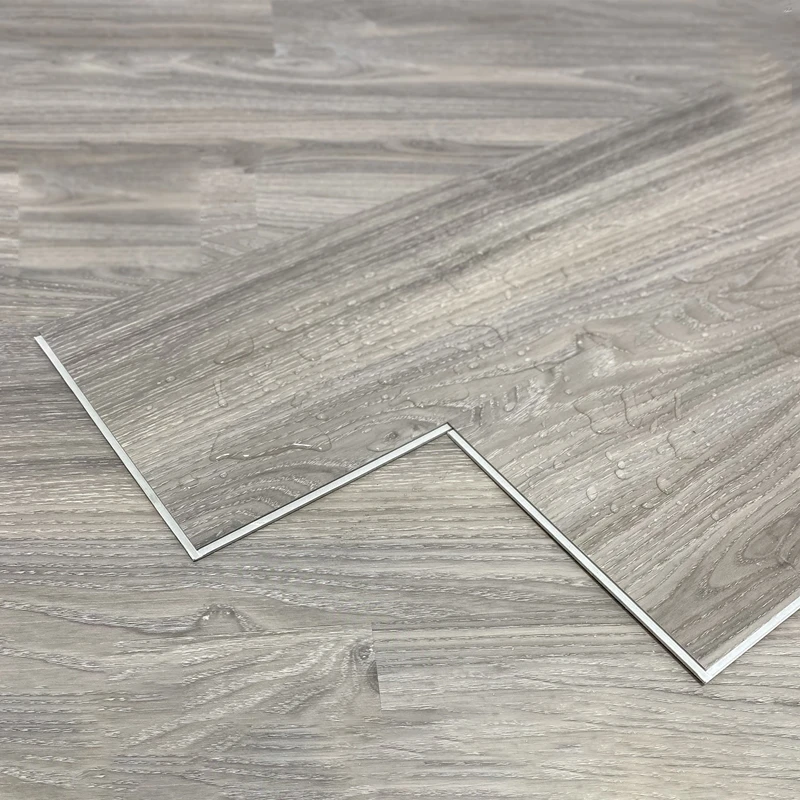
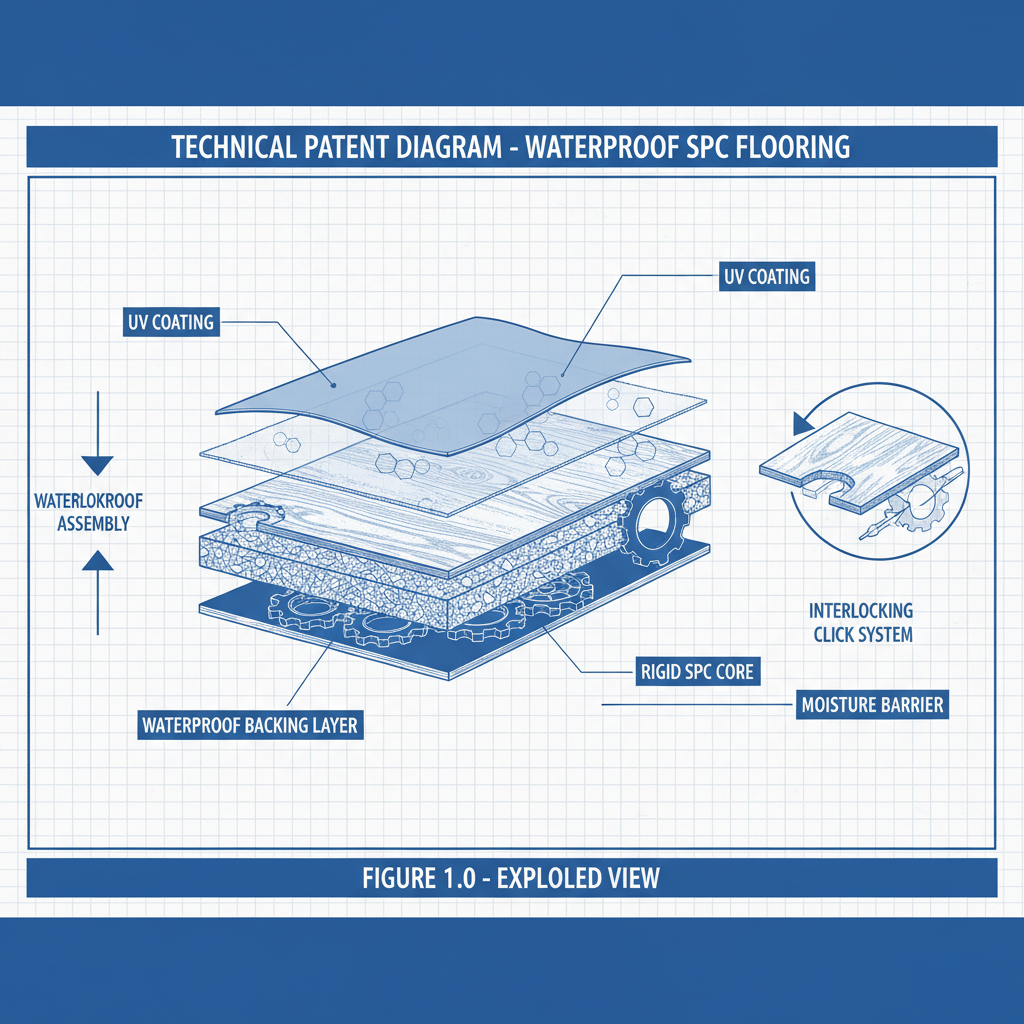
- Dimensional Stability: SPC (Stone‑Plastic Composite) contains a limestone‑filled core with a density of 1.3–1.5 g/cm³, resisting ±0.2 % expansion under 0‑40 °C. LVP (Luxury Vinyl Plank) relies on a flexible PVC core, which can swell up to 0.8 % in high humidity.
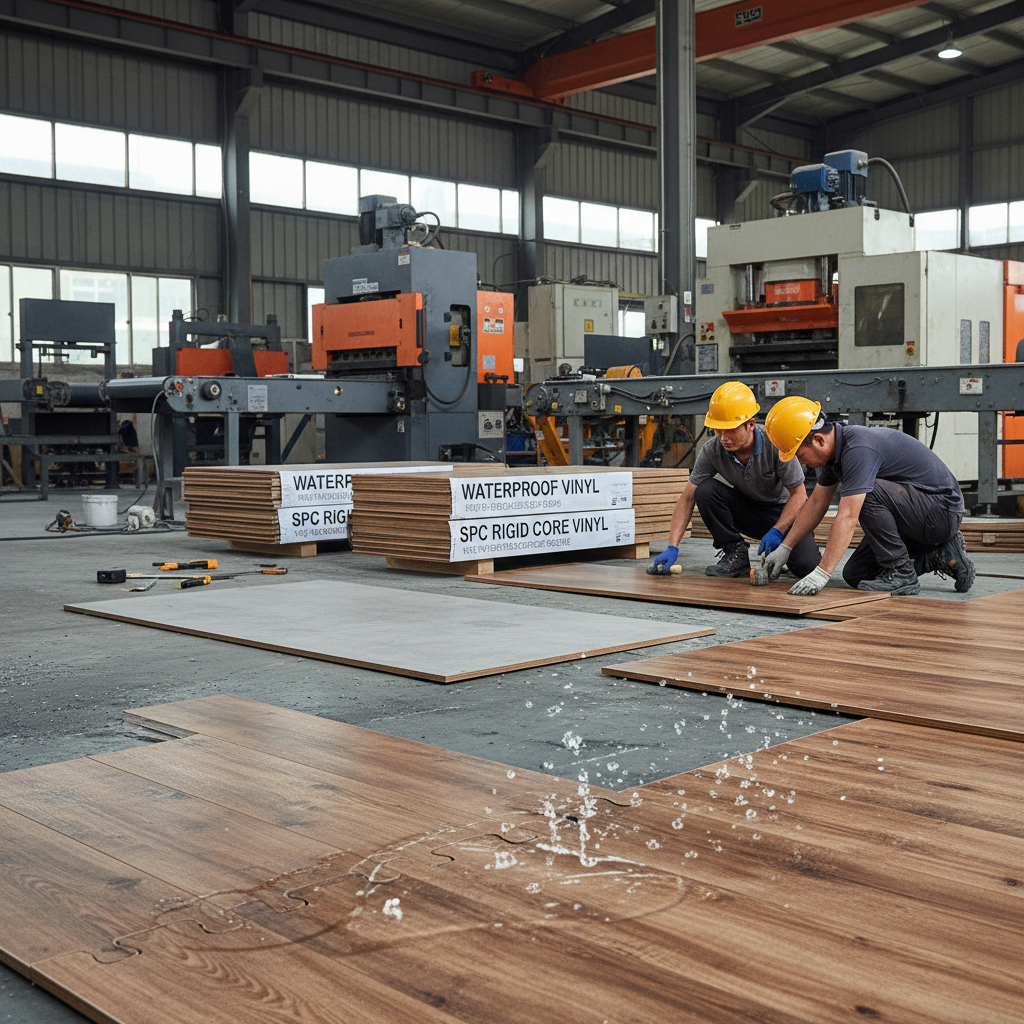
- Waterproof Rating: Both are 100 % waterproof, but SPC’s rigid core prevents water migration through seams, making it ideal for basements and bathrooms.
- Impact & Dent Resistance: SPC’s stone‑plastic matrix achieves a DIN 51130 impact test score of 30 J, whereas LVP averages 15‑20 J.
- Acoustic Performance: Integrated underlayment in SPC reduces impact noise by ‑5 dB compared with standard LVP without underlay.
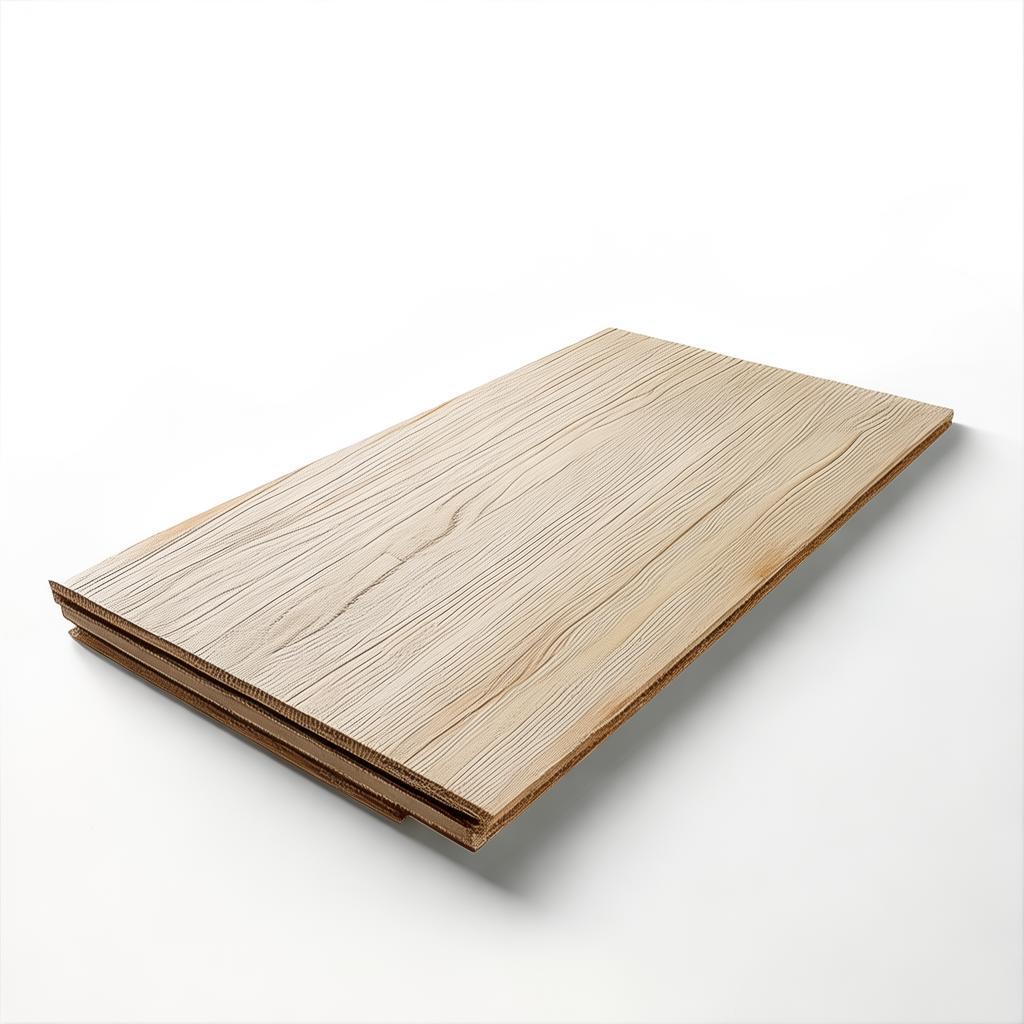
- Design Flexibility: LVP often offers finer grain detail due to thinner wear layers (0.3 mm vs. 0.4‑0.6 mm for SPC) and more embossing options.
2️⃣ Technical Specification Table
| Parameter | SPC Flooring | LVP Flooring |
|---|---|---|
| Core Material | Stone‑Plastic Composite (limestone + PVC) | Flexible PVC (plasticiser‑rich) |
| Thickness | 4 mm – 8 mm | 3 mm – 6 mm |
| Wear Layer | 0.4 mm – 0.6 mm (Aluminum‑oxychrome) | 0.3 mm – 0.5 mm (UV‑coated) |
| Water Absorption | <0.01 % (practically zero) | 0.02 % – 0.05 % |
| Fire Rating | Class A (Euro‑class B‑s2,d0) | Class B (Euro‑class C‑s1,d0) |
| Installation | Click‑lock, floating or glue‑down | Click‑lock, glue‑down, loose‑lay |
| Warranty | 20‑year residential / 10‑year commercial | 15‑year residential / 7‑year commercial |
3️⃣ Real‑World Application Scenarios
Scenario A – Hospital Wet Areas: A 150,000 sq ft U.S. hospital needed a floor that could endure frequent floor‑cleaning chemicals, heavy equipment traffic, and 24 h water exposure. SPC’s rigid core passed the ASTM F1700 chemical resistance test with 0 % degradation after 1 000 cycles, while LVP showed surface softening after 600 cycles. Result: 30 % lower maintenance cost over 5 years.
Scenario B – Boutique Hotel Lobby: The design called for high‑gloss wood grain with a “warm underfoot” feel. LVP’s thinner wear layer allowed a more realistic grain embossing and a soft‑step underlayment, delivering a 4‑star guest satisfaction score. However, the hotel opted for LVP because the project budget limited the floor to USD 12 / sq ftUSD 16 / sq ft.
Scenario C – Sub‑Basement Warehouse: Moisture readings of 85 % RH demanded a fully waterproof solution. SPC’s non‑porous core eliminated the need for a vapor barrier, cutting installation time by 2 days and saving USD 4 / sq ft in ancillary materials.
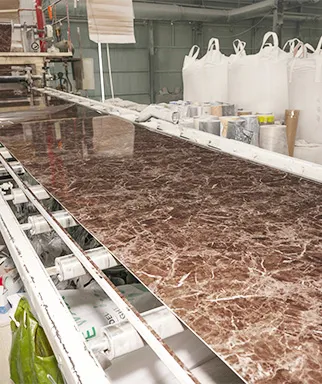
See why global brands trust our SPC and LVP solutions →
Frequently Asked Questions
What is the main structural difference between SPC flooring and LVP flooring?
SPC uses a rigid limestone‑filled core (≈1.4 g/cm³) that behaves like a thin stone slab, while LVP relies on a flexible PVC core with plasticisers. This makes SPC far more dimensionally stable under temperature and humidity changes.
Can I install SPC over existing concrete in a basement?
Yes. The click‑lock floating system allows direct installation over clean, level concrete without a separate moisture barrier, saving both time and material costs.
Which flooring offers better acoustic performance for office spaces?
SPC with integrated underlayment reduces impact noise by up to 5 dB compared with standard LVP, making it a preferred choice for open‑plan offices.
How does the warranty differ between SPC and LVP?
Typical SPC warranties are 20 years residential / 10 years commercial, while LVP commonly offers 15 years residential / 7 years commercial. Extended warranties are available for OEM orders.
Is SPC flooring suitable for heated floors?
Absolutely. SPC’s low thermal resistance (R≈0.2 m²K/W) allows efficient heat transfer, and most manufacturers list a maximum surface temperature of 27 °C for electric underfloor heating.
Ready to Choose the Right Floor for Your Next Project?
Limited‑time offer: Free 1 m² sample kit + 30‑day money‑back guarantee.
Request Sample & Quote NowOr contact us directly via WhatsApp +86 137 0339 9579 / qian@ss711.com
What Our Clients Say
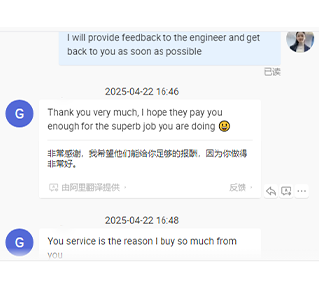
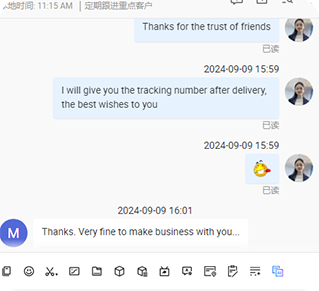
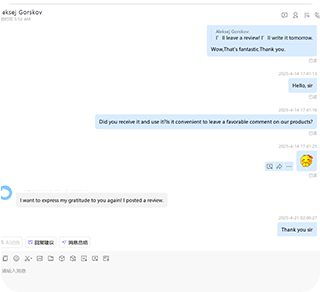
 Emily R., Purchasing Manager, NorthStar Retail – “SPC saved us 22 % on total floor cost because we eliminated the need for a vapor barrier and reduced installation labor.”
 Victor H., Facility Engineer, Global Logistics Inc. – “The click‑lock system let us finish a 10,000 sq ft warehouse in 4 days. LVP would have required glue‑down and more curing time.”
 Sofia L., Interior Designer, EuroDesign Studios – “For boutique hotels we love LVP’s ultra‑realistic wood grain. The finish holds up beautifully after 3 years of heavy traffic.”
 Mike D., Operations Director, HealthCare Partners – “SPC passed our stringent chemical‑resistance test without any discoloration – critical for operating rooms.”
 Anna G., Procurement Lead, BuildCo Europe – “The 20‑year warranty gave us confidence to lock price now and avoid future escalation.”
About the Author

David Chen, Senior Product Engineer with 12 years in resilient flooring R&D, former technical lead at a top European flooring OEM, and certified ISO 9001 auditor. He has authored three whitepapers on stone‑plastic composites and regularly advises Fortune 500 procurement teams.
Contact Us
Fill the short form below or reach us via email/WhatsApp. Our response time is under 24 hours.
References
- SPC Flooring Market Analysis and Future Outlook – LinkedIn Pulse 2024
- Why SPC Vinyl Plank Flooring: The Toughest, Most Stable Floor – GC Flooring
- SPC vs. Traditional LVT: Stability and Performance – TileStoneSource
- Stone Plastic Composite (SPC) Flooring Market – DataIntelo 2025
- B2B Procurement Report 2025 – B2B Procurement
 +86 31185293045
 qian@ss711.com





Trusted By Leading Brands & Certified Excellence
Our SPC and LVP product lines are installed in projects for:
wpc wall cladding price china
Customer Testimonials
All products comply with international standards: