


What Is Spc Flooring Vs Lvp
Product Introduction
📑 Table of Contents
- 1. Hero: The Definitive SPC Flooring Guide
- 2. The Procurement Pain Points: Why Buyers Switch
- 3. What is SPC Flooring vs LVP? Technical Breakdown
- 4. Technical Specifications & Compliance Data
- 5. Factory Trust, Certifications & Client Logos
- 6. Frequently Asked Questions (FAQ)
- 7. Get Your Quote: Limited Stock Alert
- 8. Client Testimonials
- 9. About the Author
Stone Plastic Composite (SPC) Flooring: The Definitive Technical Guide for Global B2B Buyers
Eliminate moisture damage, reduce shipping weight by 20%, and secure Class B fire ratings. Compare SPC vs. LVP specifications, pricing strategies, and supply chain advantages for 2026 procurement cycles.
🛑 The Procurement Nightmare: Why Buyers Are Switching to SPC
As a purchasing manager or technical director, you face three critical threats in the resilient flooring sector. These pain points directly impact your ROI and brand reputation:
1. Moisture-Induced Claims
Traditional LVP (Luxury Vinyl Plank) with cork or foam underlays absorbs humidity. In tropical markets (SE Asia, Middle East), this leads to swelling, mold, and warranty claims. Result: 15-20% increase in after-sales costs.
2. Unpredictable Logistics Costs
LVP is heavy and bulky. Rising ocean freight rates eat into your margin. Result: Higher landed cost per square meter compared to denser, more compact alternatives.
3. Regulatory Compliance Risks
Strict fire codes (EN 13501-1, ASTM E648) and VOC limits (GREENGUARD, CARB). Generic LVP often fails these tests, risking customs holds. Result: Project delays and reputational damage.
⚖️ What is SPC Flooring vs LVP? A Technical Comparison for Design Engineers
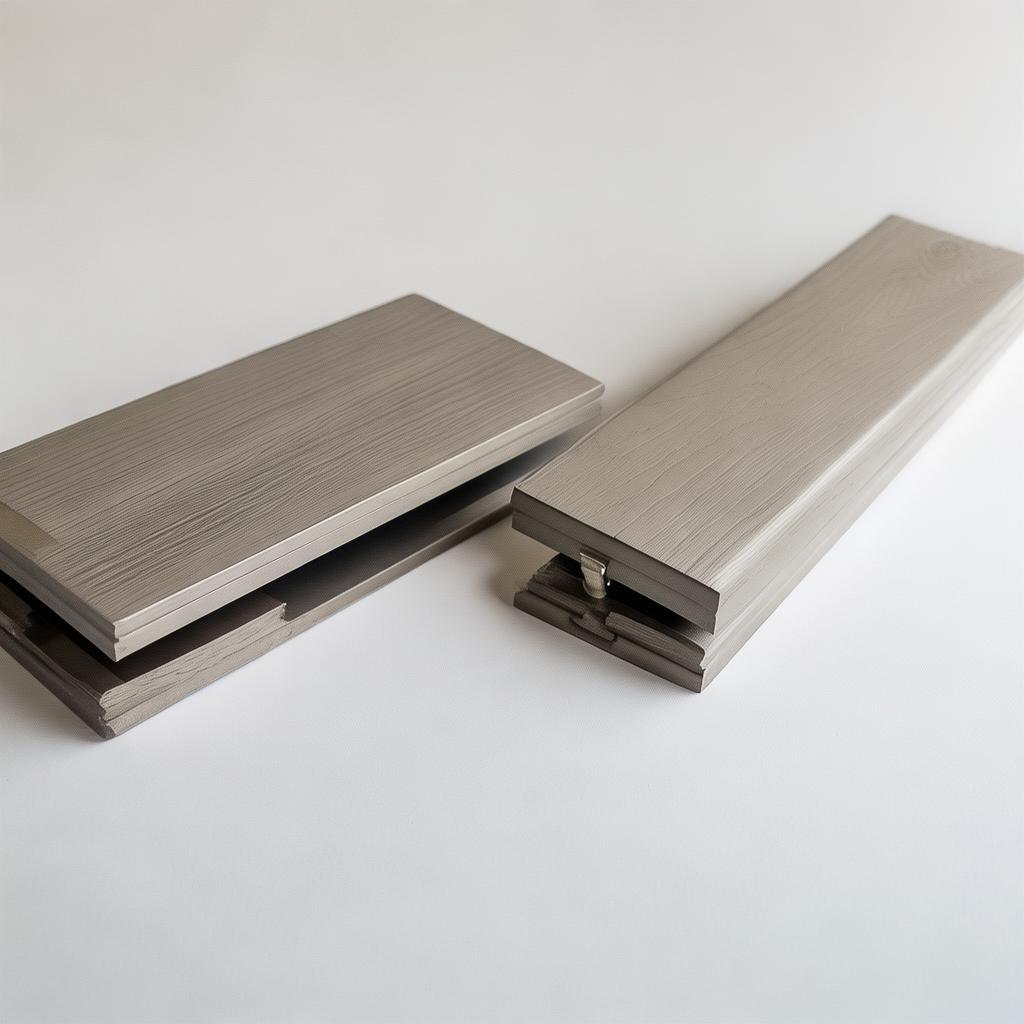
Understanding the structural difference between SPC (Stone Plastic Composite) and LVP/LVT (Luxury Vinyl Plank/Tile) is not just academic—it dictates the performance envelope of your project. LVP relies on a flexible PVC core, often with foam backing for comfort. SPC uses a dense limestone-polymer composite core, prioritizing rigidity and dimensional stability.
📊 Core Technology & Performance Matrix
Use this data-driven comparison to justify your specification to stakeholders.
| Parameter | SPC Flooring (Stone Plastic Composite) | LVP (Luxury Vinyl Plank) |
|---|---|---|
| Core Composition | ~70-80% Natural Limestone Powder + PVC | 100% Polyvinyl Chloride (PVC) |
| Density (kg/m³) | 1.8 – 2.2 g/cm³ (High Density) | 0.9 – 1.2 g/cm³ (Low Density) |
| Water Absorption | < 0.05% (Zero Swelling) | 0.1% - 0.3% (Potential Swelling if seams fail) |
| Dimensional Stability | Excellent (No expansion gaps needed in most interior climates) | Good (Requires standard expansion gaps) |
| Fire Rating (Typical) | Class B-s1,d0 (Due to limestone filler) | Class C (Often requires additive upgrades) |
| Underlay Requirement | Often Built-in (IXPE/EVA) for noise reduction | Usually requires separate underlay (Cork/Foam) |
🏭 Application Scenarios: Where SPC Wins
Based on global market trends in 2026, SPC is the dominant choice for:
- Healthcare & Hospitals: Non-porous surface inhibits 92% of fungal growth (ASTM D3273).
- Commercial Retail: High-density core resists indentation from heavy fixtures (ASTM F1490).
- Basements & Ground Floors: 100% waterproof core prevents warping from concrete moisture vapor transmission.
- Radiant Heating: SPC conducts heat 88% efficiently, making it ideal for in-floor heating systems.
📏 Technical Specifications & Compliance Data
Shijiazhuang Sothink Trading Co., Ltd. provides products that meet rigorous international standards. Below are the key technical parameters for our standard SPC Flooring lines.
Standard SPC Product Profile
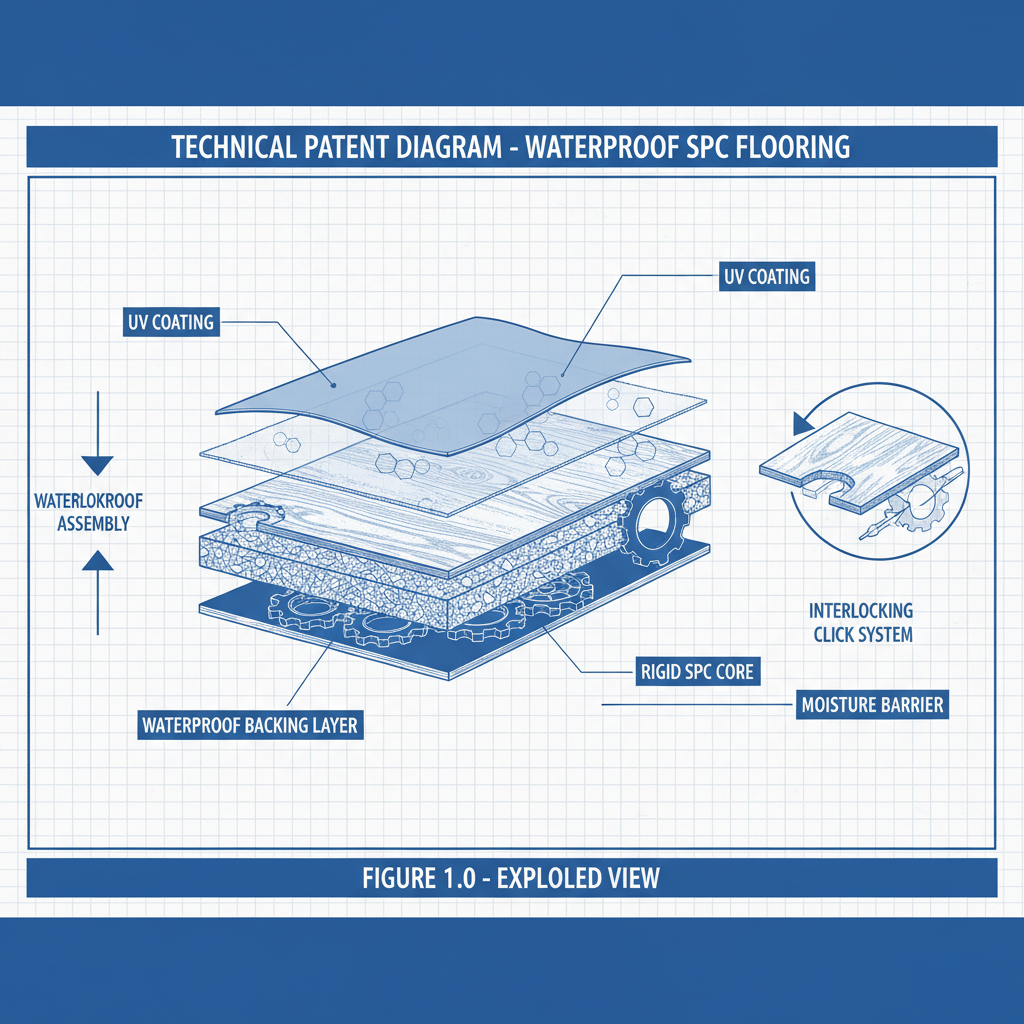
Structure
Wear Layer: 0.3mm / 0.5mm UV-Coated PVC
Print Film: 1200dpi HD Digital Print
Core: Limestone + PVC (SPC)
Backing: IXPE Foam or Hail Pad (1.5mm-2mm)
Dimensions
Size: 1220mm x 180mm x 4.5mm/5.0mm
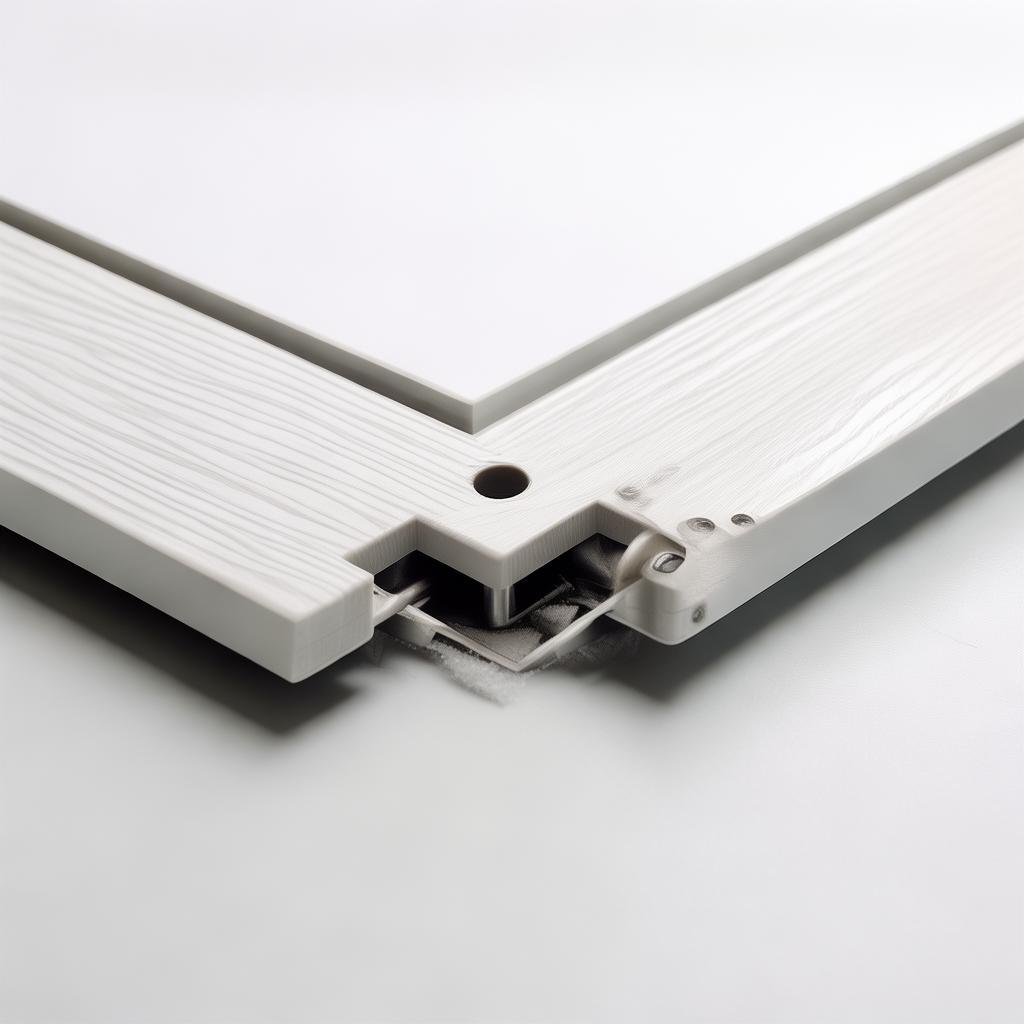
Click System: Uniclic / V-Lock
Coverage: ~1.8m² per box
Weight: ~8.5 kg/box
Performance
Flooring Use Class: AC4 / AC5 (Commercial)
Fire Rating: B-s1, d0 (EN 13501)
Slip Resistance: R9 / R10
Formaldehyde: E0 / CARB P2 Compliant
🔬 Key Technical Insights from Research
1. Dimensional Stability: Studies confirm SPC flooring has near-zero water absorption, preventing the "edge swelling" common in LVP in high-humidity environments like kitchens and bathrooms.
2. Acoustic Damping: While SPC is rigid, integrating IXPE underlay reduces impact noise transmission by up to 22 dB, making it suitable for multi-family residential units.
3. Thermal Conductivity: SPC’s high density allows for 88% heat transfer efficiency, outperforming engineered wood and matching ceramic tile for radiant heating compatibility.
🏆 Factory Trust, Certifications & Client Logos
Our Manufacturing Capability
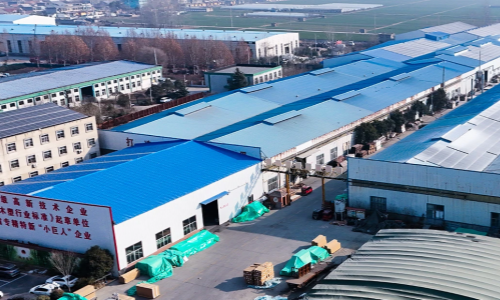
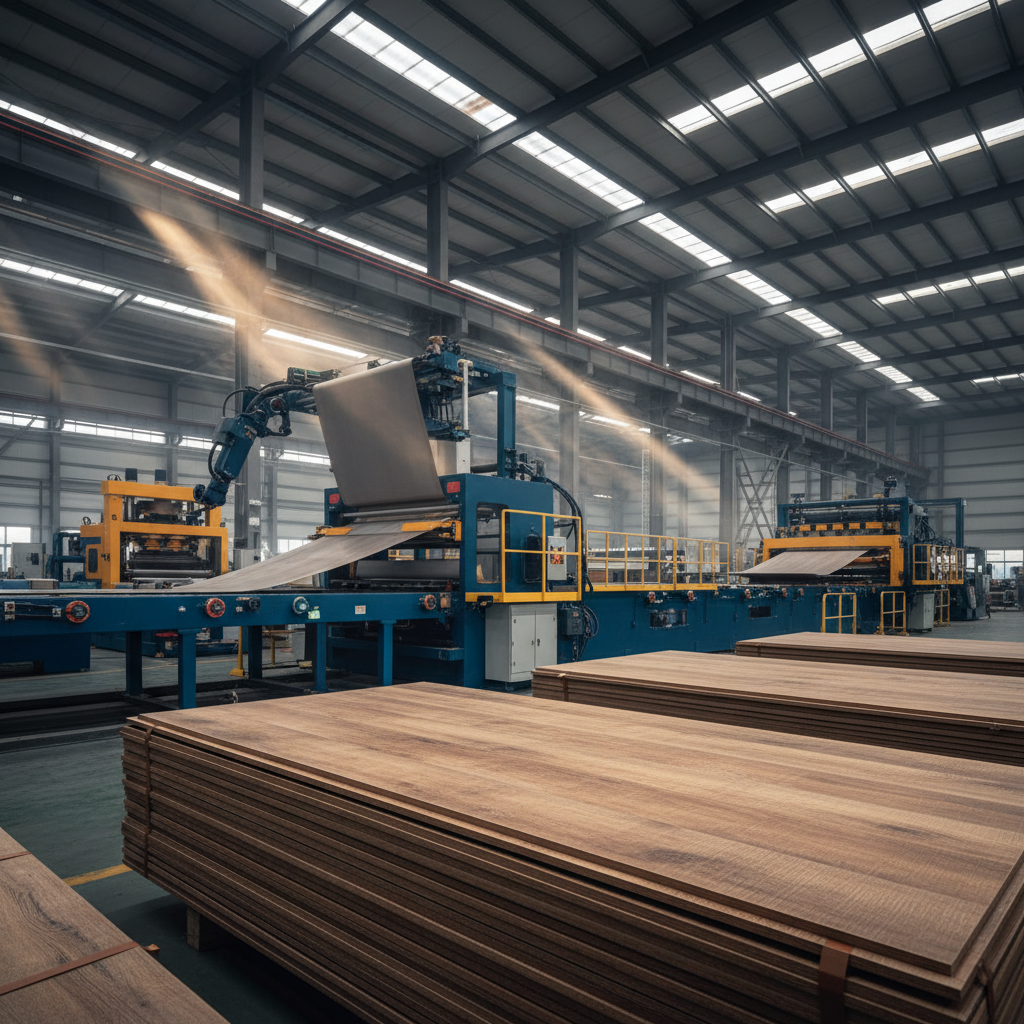
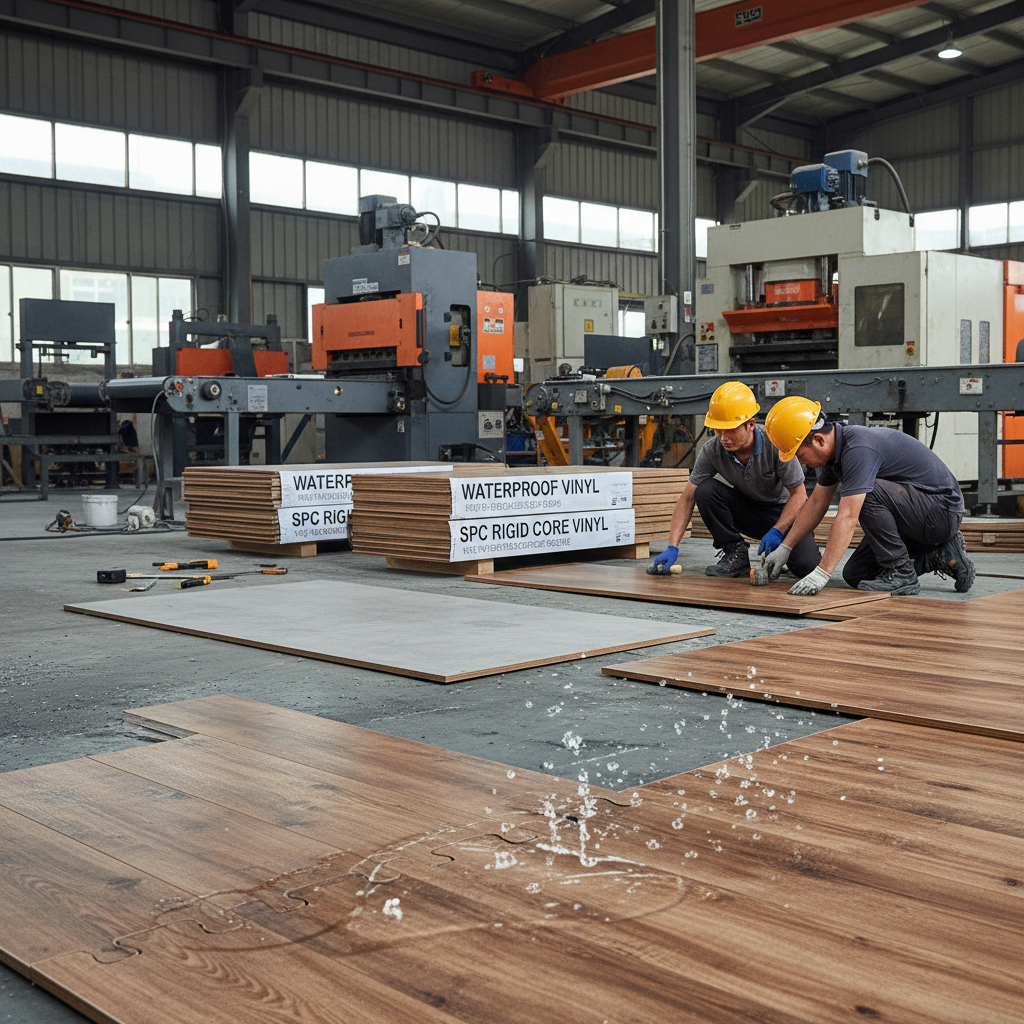
Established in 2011, Shijiazhuang Sothink Trading Co., Ltd. is located in Shijiazhuang, Hebei Province. We are 300km from Beijing, providing easy access to logistics hubs. Our facility features advanced extrusion lines and a dedicated R&D team.
ISO 9001 Certified Quality Management
ISO 14001 Environmental Management
OHSAS 18001 Occupational Health & Safety
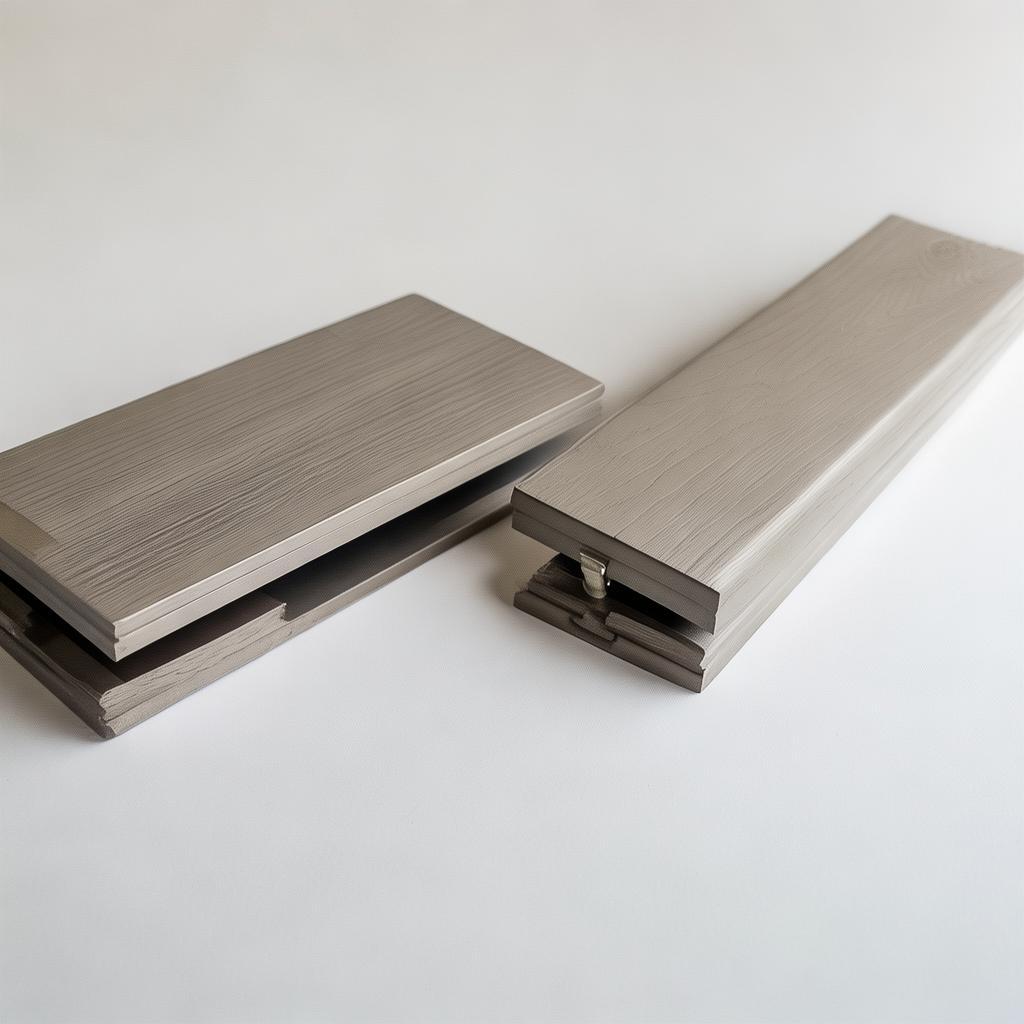
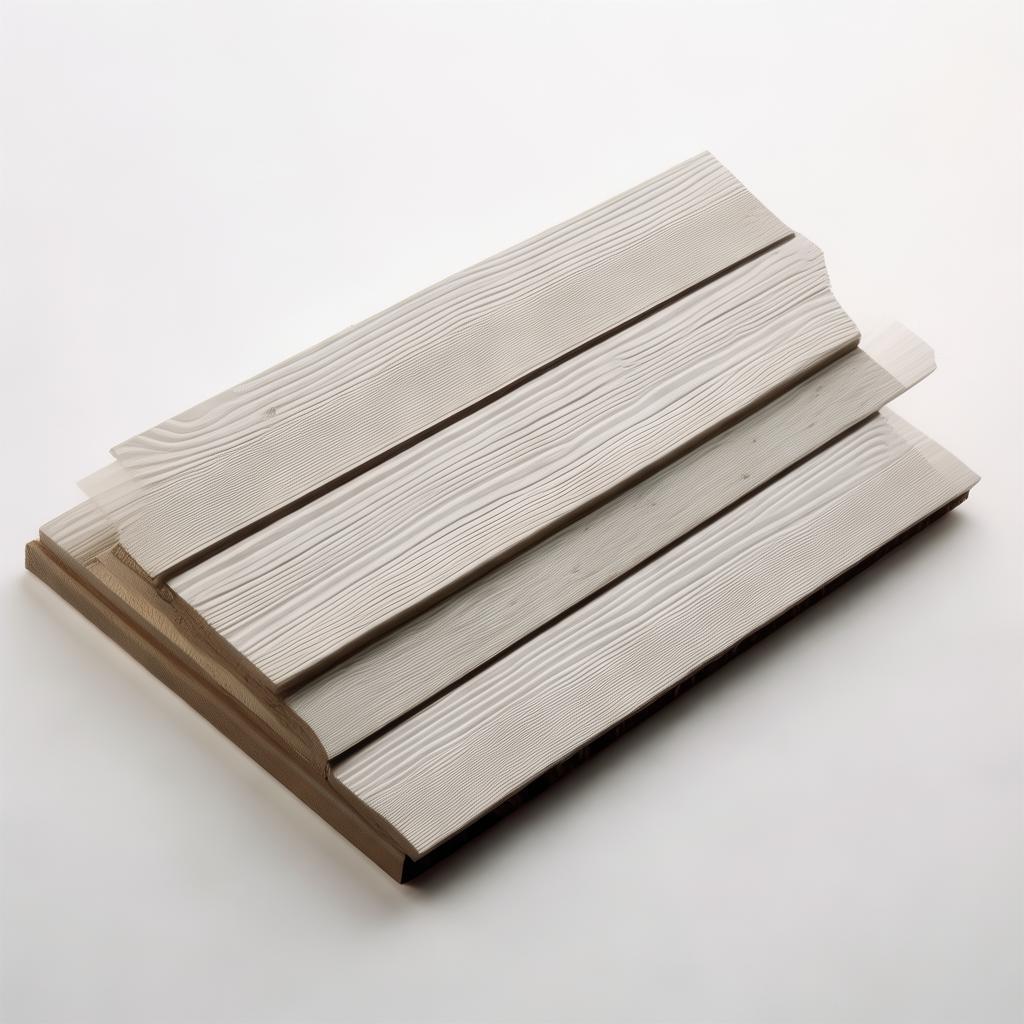
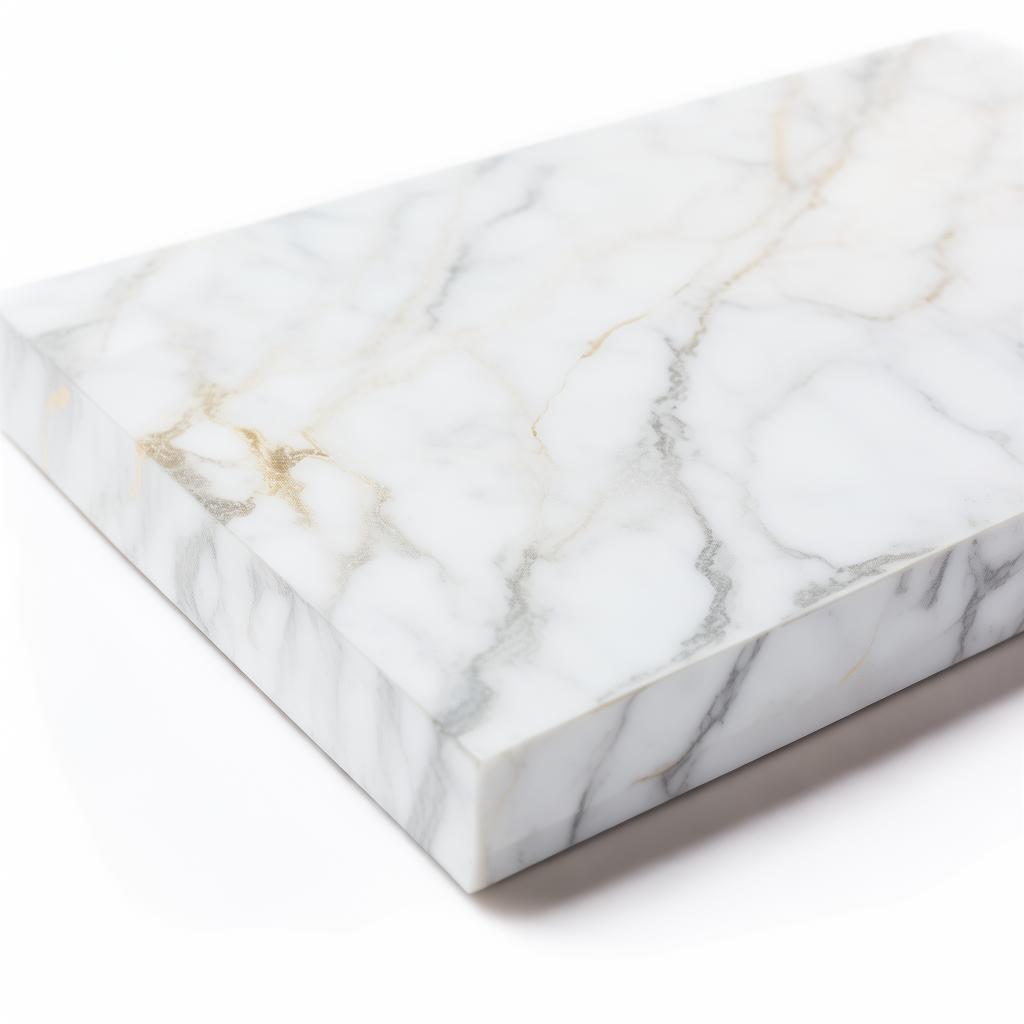
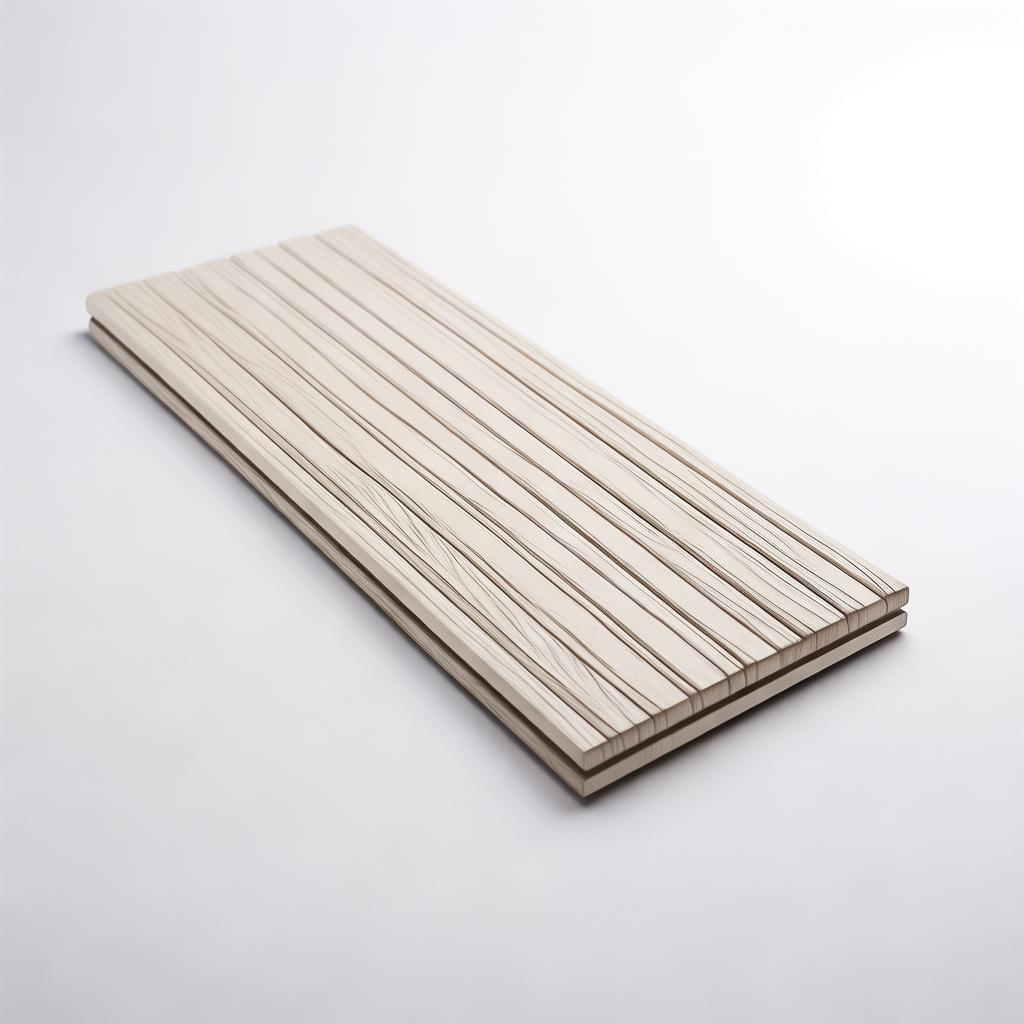
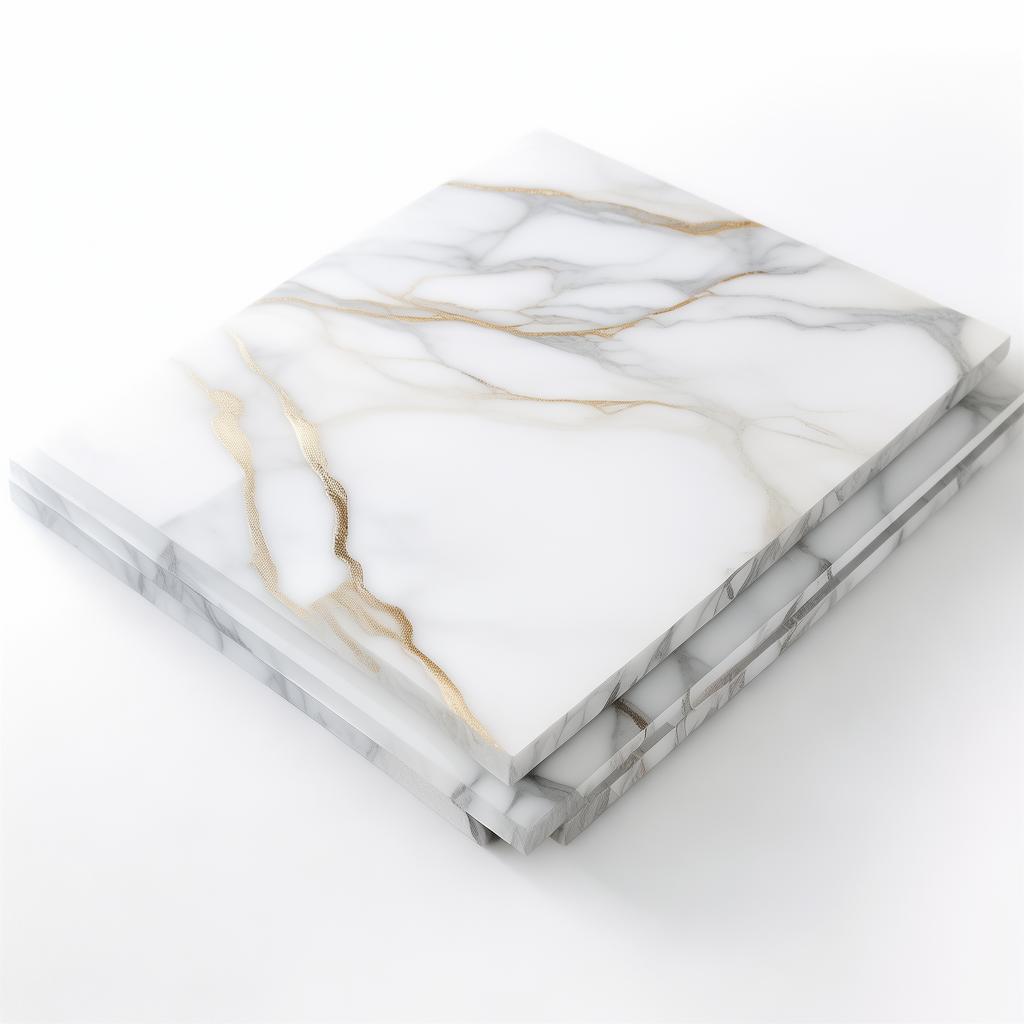
Products: SPC Flooring, WPC Interior/Exterior Panels, PVC Marble Sheets.
Global Certifications
We ensure compliance with local regulations in USA, Europe, and Middle East markets.
Client Trust Indicators
❓ Frequently Asked Questions (FAQ)
Q1: Is SPC flooring better than LVP for basement installation?
Yes. SPC has a limestone-based core that is 100% waterproof and highly resistant to moisture vapor transmission from concrete slabs. LVP, while water-resistant, can swell if water penetrates the seams and gets trapped in the foam underlay. For basements, SPC is the safer, more durable choice.
Q2: What is the MOQ for OEM SPC flooring?
Our standard MOQ is 500-1000 square meters per design. For OEM services (custom packaging, custom logo click profiles, specific thickness), we require a minimum of 1000 sqm to ensure production line efficiency and cost-effectiveness.
Q3: How does SPC flooring handle heavy furniture?
SPC flooring has high density (1.8-2.2 g/cm³), making it highly resistant to indentation. It performs significantly better than LVP under heavy static loads. However, we recommend using felt pads under heavy furniture legs to prevent surface scratching.
Q4: Can SPC flooring be installed over existing tiles?
Yes. SPC’s click-lock system is designed for floating installations over smooth, flat substrates, including existing ceramic tiles, vinyl, or concrete. The subfloor must be level within 3mm over 2 meters to ensure proper locking.
Q5: What are the payment terms?
We typically accept 30% T/T deposit and 70% balance against the copy of the Bill of Lading. For established partners, we can negotiate LC at sight for large orders.
🚀 Ready to Upgrade Your Product Line?
Secure your inventory for 2026. Limited stock available on our latest luxury marble-look SPC collections. Get a free sample kit and competitive FOB quotation.
WhatsApp: +86 13703399579 | Address: Room 709, Gelan Business Building, Shijiazhuang, China
⭐ What Our Global Partners Say

"The density of Sothink's SPC flooring is impressive. We tested it against competitors, and their click-lock system held up perfectly under thermal stress. Shipping was also faster than expected."

"We specified their commercial-grade AC5 SPC for a hospital renovation. The fire ratings and low VOC emissions met all EU standards perfectly. Highly recommended for healthcare projects."

"In the Middle East heat, traditional vinyl fails. Sothink's SPC flooring has zero swelling issues even in un-air-conditioned warehouses. The price point is very competitive for the quality."
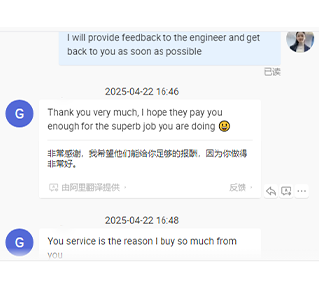
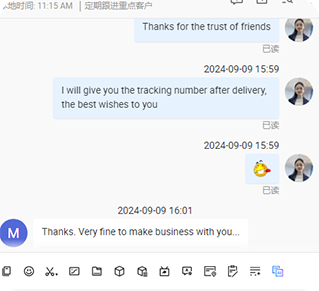
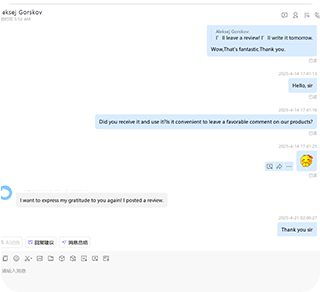
📱 Real-Time Communication with Our Sales Team
See how we support our clients with quick responses and detailed technical support.

David Chen
Senior Technical Sales Director, Shijiazhuang Sothink Trading Co., Ltd.
MBA in International Trade, 15+ Years in Resilient Flooring Supply Chain.
References & Data Sources:
- Global WPC Wall Panel Market Report (2025-2031) - Yahoo Finance
- SPC Flooring Market Outlook 2026-2033 - LinkedIn Pulse / JTEK Insights
- Moisture Resistance of SPC Flooring - Construction and Building Materials Journal (2023)
- PVC Marble Sheet Market Share Analysis - Aesthedgewallpanel
- International Building Code (IBC) Fire Ratings for Resilient Flooring
 +86 31185293045
 qian@ss711.com





