


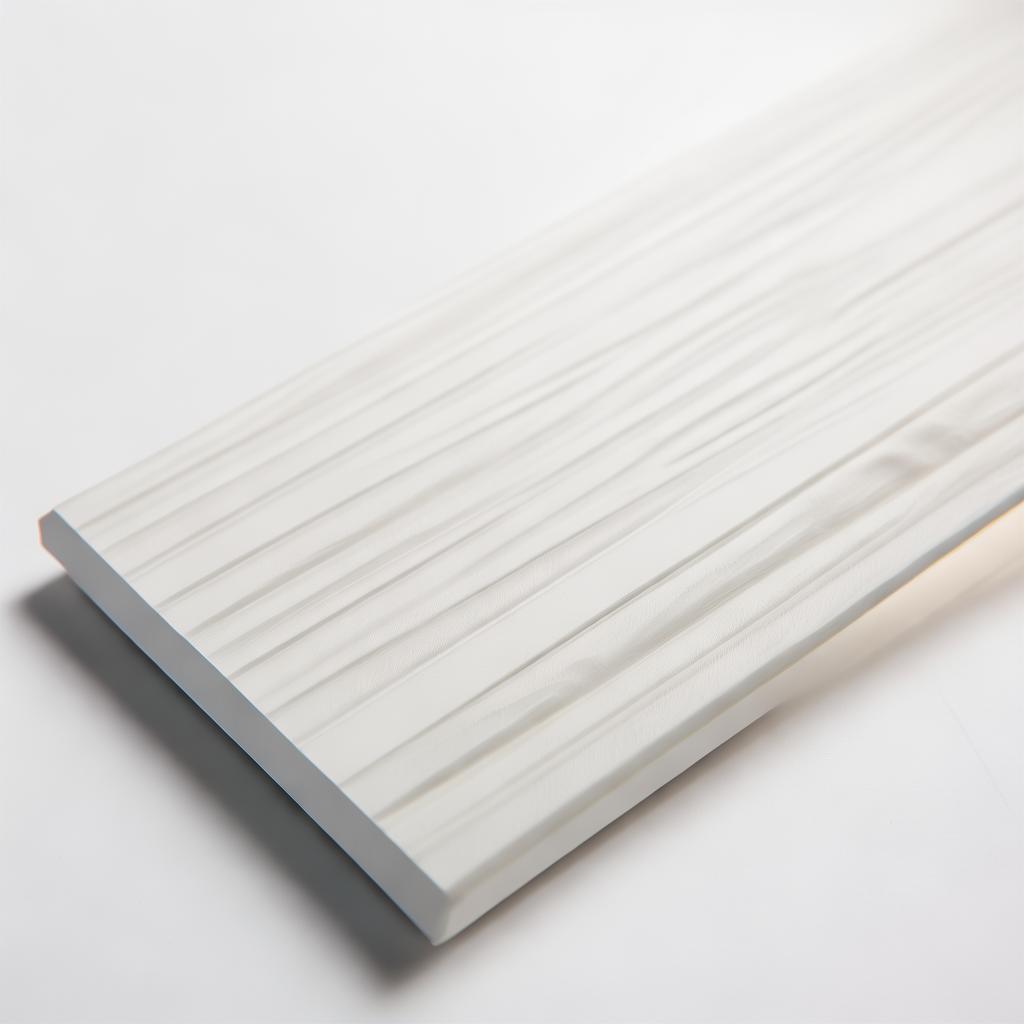
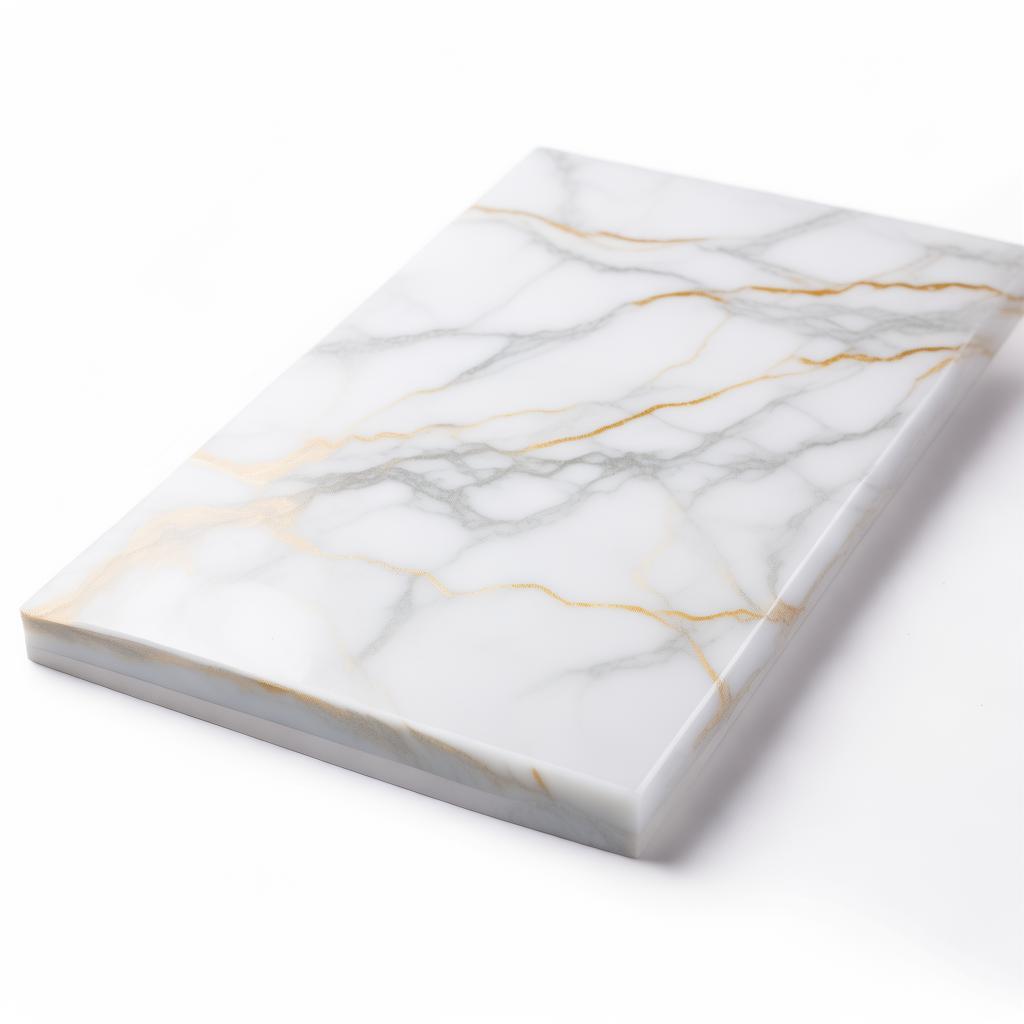
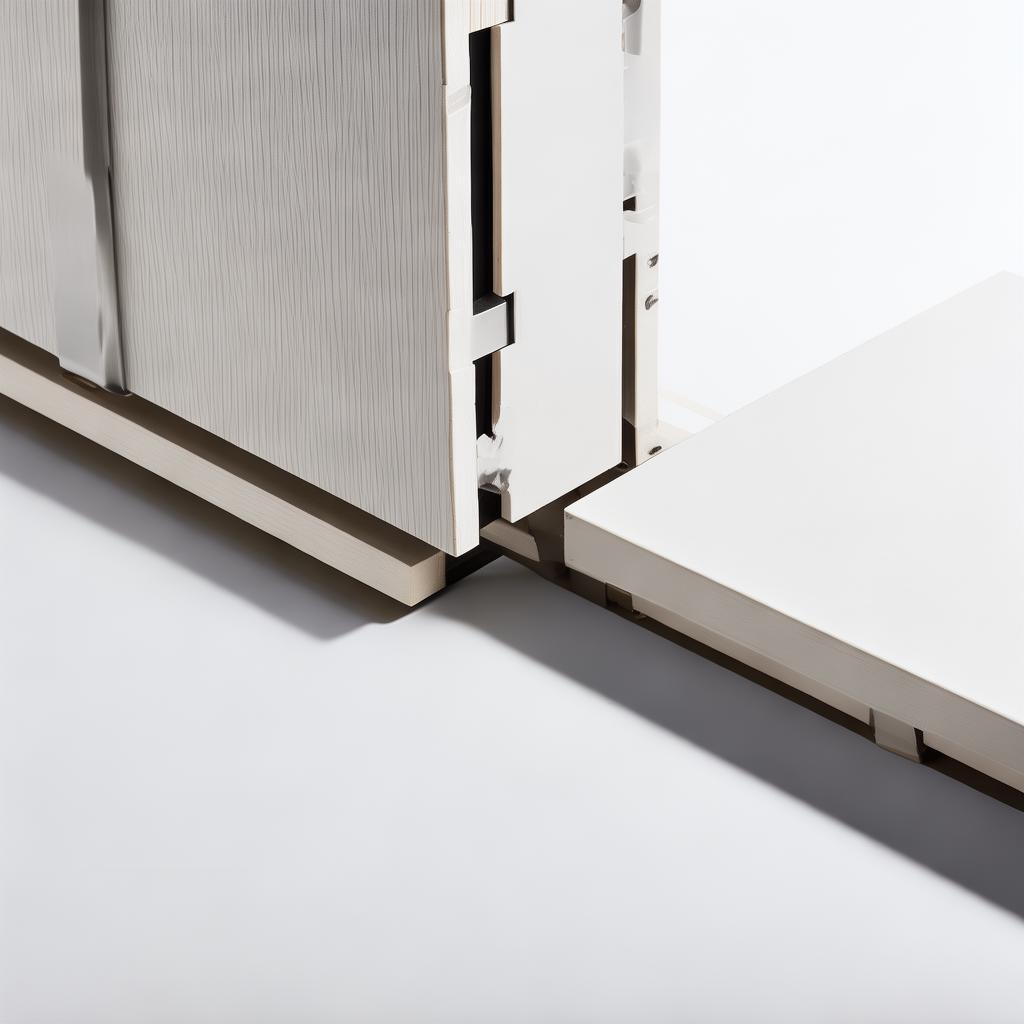
What Is Spc Flooring Made Of
Product Introduction
📑 Table of Contents
Stone Plastic Composite (SPC) Flooring: High-Density Limestone Core for 100% Waterproof Commercial Durability
Eliminate moisture damage, warping, and high replacement costs. Get ISO-9001 certified SPC flooring with 0.55mm wear layers, designed for high-traffic US/EU markets.
🛑 Why Traditional Flooring Fails Your ROI
❌ The Moisture Nightmare
Engineered wood and laminate absorb humidity, causing cupping and mold. In basements and kitchens, this leads to 3x higher replacement costs within 5 years.
❌ High Shipping Density
Heavy ceramic tiles or solid wood drive up ocean freight costs. One 40ft HQ container often holds less volume than lightweight SPC, increasing your landed cost by 15-20%.
❌ Inconsistent Quality
Cheap vinyl emits VOCs and wears out quickly. Without rigorous testing, your brand reputation suffers due to premature delamination and fading.
➡️ Micro-CTA: Stop losing margin to returns and logistics. Switch to SPC.
What is SPC Flooring Made Of? The Technical Breakdown
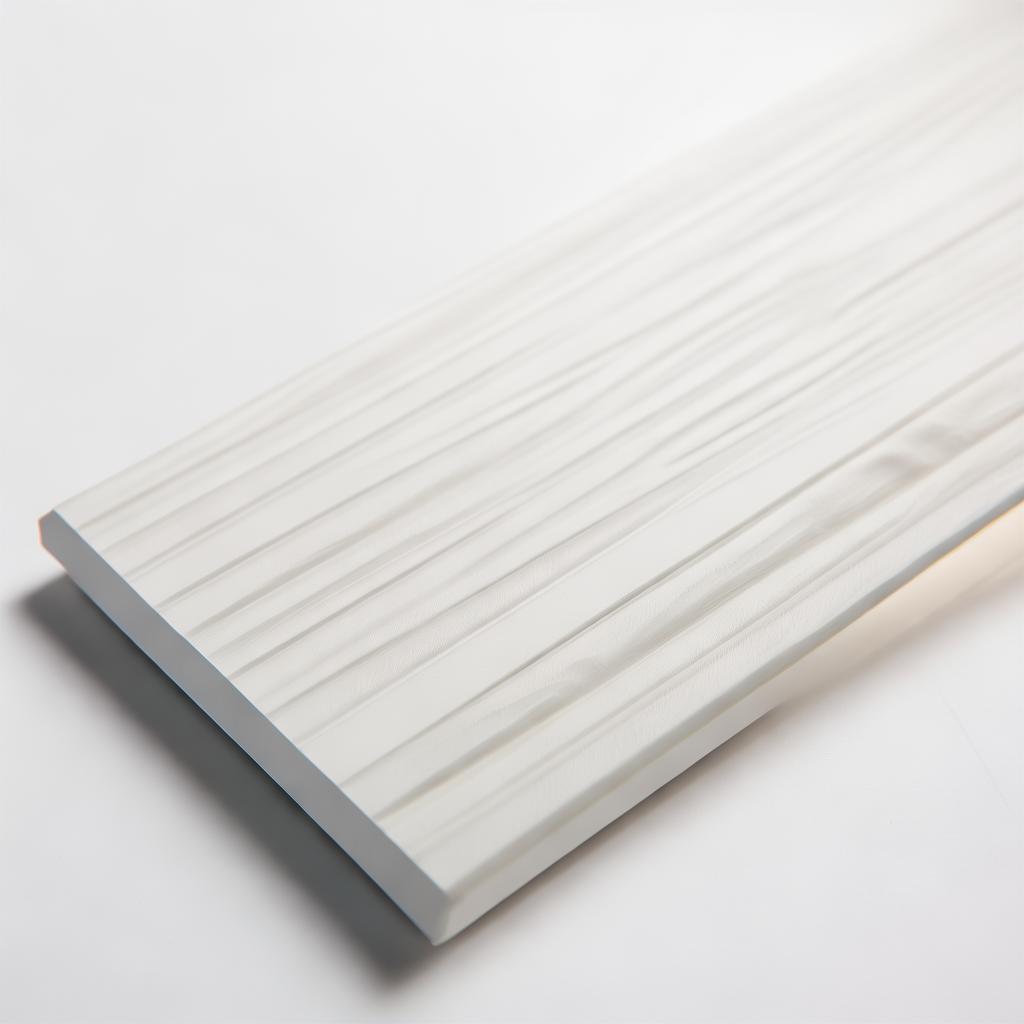
Stone Plastic Composite (SPC), also known as rigid core vinyl, is the evolution of luxury vinyl tile (LVT). It is designed to solve the dimensional instability of traditional flooring.
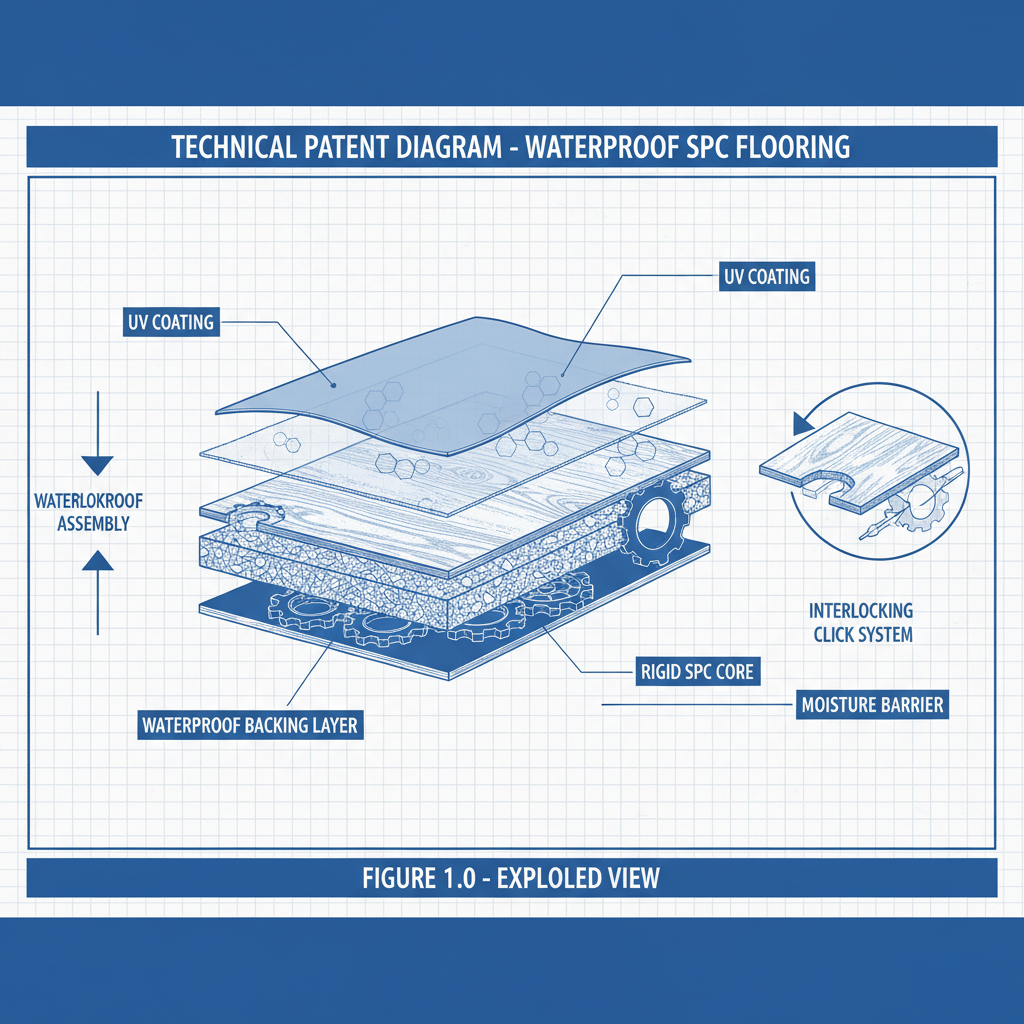
The 5-Layer SPC Structure
- 1. UV Protection Layer: A clear, durable coating rich in aluminum oxide that prevents fading and resists stains from daily traffic.
- 2. Wear Layer (0.3mm - 0.55mm): Pure polyurethane (PU). For commercial use (schools, hospitals), we recommend 0.55mm for maximum abrasion resistance (ASTM F970).
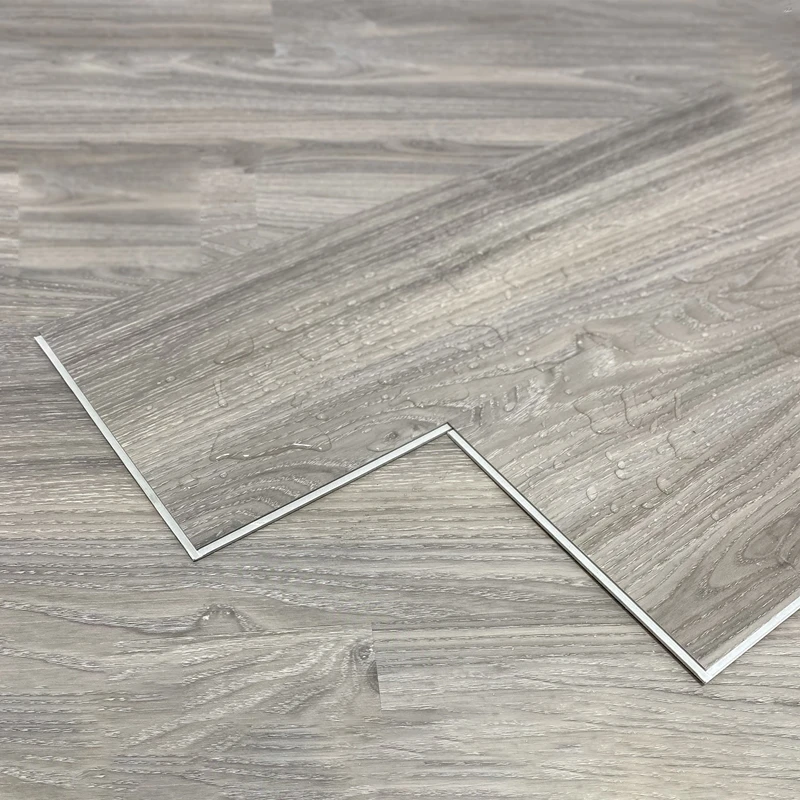
- 3. Decorative Film: High-resolution printed vinyl featuring realistic wood grain, stone, or concrete textures. Digital printing allows for bespoke OEM designs.
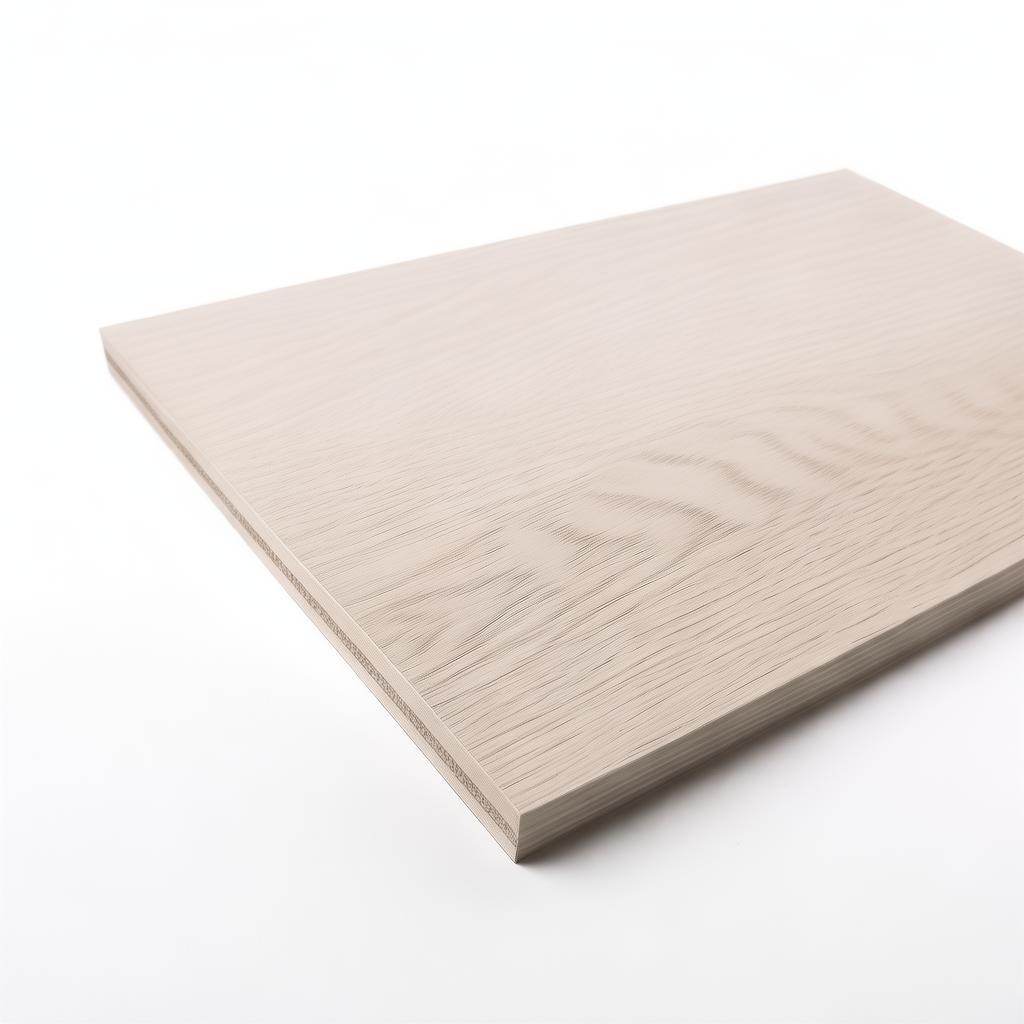
- 4. High-Density Core (The "Stone" in SPC): This is the heart of the product. It consists of ~70% natural limestone powder (Calcium Carbonate) and ~30% polyvinyl chloride (PVC) resins. This creates a rock-hard, 100% waterproof core that does not expand or contract with temperature changes.
- 5. Attached Underlayment: Integrated IXPE or cork foam backing for sound dampening (impact noise reduction) and underfoot comfort.
📊 Technical Specifications Table
| Parameter | Specification |
|---|---|
| Core Material | Limestone + PVC (High Density) |
| Total Thickness | 4.0mm / 5.0mm / 6.0mm |
| Wear Layer | 0.3mm (Residential) / 0.55mm (Commercial) |
| Water Absorption | 0% (100% Waterproof) |
| Fire Rating | Class B1 (Fire Retardant) |
| Installation | Click-Lock (Unilin/Kronotex compatible) |
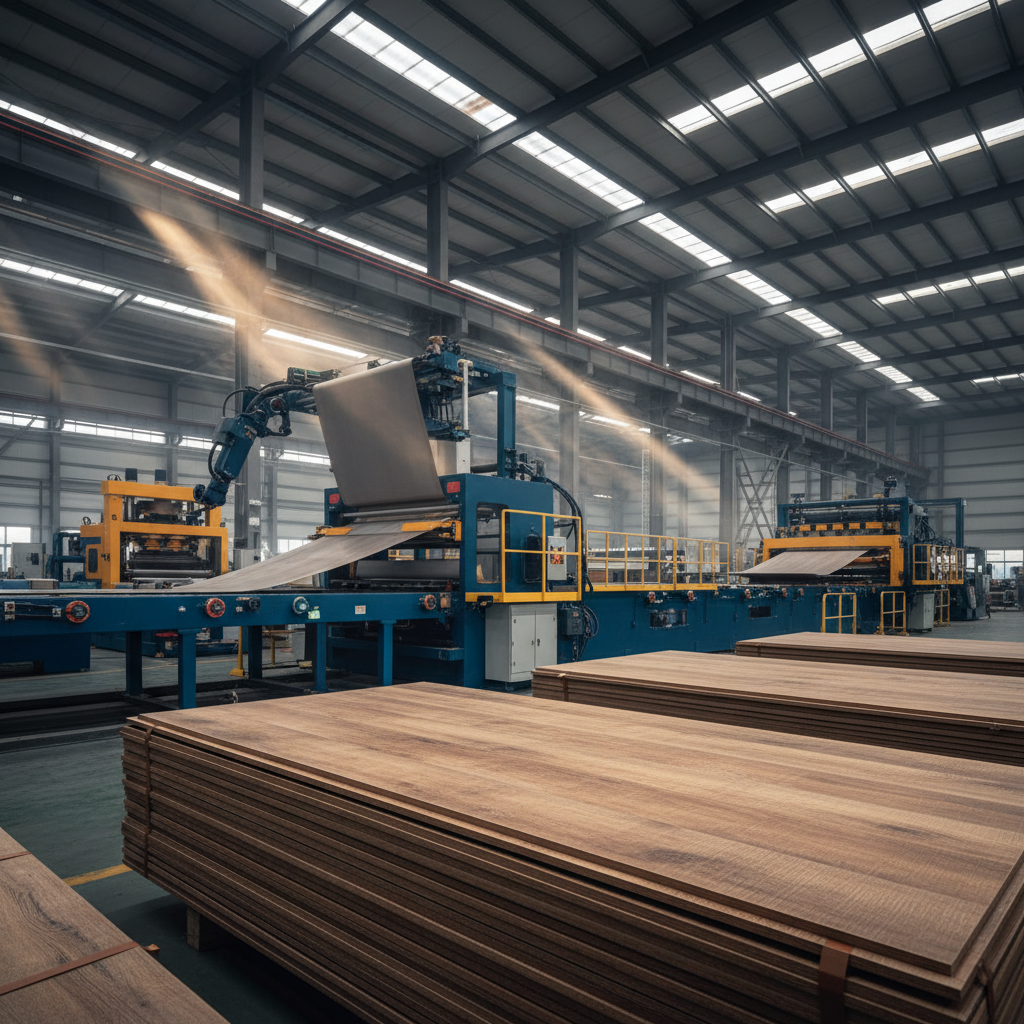
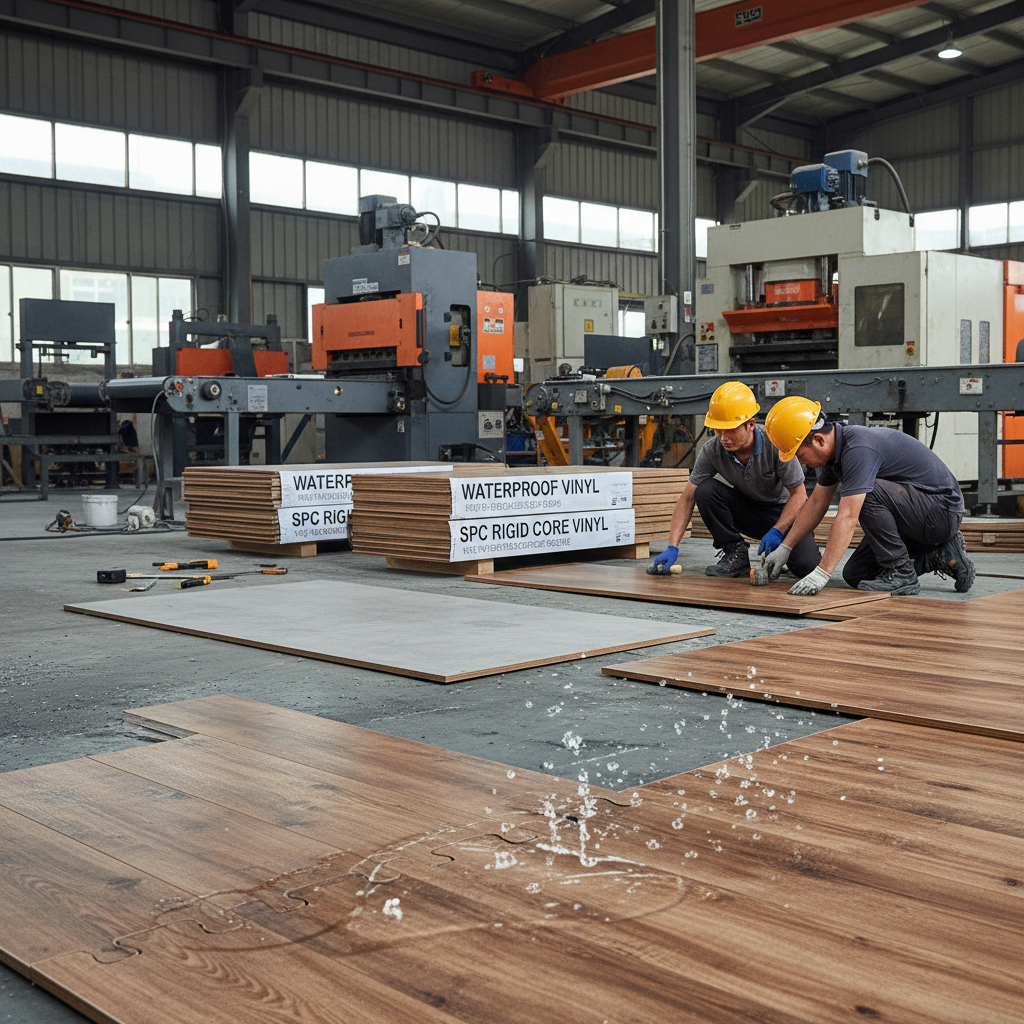
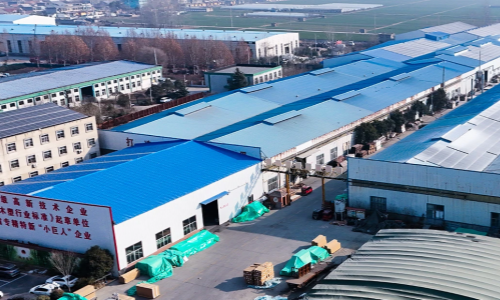 Figure 1: High-speed SPC production line at Shijiazhuang Sothink
💡 Key Advantage: Dimensional Stability
Unlike wood, which expands with humidity, SPC’s limestone core ensures stability. As noted in recent industry studies, SPC outperforms WPC and LVT in wet environments, making it ideal for basements, bathrooms, and commercial kitchens.
how is spc flooring made spc flooring material
➡️ Micro-CTA: Need custom thickness? We support OEM from 3.2mm to 8.0mm.
⭐ What Our International Clients Say

★★★★★ Procurement Manager, USA
"We switched from WPC to Sothink's SPC for our Houston warehouse renovation. The 0.55mm wear layer holds up against forklift traffic. Shipping costs were 20% lower than our previous ceramic tile supplier. Highly recommended for B2B."

★★★★★ Architect, UK
"The digital printing resolution is exceptional. We ordered a custom 'weathered oak' design, and the batch consistency was perfect across 5,000 sqm. The click-lock system saved our contractors 2 days of labor."

★★★★★ Contractor, UAE
"In Dubai's heat, traditional flooring warps. SPC is stable. Sothink's team handled all the CE documentation quickly. The price point allows for good margins on our hotel projects."
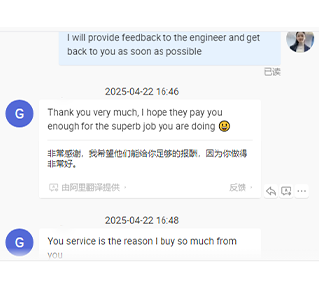
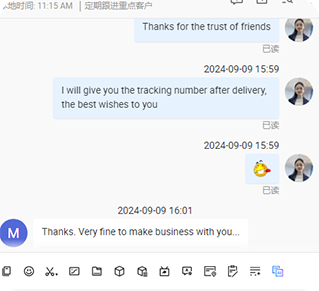
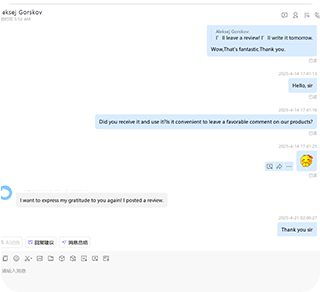
💬 Recent Client Conversations
❓ Frequently Asked Questions
Q: What exactly is the "Stone" in SPC Flooring?
The "Stone" refers to the high-density limestone powder (Calcium Carbonate) that makes up approximately 70% of the core. This mineral content provides rigidity, stability, and waterproof properties, distinguishing it from flexible PVC or wood-plastic composites (WPC).
Q: Can SPC flooring be installed over existing floors?
Yes. One of the biggest advantages of SPC is its ability to be installed as a floating floor over most existing hard surfaces, including concrete, ceramic tile, and existing vinyl, provided the surface is flat and dry. This reduces demolition costs.
Q: What is the difference between SPC and WPC?
WPC (Wood Plastic Composite) uses wood flour and is softer/more flexible. SPC (Stone Plastic Composite) uses limestone and is harder/more rigid. SPC is more dimensionally stable in extreme temperatures and is 100% waterproof, making it superior for basements and commercial spaces.
Q: Do you offer OEM/ODM services?
Absolutely. We provide full OEM/ODM support including custom wear layers, private label packaging, and custom digital print designs. We have exported to North America, Europe, and the Middle East for over 10 years.
Q: What is the minimum order quantity (MOQ)?
Our standard MOQ is flexible for stock items (1,000 sqm). For custom OEM orders, we typically require one 20ft or 40ft HQ container to optimize shipping efficiency and cost.

David Chen
Senior B2B Flooring Strategist & Supply Chain Analyst
With over 15 years in the international building materials trade, David specializes in helping North American and European buyers navigate China's manufacturing landscape. He focuses on quality assurance, ESG compliance, and total cost of ownership analysis for commercial flooring projects.
🚀 Ready to Upgrade Your Project?
Get a free sample kit and a customized quote for your next project. Limited factory slots available for Q1 2026.
📧 Email Us
qian@ss711.com
+86 13703399579
*Free samples available for qualified B2B buyers. 30-day quality guarantee.
 +86 31185293045
 qian@ss711.com





🏆 Trusted by Global Brands & Certified Quality
Top Rated Seller Partner
Supply Chain Certified
Facility Renovation
📈 2026 Market Data Insights
According to recent market reports, the global SPC flooring market is projected to grow at a CAGR of 12.5% between 2026 and 2033. Buyers prioritize 100% water resistance (75% of buyers) and low maintenance (63% of buyers).
Source: [linkedin] Global SPC Flooring Market Outlook 2026