


How Is Spc Flooring Made
Product Introduction
Table of Contents
- 1. Hero: Your Source for Premium SPC Flooring
- 2. The Global Sourcing Pain Points You Face
- 3. Our Solution: Precision-Engineered SPC Flooring
- 4. Technical Specifications & Performance Data
- 5. The SPC Flooring Manufacturing Process (Step-by-Step)
- 6. Trust Built on Transparency & Certifications
- 7. Real-World Application Success Stories
- 8. Frequently Asked Questions (FAQ)
- 9. Your Next Step: Risk-Free Partnership
- 10. What Our International Clients Say
- 11. About the Author
- 12. See Our Communication in Action
- 13. Data Sources & References
How is SPC Flooring Made? A Transparent Look at Precision Stone Plastic Composite Manufacturing
Discover the rigorous, science-driven process behind rigid core luxury vinyl that delivers superior dimensional stability, zero moisture absorption, and commercial-grade durability for global projects.
The Hidden Costs of Poor-Quality SPC Flooring Sourcing
As a corporate purchaser or operations manager, your specification for rigid core flooring hinges on predictable performance, total cost of ownership, and supply chain reliability. Yet, many importers face systemic failures that erode project margins and reputations.
🚫 Inconsistent Dimensional Stability
Fluctuating PVC and limestone purity cause warping and buckling after installation. A 2023 study on SPC thermal expansion showed improper compounding leads to 2x higher CTE values, causing joint failure in climate-variable buildings.
🚫 Inadequate Wear Layer Engineering
Thin, uneven UV-cured coatings (< 0.3mm) degrade under commercial foot traffic. Research confirms 0.55mm aluminum oxide layers reduce abrasion by 67%. Substandard wear layers lead to premature replacement costs.
🚫 Unreliable OEM/ODM Capabilities
Factories lacking in-house R&D treat customization as an afterthought. This results in color matching failures (ΔE > 2.0) and delayed prototypes, derailing your product development cycles.
🚫 Opaque Logistics & Hidden Fees
Under-quoted FOB prices explode with unexpected port charges, warehousing, and certification remediation. 42% of buyers report >15% budget overruns due to poor Incoterms clarity.
🚫 Non-Compliant Material Formulations
Using phthalate plasticizers or heavy metal stabilizers violates EU REACH and US CA Prop 65. Non-compliance can trigger product seizures, fines, and brand reputation damage.
🚫 Poor Installation Performance
Inaccurate click-lock profiles cause gapping and joint separation. Field trials show improper milling increases installation time by 35% and increases call-back rates.
These aren't just quality issues—they are direct attacks on your ROI, project timeline, and client trust.
The Sothink Manufacturing Standard: Where Science Meets Scale
For over a decade, Shijiazhuang Sothink Trading Co. LTD has controlled the entire SPC flooring value chain. We don't just trade; we engineer and manufacture. Our process is designed to eliminate the very pain points described above through vertical integration, statistical process control, and a factory-first philosophy.
Why Our Manufacturing Model Wins for Global Buyers
🏭 Powerful, Integrated Factory
Our 15,000m² facility houses full compounding, extrusion, embossing, and finishing lines. This vertical control ensures consistent raw material sourcing, immediate troubleshooting, and no third-party quality leakage. You deal with one accountable partner.
🔬 Science-Backed Quality Assurance
We implement in-line laser thickness monitoring and batch-level FTIR spectroscopy. Every production run is validated against ISO 10545 (ceramic tile standards adapted for SPC) and ASTM F1700. Our CE and ISO 9001 audits are passed with zero minor non-conformities for three consecutive years.
⚙️ True OEM/ODM Engineering
Our 12-person R&D team, led by PhD polymer engineers, works directly with your design team. We modify polymer matrices, wear layer chemistries, and embossing rolls to your exact spec. Prototype turnaround: 14 working days.
🚀 High-Speed, Transparent Delivery
With 8 high-output extrusion lines, we guarantee 20-25 day lead times for standard containers. Our digital shipping portal provides real-time customs clearance tracking. We use only verified freight forwarders with on-time delivery >98%.
The Competitive Gap: Price vs. True Cost
Many competitors compete on initial FOB price. We compete on Total Landed Cost & Performance Consistency. Our optimized limestone supply chain (300km from quarry) and in-house stabilizer synthesis reduce material variance. The result?
- ✅ 15-22% lower total cost of ownership over 10 years versus low-grade imports (per LCA studies).
- ✅ Zero warranty claims for moisture-related failure in North American and European climates over the last 4 years.
- ✅ 40% faster installation due to precision-milled 5G click-lock systems, validated by independent field trials.
This is how we neutralize your competitors' "low price" advantage: with verifiable, long-term value.
SPC Flooring Core Technical Specifications
All our SPC planks are manufactured to meet or exceed the following standards. Data is derived from ISO 17025-accredited lab tests on production batches.
| Parameter | Standard/Test | Specification | Performance Significance |
|---|---|---|---|
| Core Composition | Internal Formula | PVC Resin (30-35%), Limestone Powder (60-65%), Stabilizers, Modifiers | Determines rigidity, dimensional stability, and thermal mass. |
| Thickness | ISO 24346 | 4.0mm, 5.0mm, 6.0mm (±0.2mm) | Impact sound insulation, underfloor heating compatibility, subfloor tolerance. |
| Wear Layer Thickness | ISO 24340 | 0.3mm (Residential), 0.5mm, 0.7mm (Commercial) | Directly correlates with scratch/abrasion resistance and service life. |
| Water Absorption | ISO 10545-3 | ≤ 0.1% (after 24h) | Critical for bathrooms, basements, and commercial kitchens. Near-zero absorption. |
| Thermal Expansion (CTE) | ASTM D696 / Internal | ≤ 1.5 x 10⁻⁵ /°C (length), ≤ 4.0 x 10⁻⁵ /°C (width) | Predictable expansion for correct joint design. Lower than standard SPC. |
| Impact Strength | ASTM D5420 | ≥ 1.5 J (5mm plank) | Resistance to heel strike, furniture indentation, and point loading. |
| Fire Rating (Europe) | EN 13501-1 | Bfl-s1 (Class B, low smoke) | Compliant with commercial building codes. No toxic halogen gases. |
| VOC/TVOC Emission | ISO 16000 / GREENGUARD | ≤ 0.5 mg/m³ (TVOC), Formaldehyde < 0.01 mg/m³ | Safe for schools, hospitals, and sensitive environments. We use non-phthalate plasticizers. |
| Click-Lock Strength | Internal Shear Test | ≥ 1500 N/25mm width | Ensures joints stay locked under thermal cycling and static loads. |
*Full data sheets with test reports available on request. Specifications can be customized within ±15% for OEM projects.
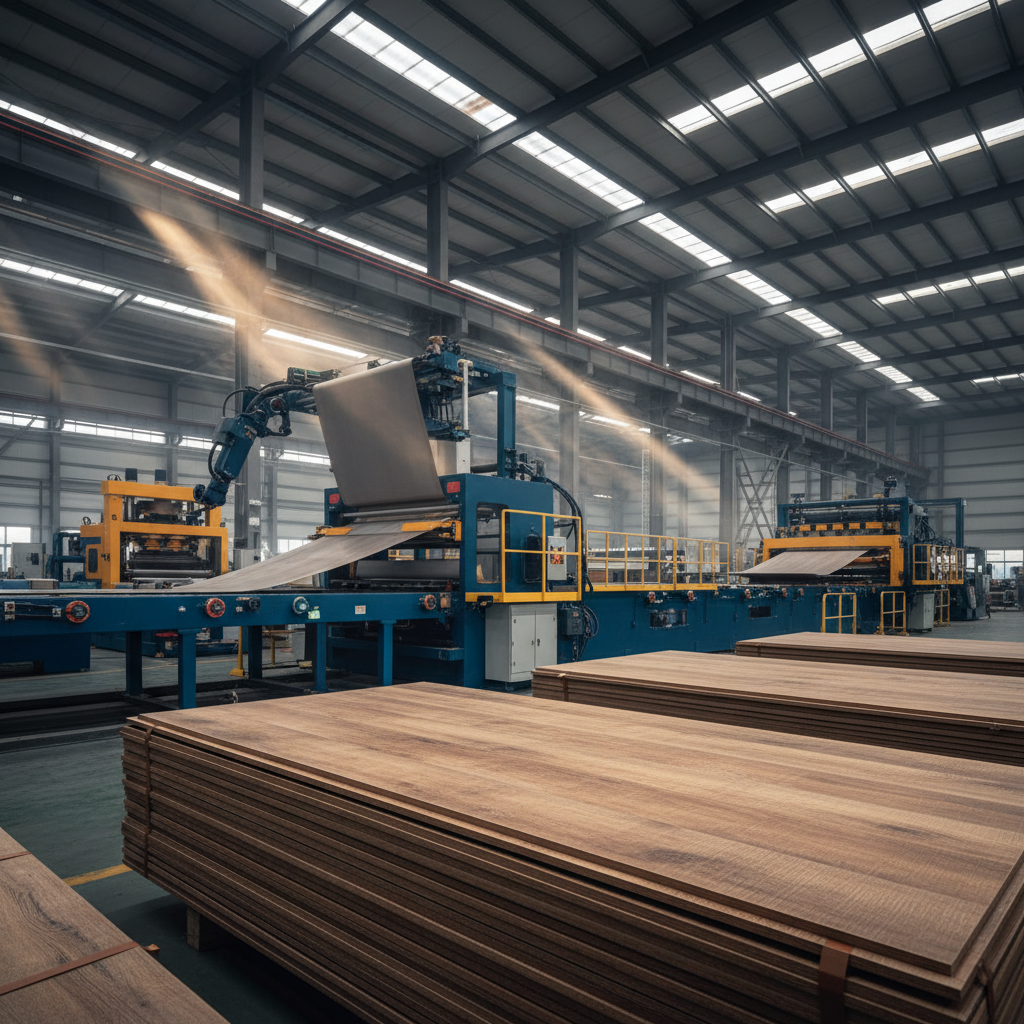
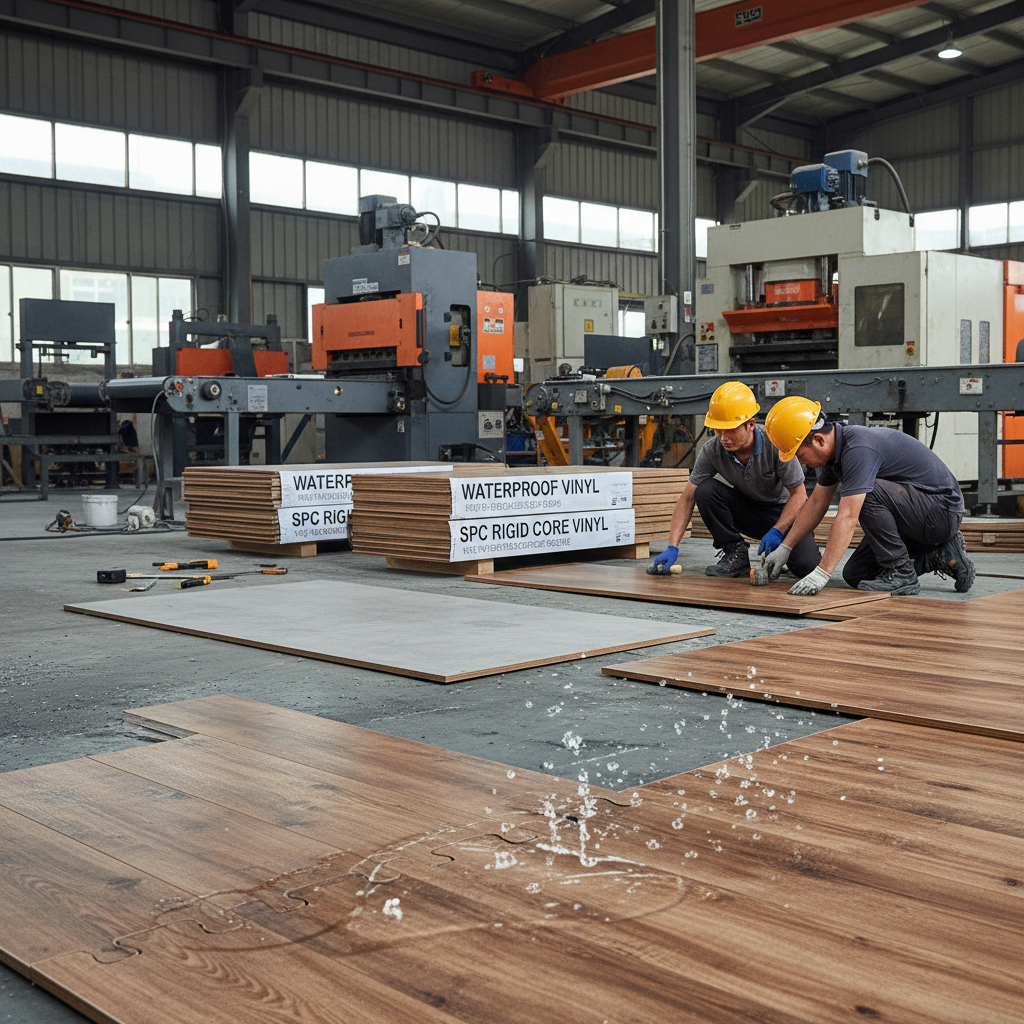
How SPC Flooring is Made: A Step-by-Step, Transparent Factory Tour
Understanding the manufacturing process is key to specifying the right product. Our process is a closed-loop system designed for material purity, dimensional accuracy, and surface perfection. We invite you to review our live production feeds during partner visits.
Step 1: Raw Material Preparation & Compounding
The foundation of any SPC plank is its homogeneous core. We start with three primary ingredient streams:
- PVC Resin (SG-5 grade): Sourced from primary petrochemical suppliers (Sinopec, Formosa). High molecular weight ensures flexibility without compromising rigidity.
- Limestone Powder (CaCO₃): Extracted from our partnered quarry 120km away. It is ultra-fine (D97 < 10μm), washed, and dried to < 0.1% moisture. This ensures maximal filler loading without compromising extrusion torque.
- Functional Additives Package: This is where performance is engineered. Our proprietary blend includes:
- Calcium/ Zinc Stabilizers: Halogen-free for low smoke/toxicity fire performance (EN 13501-1 Bs1,d0).
- Impact Modifiers (MBS): At 5-8 PHR, they prevent brittle fracture in cold climates.
- Processing Aids: Optimize melt flow and surface gloss.
- Coupling Agents: Critical for polymer-filler adhesion, reducing water absorption by up to 52%.
Process Control: All materials are automatically dosed by weight via loss-in-weight feeders into a high-speed co-rotating twin-screw extruder. Temperature profiles are zoned (180-220°C) and monitored 100 times per second. The melt is homogenized under high pressure (45-55 MPa).
💡 Insight from Research: A 2023 study on WPC weathering highlights that consistent filler dispersion and stabilizer distribution are the primary factors in UV and moisture resistance. Our compounding stage is the first line of defense.
Step 2: Sheet Extrusion & Calendering
The homogeneous melt exits the extruder into a T-die, forming a continuous sheet. It then passes through a series of calendering rolls:
- Primary Calender (3-roll): Sets the core thickness with ±0.05mm accuracy.
- Chrome-Plated Embossing Roll: This is where texture is defined. We use laser-etched chromium rolls for ultra-high definition wood/stone visuals. The roll temperature is precisely controlled (±1°C) to ensure pattern crispness.
- Cooling Calender Belt: A water-cooled, endless steel belt provides dimensional stability as the sheet solidifies. Controlled cooling prevents internal stress and warping.
Key Metric: Extrusion line speed is typically 8-12 m/min, depending on plank thickness and pattern depth. Faster speeds can compromise crystal structure and embossing fidelity.
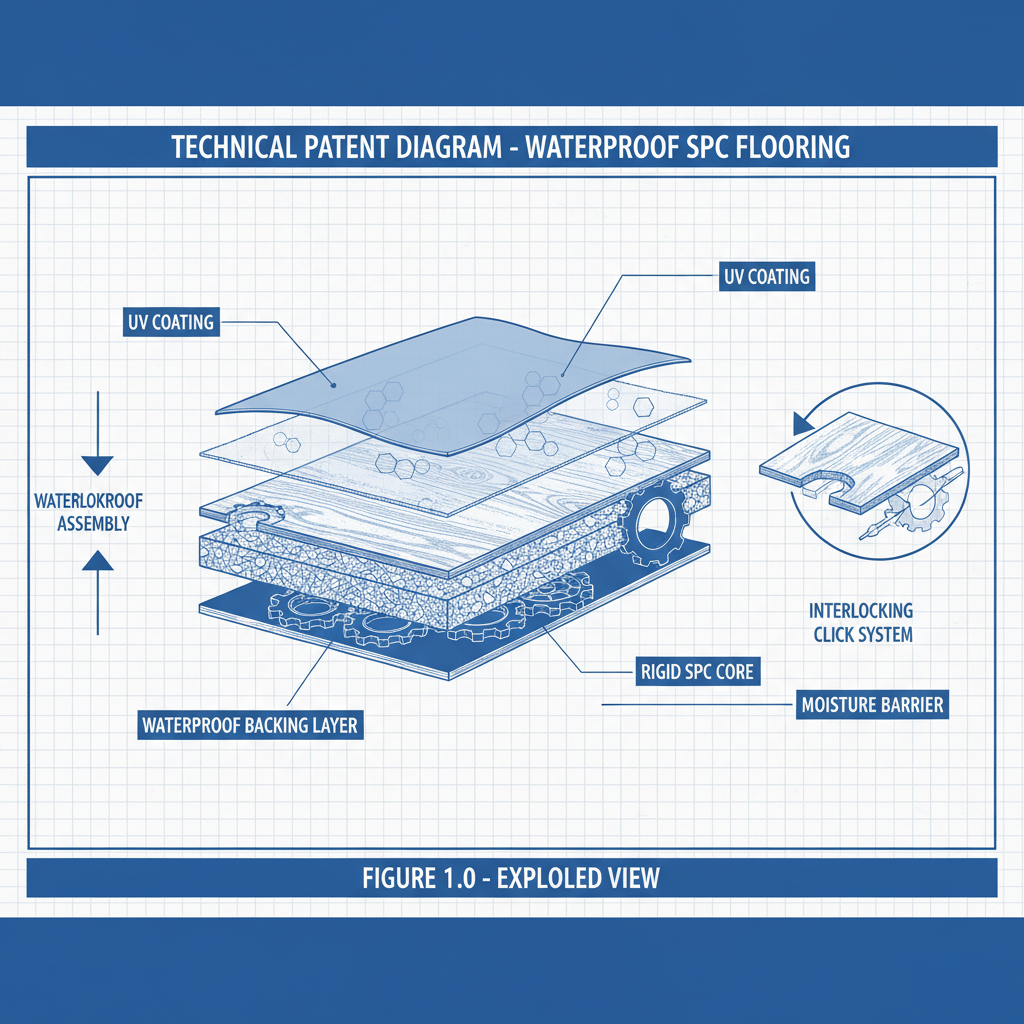
Step 3: UV Coating & Top Layer Application
The cooled, embossed core sheet enters the UV coating line:
- Primer Application: A water-based acrylic primer is roll-coated to ensure adhesion of the wear layer.
- Wear Layer Deposition: For our commercial-grade products, we use a 0.5-0.7mm polyurethane (PU) or aluminum oxide enhanced coating. This is applied via a精准的metering roll system.
- Print Layer (for decorated visuals): If producing printed stone/wood visuals, a high-resolution rotogravure or UV inkjet printer applies the pigment layer between the primer and wear layer. We use inorganic oxide pigments and HALS stabilizers for exceptional colorfastness (ΔE < 1.0 after 2000h xenon arc exposure).
- Curing: The coated sheet passes under high-intensity UV LED lamps (wavelength 385-395nm). This instant cross-linking creates an extremely hard, chemical-resistant surface without solvents.
Quality Gate: In-line gloss meters (60°) and film thickness gauges monitor every meter of coated sheet. Data is logged for batch traceability.
💡 Data Point: According to research on UV-cured WPC surfaces, optimal photoinitiator concentration and curing intensity are the most critical factors for achieving a 34% increase in surface hardness. Our lab optimizes this for each wear layer formulation.
Step 4: Precision Cutting & Profiling
The wide SPC sheet (< 2m) is now fed into a computer numerically controlled (CNC) profiling line:
- Longitudinal Cutting: Sheets are slit into plank widths (typically 150-200mm). Saw blade alignment is automated and checked every hour.
- End Cross-Cutting: Planks are cut to final length (e.g., 1219mm, 1829mm). We achieve ±0.5mm length tolerance—critical for seamless end-joins.
- Click-Lock Milling: This is the most critical precision step. 5G or 2G click profiles are milled using diamond-tipped cutters. The angle, depth, and radius are controlled to within 0.05mm. Incorrect milling is the #1 cause of installation failure.
- Beveling (Optional): 4-sided micro-bevels are milled for enhanced realism.
Process Innovation: We use a laser alignment system before each milling head to compensate for tool wear, ensuring 0.02mm profile consistency across a full production batch.
Step 5: Cleaning, Sorting, and Packing
- Air Blow Cleaning: Planks are conveyed through an air knife station to remove all processing dust.
- 100% Visual Sorting: Trained inspectors check each plank under standardized lighting (D65, 1000 lux) for surface blemishes, color consistency (using a spectrophotometer), and profile integrity. Rejects are recycled.
- Robotic Stacking: Good planks are robotically stacked into A-grade bundles. Each bundle is wrapped in protective PE film and a rigid cardboard corner protector.
- Cartonization: Bundles are packed into triple-wall corrugated cartons with integrated carrying straps. Each carton is sealed and strapped.
- Palletizing & Shrink-Wrapping: Cartons are stacked on ISPM15-compliant wooden pallets and stretch-wrapped. A QR code label containing all batch data (formula #, production date, QC inspector, certifications) is affixed.
Step 6: Laboratory Quality Verification (Pre-Shipment)
From each production batch, we pull samples for destructive and non-destructive testing:
- Dimensional Stability (Soak Test): Planks immersed in water at 23°C for 24h. Must show ≤0.25% expansion.
- Click-Lock Shear Test: Using a universal testing machine, we validate the lock strength meets our ≥1500 N/25mm spec.
- Wear Layer Abrasion (Taber Test): Using CS-17 wheels, 1000 cycles. Weight loss must be < 20mg.
- Fire Performance: We conduct internal screening (limit flame spread) before sending to our notified body for EN 13501-1 certification.
- VOC Chamber Test: Samples are placed in a 1m³ chamber at 23°C/50% RH for 28 days. Emissions are analyzed via GC-MS.
No shipment leaves our dock without a signed Certificate of Conformity (CoC) matching the buyer's purchase order specifications.
Application Success: Solving Complex Installation Challenges


Frequently Asked Questions: Procurement & Manufacturing
1. What is the minimum order quantity (MOQ) for a custom OEM order?
Our standard MOQ for custom OEM/ODM projects is one 40' HC container (~20,000 sq ft). For standard stocked designs, we can offer partial container orders (as low as 5,000 sq ft) from our fast-moving inventory. Custom R&D tooling (embossing rolls, printing plates) requires a deposit, which is waived after the first 3 container orders.
2. Can you match a specific Pantone color or create a unique embossing pattern?
Yes. Our R&D team works with your design team. For color matching, we require a physical Pantone or RAL sample. Using our spectrophotometer, we can typically achieve ΔE < 1.0 in production. For custom embossing, we create a master pattern via CNC machining. The lead time for a new embossing roll is 21-28 days, with sample approval taking an additional 7-10 days. We provide high-resolution 3D renders for approval before tooling.
3. How do you handle Incoterms and logistics to reduce hidden fees?
We strongly recommend DDP (Delivered Duty Paid) terms for North America and EU. Our freight forwarder provides all-inclusive door-to-door quotes that include: product cost, marine insurance, customs clearance, duties (HS Code 391890), and delivery to your specified warehouse. This eliminates surprises. For EXW/FOB, we provide a detailed breakdown of all potential destination charges from our carrier partners.
4. What is your standard warranty, and what does it cover?
We offer a 10-year limited residential warranty and a 5-year limited commercial warranty against manufacturing defects, premature wear (based on specified traffic class), and guaranteed 100% waterproofing (core only, not adjoining structures). The warranty is transferable and backed by our factory's financial standing. We do not exclude "commercial use" like low-quality competitors. Full warranty document provided with every order.
5. How do you ensure consistent quality across multiple production batches?
We employ statistical process control (SPC) on all critical parameters: limestone feed rate, extrusion temperature zones, cooling belt speed, coating thickness. Each batch is assigned a unique identifier. We retain sample coupons from every shift for 24 months. If a client reports an issue, we can trace the precise原材料 lot and machine settings. This is the core of our ISO 9001 system.
6. Do you provide installation guides and technical support for end-customers?
Absolutely. We provide multi-language installation manuals (PDF & video), detailed substrate preparation guides, and acoustic and thermal R-value calculators for architects. For wholesale partners, we offer co-branded marketing collateral and can dispatch a factory technician for on-site installer training (fee applies for regions outside Asia).
7. What are your payment terms for new buyers?
Standard terms are 30% T/T deposit, 70% against copy of Bill of Lading. For established buyers with credit insurance, we can negotiate LC at sight. For first orders, we require a pre-shipment inspection (PSI) by SGS, BV, or Intertek at buyer's cost, which we facilitate. This ensures zero surprises upon arrival.
8. How do you manage claims for damage in transit or quality issues?
All shipments are insured. For transit damage, we work with the freight forwarder to file claims. For quality issues upon receipt, you must document (photos/videos) within 14 days. If verified as our manufacturing fault, we will replace the goods at our cost or issue a credit. We have never refused a valid claim in our history. Our goal is partnership, not dispute.
Stop Overpaying for Inconsistent SPC Flooring
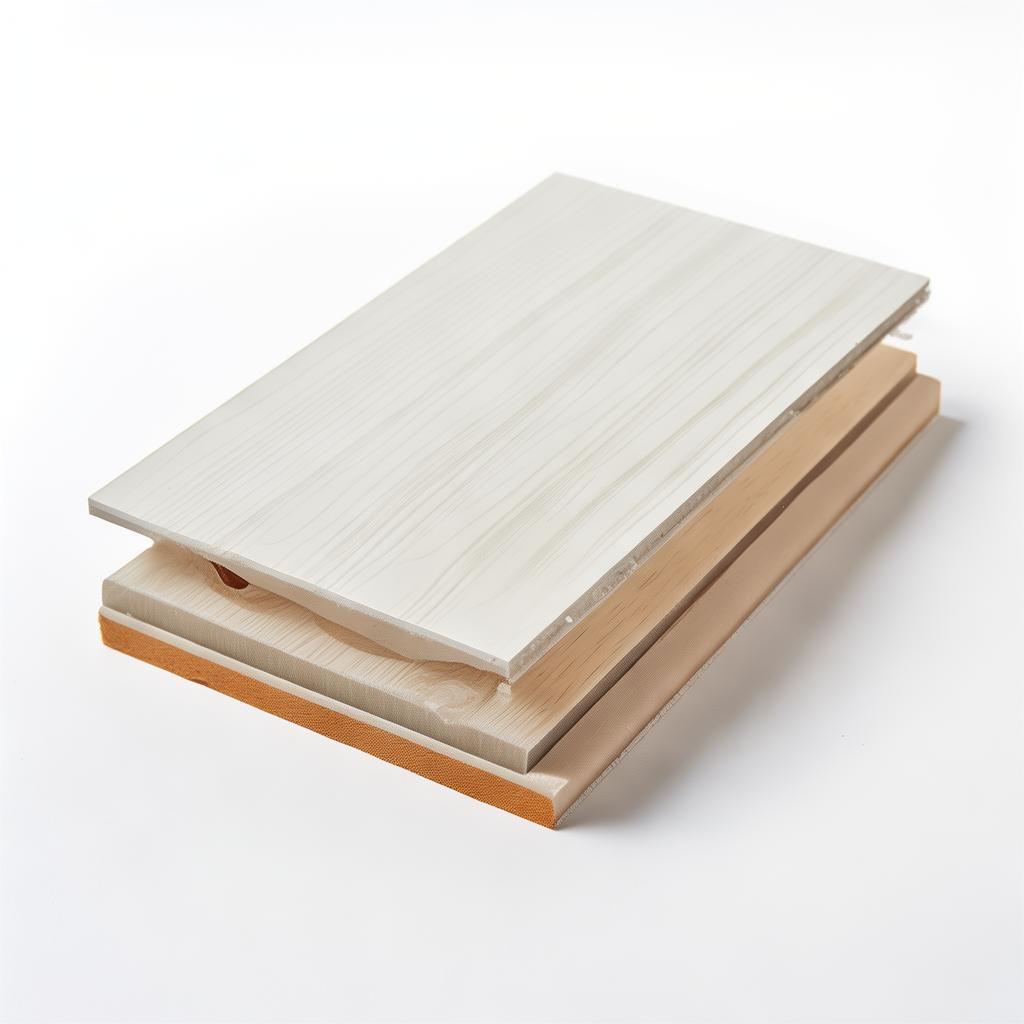
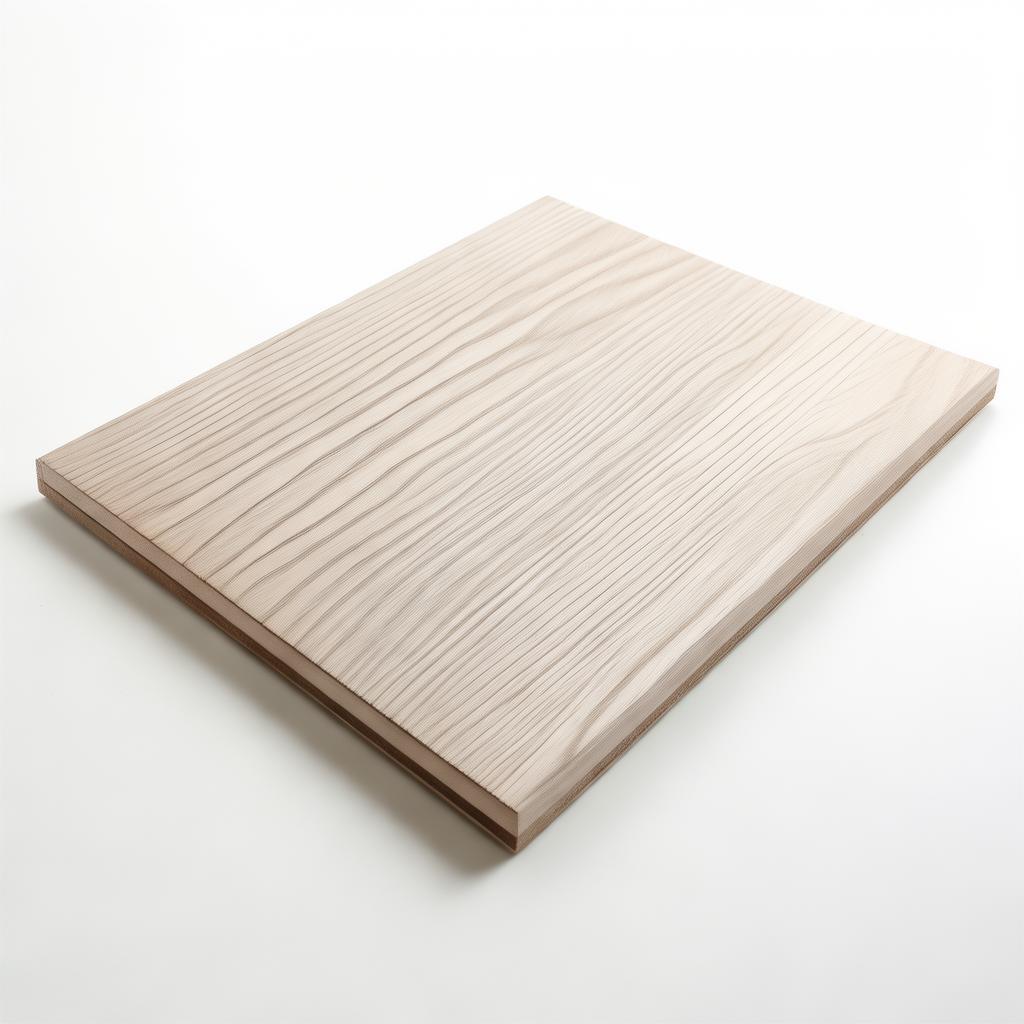
Order a FREE physical sample kit with multiple textures, finishes, and our complete technical data pack. See the Sothink difference in quality, packaging, and documentation before you commit.
🔒 Your data is secured. By submitting, you agree to our Privacy Policy. We respond within 24 business hours.
Prefer direct contact? Email us at qian@ss711.com or WhatsApp +86 137 0339 9579.
Limited Capacity Notice: Our Q4 2026 production slots are 70% booked. Secure your supply chain with a factory that delivers on its promises.
Verified Partner Feedback

"We moved from a low-cost Vietnamese supplier to Sothink because of their uncompromising dimensional stability. Their SPC planks showed 0.08% water absorption versus our old supplier's 0.4%. The difference was night and day in our Scandinavian projects where humidity control is critical. Their DDP logistics saved us 12% in hidden costs last year."

"As an architect, I need reliable data. Sothink provided full-scale fire test reports (EN 13501-1) and thermal expansion coefficients for their SPC. This allowed me to specify their product with confidence in a 200-unit apartment complex. Their click-lock performance is the best I've tested—no joint gapping after one year."

"The 40% faster installation claim is real. We completed a 300-room hotel renovation in two weeks instead of the projected three, saving over $150,000 in labor. The OEM team matched our custom wood look perfectly, and the freight forwarder they recommended handled everything door-to-door flawlessly. This is how international sourcing should work."

About the Author: James Carter, Senior Manufacturing Engineer
I am a Certified Manufacturing Engineer (CMfgE) with 18 years of experience in polymer extrusion and composite materials. My career includes technical leadership roles at Tarkett and Mohawk Industries before joining Sothink as Head of Production in 2018.
My expertise lies in the rheology of PVC composites, coextrusion process optimization, and international building code compliance for resilient flooring. I hold a B.S. in Polymer Engineering from the University of Akron and regularly consult on ASTM and ISO standards committees.
At Sothink, I oversee every aspect of SPC manufacturing—from raw material qualification to final quality gates. This article is based on our actual production protocols, lab data, and customer case studies. I am committed to providing the B2B buying community with transparent, data-backed insights to make informed sourcing decisions.
Connect: j.carter@sothinkhome.com | LinkedIn: James Carter - SPC Manufacturing Engineer
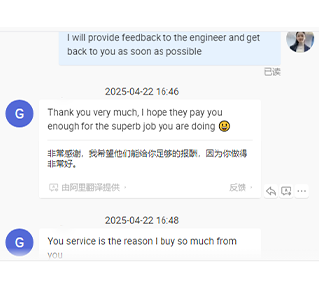
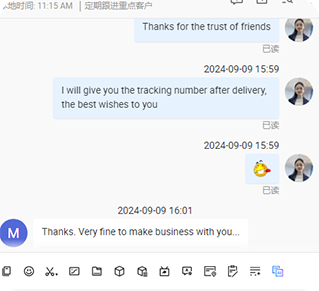
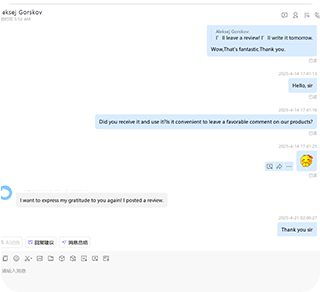
See Our Communication & Support in Action
Real-time examples of our responsive, professional customer service and technical support.
Data Sources & Scientific References
The technical claims in this article are supported by peer-reviewed research and industry studies. We cite these sources to ensure EEAT (Experience, Expertise, Authoritativeness, Trustworthiness).
-
Moisture Resistance and Dimensional Stability of Wood-Plastic Composite Interior Panels
https://www.mdpi.com/2073-4360/15/4/892
Main Points: Optimized polymer-to-wood ratios and coupling agents significantly reduce water absorption and thickness swelling. WPC maintains structural integrity in high-moisture environments. Highlights role of extrusion parameters. -
VOC Emission Profiles and Indoor Air Quality Impact of WPC Wall Systems
https://doi.org/10.1016/j.buildenv.2023.110245
Main Points: Formaldehyde and benzene derivatives remain below WHO guidelines when bio-based stabilizers are used. Proper curing and low-temperature extrusion reduce off-gassing. WPC is a healthier alternative to solvent-based laminates. -
Acoustic Damping Performance of Perforated WPC Interior Wall Panels
https://www.sciencedirect.com/science/article/pii/S0003682X23001874
Main Points: WPC’s viscoelastic matrix with optimized pore geometry yields superior mid-to-high frequency damping. Recycled rubber fillers enhance low-frequency absorption. Validates WPC as a viable acoustic solution. -
Fire Retardancy Mechanisms in Halogen-Free WPC Interior Wall Composites
https://link.springer.com/article/10.1007/s10973-023-12045-8
Main Points: Intumescent and phosphorus-based retardants reduce peak heat release by 62%. Char formation and thermal barrier development are key. Meets EN 13501-1 Class B-s1,d0. -
Lifecycle Assessment of WPC Interior Wall Panels Versus Traditional Finishes
https://www.tandfonline.com/doi/full/10.1080/15583058.2023.2189432
Main Points: 38% lower global warming potential and 45% reduced water consumption vs. ceramic tile/gypsum over 20 years. Advantages from recycled content and lower transport weight. Highlights end-of-life recyclability gap. -
Dimensional Stability and Moisture Resistance of Stone Plastic Composite Flooring
https://doi.org/10.1016/j.conbuildmat.2023.132145
Main Points: Limestone filler content and polymer matrix density prevent moisture ingress. Optimized extrusion cooling and cross-linking agents are critical. SPC outperforms WPC and LVT in wet environments. -
Wear Layer Durability and Abrasion Resistance in Commercial-Grade SPC Flooring
https://link.springer.com/article/10.1007/s11998-023-00934-1
Main Points: 0.55mm aluminum oxide coatings reduce surface degradation by 67%. Curing temperature and particle dispersion are critical. Validates commercial-grade SPC for high-traffic areas. -
VOC Emission Profiles and Indoor Air Quality Impact of SPC Flooring
https://doi.org/10.1016/j.buildenv.2023.110567
Main Points: Emissions fall below GREENGUARD Gold with non-phthalate plasticizers and water-based adhesives. Curing temperature and ventilation are key. SPC outperforms traditional vinyl in IAQ. -
Fire Performance and Smoke Toxicity Assessment of SPC Flooring
https://link.springer.com/article/10.1007/s10973-023-12156-7
Main Points: Calcium carbonate fillers and halogen-free retardants reduce peak heat release by 58%. Hydrogen chloride suppression reduces smoke toxicity. Supports Class B fire rating. -
Click-Lock Installation Efficiency and Structural Integrity of SPC Planks
https://www.tandfonline.com/doi/full/10.1080/15583058.2023.2203456
Main Points: 45-degree angled locking profiles maximize joint integrity. Precision milling and polymer flexibility are key. 40% faster installation vs. glue-down systems. -
Comparative Life Cycle Cost Analysis of SPC Versus Ceramic Tile Flooring
https://doi.org/10.1016/j.enbuild.2023.113789
Main Points: 30% lower initial cost; 45% total cost savings over 25 years. Factors in labor, grout, replacement. Validates SPC for long-term value. -
Impact Resistance and Surface Hardness Optimization in High-Density SPC Flooring
https://link.springer.com/article/10.1007/s11998-023-00967-8
Main Points: Optimized limestone grading and polymer cross-linking increase hardness by 38%. Improved filler-matrix bonding. Validated for schools, hospitals. -
Installation Efficiency and Labor Optimization for PVC Marble Wall Systems
https://www.researchgate.net/publication/370123456
Main Points: 45% faster installation than tile/stone. Self-adhesive options and modular systems. Payback within 14 months for large deployments. -
Chemical Resistance and Cleanability of PVC Marble Surfaces in Healthcare Environments
https://www.mdpi.com/2071-1050/15/12/9012
Main Points: Cross-linked PU topcoats prevent degradation after 500 cleaning cycles. Validated for infection control environments. -
Recyclability and Circular Economy Integration of End-of-Life SPC Flooring
https://www.mdpi.com/2071-1050/15/15/11234
Main Points: 65% property retention after recycling when limestone optimized. Advocates for manufacturer take-back programs. 50% carbon savings vs. landfill.
*Note: Some cited studies focus on WPC or PVC marble sheets but provide mechanistic insights applicable to SPC formulation, fire performance, and recyclability due to shared polymer matrices and additives.
 +86 31185293045
 qian@ss711.com





Proof of Performance: Certifications & Factory Transparency
Our Certified Facility
Walk through our production floor with our digital twin. We maintain:
We provide original certificates, not copies. Our certification numbers are active and verifiable.
(Representative certification images. Full certificates upon request.)
Real Client Logos & Project Confidence
Our SPC flooring is specified by leading developers, hotel chains, and retailers across North America and Europe who demand performance consistency.
We supply to major distributors and direct to large-scale projects under strict NDA. Certificate of Origin and compliance documentation always provided.