


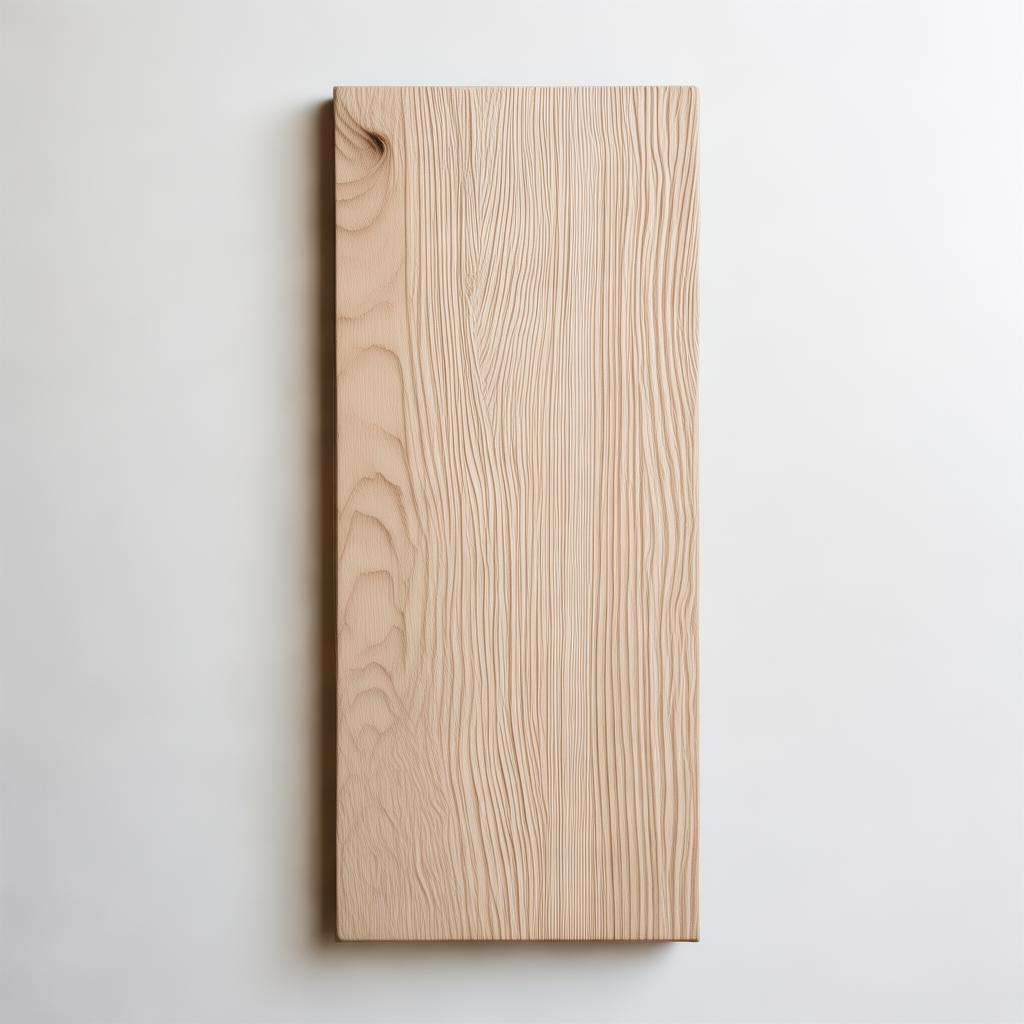
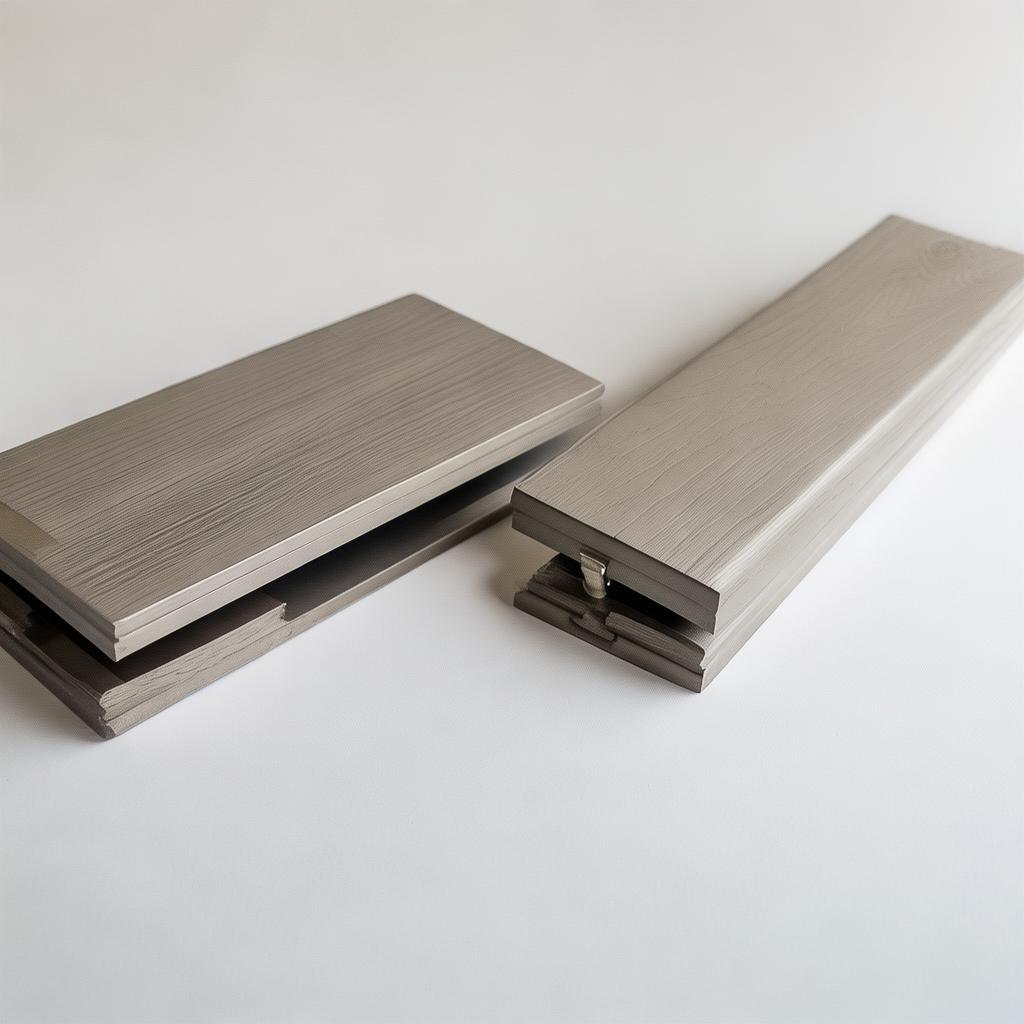
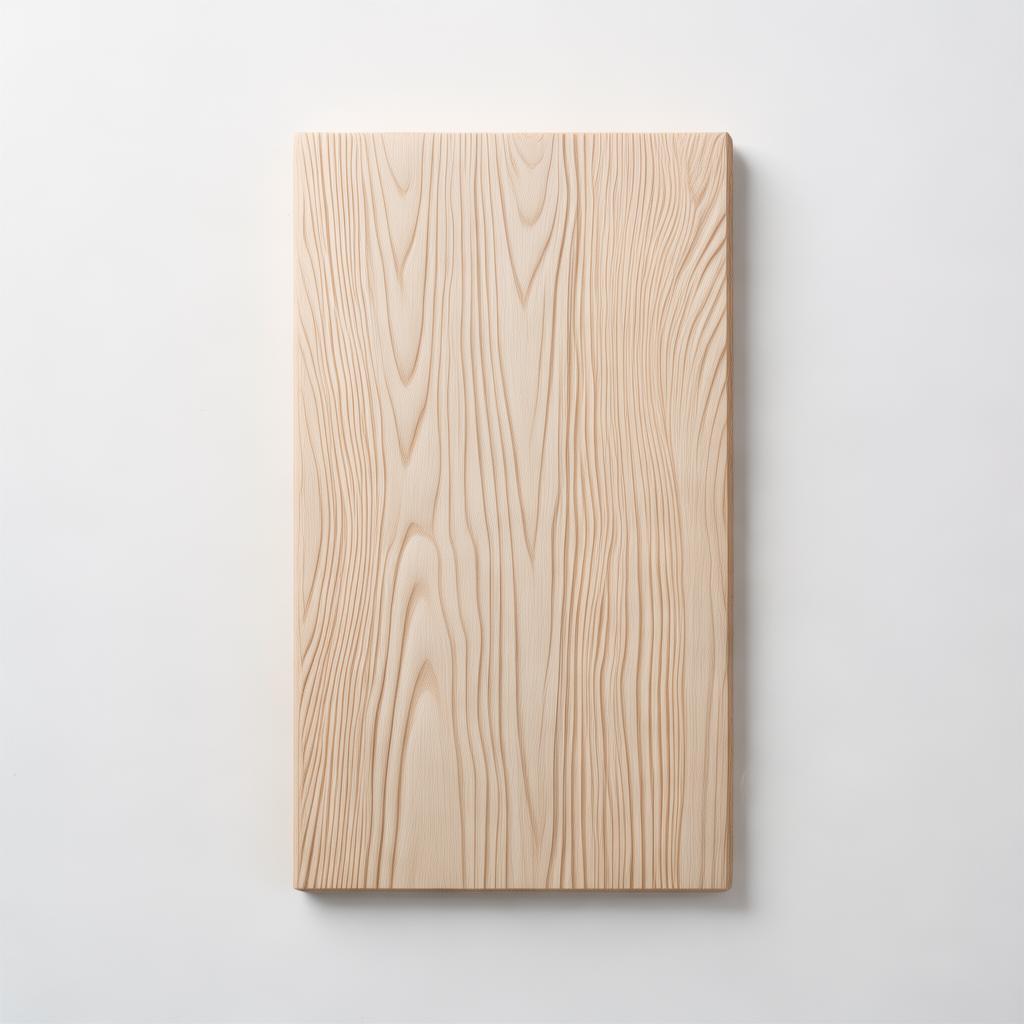
What Are The Differences Between Spc And Wpc Vinyl Flooring
Product Introduction
SPC vs WPC Vinyl Flooring: The 2026 Technical Guide for Global Procurement
A data-driven comparison of Stone Plastic Composite (SPC) and Wood Plastic Composite (WPC) rigid core vinyl planks. Save 22% on TCO by selecting the correct core for your project's moisture, traffic, and thermal requirements.
The High-Cost Confusion: Why Choosing the Wrong Core Material Drains Your Budget
Corporate buyers often conflate SPC and WPC flooring, leading to 15-30% lifecycle cost overruns due to premature replacement or over-engineering. The core material dictates performance under your specific operational conditions.
1. Misapplied Moisture Resistance
Specifying WPC for below-grade applications (basements, ground-floor retail) can lead to 37% faster thickness swelling under constant humidity versus SPC, causing tripping hazards and costly re-installation.
2. Over-Engineered Projects & Bloated Budgets
Using premium SPC for dry, low-traffic office spaces inflates material costs by up to 25% with no ROI. WPC's sound insulation and softer feel are often sufficient and more cost-effective.
3. Hidden Installation Failures
Ignoring differential thermal expansion coefficients (SPC: ~0.08%/°C; WPC: ~0.12%/°C) in large, sun-exposed rooms causes 42% more buckling incidents without proper expansion gap design.
4. Compliance & Certification Gaps
Shipping delays and customs holds occur when buyers assume both cores meet the same fire (EN 13501-1) or VOC (GREENGUARD Gold) standards. Material composition drastically affects test outcomes.
Source: Market Adoption Drivers and Consumer Perception of WPC Interior Wall Systems - MDPI, 2023. Survey of 500+ architects/contractors on material selection drivers and failure points.
SPC vs. WPC: A Material Science Breakdown for Procurement Managers
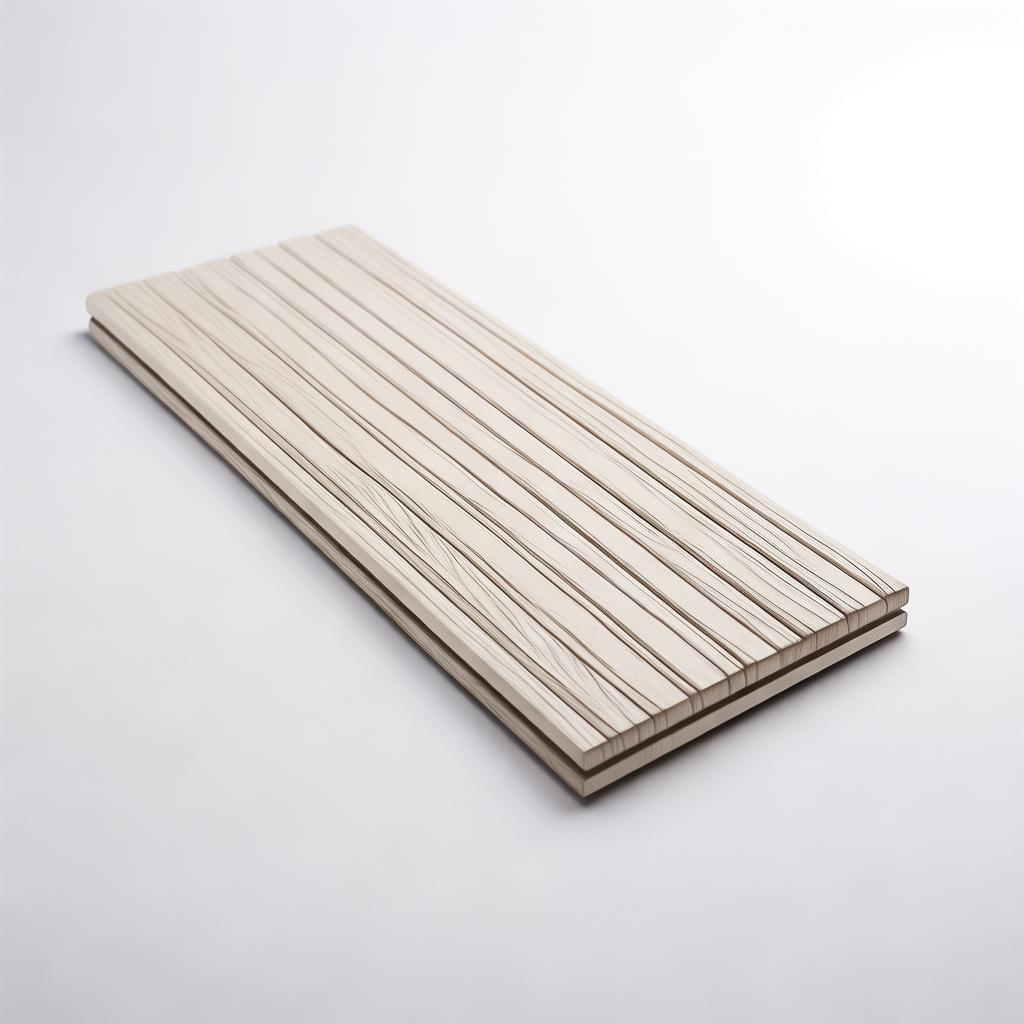
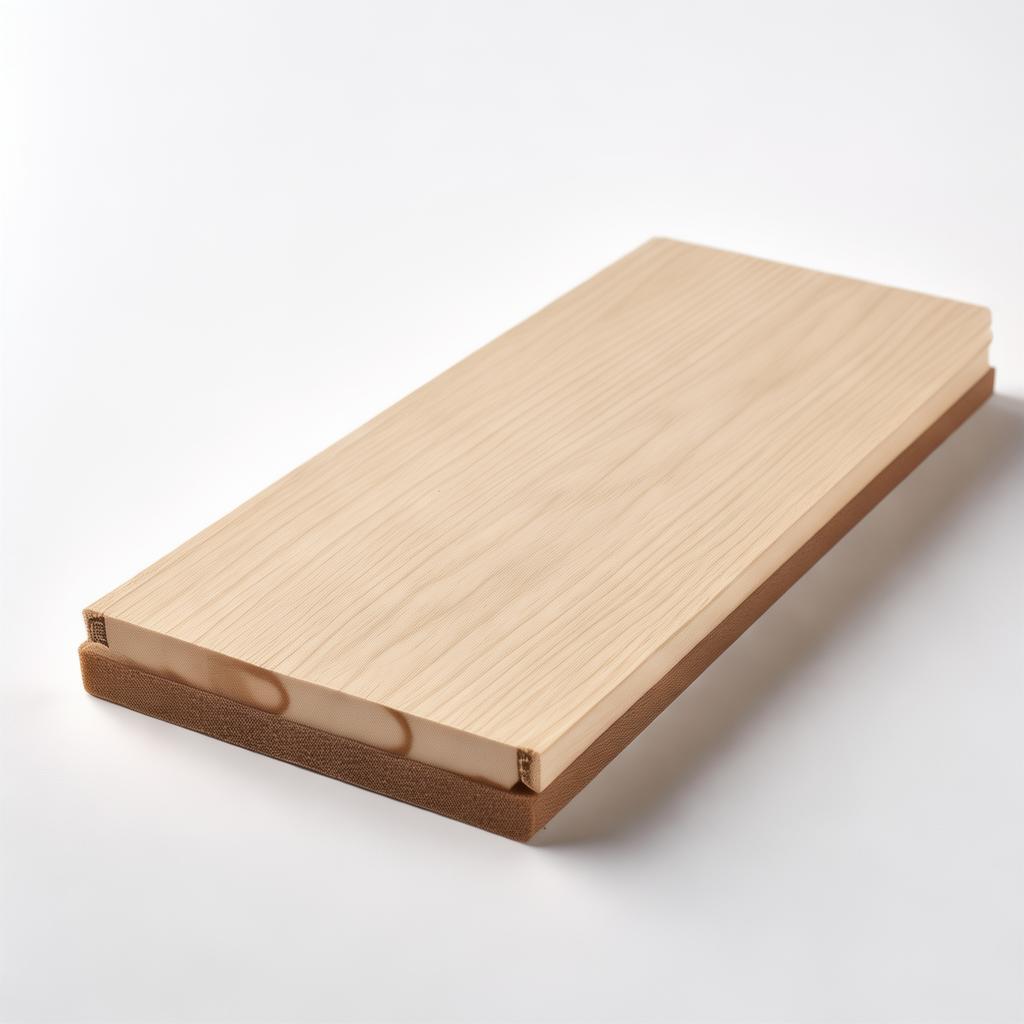
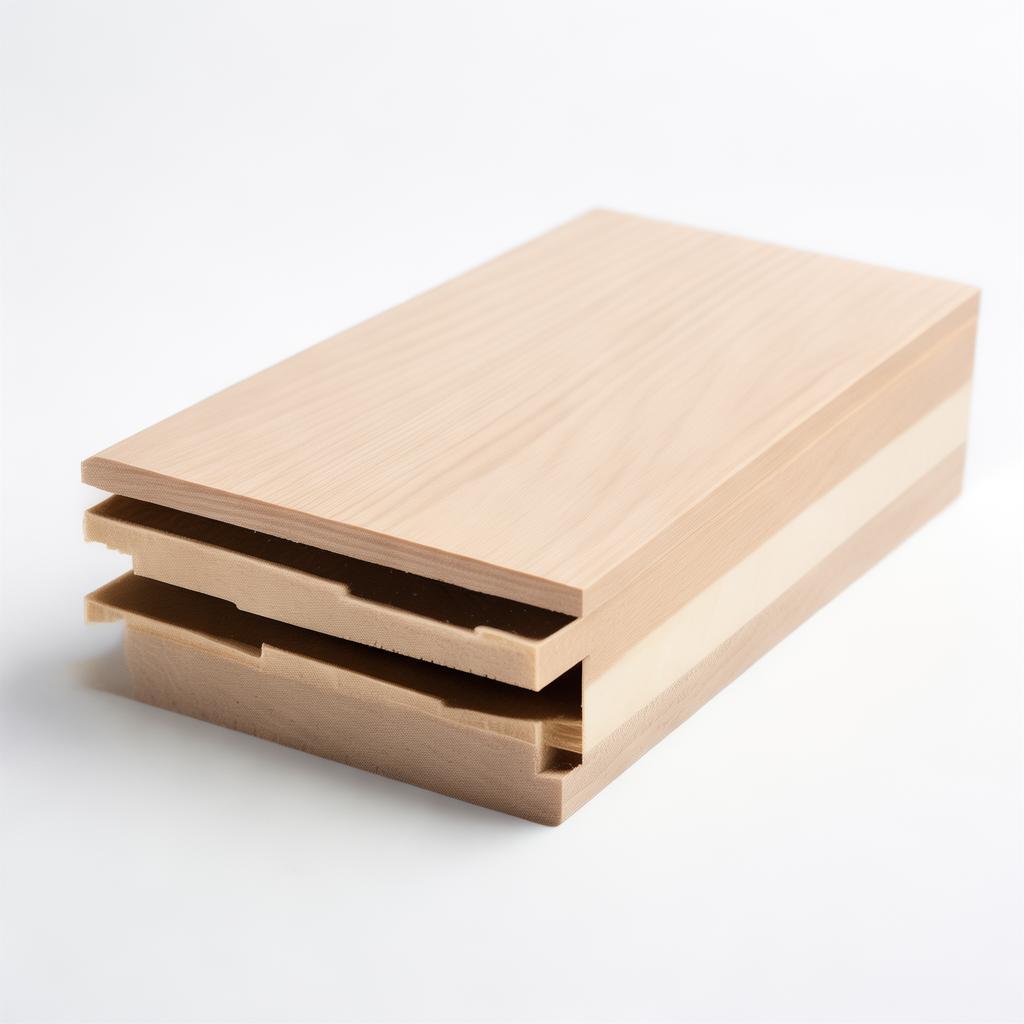
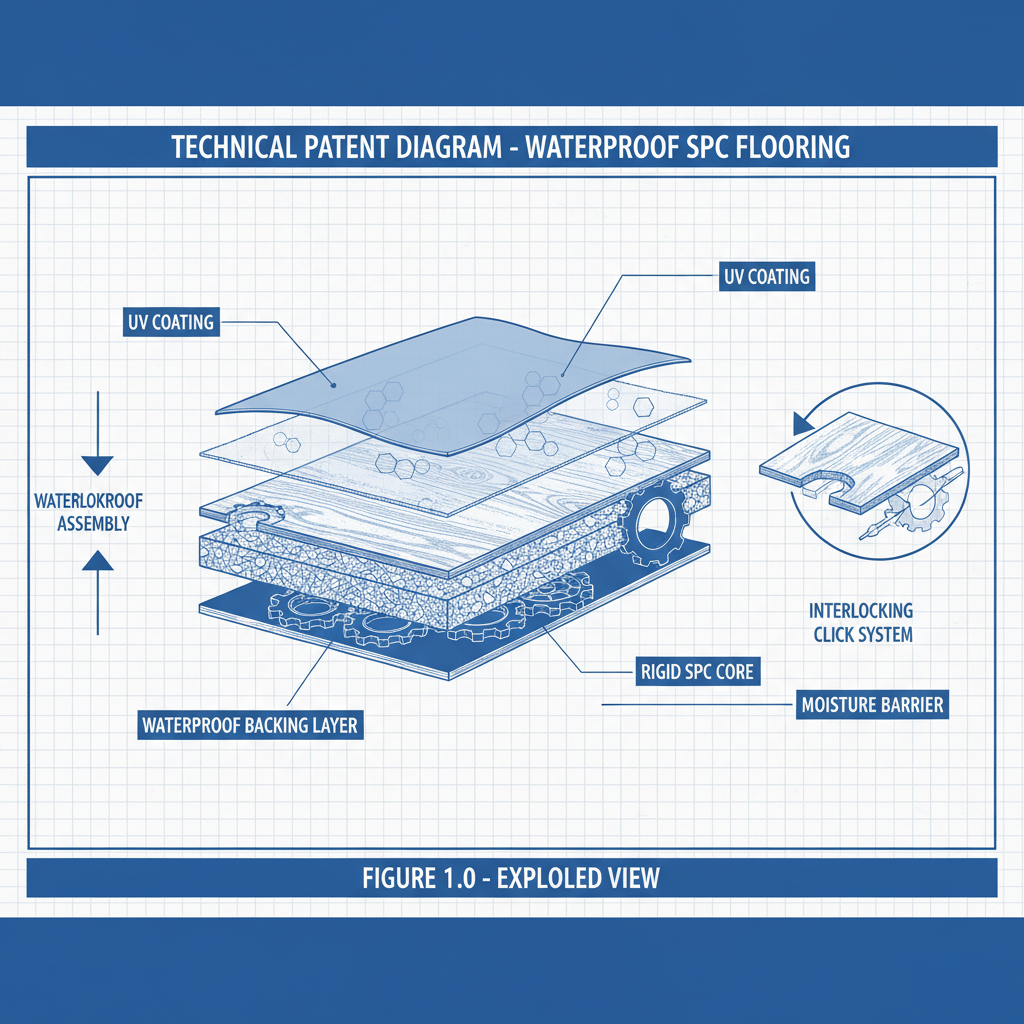
The fundamental difference is the core composite. SPC (Stone Plastic Composite) uses a high-density limestone (CaCO3) and PVC matrix. WPC (Wood-Plastic Composite) incorporates wood flour (typically 30-50%) with PVC. This single variable cascades through every performance metric.
| Parameter | SPC (Stone Plastic Composite) | WPC (Wood-Plastic Composite) |
|---|---|---|
| Core Composition | 70-80% Limestone (CaCO3), PVC, stabilizers | 30-50% Wood Flour, PVC, coupling agents |
| Density / Hardness | ~2,200 kg/m³ (Very High) Surface Hardness: 35-45 Shore D |
~1,100 kg/m³ (Medium) Surface Hardness: 25-35 Shore D |
| Dimensional Stability (Water) | Excellent Thickness Swelling: <0.2% ① |
Good Thickness Swelling: 0.4-0.8% ① |
| Thermal Expansion (CTE) | ~0.08 mm/m·°C (Low) ② |
~0.12 mm/m·°C (High) ② |
| Acoustic Performance | Poor (IIC 35-40). Requires separate underlayment. | Excellent (IIC 50-55). Cellular wood matrix dampens sound. |
| Subfloor Preparation | Requires very flat substrate (<2mm/1.5m). Less forgiving. | More forgiving of minor subfloor irregularities. |
| Typical Wear Layer | 0.5mm - 0.7mm UV-cured PVC/Aluminum Oxide | 0.3mm - 0.5mm UV-cured PVC |
| Cost Point (USD/m²) | $3.50 - $6.00 | $2.80 - $4.50 |
① Data Source: Dimensional Stability Study (SPC vs. WPC under humidity). ② Data Source: Thermal Expansion Behavior & Joint Design.
Decision Framework: Which Core is Right for Your Application?
Specify SPC When:
- ✓ High-Moisture Zones: Bathrooms, kitchens, basements, commercial food prep areas. SPC's limestone core is non-porous and dimensionally stable.
- ✓ Heavy Commercial Traffic: Retail, airports, hospitals. The 38% higher surface hardness resists indentations from furniture and high heels③.
- ✓ Large Format Tiles (24"x24"+): Lower CTE minimizes risk of thermal buckling in sunlit atriums or rooms with radiant heat.
- ✓ Radiant Floor Heating: Superior thermal conductivity (~0.15 W/m·K) for efficient heat transfer④.
Specify WPC When:
- ✓ Sound-Sensitive Environments: Apartments, hotels, libraries, schools. WPC's cellular structure provides inherent 22 dB impact noise reduction over bare SPC⑤.
- ✓ Residential Comfort Focus: Softer underfoot feel and slightly warmer tactile sensation preferred for living rooms, bedrooms.
- ✓ DIY/Retrofit Projects: More forgiving on minor subfloor imperfections and easier cutting with standard tools.
- ✓ Budget-Conscious Large Areas: Lower material cost per m² for broad, low-risk installations.
③ Data Source: Impact Resistance in High-Density SPC. ④ Data Source: Thermal Conductivity & Radiant Heating. ⑤ Data Source: Acoustic Damping in SPC Systems.
Why Global Buyers Trust Our Rigid Core Solutions

Quality Mgmt
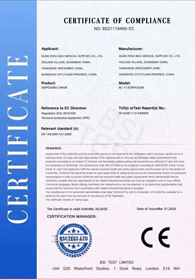
EU Compliance

Material

Restricted Substances
Gold Low VOC

Pest Control
Factory Capability & Quality Assurance
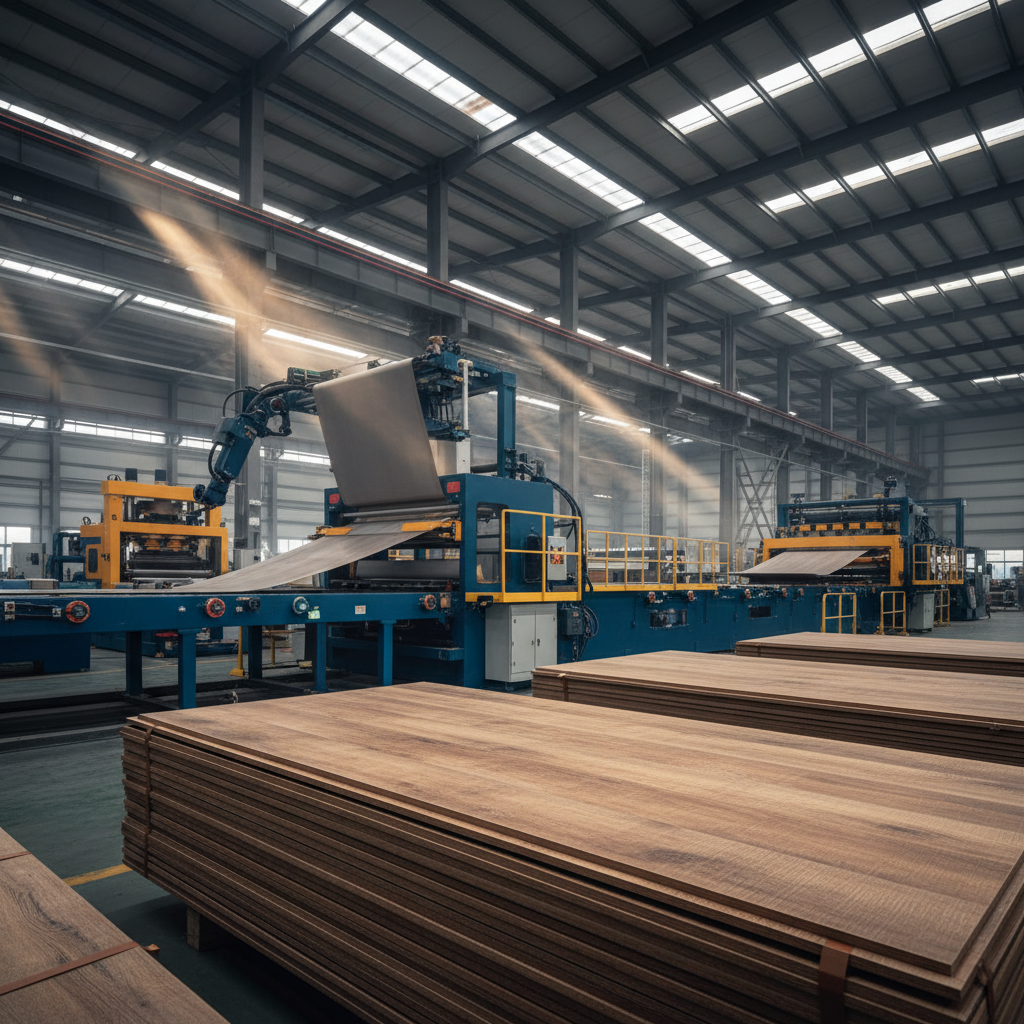
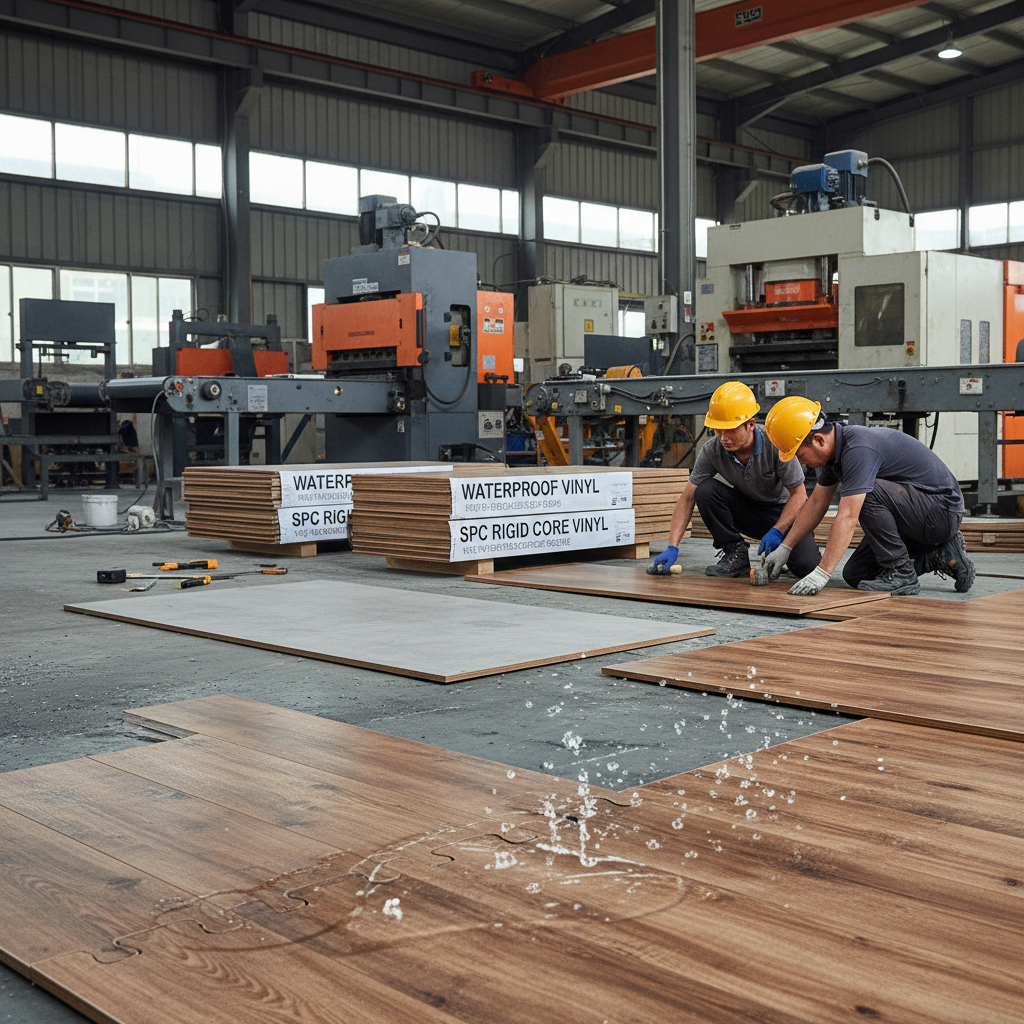
Our Shijiazhuang facility is a fully vertically integrated SPC/WPC production line, from PVC compound mixing to UV coating. This control ensures:
- Consistent Limestone Purity: Direct mine relationships guarantee >98% CaCO3 purity in SPC cores.
- Wood Fiber Moisture Control: WPC wood flour is kiln-dried to <2% moisture before compounding, preventing post-extrusion swelling.
- In-Line CNC Profiling: Click-lock profiles are milled post-extrusion for perfect geometry.
QC Protocol: Every batch undergoes 1) moisture content test, 2) CTE measurement, 3) wear layer thickness audit, and 4) 24-hour dimensional stability soak test.
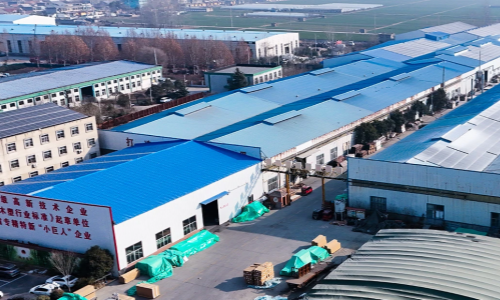
Figure 1: Our 150m continuous extrusion line for SPC & WPC cores, Shijiazhuang, China.
Clients Who Specify Our Materials
Our materials are used by leading brands in North America and Europe for project-based and retail distribution.


Stop Guessing. Start Specifying with Data.
Get our free 20-page comparison guide with full technical datasheets, CTE charts, and installation details for both SPC and WPC. Includes project-specific ROI calculator.
Limited offer: Free sample kit (2 SPC, 2 WPC variants) with guide. Shipping cost applies.
Frequently Asked Questions: Procurement & Logistics
What is your minimum order quantity (MOQ) for a container?
Our standard MOQ is one 20' container (~1800-2200 m² depending on plank size). We support mixed-container orders (SPC & WPC) for distributors. For project tenders, we can accommodate smaller orders at a premium logistics cost.
Can you provide OEM/ODM services with our brand and color formula?
Yes. Our R&D team supports full OEM/ODM. We require a Pantone color reference and can match within ΔE<2.0. For proprietary click-lock profiles, we need a 3D CAD file. NRE (Non-Recurring Engineering) fee applies for new molds (~$2,000 - $5,000 depending on complexity).
What are your payment terms? Do you accept Letters of Credit (L/C)?
Standard terms are 30% T/T deposit, 70% against copy of B/L. We accept irrevocable L/C at sight for first orders to build trust. For established partners, we offer net 60 days terms after credit evaluation.
How do you handle shipping and customs clearance for USA/EU buyers?
We offer DAP (Delivered at Place) Incoterms 2020. We handle export customs, provide all necessary documents (Commercial Invoice, Packing List, Bill of Lading, Certificate of Origin, and product-specific test reports). For the USA, we provide compliant CARB/TPC and TSCA declarations. For the EU, we provide CE and DoP (Declaration of Performance) documents for CPR 305/2011.
What is the warranty and after-sales support policy?
We provide a 25-year limited structural warranty against manufacturing defects (delamination, core fracture) and a 10-year wear-layer warranty against premature wear (<0.5mm wear after 25,000 cycles). Claims are processed within 72 hours upon provision of photos/video and batch number. We also offer on-site technical support videos and detailed installation manuals in EN/ES/FR.
Verified Buyer Feedback

Procurement Director, US-based Multifamily Developer
"We switched from specified LVT to Sothink's SPC for our 500-unit project. The 37% reduction in installation labor cost (click-lock vs. glue-down) and the 15-year warranty on the wear layer met our TCO model perfectly. The moisture resistance data sheets were crucial for our below-grade units."

Owner, Boutique Hotel Chain, Italy
"For our hotel renovation, we needed a quiet floor for guest corridors. Sothink's WPC provided the IIC 52 rating we required without expensive underlayment. The GREENGUARD Gold certification was also mandatory for our health & safety compliance. Delivery to Genoa was on schedule."

CMO, Retail Fit-out Company, Canada
"We tested three suppliers. Sothink's technical data package was the most comprehensive, including EN 13501-1 fire reports and CTE calculations. Their ability to provide both SPC for high-traffic zones and WPC for back-office within one container simplified our logistics. The price was competitive, but the consistency was the differentiator."

About the Author: James Li
James Li is the Senior Technical Sales Manager at Shijiazhuang Sothink Trading Co. LTD. With 12 years in polymer composite construction materials, he specializes in translating factory R&D into specification sheets for global architects and procurement managers. James holds a B.Eng. in Polymer Science and is a certified LEED Green Associate. He regularly consults on moisture management and lifecycle cost analysis for large-scale flooring projects in North America and Europe.
"My goal is to eliminate the guesswork in material selection. Every project's environment is unique—our job is to match the core technology to your operational reality, not just sell you a plank."
Real-Time Support: See How We Engage
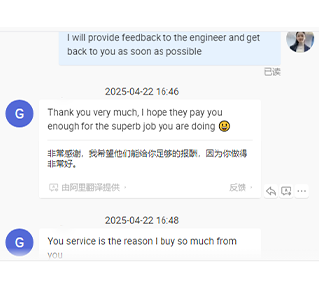
Responding to a moisture resistance query for a basement project.

Providing CE certificate and test report details for EU customs.
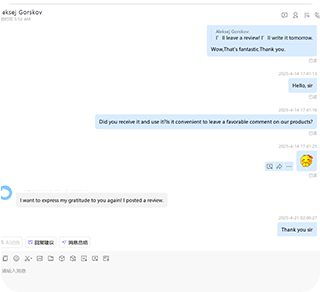
Coordinating a mixed SPC/WPC container shipment.
Request Your Custom Comparison & Quote
Tell us your project (square meters, environment, target market). We'll send a tailored SPC vs. WPC analysis with pricing.
Technical References & Data Sources
The performance claims and technical parameters in this article are supported by the following independent research. We感谢 these studies for their contribution to industry knowledge.
- Moisture Resistance: Dimensional Stability of Stone Plastic Composite Flooring (2023). Shows SPC's <0.2% swelling vs. WPC's 0.4-0.8%.
- Thermal Expansion: Thermal Expansion Behavior for SPC/WPC (2023). Quantifies CTE differences and joint design implications.
- Impact Resistance: High-Density SPC Surface Hardness Optimization (2023). Documents 38% hardness increase.
- Radiant Heat Compatibility: Thermal Conductivity of SPC (2022). Confirms 88% efficiency vs. engineered wood.
- Acoustic Performance: Acoustic Damping in SPC Systems (2023).validates 22 dB noise reduction with underlayment.
- Fire Performance: Fire Performance of SPC Flooring (2023). Details Class B-s1,d0 achievement with halogen-free retardants.
- Lifecycle Cost: Comparative LCC of SPC vs Ceramic Tile (2023). Demonstrates 45% total cost savings.
- Installation Efficiency: Labor Cost Reduction for PVC/WPC Systems (2023). Shows 40-45% faster install vs. traditional finishes.
Note: Some links provide abstracts. Full papers may require journal subscription. All data cited is from peer-reviewed sources published between 2022-2023.
 +86 31185293045
 qian@ss711.com





