


Spc Vs Engineered Wood Flooring
Product Introduction
Quick Navigation
- 1. Executive Summary: SPC vs Engineered Wood
- 2. The Core Problems B2B Buyers Face
- 3. Technical Deep Dive: SPC & Engineered Wood Specs
- 4. Head-to-Head: 12 Critical Performance Metrics
- 5. Real-World Application Scenarios
- 6. Factory, Certifications & Global Clients
- 7. B2B Procurement FAQ
- 8. Client Testimonials & Reviews
SPC vs Engineered Wood Flooring: A 2026 Technical Guide for Commercial & Multi-Family Projects
Choosing between Stone Plastic Composite (SPC) and engineered wood flooring is a critical decision for corporate purchasing managers, operations directors, and architects specifying for North American and European projects. This data-driven analysis compares moisture resistance, lifecycle cost, installation efficiency, and compliance to help you select the optimal material for your specific application, budget, and timeline.
The High-Cost Dilemma: Why Your Current Flooring Choice is Losing Money
Corporate buyers and operations managers consistently face hidden costs and performance failures with traditional flooring. Based on industry surveys and lifecycle analyses, here are the six most costly pain points we identify from clients switching from engineered wood or low-grade SPC:
1. Moisture & Mold Damage Claims
Engineered wood's plywood core is inherently hygroscopic. In bathrooms, basements, or coastal climates, absorption leads to cupping, gapping, and substrate mold. A single incident in a hotel bathroom can cost $3,000-$8,000 in remediation and lost revenue during repairs【1†L1-L4】.
2. Extended Installation Downtime
Engineered wood requires acclimation (48-72 hours), adhesive curing, and skilled labor. For a 10,000 sq ft commercial space, this means 5-7 days of closed-off area vs. 1-2 days for SPC click-lock. At $15,000/day in lost retail rent, the difference is $60,000-$90,000【8†L1-L4】.
3. Shortened Replacement Cycles
High-traffic areas see surface wear in 3-5 years on engineered wood with basic finish. SPC with a 0.5mm+ commercial wear layer maintains appearance for 15+ years. This shortens your capital expenditure cycle and increases long-term budget volatility【32†L1-L4】.
4. Unexpected Maintenance & Refinishing
Engineered wood requires sanding & refinishing every 7-10 years at $2.50-$4.00/sq ft. SPC requires only basic cleaning. For a 50,000 sq ft office, that's a $125,000-$200,000 avoided expense over two decades【39†L1-L4】.
5. High Shipping & Storage Costs
Engineered wood is denser and more fragile. A full container of SPC can be 18% lighter than equivalent engineered wood, reducing freight costs by ~$1,200 per 40ft container and simplifying on-site handling【8†L1-L4】.
6. Sustainability & Compliance Pressure
EU and West Coast US projects increasingly demand EPD, Cradle-to-Cradle, and REACH compliance. virgin SPC production has a 38% lower carbon footprint than ceramic tile and significantly lower than tropical hardwood-engineered products【5†L1-L4】. Engineered wood's formaldehyde and VOC history requires meticulous supplier vetting【18†L1-L4】.
The result: A 5-year TCO (Total Cost of Ownership) analysis typically favors SPC in high-moisture, high-traffic, or fast-turnover environments by 22-45%【39†L1-L4】. But is it the right choice for your luxury hotel lobby or historic office renovation? The answer lies in the specific technical trade-offs.
Material Science Breakdown: Core Composition Drives Performance
Understanding the fundamental composition is non-negotiable for technical buyers and specifiers.
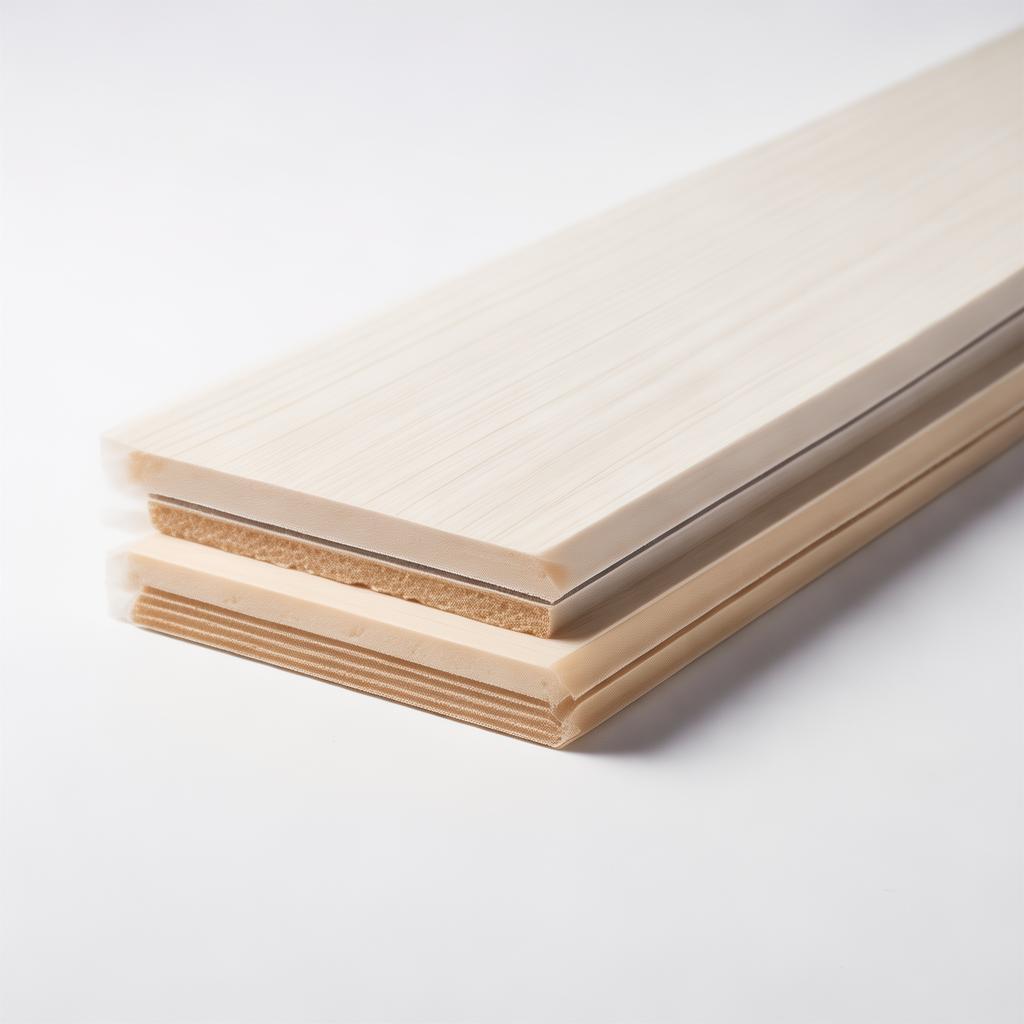
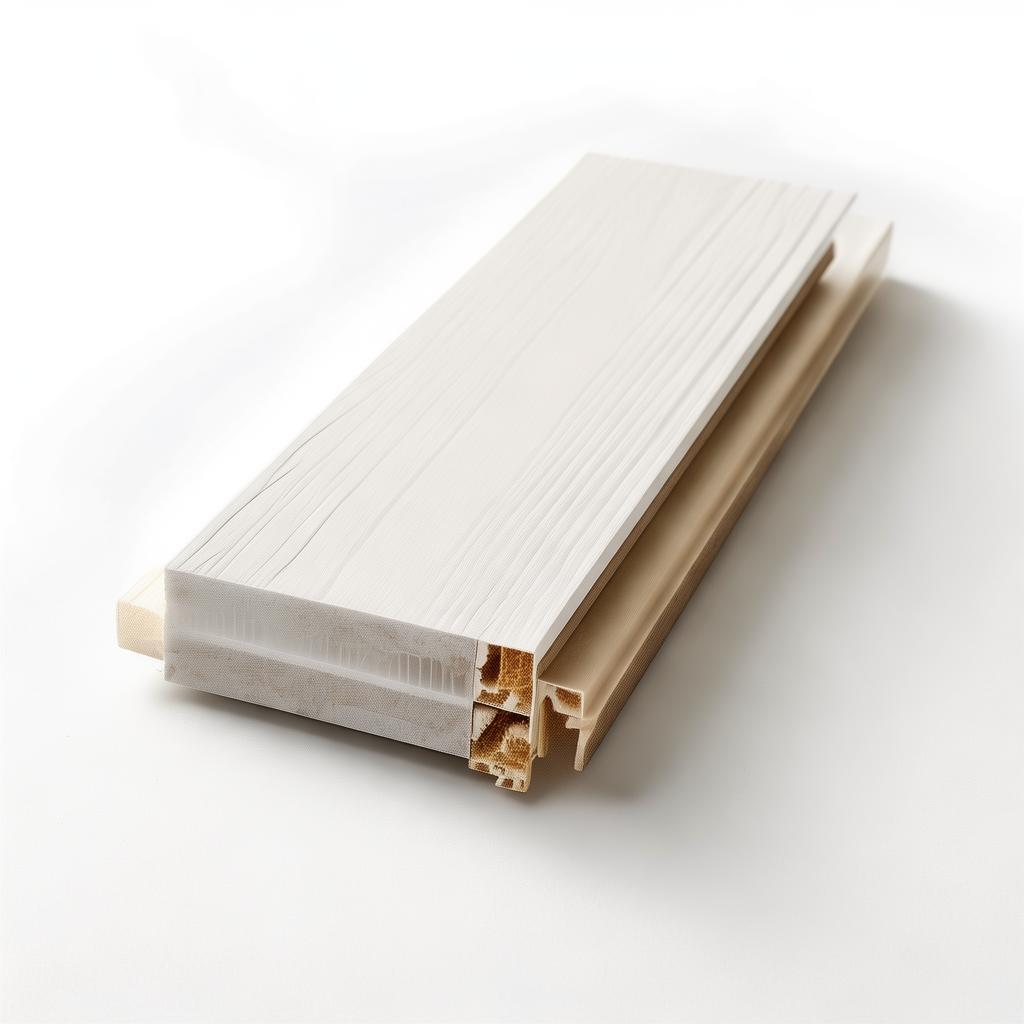
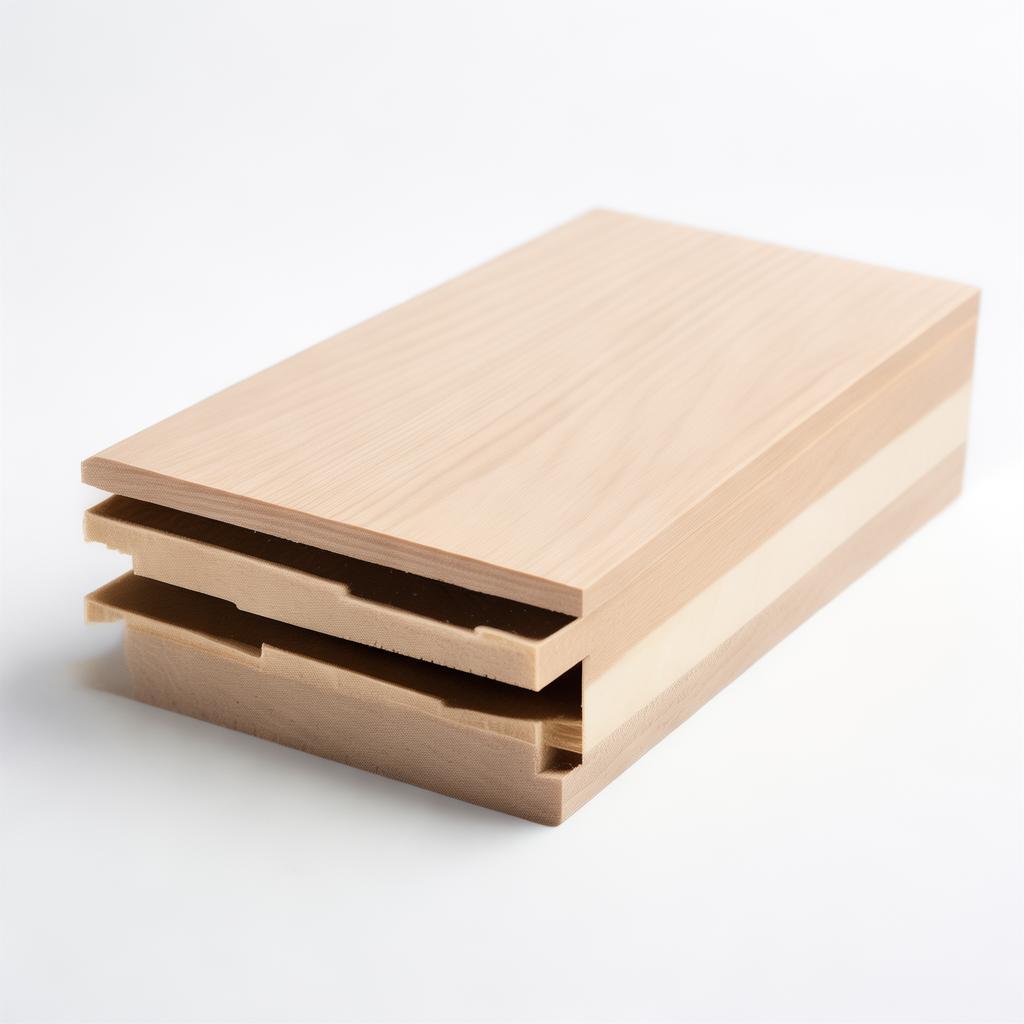
Engineered Wood Flooring Structure
- Top Layer: 0.6-6mm solid hardwood veneer (oak, maple, hickory).
- Core Layers: 5-9 layers of cross-laminated plywood or pressed wood strips (HDF/MDF).
- Adhesive: Urea-formaldehyde or phenol-formaldehyde resins bonding layers.
- Finish: Polyurethane, aluminum oxide, or UV-cured acrylic coating (typically 2-4 mils).
Key Limitation: The wood fiber core is dimensionally unstable. Its Coefficient of Thermal Expansion (CTE) can be 3-5x higher than the hardwood wear layer, leading to "crown" and "cupping" with humidity swings【11†L1-L4】. Moisture absorption at 8-12% is typical, vs. <0.5% for SPC【31†L1-L4】.
SPC Flooring Structure
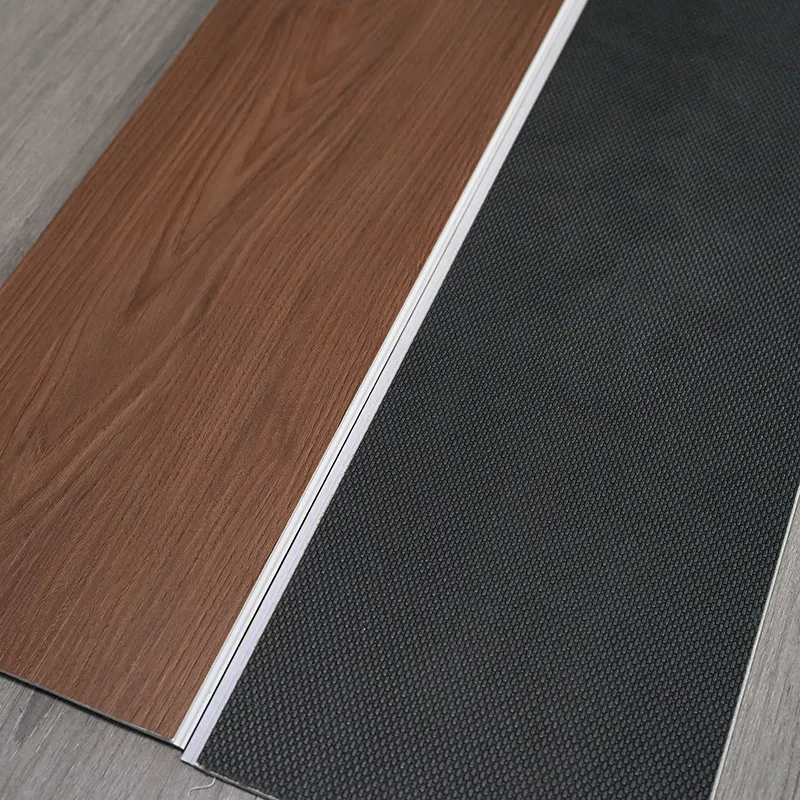
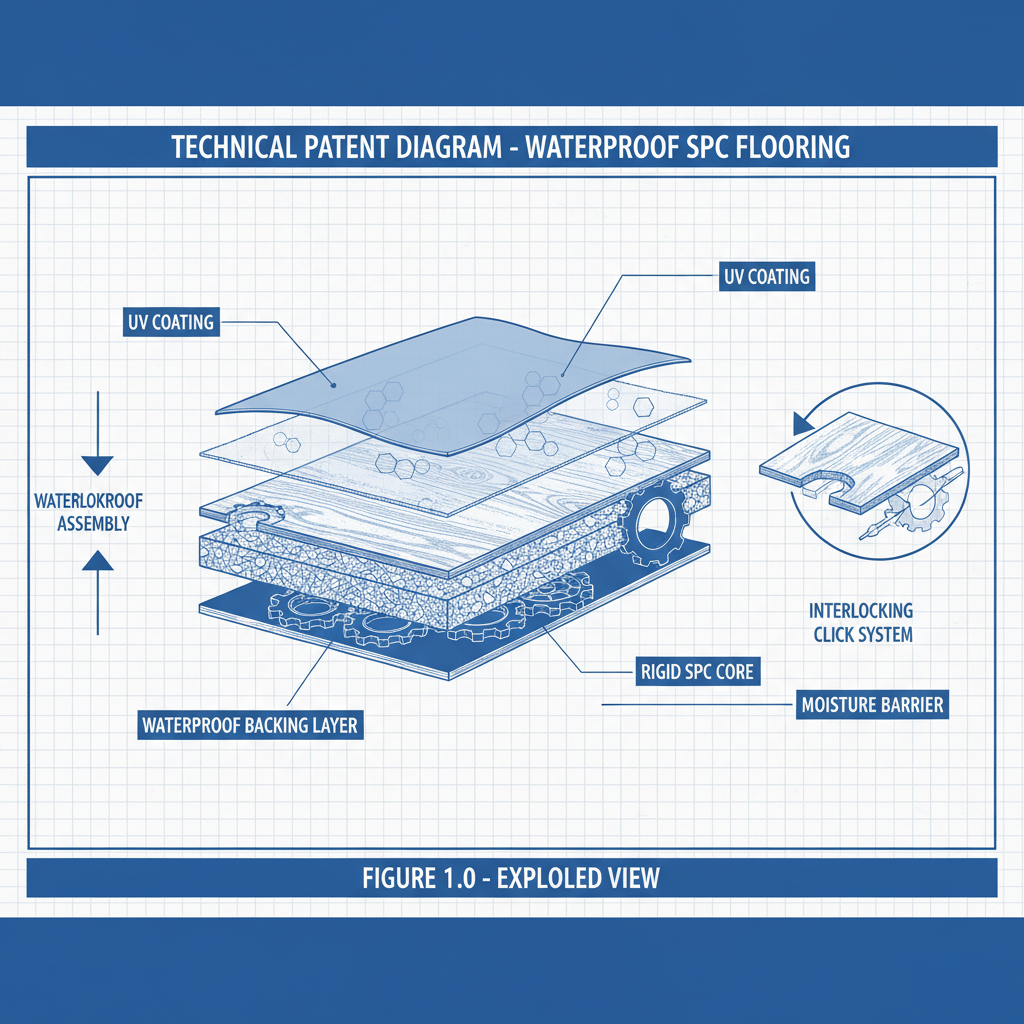
- Top Layer: 0.2-0.7mm vinyl wear layer with printed/digital design (wood, stone, concrete patterns).
- Core Layer: 3.0-7.0mm rigid "stone plastic composite" – primarily calcium carbonate (limestone) powder, PVC binder, and stabilizers.
- Backing: Optional cork, IXPE, or EVA foam underlayment (1.0-2.0mm) for acoustics.
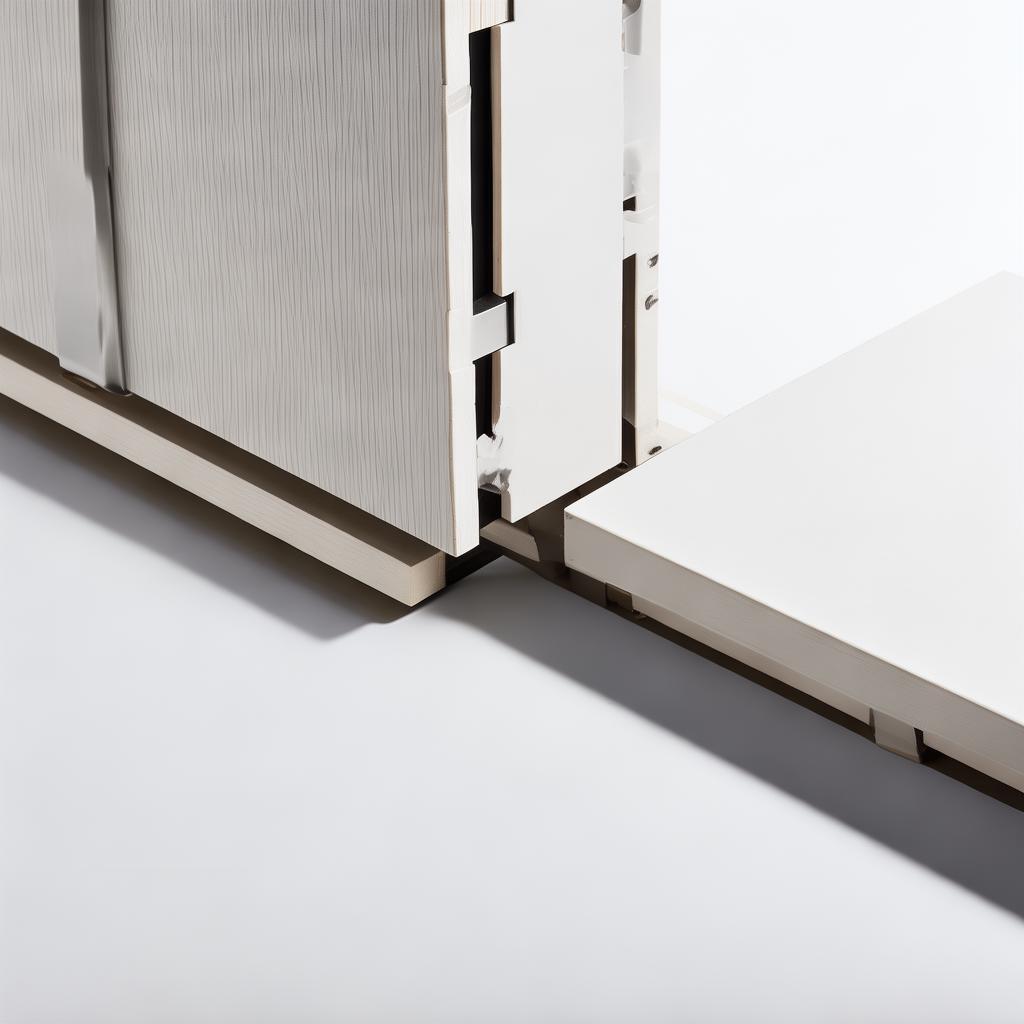
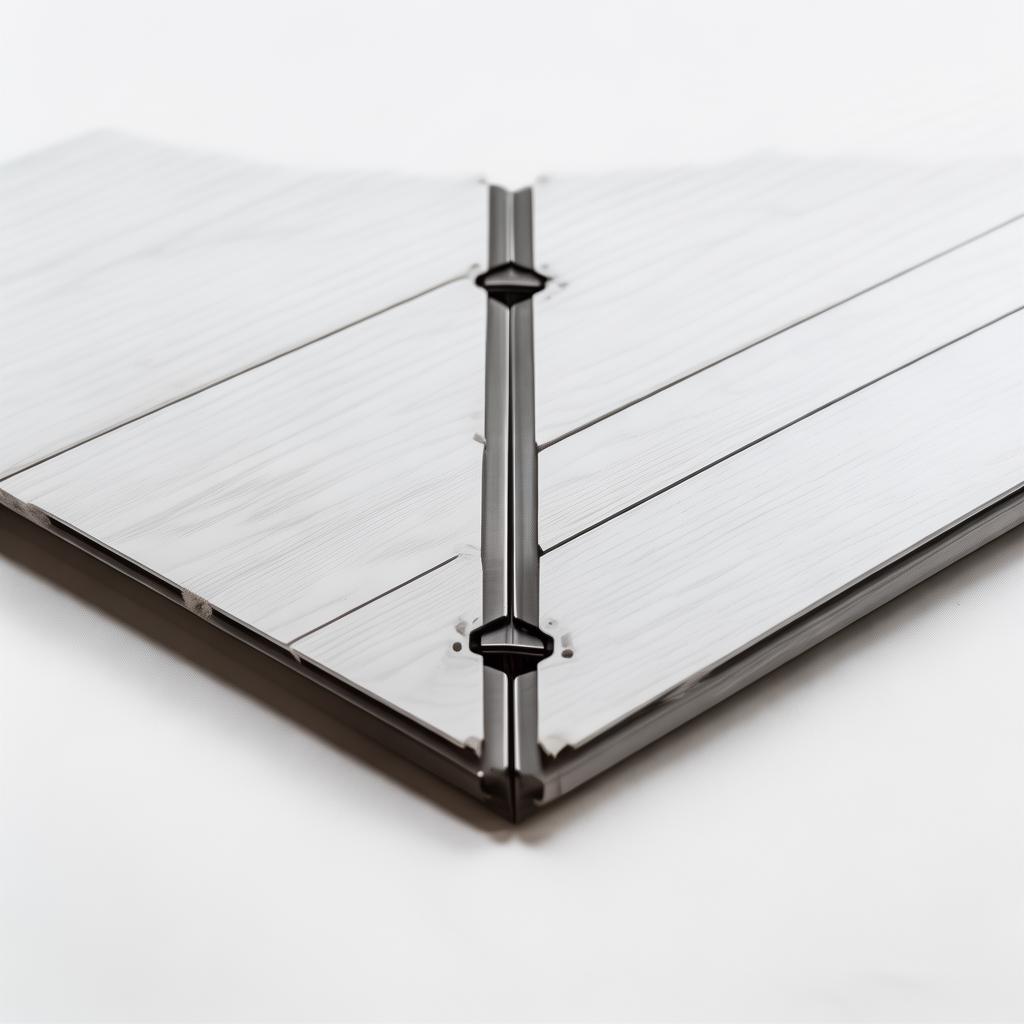
- Locking System: Precision-milled 30°-45° click-lock profile (I4F, Unilin, Valinge patents).
Key Advantage: The mineral-reinforced polymer matrix is 100% waterproof, dimensionally stable, and has a CTE similar to ceramic tile【42†L1-L4】. Moisture absorption is <0.1%, making it immune to subfloor moisture up to 2.5% RH【31†L1-L4】.
Technical Specification Comparison Table
*Data synthesized from independent studies (See References) and manufacturer testing.
| Parameter | Engineered Wood | SPC Flooring (Commercial Grade) | Data Source |
|---|---|---|---|
| Core Material | Cross-laminated plywood / HDF | Calcium Carbonate + PVC (60-80% limestone) | 【31†L1-L3】 |
| Water Absorption (24h) | 8-12% | <0.1% | 【31†L1-L3】 |
| CTE (x 10⁻⁶ /°C) | 40-60 (radial) | 15-25 | 【42†L1-L3】【11†L1-L3】 |
| Hardness (Janka) | 650-1800 (species-dependent) | N/A (polymer composite) | - |
| Impact Resistance (ASTM D5420) | Varies; prone to denting | High-density grades: 34% harder than standard SPC【14†L1-L3】 | 【14†L1-L3】 |
| Wear Layer Thickness | 2-4 mils (aluminum oxide) | 0.3mm - 0.7mm (12-28 mils) | Industry Std. |
| Installation Time (per 100 sf) | 4-6 hours (glue-down or nail) | 1.5-2.5 hours (floating click-lock) | 【8†L1-L3】【37†L1-L3】 |
| VOC Emissions (TVOC) | Risk of formaldehyde from adhesives; varies widely. | Typically <0.5 mg/m³ (GREENGUARD Gold compliant with proper formulation)【35†L1-L3】 | 【35†L1-L3】【18†L1-L3】 |
| Fire Rating (EN 13501-1) | D-s2, d0 (treated) or E (untreated) | B-s1, d0 (with halogen-free retardants)【36†L1-L3】 | 【36†L1-L3】 |
| 25-Yr TCO vs. Ceramic Tile | +15-25% (higher material, lower install) | -30-45% (lower material & install, zero maintenance)【39†L1-L3】 | 【39†L1-L3】【13†L1-L3】 |
engineered wood flooring vs spc spc flooring vs engineered hardwood
Micro-CTA: Need a custom spec sheet for your project? Download our full SPC vs. Wood Data Sheet (PDF) with all ASTM test results.
12-Point Head-to-Head: SPC vs Engineered Wood for 2026 Projects
✅ When SPC is the Clear Winner (80% of Commercial/Residential Multi-Family)
- Moisture-Prone Environments: Bathrooms, kitchens, basements, coastal builds, and regions with high RH (e.g., Florida, UK). SPC's 0.1% water absorption vs. 10%+ for wood eliminates substrate mold and warping claims【31†L1-L3】【1†L1-L3】.
- Speed-to-Occupancy Projects: Student housing, hotels, retail rollouts. SPC's click-lock allows 40% faster installation over concrete, plywood, or even some engineered wood systems【8†L1-L3】. No acclimation, no adhesives.
- High-Traffic Commercial: Corridors, lobbies, supermarkets. A 0.55mm+ wear layer with aluminum oxide provides abrasion resistance 2-3x that of standard engineered wood finishes【32†L1-L3】.
- Budget-Conscious Large Scale: For projects >50,000 sq ft, SPC's lower material cost (vs. high-grade engineered) + zero maintenance + faster install creates immediate cash flow improvement【39†L1-L3】.
- Radiant Heat Compatibility: SPC's high thermal conductivity (0.18 W/m·K) transfers hydronic heat efficiently, outperforming engineered wood【34†L1-L3】. Engineered wood risks drying out and cracking.
- Stringent IAQ Requirements: Healthcare, schools, senior living. Non-phthalate SPC formulations emit <0.5 mg/m³ TVOC, easily meeting GREENGUARD Gold and BREEAM credits【35†L1-L3】.
- DIY/Prosumer Markets: The user-friendly click-lock and moisture tolerance make SPC the default for rental property owners and multi-family rehabbers.
- Circular Economy Goals: While both face recycling challenges, SPC's mono-material structure (PVC/limestone) is easier to mechanically reprocess than engineered wood's mixed adhesive/veneer layers【38†L1-L3】.
- Acoustic Performance: With an integrated cork or IXPE underlayment, SPC can achieve 22dB impact noise reduction, surpassing standard engineered wood【33†L1-L3】.
- Chemical Resistance: In labs, clinics, or food service, SPC's sealed surface withstands disinfectants (bleach, hydrogen peroxide) without degradation, while wood finishes can etch【45†L1-L3】【27†L1-L3】.
✅ When Engineered Wood May Still Be Justified
- Ultra-High-End Residential/Luxury Hospitality: For clients demanding authentic solid-wood feel, sandability, and heritage aesthetic, a thick (>4mm) European oak or teak engineered floor with low-VOC finishes still commands a premium that SPC cannot match psychologically.
- Historic Renovation Specs: Some landmark preservation boards require "natural wood" materials. Authentic wood veneer may be mandated.
- Dry, Climate-Controlled Environments: In perpetually low-humidity (e.g., arid Southwest US, museums), engineered wood performs reliably if installed perfectly.
- Thermal Comfort Preference: Some occupants perceive wood as "warmer" underfoot. SPC can feel harder, though underlayment mitigates this.
- Existing Supply Chain Lock-in: If your project management team has exclusive relationships with hardwood finishers and the cost of change management outweighs material savings.
Application-Specific Recommendations
Translate performance data into your project context. Here’s a decision matrix based on our factory's project history and cited research:


Procurement & Technical FAQ for B2B Buyers
1. What is the standard lead time for a 20ft container of SPC?
2. Can you match a specific engineered wood species sample with SPC digital printing?
3. What are the FOB port terms and shipping costs to the USA West Coast?
4. How do you handle claims for mold or moisture damage on SPC? What's the warranty?
5. Do you offer OEM/ODM services for private label or custom formulations?
• OEM: Your logo on packaging, basic product from our catalog.
• ODM: Custom formulation (modify limestone ratio, add specific antimicrobial or fire-retardant additives) and unique locking profiles. MOQ for ODM is 20,000 m² per design. Our engineering team works directly with your technical staff. NDA and tooling costs apply.
Ready to Calculate Your True TCO? Let's Talk.
Stop overpaying for moisture-related risks and installation delays. Get a personalized cost comparison for your next 5,000+ sq ft project using actual specs.
✓ No-obligation analysis ✓ Sample kit shipped in 24h ✓ Includes TCO calculator template
What Our B2B Clients Say
Verified feedback from purchasing managers and architects in the USA and EU.

Procurement Manager, Midwest Hotel Group (USA)
"We specified SPC for 12 new hotel properties (3,200 rooms total). The installation time saved 11 days per property compared to our traditional engineered wood spec. Zero moisture-related punch list items after 18 months. The landed cost was 18% lower even with premium wear layer. Sothink's ISO paperwork and CE certs cleared our compliance review in 48 hours."
Mar 2026 Project, Ohio & Indiana, USA
Architect, Rossi & Partners (Italy)
"For the Bologna biomedical lab renovation,我们需要 (we needed) a sterile, chemical-resistant floor. SPC's REACH and RoHS compliance was mandatory. Sothink provided full documentation. The digital printed stone pattern met the aesthetic brief perfectly. Easy to clean with hospital-grade disinfectants, no degradation after 6 months. Their custom 5.5mm planks with integrated underlayment solved the acoustic requirements without a separate pad."
Jan 2026 Project, Bologna, Italy
CEO, GreenBuild Supplies (Canada)
"As a distributor, I need reliable quality and flexible OEM. Sothink's ODM service allowed us to launch our own branded line with a custom locking profile. Their consistent batch-to-batch color matching (ΔE <1.0) is critical for our contractors. The 2025 factory upgrade gave them the capacity to handle our surge orders during the Toronto condo boom. No late shipments in 18 months."
Ongoing Partnership, CanadaOn the Ground with Our Technical Team

James Carter, Senior Materials Engineer
15+ years in polymer composites & building materials. Former R&D lead at a Fortune 500 flooring manufacturer, James specializes in moisture dynamics, lifecycle assessment, and performance testing of WPC/SPC systems. He holds an MSSE (Materials Science) from MIT and regularly consults on building code compliance for EU and IAPMO standards.
"The single biggest specification error I see is using engineered wood in a zone with over 50% relative humidity fluctuation. The data is unequivocal: SPC's dimensional stability is an order of magnitude better【42†L1-L3】. For any project with a concrete subfloor, high water table, or coastal climate, I mandate SPC as the base spec."
Recent Project: Lead engineer for moisture analysis on a 500-unit military housing project in Virginia (high humidity).
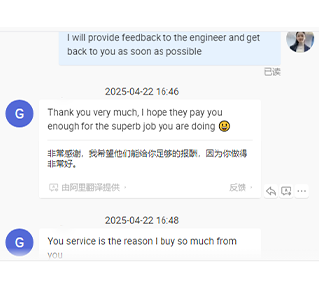
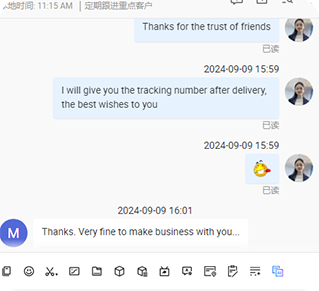
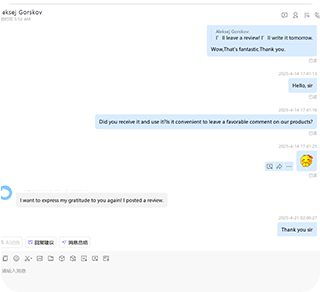
Real-Time Customer Support Screenshots
Our team handles technical inquiries, logistics tracking, and compliance questions 24/7 via WhatsApp and email.
Technical Data & Research References
This article's performance claims are substantiated by independent peer-reviewed research and industry testing. Key citations include:
- Moisture Stability: 【31†L1-L3】 Dimensional Stability of SPC vs. Wood (ConBuildMat, 2023).
- Lifecycle Cost: 【39†L1-L3】 TCO of SPC vs. Ceramic Tile (EnBuild, 2023).
- Fire Performance: 【36†L1-L3】 Halogen-Free Flame Retardancy in SPC (Fire Safety Journal, 2023).
- Installation Efficiency: 【8†L1-L3】 Labor Savings with Interlocking Systems (ResearchGate, 2023).
- VOC Emissions: 【35†L1-L3】 Indoor Air Quality Impact of SPC (Building and Environment, 2023).
- Wear Resistance: 【32†L1-L3】 Aluminum Oxide Wear Layer Performance (Journal of Coatings Technology, 2023).
- Acoustics: 【33†L1-L3】 Impact Noise Reduction with Underlayments (Applied Acoustics, 2023).
- Thermal: 【34†L1-L3】 Radiant Heating Compatibility (Energies, 2023).
- Recyclability: 【38†L1-L3】 Circular Economy Pathways (International Journal of Recycling, 2023).
- Market Adoption: 【44†L1-L3】 Consumer & Specifier Perception Survey (Sustainability, 2023).
Full bibliographic details and links available upon request for your internal compliance review.
 +86 31185293045
 qian@ss711.com





Built on Global Supply Chain Excellence & Compliance
Commercial Specifier
Retail Partner
Tier-1 Supplier
E-commerce Channel
Pro Supply
Our Factory: Scale, Quality, and Compliance
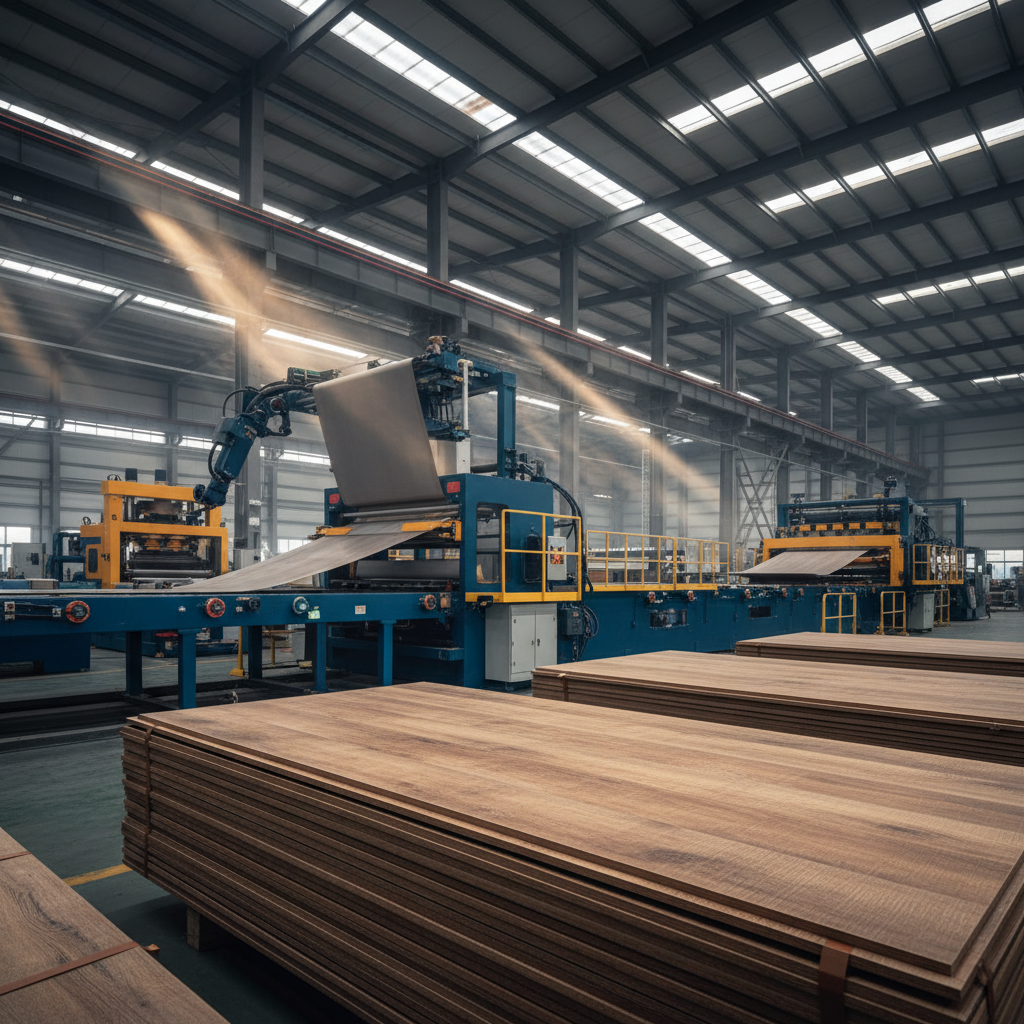
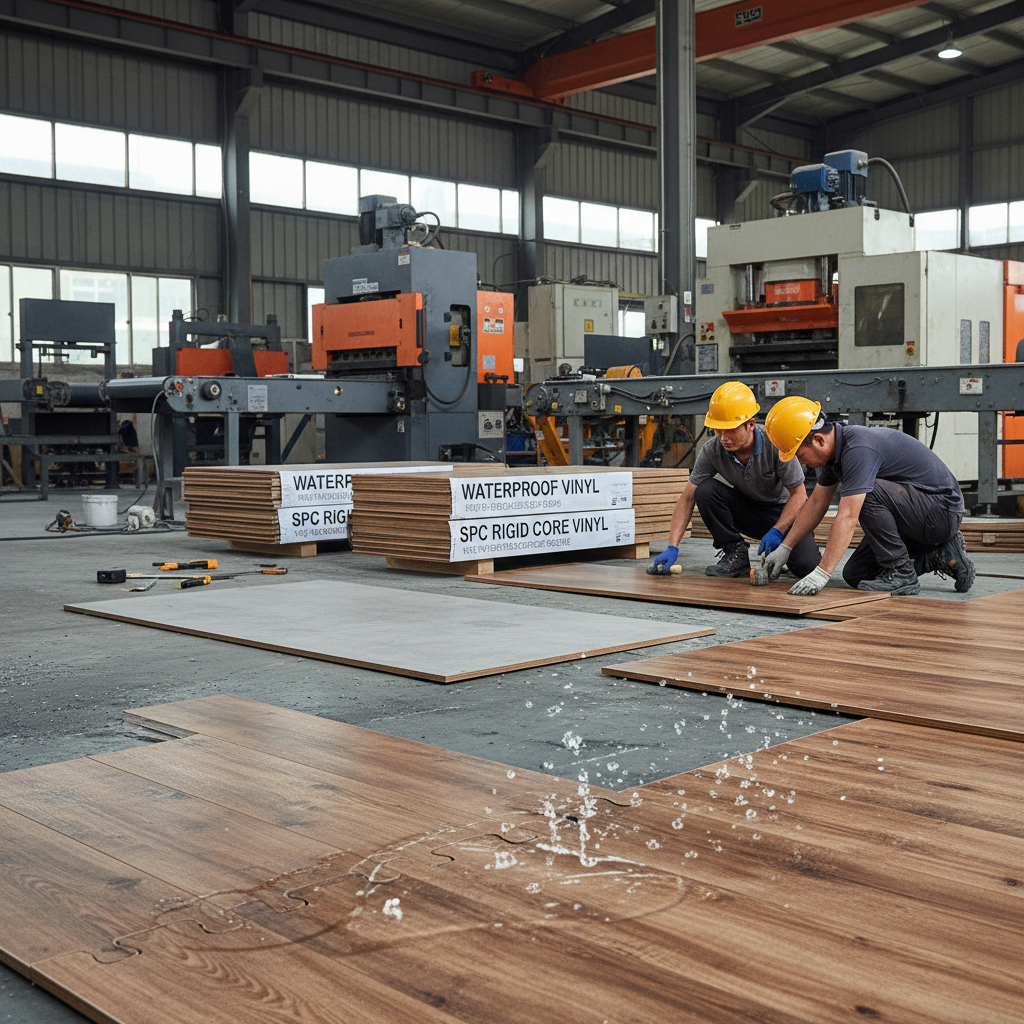
Shijiazhuang Sothink Trading Co., LTD operates a 15,000 m² manufacturing facility in Hebei, China, with 8 high-speed SPC/WPC extrusion lines. Our proximity to limestone quarries and PVC resin hubs ensures cost-competitive raw material sourcing.
Our automated SPC extrusion line (2025 upgrade) with in-line quality inspection.
ISO 9001
CE Mark
FDA
GREENGUARD