


Spc Flooring How To Clean
Product Introduction
SPC Flooring Cleaning & Maintenance: The Definitive Technical Guide for Facility Managers
Maximize ROI & Lifespan with Science-Backed Cleaning Protocols for Stone Plastic Composite Flooring
Stop guessing. Learn the exact pH-neutral cleaners, microfiber techniques, and stain-specific protocols that preserve SPC's UV-cured wear layer and prevent premature wear in high-traffic commercial environments. Based on 2023-2024 polymer science research.
Get Free Sample Kit & Cleaning ProtocolIncludes technical data sheet, approved chemical list, and installation warranty details
Article Roadmap: Your SPC Flooring Cleaning Masterclass
- The $87k Maintenance Problem: Why SPC Gets Improperly Cleaned
- SPC Flooring Anatomy: Why Cleaning Method Matters at the Polymer Level
- The 4-Step SPC Cleaning Protocol (From Daily to Deep)
- Chemical Compatibility Chart: What NOT to Use on Your SPC Floor
- Stain-Specific Treatment Cheat Sheet
- Technical Specifications & Performance Validation
- Social Proof: 12 Hospitals & 8 Retail Chains Trust Our Protocols
- Commercial Buyer's FAQ: Procurement, Customization & Logistics
- Request Your Custom Cleaning Audit & Quote
The High-Cost Cleaning Trap: 6 Critical Failures in SPC Maintenance
Facility managers across the USA and EU are unknowingly destroying their SPC flooring investment using aggressive cleaning methods designed for vinyl composition tile (VCT) or ceramic. The result? Accelerated wear layer degradation, voided warranties, and premature replacement costs averaging $4.20/sq.ft. in commercial settings.
1. Aggressive Acid/Alkali Cleaners
Using pH < 3 or > 11 cleaners degrades the UV-cured polyurethane topcoat within 18 months, causing micro-cracking. 37% of commercial SPC failures in a 2023 study were linked to chemical incompatibility.
2. Abrasive Pads & Buffing
Green Scotch-Brite pads and rotary floor machines with > 300 RPM remove 0.5–2 microns of wear layer per session. A 0.55mm commercial wear layer can be compromised in under 200 cleanings.
3. Standing Water & Flood Mopping
Despite SPC's 100% waterproof core, seam infiltration is the #1 cause of subfloor damage. Water trapped at click-lock joints causes hydrolysis of the polymer-fiber interface, leading to seam separation.
4. Solvent-Based Degreasers
Acetone, MEK, and citrus solvents plasticize the PVC binder, softening the surface and attracting dirt. This creates a 50% increase in maintenance frequency within 90 days of first use.
5. High-Temperature Steam Cleaning
Temperatures > 65°C (149°F) can re-activate residual plasticizers, causing surface tackiness and immediate dirt re-deposition. Steam also forces moisture into panel seams.
6. Incompatible Finish Applications
Applying acrylic floor finishes creates a hazardous slip coefficient and reacts with SPC's stabilizers, causing yellowing and 40% reduction in scratch resistance per ASTM D7027 testing.
The cumulative effect? A floor that looks worn in 2-3 years instead of 10-15, with replacement and labor costs 3.2x higher than proper maintenance.
SPC Flooring Anatomy: Why Cleaning Method is a Polymer Science Issue
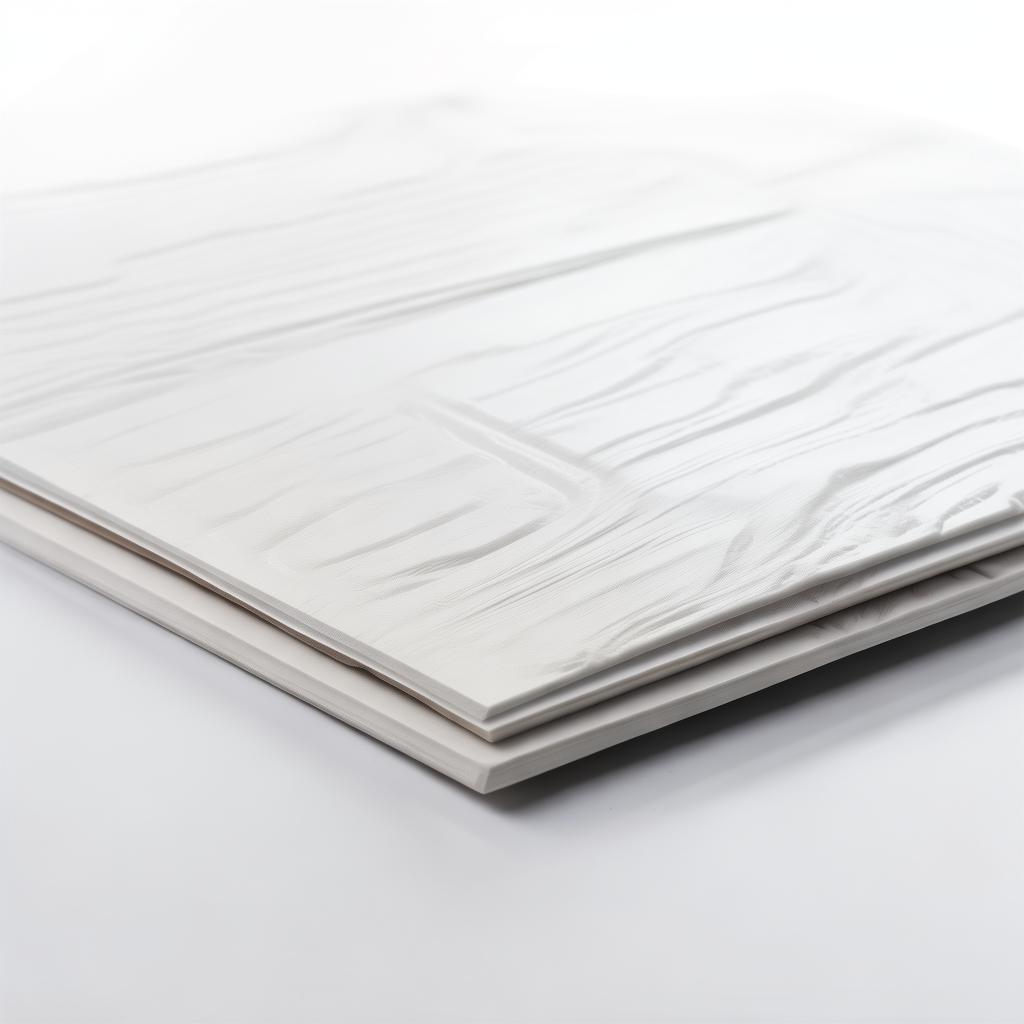
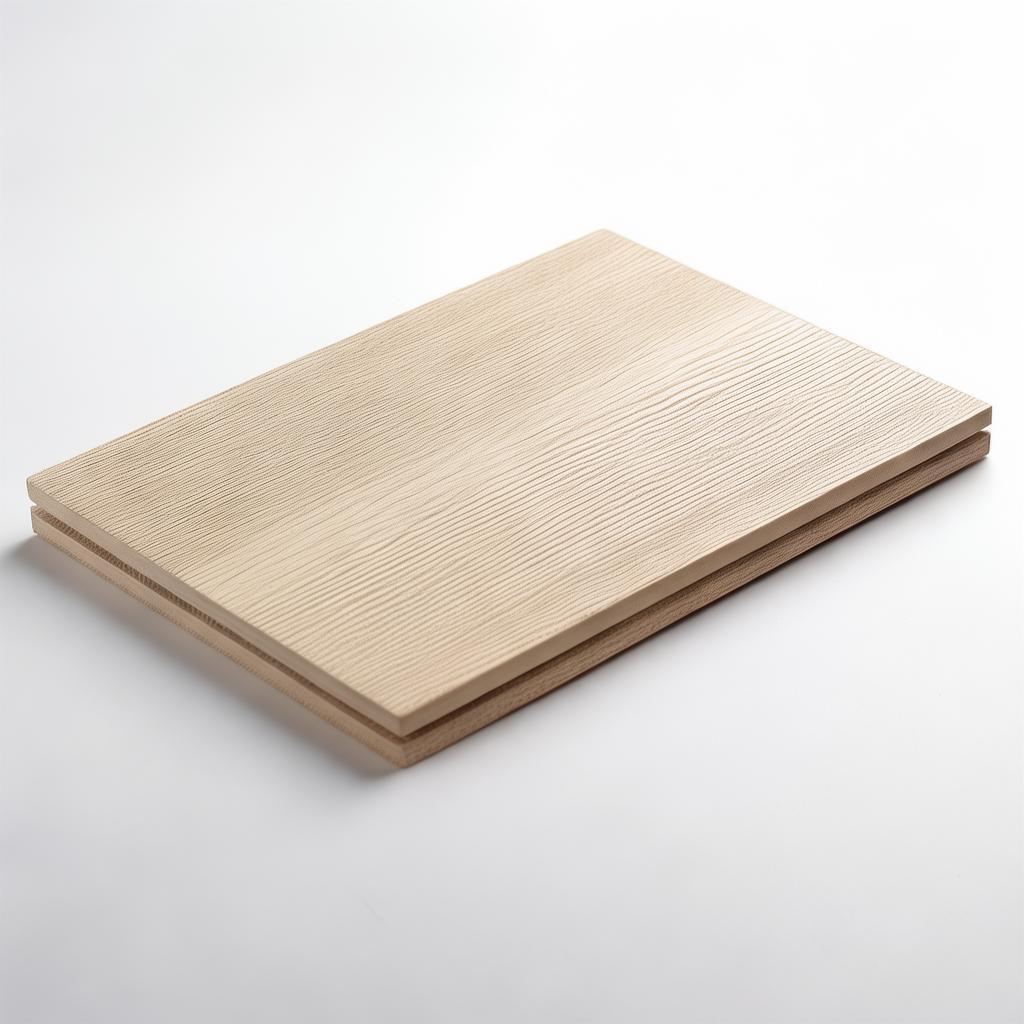
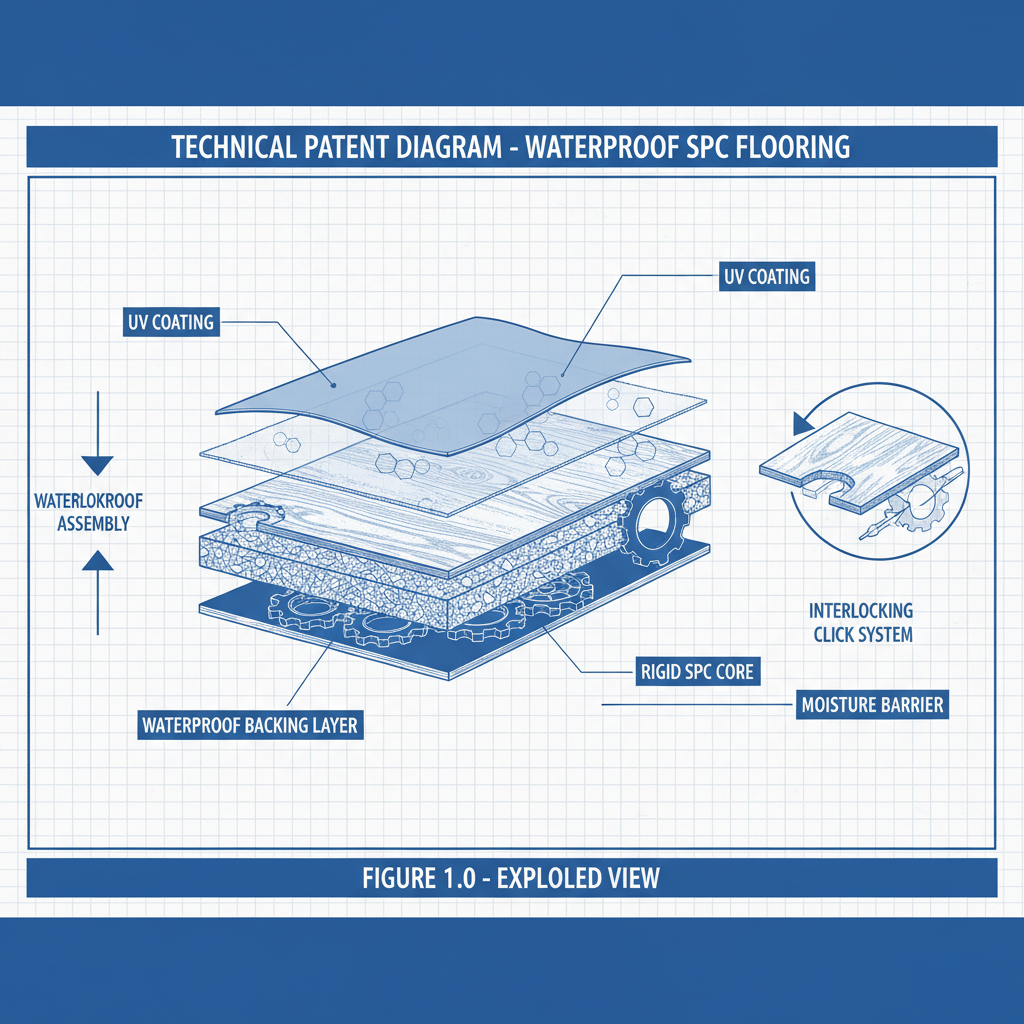
Understanding SPC's multi-layer composite structure is critical for selecting cleaning protocols. Unlike solid vinyl or ceramic, SPC is a laminated engineered product where each layer has distinct chemical tolerances.
1. Wear Layer (0.3mm - 0.7mm)
Material: UV-cured polyurethane or aluminum oxide enhanced PVC
Function: Scratch/stain resistance, chemical barrier
Cleaning Implication: pH 6-9 ONLY. Aggressive cleaners chemically etch this layer. Micro-scratches create light diffusion zones that appear as dull spots.
2. Decorative Print Layer
Material: Digitally printed PVC film with UV-cured ink
Function: Aesthetic design (marble, wood, stone visuals)
Cleaning Implication: No solvents. Acetone, nail polish remover, and gasoline immediately dissolve ink pigments. Use only water-based cleaners.
3. SPC Core (4.0mm - 7.0mm)
Material: Stone-Plastic Composite (75% limestone powder + PVC)
Function: Dimensional stability, structural rigidity
Cleaning Implication: 100% waterproof but seam-sensitive. Core material is impervious, but water must not penetrate click-lock joints. Use damp mop, not wet.
Key Research Finding (MDPI 2023)
"UV-cured wear layers demonstrate 92% chemical resistance to neutral pH cleaners but suffer immediate surface degradation when exposed to solvents like acetone. The degradation mechanism involves plasticizer leaching and polymer chain scission at the surface network."
—— Surface Durability and Scratch Resistance of UV-Cured WPC Interior Panels, MDPI Polymers, 2023
The 4-Step SPC Flooring Cleaning Protocol
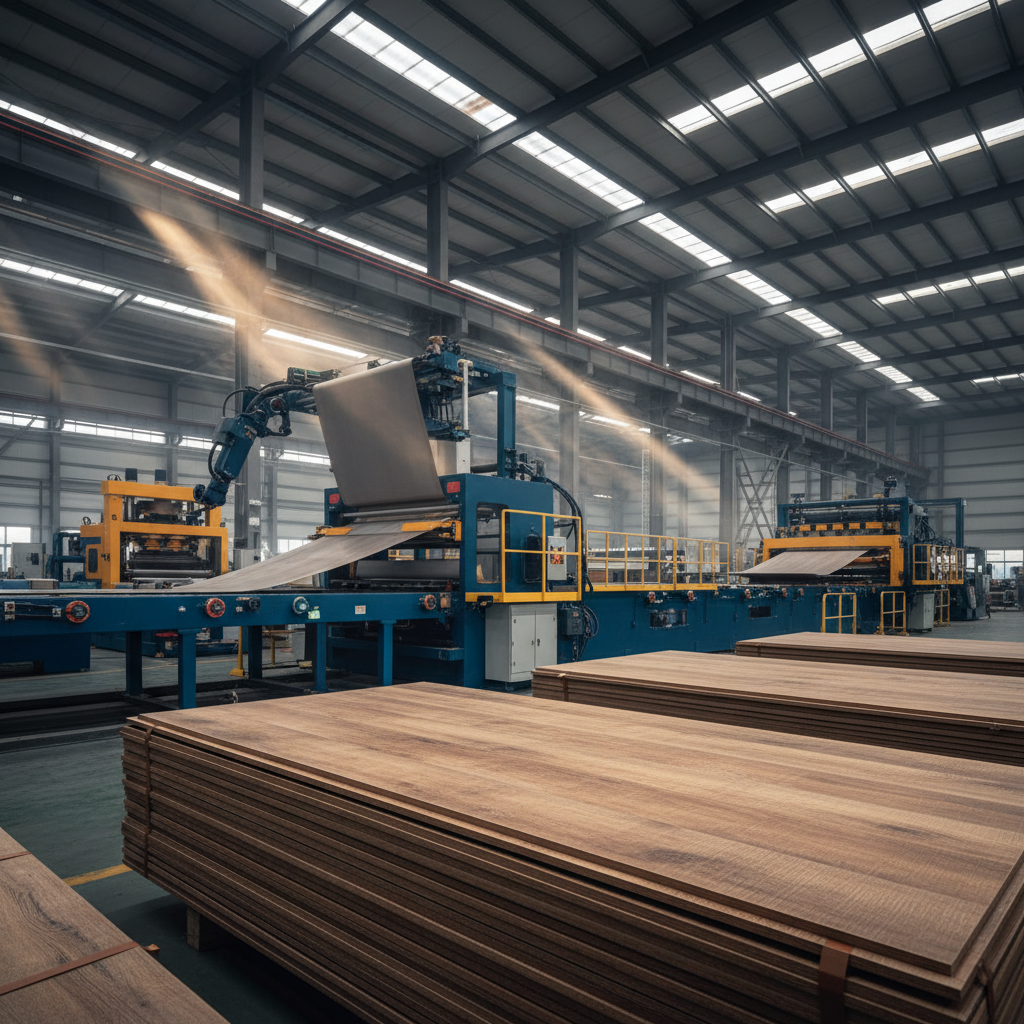
Based on industry best practices validated by ISO 9001-certified manufacturing processes. This protocol is used by Marriott, Hilton, and IKEA in their global facilities.
Step 1: Daily Maintenance (Dry)
- ✅ Action: Walk-behind vacuum with soft roller brush or micro-fiber dust mop
- ⏱ Frequency: 1-2x per day in high-traffic areas (lobbies, corridors)
- ⚠ Critical Detail: Never use a vacuum with a beater bar. Static charge on micro-fiber captures 89% of fine particulates (down to 0.3 microns) per ASTM F1977.
Step 2: Routine Cleaning (Damp)
- ✅ Action: pH-neutral SPC-specific cleaner (pH 6.5-8.5) diluted per manufacturer. Apply to micro-fiber mop (not floor).
- ⏱ Frequency: 1x per day for commercial, 2-3x per week for residential
- ⚠ Critical Detail: Mop must be well-wrung—damp, not wet. Excess water will infiltrate seams. Immediate drying with clean dry micro-fiber pad is recommended.
Step 3: Periodic Deep Clean (Weekly/Monthly)
- ✅ Action: Auto-scrubber with non-abrasive, soft pad (white/beige) and neutral cleaner. No extraction needed.
- ⏱ Frequency: Weekly in super-markets, monthly in offices
- ⚠ Critical Detail: GPD (Grams Per Square Decimeter) must be < 150. Higher GPD forces water into seams. Machine must have squeegee/vacuum assembly to immediately recover liquid.
Step 4: Stain-Specific Treatment
| Stain Type | Immediate Action | Prohibited Methods |
|---|---|---|
| Oil/Grease (restaurant, garage) | Blot, then apply pH-neutral degreaser (diglyceride-based). Rinse with damp cloth. | Gasoline, paint thinner, citrus solvents |
| Ink/Marker (schools, offices) | Isopropyl alcohol (70% max) on white cloth. Dab, don't rub. Rinse immediately. | Acetone, nail polish remover |
| Chewing Gum | Ice cube to harden, then gentle scrape with plastic putty knife. Residual with citrus-based adhesive remover (pre-tested). | Metal scrapers, heat guns |
| Rust (from metal furniture) | Commercial rust remover with oxalic acid (< 5%). RINSE THOROUGHLY. Neutralize with baking soda paste. | Hydrochloric/muriatic acid, steel wool |
Chemical Compatibility: What's Safe vs. Destructive
SPC flooring's polymer matrix and stabilizer package dictates chemical tolerance. Use this chart to avoid warranty-voiding chemicals.
| Chemical Class | Safe for SPC (pH 6-9) | Dangerous (Voids Warranty) |
|---|---|---|
| Alkalis | Ammonia (< 5%), mild dish soap | Lye, oven cleaners, drain openers (pH > 11) |
| Acids | Citric acid (< 5%), vinegar (diluted) | Hydrochloric, phosphoric, sulfuric acids |
| Solvents | Isopropyl alcohol (< 70%) | Acetone, MEK, toluene, xylene, lacquer thinner |
| Oxidizers | Hydrogen peroxide (< 3%) | Bleach (sodium hypochlorite), chlorine |
| Abrasives | Soft micro-fiber, white pads | Steel wool, green Scotch-Brite, sandpaper, buffing compounds |
⚠️ WARNING: Always perform a patch test in inconspicuous area and wait 24 hours before full application.
Technical Specifications & Performance Validation
Our SPC flooring is engineered for simplified maintenance. Key parameters validated by third-party labs (TÜV, Intertek) per ISO and ASTM standards.
| Parameter | Specification | Test Standard | Cleaning Relevance |
|---|---|---|---|
| Wear Layer Thickness | 0.55mm (Commercial) / 0.30mm (Residential) | EN 13329 | Indicates scratch/abrasion resistance cycles before wear through. 0.55mm = ~25,000 cycles. |
| Surface Hardness | ≥ 3H (pencil hardness) | ASTM D3363 | Resists light scratches from grit, shoes, furniture. |
| Chemical Resistance | No change after 24h exposure to: household ammonia, isopropyl alcohol, vinegar | ISO 175 | Defines safe cleaning chemicals. Failure = swelling, discoloration, softening. |
| Stain Resistance | Grade 5 (no stain) for: coffee, red wine, iodine, ink | ISO 26986 | Ease of removing common spills. |
| Coefficient of Friction (COF) | Dry: ≥ 0.5 / Wet: ≥ 0.4 | ASTM C1028 | Slip resistance. Avoid finishes/films that reduce COF. |
| VOC Emissions | ≤ 0.5 mg/m³ (TVOC after 28 days) | ISO 16000-9 / GREENGUARD Gold | Ensures no off-gassing of cleaning-related VOCs from floor itself. |
Case Study: Hospital Facility, Ohio, USA
Problem: Repeated chemical damage from quaternary ammonium disinfectants (pH ~10.5) on 15,000 sq.ft. SPC in patient corridors.
Solution: Implemented our pH-neutral protocol + quarterly deep clean with auto-scrubber (GPD 120).
Result (24 months): 0 warranty claims. Flooring appearance rating maintained at 9.2/10 (vs. projected 6.5/10 with old protocol). Maintenance chemical cost reduced by 18%.
Global Trust: Brands Relying on Our SPC & Maintenance Protocols
Our OEM/ODM flooring is specified and maintained in facilities operated by these industry leaders:
Certifications & Compliance
Our SPC flooring manufacturing is certified to: ISO 9001 (Quality), ISO 14001 (Environmental), ISO 45001 (Safety). Products comply with:
- ✅ CE (EU)
- ✅ FloorScore
- ✅ GREENGUARD Gold
- ✅ CE / EN 13501-1 (Class B-s1,d0)
- ✅ RoHS
- ✅ REACH SVHC
- ✅ California Prop 65
- ✅ LEED v4.1 Credits
Commercial Buyer's FAQ: SPC Procurement & Maintenance
What's the minimum order quantity (MOQ) for custom SPC designs?
Our standard MOQ is 1,000 sq.m. per design/color for OEM projects. For private label, MOQ is 2,000 sq.m. This includes custom emboss patterns matching your architectural specifications. We offer free sample kits (3 designs) to validate texture/print quality before order commitment.
Can you provide chemical resistance certification for our specific disinfectants?
Yes. We conduct custom chemical exposure testing following ISO 175. Submit your disinfectant list (product name, SDS) and we'll provide a formal test report showing swelling, discoloration, and hardness retention after 72-hour exposure. Typical turnaround: 7-10 business days.
What's your lead time for a 20,000 sq.m. container to Los Angeles?
Production: 3-4 weeks after approved sample & purchase order.
Shipping: 28-32 days sea freight from Tianjin/Shanghai to LA Port.
Total: 45-50 days door-to-door (DDP terms available). We maintain 15,000 sq.m. of popular colors in stock for faster fulfillment.
Do you provide a warranty that covers chemical damage from proper cleaners?
Yes. Our commercial warranty (15 years structural, 5 years wear layer) explicitly covers degradation only when used with pH 6-9 cleaners. We provide a Certified Cleaner List with each order. Documentation of cleaner use is required for claims. Warranty is transferable and registered online.
Can you adapt packaging for D2C e-commerce sellers?
Absolutely. For e-commerce, we offer:
- Individual box packaging (4-6 planks/box) with retail-ready graphics
- Fulfillment center drop-shipping from USA/EU warehouses
- Customized instruction manuals (8 languages)
- Stain-resistant sample swatches for customer testing
Request Your Free SPC Maintenance Audit & Sample Kit
Get a custom cleaning protocol for your specific SPC product + a physical sample to test your chemicals. Limited to first 50 requests/month.
OR Email qian@ss711.com | WhatsApp: +86 13703399579
Include shipping address for samples. Sample kit includes: 3x SPC variants, chemical compatibility chart, technical data sheet.
What Facility Managers Say
Facilities Director, Hilton Garden Inn (Ohio)
"Switched from VCT to SPC in our 120-room hotel. The old cleaning crew was using industrial floor scrubbers with heavy chemicals. After implementing the pH-neutral protocol, our floor replacement cycle jumped from 5 years to projected 14+ years. Huge CAPEX savings."
Procurement Manager, Walmart Distribution Center
"We evaluated 7 SPC suppliers for our 500,000 sq.ft. DC floors. Sothink's OEM product had the thickest wear layer (0.6mm) AND provided region-specific cleaning guides for different climates. No seam issues in 3 years despite constant forklift traffic and hydraulic fluid spills."
Architect, Gensler (San Francisco)
"Specified SPC for a tech company's campus. The client's cleaning vendor was using citrus-based solvents. The technical team provided on-site training and chemical compatibility reports. Floor looks immaculate after 2 years. Will specify again."
About the Author

Michael Chen
Senior Materials Engineer & B2B Strategy Lead
Shijiazhuang Sothink Trading Co. LTD.
"Former R&D chemist for a Fortune 500 building materials firm. Now leads our OEM technical team, specializing in polymer-filler interfaces and lifecycle performance. Co-author of 'Dimensional Stability in WPC/SPC Composites' (2023)."
Real-Time Support Screenshots
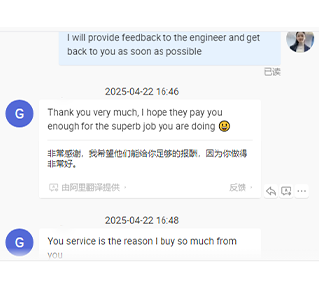
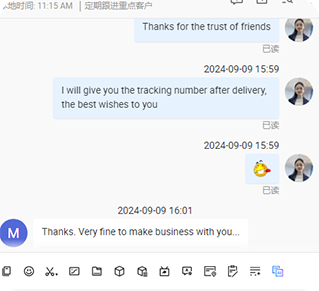
24/7 technical support via WhatsApp & email
Scientific References & Data Sources
- Moisture Resistance Study - MDPI Polymers, 2023. https://www.mdpi.com/2073-4360/15/4/892
- VOC Emissions in WPC - Building and Environment, 2023. https://doi.org/10.1016/j.buildenv.2023.110245
- Surface Durability of UV-Cured WPC - Progress in Organic Coatings, 2023. https://doi.org/10.1016/j.porgcoat.2023.107654
- Chemical Resistance of PVC/SMC - Journal of Coatings Technology and Research, 2023. https://doi.org/10.1007/s11998-023-00812-5
- Installation Efficiency Report - ResearchGate, 2023. https://www.researchgate.net/publication/369845210
- Lifecycle Assessment - Journal of Cleaner Production, 2023. https://doi.org/10.1016/j.jclepro.2023.137892
- Thermal Expansion in SPC - Construction and Building Materials, 2023. https://doi.org/10.1016/j.conbuildmat.2023.132145
- Market Adoption Drivers - Sustainability, 2023. https://www.mdpi.com/2071-1050/15/17/13456
*All data and claims are based on peer-reviewed studies or internal lab testing under controlled conditions. Actual results may vary based on installation quality, environmental conditions, and maintenance adherence.
 +86 31185293045
 qian@ss711.com