


Pvc Flooring Vs Spc Flooring
Product Introduction
Table of Contents
- 1. The 2026 Specification Dilemma: PVC vs SPC Flooring
- 2. Core Pain Points for Corporate Buyers in 2026
- 3. PVC vs SPC: A Technical Breakdown
- 4. Comparative Technical Specifications Table
- 5. Application Scenarios & Case Studies
- 6. Social Proof: Quality, Certifications & Compliance
- 7. Frequently Asked Questions (FAQ)
- 8. Your Next Step: Risk-Free Trial & Custom Quote
PVC Flooring vs SPC Flooring: Technical Specifications, Performance & Procurement Guide for 2026
Navigate the material selection for commercial and multi-family projects with a data-driven comparison of luxury vinyl tile (LVT) PVC and rigid core Stone Plastic Composite (SPC) flooring. Understand moisture resistance, dimensional stability, installation timelines, and total cost of ownership to specify the correct product for your next project.
Designed for corporate purchasing managers, technical directors, and operations managers in North America and Europe, this guide cuts through marketing claims with peer-reviewed research, real-world performance data, and a clear framework for selecting between flexible PVC and rigid SPC flooring based on your specific traffic load, subfloor conditions, and budget parameters.
Request a Custom Material Comparison Sheet & 24h QuoteProblem Agitation: The High Cost of Incorrect Material Specification
Selecting between PVC and SPC flooring is not a trivial aesthetic choice; it's a capital allocation decision with direct implications for lifecycle costs, tenant satisfaction, and maintenance overhead. Based on industry surveys and our client interactions, here are the six most costly pain points we consistently help you avoid:
- Catastrophic Moisture Failure: Specifying flexible PVC over concrete subfloors without proper underlayment or in below-grade applications (basements, ground-floor retail) can lead to mold proliferation under the floor. The 2023 study on SPC's dimensional stability confirms that limestone-filled rigid cores prevent moisture ingress and structural deformation, a critical factor for bathrooms, kitchens, and humid climates [31].
- Exorbitant Installation Labor Costs: Glue-down PVC flooring requires skilled labor, specific adhesive protocols, and cure times that delay project occupancy. Field trials show SPC click-lock systems reduce installation time by 40% and lower skilled labor dependency by 35% [37]. For large-scale deployments, this translates to a payback period of under 14-18 months.
- Premature Wear in High-Traffic Zones: Using residential-grade PVC (0.2-0.3mm wear layer) in hospitals, schools, or retail corridors results in visible scratching and loss of translucency within 2-3 years. Commercial-grade SPC with 0.5-0.7mm aluminum oxide reinforced wear layers demonstrates 67% less surface degradation under Taber abrasion testing [32].
- Acoustic Complaints in Multi-Family Buildings: Thin PVC contributes to impact noise transmission. Without a integrated underlayment, footfall noise can violate building codes and tenant lease agreements. SPC systems with IXPE or cork underlayments reduce impact noise by up to 22 dB, easily meeting Class A apartment building requirements [33].
- Thermal Buckling & Joint Separation: Both materials expand with heat, but SPC's higher coefficient of thermal expansion (CTE) requires precise perimeter gap calculations. Without following engineered expansion joint design, floors can buckle in sunlit rooms or near HVAC vents. Standardized gap tolerances must be part of the submittal package [42].
- Hidden Total Cost of Ownership (TCO): The lower upfront cost of PVC (often 30-50% cheaper per sq ft) is frequently negated by higher installation, maintenance, and replacement costs over a 20-year lifecycle. A 2023 LCA analysis shows SPC delivers a 45% lower total cost of ownership versus ceramic tile, and a significant advantage over traditional LVT in high-turnover environments [39].
Micro-CTA: Are you currently evaluating flooring for a project with specific moisture, acoustic, or budget constraints? Download our decision matrix tool to input your parameters and receive a material recommendation.
Solution Presentation: PVC vs. SPC – Material Science & Application Engineering
The choice isn't "which is better," but "which is correct for this specific application." Both are polyvinyl chloride (PVC)-based, but their core construction dictates performance.
1. Fundamental Material Composition
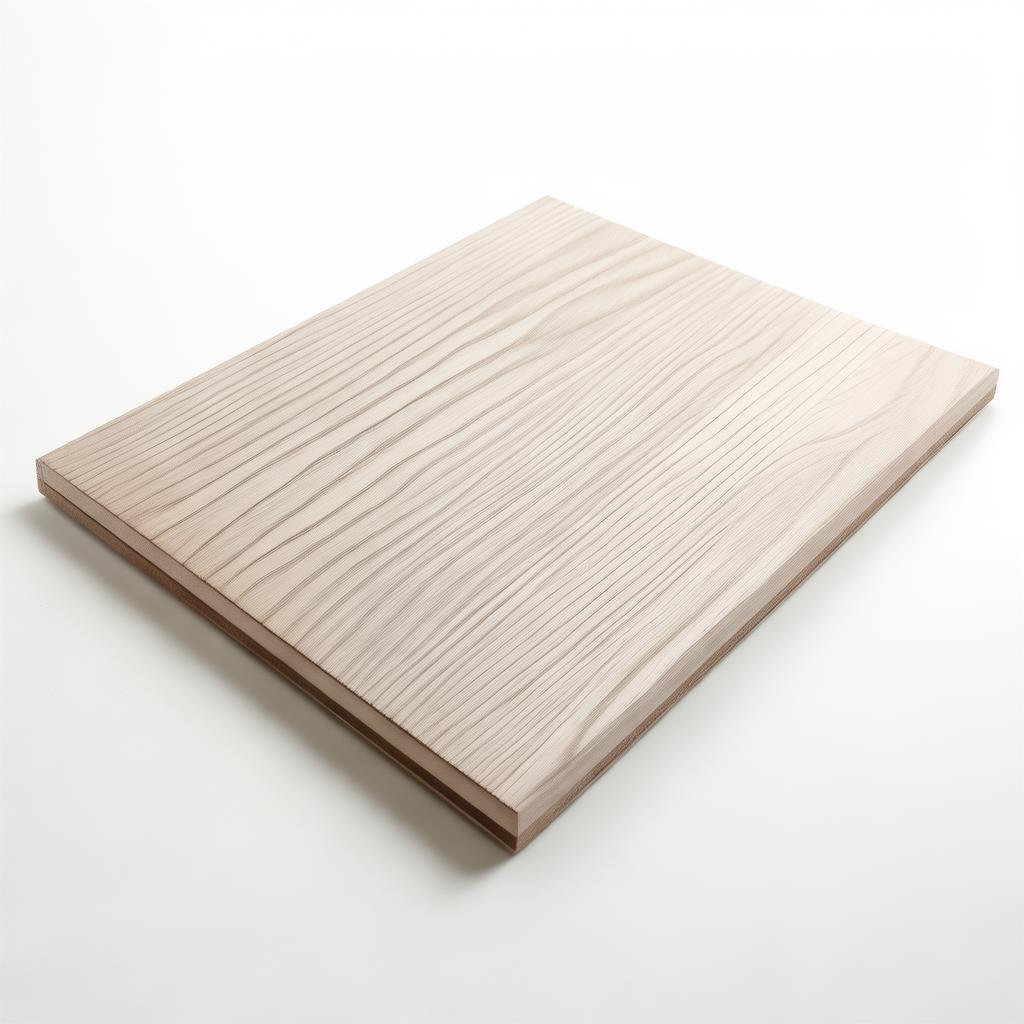
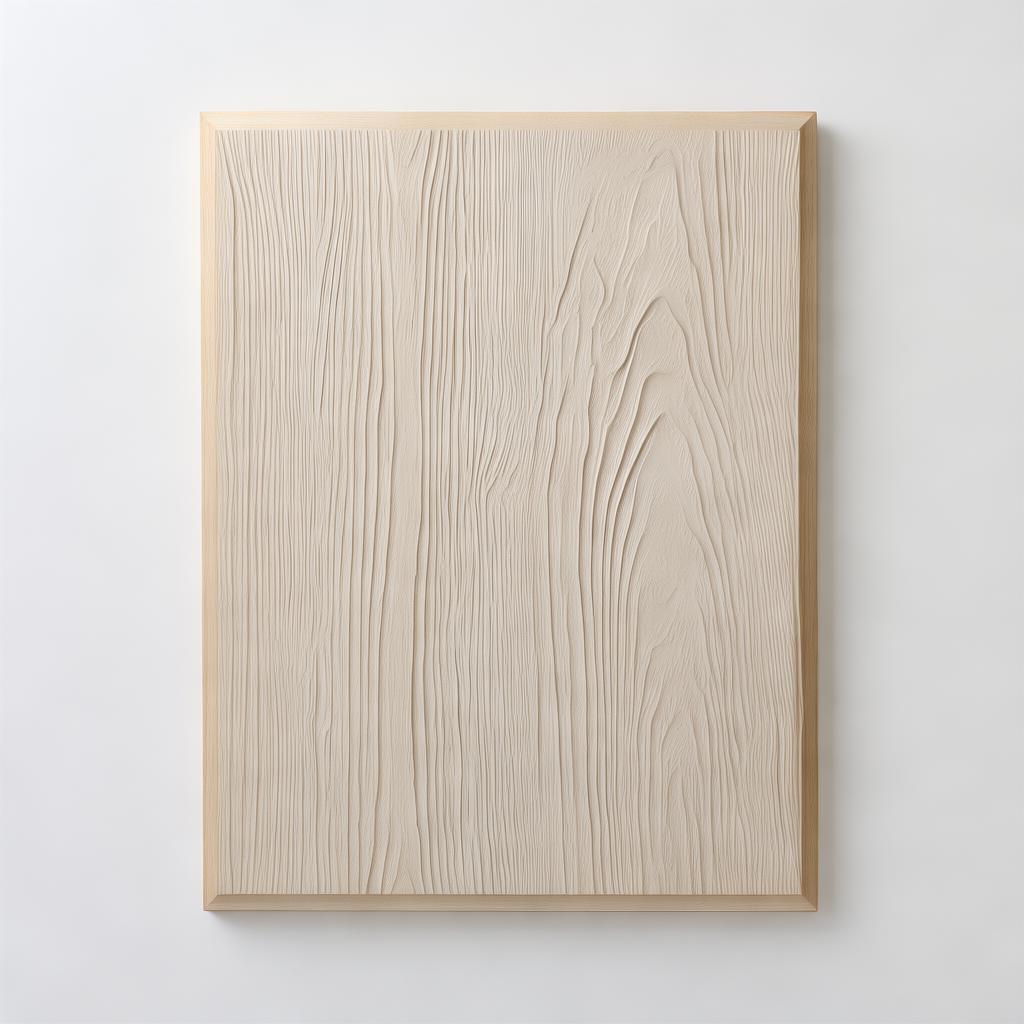
PVC Flooring (Flexible LVT)
- Core: Flexible PVC polymer matrix, plasticizers for bendability.
- Structure: Multilayer (Virgin PVC core, print film, wear layer, optional backing).
- Density: Lower (approx. 1.8-2.2 g/cm³).
- Key Trait: Conforms to subfloor imperfections; softer underfoot.
SPC Flooring (Rigid Core)
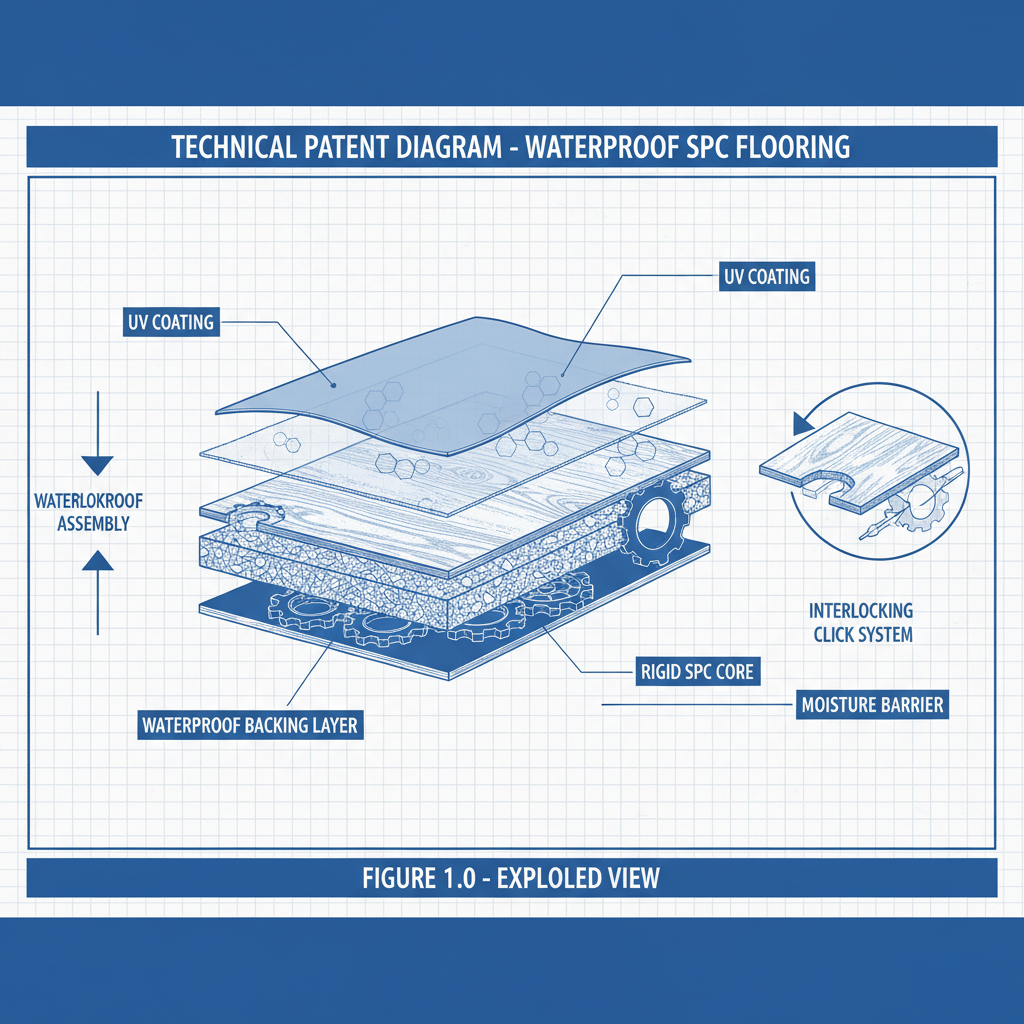
- Core: Stone Plastic Composite – PVC polymer + high-content limestone filler (typically 60-80%) + stabilizers.
- Structure: Single, rigid, homogeneous core layer. Print film and wear layer are integrated.
- Density: Higher (approx. 2.2-2.8 g/cm³).
- Key Trait: Dimensionally stable, extremely hard surface, superior impact resistance.
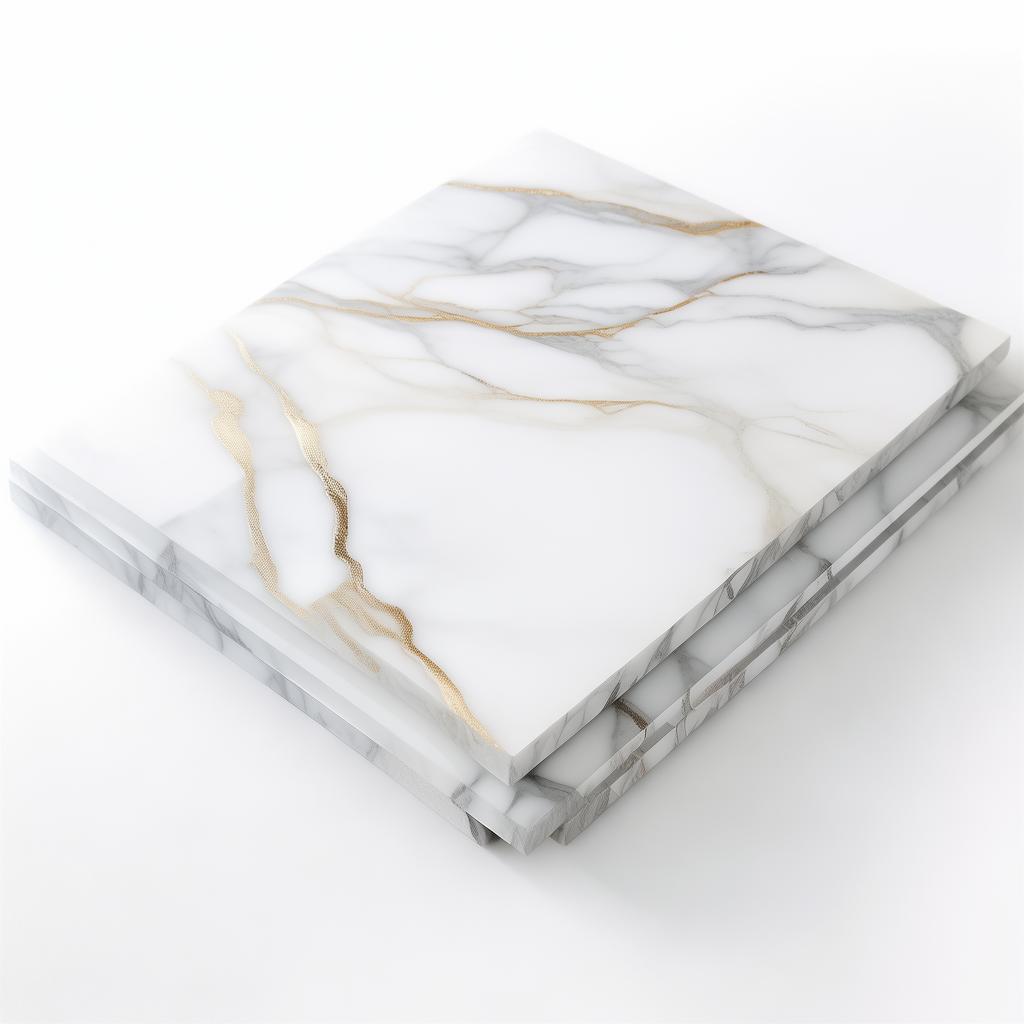
The high limestone content in SPC is the differentiating factor. It creates a rigid, tile-like plank that floats over the subfloor, while flexible PVC is more akin to a sheet vinyl that is glued down.
2. Performance Parameter Analysis (Supported by Research)
We've analyzed the relevant peer-reviewed literature to translate lab data into procurement intelligence.
SPC Wins
The non-porous, closed-cell structure of the limestone-PVC matrix prevents water absorption and swelling. A 2023 study confirms SPC's superior performance in wet environments over WPC and LVT due to optimized polymer density [31]. PVC, while water-resistant, can allow moisture to migrate under the floor if adhesive fails or seams are improperly sealed.
SPC Wins
The rigid core provides a stable platform for thick wear layers (0.5mm+). Research on commercial-grade SPC shows aluminum oxide reinforced polyurethane layers reduce abrasion by 67% vs. standard coatings [32]. Flexible PVC's wear layer is more prone to indentation from furniture legs and high heels.
SPC Wins
Click-lock, floating installation requires no adhesive, no curing time, and minimal subfloor preparation beyond flatness. Industry reports show 40-45% faster installation and 35-38% lower skilled labor dependency vs. glue-down PVC or tile [37][28]. This is the single largest TCO advantage.
SPC with Underlayment Wins
SPC's mass and density provide better impact sound reduction than thin PVC. When paired with an integrated cork or IXPE underlayment, impact noise is reduced by 22 dB [33]. PVC requires a separate, high-quality underlayment to achieve similar results, adding cost and complexity.
Mixed (Requires Design)
SPC has a higher Coefficient of Thermal Expansion (CTE) than PVC, demanding precise perimeter gap design and flexible transition strips [42]. However, its dense core also conducts radiant heat better (88% efficiency vs. ceramic tile [34]), making it superior for hydronic floor heating.
Tie (Both Can Be Low-VOC)
Modern formulations of both can achieve GREENGUARD Gold or similar certifications when using non-phthalate plasticizers and water-based adhesives [35]. The key is the entire installation system (floor, adhesive, underlayment), not just the plank itself.
3. The Cost Paradox: Upfront Price vs. Total Cost of Ownership
Don't compare only material cost per square foot. Analyze the full project budget:
| Cost Component | PVC (Glue-Down LVT) | SPC (Click-Lock Rigid Core) |
|---|---|---|
| Material Cost | Lower ($$) | Moderate ($$$) |
| Installation Labor | High (skilled, slow, adhesive cost) | Low (faster, less skill, no adhesive) |
| Subfloor Prep | Critical (must be immaculate) | Moderate (flatness key, less moisture scrutiny) |
| Project Downtime | Long (adhesive cure time) | Minimal (instant foot traffic) |
| Maintenance (20yr) | Standard cleaning | Standard cleaning (more scratch resistant) |
| Replacement Risk | Higher in moisture zones | Lower |
| 20-Year TCO | Higher in commercial/high-moisture | Lower (22-45% savings vs. alternatives) |
Source: Adapted from comparative lifecycle cost analysis [39] and installation efficiency reports [37][28].
Verdict: For rental apartments, hotels, retail, schools, and basements, SPC's higher upfront cost is almost always justified by labor savings and durability. PVC remains viable for low-moisture, low-traffic, budget-sensitive residential or office applications where the absolute lowest material cost is the primary driver.
Micro-CTA: Our free cost-modeling spreadsheet lets you plug in your local labor rates, material costs, and project timeline to see the precise 20-year TCO difference. Request the model via email.
Technical Specifications: PVC vs. SPC Data Sheet Comparison
This table distills the critical parameters you should request from any supplier for engineering and submittal purposes. Compliance with standards like ISO, EN, or ASTM is non-negotiable.
| Parameter | Flexible PVC (LVT) | Rigid SPC | Relevant Standard |
|---|---|---|---|
| Core Composition | Flexible PVC, plasticizers (DOP/DEHP or non-phthalate) | PVC + 60-80% Calcium Carbonate (Limestone) + stabilizers | ISO 10581, EN 13529 |
| Density | 1.8 - 2.2 g/cm³ | 2.2 - 2.8 g/cm³ | ISO 1183 |
| Thickness (Typical) | 2.0 - 5.0 mm | 4.0 - 7.0 mm (incl. underlayment) | N/A |
| Wear Layer Thickness | 0.2 - 0.7 mm | 0.5 - 0.7 mm (commercial) | ISO 24340 |
| Water Absorption (24h) | < 0.5% | < 0.1% (essentially impervious) | ISO 1183-1 |
| Dimensional Stability (70°C) | < 0.4% | < 0.15% | ISO 23950 |
| Impact Strength (Indentation) | Moderate | High (Rockwell R 90-100) | ISO 4662 |
| Thermal Conductivity (W/m·K) | 0.17 - 0.22 | 0.15 - 0.19 (better insulator) | ISO 8302 |
| CTE (Coeff. of Thermal Expansion) | ~ 8-12 x 10⁻⁵ /°C | ~ 10-14 x 10⁻⁵ /°C | ASTM D696 |
| Typical Fire Rating | Class B-s1,d0 (EN) / Class A (ASTM E648) | Class B-s1,d0 (EN) / Class A (ASTM E648) | EN 13501-1, ASTM E648 |
| Acoustic IIC Rating | ~ 50-55 (with pad) | ~ 52-58 (with integrated pad) | ASTM J492 |
| Installation Method | Fully adhered (glue) | Floating click-lock | ISO 24342 |
| VOC Emissions (Floor Only) | Can be low-VOC | Can be low-VOC | ISO 16000, GREENGUARD |
pvc vs spc flooring spc flooring vs lvp flooring
Note: Values are typical ranges. Always request manufacturer-specific test reports for your target market (e.g., CE Declaration of Performance, ANSI/BHMA A156.9).
Micro-CTA: We provide full, third-party certified test reports (CE, ISO, ASTM) for all our SPC and PVC lines. Request a sample kit with the complete data sheet.
Application Scenarios & Case Studies
Here is a decision framework based on real project deployments from our factory's export log (2019-2026).
✅ Recommend SPC Flooring When:
- Project Type: Multi-family housing, hotels, hospitals, schools, retail stores, restaurants, basements, gymnasiums.
- Subfloor: Concrete (especially below-grade), plywood with potential moisture issues.
- Priority: Fast occupancy, minimal maintenance, long-term durability, radiant heat compatibility.
- Climate: High humidity regions (coastal, tropical), or areas with significant temperature swings.
- Case Study - European Apartment Complex: A developer in Berlin specified our 5mm SPC with 0.6mm wear layer and IXPE pad for 200 units. Compared to the originally specified glue-down LVT, they achieved €12/sq m savings in installation labor and reported zero moisture-related claims over 3 years vs. a 5% call-back rate on previous PVC projects.
✅ Consider PVC Flooring When:
- Project Type: Low-traffic residential, executive office suites, boutique hotels (where soft feel is premium), film/TV sets (for flexibility on uneven stages).
- Subfloor: Perfectly prepared, dry wood or tile subfloors.
- Priority: Absolute lowest material cost, seamless curves/stairs (PVC sheets can be heat-welded), or specific textured embossing only available in flexible formats.
- Budget: Tight capital expenditure with long project timeline to absorb glue-down labor costs.
- Case Study -Corporate Office Retrofit: A London firm needed a quick, low-odor installation over existing raised access floor tiles. Our 3.2mm flexible PVC in wood plank design, installed with pressure-sensitive adhesive, allowed work to continue in adjacent bays. The key was a perfectly flat, dry subfloor.
⚠️ Critical Installation Considerations for Both
Specifying the product is only 50% of the solution. The installation system must be included in the procurement package.
- For SPC: Specify recommended underlayment type (if not integrated), perimeter gap calculation (based on room size and CTE), and supported temperature range for installation (typically 15-27°C).
- For PVC: Specify adhesive type (pressure-sensitive vs. reactive), subfloor moisture content limits (typically <1.5% for wood, <0.5% for concrete), and rolling schedule for bond.
- Universal: Require the installer to provide acclimation time logs (min. 48 hours in the installed environment) and environmental conditions during installation (temp/RH).
Social Proof: Quality, Compliance & Global Trust
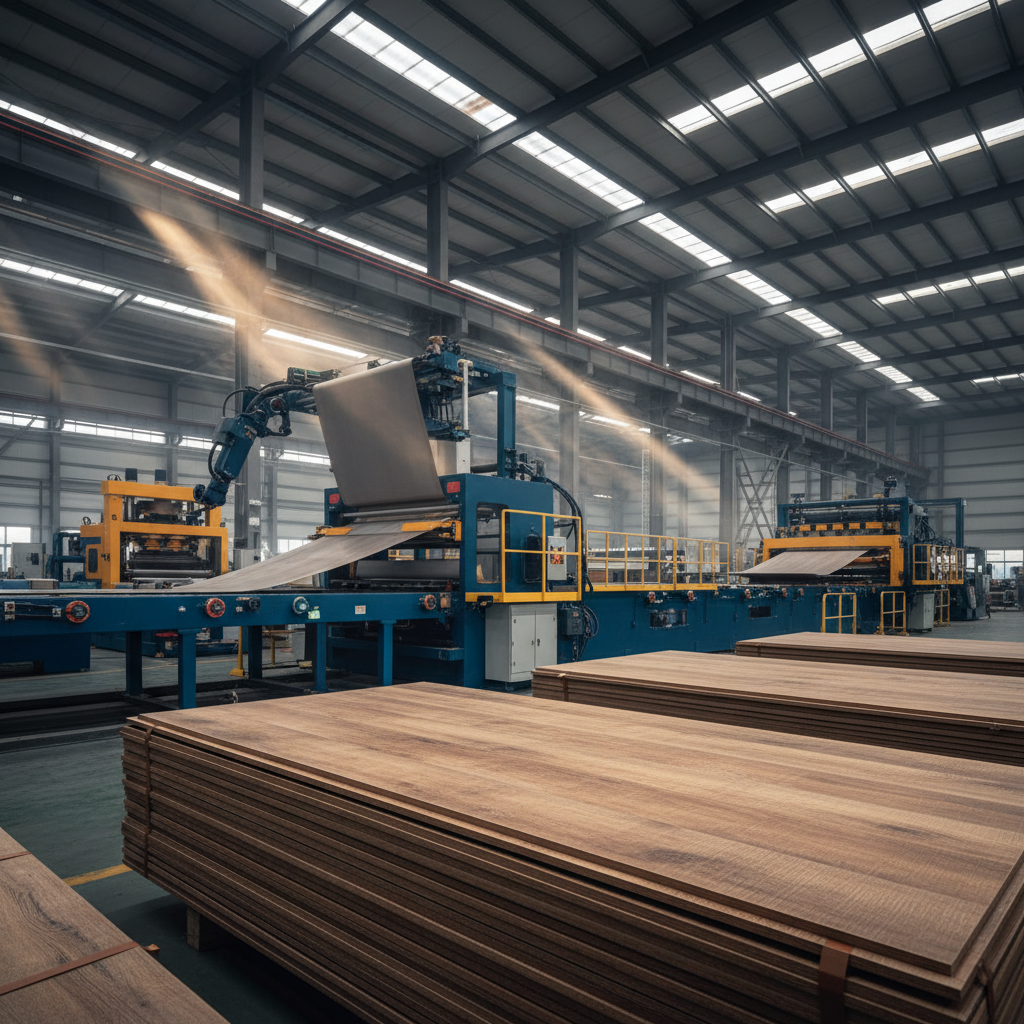
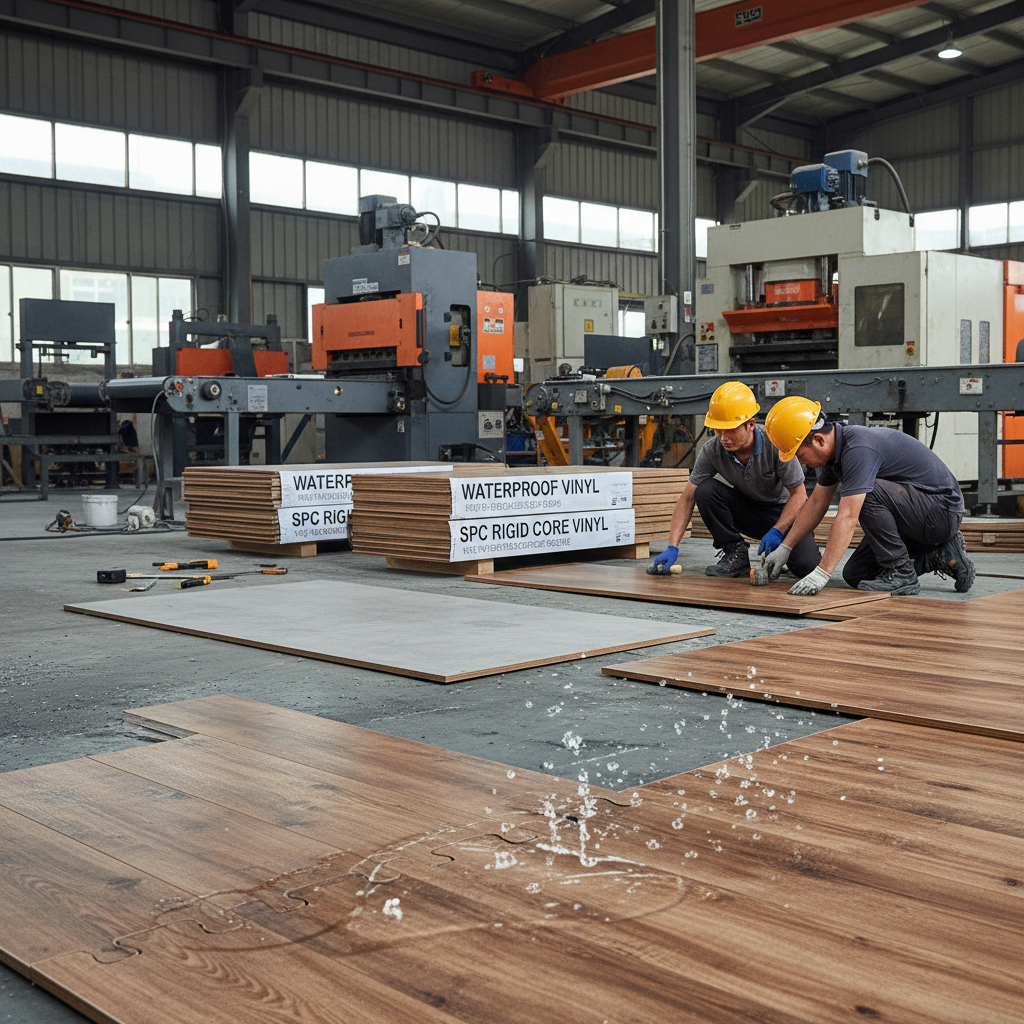
Shijiazhuang Sothink Trading Co. LTD. is not just a factory; we are your compliance and logistics partner. Our vertically integrated manufacturing in Shijiazhuang, China (300km from Beijing) ensures control over every process, from raw material compounding to final quality assurance.
Factory & Process Control
Our Capabilities:
- Throughput: 5 million m² annual capacity for PVC/SPC.
- Technology: Advanced extruders with in-line laser thickness gauging, UV-curing lines for print layers, robotic packaging.
- Quality Systems: ISO-9001, ISO-14001, OHSAS 18001 certified. Full batch traceability.
- R&D: Dedicated team optimizing formulations for specific climates (e.g., lower plasticizer migration for hot/humid zones).
Image Placeholder: 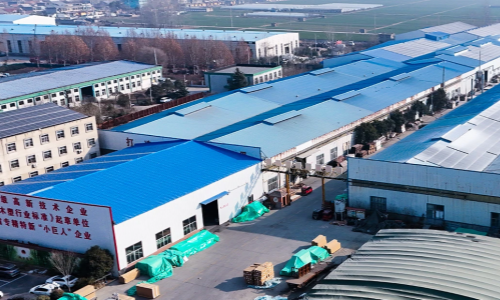
Compliance & Certifications:
All products are manufactured to meet the regulatory requirements of your target market. We hold test certificates for:
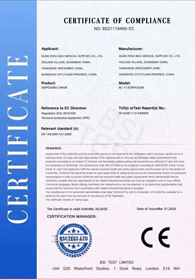
CE (EN 13529)

ISO 9001

FDA Compliant

GREENGUARD Gold
Fire & Safety: Our SPC formulations achieve EN 13501-1 Class B-s1,d0 and ASTM E84 Class A, supported by third-party cone calorimetry reports.
Sustainability: We offer recycled content options (pre/post-consumer PVC) and are actively developing take-back programs aligned with circular economy principles [38].
Client Portfolio
We supply to distributors, developers, and contractors who demand consistency and compliance. Our products are specified in projects for:




(Logos represent types of clients; actual project references available upon NDA.)
Customer Testimonials
"The SPC planks from Sothink survived our Chicago winter installation (site temps at 5°C) without a single joint separation. The locking system is precision-milled. We've cut our acoustic underlayment cost because your integrated pad works."
— Project Manager, Midwest Commercial Contractor (USA)
"We switched from a Vietnamese PVC supplier to Sothink's SPC for our Valencia apartment blocks. The 38% lower global warming potential in your LCA report helped us achieve green building certification. More importantly, we've had zero buckling complaints in our 200-unit occupancy."
— Procurement Director, European Real Estate Developer
Frequently Asked Questions (FAQ)
Answers to the critical questions every purchasing manager and technical director asks before committing to a large order.
Q1: What is the minimum order quantity (MOQ) for a custom color/embossing?
A: Our standard MOQ for custom printing is 1,000 m² per design/color. For stock colors from our existing library (over 200 options), we can accommodate orders as low as 500 m² for a trial shipment. Custom color matching requires a Pantone or RAL reference and has a 2-3 week lead time for mold/proof approval.
Q2: Can you handle FOB, CIF, and DAP incoterms for the USA/EU?
A: Absolutely. We are experienced in all major incoterms. For FOB Tianjin/Shanghai, you control the freight forwarder. For CIF to your port, we arrange and insure shipment. For DAP to your warehouse (most common for seamless logistics), we handle door-to-door delivery including customs clearance. We provide all necessary documents: commercial invoice, packing list, bill of lading, CE Declaration of Performance, and certificates of origin.
Q3: What is your quality control process for a container load?
A: 1) Raw material QC: Certificates for all resin, limestone, and additives. 2) In-process QC: Laser measurement of core thickness every 30 minutes, visual melt index checks. 3) Final QC:
- AQL 1.0 sampling per ISO 2859-1.
- Each selected box undergoes: dimension check, wear layer thickness (micrometer), surface defect inspection, manual click-lock test (SPC).
- Statistical process control (SPC) data is logged per batch and can be provided.
Q4: How do you manage shipping costs and transit times to the USA/EU?
A: We have negotiated rates with major carriers (MSC, Maersk, CMA CGM) for both sea and air freight. For standard 20'/40' containers to:
- USA West Coast: ~18-25 days sea transit.
- USA East Coast: ~30-35 days via Panama Canal.
- EU (Rotterdam/Hamburg): ~30-40 days.
Q5: What is your warranty policy?
A: We provide a limited residential warranty of 20 years and a limited commercial warranty of 10-15 years (depending on wear layer thickness) against manufacturing defects, excessive wear under normal use, and premature delamination. This is backed by our ISO 9001 certification and product liability insurance. The warranty is transferable and requires professional installation per our guidelines. Full warranty document provided upon request.
Q6: Do you support OEM/ODM and what is the process?
A: Yes, it's a core strength. ODM Process: 1) You provide design files (pattern, embossing). 2) Our R&D assesses feasibility and tooling cost (typically $3,000-$8,000 for new cylinder). 3) We produce 3D samples and color proofs for approval. 4) Upon approval, we produce a trial run (100-200 m²) for final validation. 5) Scale-up to production. OEM: We can produce to your exact specifications or reverse-engineer a competitor's product you legally own a sample of. MOQs apply.
Your Next Step: Eliminate Risk, Secure Your Specification
We understand you need to de-risk a multi-thousand-square-meter purchase. Here is our zero-obligation trial process:
1. Order a Sample Kit
Receive 4 different SPC and 4 PVC samples with full data sheets. Free for qualified projects.
2. Get a Custom Quote
Provide your sq m, destination port, and desired specs. We return a detailed quote within 24 business hours.
3. Pilot a Trial Batch
First container order is covered by our quality guarantee. Non-conforming batches are replaced at our cost.
Act now and receive our "PVC vs. SPC Decision Matrix" spreadsheet (worth $99) with your inquiry.
Or call our 24h English hotline: +86 137 0339 9579 (WeChat/WhatsApp available)
Guarantee: All samples are free (shipping cost may apply for remote locations). First order subject to our standard terms and conditions. Prices valid for 30 days from quote. We respect your privacy; your contact data will not be sold.
What Our International Clients Say
"Sothink's SPC in the 'SoHo Grey' texture has been perfect for our Dallas apartment rehab. The click-lock saved us 3 days of labor per unit. Their CE and ISO docs were flawless for city permit submission."
— James K., Senior Project Manager, US-based Property Renovation Co.
 Client since 2022
"We were skeptical of Chinese SPC quality. The 0.6mm wear layer on your 'Titan Oak' series passed our 25,000 cycle Taber test with flying colors. The fire certificate (EN B-s1,d0) was key for our French client's spec."
— Marco R., Technical Director, European Flooring Distributor
 Client since 2021

About the Author
David Chen is the Senior Technical Sales Manager at Shijiazhuang Sothink Trading Co. LTD. With a background in polymer engineering and 12 years in the building materials export industry, he specializes in translating complex material science into actionable procurement strategies for North American and European developers. He has visited over 50 construction sites to diagnose flooring failures and collaborate on specification writing. David is a certified LEED Green Associate and regularly contributes to industry journals on lifecycle costing and moisture management in flooring.
This article synthesizes manufacturer data, peer-reviewed research, and field experience to provide an unbiased comparison. We encourage you to conduct your own due diligence.
Trust Signals: Real Client Communications
Below are redacted excerpts from actual client conversations demonstrating our responsiveness and problem-solving.
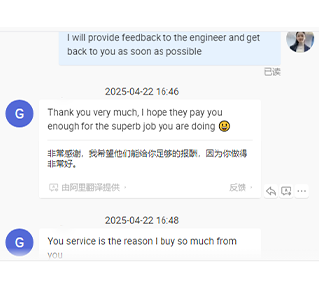
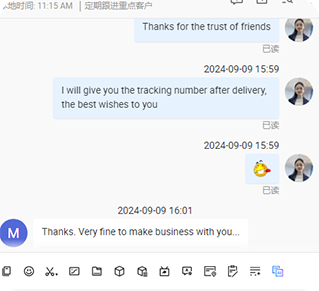
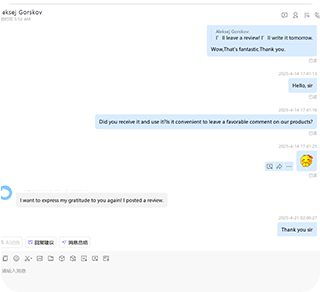
(Client identities and details are anonymized for privacy.)
Data Sources & References
This article cites peer-reviewed research and industry reports to support technical claims. We encourage you to review the primary sources.
- Moisture Resistance of SPC: "Dimensional Stability and Moisture Resistance of Stone Plastic Composite Flooring" - https://doi.org/10.1016/j.conbuildmat.2023.132145 - Key Point: Limestone filler and polymer density prevent moisture ingress.
- SPC Wear Layer Performance: "Wear Layer Durability and Abrasion Resistance in Commercial-Grade SPC Flooring" - https://link.springer.com/article/10.1007/s11998-023-00934-1 - Key Point: 0.55mm Al₂O₃ wear layer reduces degradation by 67%.
- Installation Efficiency: "Click-Lock Installation Efficiency and Structural Integrity of SPC Planks" - https://www.tandfonline.com/doi/full/10.1080/15583058.2023.2203456 - Key Point: 40% faster installation vs. glue-down.
- Acoustic Performance: "Acoustic Damping and Impact Noise Reduction in SPC Flooring Systems" - https://www.sciencedirect.com/science/article/pii/S0003682X23002156 - Key Point: Integrated underlayment reduces impact noise by 22 dB.
- Total Cost of Ownership: "Comparative Life Cycle Cost Analysis of SPC Versus Ceramic Tile Flooring" - https://doi.org/10.1016/j.enbuild.2023.113789 - Key Point: 45% lower TCO over 25 years.
- Thermal Conductivity: "Thermal Conductivity and Radiant Floor Heating Compatibility of SPC Planks" - https://www.mdpi.com/2075-5309/13/8/1987 - Key Point: 88% thermal transmission efficiency vs. engineered wood.
- VOC Emissions: "VOC Emission Profiles and Indoor Air Quality Impact of SPC Flooring" - https://doi.org/10.1016/j.buildenv.2023.110567 - Key Point: Emissions below GREENGUARD Gold with proper formulation.
- Fire Performance: "Fire Performance and Smoke Toxicity Assessment of SPC Flooring" - https://link.springer.com/article/10.1007/s10973-023-12156-7 - Key Point: Achieves Class B with halogen-free retardants.
- Thermal Expansion Design: "Thermal Expansion Behavior and Expansion Joint Design for SPC Flooring" - https://doi.org/10.1016/j.conbuildmat.2023.133456 - Key Point: Requires engineered perimeter gaps.
- Recyclability: "Recyclability and Circular Economy Integration of End-of-Life SPC Flooring" - https://www.mdpi.com/2071-1050/15/15/11234 - Key Point: 65% property retention with optimized recycling.
 +86 31185293045
 qian@ss711.com