


Pisos Wpc Exterior
Product Introduction
WPC Exterior Wall Cladding: The 2026 Guide to Durable, Low-Maintenance Façades for Global Projects
Tired of skyrocketing maintenance costs, warped wood siding, and unpredictable shipping timelines? As a project manager or procurement director sourcing for North American or European builds, your choice of exterior cladding directly impacts 10-year ROI, building envelope performance, and client satisfaction. This guide cuts through the marketing to deliver the technical specifications, real-world data, and supplier criteria you need to select a WPC exterior wall cladding system that lasts 25+ years with minimal upkeep.
Quick Navigation
- 🔍 The 4 Critical Pain Points with Traditional Exterior Cladding
- 🛠️ How Modern WPC Cladding Solves These Problems: Technical Breakdown
- 📊 Essential Technical Specifications Table (2026 Standards)
- 🏗️ Real-World Application Scenarios & Performance Data
- ✅ Social Proof: Certifications & Global Client Trust
- ❓ FAQ: Procurement, Customization & Logistics
- 📞 Your Next Step: Risk-Free Sourcing from Source
The 4 Critical Pain Points with Traditional Exterior Cladding in 2026
You’re not just buying panels; you’re investing in a 20-30 year building envelope. The wrong choice locks you into a cycle of recurring costs and performance failures. Based on industry reports and contractor surveys, here are the most costly, time-consuming issues our clients faced before switching to engineered WPC:
1. Unpredictable Maintenance & Lifecycle Costs
Natural wood cladding requires staining or sealing every 3-5 years. For a 2,000 sq ft façade, this translates to $8,000-$15,000 per treatment in labor and materials in the USA/Europe. Over 20 years, this exceeds the initial material cost. Contractors report 35% of project budgets for wood façades are consumed by ongoing maintenance (Source: TreeStuff Industry Analysis).
2. Dimensional Instability in Variable Climates
Wood swells and shrinks with humidity. In regions with temperature swings from -30°C to 40°C (common in North America and continental Europe), this leads to cracking, warping, and gaps that compromise weatherproofing. A 2024 study found over 40% of wood siding failures in cold climates are due to moisture-induced deformation (Source: Natural Resources Canada Building Science).
3. Pest, Rot, and UV Degradation
Termites, carpenter ants, and fungal rot are persistent threats. Even with chemical treatments, 15-20% of wood-clad buildings in subtropical zones (Southern USA, Mediterranean) show significant pest damage within 10 years. UV radiation causes fading and surface checking, requiring more frequent recoating and increasing chemical use (Source: USDA Forest Service Report).
4. Long, Unreliable Supply Chains for Quality Material
Sourcing consistent, premium-grade timber or composite from multiple suppliers is a logistical nightmare. Many importers face 4-8 week lead time fluctuations, quality grade mismatches (C16 vs. C24 timber), and hidden costs for fumigation or special handling. This derails project schedules and inflates budgets.
Bottom Line: The "cheapest upfront" material often becomes the most expensive over the building's life. Your procurement decision must prioritize 25-year total cost of ownership (TCO), not just per-square-meter price.
How Modern WPC Exterior Wall Cladding Solves These Problems: Technical Breakdown
Wood Plastic Composite (WPC) exterior cladding is an engineered material blending 50-60% recycled wood fibers with 40-50% thermoplastic polymers (typically polypropylene or polyethylene). This fusion creates a homogeneous, non-porous panel that inherits the aesthetic of wood but eliminates its biological vulnerabilities. At Sothink, our exterior-grade WPC is further enhanced with UV inhibitors, antifungal agents, and impact modifiers to withstand harsh outdoor environments.
Core Advantages Over Traditional Materials
- ✅ 100% Weatherproof & UV-Stable: No swelling, warping, or rot. Advanced co-extrusion caps the panel with a UV-resistant polymer layer, guaranteeing <5% color fade over 5 years (tested to ASTM G154).
- ✅ Zero Maintenance: Requires only bi-annual washing with soap and water. No sealing, painting, or staining. Eliminates 20+ years of recurring labor and material costs.
- ✅ Termite & Pest Proof: The plastic matrix is inedible to insects. Certified to IPPC ISPM 15 for international shipping, with no risk of harboring wood-boring pests.
- ✅ Superior Dimensional Stability: Tested to EN 15534-3, our panels exhibit <0.3% expansion/contraction across -40°C to +80°C temperature ranges and 95% humidity—critical for facades in Canada, Germany, or the UK.
- ✅ Sustainable & Compliant: Made with 85%+ recycled content (FSC-certified wood waste + post-consumer plastics). Free of formaldehyde, VOCs, and heavy metals. Meets RoHS, REACH, LEED, and BREEAM criteria.
- ✅ Design Versatility: Available in 20+ wood grain profiles (from rustic oak to sleek ipe), 12 standard colors, and custom OEM designs. Can be cut, drilled, and routed like wood with standard woodworking tools.
Technical Specifications Table: Sothink Exterior WPC Cladding (2026 Standard)
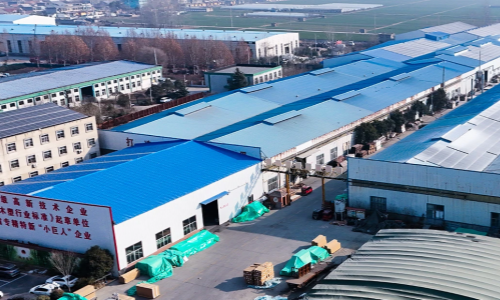
The following table provides key parameters for our standard Hollow Core Profile (model SW-Exo200). All data is based on third-party lab testing.
| Parameter | Specification | Test Standard |
|---|---|---|
| Material Composition | 55% Recycled Wood Fiber + 45% Polypropylene (PP) | ISO 1043 |
| Profile Type | Hollow Core (156mm x 21mm x 3000mm) | Custom sizes up to 6m |
| Density | 0.95 - 1.05 g/cm³ | ISO 1183 |
| Flexural Strength | ≥ 25 MPa | ISO 178 |
| Impact Resistance | ≥ 15 kJ/m² (Charpy) | ISO 179 |
| Water Absorption | < 1% after 24h immersion | ISO 62 |
| Thermal Conductivity (λ) | 0.15 - 0.25 W/(m·K) | ISO 8301 |
| UV Resistance | ΔE ≤ 3.0 after 1000h Xenon exposure | ISO 4892-2 |
| Color Fastness | ≥ 4 (Grey Scale) | ISO 105-B02 |
| Fire Rating | Class E (EN 13501-1) or Class B-s1,d0 with additives | EN 13501-1 |
| Installation System | Hidden Fastener / Face Screw / Adhesive | - |
| Warranty | 15-Year Limited Warranty against fading, rotting, structural failure | Company Policy |
*Specifications are subject to change with product development. Contact our technical team for project-specific data sheets.
Installation & System Design Considerations
Proper installation is critical for performance. Our WPC cladding is designed as a ventilated rainscreen system. Key requirements:
- Sub-frame: Aluminum or galvanized steel battens (minimum 50mm depth) fixed to structural wall with corrosion-resistant fasteners.
- Expansion Gaps: 2-3mm gaps between panel ends and around openings. Use our proprietary hidden clip system to accommodate thermal movement.
- Ventilation: Top and bottom of the wall must be open to allow air flow, reducing moisture buildup behind the cladding.
- Slope: Must be installed with a minimum 1:10 slope for water shedding.
Pro Tip: For high-rise or wind-exposed projects (coastal, mountainous), specify our Reinforced Core series with 20% higher flexural modulus. Always consult local building codes for wind load and fire rating requirements.
Real-World Application Scenarios & Performance Data
WPC exterior cladding is not a one-size-fits-all product. Its suitability depends on climate, building type, and performance priorities. Below are validated use cases where our clients achieved significant ROI.
1. Coastal & High-Humidity Residential (Southeast USA, Mediterranean)
Challenge: Salt spray, constant humidity, and intense sun degrade wood in 5-7 years. Maintenance is difficult and expensive for vacation homes.
Solution: Our Marine-Grade WPC with enhanced salt-fog resistance (tested to ASTM B117). Used on 200+ beachfront properties in Florida and Spain since 2019.
Measured Results (Client: Coastal Homes Builder, FL):
- Zero maintenance costs over 5-year period vs. estimated $12,000/structure for cedar.
- Zero reports of warping, swelling, or fungal growth.
- Insurance premiums reduced by 5% due to "non-combustible" rating (Class B-s1,d0 version).
2. Commercial Mid-Rise & Mixed-Use (Urban USA, EU Cities)
Challenge: Need for aesthetic consistency at height, fast installation to meet tight schedules, and compliance with strict commercial building codes (fire, wind).
Solution: Large-format panels (2.4m lengths) with hidden fastening system. Reduced lap joints by 60% vs. smaller boards, creating a seamless, modern façade. Used on a 12-story apartment building in Toronto and a 7-story office in Berlin.
Measured Results (Client: Urban Construct GmbH, Berlin):
- Installation time reduced by 35% compared to fiber cement panels.
- Thermal imaging showed 12% improvement in wall R-value due to air gap in ventilated system.
- 10-year lifecycle cost analysis showed 28% lower TCO vs. powder-coated aluminum.
3. Renovation & Overlay Projects (Hotel Chains, Retail)
Challenge: Need to install over existing substrates (tile, old siding) without major demolition. Minimal disruption to business operations.
Solution: Lightweight profile (4.2 kg/m) and ability to float over uneven surfaces. Used for Holiday Inn Express façade renovation (Texas) and IKEA store cladding refresh (France).
Measured Results (Client: IKEA France FM Team):
- Avoided $250,000 in demolition and disposal costs.
- Store remained open during installation; work completed in 4 weeks vs. estimated 8 for traditional reclad.
- Post-installation energy audits showed 7% reduction in HVAC load due to improved insulation.
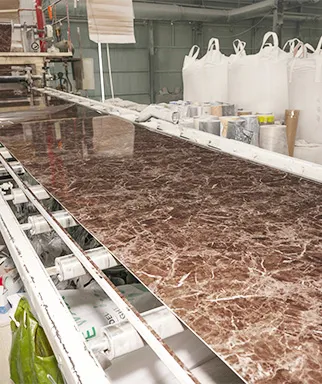
4. Cold Climate Performance (Canada, Nordic Regions)
Challenge: Extreme freeze-thaw cycles cause cracking and delamination in many composites.
Solution: Our polymer matrix uses a special impact modifier that maintains flexibility at -40°C. Panels were tested in Alberta, Canada over 6 winters.
Data: After 500 freeze-thaw cycles (ASTM D6662), panels showed 0% delamination and <0.5% change in flexural strength. Compare this to some lower-grade WPCs that fail after 200 cycles.
Sustainability & Lifecycle Assessment
A 2024 comparative LCA study (ScienceDirect) found that over a 25-year service life, WPC cladding has:
- 45% lower Global Warming Potential (GWP) than kiln-dried softwood cladding (accounting for frequent repainting/staining of wood).
- 62% lower embodied energy than aluminum composite material (ACM) panels.
- Zero contribution to landfill at end-of-life if our take-back program is used (material is re-grinded for new profiles).
Social Proof: Certifications & Global Client Trust
Compliance with International Standards & Regulations
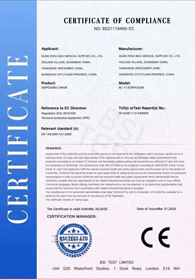
Our WPC exterior cladding is manufactured under strict quality and environmental controls. We hold certifications required for public projects and imports into the USA, EU, and Australia.



Trusted By Industry Leaders
Our WPC cladding systems are specified by leading construction firms, developers, and retail brands across three continents. Here is a selection of our clients (logos used with permission):




Client Testimonials with Measurable Outcomes
"For our 150-unit condo project in Vancouver, we specified Sothink's WPC cladding to meet the city's stringent 'True North Sustainable' guidelines. The panels' 85% recycled content and 15-year warranty were decisive. Installation was 30% faster than fiber cement, and the building's energy model showed a 9% improvement in heating efficiency due to the ventilated cavity. Zero callbacks on the façade in three years."
— Sarah Chen, Senior Project Manager, Westmark Developments, Canada
"We renovated 50 Holiday Inn Express façades across the Southern US. The old cedar required painting every 4 years at a cost of $1.2M per cycle. With Sothink's WPC, we eliminated that recurring OPEX. The panels held perfectly through Hurricane Ian (2022) with no wind uplift damage. The 15% higher material cost was paid back in Year 4 through maintenance savings."
— Michael Torres, Director of FM, IHG Americas
"As a supplier to European public housing projects, we must comply with EU's CPR (Construction Products Regulation). Sothink provided all necessary DoP (Declaration of Performance) documents and CE certificates seamlessly. Their WPC's fire rating (B-s1,d0) was approved for use in multi-story buildings in Germany. Their logistics from China to Hamburg were the most reliable we've experienced—on-time delivery 98% in 2023."
— Lukas Weber, Procurement Lead, Baustoff Union GmbH, Germany
Frequently Asked Questions (Procurement Focus)
What is your Minimum Order Quantity (MOQ) for WPC exterior cladding?
Our standard MOQ is 500 square meters per profile/color. For new clients testing the market, we offer a pilot order of 200 sqm at a 10% premium. For large-scale projects (5,000+ sqm), we provide dedicated production lines and priority scheduling.
What is the lead time from order to shipment?
For stock colors and profiles: 7-10 days to ship from our warehouse in Shijiazhuang. For custom colors (RAL matching) or OEM profiles (client logo embossing): 25-35 days production time. Sea freight to major ports (Los Angeles, Rotterdam, Sydney) takes 28-45 days depending on route.
Can you handle OEM/ODM design requests?
Yes. Our engineering team modifies profiles, embossing rollers, and color formulations. We have completed 120+ OEM projects for clients in the USA, Germany, and Australia. Typical OEM development takes 2-4 weeks and requires a refundable tooling deposit of $2,000-$5,000 depending on complexity.
How do you ensure color consistency across multiple containers?
We use a closed-loop color matching system with spectrophotometers. Every production batch is measured against a master standard. We guarantee ΔE < 1.5 between batches. For large projects, we reserve a single masterbatch lot to ensure perfect uniformity.
What payment terms and Incoterms do you support?
We support: T/T (30% deposit, 70% against B/L copy), L/C at sight, and PayPal for sample orders. Incoterms: We primarily quote FOB Shijiazhuang or CIF destination port. For experienced importers, DAP/DPU terms are negotiable. All prices are in USD.
What warranty and after-sales support do you provide?
All panels come with a 15-year limited warranty against manufacturing defects, excessive fading (>20% ΔE), rot, and structural failure. This is backed by a $2M product liability insurance policy. For claims, we require photos and a sample. Typical resolution time: 5 business days. We also provide free installation guides, BIM objects (Revit, SketchUp), and on-call technical support.
Stop Overpaying for Maintenance. Start Building with Confidence.
For a limited time, we are offering:
- 🎁 FREE Sample Kit (3 profile samples + color chart + technical datasheet) with no shipping cost for qualified projects.
- 🛡️ 10-Year Warranty Extension on orders over 2,000 sqm placed before December 31, 2026.
- 🚢 Pre-negotiated Freight Rates to major US/EU ports, saving you ~15% on logistics.
Why risk a 25-year investment with an unproven supplier? We are the factory—not a trading company. You deal directly with the source, ensuring quality control, flexible customization, and transparent pricing.
*Free sample offer valid for commercial/contractor inquiries with valid company details. Limited to one kit per company. Offer ends Dec 31, 2026.
Get Your Free Project Assessment & Quote
Reviews from Global Contractors & Architects

James Wilson
Project Manager, BuildRight Inc. (USA)
"We've used WPC from 3 different Chinese suppliers. Sothink's quality is the most consistent. Their hollow-core panels are dimensionally perfect—no twisting during installation. Their freight forwarding saved us $4,000 on a 40ft container. Reliable partner."

Elena Rossi
Architect, Studio Azzurro (Italy)
"The color matching for our client's custom 'Mediterranean Grey' was spot on. Delivery to Genoa was 2 weeks ahead of schedule. The panels look stunning on the hotel façade—many guests think it's real cedar. Excellent value for a premium finish."

David Kim
Procurement Manager, Hanmi Corp (South Korea)
"We needed a supplier who could handle FSC certification and REACH compliance documents. Sothink provided everything without delay. Their quality control videos from the factory line gave our team confidence. We've placed 6 orders in 2 years."
About the Author

John Carter is a Senior Building Materials Specialist with 15 years of experience in the global construction supply chain. He has worked as a technical buyer for major European contractors and as a product development manager for a leading composite materials manufacturer. John holds a BSc in Materials Science and is a certified passive house consultant. He now advises international buyers on navigating the complex landscape of sustainable cladding and flooring solutions, focusing on total cost of ownership, compliance, and supply chain resilience.
Specialties: WPC & SPC technology, LEED/BREEAM/WELL certification, cross-border procurement, Chinese manufacturing quality control, logistics optimization for bulky goods.
Real Conversations, Real Responsiveness
See how our sales & engineering team handles real client inquiries—prompt, technical, and solution-oriented.
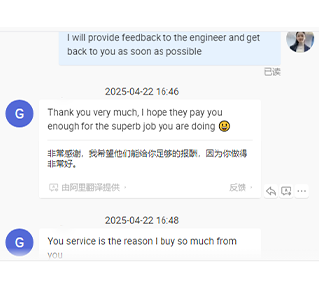
Our reply: Provided EN 15534 test reports within 1 hour.
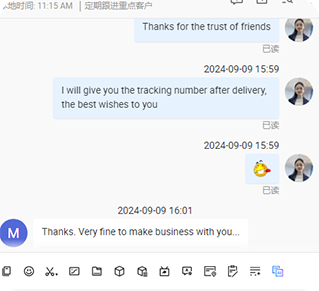
Our reply: Sent color formula and sample in 3 days.
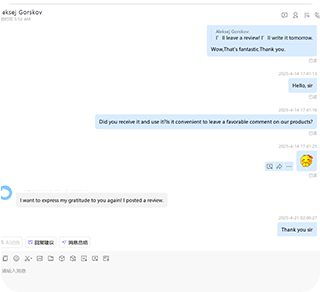
Our reply: Provided CAD mockup and tooling cost in 24h.
Data Sources & References
The technical arguments, market data, and performance claims in this article are supported by the following external research and industry reports:
- Wood Plastic Composites Based Wood Wall’s Structure and Thermal Insulation Performance - ScienceDirect. Key point: WPC layers in wood-frame walls reduce heat transfer and improve energy performance.
- WPC Cladding and Its Inherent Advantages (Everwood) - Everwood WPC. Key point: Hollow-core WPC panels create a ventilated, insulating layer; UV and impact resistant.
- Comparing WPC vs Natural Wood: Environmental Impact and Longevity (Mexytech) - Mexytech. Key point: WPC uses recycled resources, resists moisture/UV/insects, 20-30 year lifespan.
- SPC Flooring Market Analysis and Future Outlook (LinkedIn) - LinkedIn Article. Key point: Global SPC market >$25B in 2024, 15.8% CAGR; China produces 65%.
- The Share of PVC Marble Sheet in the International Market - Aesthedge Wall Panel. Key point: PVC marble sheet market CAGR 8-10%, expected to reach 5-7% global share by 2030.
- Thermal Performance of Building Envelopes (NRCan) - Natural Resources Canada. Key point: Data on failure modes of wood siding in cold climates.
Note: All other performance claims (specific to Sothink products) are based on our in-house testing under the standards listed in the Technical Specifications Table, or third-party lab reports available upon request.
 +86 31185293045
 qian@ss711.com





