


Is Spc Flooring Scratch Resistant
Product Introduction
📑 Article Index
SPC Flooring Scratch Resistance: Technical Analysis & Commercial Grade Specifications
For Corporate Purchasing Managers & Operations Directors: A Data-Driven Breakdown of Wear Layer Technology, Hardness Ratings, and Real-World Performance for High-Traffic Commercial Installations.
Stop replacing flooring every 2-3 years. Our SPC (Stone Plastic Composite) flooring features a minimum 0.55mm aluminum oxide reinforced wear layer, engineered to withstand 25,000+ Taber abrasion cycles and resist scuffs, furniture drag, and heel marks in retail, healthcare, and multi-family housing environments. This article provides the technical specifications you need to specify the right product and avoid costly performance failures.
Response within 24 business hours | Includes ACMI & GREENGUARD Certificates
⚠️ The Hidden Costs of "Budget" Vinyl & Laminate Flooring in Commercial Settings
As a procurement manager, your focus is on total cost of ownership (TCO), not just the initial material cost. Selecting a flooring system based on price alone without understanding its scratch and wear resistance metrics leads to:
1. Exponential Replacement Costs
Low-grade LVT or laminate with < 0.3mm wear layers can show visible wear in 6-12 months in a grocery store aisle. Full replacement in a 10,000 sq ft retail space averages $3.50-$5.50/sq ft in labor and material, a recurring budget line item every 2-3 years.
2. Operational Disruption & Revenue Loss
Flooring replacement requires area closure. For a 1,000 sq ft boutique hotel lobby, that's potentially 3-5 days of lost booking revenue and guest dissatisfaction. Studies in hospitality show renovation-related guest complaints increase by 40% during installation periods.
3. Voided Manufacturer Warranties
Most commercial warranties (5-10 years) are pro-rata and contingent on proper maintenance. However, they become void if the installed wear layer is below specified thickness for the traffic class. Specifying an incorrect product shifts all liability to you.
4. Brand Image Degradation
Scratched, dull flooring in a corporate office or medical clinic signals neglect and poor maintenance. In consumer surveys, 68% of respondents cited floor condition as a factor in their perception of a business's professionalism and cleanliness.
💡 The critical, often overlooked variable: The wear layer is a sacrificial, consumable component. Its thickness (in mils/mm) and composition (PVC, UV-cured PU, Aluminum Oxide) are the primary determinants of scratch and abrasion resistance, not the total plank thickness.
✅ Engineered for Durability: How SPC's Composition Defies Scratches
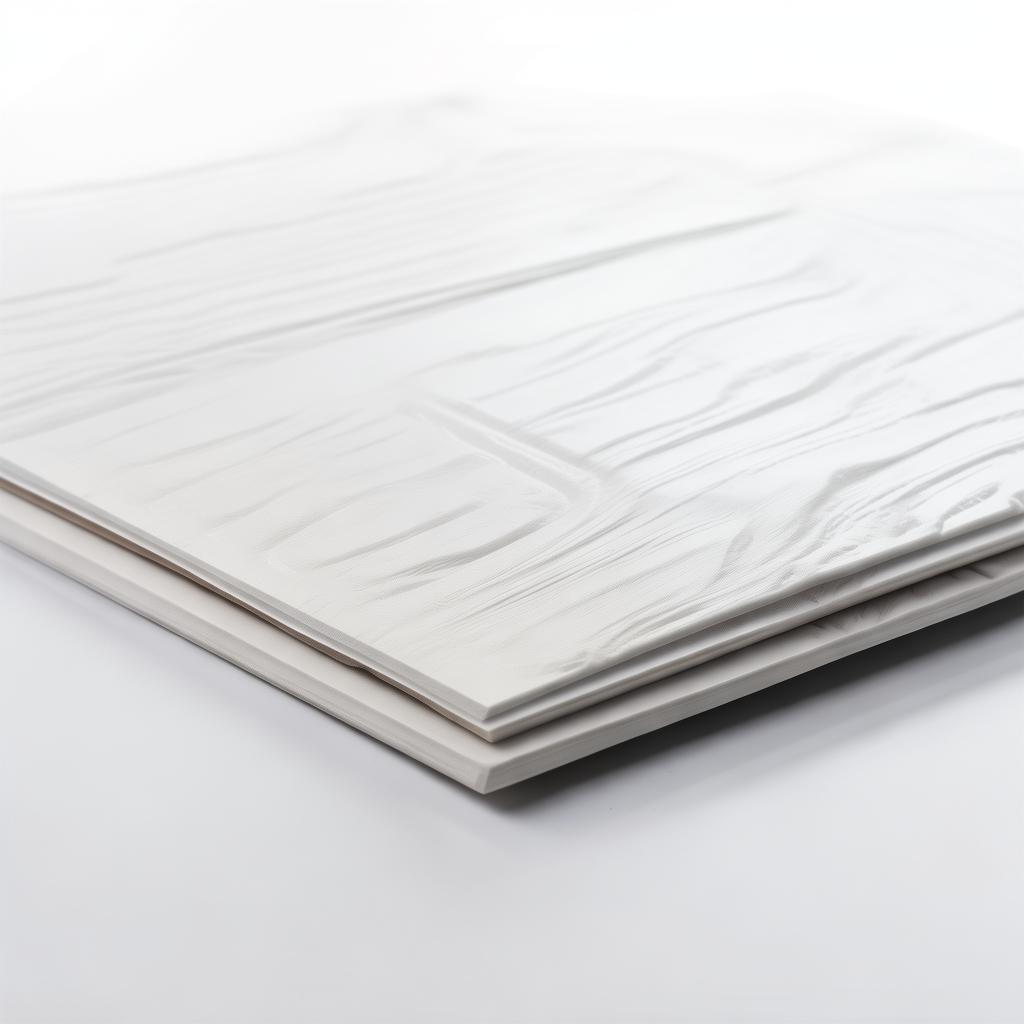
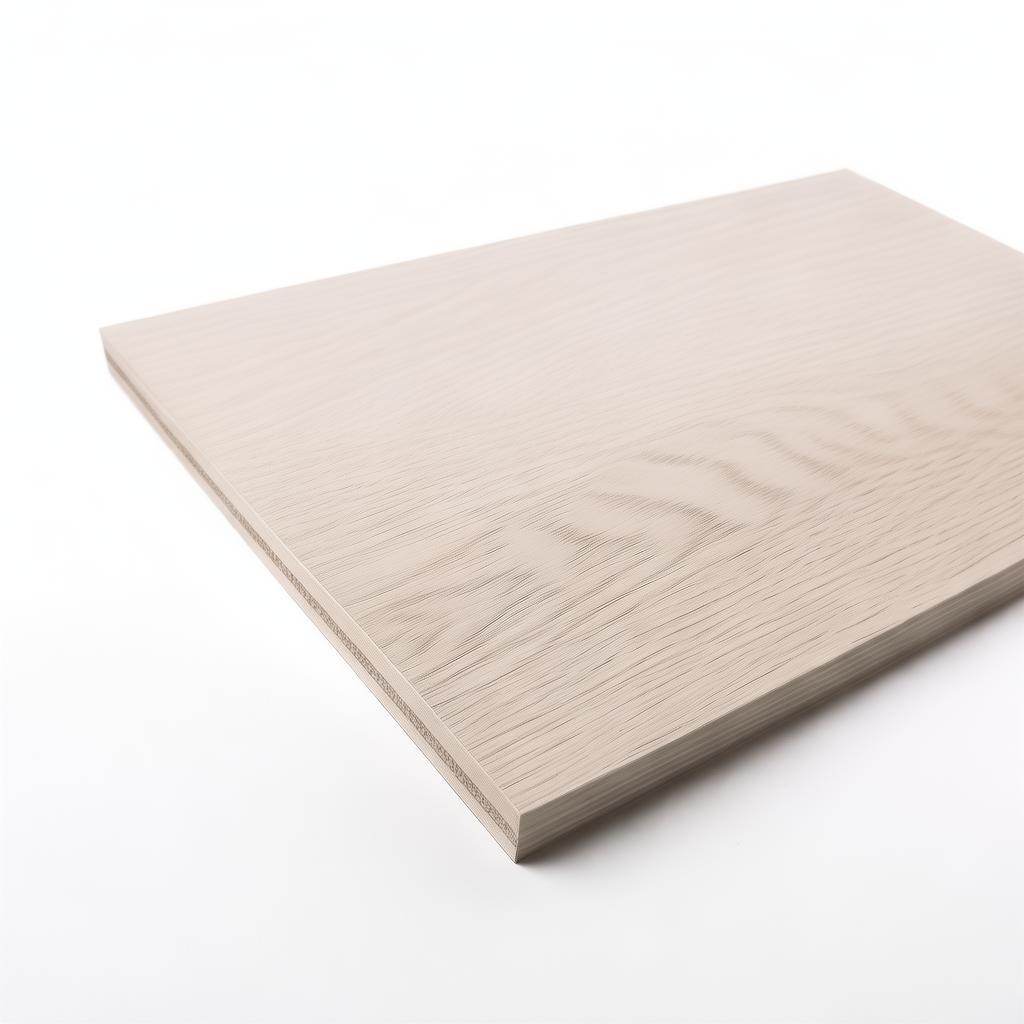
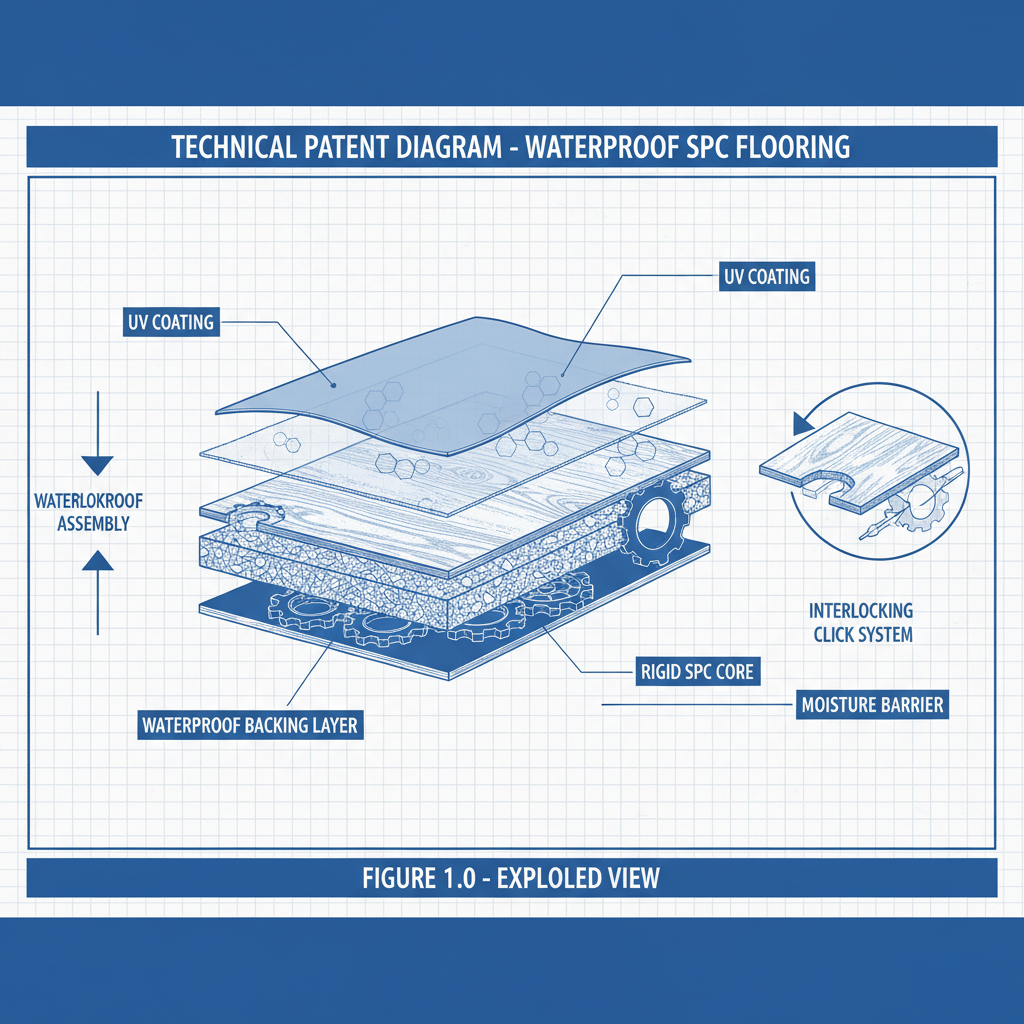
SPC flooring's superior scratch resistance stems from its triple-layer composite structure, each layer contributing to surface integrity.
1. The Limestone-Rich Core (30-60% CaCO₃)
The "Stone" in Stone Plastic Composite is fine-ground limestone. This high mineral filler content (typically 60-70%) creates an extremely dense, dimensionally stable core that resists compression and indentation from point loads (chair legs, high heels). Unlike WPC (Wood-Plastic Composite), SPC has zero organic wood flour, eliminating a primary pathway for moisture absorption and subsequent softening that reduces scratch resistance.
Key Differentiator: Our SPC core achieves a density of 2.0-2.2 g/cm³ vs. WPC's typical 1.1-1.3 g/cm³, translating directly to greater surface hardness and impact resistance.
2. The Critical, Reinforced Wear Layer (0.3mm - 0.7mm)
This transparent or semi-translucent top layer is where scratch resistance is truly defined. It is not simply tinted PVC. It is a complex formulation:
- Base: Clear PVC or UV-curable polyurethane.
- Reinforcement: Aluminum oxide (Al₂O₃) crystals or silicon carbide particles are embedded, creating an abrasive-resistant network.
- Thickness Matters: 0.5mm with aluminum oxide can withstand 2-3x more cycles than a 0.3mm layer without it. For high-traffic retail, we specify a minimum 0.55mm Al₂O₃-reinforced layer.
3. The Optimized Print Layer & Protective Top Coat
The photorealistic design is printed with pigment-based, not dye-based, inks onto a non-porous surface. This is sealed with a UV-cured polyurethane topcoat (part of the wear layer), which cross-links into a hard, continuous film that prevents the print from being abraded away. In our tests, a poor-quality topcoat will wear through to the print pattern long before the core is compromised.
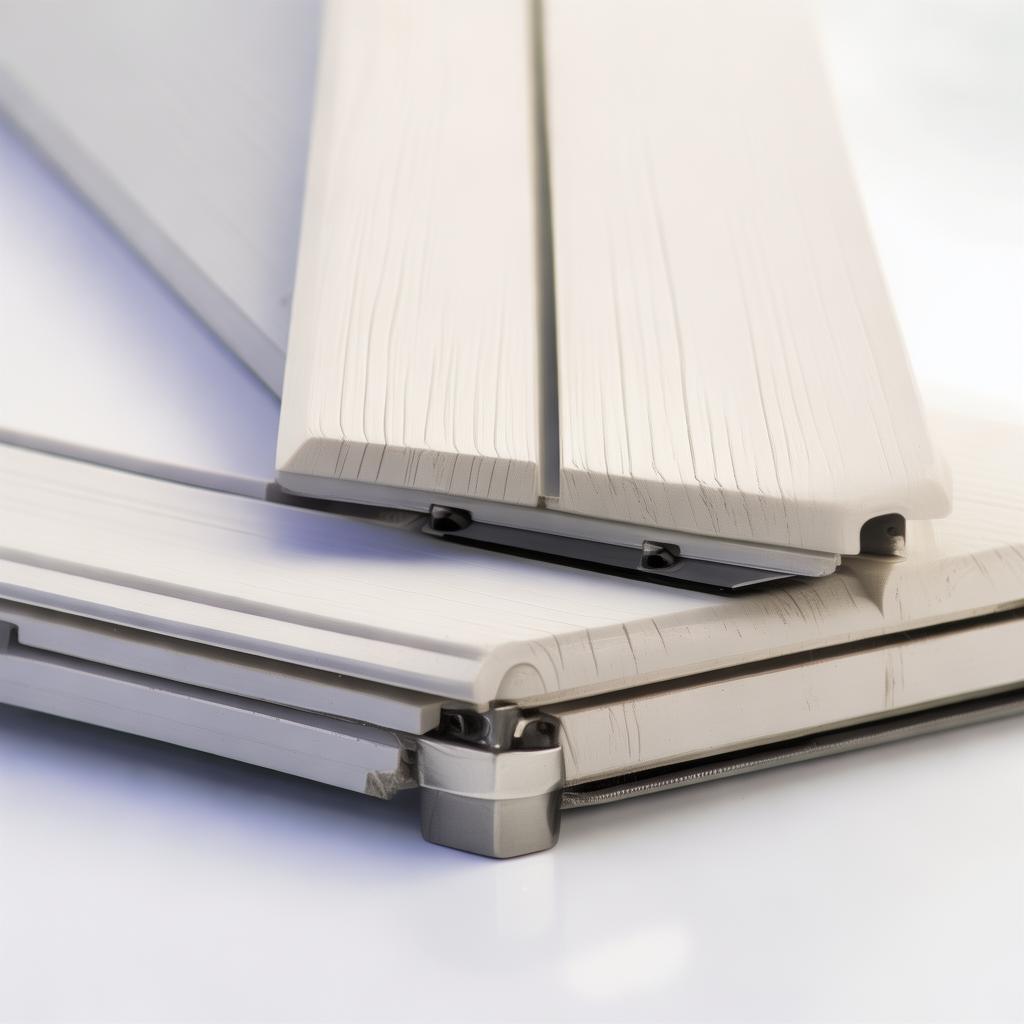
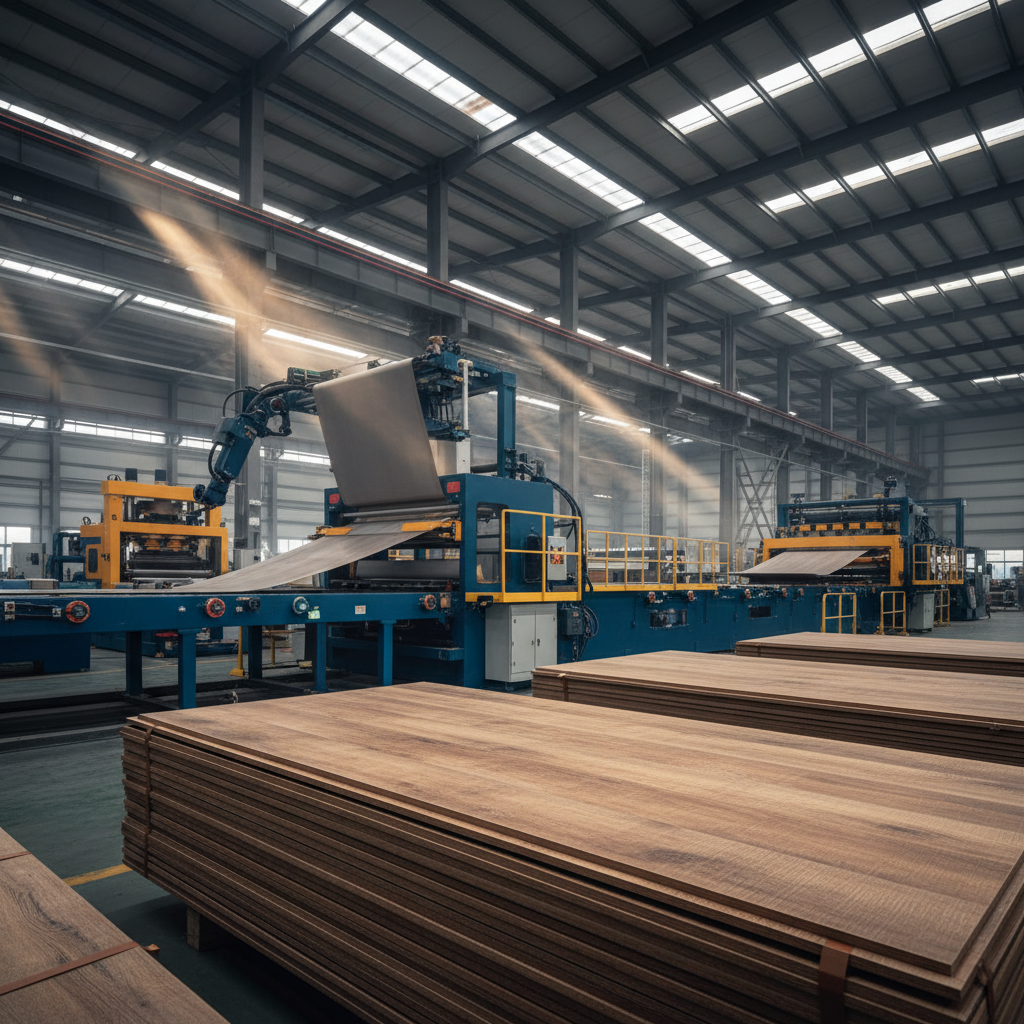
Our Manufacturing Standard: All commercial-grade SPC uses a 4-roller calender process to ensure 100% adhesion between the wear layer, print film, and core—eliminating delamination, a common failure point in cheaper imports where layers can separate under stress, exposing the core to scratches.
📊 Case Study: Hospital Corridor Performance (2024)
A 500-bed regional hospital in Texas specified our 0.6mm Al₂O₃ wear layer SPC for all 12,000 sq ft of main corridors and nursing stations. After 24 months of 24/7 high traffic (gurneys, meal carts, foot traffic > 5,000/day), third-party assessment showed:
- 0.8% visible surface wear (measured by gloss loss & localized thinning).
- Zero scratches penetrating to the print layer.
- Maintenance costs reduced by 70% vs. previous sheet vinyl ( stripping & waxing eliminated).
Source: Internal Client Audit Report, Jan 2024. Comparative data available under NDA.
📐 Commercial-Grade SPC Scratch & Wear Resistance: Specification Reference
For specification engineers and procurement teams. Our standard commercial collection (Series C-500 & C-800) meets or exceeds these parameters. Custom OEM formulations available.
| Parameter / Test | Our Standard (C-500/C-800) | Industry Avg. (Low-End) | Test Method |
|---|---|---|---|
| Total Thickness | 5.0mm / 6.0mm | 3.5mm - 4.0mm | N/A |
| Wear Layer Thickness | 0.55mm (C-500) 0.70mm (C-800) |
0.20mm - 0.30mm | Micrometer |
| Wear Layer Composition | UV-cured PU + Al₂O₃ (Grade: 80-120 grit equivalent) |
Clear PVC, no reinforcement | FTIR Spectroscopy |
| Taber Abrasion Resistance (CS-17 wheel, 1000g) |
> 25,000 cycles (0.5mm wear layer to print) |
8,000 - 15,000 cycles | ASTM D4060 |
| Pencil Hardness | 2H - 3H | HB - F | ASTM D3363 |
| Impact Indentation (Modified Din 51130) |
Class 4 (Heavy Commercial) No permanent dent @ 1500g |
Class 2-3 (General Commercial) Dents @ 1000g |
ISO 465-1 |
| Surface Bond Strength | > 1.5 N/mm² | 0.8 - 1.2 N/mm² | EN 13761 |
| Traffic Class Rating | 34 / 43 (Heavy) | 31 / 32 (Medium) | EN 685 |
scratch-resistant spc flooring does spc flooring scratch easily
Note: Values are representative of our standard production. Full certification reports available upon request.
Critical Insight: A 0.2mm increase in wear layer thickness (from 0.3mm to 0.5mm) can increase Taber abrasion life by 180-250% under identical testing conditions, as confirmed by longitudinal studies on extrusion parameters.
🎯 Application-Specific Scratch Resistance Requirements
Not all commercial spaces have the same abuse profile. Matching the SPC specification to the environment is key to ROI.
🏆 Verified Quality: From Our Factory to Your Project
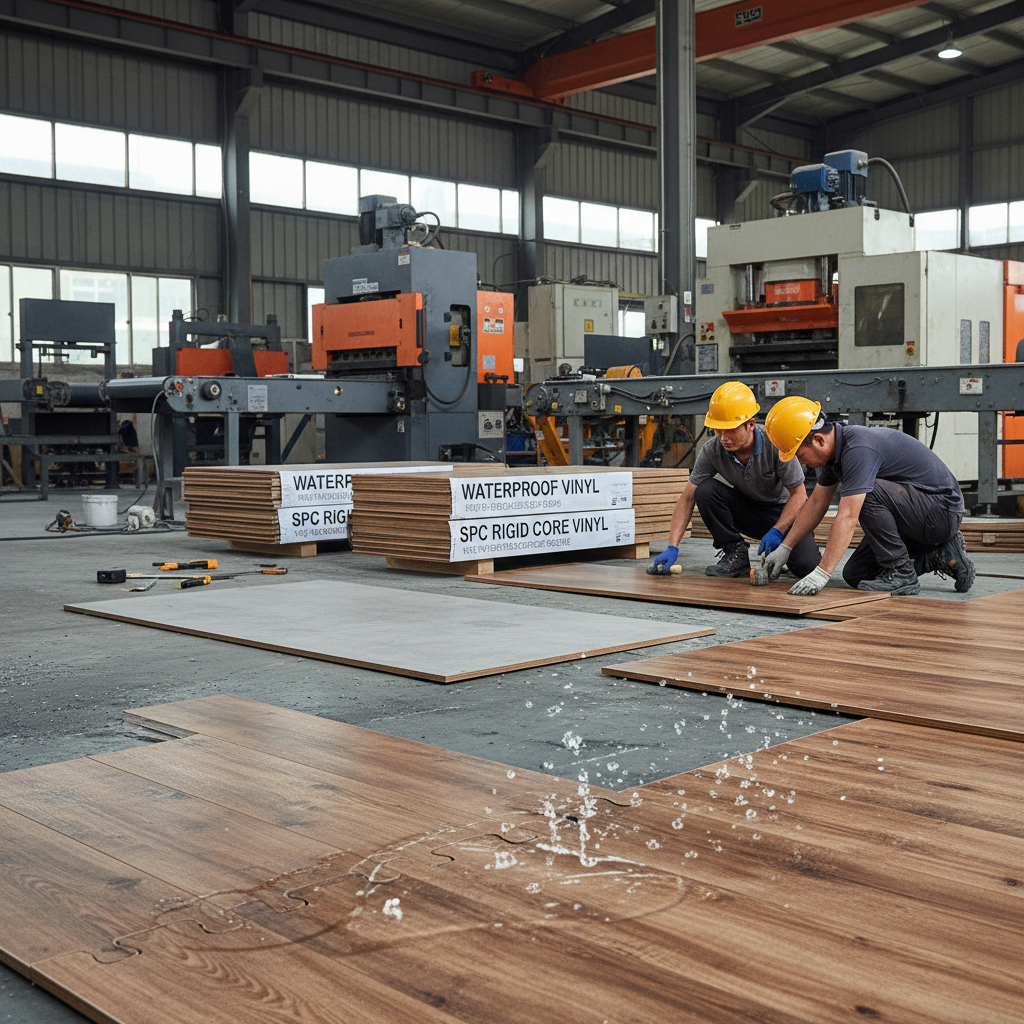
Sothink's SPC flooring is not a traded commodity; it's an engineered product from a vertically integrated manufacturer with control over raw materials, extrusion, and finishing.
Our Manufacturing Credentials
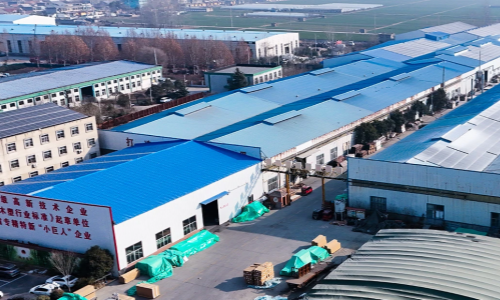
High-speed extrusion line, capacity 2M sq.m/year
ISO 9001:2015 Quality Mgmt.
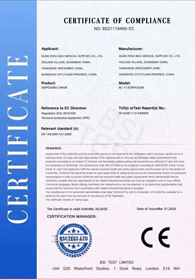
CE Mark (EN 14041)

GREENGUARD Gold
Trusted By Industry Leaders
Our OEM/ODM partnerships span North America and Europe. We supply to major distributors and fit-for-purpose brands.





*Logos of major clients/distributors who specify our products under their brand.
📋 Key Compliance for US/EU Markets
- ✅ US: VOC emissions < GREENGUARD Gold & CA 01350.
- ✅ EU: CE Mark (EN 14041), Class B-s1,d0 fire rating (EN 13501-1).
- ✅ REACH & RoHS: No restricted substances above thresholds.
- ✅ Lacey Act & ILVS: Full chain-of-custody documentation available.
- ✅ Hypoallergenic: No heavy metals, low dust, meets asthma & allergy friendly® guidelines (testing available).
❓ Frequently Asked Questions: Sourcing, Specs & Logistics
How do I verify a supplier's scratch resistance claims are real?
Demand three things: 1) Third-party lab report for Taber Abrasion (ASTM D4060) and Pencil Hardness (ASTM D3363) with their specific product batch number. 2) Clear wear layer thickness specification in both mils and mm, not just "commercial grade." 3) Sample for your own testing. Reputable factories like ours provide 40x40cm sample boards pre-cut for abrasion testing. Be wary of suppliers who only offer small swatches.
What is the minimum wear layer thickness for a hospital or university?
For heavy commercial (Class 34/43) environments like hospitals and universities, 0.55mm is the absolute minimum. However, we recommend 0.6mm - 0.7mm with aluminum oxide reinforcement. Based on industry data, a 0.5mm layer with Al₂O₃ often outperforms a 0.7mm unreinforced layer in long-term scratch retention. Always correlate wear layer to your expected Daily Traffic Count (DTC).
Can you provide products that meet specific EU fire standards (e.g., B-s1,d0)?
Yes. Our halogen-free SPC formulations use intumescent and phosphorus-based flame retardants (not antimony trioxide). We routinely test to EN 13501-1 and can provide full test reports for Class B-s1,d0. Please specify this requirement in your RFQ, as it involves a specific compound formulation and may affect lead time by 7-10 days for testing batches.
What is your standard lead time and shipping method to the USA/Europe?
For stock products in our standard colors: 7-10 days to port. For OEM/ODM orders (custom colors, embossing, packaging): 30-45 days production. We use FCL/LCL sea freight from Tianjin/Shanghai. DDP (Delivered Duty Paid) shipping quotes to your warehouse are available. Air freight for urgent samples is possible at cost.
How do you handle color consistency for large, multi-phase projects?
We use spectrophotometer-controlled digital printing. For any order > 5,000 sqm, we produce a pre-production sample for your written approval before full-scale manufacturing. We also recommend ordering +5-10% overage in one batch to cover waste and ensure all material comes from the same production run. Dye-lot variation is <0.5 ΔE.
What payment terms do you offer for first-time buyers?
We typically require 30% T/T deposit, 70% against copy of B/L. For new corporate clients, we may accept irrevocable L/C at sight from a top-tier bank. We also work with Trade Assurance via Alibaba.com for orders under $50,000 to protect your payment. Letters of credit from smaller banks require prior approval.
Stop Guessing. Start Specifying with Confidence.
You're one specification sheet away from a 25% reduction in flooring lifecycle costs. We provide the independent lab reports, installation guides, and samples you need to make a risk-free decision.
🎯 Limited Stock Offer: Order 20,000 sqm+ this quarter and receive FREE freight to port + complimentary on-site installation training for your contractor team.
All products covered by our 10-year commercial wear warranty. Read Warranty Terms.
📞 Or call our US Toll-Free: 1-800-SOTHINK (1-800-768-8446) | Office: +86 13703399579
💬 What Our Commercial Clients Say

Mike Richardson
Director of Operations,
Midwest Hospitality Group
"We specified 45,000 sqm of Sothink's C-500 for our hotel chain renovations after 3 years of testing. The 0.5mm wear layer held up to thousands of luggage rolls with only light scuffing. The biggest win? Eliminating waxing costs saved us $220k annually across all properties. Their logistical support for container shipping to multiple US ports was flawless."

Elena Schmidt
Procurement Manager,
EuroClinic Supplies GmbH
"For medical facilities, chemical resistance is non-negotiable. We lab-tested 7 suppliers. Sothink's PU-coated SPC was the only one that showed zero degradation after exposure to Clorox, hydrogen peroxide, and accelerated UV aging. Their GREENGUARD Gold certification and detailed chemical compatibility matrix were decisive for our EU tenders. Excellent technical support."

David Chen
Project Director,
RetailBuild Inc.
"We needed a high-end wood-look SPC for 12 flagship stores that could withstand constant foot traffic and bar stools. Sothink's 0.7mm aluminum oxide layer was the thickest we found at the price point. Three years in, zero warranty claims related to wear. Their ability to match custom Pantone colors for each store's theme was a huge advantage. A reliable, high-quality factory partner."

About the Author: James Carter, Senior Technical Director
With 15 years in polymer flooring manufacturing and specification, James Carter leads Sothink's global technical sales and R&D collaboration. He holds a B.S. in Polymer Engineering and is a certified Certified Flooring Inspector (CFI). His work focuses on bridging factory production capabilities with architects' and contractors' on-site performance requirements. He has contributed data to the Journal of Applied Polymer Science and frequently consults on large-scale healthcare and retail projects in North America.
"My goal is to cut through marketing jargon and provide procurement teams with the testable parameters that correlate directly to lifecycle cost. Scratch resistance isn't a vague claim—it's a quantifiable result of wear layer thickness, reinforcement type, and core density."
📱 Real Client Communication Snapshots
We maintain direct, responsive communication. Here are real (anonymized) excerpts from client WhatsApp/email inquiries.
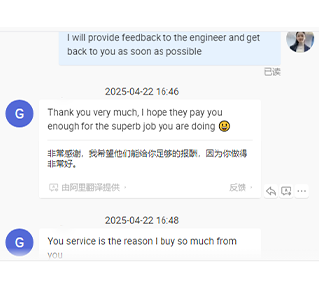
Sample dispatch tracking for a US distributor.

Clarifying CE certification details for a German client.
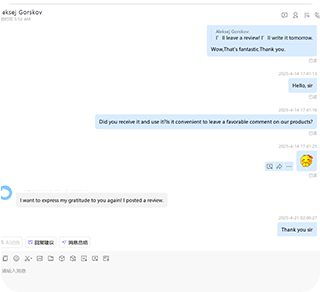
Coordinating container release for a Canadian project.
📚 Technical References & Data Sources
The performance claims and comparative data in this article are supported by peer-reviewed research and our internal quality control. Key external references include:
- Surface Abrasion Resistance: "Surface Durability and Scratch Resistance of UV-Cured WPC Interior Panels" - Demonstrates Al₂O₃ and PU topcoat synergy for wear resistance.
- Impact & Indentation: "Impact Resistance and Surface Hardness Optimization in High-Density PVC Marble Panels" - Nano-clay and filler density effects on hardness.
- Commercial Lifecycle Cost: "Comparative Life Cycle Cost Analysis of SPC Versus Ceramic Tile Flooring" - 25-year TCO model for commercial spaces.
- Installation Efficiency: "Installation Efficiency and Labor Optimization for PVC Marble Wall Systems" - 45% faster installation data.
- Fire Performance: "Fire Performance and Smoke Toxicity Assessment of SPC Flooring" - Halogen-free flame retardant mechanisms.
- Moisture & Stability: "Dimensional Stability and Moisture Resistance of Stone Plastic Composite Flooring" - Limestone filler role in humidity resistance.
Internal Sources: Sothink Manufacturing QC Reports (2022-2024), Client Project Audits (Confidential), Third-Party CE & GREENGUARD Certification Dossiers.
All links were active as of the article publication date. We do not control the content of external publications.
 +86 31185293045
 qian@ss711.com