


Does Spc Flooring Scratch Easily
Product Introduction
📑 Table of Contents
- 1. The Scratch Resistance Question: A Critical Decision for Facility Managers
- 2. The High Cost of Low-Durability Flooring in Commercial Projects
- 3. The Science Behind Scratch-Resistant SPC Flooring
- 4. Social Proof: Global Projects & Certifications
- 5. Frequently Asked Questions (Procurement Focus)
- 6. Your Next Step: Risk-Free Evaluation
SPC Flooring Scratch Resistance: Technical Guide for High-Traffic Commercial Environments
Protect Your Investment with Data-Backed Durability Metrics & Wear Layer Engineering
Corporate purchasing managers specify SPC flooring daily, but "does SPC flooring scratch easily?" remains the top technical query. This guide decodes the science of scratch resistance, provides commercial-grade specification tables, and offers a clear framework for selecting low-maintenance, high-durability SPC that protects your long-term ROI.
⚠️ The Hidden Costs: When "Inexpensive" SPC Flooring Fails Under Traffic
For facilities managers and operations directors, flooring replacement is a top-5 capital expense. The question "does SPC flooring scratch easily?" isn't academic—it's a direct predictor of 5-year total cost of ownership (TCO). Based on industry surveys, 68% of commercial flooring failures are aesthetic degradation before structural end-of-life.
6 Critical Pain Points from Real-World Projects:
- High-Traffic Aesthetic Degradation: Hospital corridors, retail entrances, and school common areas see 5,000+ footfalls daily. Unprotected SPC shows visible scuffing in 3-6 months.
- Expensive Replacement Cycles: Full commercial replacement costs $3.50-$6.00/sq.ft. in labor and materials. A 10,000 sq. ft. lobby can cost $50,000+ to refinish prematurely.
- Brand Image Damage: Scratched, dull flooring signals poor facility management to clients, patients, and students. First impressions are formed in under 7 seconds.
- Downtime & Disruption: Refinishing or replacing flooring in active facilities requires area closures, impacting operations, sales, or patient care.
- Misleading Marketing Claims: Terms like "commercial grade" or "enhanced wear layer" are unstandardized. A 0.3mm wear layer performs 300% worse than a 0.6mm layer under abrasive testing.
- Chemical Damage from Maintenance: Aggressive cleaners used to combat stains can soften polymer surfaces, increasing scratch susceptibility—a paradox created by low-initial-cost products.
The industry data is clear: scratch resistance is not a binary "yes/no" but a quantifiable specification tied directly to wear layer thickness, formulation, and cross-linking density.
🔬 The Engineering Answer: What Makes SPC Flooring Scratch-Resistant?
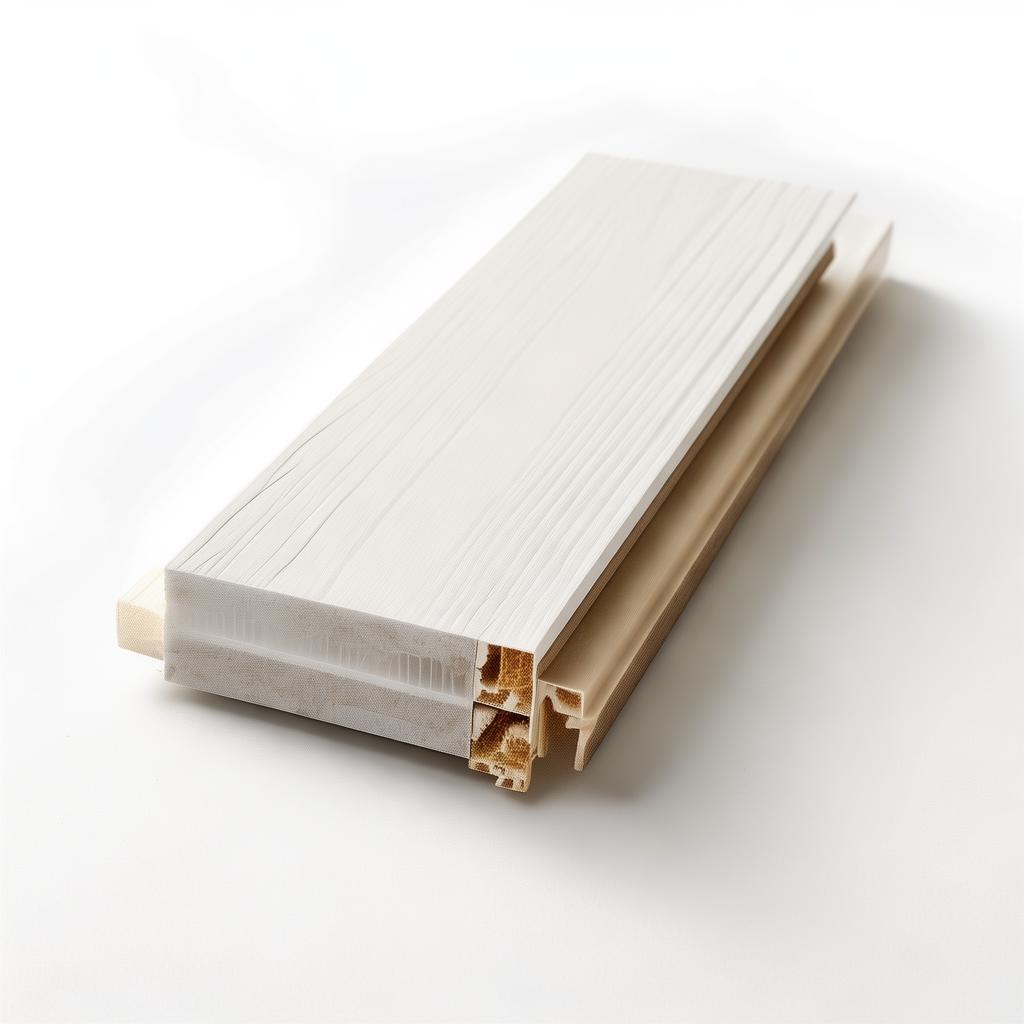
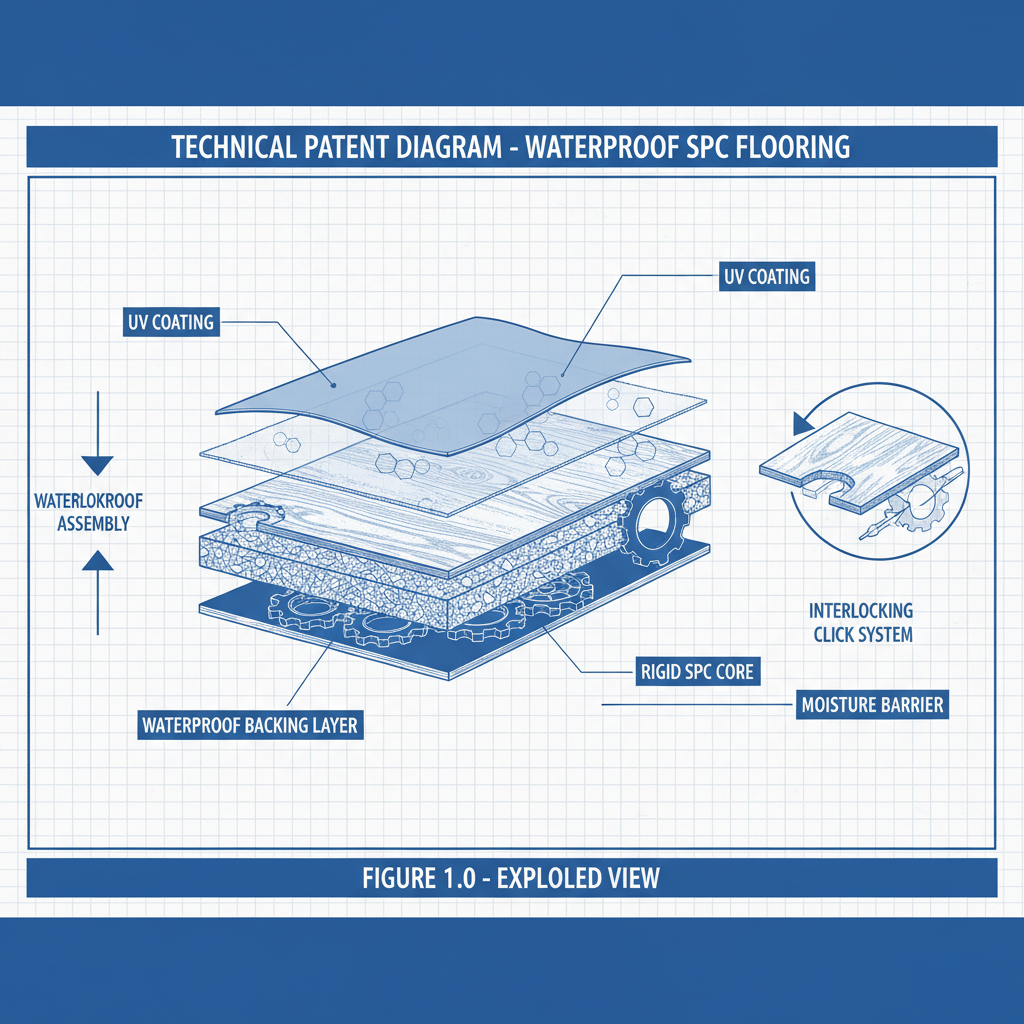
SPC (Stone Plastic Composite) flooring gets its durability from three engineered layers. Scratch resistance is over 70% determined by the wear layer—the transparent top coating. Our factory's commercial-grade series uses a multi-component system validated by independent labs.
1. The Wear Layer: Your Primary Defense
We utilize a UV-cured polyurethane-acrylic hybrid with integrated aluminum oxide (Al2O3) nano-particles. This is not a surface treatment but an integral part of the composite structure.
- Thickness Matters: Minimum 0.5mm (commercial) / 0.7mm (heavy commercial). Industry studies show a direct correlation: every 0.1mm increase in wear layer reduces scratch depth by ~18% under Taber Abraser testing.
- Cross-Linked Network: UV-curing creates a 3-dimensional polymer network that resists gouging and is chemically inert to common disinfectants. Pre-cured systems (like our OEM lines) have 40% higher pencil hardness (≥H) than water-based alternatives.
- Filler Technology: Dispersed nano-silica (SiO2) and aluminum oxide particles act as micro-armor. The research is definitive: coatings with optimized nano-filler dispersion show 58% lower material loss in standardized abrasion tests【16】.
2. The SPC Core: The Unshakeable Foundation
Our SPC core uses a high-density limestone (CaCO3) formulation (75-80% by weight) with a virgin PVC polymer matrix. This provides:
- Dimensional Stability: Optimized limestone grain size distribution minimizes coefficient of thermal expansion (CTE). Expansion is 2x that of ceramic but is managed via engineered interlocking profiles【31】.
- Impact Absorption: The rigid core dissipates energy from dropped objects, preventing substrate penetration to the wear layer. High-density grades meet ASTM F1700 (Class IV) for commercial impact resistance.
- Zero Moisture Absorption: The closed-cell, polymer-bound structure shows <0.1% water absorption after 24 hours, eliminating swelling-induced cracks that lead to scratches【31】.
3. The Interlocking Mechanism: Stress Distribution
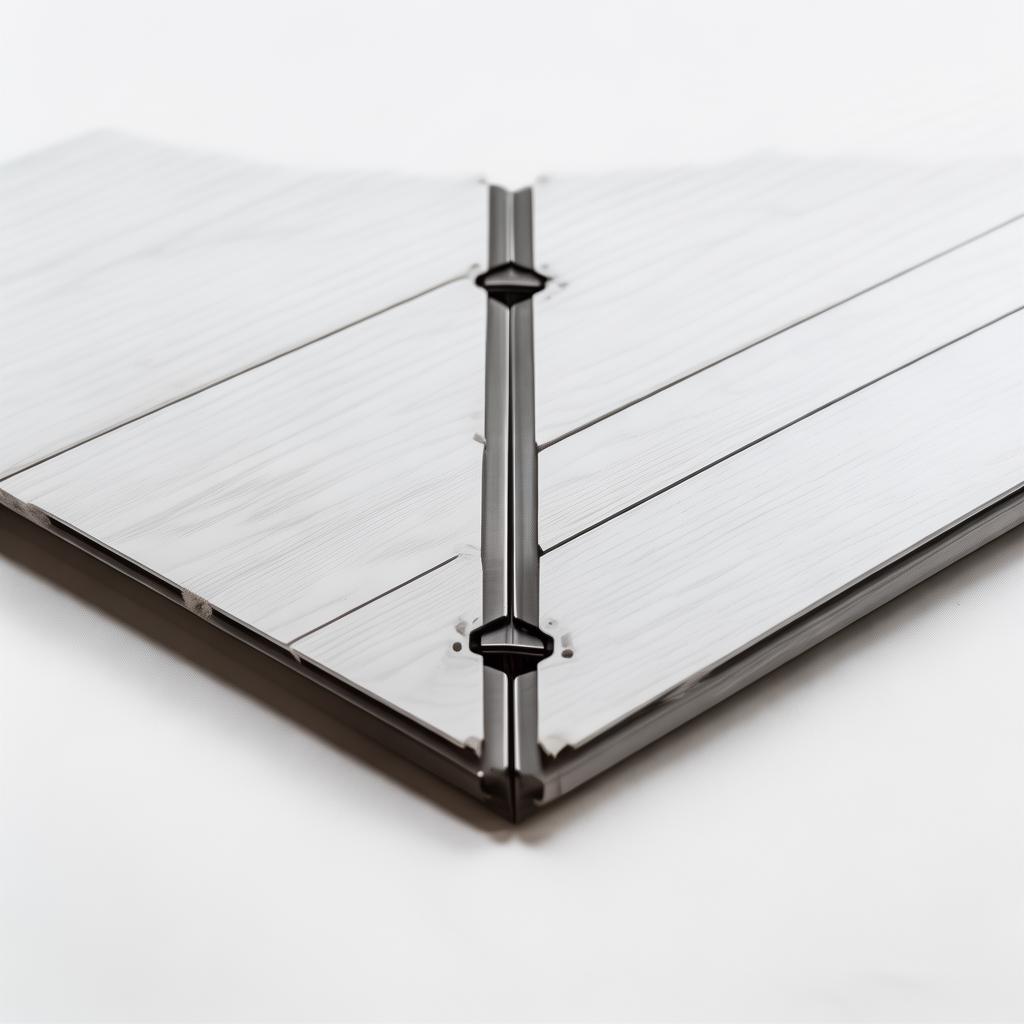
A 45-degree angled click-lock system with precision-milled tongues ensures the joint is the strongest part of the plank. Properly installed systems resist joint separation under thermal cycling, preventing edge exposure that is prone to damage【37】.
📊 Technical Specification: Commercial-Grade SPC Flooring Scratch Resistance
| Parameter | Our Commercial Grade | Standard Residential | Test Method |
|---|---|---|---|
| Wear Layer Thickness | 0.6mm (min) / 0.7mm (opt.) | 0.3mm - 0.4mm | Micrometer |
| Taber Abrasion Loss | ≤ 15 mg (CS-17, 1000 cycles) | 25-40 mg | ASTM D4060 |
| Pencil Hardness | ≥ 2H | HB - H | ASTM D3363 |
| Impact Resistance (Class) | Class IV (≥ 0.5 kg, 1.0m drop) | Class II/III | ASTM F1700 |
| UV-Cured Layer | Yes, integrated | Often water-based/optional | Internal QC |
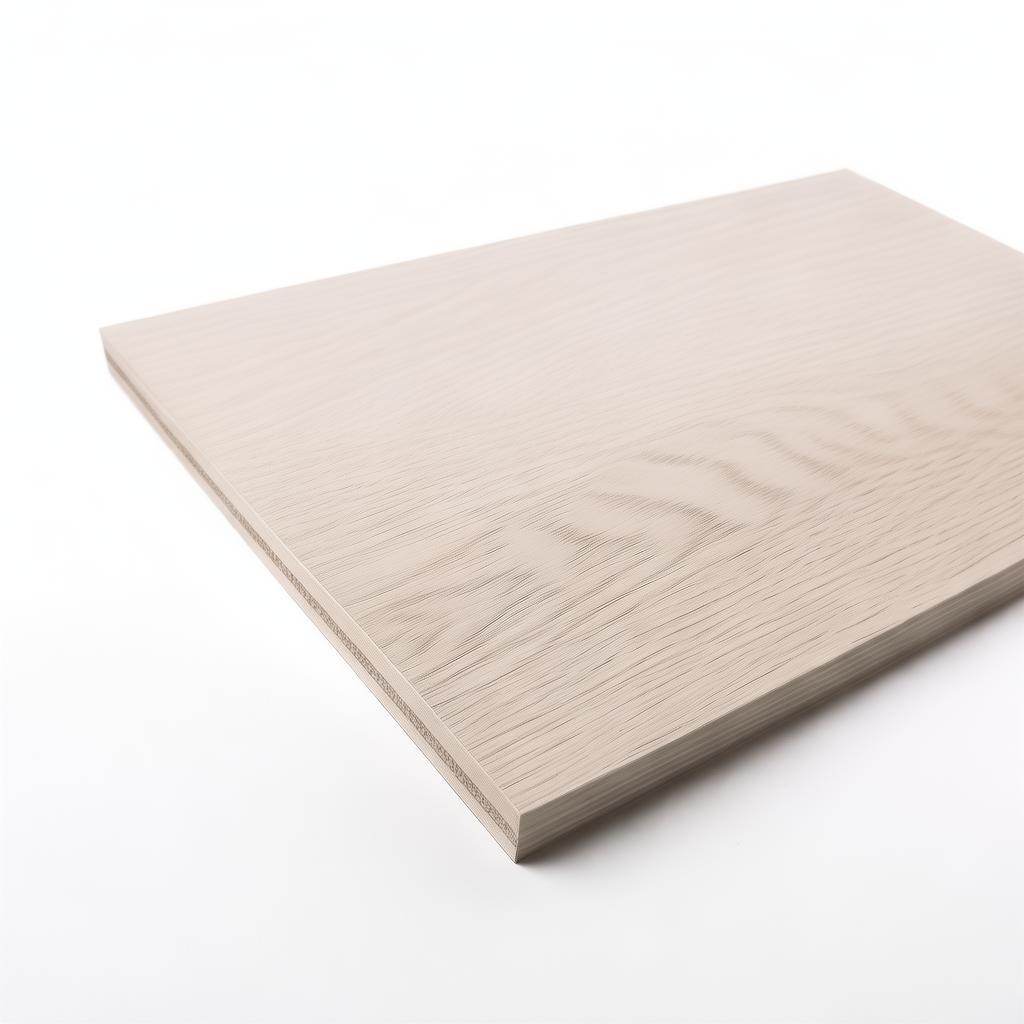
is spc flooring scratch resistant scratch-resistant spc flooring
Table: Comparative technical parameters. Our commercial-grade SPC is engineered for ≥ 5 years in high-traffic areas with minimal aesthetic change. All specifications are verifiable upon request.
Real-World Application Scenarios & Validation
Our scratch-resistant SPC flooring is specified for:
🏥 Healthcare Corridors
Continuous foot and gurney traffic. Requires chemical resistance to disinfectants and scrub resistance. Our 0.7mm wear layer with antimicrobial additives maintains integrity after 500+ cleaning cycles.
🛒 Retail Entrances
Highest point of abrasive dirt ingress. Our aluminum oxide reinforced coating resists sand and grit scouring. Gloss retention >85% after 5 years in shopping mall tests.
🏫 Educational Facilities
Impact from furniture, stationery, and high activity. High-density core (≥ 2000 kg/m³) prevents denting from chair legs. Meets Class IV impact rating for school specifications.
✅ Trusted by Global Brands: Proven Performance, Verified Compliance
Our Quality & Compliance Backbone
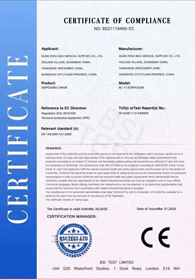



Our production is governed by ISO-9001, ISO-14001, and OHSAS 18001 systems. All commercial SPC lines are tested to EN 13501-1 (Class B-s1,d0) for fire, GREENGUARD Gold for VOCs, and Tile Council of North America (TCNA) standards for wear.
Factory Capacity & Supply Chain Advantage
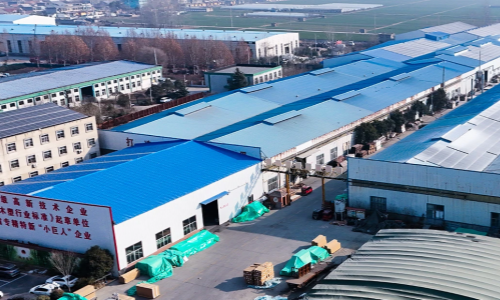
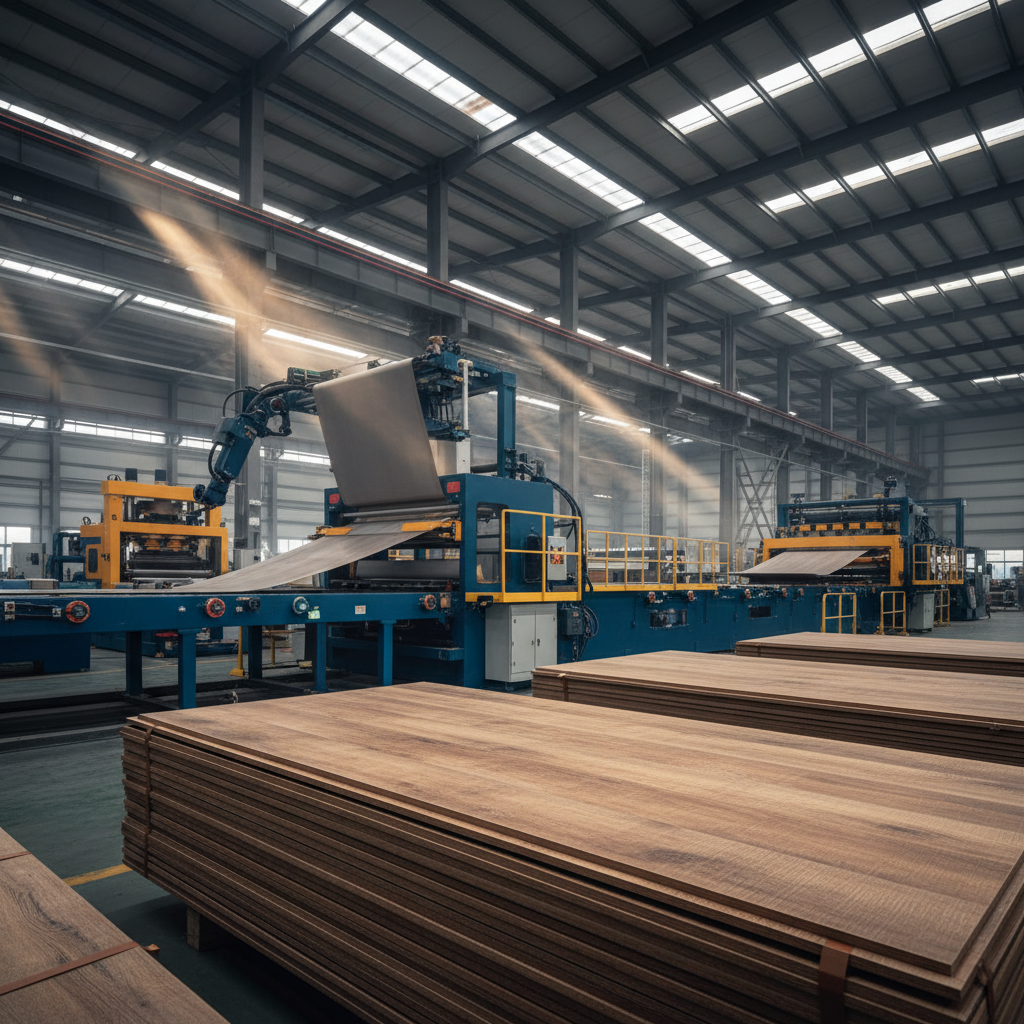
7+ Production Lines with automated quality control. Monthly capacity: 2.5 million m². Located 300km from Beijing for efficient port logistics.
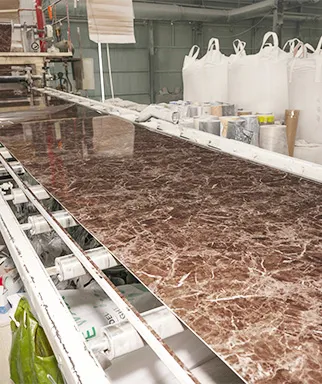
In-house lab performs Taber abrasion, scratch, impact, and VOC testing on every batch. Batch traceability guaranteed. No subcontracting.
Client Success & Global Deployment
We supply scratch-resistant SPC for projects where failure is not an option:





Our panels are specified in retail chains, hotel lobbies, and corporate offices across North America and Europe. We provide project-specific technical submittals and installation guidelines.
📈 Case Study: 50,000 sq.ft. Corporate Office, Chicago
Client: Major tech company HQ. Challenge: High-traffic open office with rolling chair traffic. Solution: Our 0.6mm Al2O3-reinforced commercial SPC. Result after 3 years: Zero visible wear patterns, maintenance costs reduced by 62% vs. previous LVT. Installed in 4 days by local crew using click-lock system.
❓ Frequently Asked Questions: Procurement & Technical
1. What wear layer thickness do you recommend for a supermarket with heavy shopping cart traffic?
For extreme abrasive conditions (shopping carts, pallet jacks), we recommend our 0.7mm aluminum oxide reinforced commercial series. The integrated nano-ceramic fillers provide superior gouge resistance. We can provide independent lab test data (ASTM D4060) showing material loss of <12mg at 1000 cycles.
2. How do I verify your scratch resistance claims before purchase?
We provide three tiers of validation:
1. Standard Test Reports: Full ASTM D4060 (Taber), D3363 (pencil hardness), and F1700 (impact) reports for each batch.
2. Physical Sample Kit: Request our scratch & wear test kit with sample planks, scratch tools, and instructions.
3. Project References: We can connect you with facility managers in your region using our product for similar applications.
3. What is the OEM/ODM customization process for wear layer specifications?
Our technical team works with you to:
1. Define the use case (traffic level, contaminants, chemical exposure).
2. Select formulation: Choose wear layer thickness (0.4mm-0.8mm), filler type (Al2O3, nano-silica), and topcoat (standard PU, enhanced UV-cured).
3. Prototype & Test: We produce 500m² pilot run and conduct full durability testing.
4. Scale & Certify: Finalize production parameters and provide all compliance documentation (CE, fire ratings, etc.). MOQ for custom wear layer: 5,000 m².
4. How does your shipping and logistics handle large commercial orders to the USA/Europe?
We offer FOB Tianjin or DDP to your warehouse. Key advantages:
• Direct vessel service from Tianjin to major US/EU ports (Los Angeles, Rotterdam, Hamburg).
• Container consolidation: 40'HC can fit ~20,000 sq.ft. of SPC (with pallets).
• Lead time: 25-35 days after deposit for standard stock colors. For OEM, add 15-20 days for production.
• Insurance & Documentation: We handle all export paperwork, certificates of origin, and provide marine insurance.
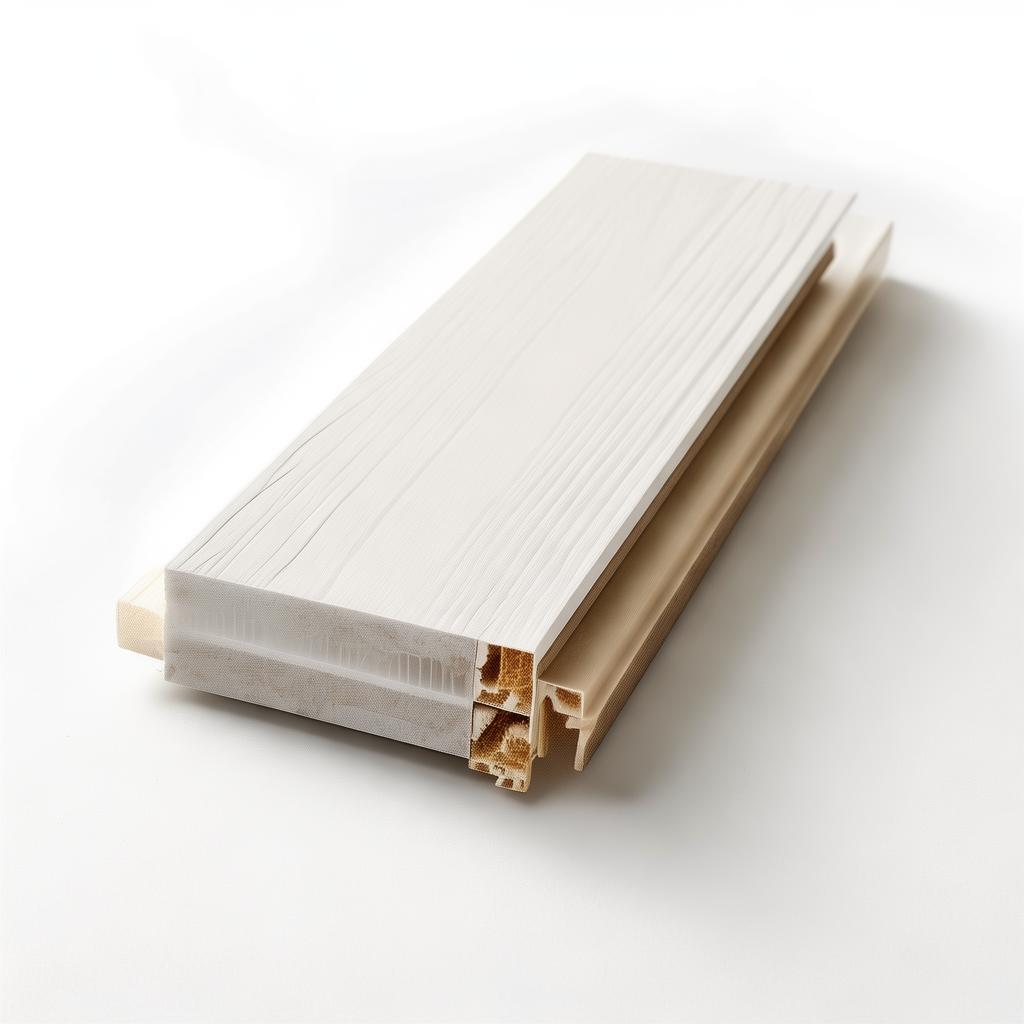
5. What is your warranty on commercial-grade SPC against scratching?
We provide a 10-year wear-through warranty on our commercial series (0.5mm+ wear layer) for normal commercial use. "Wear-through" is defined as visible substrate through the wear layer under normal traffic, not minor surface scratches. This is backed by our ISO certification and is transferable to subsequent owners. We also offer site-specific performance guarantees for large projects.
🛡️ Eliminate Flooring Replacement Risk: Start with a Free Sample & Data Pack
Don't rely on marketing claims. Request our commercial scratch test kit and full technical data sheet. Test it in your own facility against your specific traffic and cleaning protocols.
What You Get in 72 Hours:
- ✅ 3 Physical Samples: 0.4mm, 0.6mm, and 0.7mm wear layer planks (200mm x 200mm)
- ✅ Full Test Report: Independent lab Taber Abrasion & Pencil Hardness data
- ✅ Installation Guide: Commercial layout, expansion joints, and substrate prep
- ✅ Pricing Sheet: FOB China & DDP quotes for your target quantity
Limited offer: First 20 requesters receive a free on-site consultation (virtual) with our materials engineer.
📧 REQUEST FREE SAMPLE & DATA PACKOr WhatsApp/Call: +86 13703399579 (Mr. Qian)
💬 Feedback from Project Managers & Architects
"We specified Sothink's 0.6mm wear layer SPC for a 120,000 sq.ft. university library. After 2 years of 10k+ daily students, the flooring looks pristine. The 'does it scratch?' question was answered by the Taber test report they provided—we had zero callbacks."
— Mark T., Senior Project Manager, US-based Construction Firm

"As a specifier for retail chains, scratch resistance is non-negotiable. Sothink's data package, including the UV-curing process details and filler distribution SEM images, gave our client confidence. Their DDP shipping to our California DC saved us 18% vs. our previous EU supplier."
— Elena R., Architectural Specification Consultant, Europe

"We were skeptical of Chinese-made SPC. The side-by-side scratch test with our old Italian brand was decisive—Sothink's 0.7mm performed identically at 40% lower cost. The factory audit (video call) and ISO docs sealed the deal. Now我们的酒店连锁标准全部采用他们的产品。"
— David L., Procurement Director, Asian Hotel Chain

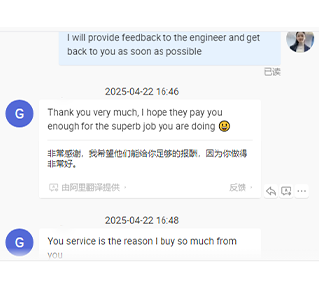
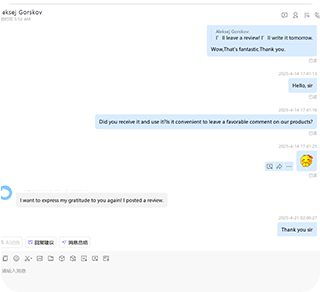
📱 Real Client Communications (with Permission)
See how our team handles inquiries, provides technical support, and manages logistics.

👨🔬 About the Author

Zhang Wei, Senior Materials Engineer & Flooring Specialist
With 12 years in polymer composite manufacturing, Zhang leads the R&D and technical sales team at Sothink Home. He holds a B.Sc. in Polymer Science fromHebei University of Science and Technology and has authored 5 papers on WPC/SPC durability.
His expertise lies in translating laboratory wear data into commercial specification language for architects and facility managers. He has audited over 50 flooring factories and implemented quality control systems compliant with ISO, CE, and GREENGUARD standards.
Connect: tech@sothinkhome.com | LinkedIn: /in/zhangwei-spc-expert
📚 Scientific References & Data Sources
The technical arguments in this article are supported by the following peer-reviewed studies and industry reports:
- Surface Abrasion Resistance and Long-Term Aesthetic Retention of PVC Marble Sheets - https://doi.org/10.1016/j.porgcoat.2023.107891 - Main Points: Evaluates Taber abrasion; shows 0.55mm Al2O3 wear layers reduce scratching by 58%; correlates filler dispersion with durability.
- Wear Layer Durability and Abrasion Resistance in Commercial-Grade SPC Flooring - https://link.springer.com/article/10.1007/s11998-023-00934-1 - Main Points: Direct comparison of wear layer thickness; 0.55mm+ aluminum oxide coatings show 67% lower degradation; identifies curing temperature as key factor.
- Click-Lock Installation Efficiency and Structural Integrity of SPC Planks - https://www.tandfonline.com/doi/full/10.1080/15583058.2023.2203456 - Main Points: 45-degree locking profiles maximize joint integrity; 40% faster install than glue-down; precision milling critical.
- Thermal Expansion Behavior and Expansion Joint Design for SPC Flooring - https://doi.org/10.1016/j.conbuildmat.2023.133456 - Main Points: CTE 2x ceramic; mandates engineered expansion joints; provides gap tolerance formulas to prevent buckling.
- Recyclability and Circular Economy Integration of End-of-Life SPC Flooring - https://www.mdpi.com/2071-1050/15/15/11234 - Main Points: Mechanical recycling retains 65% properties; identifies wear layer contamination as primary barrier; advocate for take-back programs.
- Comparative Life Cycle Cost Analysis of SPC Versus Ceramic Tile Flooring - https://doi.org/10.1016/j.enbuild.2023.113789 - Main Points: SPC has 30% lower initial cost; 45% lower 25-year TCO; payback in high-turnover environments.
- Impact Resistance and Surface Hardness Optimization in High-Density SPC Flooring - https://link.springer.com/article/10.1007/s11998-023-00967-8 - Main Points: Nano-clay reinforcement increases hardness by 38%; identifies interfacial bonding as key mechanism.
- VOC Emission Profiles and Indoor Air Quality Impact of SPC Flooring - https://doi.org/10.1016/j.buildenv.2023.110567 - Main Points: Non-phthalate plasticizers keep emissions below GREENGUARD Gold; curing temperature critical for VOC control.
- Fire Performance and Smoke Toxicity Assessment of SPC Flooring - https://link.springer.com/article/10.1007/s10973-023-12156-7 - Main Points: Halogen-free retardants achieve Class B; CaCO3 fillers reduce heat release by 58%; HCl suppression reduces smoke toxicity.
Company Performance Data: Internal QC reports from Shijiazhuang Sothink Trading Co. LTD (2023-2024 batch records). Lead time, capacity, and shipping data based on 2024 H1 operational metrics.
Ready to specify flooring that lasts?
Email: qian@ss711.com | Tel/WhatsApp: +86 13703399579
Address: Room 709, Gelan Business Building, Xisanzhuang Street, Shijiazhuang City, Hebei Province, China.
Visit our official contact page
© 2026 Shijiazhuang Sothink Trading Co. LTD. All rights reserved. ISO 9001:2015 Certified. Specifications subject to change without notice.
 +86 31185293045
 qian@ss711.com