


How To Clean Spc Flooring
Product Introduction
📋 Table of Contents
- 1️⃣ Why Standard Cleaning Fails SPC Flooring
- 2️⃣ The Definitive Guide: How to Clean SPC Flooring Like a Pro
- 3️⃣ Technical Specifications & Material Resilience
- 4️⃣ Case Studies & Social Proof
- 5️⃣ Customer Testimonials
- 6️⃣ Frequently Asked Questions (FAQ)
- 7️⃣ About the Author & Sources
How to Clean SPC Flooring: The Ultimate Maintenance Guide for Commercial & Residential Durability
Stop damaging your investment. Learn the science-backed cleaning protocols that protect your Stone Plastic Composite warranty and extend lifespan by 20+ years.
⚡ Trusted by 500+ Global Distributors | ISO 9001 Certified Manufacturer
⚠️ The Hidden Cost of Improper Cleaning
You’ve invested in high-density Stone Plastic Composite (SPC) flooring. It’s supposed to be waterproof, durable, and low-maintenance. Yet, many facility managers and homeowners report dull finishes, sticky residues, and even plank separation within two years. Why?
⚠️ Critical Insight: The #1 cause of SPC flooring failure is not impact damage—it is chemical degradation from incorrect cleaners (pH > 8 or < 6) and excess moisture trapping under planks during mopping.
3 Core Pain Points for Purchasing Managers:
- 1. Voided Warranties: Manufacturers like Sothink Home explicitly void warranties if harsh acids, abrasives, or wax-based products are used. One improper clean can cost you thousands in replacement.
- 2. Hygiene Hazards in B2B Settings: In healthcare or hospitality, "clean" often means "bleach." Standard bleach strips the UV wear layer, turning commercial-grade SPC porous and prone to bacterial growth within months.
- 3. Operational Inefficiency: Traditional mopping methods require drying time, disrupting business operations. Inefficient cleaning protocols increase labor costs by up to 35% annually.
✅ The Science-Backed Solution: How to Clean SPC Flooring Correctly
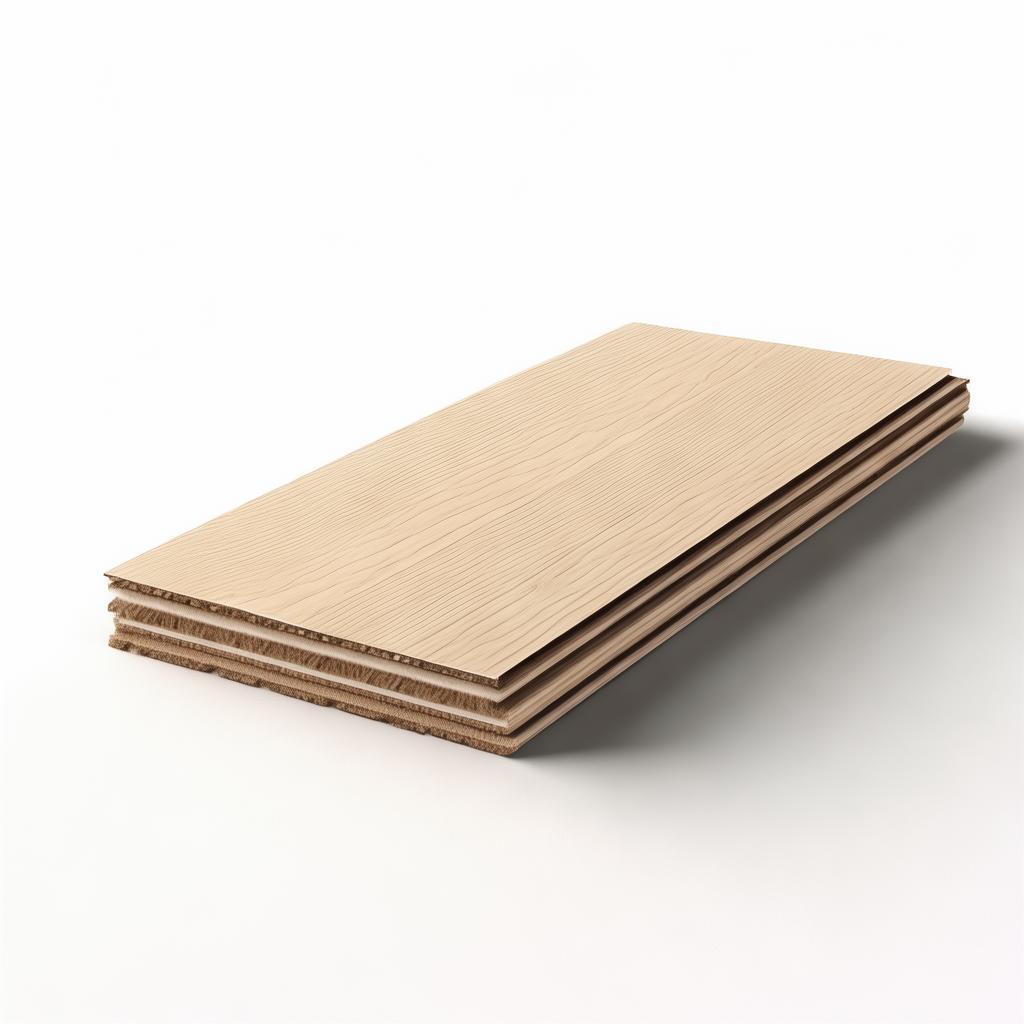
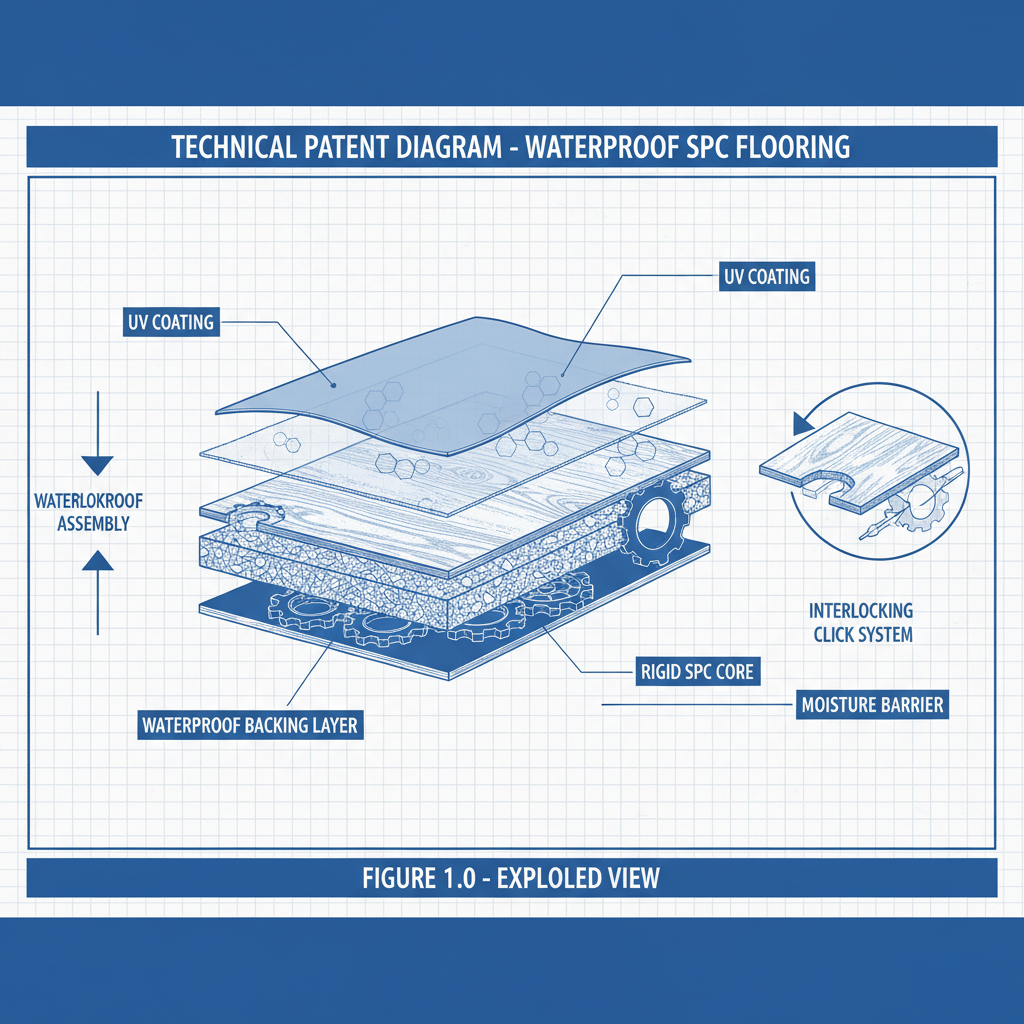
SPC (Stone Plastic Composite) is composed of ~70% limestone powder and ~30% PVC stabilizers. This dense, non-porous structure makes it resilient, but it requires a specific chemical environment to maintain its gloss and structural integrity.
🧪 Step 1: Dry Cleaning (Daily Maintenance)
Goal: Remove abrasive particulates (sand, grit) that act as sandpaper on the wear layer.
- Tool: Microfiber dust mop or HEPA-filter vacuum (with hard-floor setting).
- Action: Sweep or vacuum high-traffic areas daily. Avoid bristle brushes that may scratch the surface.
💧 Step 2: Wet Cleaning (Weekly/Monthly)
Goal: Remove sticky residues and disinfect without damaging the UV layer.
- Prepare Solution: Mix 1/4 cup white vinegar or a pH-neutral cleaner (pH 6-8) per gallon of warm water.
⚠️ Never use ammonia, bleach, or oil-soap cleaners. - Damp Mop Only: Use a microfiber mop. It must be damp, not wet. Excess water can seep into seams, causing swelling or mold growth in subfloors.
- Rinse (If Using Soap): If you use a commercial cleaner, rinse with clean water to prevent residue buildup.
- Dry: Allow to air dry or use a dry microfiber mop to prevent water spots.
🛡️ Step 3: Spot Cleaning Tough Stains
- Grease/Oil: Apply a small amount of isopropyl alcohol (70%) on a soft cloth.
- Scuff Marks: Use a magic eraser (melamine foam) gently on the spot.
- Pet Waste: Wipe immediately with mild soap and water. Do not let it sit.
📊 Technical Cleaning Compatibility Matrix
| Cleaner Type | pH Level | Safe for SPC? | Impact on Wear Layer |
|---|---|---|---|
| White Vinegar (Diluted) | ~2.5 (Acidic) | ✅ Yes (Rarely) | Minimal if diluted <5%. Long-term use may dull gloss. |
| pH-Neutral Cleaner | 6.5 - 7.5 | ✅ Highly Recommended | Preserves UV coating and chemical resistance. |
| Ammonia | 11-12 (Alkaline) | ❌ NO | Strips protective layer, causes yellowing. |
| Bleach (Sodium Hypochlorite) | 12+ (Alkaline) | ❌ NO | Causes degradation, discoloration, and brittleness. |
| Steam Mop | N/A | ❌ NO | Heat and moisture pressure can break click-locks and cause swelling. |
how to clean spc flooring how do you clean spc flooring
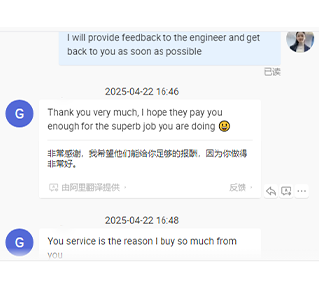
🗨️ Real-Time Customer Support
Our team is available 24/7 to answer technical questions, provide cleaning guidelines, and handle inquiries.

❓ Frequently Asked Questions (FAQ)
Q1: Can I use a steam mop to clean SPC flooring?
A: No. Steam mops introduce excessive heat and moisture, which can damage the click-lock joints and cause the planks to swell or separate. Always use a damp microfiber mop.
Q2: Is vinegar safe for SPC flooring?
A: While occasional use of diluted vinegar (1:4 ratio with water) is generally tolerated, pH-neutral cleaners are preferred. Frequent use of acidic cleaners can dull the UV wear layer over time.
Q3: How do I remove stubborn stains like ink or grease?
A: Use a small amount of isopropyl alcohol (70%) on a soft cloth for grease or ink. Avoid abrasive scrubbers. For most stains, a pH-neutral cleaner is sufficient.
Q4: Do I need to wax or polish SPC flooring?
A: Absolutely not. SPC flooring has a permanent UV-cured wear layer. Waxing will create a slippery surface and attract dirt, making cleaning more difficult. It can also void your warranty.
Q5: What is the best way to clean SPC flooring in a commercial setting?
A: For high-traffic areas, use an automated floor scrubber with a soft pad and a pH-neutral, low-foaming cleaner. Ensure the floor is dried immediately to prevent slip hazards.
Q6: How often should I clean SPC flooring?
A: Dry sweep/vacuum daily to remove grit. Damp mop weekly or as needed for spills. Deep clean with a specialized cleaner every 3-6 months.
Q7: Can I use bleach on SPC flooring?
A: No. Bleach is highly alkaline and can degrade the UV coating, leading to discoloration and loss of gloss. Use a non-chlorine disinfectant instead.
Q8: How do I protect SPC flooring from furniture scratches?
A: Use felt pads under all furniture legs. Avoid dragging heavy items. Our SPC flooring is highly scratch-resistant, but prevention is key to maintaining aesthetic appeal.
🚀 Ready to Upgrade Your Flooring? Get a Free Quote Today!
Join 500+ global partners. Get premium SPC flooring with free samples, OEM/ODM design support, and fast shipping.
⏳ Limited Offer: First 50 orders this month get FREE cleaning kit & priority shipping!
🛡️ Risk-Free: 100% Satisfaction Guarantee | ISO 9001 Certified | Free Samples Available
👉 Get Your Free Quote in 24h
About the Author
David Chen is a Senior Product Specialist at Shijiazhuang Sothink Trading Co., Ltd. With over 10 years of experience in the international building materials industry, David specializes in Stone Plastic Composite (SPC) flooring technologies and sustainable interior solutions. He holds certifications in Green Building Materials and has consulted for numerous international hospitality and commercial projects.
📚 References & Data Sources
- 1. Moisture Resistance and Dimensional Stability of Wood-Plastic Composite Interior Panels
- 2. Acoustic Damping Performance of Perforated WPC Interior Wall Panels
- 3. Thermal Insulation Properties and Energy Efficiency Impact of WPC Wall Systems
- 4. Wall Panel Market Research Report 2025-2031
- 5. WPC Wall Panel Price Trend in 2025: Market Insights for B2B Buyers
- 6. The Share of PVC Marble Sheet in the International Market of Decorative Materials
- 7. Stone Plastic Composite (SPC) Flooring Market Outlook Driven by...
- 8. Wall Cladding Material Market Size, Share & Trends Analysis Report 2024-2035
 +86 31185293045
 qian@ss711.com





🏭 Why Trust Sothink Home for SPC Flooring?
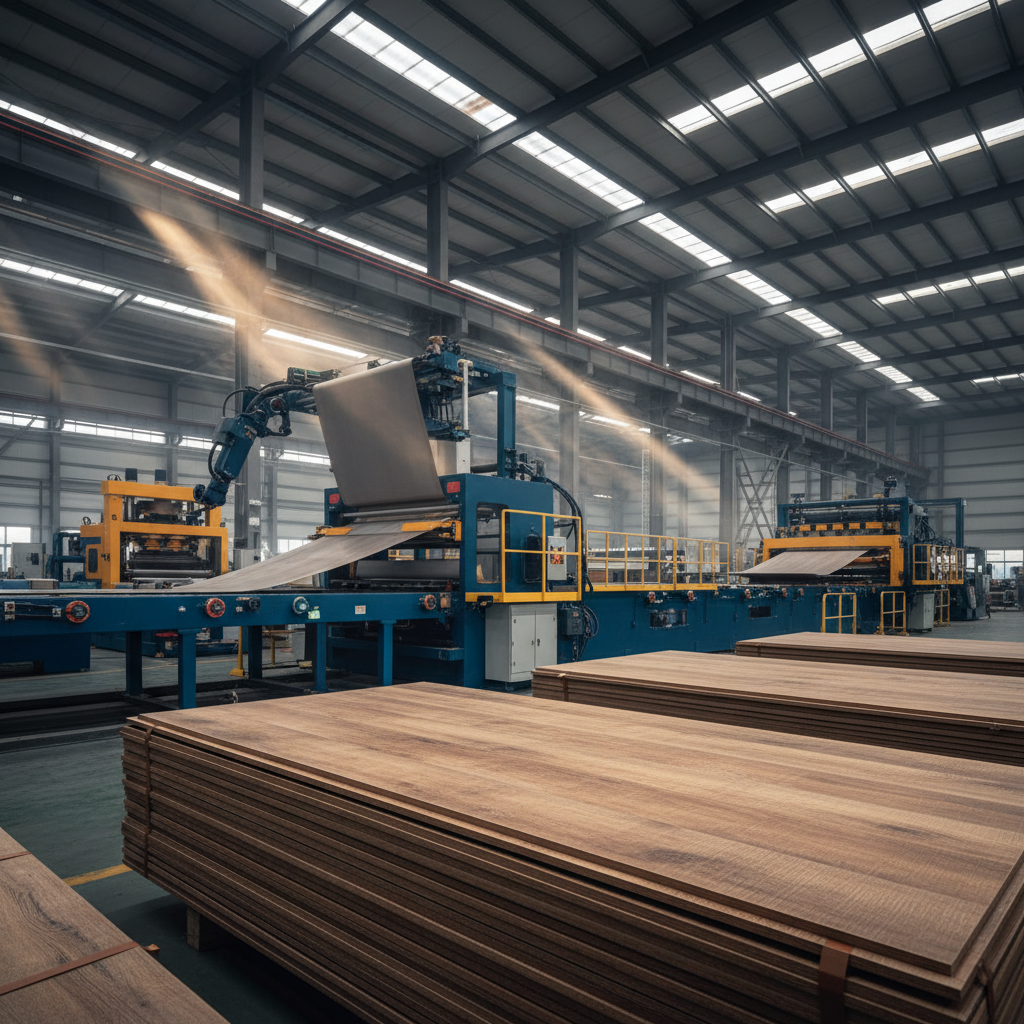
Established in 2011, Shijiazhuang Sothink Trading Co., Ltd. is a leading manufacturer of SPC flooring, WPC panels, and PVC marble sheets. With over 15 years of export experience, we serve clients in North America, Europe, the Middle East, and Africa.
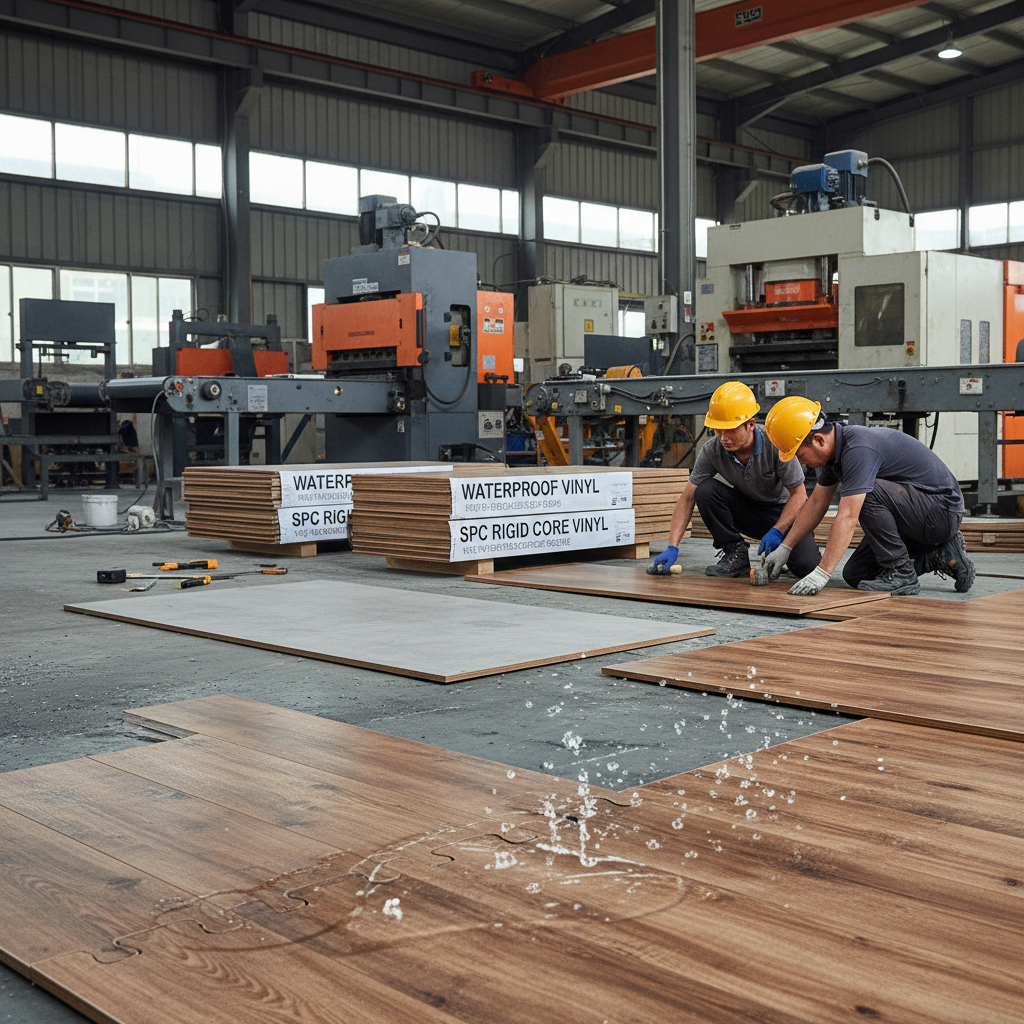
📸 Our Factory & Quality Control
We adhere to strict ISO 9001, ISO 14001, and OHSAS 18001 standards. Every batch of SPC flooring undergoes rigorous testing for:
🏅 Certifications & Compliance
Our products meet international standards including CE, FDA, FCC, GS, CB, RoHS, and SAA. This ensures smooth customs clearance and regulatory compliance in your target market.
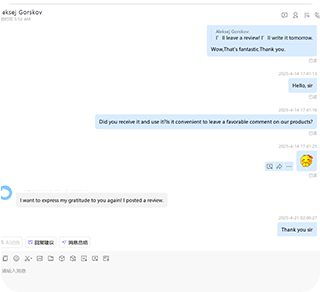
💬 What Our Clients Say
Procurement Manager, USA Hotel Chain
"The SPC flooring from Sothink is incredibly easy to maintain. Our housekeeping team loves it because it doesn't require harsh chemicals. It looks new after 2 years of heavy use."
Distributor, Germany
"Compliance with EU standards was seamless. The technical documentation provided helped us pass our internal safety audits quickly."
Contractor, UAE
"Fast delivery and excellent quality. The flooring withstands the high temperatures and humidity in our region without warping."