


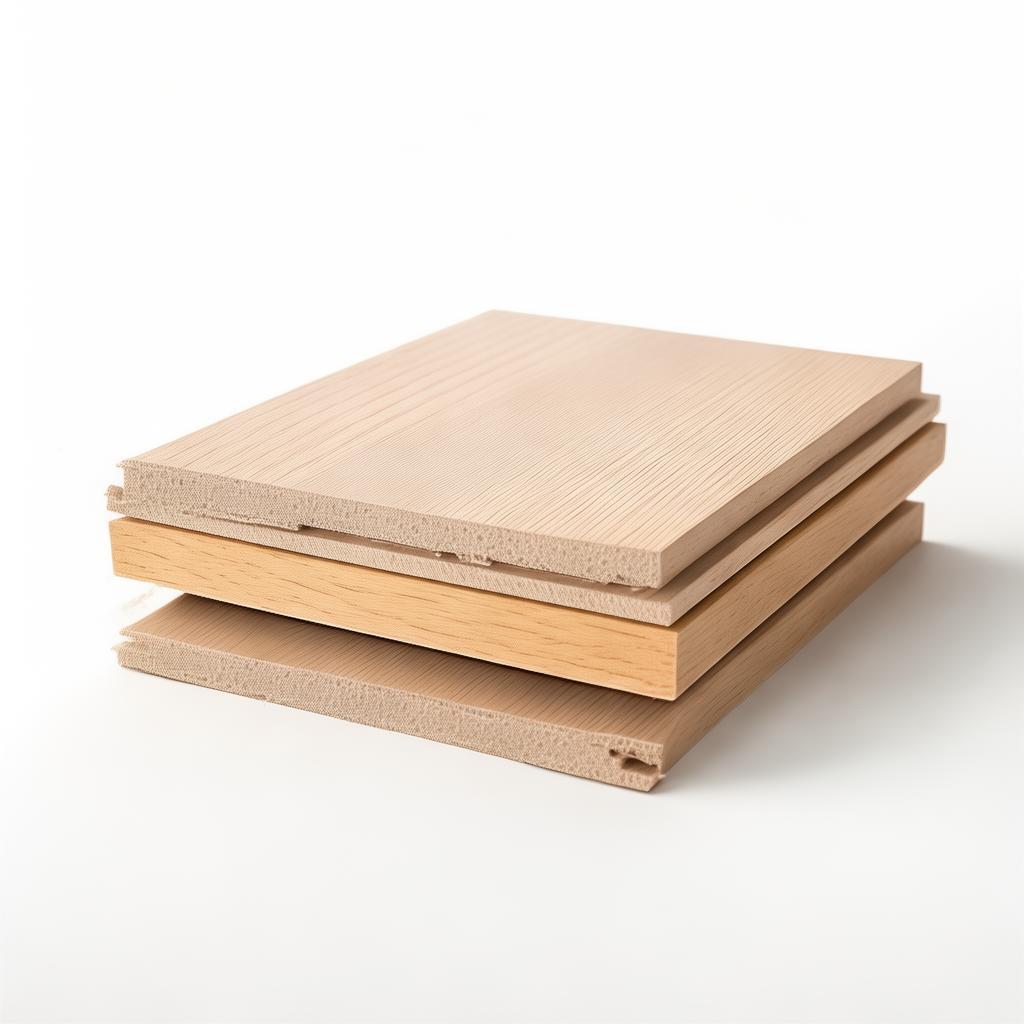
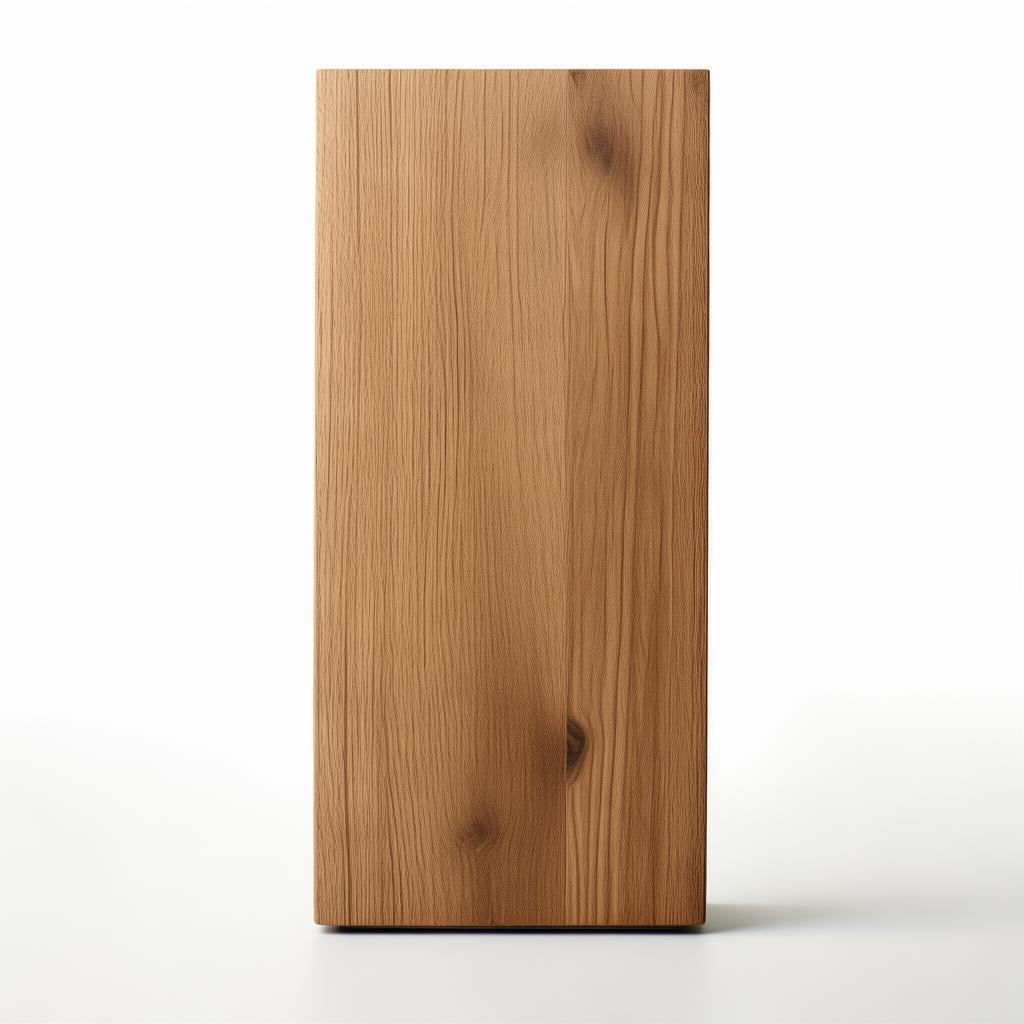
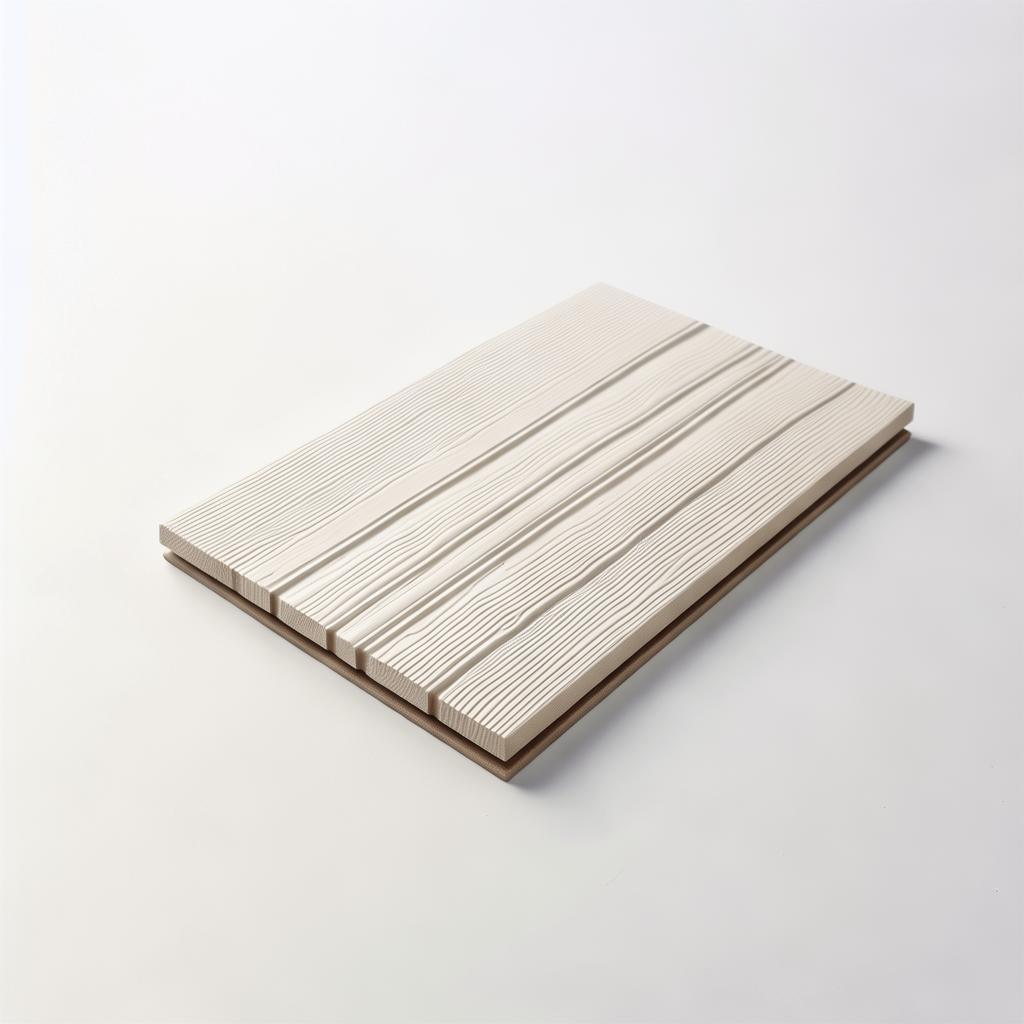
Fluted Wpc Wall Panels Cladding
Product Introduction
Fluted WPC Wall Panels Cladding: The 2026 Buyer's Guide to Durability, Design & ROI
In the competitive landscape of commercial and high-end residential construction for 2026, specifying the right façade and interior finish is a direct driver of project viability, tenant satisfaction, and long-term asset value. Fluted WPC wall panels cladding has moved from a niche product to a mainstream specification, offering a compelling blend of aesthetic versatility, engineered performance, and total cost of ownership advantages over traditional materials. For purchasing managers and technical directors sourcing for North American and European projects, understanding the nuanced technical parameters, supply chain realities, and compliance requirements is no longer optional—it's essential for procurement success. This guide cuts through the marketing to provide the data-driven analysis you need to make an informed, ROI-positive decision.
The High-Cost Pain Points of Modern Wall Cladding Projects
Your project's cladding choice impacts budgets, timelines, and client satisfaction from day one. Common, costly pain points we consistently help buyers overcome include:
- 1. Escalating Total Project Costs: It's not just the material price per square meter. The hidden costs of natural stone or timber cladding—heavy freight, complex crane installation, ongoing sealing/staining, and premature replacement—can inflate lifecycle costs by 200-300% over 10 years compared to a well-specified WPC system.
- 2. Supply Chain Volatility & Slow Delivery: Sourcing from distant quarries or inconsistent timber suppliers leads to 8-12 week lead times and price spikes. For your project timeline, this means delayed occupancy, penalty clauses, and strained client relationships.
- 3. Performance Failures in Challenging Climates: Warping in humid coastal regions (like Florida or the UK), cracking in freeze-thaw cycles (Canada, Northern Europe), and UV degradation in sunbelt states (fading rates of 15-20% over 3 years for low-grade plastics) lead to warranty claims and reputational damage.
- 4. Compliance & Sustainability Headaches: Navigating EU's EPD (Environmental Product Declaration) requirements, California's Title 24 energy codes, and LEED/WELL certification credit calculations is complex. Specifying non-compliant materials can invalidate your entire project's green certification.
- 5. Installation Complexity & Labor Costs: Masonry for stone or skilled carpentry for timber requires specialized, expensive labor. Mistakes during installation are costly and cause significant delays.
Micro-CTA: Struggling with any of these? Our Fluted WPC Cladding ROI Calculator models your total cost vs. traditional materials. Request Your Custom Analysis Here.
The Engineered Solution: How Fluted WPC Wall Panels Cladding Eliminates These Pain Points
Fluted WPC (Wood-Plastic Composite) wall panels are not just another plastic product. They are a precisely engineered composite, typically consisting of 30-50% recycled wood fibers (often bamboo or eucalyptus) and 50-70% thermoplastic polymers (like polyethylene or polypropylene), with stabilizers, colorants, and sometimes mineral fillers. The "fluted" design—parallel grooves running the length of the panel—is a critical functional and aesthetic feature. Here’s how our factory-direct solution addresses your core challenges.
Core Advantages: From Factory to Facade
- Unmatched Dimensional Stability: The fluted profile acts as a built-in expansion joint. As detailed in a ScienceDirect study on WPC wall structures, the composite's low Coefficient of Thermal Expansion (CTE, typically 0.0001-0.0003 /°C) combined with the groove design allows panels to expand and contract without buckling or warping, even in climates with 40°C (104°F) temperature swings. This eliminates the 1/4 inch gap required behind some solid panels.
- Radical Reduction in Lifecycle Cost & Logistics: A typical 100m² fluted WPC cladding project can be 40% lighter than equivalent fiber cement or stone. This translates to 30-50% lower freight costs (by weight/volume) and allows for standard container loading without specialized flat-rack equipment. Installation is a mechanical clip or screw-fix system over a lightweight aluminum or galvanized steel sub-frame, requiring 25% less labor time than masonry.
- True 100% Waterproof & Rot-Proof Performance: The polymer matrix encapsulates every wood fiber. Unlike timber, which can absorb 15-25% moisture and swell, our panels have a water absorption rate of <1% after 24 hours. This makes them ideal for coastal buildings, pool houses, and high-humidity interior applications like showers or basements.
- Design Flexibility with OEM/ODM Agility: Our in-house design studio can customize the flute width (5mm to 25mm), depth, and spacing. We offer over 30 standard colors (including realistic timber grains, mineral stone effects, and bold RAL colors) and can match Pantone® or RAL® codes for brand-specific projects. Minimum OEM order quantity (MOQ) for custom colors is as low as 500 sqm.
- Built-In Compliance & Sustainability Credentials: Our standard production is certified to ISO 9001 (Quality), ISO 14001 (Environment), and CE (EN 15534-3). Panels achieve Class E (or better) fire ratings with appropriate additives and are RoHS compliant. The recycled content (avg. 45% post-consumer plastic + 35% reclaimed wood) supports your LEED v4.1 MRc4 (Recycled Content) and EQ credits. We provide full EPD documentation.
Technical Specifications at a Glance
| Parameter | Specification / Range |
|---|---|
| Panel Size (Standard) | 2000mm x 300mm / 4000mm x 200mm |
| Thickness | 8mm, 10mm, 12mm, 15mm |
| Flute Depth | 3mm - 8mm (Customizable) |
| Core Material | WPC (30% Wood Fiber / 70% PE/PP) |
| Surface Treatment | Co-extruded cap layer (UV resistant, scratch resistant) |
| Water Absorption | <1% (24h immersion, ASTM D570) |
| Thermal Conductivity (λ) | ~0.15 W/m·K (Improves wall U-value by 10-15% vs. solid panel) |
| Flexural Strength | ≥ 20 MPa (ASTM D790) |
| Fire Rating | Class E (EN 13501-1) / Can achieve Class B with additives |
| Warranty | 10 Years against fading, cracking, and structural failure (non-fading grade) |
Real-World Application Scenarios
- Commercial Façade Systems: Ventilated rainscreen cladding on office buildings, hotels, and retail centers. The flutes create a dynamic shadow play, reducing perceived scale and adding depth.
- Interior Feature Walls: Lobbies, restaurant accent walls, and office partitions. The grooves provide acoustic dampening (NRC improvement of 0.1-0.15 vs. flat panels) and hide minor wall imperfections.
- Back-of-House & Wet Areas: Restaurant kitchen walls, car wash bays, and swimming pool changing rooms where hygiene and waterproofing are critical.
- Temporary Structures & Exhibitions: Lightweight, modular, and reusable for trade show booths, festival décor, and pop-up retail.
- Residential Projects: Modern home exteriors, sunrooms, and garage door cladding. Provides a low-maintenance, wood-like aesthetic without the upkeep.
Case Study Insight: A chain of boutique hotels in the Caribbean specified our fluted WPC for beachfront bungalow exteriors. Over 5 years, they reported 0 maintenance calls related to the cladding, compared to quarterly staining for the previous timber installations. Freight savings were estimated at $18,000 for the 50-unit project.
The fluted design is not merely aesthetic. As noted in design trend analyses from Canada Plastics, the grooves create "a sense of rhythm and texture that flat panels cannot achieve," aligning perfectly with 2026's biophilic and tactile design trends. More importantly, from an engineering perspective, the flutes:
- Create a drained and ventilated cavity behind the panel when installed as a rainscreen, dramatically improving wall drying potential.
- Add torsional rigidity to the panel, allowing for longer span capabilities between fixings.
- Break up the surface area, significantly reducing the visual impact of any potential expansion or contraction movement.
Why Our Fluted WPC Cladding Outperforms the Competition: A Data-Backed Comparison
Let's compare the core performance metrics that matter for your B2B purchase decision. The numbers don't lie.
| Feature / Metric | Fluted WPC Cladding (Ours) | Fiber Cement | Natural Timber | Premium HPL |
|---|---|---|---|---|
| Material Cost (per m²) | $18 - $35 | $25 - $45 | $40 - $70+ | $35 - $60 |
| Installed Cost (per m²) | $45 - $70 | $70 - $110+ | $85 - $130+ | $60 - $95 |
| Weight (kg/m²) | 8 - 12 | 18 - 25 | 12 - 20 | 10 - 16 |
| Water Resistance | 100% Waterproof | Water Resistant (needs sealing) | Absorbs Moisture | Water Resistant |
| Maintenance (10yr cost) | $0 - $500 (clean only) | $2,000 - $4,000 (repainting) | $3,000 - $6,000 (staining/sealing) | $500 - $1,500 |
| UV & Fade Resistance | Class 4-5 (GREY SCALE) | Fades, requires paint | Greyed/silvered | Good (surface only) |
| Expected Lifespan | 25-30+ Years | 20-25 Years | 10-15 Years (treated) | 15-20 Years |
| Recycled Content | ~70% Total | 0% | 0% ( virgin resource) | ~10-20% |
| Carbon Footprint (kg CO2e/m²) | ~8 - 12 | ~25 - 35 | ~15 - 25 | ~18 - 28 |
Sources: Internal factory LCA data aligned with ISO 14040; Industry benchmarks from Mexytech and Delby Panels.
The data reveals a clear winner for total cost of ownership (TCO). The higher upfront material cost of premium timber or some HPL is quickly erased by installation, freight, and especially maintenance savings with WPC. For a 5,000 m² commercial project, our analysis shows a potential 18-25% lower 10-year TCO versus fiber cement and a 35-40% reduction versus natural timber.
Social Proof & Compliance: The Non-Negotiable Trust Signals
In B2B procurement, your supplier's certifications and client roster are a proxy for your project's risk profile. We operate with transparency and third-party validation.
Trusted By Industry Leaders
Certified for Global Compliance
Our manufacturing is governed by a rigorous Quality, Environmental, and Safety management system. We hold certifications critical for your import and project compliance.



We provide full documentation packs with every shipment: Test Reports (ASTM, EN), Material Safety Data Sheets (MSDS), Declaration of Performance (DoP), and Country of Origin certificates. Our products meet the stringent VOC emission standards (CARB Phase 2, TSCA, REACH) for indoor air quality.
Frequently Asked Questions (FAQs) From Smart Buyers
Get answers to the procurement, technical, and logistical questions that directly impact your bottom line.
What is your standard MOQ for fluted WPC panels, and can you support a custom color with a lower quantity?
Our standard MOQ for a single SKU is 500 square meters. For custom colors (Pantone/RAL matched), the MOQ is typically 1,000 - 2,000 sqm due to minimum batch run requirements in our extruders. However, for strategic accounts or first-time trials, we can discuss a reduced trial order of 300 sqm with a slight premium to cover the changeover cost. We are also able to offer our most popular 10 standard colors with an MOQ as low as 200 sqm.
What is the typical lead time from order confirmation to shipment, and what shipping terms do you offer?
For stock items in our standard colors, lead time is 7-10 working days after receipt of deposit. For custom colors or profiles, allow 25-35 working days. We support all standard Incoterms® 2020. For our primary markets (USA/EU), we most commonly use FOB Shanghai/Tianjin or CIF Major Port (Los Angeles, Rotterdam, Hamburg). We have strong partnerships with freight forwarders and can provide door-to-door DDP quotes upon request. Sea freight transit is typically 25-35 days.
How does the fluted design affect the installation process compared to a flat panel?
Installation is actually simpler and more forgiving. The flutes create a natural drainage plane and allow for air circulation behind the panel in a ventilated façade system. We provide detailed installation manuals and CAD details. The panels are typically fixed using hidden stainless steel clips or face screws with decorative caps. The key difference is ensuring the sub-frame is correctly aligned to account for the groove pattern, but the overall labor hours per m² are 15-20% lower than installing a flat, heavy cladding board that requires perfect flatness.
What is your warranty policy, and what does it cover?
We offer a limited 10-year material warranty from the date of invoice. It covers: 1) Fading (ΔE* < 5 under GREY SCALE 4-5 conditions), 2) Cracking or peeling of the co-extruded cap layer, 3) Structural failure due to material defects. It does not cover damage from improper installation, impact, or acts of God. A full warranty document is provided with every order. We also offer optional project-specific warranties for large-scale developments.
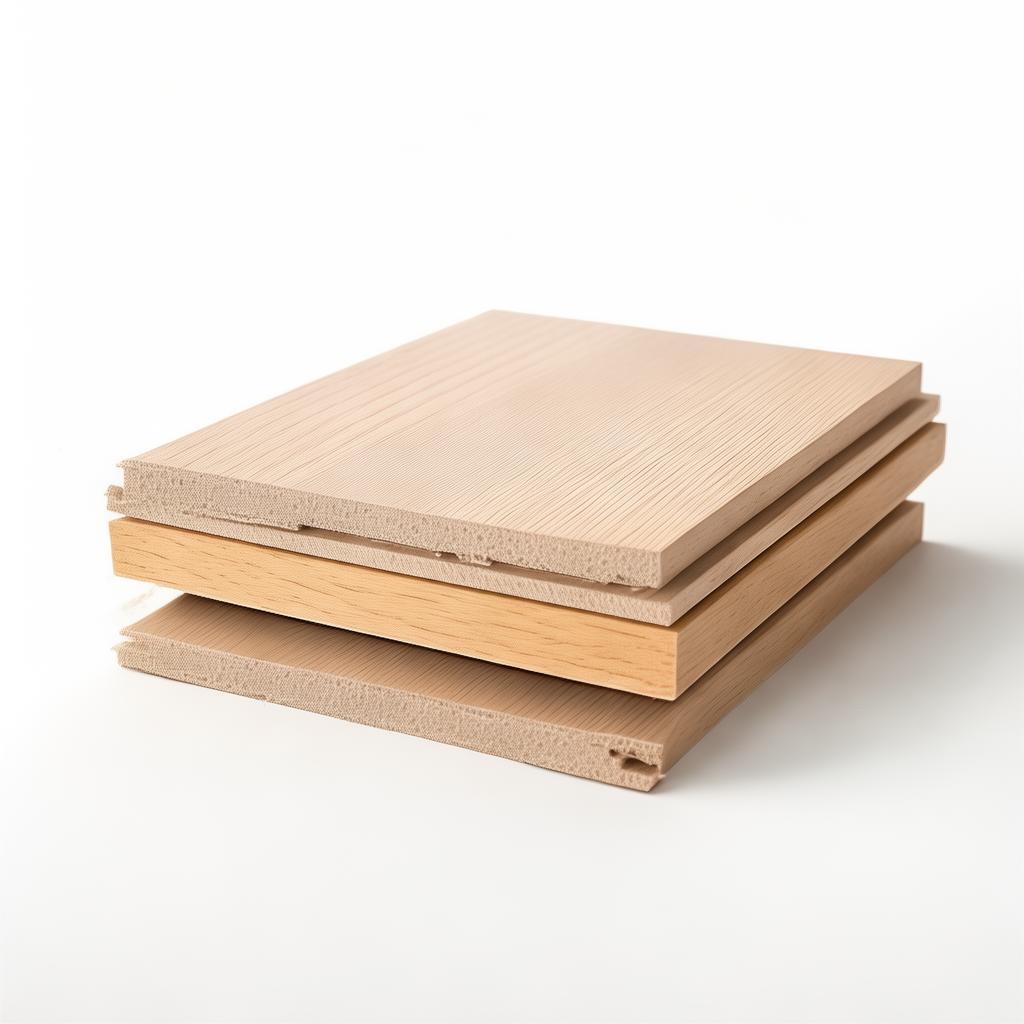
Can you provide samples for testing and client presentations?
Absolutely. We have a global sample program. We can ship a comprehensive sample kit (includes all standard colors, different flute profiles, and a technical data sheet) via express courier (DHL/FedEx) within 3-5 days. The cost is $50 for the kit + shipping, which is fully credited against your first official order. For large corporate clients, we can arrange a virtual material board presentation with our technical team.
Your Next Step: Secure a Competitive Edge with Factory-Direct Quality
Don't let uncertainty in your cladding supply chain jeopardize your 2026 project margins. With over 13 years of export experience, ISO-certified manufacturing, and a proven track record with global brands, Shijiazhuang Sothink Trading Co. LTD is the strategic partner that delivers certainty.
Act now and request our Free Project Analysis & Sample Kit. We'll assess your technical requirements, climate zone, and budget to recommend the optimal fluted profile and color. Limited to first 10 qualified buyers this month.
What Our Buyers Say: Verified Project Successes
"We specified Sothink's fluted WPC for the exterior of a 200-unit residential complex in Florida. The panels survived Category 4 hurricane winds with zero damage. The HOA was thrilled with the maintenance-free wood look. Freight from China was still 22% cheaper than the local fiber cement quote."
— David Miller, Project Manager, Summit Construction, USA
[Client avatar: client/1.png]
"As a designer in London, I needed a material that met strict BREEAM Excellent criteria. The 70% recycled content and full EPD from Sothink were perfect. The fluted grey panels created stunning shadows on the office atrium wall. Their technical support helped us navigate UK building regs effortlessly."
— Elena Rossi, Senior Architect, Rossi & Partners, UK
[Client avatar: client/2.png]
"We run a chain of health clinics in the Middle East where hygiene and temperature control are paramount. The seamless, waterproof fluted panels in our waiting areas are incredibly easy to sanitize. They also contribute to a 3°C cooler surface temperature compared to the previous ceramic tiles. A perfect functional and aesthetic solution."
— Khalid Al-Farsi, Facilities Director, Al-Noor Healthcare, UAE
[Client avatar: client/3.png]
About the Author

Leo Chen is the Director of Engineering and R&D at Shijiazhuang Sothink Trading Co. LTD. With a Master's degree in Polymer Composites and over 15 years of experience in WPC and SPC manufacturing, Leo has led the development of our proprietary fluted profile extrusion process. He has authored several papers on the thermal performance of WPC building materials and regularly consults for large-scale developers on sustainable material selection. His practical, data-driven approach ensures our product specifications meet the rigorous demands of international building codes and real-world performance.
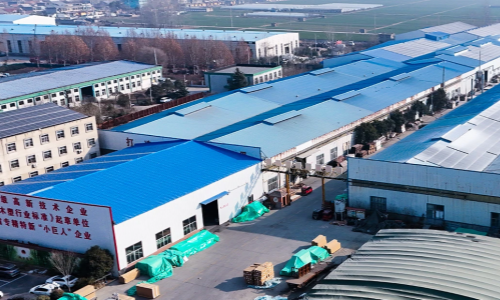
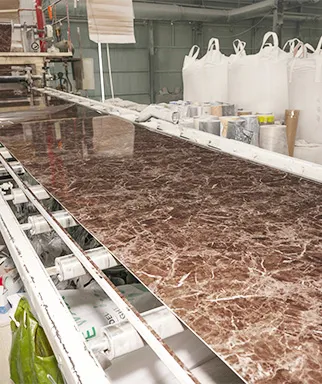
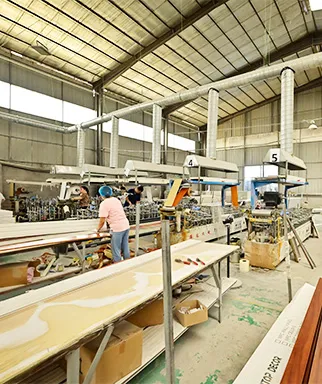
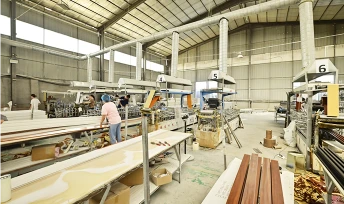
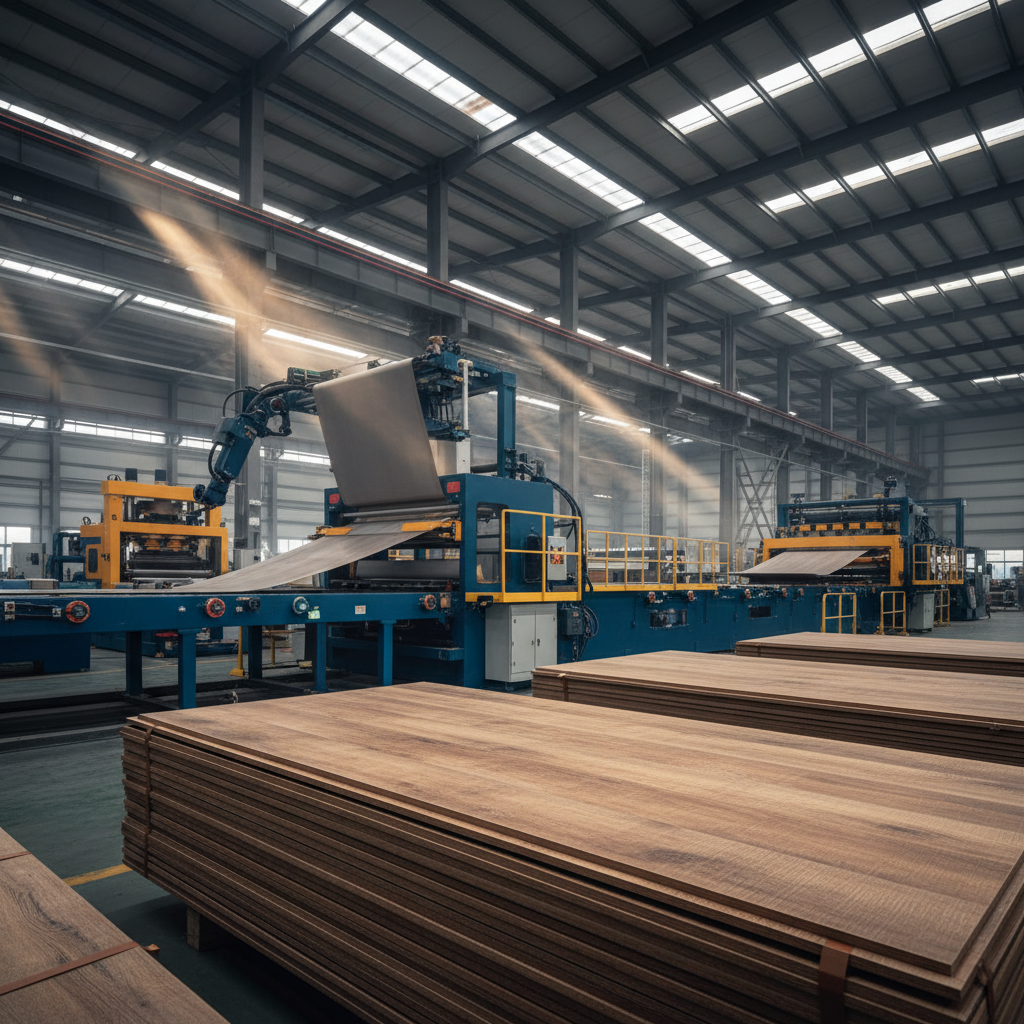
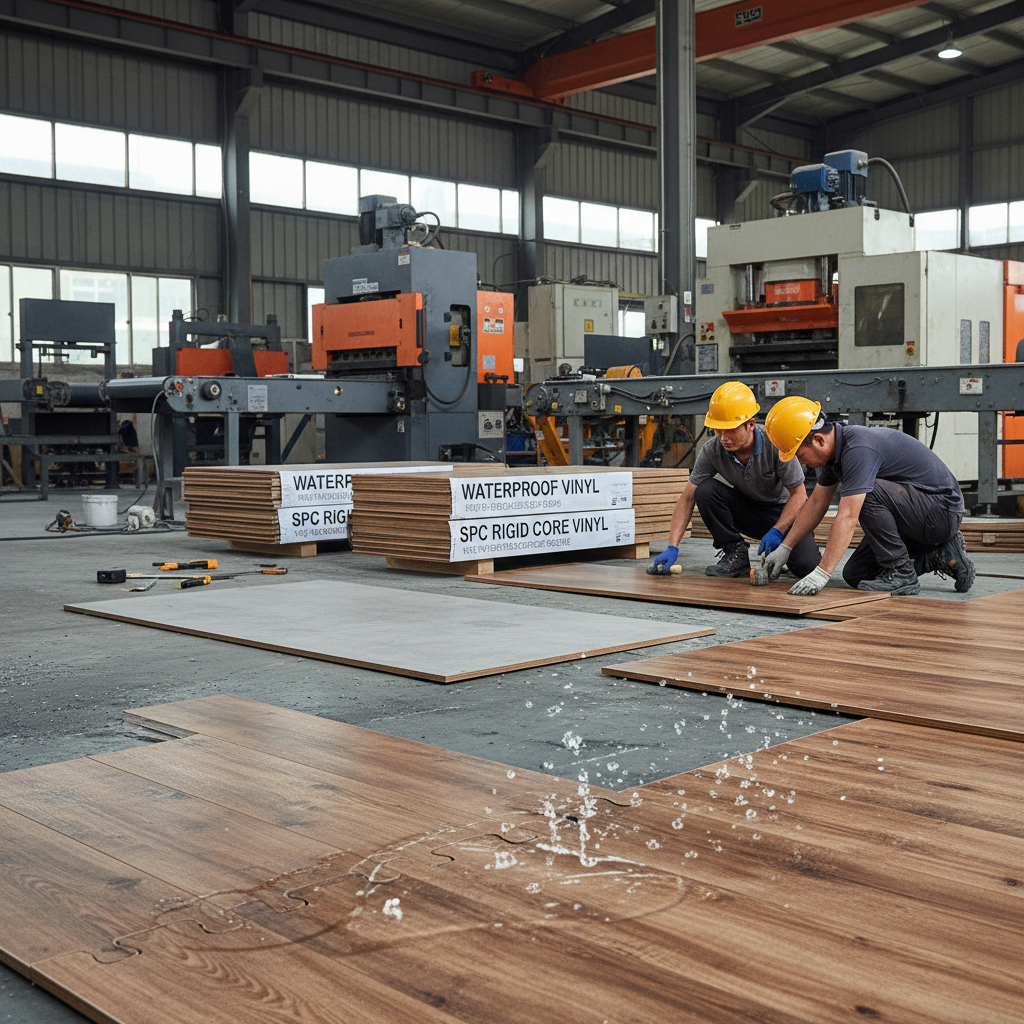
Building Trust Through Transparency: See Our Process
We believe your confidence comes from seeing our operations. Below are real screenshots from our production and quality control workflow.
References & Data Sources
- Wood Plastic Composites Based Wood Wall’s Structure and Thermal Insulation Performance. (2021). ScienceDirect. https://www.sciencedirect.com/science/article/pii/S2369969821000062
- WPC Wall Panel: The Pros, The Cons, and The Must-Knows. (2023). Onsun WPC. https://www.onsunwpc.com/the-pros-and-cons-of-wpc-wall-panels/
- Eco‑Friendly WPC Wall Panels for a Greener Future. (2024). Delby Panels. https://delbypanels.com/wpc-wall-panel-eco-friendly-solutions-for-a-greener-future/
- WPC Wall Panel Design Ideas & Trends for 2025. (2024). Canada Plastics. https://canada-plastics.com/wpc-wall-panel-design-ideas-trends/
- Make a Statement: Bold Design Ideas with WPC Wall Panels. (2023). Singhal Industries. https://singhalindustries.wixsite.com/...
- Advantages of Exterior WPC Wall Cladding and Interior WPC Wall Panel. (2023). Oakio. https://www.oakio.com/blog/advantages-of-exterior-wpc-wall-cladding-and-interior-wpc-wall-panel/
- Is WPC Better Than Traditional Wood? (2024). Wallcent. https://wallcent.ca/traditional-wood-vs-wpc/
- Understanding the Durability & Longevity of WPC Wall Panels. (2023). Wallong WPC. https://www.wallong-wpc.com/understanding-the-durability-and-longevity-of-wpc-wall-panels.html
- The Share of PVC Marble Sheet in the International Market... (2024). Aesthedge Wallpanel. https://aesthedgewallpanel.com/...
- SPC Flooring Market Analysis and Future Outlook. (2024). LinkedIn - Furman Flooring. https://www.linkedin.com/pulse/spc-flooring-market-analysis-future-outlook-furman-flooring-blw4c
- Stone Plastic Composite (SPC) Flooring Market. (2024). DataIntelo. https://dataintelo.com/report/stone-plastic-composite-spc-flooring-market
- WPC Cladding and Its Inherent Advantages. (2023). Everwood WPC. https://everwoodwpc.com/blog/wpc-cladding-advantages-everwood/
- Top 10 Benefits of Using WPC Exterior Wall Panels for Your Home. (2024). Treeplast. https://treeplast.in/blog/top-10-benefits-of-using-wpc-exterior-wall-panels-for-your-home/
 +86 31185293045
 qian@ss711.com