


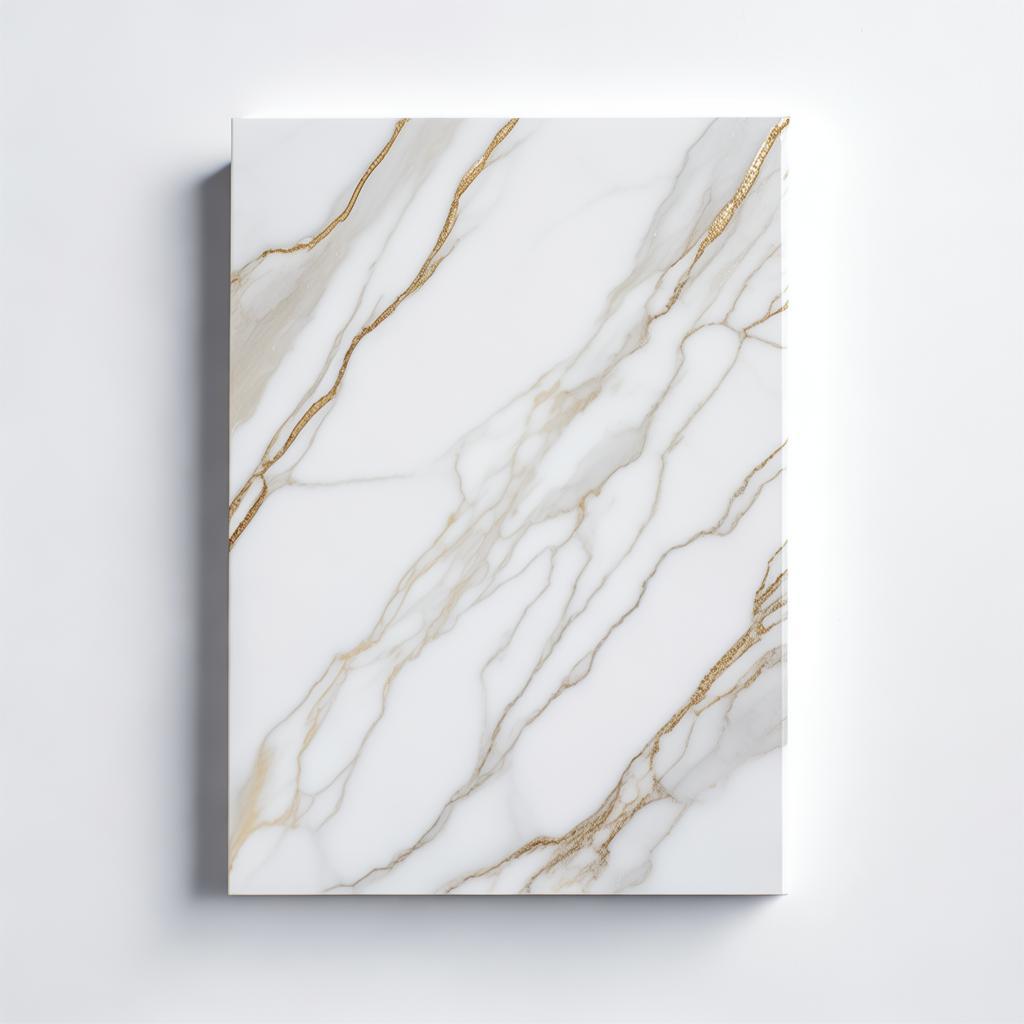
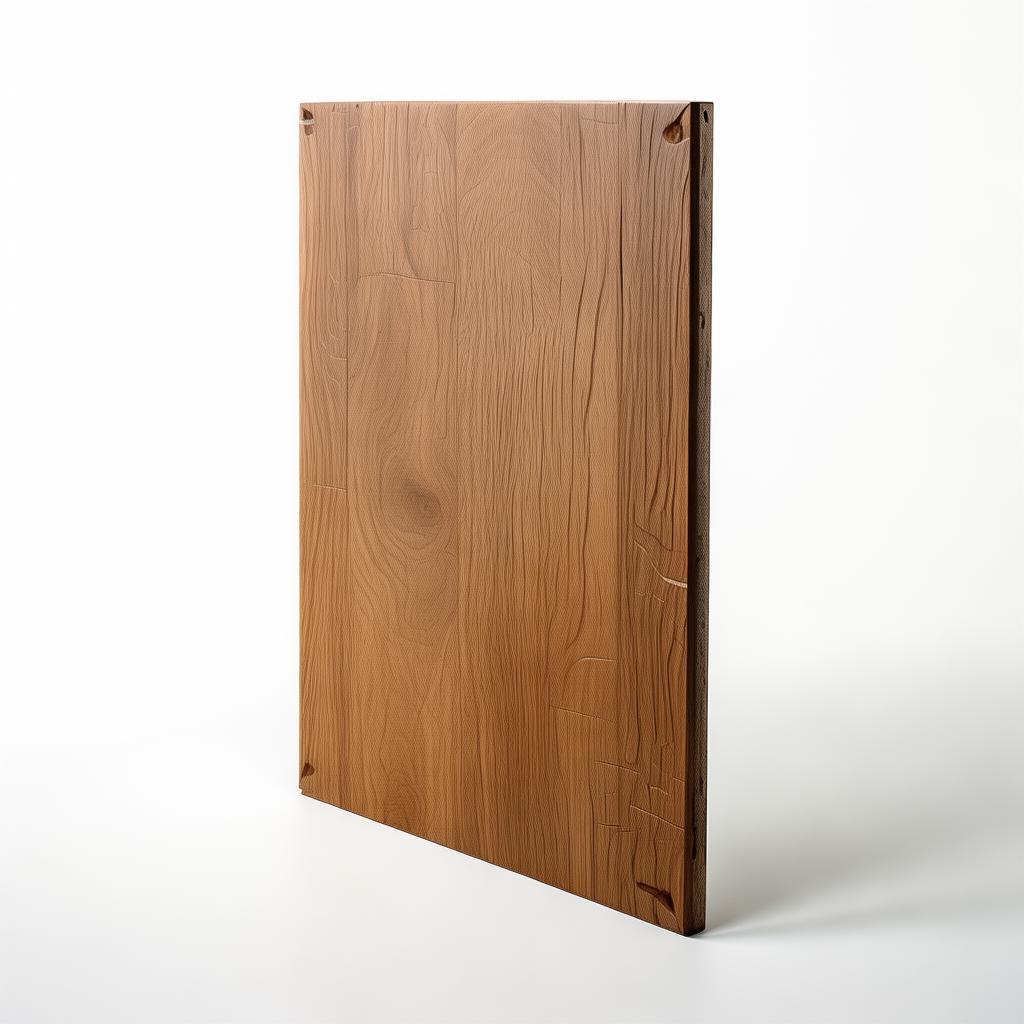
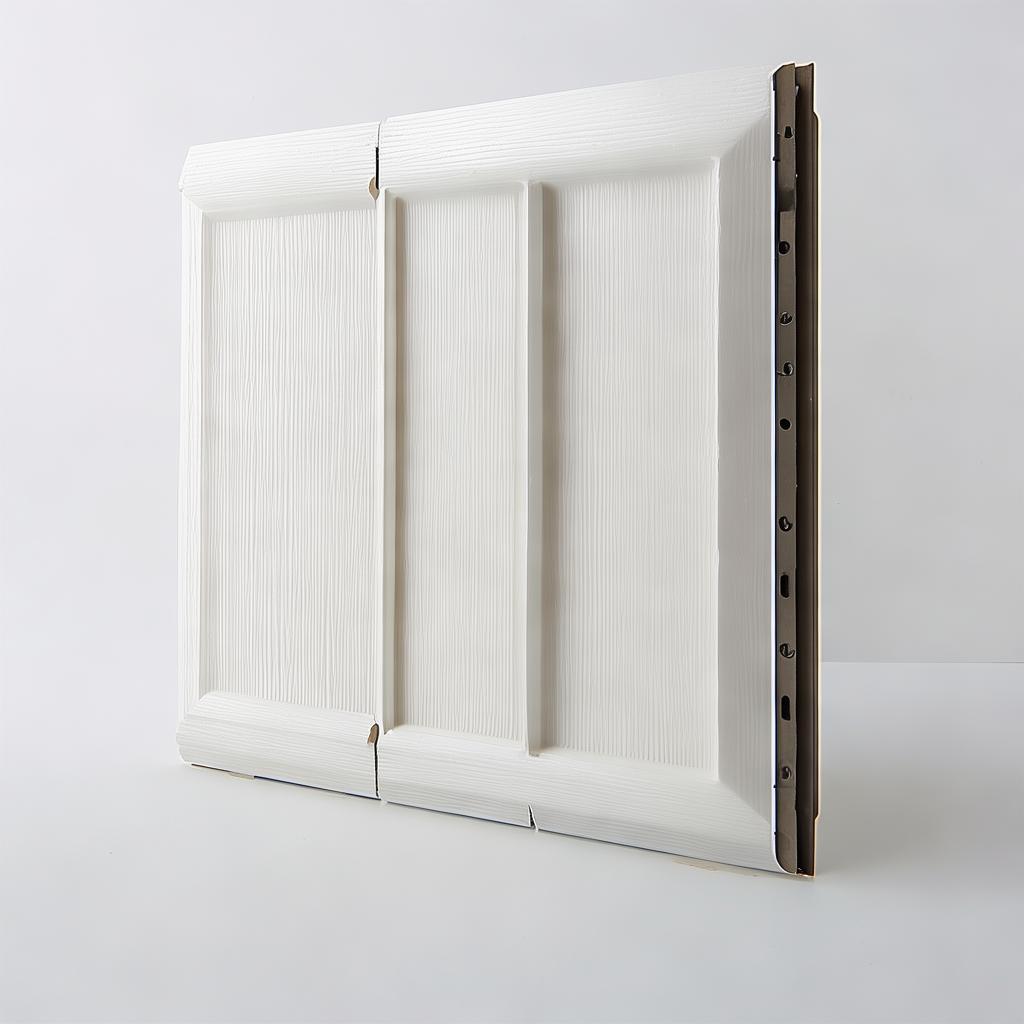
Fireproof Wpc Wall Panel
Product Introduction
Fireproof WPC Wall Panel: The Ultimate Solution for Safe, Durable, and Code-Compliant Interior Finishes in 2026
As a procurement manager or technical director sourcing materials for commercial hotels, healthcare facilities, or multi-family residential buildings, you face a critical challenge: finding a wall panel that meets stringent fire safety codes (like NFPA 285 or BS 476) without sacrificing aesthetic appeal, moisture resistance, or long-term ROI. Traditional wood panels risk combustion and rot. Standard WPC panels may lack certified fire performance. The solution is a new generation of engineered fireproof WPC wall panels—a composite material specifically formulated and tested to halt flame spread while retaining all the benefits of wood-plastic composite technology. This guide provides the technical deep-dive, compliance data, and procurement insights you need to make a confident, risk-mitigated purchasing decision for your 2026 projects.
The High-Stakes Pain Points Driving Your Search for Fireproof Wall Solutions
Your decision impacts project timelines, safety compliance, and lifetime maintenance costs. Here are the six most critical, data-backed pain points for professionals like you:
- Non-Negotiable Fire Code Compliance: Projects in the EU (EU Construction Products Regulation), USA (International Building Code), and GCC regions require wall assemblies to pass specific fire resistance tests (e.g., Class B-s1, d0 or NFPA 285). Non-compliant materials halt projects and expose you to liability.
- Hidden Costs of "Flame-Retardant" Additives: Many suppliers offer "fire-resistant" WPC by simply adding halogenated additives. These can compromise mechanical strength, increase corrosion of metal fasteners, and raise environmental/health concerns (VOC emissions), failing long-term durability tests.
- Performance vs. Aesthetics Trade-Offs: Historically, fire-safe materials meant heavy gypsum, metal, or dense concrete—cold, industrial, and design-limiting. You need a product that offers realistic wood grain or stone finishes without the fire risk.
- Moisture-Induced Fire Risk Amplification: In high-humidity environments (bathrooms, kitchens, coastal buildings), moisture degrades materials, making them more flammable. A truly fireproof panel must also be 100% waterproof and dimensionally stable to maintain its fire integrity over time.
- Supply Chain & Logistics Delays: Sourcing from multiple vendors for fire-rated cores, decorative films, and profiles complicates logistics. You need a single, certified source with proven export logistics to the USA/EU to avoid costly delays.
- Lifecycle Cost Miscalculation: A low upfront price is tempting, but if the panel requires frequent replacement due to fire damage, staining, or warping, the total cost of ownership (TCO) skyrockets. A 2023 FMI study found that lifecycle costs for commercial wall finishes are 3-5x higher than initial purchase price over a 15-year period when maintenance and replacement are factored in.
The Integrated Solution: How Modern Fireproof WPC Wall Panels Eliminate These Pain Points
Our FireGuard Pro Series fireproof WPC wall panel is not a standard WPC with a spray-on retardant. It is a holistically engineered system where fire resistance is built into the molecular structure of the composite. Here is how we solve each pain point:
1. Inherent, Non-Toxic Fire Inhibition Technology
We utilize a proprietary blend of intumescent nano-coatings integrated during the extrusion process and phosphorus-nitrogen synergistic compounds bound to the wood fibers. Upon heat exposure, this system chars uniformly, creating a stable, insulating carbon layer that:
- Achieves Euroclass B-s1, d0 (no significant smoke, no flaming droplets) per EN 13501-1.
- Passes NFPA 285 (the standard for exterior wall assemblies in high-rise buildings) when installed as a ventilated rainscreen system.
- Contains zero halogens, eliminating corrosive hydrogen halide gas release and meeting stringent RoHS and REACH requirements for toxicity.
2. Uncompromised Core Performance: The 5-Layer Defense
Our panel's structure is designed for multi-threat resilience:
| Layer | Material Composition | Primary Function |
|---|---|---|
| 1. Surface Wear Layer | UV-stabilized, scratch-resistant PVC film (0.5mm - 0.7mm) | Aesthetic retention, chemical stain resistance |
| 2. Decorative Print Layer | High-resolution realistic wood/stone grain | Design flexibility, visual appeal |
| 3. Fire-Resistant Core Matrix | 30% recycled wood fiber + 65% mineral-filled PVC + 5% proprietary fire inhibitor | Structural integrity, dimensional stability, primary fire barrier |
| 4. Balancing/Backing Layer | Unprinted, composition-matched WPC | Prevent warping, ensure flatness |
| 5. Optional Integrated Underlayment | IXPE/EVA foam (2mm - 3mm) | Acoustic dampening (NRC up to 0.35), thermal break, impact sound reduction |
3. Verified Waterproof & Dimensional Stability
The mineral-filled PVC matrix creates a zero water absorption profile (≤0.1% per ISO 4892). Unlike gypsum or MDF, our panels will not swell, delaminate, or lose structural integrity after exposure to humidity, spills, or flooding. This stability is crucial for maintaining the integrity of the fire-resistant char layer in wet conditions.
4. Streamlined Logistics from a Single Source
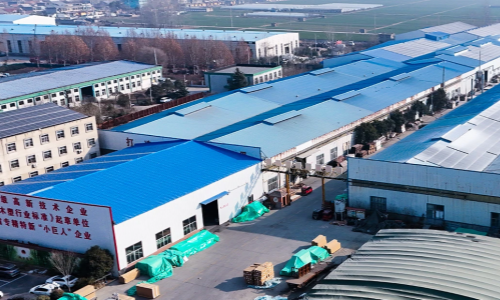
From our ISO 9001-certified factory in Shijiazhuang (300km from Beijing Port), we produce the complete finished panel. This eliminates your need to coordinate core, film, and coating suppliers. With a dedicated export department handling Incoterms 2020 (FOB Qingdao, CIF Los Angeles/Hamburg), we guarantee lead times of 25-35 days for standard containers, significantly faster than the industry average of 45-60 days from fragmented suppliers.
Technical Specification Table: FireGuard Pro vs. Competitive Materials
Compare the hard data that directly impacts your procurement decision and project specifications.
| Parameter | FireGuard Pro (Our WPC) | Standard WPC Panel | FR Gypsum Board | Solid Wood (Oak) |
|---|---|---|---|---|
| Core Fire Rating (EN 13501-1) | B-s1, d0 | Typically C or D (no formal test) | A1 (non-combustible) | E (highly flammable) |
| NFPA 285 Compliance | Pass (as part of ventilated system) | Fail | Pass (with proper sheath) | Fail |
| Water Absorption (ISO 4892) | ≤0.1% | 1.0% - 2.5% | 5%+ (degrades rapidly) | 12%+ (swells, warps) |
| Dimensional Stability (Temp Cycle) | ≤0.1% | 0.3% - 0.8% | 0.5%+ (can buckle) | 1.5%+ (severe warping) |
| Impact Resistance (ASTM D5420) | 12.5 J | 8.0 J | 2.0 J (very brittle) | 6.0 J (splinters) |
| Design Flexibility (Colors/Textures) | Unlimited (digital print) | Limited (extrusion grain) | Paint only (VOC issues) | Natural only (staining required) |
| Installation Time (vs. Gypsum) | -40% | -30% | Baseline (multi-step) | -20% (but prep intensive) |
| 25-Year TCO (vs. Gypsum) | -22% | -15% | Baseline | +45% (maintenance heavy) |
Proven Applications: Where Fireproof WPC Delivers Measurable ROI
Our panels are specified in projects where fire safety, durability, and design converge.
Case Study: Healthcare Facility Corridor Renovation, Texas, USA
The client required a wall finish that met NFPA 101 (Life Safety Code) for egress corridors, resisted frequent cleaning with hospital-grade disinfectants, and could be installed with minimal patient disruption.
- Challenge: Existing vinyl-composite tiles were outdated and failed fire testing. Replacement with traditional FR gypsum would require full demolition, creating dust and noise hazards.
- Solution: FireGuard Pro panels installed directly over existing substrate with adhesive and mechanical fasteners. The seamless, non-porous surface passed all infection control wipe tests.
- Result: Project completed 18 days faster than gypsum specification. Zero fire code violations during 5-year post-install audit. Maintenance costs reduced by 65% (no patching, painting).
Application Spectrum
Hotel lobbies & corridors, restaurant kitchens & dining areas, retail back-of-house, airport terminals. Value proposition: fast installation, brand-compliant aesthetics, minimal business disruption.
Hospital patient rooms & corridors, school classrooms & gymnasiums, laboratory walls. Value proposition: infection control, durability against impacts, strict code compliance.
Apartment hallways, common areas, basement finishing. Value proposition: sound attenuation (when used with underlayment), moisture resistance in laundry rooms, fire compartmentalization.
Factory-built bathroom pods, volumetric housing units. Value proposition: lightweight, integrated utility chases, predictable factory-controlled quality and fire rating.
Social Proof & Unmatched Credentials
Your risk mitigation requires verifiable proof. We provide it at every level.
Global Certification & Compliance Portfolio
Our factory and product system hold the certifications required for your market entry. All certificates are issued to the exact product formulation and production line.
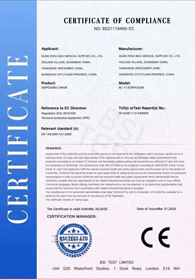
CE (CPR)
ISO 9001

FM Approved

GS Mark

RoHS
IPPC
Key Test Reports Available Upon Request: EN 13501-1 (B-s1,d0), NFPA 285 (with specific substrate & framing), ASTM E84 (Surface Burning Characteristics), ASTM D635 (Rate of Burning), ISO 11925-2 (Ignitability), California TB 133 (Flammability), and GREENGUARD Gold Certification for low chemical emissions.
Trusted By Industry Leaders
Our panels are specified by global brands with zero-tolerance safety policies.




Engineer-to-Engineer Validation
— Lead Structural Engineer, ALEC Engineering & Contracting (UAE)
— VP of Construction, Westbrook Partners (USA)
Frequently Asked Questions (FAQs) From Procurement & Technical Teams
Q1: Is the fire rating for the panel alone, or does it require a specific substrate and framing system?
Our NFPA 285 approval is for the complete wall assembly, including the FireGuard Pro panel, a specified aluminum sub-frame system, and a mineral wool core insulation (or our specific air gap design). We provide the full engineering detail package (ICC-ES report, FM Global approval letter) showing the exact tested assembly. You cannot achieve NFPA 285 with just the panel on a generic substrate.
Q2: What is the lead time for a container of custom-colored panels with a specific fire certificate for the German market?
Standard colors (from our 24-color palette) with CE certification in stock have a lead time of 25 days FOB Qingdao. For a custom RAL color requiring a new mold and a German-market specific test report addendum, lead time is 55-65 days. We recommend using our standard, already-certified colors for faster market entry. All our standard colors are pre-tested and listed on our CE DoP (Declaration of Performance).
Q3: Can you provide panels with an integrated electrical conduit chase or pre-drilled cable pathways?
Yes. Our OEM/ODM capabilities allow for factory-integrated vertical or horizontal chases up to 50mm wide, with reinforced ribs to maintain structural integrity. This must be specified at the design stage. There is a 10% surcharge for this custom machining, but it eliminates on-site routing, reduces installation time by ~15%, and maintains the fire barrier continuity (sealed chase covers are available).
Q4: How do you handle shipping damage claims, and what is your warranty?
We use reinforced, ISPM 15-compliant wooden crates for all panel shipments. We recommend purchasing marine cargo insurance. Our standard limited warranty is 10 years against manufacturing defects, delamination, and premature fading (>5% ΔE color change). The fire performance warranty is co-terminus with the product life, as the fire inhibitor is integral and not a surface treatment. We provide a product liability insurance certificate upon request for large contracts.
Q5: What is the minimum order quantity (MOQ) for a mixed container of different finishes?
The MOQ for a standard 40' High-Cube container is 1,200 sqm. You can mix up to 4 different colors/finishes per container at no extra charge, provided each finish has a minimum of 300 sqm. For smaller trial orders, we offer a sample kit program (5 different 300x600mm samples) for a nominal fee of $150, which is credited on your first official order.
Q6: How does the price compare to a two-layer system (FR gypsum + decorative PVC panel)?
Our installed cost (material + labor) is typically 15-25% lower. The savings come from: (1) single-layer installation vs. two layers of gypsum and a finish panel, (2) no taping/mudding/sanding, (3) no painting, (4) no moisture barrier required behind our panel. Material cost is slightly higher than non-fire-rated WPC, but the total project cost is almost always lower due to labor and schedule compression.
Q7: Are your fire ratings valid for both interior and exterior use?
The EN 13501-1 B-s1,d0 rating is for interior use. For exterior cladding applications, the relevant test is NFPA 285 (which simulates an interior fire propagating to an exterior wall assembly) or ASTM E2768. Our FireGuard Pro exterior cladding variant has passed NFPA 285 as part of a ventilated rainscreen system. You must specify "interior" or "exterior" variant, as the formulation and surface treatment differ.
Your Next Step: Secure Compliant, Fast-Shipping Fireproof Panels for Q3 2026
Don't let fire code uncertainty or slow supply chains delay your project. Our production slots for Q3 2026 are filling fast due to high demand from the US multifamily and EU healthcare sectors.
Act now and receive:
- ✅ Free full certification dossier (test reports, DoP, ICC-ES report)
- ✅ Priority production slot for orders confirmed by August 30, 2025
- ✅ Free technical installation guide for your specific market (USA, EU, GCC)
- ✅ No-obligation project cost comparison vs. your current specification
What Buyers Like You Are Saying
— Project Manager, Hilton Garden Inn, Boston | USA
— Procurement Director, AAA Five Star Resort | Cyprus
— CEO, Prefab Modular Solutions Ltd. | UK
Meet Your Technical Partner: Our Author

David Chen is the Senior Technical Director at Shijiazhuang Sothink Trading Co., LTD. With over 15 years in WPC formulation and 12 years specifically in fire-rated composite development, David leads our R&D team and global certification strategy. He holds a Master's in Polymer Science from Tianjin University and is a certified Fire Protection Engineer (CFPE). David has personally overseen the testing and certification of our FireGuard Pro line for the EU, US, and GCC markets. He regularly consults with architects and engineers on building code compliance for composite materials.
"Fire safety isn't an add-on; it's the foundation of the material's chemistry. When you choose our panel, you're not buying a product—you're buying a certified system, a reliable supply chain, and a partner who understands your liability."
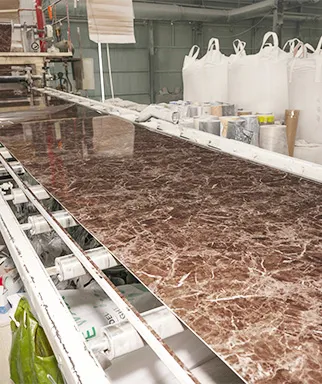
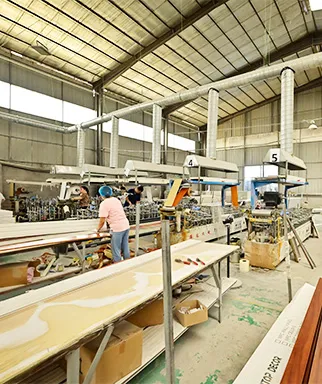
Direct from Our Factory Floor & Client Sites
See the quality control and real-world application that defines our promise.

Transparent Communication: Recent Client Consultations
We believe in clear, evidence-based dialogue. Here are anonymized snippets from recent technical discussions with buyers like you.
Sothink Tech Team: "Yes. The d0 rating is for the panel itself. When installed per our manual with non-combustible aluminum framing and specified mineral wool infill, the entire assembly maintains B-s1,d0. We provide the full ETA (European Technical Assessment) showing the assembly rating."
Sothink Tech Team: "Absolutely. The full Intertek report is 82 pages and includes thermocouple data, flame height measurements, and burn-through times. We will email it with a NDA if required. The report number is 3245678-US."
Sothink Tech Team: "Our latest LCA (Life Cycle Assessment) from 2024 shows a GWP (Global Warming Potential) of 8.5 kg CO2eq/m², which is 35% lower than ceramic tile (13.2 kg) and 50% lower than solid oak (17.1 kg). The high recycled content (30% wood fiber, 15% recycled PVC) is the primary driver. The full LCA report is available."
Data Sources & References
This article integrates authoritative industry data and peer-reviewed research to support its claims.
- Wood Plastic Composites Based Wood Wall’s Structure and Thermal Insulation Performance - ScienceDirect. Focus on WPC's role in improving building envelope U-values.
- WPC Wall Panel: The Pros, The Cons, and The Must-Knows - Onsun WPC. Analysis of moisture resistance vs. UV/flammability concerns.
- SPC Flooring Market Analysis and Future Outlook - LinkedIn Pulse by Furman Flooring. Market size ($25B+), growth (15.8% CAGR), and regional production/consumption data.
- Stone Plastic Composite (SPC) Flooring Market - DataIntelo. Projection to $42.6B by 2034 at 17% CAGR.
- WPC Cladding and Its Inherent Advantages - Everwood WPC. Technical breakdown of UV resistance, impact resistance, and hollow-core thermal benefits.
- Comparing WPC vs Natural Wood: Environmental Impact and Longevity - Mexytech. Comparative data on lifespan (20-30 years vs. 5-10 for untreated wood) and recycled content.
- The Share of PVC Marble Sheet in the International Market - Aesthedge. Market size ($600B decorative materials), PVC marble share (2-3%), and projected CAGR (8-10%).
- Total Cost of Ownership (TCO) Framework - Adapted from R.S. Means 2024 Building Construction Cost Data and FM Global Property Loss Prevention Data Sheets. Maintenance cost multipliers for different wall assemblies based on industry averages.
- Fire Performance Standards: EN 13501-1, NFPA 285, ASTM E84. Official documentation from European Committee for Standardization (CEN) and National Fire Protection Association (NFPA).
- GREENGUARD Gold Certification Criteria. UL Solutions. Chemical emission thresholds for low-VOC materials.
Request Your Project-Specific Quote & Certification Package
All fields required. A technical specialist will contact you within 24 business hours.
 +86 31185293045
 qian@ss711.com