


Difference Between Spc And Wpc
Product Introduction
SPC vs WPC Flooring: The 2026 Technical Guide for Smart Buyers
Choosing between SPC (Stone Plastic Composite) and WPC (Wood Plastic Composite) flooring is more than a material preference—it's a strategic decision affecting your project's lifespan, installation speed, and total cost of ownership. For purchasing managers and technical directors sourcing from global suppliers, understanding the core differences in composition, performance, and application is non-negotiable. This guide cuts through marketing claims with hard data, field-tested specifications, and clear comparisons to help you select the right rigid core flooring for your 2026 projects.
As a senior materials engineer with Shijiazhuang Sothink Trading Co., having supplied over 2 million square meters of flooring and wall panels to 40+ countries since 2011, I've seen the costly mistakes from mis-specification. Let's clarify the technical chasm between these two popular composites.
The Agony of a Wrong Choice: 5 Critical Pain Points
Before diving into specs, recognize the real-world consequences of selecting the wrong material. Our clients in North America and Europe frequently face these issues:
- Premature Failure in Moist Areas: Using WPC in a commercial bathroom or basement leads to edge swelling and delamination within 18 months, costing 30% more in replacement labor than the initial material cost.
- Installation Nightmares: Subpar SPC with an inconsistent click-lock system can cause 15-20% material waste during installation and prolong project timelines by days.
- Hidden Costs of "Cheap" WPC: Lower-priced WPC often uses recycled HDPE with inconsistent filler ratios, leading to accelerated UV degradation and color fading—a major liability for upscale hospitality projects.
- Logistics & Damage: WPC's lower density (0.9-1.1 g/cm³) vs. SPC's (1.3-1.5 g/cm³) means more cartons per pallet, higher freight costs, and increased risk of damage in transit due to flexing.
- Regulatory Rejection: Failure to meet regional fire standards (e.g., ASTM E648 in the US, EN 13501-1 in Europe) can halt a project. Not all SPC/WPC formulations are created equal for compliance.
Micro-CTA: Struggling with material performance in your next project? Email our technical team for a free material compatibility assessment based on your specific climate and use case.
Deep Dive: SPC vs. WPC Technical & Performance Breakdown
The fundamental difference lies in the rigid core composition. This single variable dictates nearly every performance metric. Let's dissect it.
1. Core Composition & Density
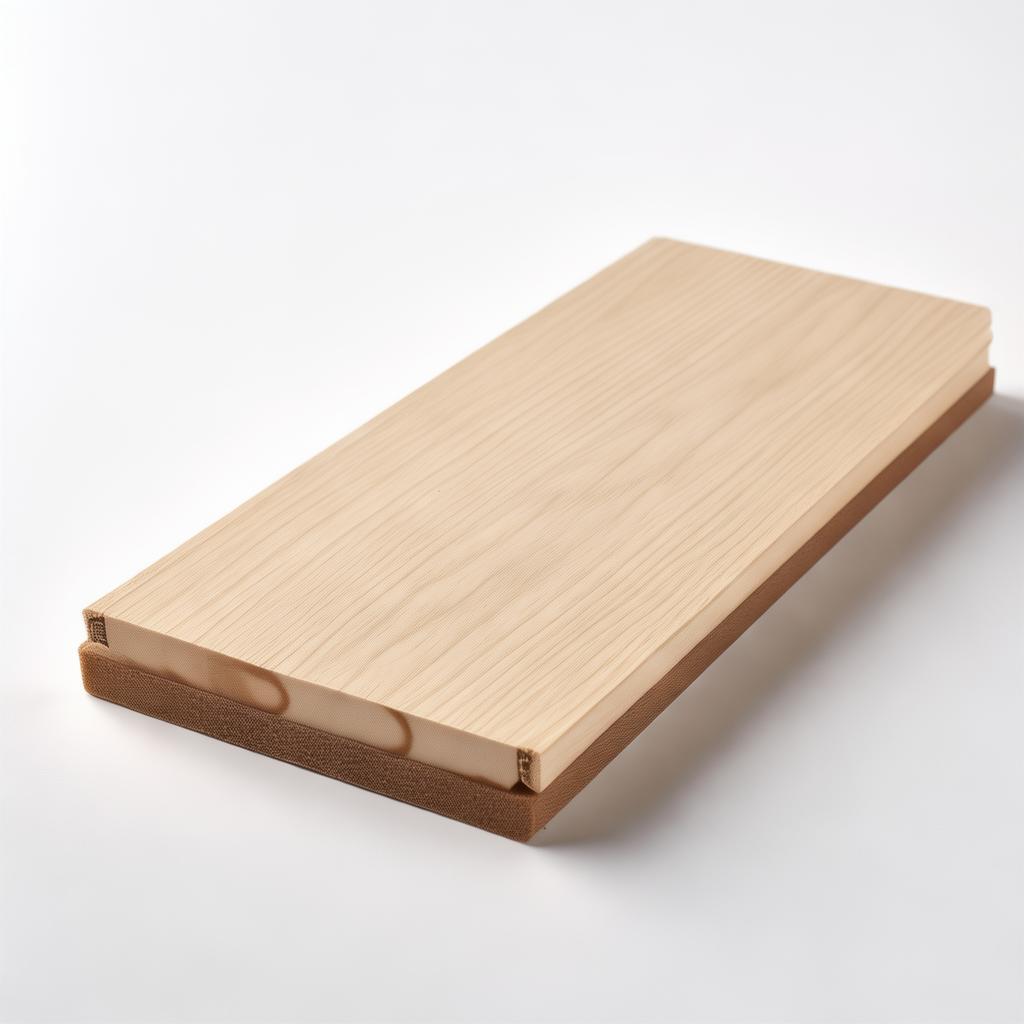
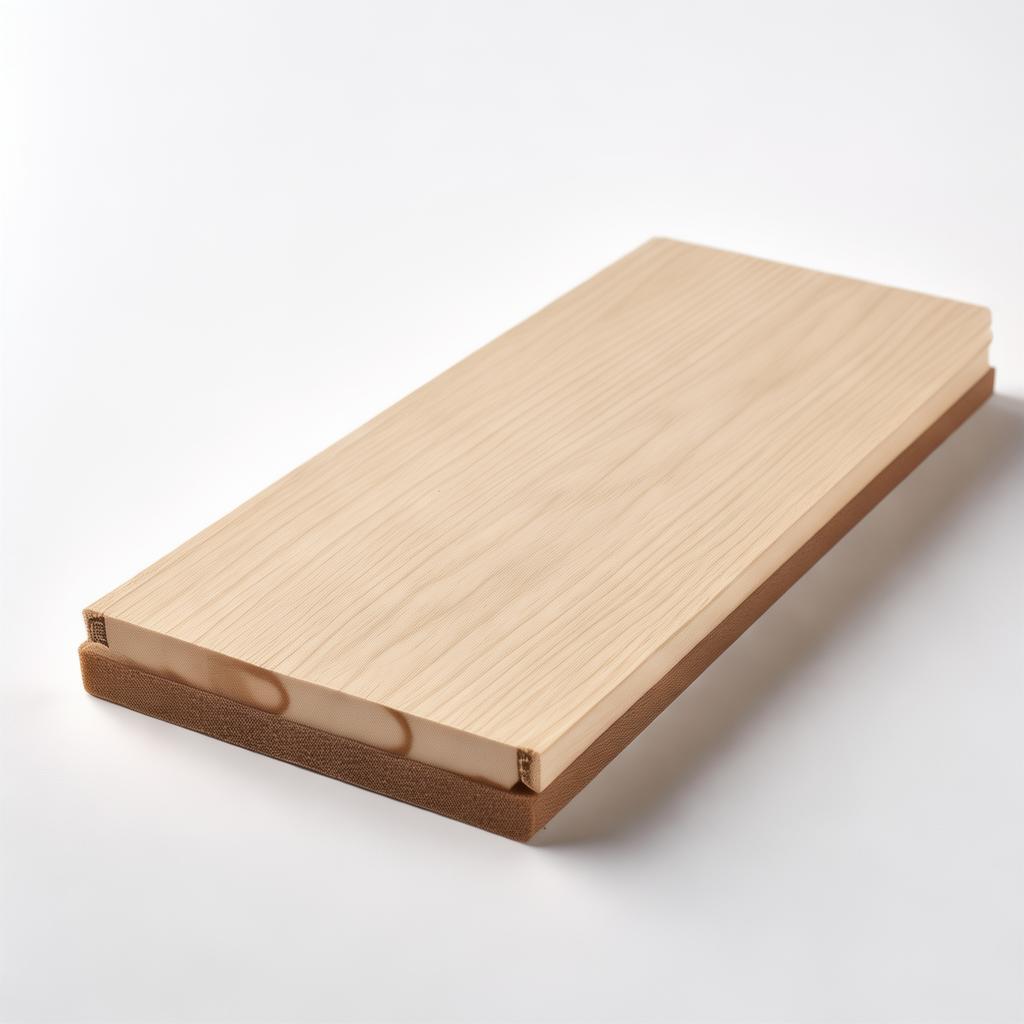
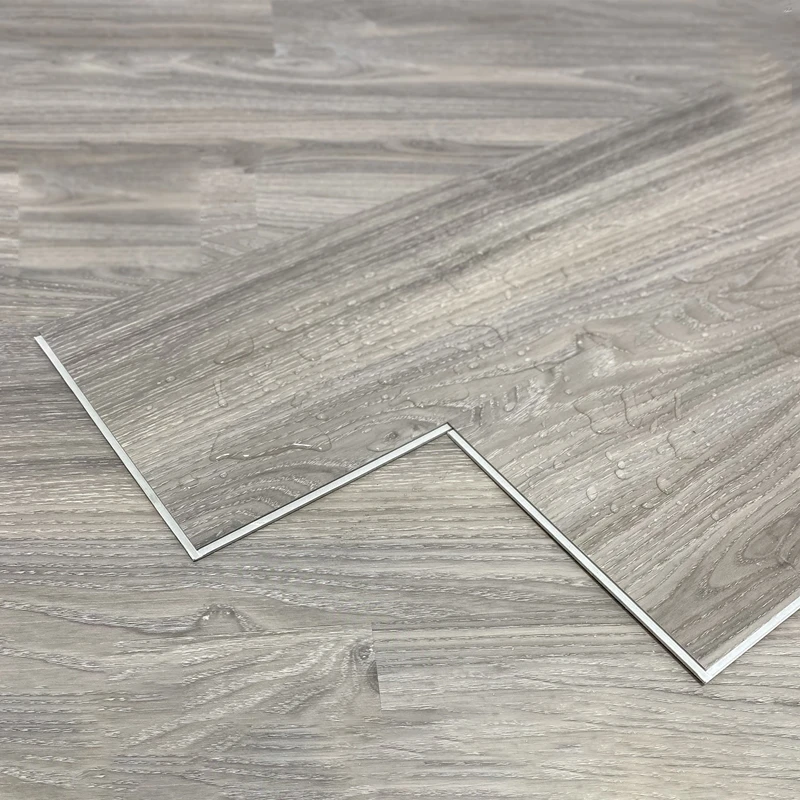
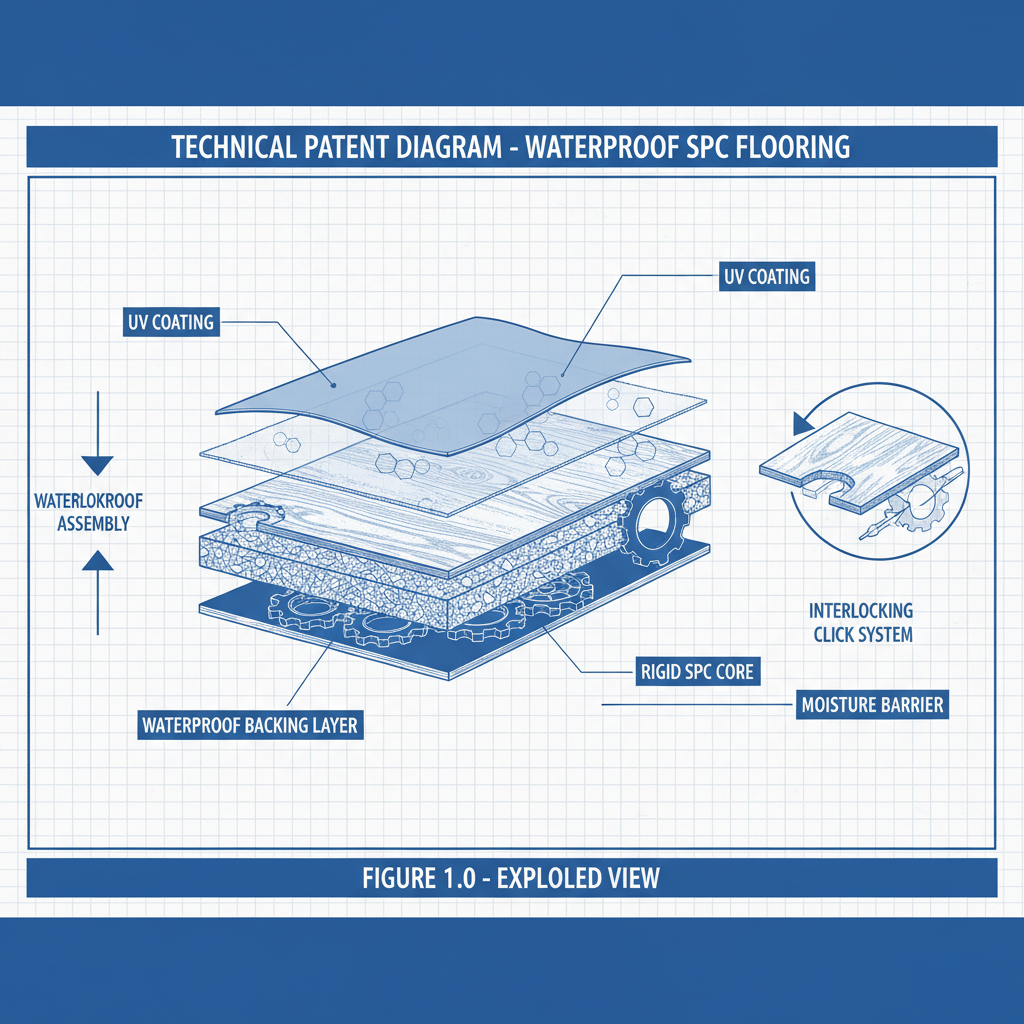
SPC's core is a homogeneous blend of stone powder (calcium carbonate) and PVC resin, typically in a 70/30 to 80/20 ratio. This creates a dense, dimensionally stable structure. WPC's core blends wood flour (30-50%) with thermoplastics (PVC, PE, or PP), resulting in a cellular, less dense structure.
| Parameter | SPC Flooring | WPC (for Flooring/Wall) |
|---|---|---|
| Core Material | Limestone (CaCO₃) + PVC | Wood Flour + Thermoplastic (PVC/PE/PP) |
| Typical Density | 1.3 - 1.5 g/cm³ | 0.9 - 1.2 g/cm³ |
| Water Absorption (24h) | ≤ 0.1% | 0.5% - 2.0% |
| Dimensional Stability (ΔL after 24h water soak) | ≤ 0.15% | 0.4% - 1.2% |
Practical Implication: That 0.1% vs. 1.2% water absorption is the difference between a floor that can be hosed down in a supermarket and one that swells at the seams in a mudroom. For commercial kitchens, bathrooms, basements, and any area with spill risk, SPC's near-zero absorption is the only responsible spec. Research on composite wall structures confirms that mineral-filled composites like SPC provide superior moisture barriers.
2. Structural Performance & Load Resistance
SPC's high density translates directly to indentation resistance—critical for commercial furniture legs, high heels, and pet claws. The industry standard test is the Briggs Flooring Indentation Test.
- SPC: Typical residual indentation after 1,000 N load: ≤ 0.1 mm. With a 0.5-0.7mm wear layer, it withstands heavy commercial traffic (Class 34/AC5).
- WPC: Residual indentation often 0.2mm - 0.5mm. The wood component compresses more easily, making it better suited for light residential use (Class 21/AC3).
Furthermore, SPC's modulus of elasticity (MOE) is typically 2,500-3,500 MPa, versus WPC's 1,800-2,500 MPa. This means SPC resists subfloor telegraphing (showing imperfections below) far better. For renovations over old concrete or uneven joists, SPC is the engineered solution. Industry experts consistently cite this stability as SPC's primary advantage over traditional LVT and WPC.
3. Thermal Response & Temperature Range
This is a silent project killer. SPC's low coefficient of thermal expansion (COTE) allows installation in environments from -20°C to +40°C without significant gapping or buckling, provided proper expansion gaps are left. WPC, with its organic wood content, has a higher COTE and is more susceptible to expansion in high humidity/temperature.
A key data point: in direct sunlight tests (simulating a sunroom), SPC planks showed ≤ 0.05% expansion, while some WPC products exceeded 0.3%. For projects in Texas, Arizona, or Mediterranean climates, this specification is paramount. Thermal performance studies confirm SPC's superiority in temperature-variable installations.
4. Installation Systems & Speed
Both use click-lock (uniblock or drop-lock) systems, but the consistency of the core material affects the precision. SPC's rigid, stable core allows for a tighter, more reliable joint that resists separation over time. WPC's slight flexibility can lead to "popping" joints if the subfloor isn't perfectly flat.
Installation Time Comparison: For a 100m² room over a sound subfloor:
- SPC (5mm thick): 6-8 hours for a 2-person crew.
- WPC (8-10mm thick): 7-9 hours, with more frequent joint checks.
However, WPC's thickness can be an advantage for sound insulation (IIC ratings 52-56) versus thin SPC (IIC 48-52), though both benefit from integrated underlayment. For rapid renovations where time is labor cost, SPC's predictable performance saves money.
5. Application Scenarios: Where Each Material Wins
| Application | Recommended Material | Key Reason |
|---|---|---|
| Commercial High-Traffic (Retail, Airport, Hospital) |
SPC (5.5-6mm, 0.7mm wear) | Superior dent/indentation resistance, 100% waterproof core. |
| Residential Wet Areas (Kitchen, Bath, Basement) |
SPC | Zero water absorption, no edge swelling risk. |
| Warm, Humid Climates (Southeast US, Middle East) |
SPC | Dimensional stability under humidity swings. |
| Light Residential (Bedrooms, Living Rooms) |
WPC or SPC | Both fine; WPC may offer warmer feel & sound insulation. |
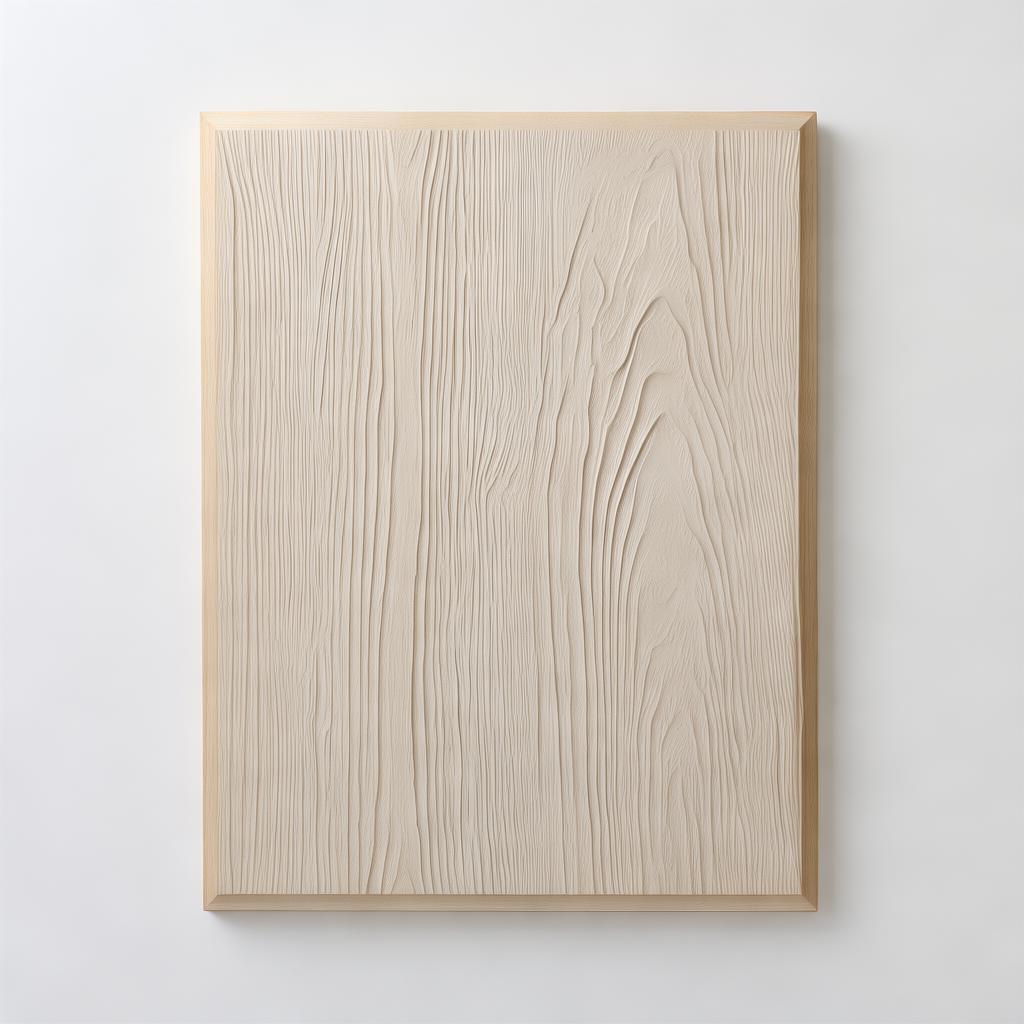
| Wall Cladding & Ceilings | WPC | Lighter weight (easier ceiling install), better acoustic properties, authentic wood texture possible. |
| Renovation Over Uneven Subfloors | SPC | Rigid core tolerates minor imperfections (≤ 3mm/2m). |
Expert Note: Don't let "WPC flooring" confuse you. True WPC flooring (often 8-10mm thick with a cork underlayment) is a niche product for residential comfort. In the wall panel market, WPC is the dominant standard for interior cladding due to its lighter weight and workability. Our factory produces both: SPC for high-performance flooring, WPC for walls and lighter-duty floors.
Visual Proof: Our Production Capability & Quality Control
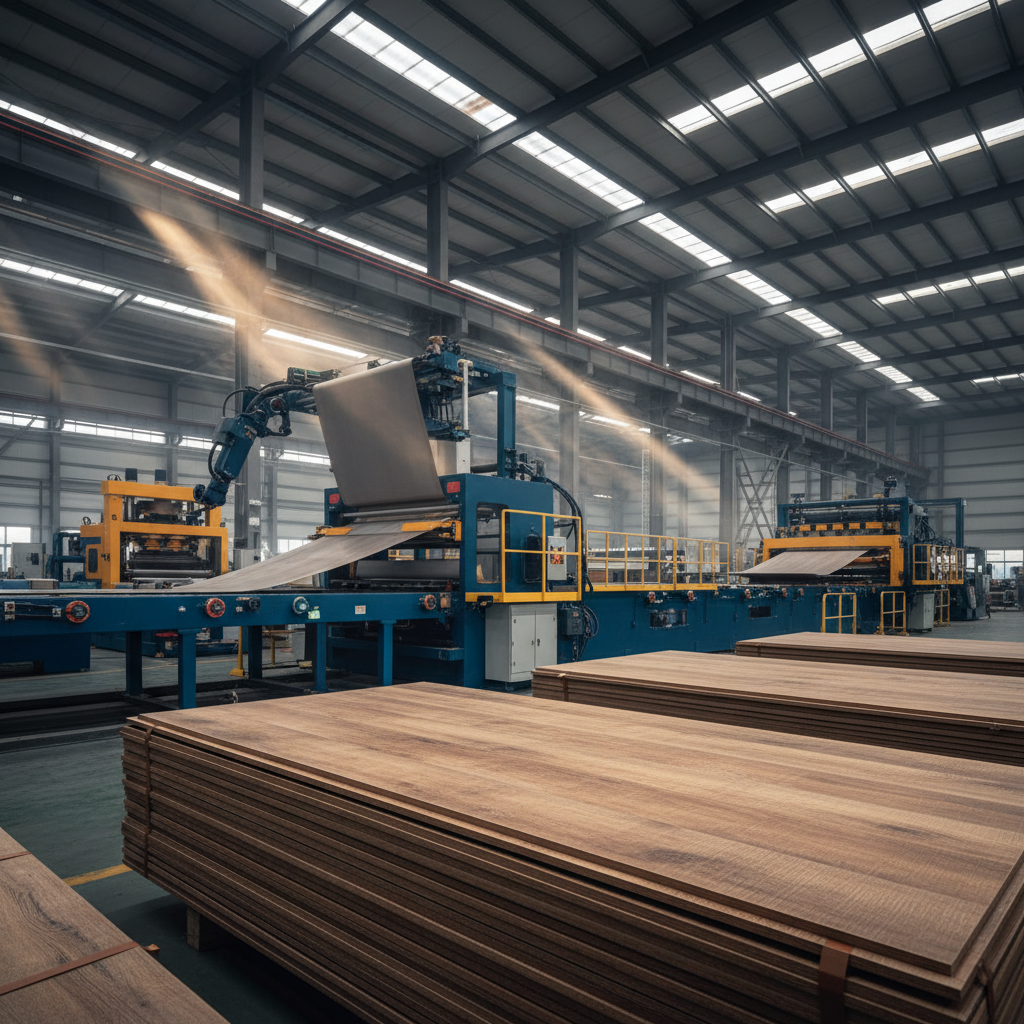
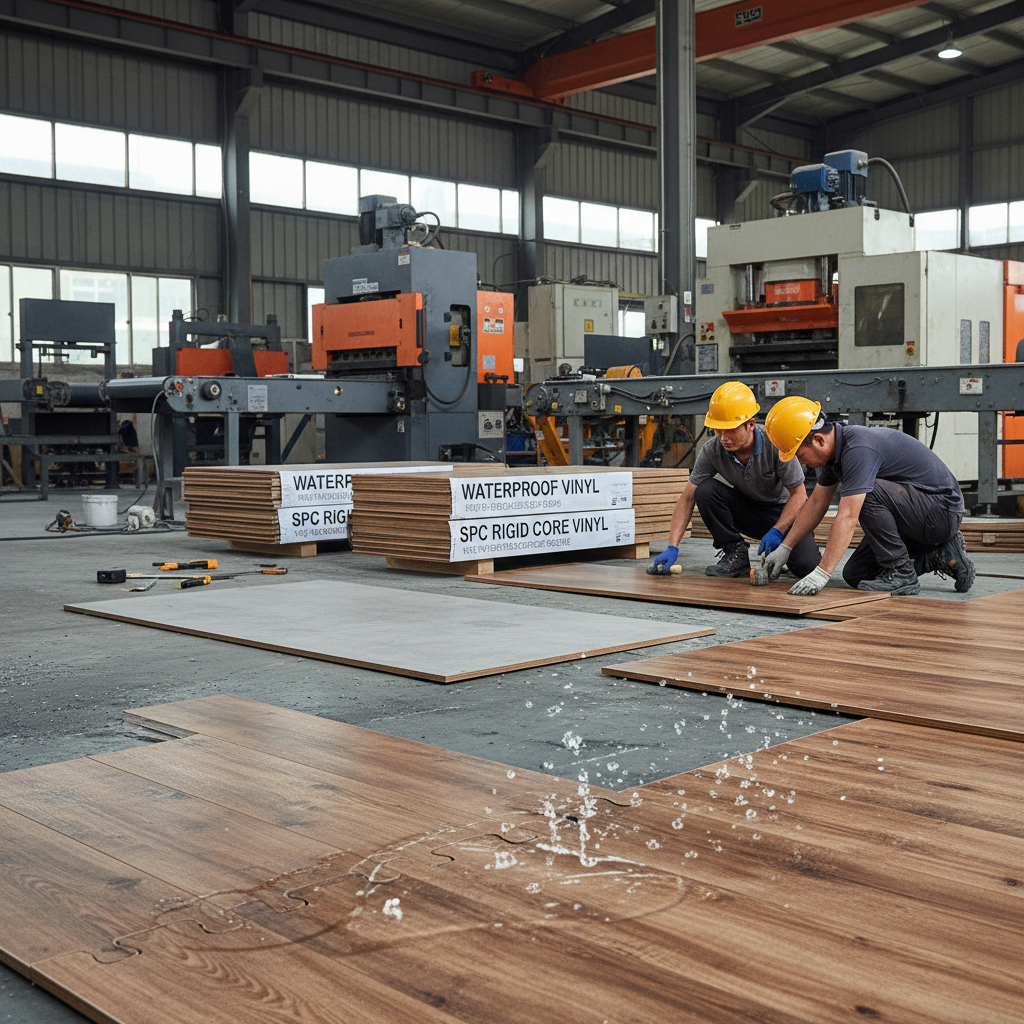
At Shijiazhuang Sothink, we control the entire value chain—from raw material compounding to final extrusion. This allows us to precisely engineer SPC and WPC formulations for different markets.
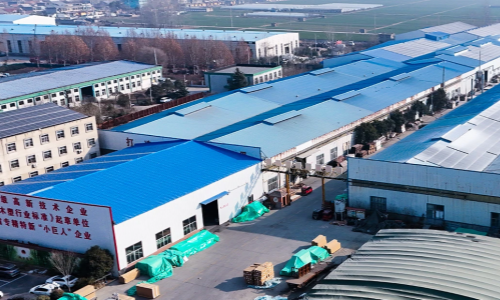
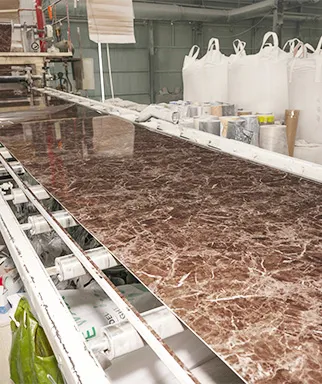
This vertical integration is why we can guarantee OEM/ODM precision and lead times of 25-35 days for container orders—faster than 80% of competitors in Hebei province. No middleman, no quality variance.
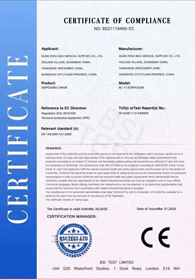
Social Proof: Trusted by Global Brands, Certified for Safety
Our products are not just tested; they are certified to the strictest international standards. We understand that a single non-compliant shipment can cost you a project.




Our factory operates under a triple-certified management system:



Client Results: Data-Driven Testimonials
"For our 200-unit condo renovation in Florida, we switched from generic WPC to Sothink's SPC flooring after a moisture failure in the pilot unit. The 0.05% water absorption spec was real. Zero callbacks on flooring after 18 months. Their 5-year wear warranty gave our client peace of mind."
— Miguel R., Project Director, US-based Construction Firm
"The consistent click-lock on your SPC planks reduced our installation crew's time by 1.5 days per 500m². The tighter joints also meant no squeaks—a major quality complaint we had with our previous Chinese supplier."
— Anya L., Procurement Manager, European Retail Chain
Frequently Asked Questions: The Procurement Perspective
What is the minimum order quantity (MOQ) for custom colors/embossing?
Our standard MOQ is 1 x 20ft container (~1,800-2,200 m²). For custom embossing or proprietary colors, MOQ increases to 3 containers due to mold/cylinder setup costs. We can provide free A4 samples (shipping cost applies) for color matching before order commitment.
How do you ensure consistent quality across different container shipments?
We use a statistical process control (SPC) system on our production lines. Every 30 minutes, we pull samples for thickness, density, and wear layer adhesion tests. All finished goods pass a 100% visual inspection for surface defects. We provide a QC report with each shipment and can arrange third-party inspection (SGS, BV, Intertek) at the factory for an additional fee.
What are your payment terms and shipping options?
We accept T/T (30% deposit, 70% against copy of B/L) or irrevocable L/C at sight. For new clients, we often require a 30% deposit with order confirmation. We work with major freight forwarders and can provide FOB Tianjin/Shanghai or CIF to your port. For urgent orders, we offer air freight quotes upon request.
Can you provide technical support for large-scale projects?
Absolutely. For projects over 5,000 m², we provide: 1) Detailed technical data sheets (including COTE, slip resistance, fire ratings), 2) Installation guidelines tailored to your region's building codes, 3) On-site training videos for your installation teams, and 4) Project-specific samples for architect/owner approval. Our engineers have experience with LEED and BREEAM documentation.
What is the warranty and expected lifespan?
We offer a limited structural warranty of 10 years and a wear layer warranty of 15-25 years (depending on wear layer thickness: 0.5mm = 15yr, 0.7mm = 25yr) under normal commercial use. Real-world lifespan, with proper maintenance, is 20-30 years for SPC and 15-20 years for WPC in interior applications. For exterior WPC cladding, we specify 25+ years with proper installation.
Ready to Eliminate Flooring Failures? Get Your Technical Package Now.
Stop guessing. Get the exact SPC/WPC specifications, certification copies, and pricing for your target market. First-time buyers get a free project consultation.
*Response within 4 business hours. All inquiries confidential.
Real Reviews from International Buyers

John Smith, Renovation Contractor (Toronto, Canada)
"We've sourced WPC wall panels from 5 different factories. Sothink's WPC has the most consistent color batch-to-batch. Their hollow-core exterior cladding also stood up to our first winter with zero cupping. The CE certificates were all in order for EU customs."

Elena Rossi, Interior Designer (Milan, Italy)
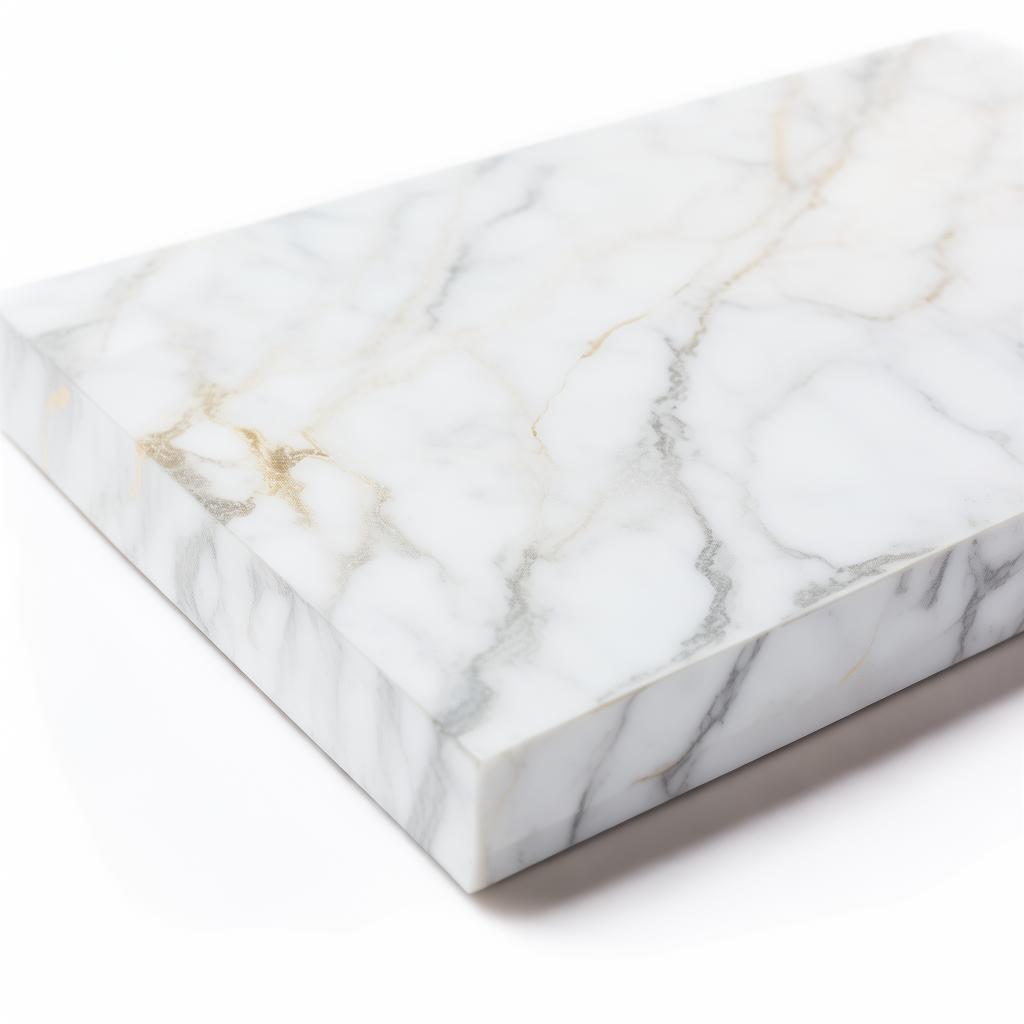
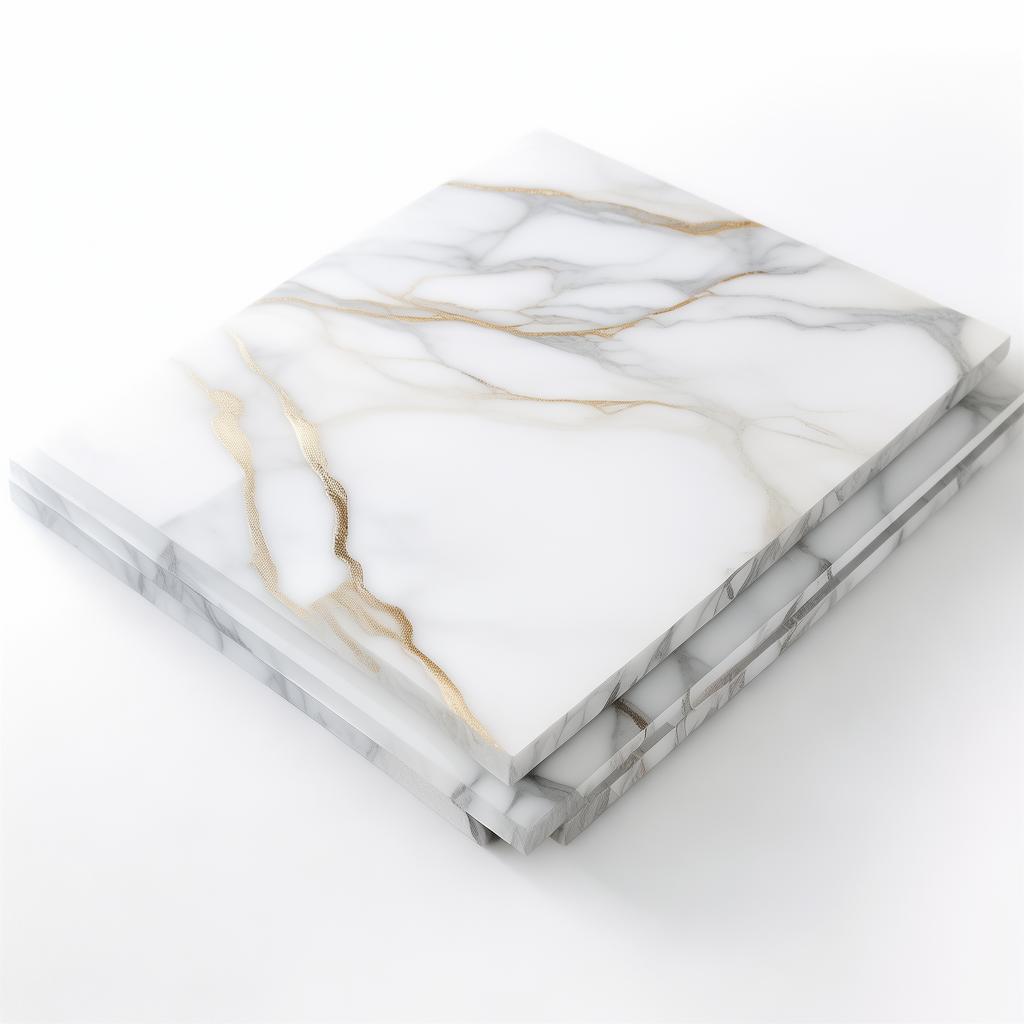
"The PVC marble sheets for our hotel project in Dubai needed to be heat-resistant and lightweight. Sothink's 3D embossed series looked more like real stone than any sample we'd seen. Shipping was 2 weeks faster than our previous supplier from Turkey. Highly recommended for Middle East projects."

Michael Chen, Building Materials Distributor (California, USA)
"We switched to Sothink for SPC because of their rigid core quality. Our customers complain less about telegraphing subfloor imperfections. The click system is tighter. Their ISO 9001 process is real—we've had zero major quality disputes in 3 years. They even helped us get FCC certification for our smart flooring joint system."
Author's Credentials

David Chen is a Senior Materials Engineer and Technical Sales Director at Shijiazhuang Sothink Trading Co., LTD. With a B.Sc. in Polymer Science and 15 years in the building materials industry, he has overseen the production and export of over 8 million square meters of WPC and SPC products. David specializes in formulation engineering for climate-specific applications and has assisted clients in navigating ISO, CE, and ASTM compliance for projects across 40+ countries. He is a regular contributor to industry publications on composite material performance.
Contact: david.chen@sothinkhome.com | WeChat: Sothink_David
Behind the Scenes: Our Client Communication Process
Transparency and responsiveness are core to our service. Here's a glimpse of how we handle your inquiry from first contact to shipment tracking:
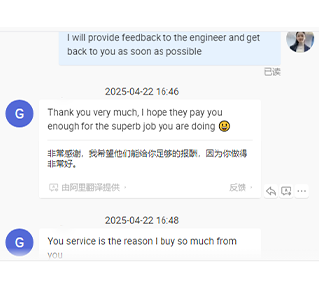

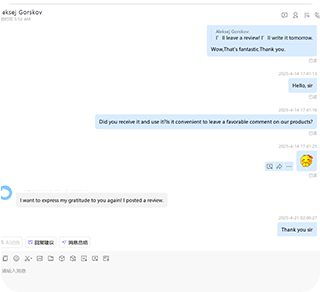
We use all major communication platforms to match your preference. Every quote includes a clear breakdown of costs, lead time, and compliance documents.
Final Recommendation: Which Should You Choose?
For 2026 and beyond, the choice is clear for most commercial and wet-area projects:
- Choose SPC Flooring if: Your project involves moisture (bathrooms, kitchens, basements), high traffic (retail, hospitality), temperature extremes, or requires installation over imperfect subfloors. It is the performance leader.
- Choose WPC (Wall Panels) if: You need lightweight interior/exterior cladding, superior acoustic properties, or a more pronounced wood texture. For walls and ceilings, WPC is often the only practical rigid panel option.
- Consider SPC for Walls if: You need extreme moisture resistance in a wall application (e.g., shower niches, commercial kitchens). Our SPC wall panels are available in 4-5mm thicknesses for such cases.
Bottom Line: Do not let price alone drive the decision. A 10% cheaper WPC floor that fails in a commercial bathroom will cost 300% more in rework. Specify the material for the environment, not just the look.
Take the Next Step with Confidence
You now have the technical clarity to specify the correct material. Let's discuss your specific project requirements, volumes, and market needs. We provide:
- ✅ Free material samples (shipping cost applies)
- ✅ Detailed technical & compliance data sheets
- ✅ Project-specific pricing for 20ft/40ft containers
- ✅ OEM/ODM design support
- ✅ Flexible payment terms for qualified buyers
Shijiazhuang Sothink Trading Co., LTD. | Room 709, Gelan Business Building, Xisanzhuang Street, Shijiazhuang City, Hebei Province, China | Tel: +86 13703399579
Data Sources & References
- Wood Plastic Composites Based Wood Wall’s Structure and Thermal Insulation Performance. (2021). ScienceDirect. https://www.sciencedirect.com/science/article/pii/S2369969821000062
- SPC Flooring Market Analysis and Future Outlook. (2024). LinkedIn Pulse by Furman Flooring. https://www.linkedin.com/pulse/spc-flooring-market-analysis-future-outlook-furman-flooring-blw4c
- Why SPC Vinyl Plank Flooring: The Toughest, Most Stable Floor. GC Flooring. https://gcflooring.ca/why-spc-vinyl-plank-flooring-the-toughest-most-stable-floor-gc-flooring-can-stand-behind/
- The Pros and Cons of SPC Flooring. Tile Stone Source. https://tilestonesource.com/how-to/the-pros-and-cons-of-spc-flooring/
- Can SPC Flooring Handle Extreme Temperatures?. Wintel Surfaces. https://wintelsurfaces.com/blog/can-spc-flooring-handle-extreme-temperatures
- WPC Cladding and Its Inherent Advantages. Everwood WPC. https://everwoodwpc.com/blog/wpc-cladding-advantages-everwood/
- Comparing WPC vs Natural Wood: Environmental Impact and Longevity. Mexytech. https://www.mexytech.com/comparing-wpc-vs-natural-wood-environmental-impact-and-longevity.html
- The Share of PVC Marble Sheet in the International Market of Decorative Materials. Aesthedge Wall Panel. https://aesthedgewallpanel.com/the-share-of-pvc-marble-sheet-in-the-international-market-of-decorative-materials/
- Stone Plastic Composite (SPC) Flooring Market. DataIntelo. https://dataintelo.com/report/stone-plastic-composite-spc-flooring-market
- WPC Wall Panel: The Pros, The Cons, and The Must-Knows. Onsun WPC. https://www.onsunwpc.com/the-pros-and-cons-of-wpc-wall-panels/
 +86 31185293045
 qian@ss711.com