


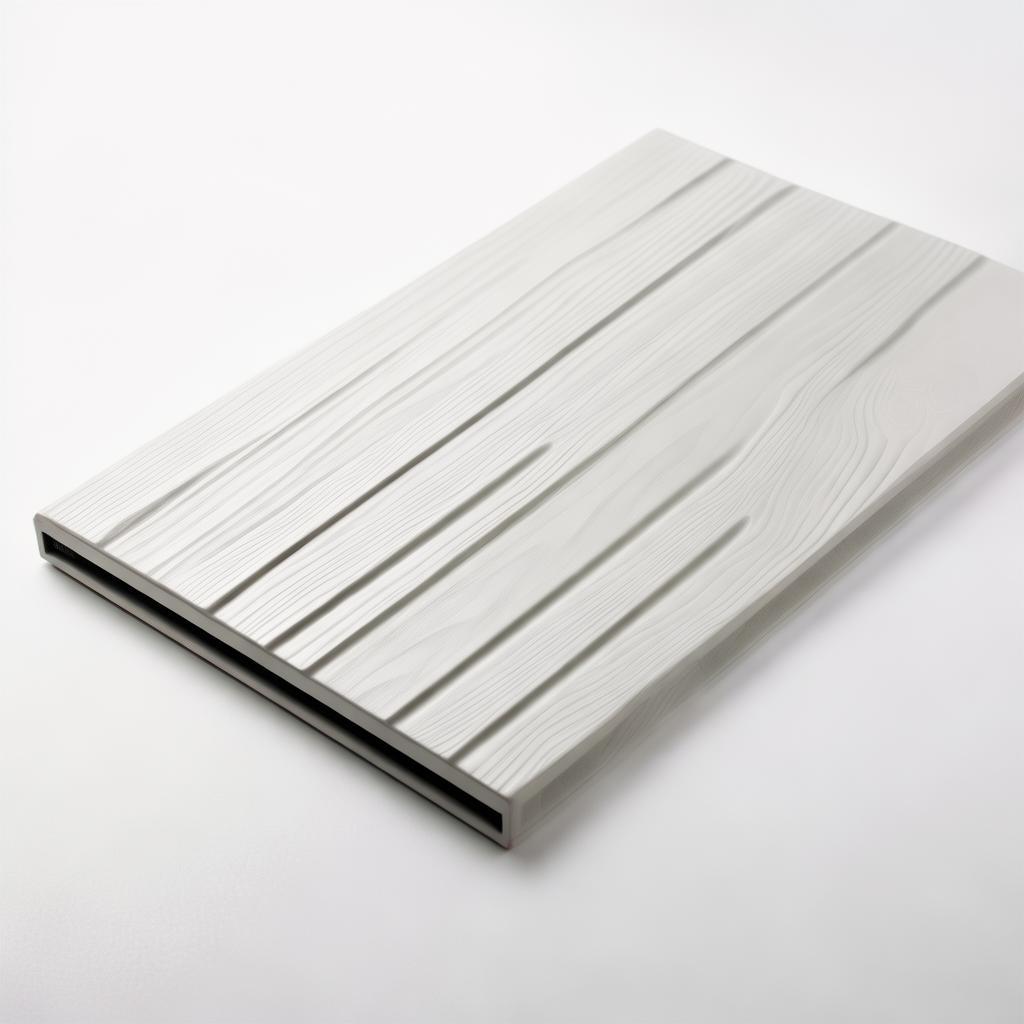
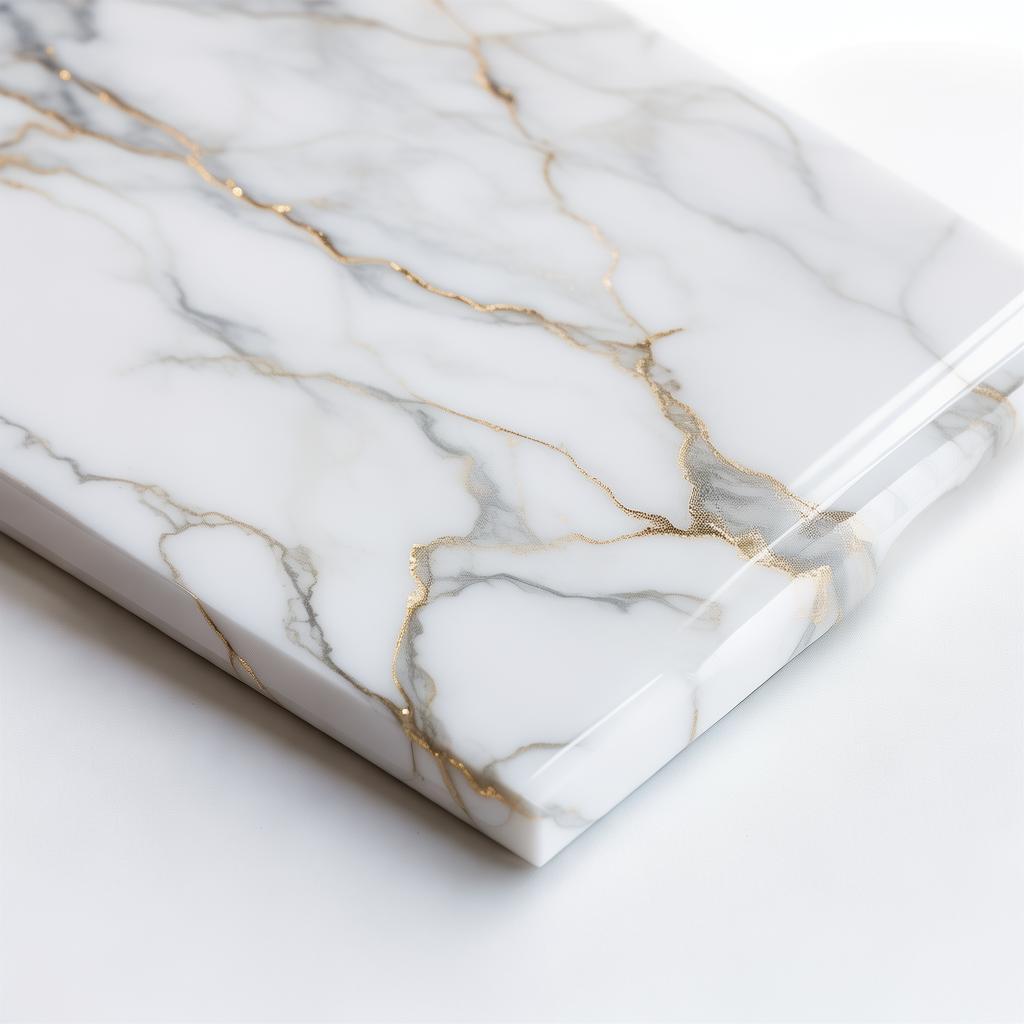
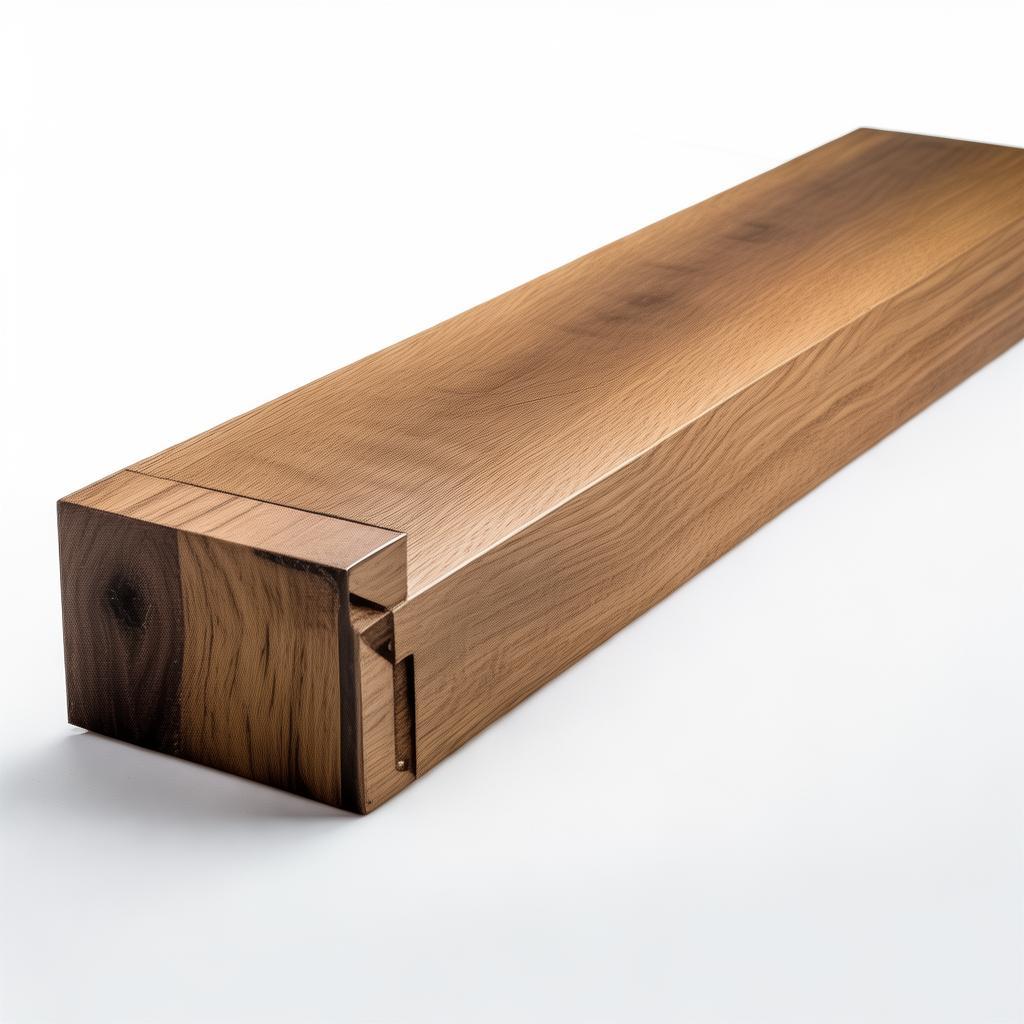
The Real Cost of WPC Wall Panel: A 2026 Data-Driven Guide for Smart Procurement
Stop guessing. Understand the complete cost structure—from raw material to your installation site—and make procurement decisions that protect your budget and reputation. For purchasing managers, operations leads, and technical directors sourcing globally.
Get a Detailed Quotation & Free Sample KitResponse within 24 business hours | Includes technical data sheet
Problem Agitation: Why WPC Wall Panel Pricing Is Your Biggest Procurement Headache
You're planning a project—a hotel renovation, a residential complex, or a commercial fit-out. You need durable, attractive wall panels that won't warp in humidity or crack in temperature swings. Wood Plastic Composites (WPC) seem perfect. Then you start getting quotes. One supplier says $8/sq.m. Another says $15/sq.m. A third quotes a "landed cost" that's 40% higher. The variance isn't just annoying; it's a strategic risk.
Why is determining the true cost of WPC wall panel so opaque? Because most quotes hide critical variables. They don't break down material grade, core composition, or surface technology. They exclude freight, customs, and the massive hidden cost of poor fit and finish that inflates your installation labor by up to 25%.
1. The "Sticker Shock" from Inconsistent Unit Pricing
You see prices per "sheet" or per "panel." But panels come in wildly different sizes—a standard 4'x8' sheet versus a custom 6'x12' profile. The price per square meter can vary by 300% based solely on dimension, not quality. A buyer from a European retail chain told us, "We once assumed a low quote was a great deal until we realized the panel thickness was 3mm instead of our spec'd 8mm. It was a non-starter for our load-bearing application." This confusion wastes weeks of back-and-forth.
2. Hidden Costs in Logistics & Installation That Blow Your Budget
The FOB (Free On Board) price is just the beginning. Ocean freight for a container of WPC panels from China to Rotterdam can swing between $3,000 and $6,000 based on season and port congestion. Then come destination fees: customs duties (often 0-5% for building materials, but verify!), port handling, inland trucking, and unloading. These logistics can add 15-25% to your unit cost. Furthermore, a low-quality panel with inconsistent core density will warp during shipping, leading to rejection rates of 5-10% upon arrival—a direct hit to your project margin.
3. Quality vs. Price Trade-offs That Damage Your Project's Reputation
The most dangerous cost isn't on the invoice—it's the cost of failure. Selecting a sub-grade WPC panel to save $2/sq.m. can result in:
• Fading & Surface Degradation: Within 12 months in sun-exposed areas, poor UV inhibitors cause visible color shift, as noted in industry testing【OnSun WPC Analysis】.
• Installation Nightmares: Panels with poor dimensional stability will expand/contract, causing gapping or buckling. This can add 30-50% more labor hours and material waste.
• Compliance Failures: Non-compliant materials (e.g., missing REACH, RoHS, or fire rating certifications) can halt your project at customs or during inspection, causing costly delays.
The Bottom Line: The true cost of WPC wall panel is its Total Cost of Ownership (TCO) over 5-10 years, not just the initial purchase price. A higher-quality panel with a 20% premium upfront often delivers a 25% lower lifecycle cost due to zero maintenance, no replacement, and flawless installation【Wallong Longevity Study】.
Solution Presentation: What Actually Drives the Cost of WPC Wall Panel?
As a manufacturer with over a decade of export experience to North America and Europe, we break down cost transparency. The price you pay is a direct function of four pillars. Understanding these empowers you to compare quotes intelligently and demand specifications.
Core Advantage 1: Raw Material Formulation Dictates 30-40% of Cost
WPC is a composite. The ratio and grade of its components are everything.
- Wood Fiber Source & Particle Size: Recycled hardwood flour (e.g., from furniture factories) is more expensive than mixed softwood or bamboo flour. Finer, uniformly graded particles cost more but create a denser, smoother surface with less sanding required.
- Polymer Resin Base: Polypropylene (PP) is common and cost-effective. Polyvinyl chloride (PVC) offers better moisture resistance but is pricier. For high-moisture areas (bathrooms, basements), the PVC-based premium is justified.
- Additive Package (The "Secret Sauce"): This is where low-cost producers cut corners. A quality panel includes:
- UV Stabilizers & Inhibitors: (e.g., Hindered Amine Light Stabilizers - HALS) to prevent fading. This can add 10-15% to material cost but is non-negotiable for exterior or sunlit interiors【Everwood WPC】.
- Coupling Agents: Like maleic anhydride grafted polyolefins (MAPE), which improve the bond between wood and plastic, enhancing strength and reducing water absorption.
- Foaming Agents: For lighter-weight panels with good rigidity, reducing shipping costs.
Core Advantage 2: Manufacturing Technology - Extrusion vs. Co-Extrusion
This is a major cost differentiator often missed in quotes.
- Single-Screw Extrusion (Standard): Produces a homogeneous core. Lower capital and operational cost. Suitable for basic interior applications where a single surface finish is needed.
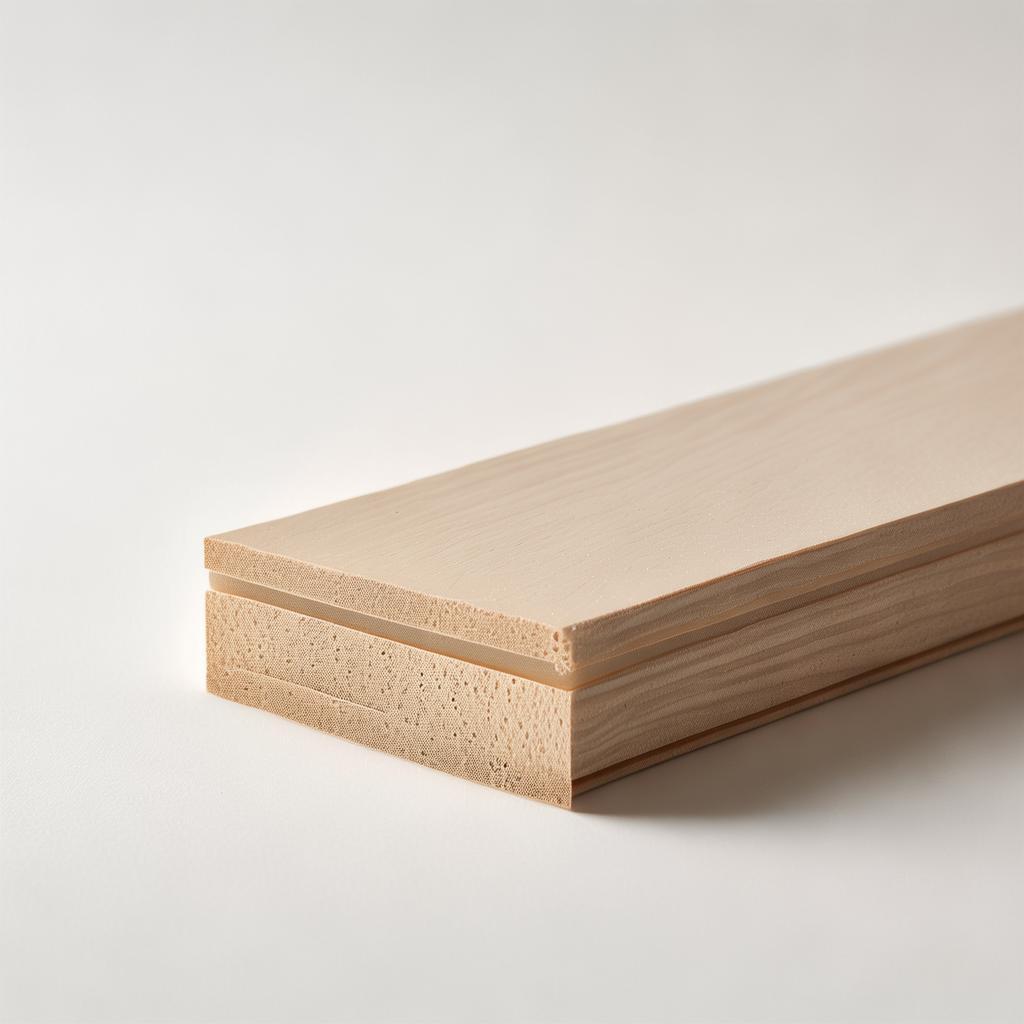
- Co-Extrusion (Premium): A second extruder applies a thin, specialized "cap layer" (0.3-0.8mm) onto the core. This cap layer contains higher concentrations of UV inhibitors, color pigments, and scratch-resistant additives. Co-extruded panels command a 15-25% price premium but offer vastly superior surface durability and fade resistance, critical for commercial high-traffic areas【Canada Plastics Design Trends】.
Core Advantage 3: Surface Design Complexity & Realism
The visual finish is a primary cost driver, especially for designers.
- Printing Technology: Rotogravure (traditional) vs. High-Definition Digital Printing. Digital allows for realistic, non-repeating wood grains, stone patterns, and even custom graphics. Digital printing can increase panel cost by 20-30% but delivers a high-end, bespoke look.
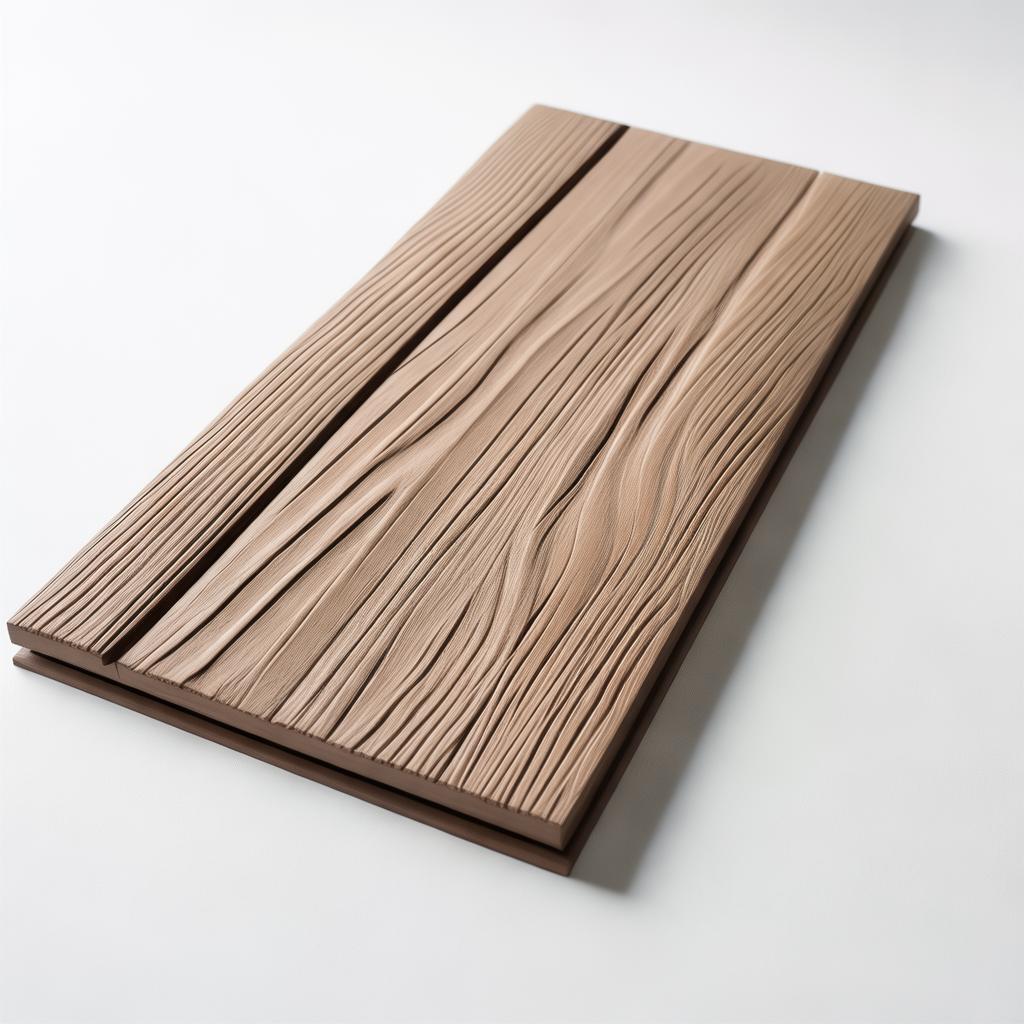
- Embossing Depth: A subtle emboss adds minimal cost. Deep, 3D embossing that synchronizes with the printed grain (register embossing) requires precise machinery and increases cost significantly but creates an incredibly authentic tactile feel.
- Finish: Matte, satin, and low-gloss finishes are now standard. High-gloss is less common and can show imperfections more easily.
Core Advantage 4: Structural Profile & Thickness
This is pure physics and load-bearing math.
- Hollow-Core vs. Solid Core: Hollow-core panels (with internal ribs) are lighter, cheaper to ship, and offer good sound dampening. Solid-core panels are heavier, more expensive, but provide superior impact resistance, sound insulation, and can be used for heavier fixtures. The choice depends on application—interior feature wall vs. exterior cladding subject to wind load.
- Thickness Range: Common interior panels are 4mm-8mm. Exterior cladding often starts at 8mm and goes to 16mm+. Material cost rises linearly with thickness.
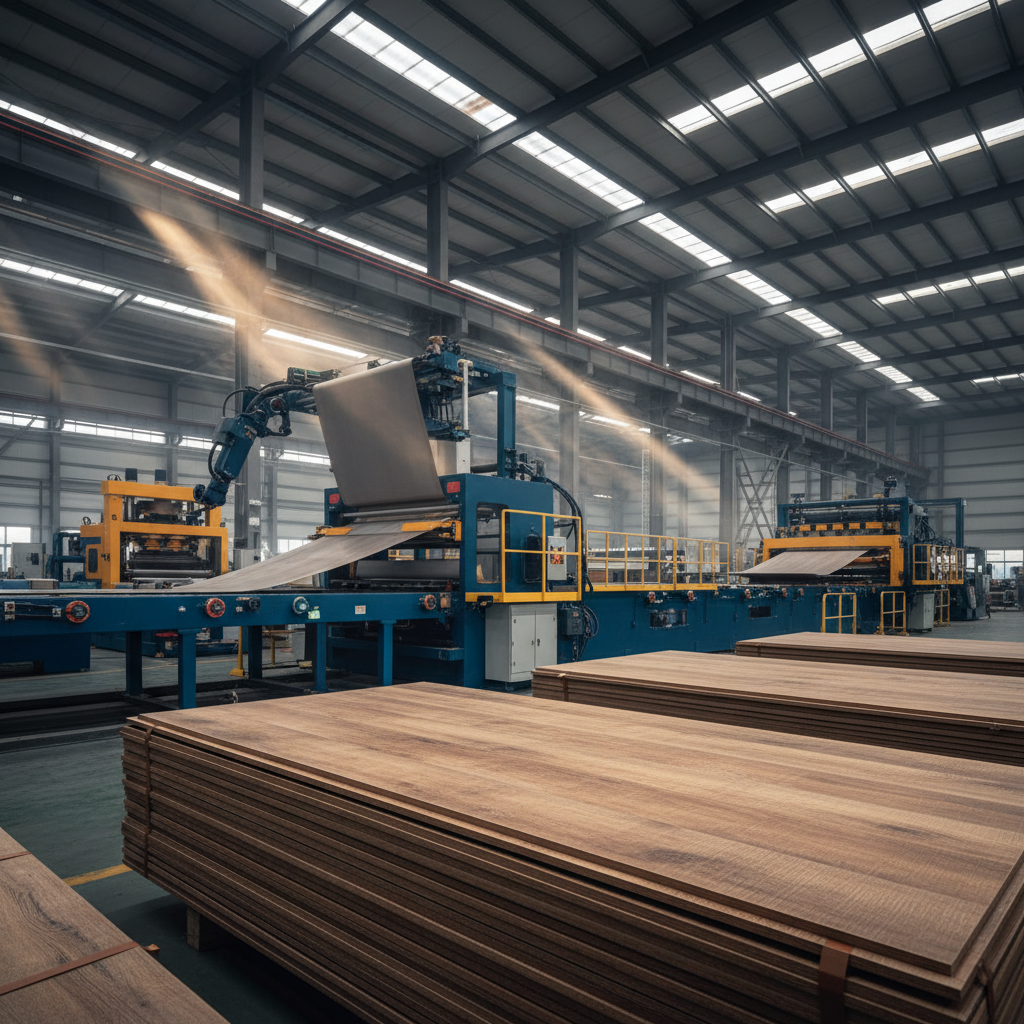
Our automated production line ensures consistent core density and surface finish. Precision extrusion is key to cost control and quality.
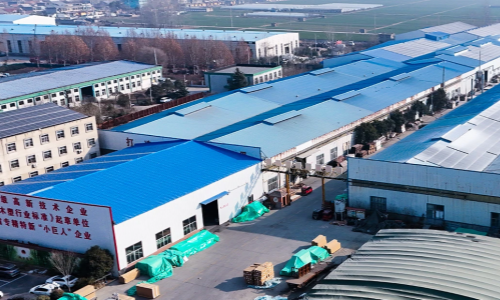
Figure 1: Our ISO 9001 certified factory uses twin-screw extruders for superior material homogenization.
Technical Specifications: Compare WPC Wall Panel Costs by Tier
Don't compare prices. Compare specifications. Below is a benchmark table illustrating how technical parameters directly correlate to price brackets for standard 4'x8' (1219x2438mm) panels.
| Parameter / Feature | Economy Tier | Standard/Commercial Tier | Premium/Architectural Tier |
|---|---|---|---|
| Core Material | PP + 30% Wood Flour (mixed grade) | PP/PVC Blend + 40% Hardwood Flour | PVC + 45% Recycled Hardwood + Mineral Fillers |
| Extrusion Type | Single-Screw | Twin-Screw (Standard) | Twin-Screw + Co-Extruded Cap Layer |
| Panel Thickness | 4-5mm | 6-8mm | 8-12mm (or custom) |
| Surface | Rotogravure Print, Light Emboss | Digital Print, Medium Emboss | Digital Print, Registered 3D Emboss |
| UV Resistance | Basic Additive | Standard Package (Grade 3) | High-Performance Package (Grade 5+) |
| Fire Rating (Typical) | Class E / V-2 | Class B / V-0 | Class A / V-0 + Low Smoke |
| Key Certifications | ISO 9001, RoHS | ISO 9001, CE, RoHS, REACH | ISO 9001, CE, RoHS, REACH, Greenguard, Class 1 Fire |
| Estimated FOB Price Range (USD/sq.m) | $5.50 - $7.50 | $8.00 - $12.00 | $13.00 - $22.00+ |
*Prices are indicative FOB (Free On Board) Shijiazhuang, China, for standard 4'x8' panels. Final pricing depends on volume, specific design, and current resin costs. All tiers meet basic performance standards; Premium Tier is required for high-end commercial, wet areas, and stringent fire code projects.
Application Scenarios: Which WPC Panel Cost Tier Fits Your Project?
Scenario 1: Commercial Renovation (Mid-Range Hotels, Offices, Retail)
Requirements: Durability, clean aesthetics, easy installation, mid-range budget. Moderate humidity, high foot traffic.
Recommended Tier: Standard/Commercial. This tier offers the best balance. The twin-screw extruded core provides consistent density, preventing the warping that plagues economy panels during the 72-hour acclimatization period on-site. A standard UV package (Grade 3) is sufficient for interior, indirect light. The digital print finish looks premium but doesn't carry the 3D emboss premium.
Cost-Saving Insight: For large retail corridors or hotel back-of-house areas, you can often specify the Economy Tier for purely functional walls (e.g., utility closets, service elevators) and upgrade only the public-facing feature walls to Standard. This targeted approach can reduce total material cost by 15-20% without compromising the guest experience.
Scenario 2: Residential Multi-Family & Hospitality (Bathrooms, Kitchens, Lobbies)
Requirements: High moisture resistance, low VOC emissions, premium look, long-term durability. Frequent cleaning with chemicals.
Recommended Tier: Premium/Architectural, especially for bathrooms and kitchens. The PVC-based core with mineral fillers offers superior water resistance (water absorption <0.5% vs. 1.5-3% for PP-based). The co-extruded cap layer with advanced scratch and chemical resistance is essential to withstand abrasive cleaners. Greenguard Certification is often a requirement for LEED or WELL building projects in the USA and Europe.
ROI Justification: The higher per-sq.m. cost is offset by zero painting/staining over 20+ years, no replacement due to moisture damage, and the ability to market units as having "low-VOC, sustainable finishes." This can command a 3-5% rental premium in competitive markets【Accio Market Trend】.
Scenario 3: Exterior Cladding & Semi-Outdoor Use (Facades, Balconies, Sunrooms)
Requirements: Extreme UV/weather resistance, thermal stability, impact resistance, colorfastness. Must withstand -30°C to 50°C temperature swings.
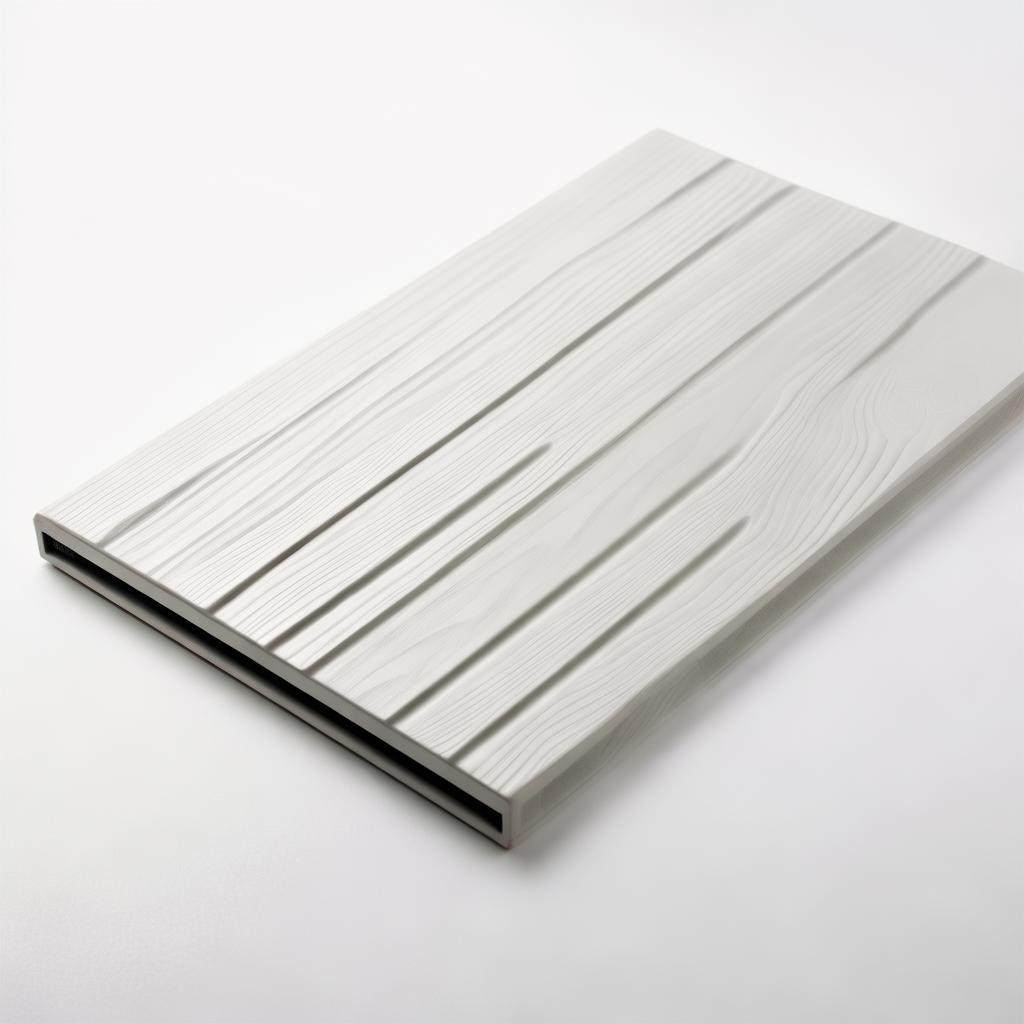
Recommended Tier: Premium/Architectural, Exterior-Specific Formulation. This is non-negotiable. You need a dedicated exterior-grade WPC with a high-load UV inhibitor package (often HALS + Benzotriazole mix) and a thicker, co-extruded cap layer (0.8mm+). The core must be engineered for minimal thermal expansion. Look for test reports showing <1% dimensional change after 1000 hours in a weatherometer.
Cost Context: The price per sq.m. for exterior cladding profiles (often hollow-core for weight/insulation) is 20-30% higher than interior panels of similar thickness. However, compare it to the landed cost of natural cedar or ipe: $25-$50/sq.m. for material, plus 5-7 years of staining/sealing maintenance. WPC's TCO is dramatically lower【Mexytech Comparison】.
Social Proof: Global Trust Backed by Rigorous Compliance
Our cost of WPC wall panel structure is built on a foundation of verified quality. We don't just claim compliance; we certify it for every major market.

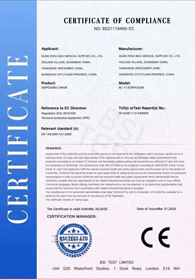



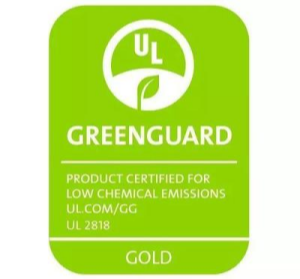
Trusted By Global Brands & Projects: Our panels have been specified and installed in projects supplied to major distributors and contractors in the USA, Germany, Australia, and the UAE. We provide full documentation packs for your compliance team.
Frequently Asked Questions: WPC Wall Panel Cost & Procurement
1. What is the typical MOQ (Minimum Order Quantity) and how does it affect unit cost?
Our standard MOQ is 1x20' container (approx. 1,200-1,500 sq.m. of 4'x8' panels). This volume allows us to optimize production runs and achieve our best FOB pricing. For orders below 500 sq.m., a small order surcharge of 10-15% typically applies due to less efficient machine utilization and higher per-unit freight allocation. We recommend container loading for optimal cost efficiency.
2. Can you provide a sample? Is it free?
Absolutely. We provide free sample kits (3-5 different designs/surface finishes) to qualified B2B buyers. The samples are shipped via express courier (DHL/FedEx). The shipping cost for the sample (~$50-$80) is typically deducted from your first official order. This allows you to physically verify color, texture, thickness, and core density before committing to a container.
3. What payment terms do you offer for international orders?
We are flexible to support your cash flow. Standard terms are:
• T/T (Telegraphic Transfer): 30% deposit, 70% against copy of Bill of Lading.
• L/C (Letter of Credit): Acceptable at sight or 30-60 days after sight, issued by a prime bank (e.g., Citibank, HSBC, Deutsche Bank).
• For established partners, we can discuss O/A (Open Account) terms after a credit evaluation.
We do not accept PayPal for container orders due to transaction limits and fees.
4. How long is the production lead time and shipping time to the USA/Europe?
Production lead time is 15-25 working days after receipt of deposit and confirmed artwork/specifications. Standard shipping time from our port (Tianjin/Qingdao) to major ports (Los Angeles, New York, Rotterdam, Hamburg) is 25-40 days by sea. We work with reliable freight forwarders and can provide CIF (Cost, Insurance, Freight) or DAP (Delivered at Place) quotes upon request. For urgent projects, air freight is possible for samples and small orders, but is cost-prohibitive for full containers.
5. Do you offer customization? What is the cost impact?
Yes, we provide full OEM/ODM services. Customization includes:
• Color & Design: Custom digital prints based on your Pantone codes or samples. There is a one-time mold/cylinder fee of $500-$2,000 depending on design complexity, waived for orders over $50,000.
• Size & Profile: Non-standard dimensions (length, width, thickness) or custom tongue-and-groove profiles. Tooling costs apply. This increases unit cost by 5-15%.
• Packaging: Custom branding on cartons and pallets. Minimal cost for standard modifications.
Lead time for custom orders is 30-45 days.
6. What is your warranty and after-sales policy?
We provide a limited product warranty of 10 years against manufacturing defects and premature degradation under normal use conditions (not including improper installation, mechanical damage, or extreme Acts of God). The warranty covers replacement of defective panels FOB China. For claims, we require photographic evidence and a small sample of the failed material. We have a dedicated technical support team to assist with installation queries and best practices.
Ready to Control Your WPC Wall Panel Costs?
Stop navigating opaque quotes. Get a precise, itemized quotation based on your exact specifications, volume, and destination port. Includes sample kit shipping details.
Urgent Inquiry? WhatsApp us directly: +86 13703399579 (WeChat/Phone)
Hear From Our Global Buyers

"We sourced WPC panels for a 200-room hotel renovation. The initial low quote from another supplier turned into a nightmare due to 8% warpage rejection. Sothink's sample testing and clear FOB pricing saved us. Their Premium co-extruded panels performed flawlessly. Total landed cost was 5% lower when we factored in zero waste and faster installation."

"Transparency was key. Sothink provided a detailed cost breakdown—resin type, UV grade, thickness. Their CE and REACH documentation was pristine, clearing EU customs in 48 hours. The 4mm Standard panels were perfect for our store interiors. We've reduced our panel procurement cost by 18% since switching to them 2 years ago."

"We needed exterior cladding that could handle our coastal climate. Sothink's exterior-grade WPC with the deep emboss and high UV rating has been on our buildings for 18 months with zero fading. The initial cost was higher than basic timber, but the 10-year no-maintenance promise makes it a clear winner for our bottom line and our clients' satisfaction."

Authored by James Carter
Senior Technical Director & Co-Founder, Shijiazhuang Sothink Trading Co. LTD.
With 15 years in the WPC manufacturing and export industry, James has guided procurement strategies for clients ranging from US home improvement chains to EU hotel chains. He specializes in translating complex material science into actionable cost-benefit analyses for international buyers. A graduate of Hebei University of Science and Technology in Polymer Engineering, he is a frequent contributor to industry publications on sustainable building materials and global supply chain optimization.
See How We Support Your Order Process
Real snippets from our customer support and order coordination. We provide clear, timely communication from inquiry to delivery.
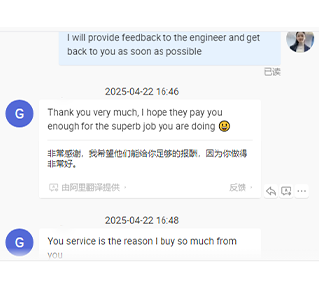
Providing a transparent FOB cost breakdown

Coordinating custom sample development
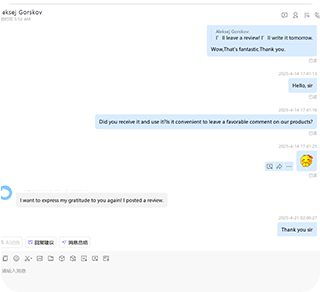
Providing pre-shipment loading documentation
Data Sources & Industry References
The technical data, market projections, and performance claims in this article are supported by the following independent industry analyses and scientific papers:
- Wood Plastic Composites Based Wood Wall’s Structure and Thermal Insulation Performance. ScienceDirect. (2021). https://www.sciencedirect.com/.../S2369969821000062
- WPC Wall Panel: The Pros, The Cons, and The Must-Knows. OnSun WPC. (2023). https://www.onsunwpc.com/...
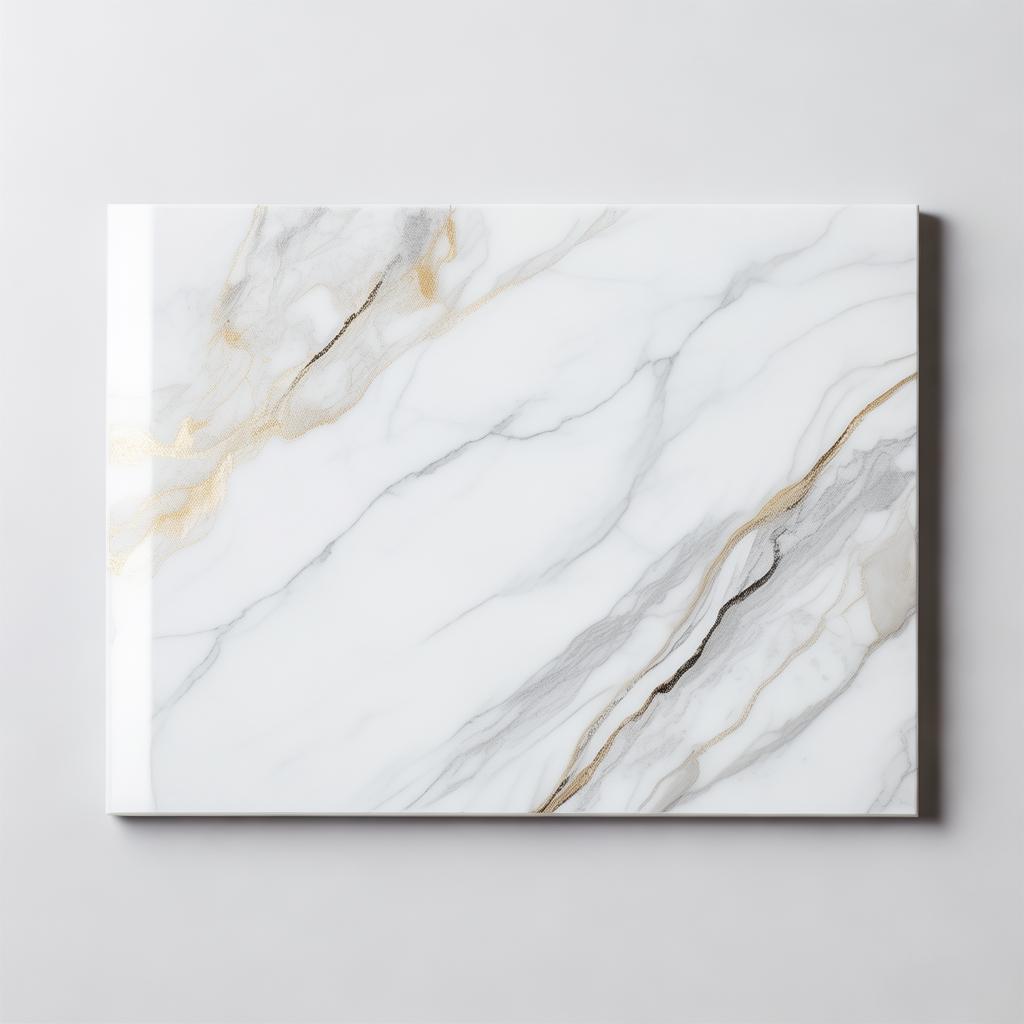
- The Share of PVC Marble Sheet in the International Market of Decorative Materials. Aesthedge Wall Panel. (2024). https://aesthedgewallpanel.com/...
- SPC Flooring Market Analysis and Future Outlook. LinkedIn Pulse by Furman Flooring. (2024). https://www.linkedin.com/.../blw4c
- WPC Cladding and Its Inherent Advantages. Everwood WPC. (2023). https://everwoodwpc.com/...
- Understanding the Durability & Longevity of WPC Wall Panels. Wallong WPC. (2022). https://www.wallong-wpc.com/...
- Comparing WPC vs Natural Wood: Environmental Impact and Longevity. Mexytech. (2023). https://www.mexytech.com/...
 +86 31185293045
 qian@ss711.com





