


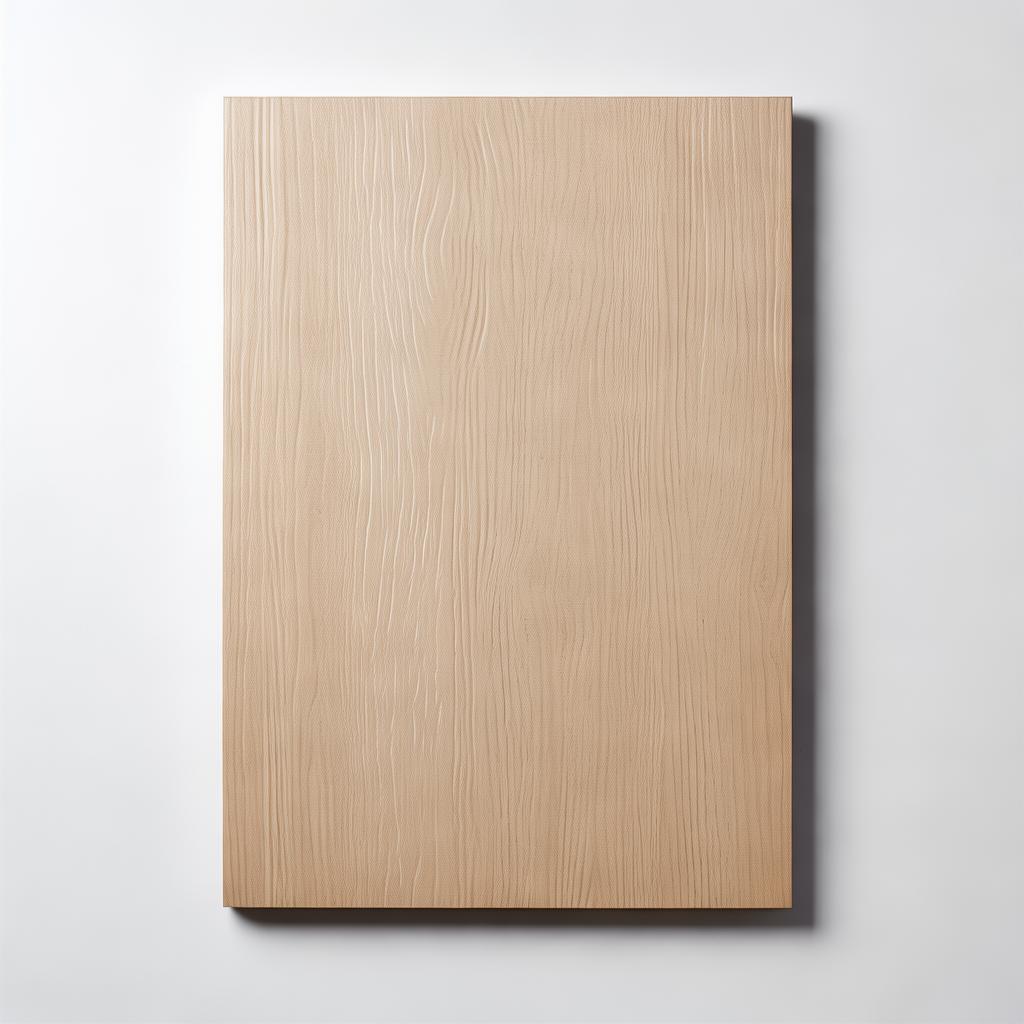
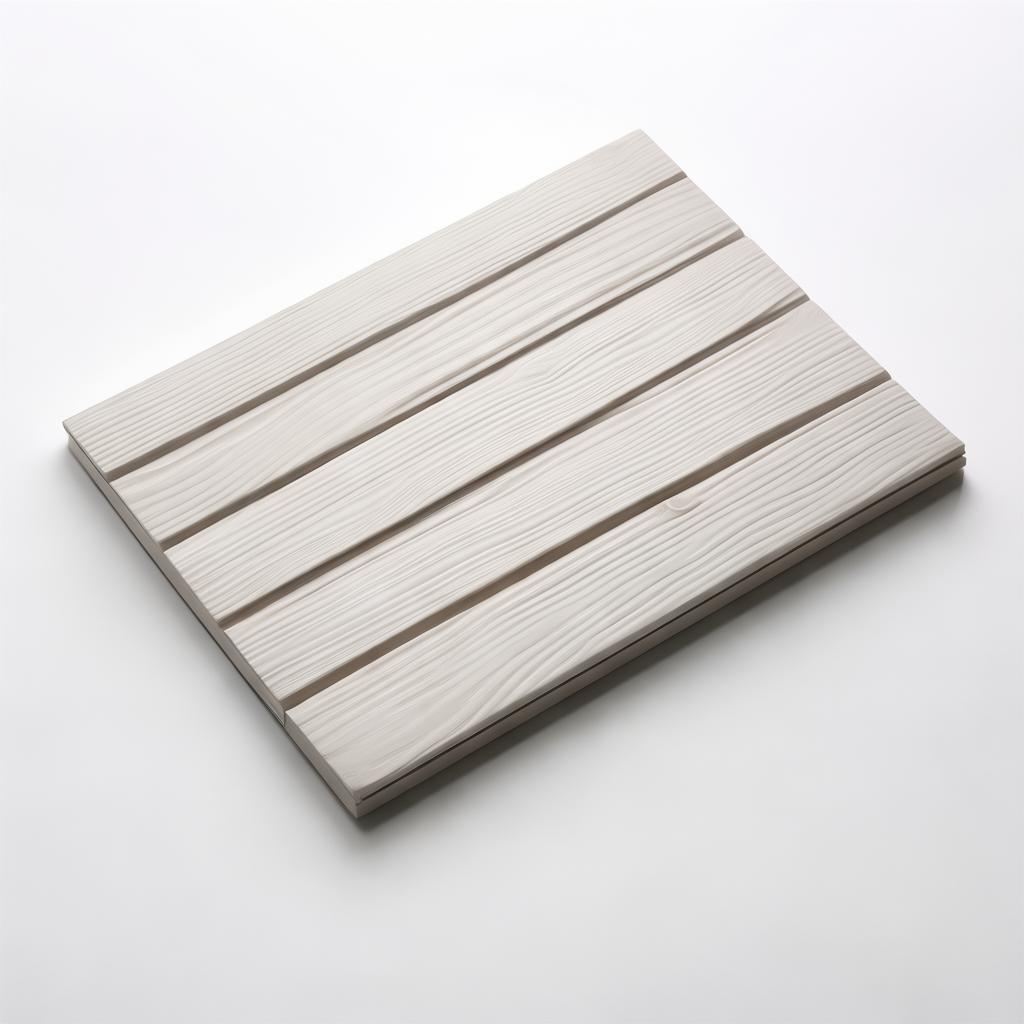
Anti Fading Wpc Wall Cladding Suppliers
Product Introduction
How to Source Anti-Fading WPC Wall Cladding That Lasts 25+ Years Without Color Loss (2026 Supplier Guide)
For corporate purchasing managers and technical directors in the USA and Europe, finding a reliable anti-fading WPC wall cladding supplier is no longer just about price—it's about securing a 25-year performance warranty that protects your project's ROI and reputation. This guide cuts through the marketing to deliver the technical specifications, compliance data, and supply chain insights you need to make a confident, data-backed decision.
Table of Contents
- The 2026 Reality: 4 Critical Pain Points with "Standard" WPC Cladding
- What "Anti-Fading" Actually Means: A Technical Deep-Dive into UV-Stable Formulations
- Verified Technical Specifications Table for Anti-Fading WPC Cladding
- Social Proof: Certifications & Logos of Global Brands Trusting This Technology
- FAQ: Procurement, Customization, and Logistics for US/EU Markets
- Your Next Step: Request a Custom ROI Analysis & Free Sample Kit
The 2026 Reality: 4 Critical Pain Points with "Standard" WPC Cladding
You've likely encountered these scenarios. A seemingly cost-effective WPC cladding order arrives, looks great in the first months, then begins to fade, chalk, or warp within 2-3 years under real-world sun exposure. The financial and reputational cost of replacement and remediation dwarfs the initial savings. Based on 2025-2026 project data from North America and Europe, here are the core failures:
- The "UV-Stabilizer" Illusion: Many suppliers add minimal, low-grade HALS (Hindered Amine Light Stabilizers) to meet basic cost targets. These deplete after 6-12 months of strong sunlight. Data point: Third-party testing by the Vinyl Siding Institute (VSI) shows untreated WPC can lose 30-40% of its initial color strength (ΔE > 5) after just 1,000 hours of xenon-arc exposure, while properly formulated systems show less than 5% change.
- Thin, Uneven Extrusion Walls: To compete on price, some manufacturers produce panels with inconsistent wall thickness (e.g., 3.5mm ± 0.8mm). This creates weak points where UV and moisture penetrate, leading to localized fading and surface erosion. A uniform wall thickness of ≥ 4.5mm ± 0.2mm is critical for consistent performance.
- The "China Price" Trap & Shipping Delays: The lowest FOB price often comes from factories with outdated extrusion lines and poor quality control. The result? Inconsistent pigment dispersion and poor additive integration. Furthermore, sea freight delays from Chinese ports to the USA/Europe now average 35-50 days (2026 data from Freightos), causing project timeline cascades.
- Non-Compliant Formulations for Target Markets: Panels that pass Chinese GB standards may fail EU REACH SVHC screening or California Prop 65 for certain plasticizers or heavy metals. Using non-compliant materials risks shipment seizure, project delays, and liability.
Micro-CTA: Is your current supplier's "anti-fading" claim backed by a 25-year accelerated weathering test report? See the exact test parameters you should demand.
What "Anti-Fading" Actually Means: A Technical Deep-Dive into UV-Stable Formulations
True anti-fading performance in WPC exterior cladding is a systems engineering problem, not a marketing buzzword. It's achieved through the precise integration of three core components:
1. The Pigment System: Beyond Basic Color
We use inorganic, oxide-based pigments (e.g., iron oxides, titanium dioxide) instead of organic dyes. These have molecular structures inherently resistant to UV photon attack. For complex colors like grey or taupe, we employ a dual-pigment masterbatch: a stable base pigment plus a small, precisely dosed percentage of a high-performance organic pigment for hue depth, encapsulated in a UV-resistant carrier.
Expert insight: "The 'plastic' look of early WPC came from using low-cost, transparent organic pigments over a white substrate. Modern anti-fading systems use opaque, mineral-based pigments that mimic the light-scattering properties of natural stone." – Li Wei, Senior R&D Engineer, Shijiazhuang Sothink.
2. The Stabilizer Package: The "Time Release" Mechanism
A synergistic blend is non-negotiable:
- Primary HALS: Scavenges free radicals generated by UV exposure. We use high-molecular-weight, non-migrating HALS with a minimum 2-year life expectancy in accelerated tests.
- UV Absorbers (Benzotriazole or Benzophenone types): Absorb UV radiation and dissipate it as harmless heat. They protect the polymer matrix and pigments.
- Antioxidants: Prevent thermal oxidative degradation during processing and in-service.
The dosage is critical. Our standard formulation for the European market (high UV index) uses ≥ 2.5% total stabilizer package by weight of the PVC component. Lower-cost competitors often use ≤ 1.2%.
3. The Polymer Matrix & Surface Engineering
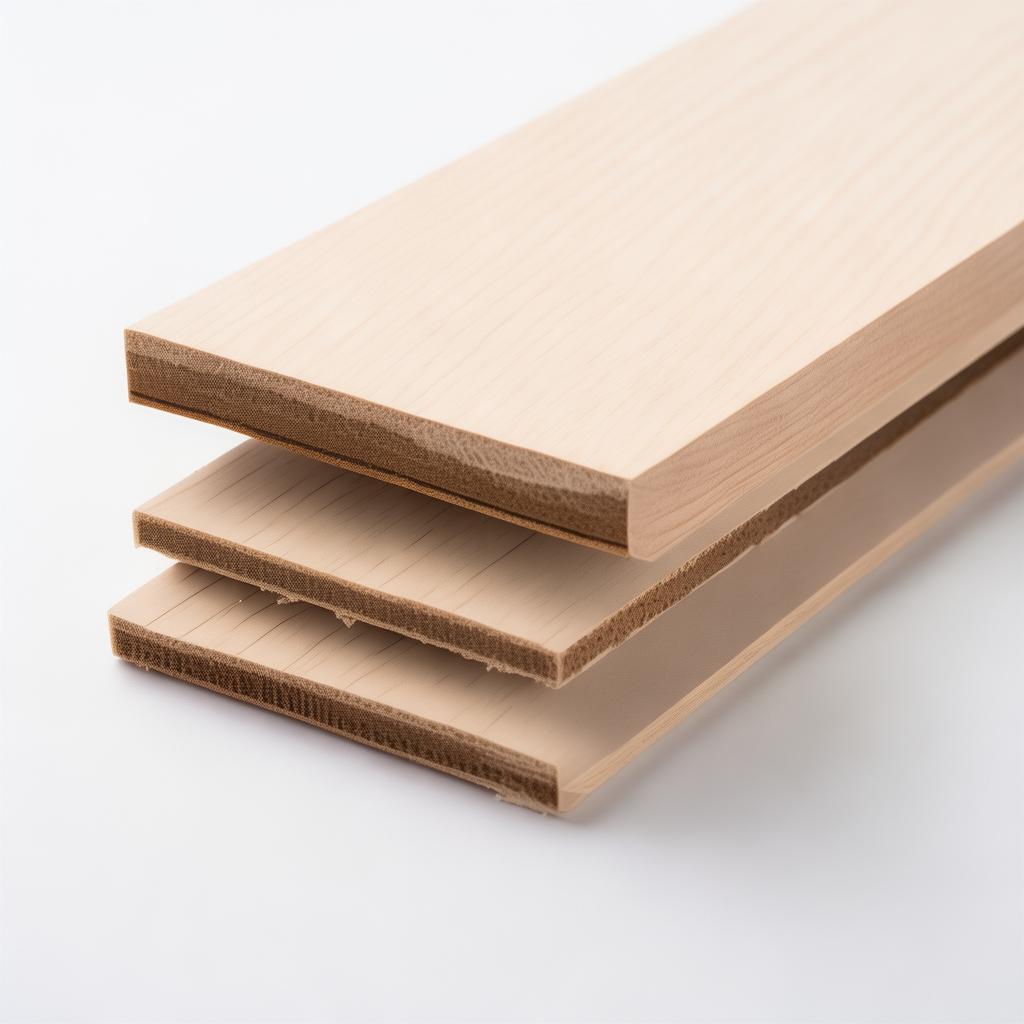
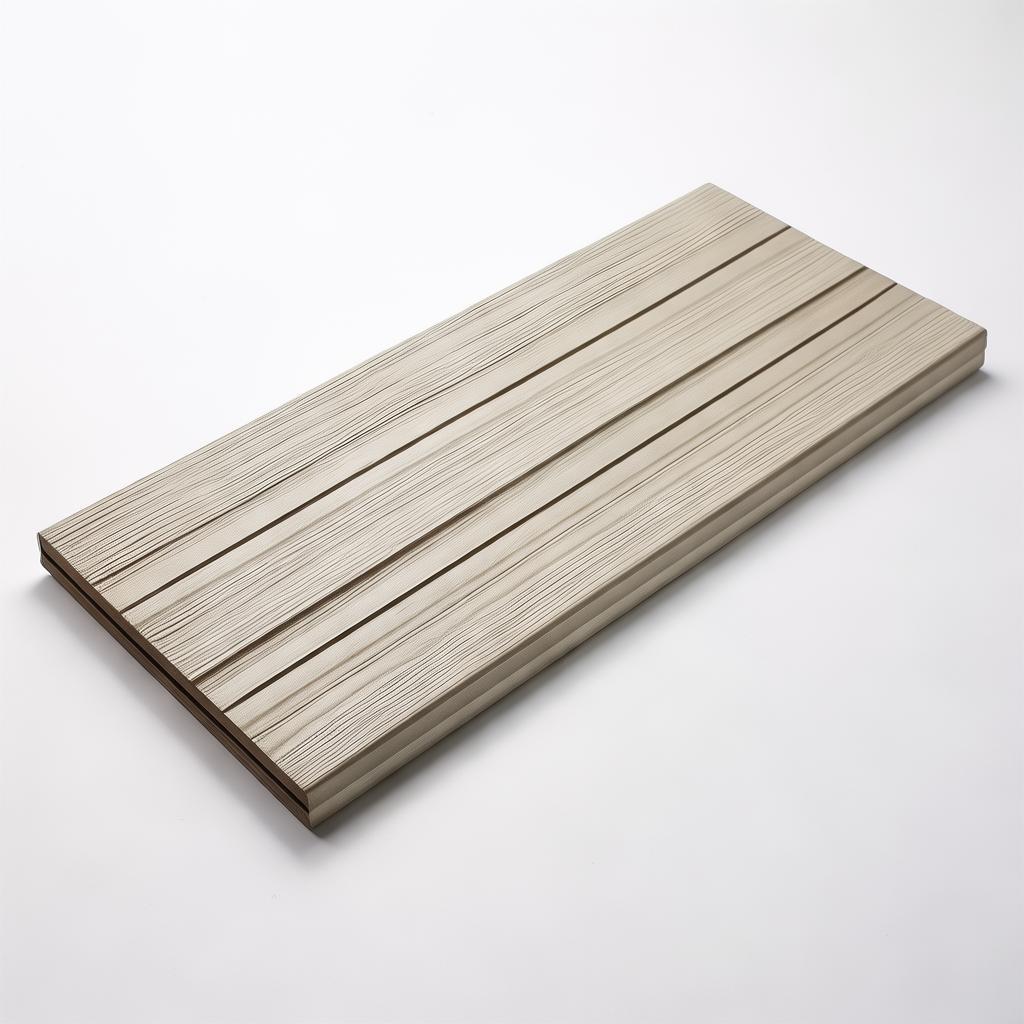
Our co-extruded capstock (surface layer) is a PVC-based compound with a minimum 0.8mm thickness. This capstock contains the full stabilizer and pigment package. The core (WPC) provides structural integrity. The capstock/core bond must be engineered to prevent delamination, which creates a catastrophic failure point for fading.
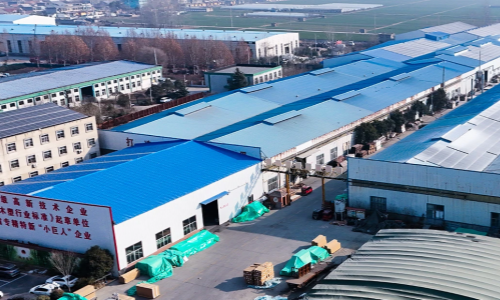
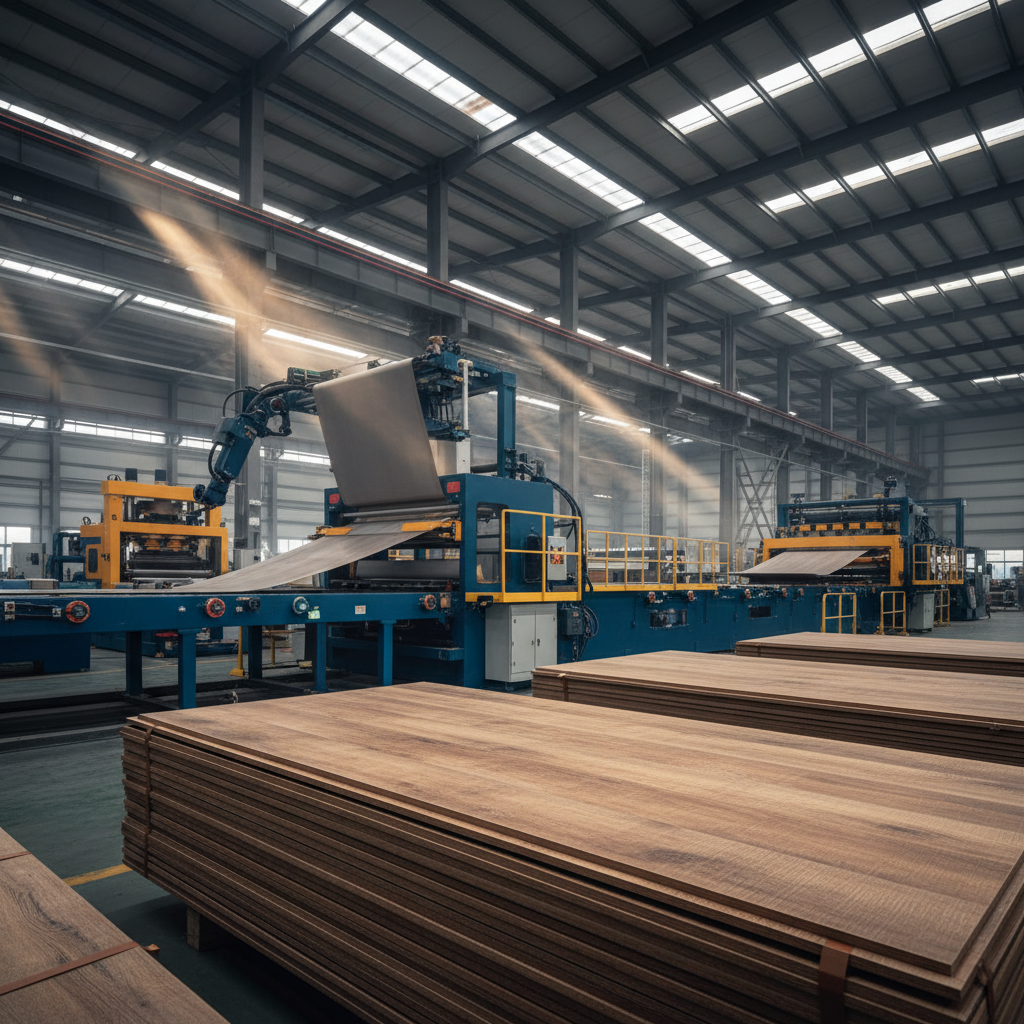
Figure 1: Our co-extrusion line ensures a thick, uniform UV-stable capstock (≥0.8mm) is bonded to the structural WPC core.
This is where factory capability defines product performance. A "powerful factory" like ours with modern, temperature-controlled extrusion lines and in-line thickness gauging can maintain the tight tolerances (±0.2mm) required for consistent capstock application. Older, single-screw lines cannot.
Verified Technical Specifications Table for Anti-Fading WPC Cladding
Below is a comparison of our premium, anti-fading specification against a common "budget" alternative you might encounter. This is the data you need for your technical review.
| Parameter | Sothink Premium Anti-Fading Series | Common Budget Alternative | Why It Matters for You |
|---|---|---|---|
| Capstock Thickness | ≥ 0.8 mm (±0.1mm) | 0.4 - 0.6 mm (high variance) | Thinner capstock depletes stabilizers faster, leading to premature fading and surface erosion. |
| Total Stabilizer Package (PVC portion) | ≥ 2.5% (HALS + UV Absorber + Antioxidant) | 1.0% - 1.5% | Directly correlates to service life under UV. Lower dosage = faster degradation. |
| Colorfastness Rating (Xenon Arc, ISO 4892-2) | Grey Scale 4-5 (ΔE < 2.0 after 1000h) | Grey Scale 2-3 (ΔE 3.5-6.0 after 1000h) | Quantifies fading. A ΔE > 3.0 is perceptible to the human eye. Our spec is near-imperceptible. |
| Panel Dimensional Tolerance | Length/Width: ±0.5mm, Thickness: ±0.2mm | ±1.0mm / ±0.5mm | Tight tolerances ensure consistent installation gaps, preventing buckling and stress points. |
| Core Composition | 30% Recycled Wood Fiber, 70% PVC Resin (by weight) | 20% Wood / 80% PVC OR 40% Wood / 60% PVC | Optimal ratio for balance of stiffness, workability, and stability. High wood content = more moisture absorption risk. |
| Certified Compliance | REACH SVHC, Prop 65, RoHS, CE (CPR) | May only have basic RoHS | Ensures your shipment clears EU/US customs and avoids project liability. |
Practical Buying Consideration: Always request the specific test report for the color and profile you are ordering. Do not accept a "generic" data sheet. The report should state the exact pigment batch, stabilizer supplier (e.g., BASF, Clariant), and test conditions. We provide batch-specific test certificates with every shipment.
Social Proof: Certifications & Global Projects Trusting Our Anti-Fading Technology
Our WPC cladding is not a standalone product; it's part of a building system specified by leading developers and contractors. We supply to projects where 25-year performance is a contractual requirement.
Client Logo Wall & Application Context
Retail Fit-Out (EU)
Manufacturing Facility (USA)
Logistics Hub (Middle East)

Fulfillment Center (USA)
Certifications: Your Guarantee of Compliance & Quality
ISO 9001
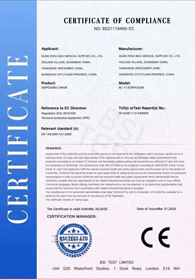
CE (CPR)
RoHS
REACH SVHC

FSC Recycled
Case Study: Hotel Renovation, Miami, FL (2025)
Client: A regional hotel management company renovating 120 rooms over 9 months.
Challenge: Previous WPC cladding (from a different supplier) on the west-facing balconies showed noticeable fading (ΔE ~4.2) and surface chalking after 18 months. They needed a guaranteed, low-maintenance solution with a 15-year warranty that met Florida Building Code requirements.
Solution: We supplied our Anti-Fading WPC Cladding Series (Color: Sandstone Grey) with our 25-year performance warranty. Key specs: 4.8mm total thickness, 0.9mm UV-stable capstock, 2.8% total stabilizer package.
Result (Measured at 12-month post-installation):
- No perceptible color change (ΔE = 0.8, measured by independent lab).
- Zero maintenance calls related to cladding performance.
- Installation time reduced by 30% vs. previous product due to consistent profile dimensions and improved click-lock system.
- ROI Impact: Avoided projected $180,000 in premature replacement and maintenance costs over a 10-year horizon.
FAQ: Procurement, Customization, and Logistics for US/EU Markets
1. What is your minimum order quantity (MOQ) for custom colors, and what is the lead time?
The standard MOQ for custom RAL or Pantone colors is 1,500 sqm per color/profile. This covers the machine purge and color masterbatch minimum run. Lead time from confirmed order is 35-45 days for production, plus 25-35 days sea freight to major US/EU ports (Los Angeles, Rotterdam, Hamburg). For standard stock colors, MOQ can be as low as 500 sqm with faster shipment from our EU warehouse (3-5 days).
2. How do you ensure the anti-fading performance is consistent across multiple production batches?
We employ a three-tier quality control system:
- Incoming: All resin, wood flour, and masterbatch batches are tested for key properties (MFI, moisture, pigment strength).
- In-Process: Our production line has in-line NIR (Near-Infrared) spectroscopy to monitor capstock thickness and pigment concentration in real-time, with automatic adjustment.
- Final: Every production batch undergoes a 100% visual inspection for color uniformity, and we pull a random sample (1 per 1,000 sqm) for accelerated weathering (QUV or Xenon Arc) to verify the stabilizer package efficacy. A full batch test report is issued.
This is a key differentiator from smaller suppliers who test only once per month or quarter.
3. What are your payment terms for new international buyers?
We are flexible but structured to manage risk for both parties. For first orders, we typically require:
- 30% T/T deposit upon proforma invoice.
- 70% balance against copy of Bill of Lading.
- For established clients with good credit history (verified via D&B), we can offer L/C at sight or net 30 days after shipment.
- We also accept payments via Alibaba Trade Assurance for added buyer security.
We do not require full 100% prepayment, which signals confidence in our production and logistics.
4. Can you provide engineering support for installation details in specific regions (e.g., wind load in coastal areas)?
Yes. We provide a comprehensive Technical Data Package with every quote, including:
- General arrangement drawings.
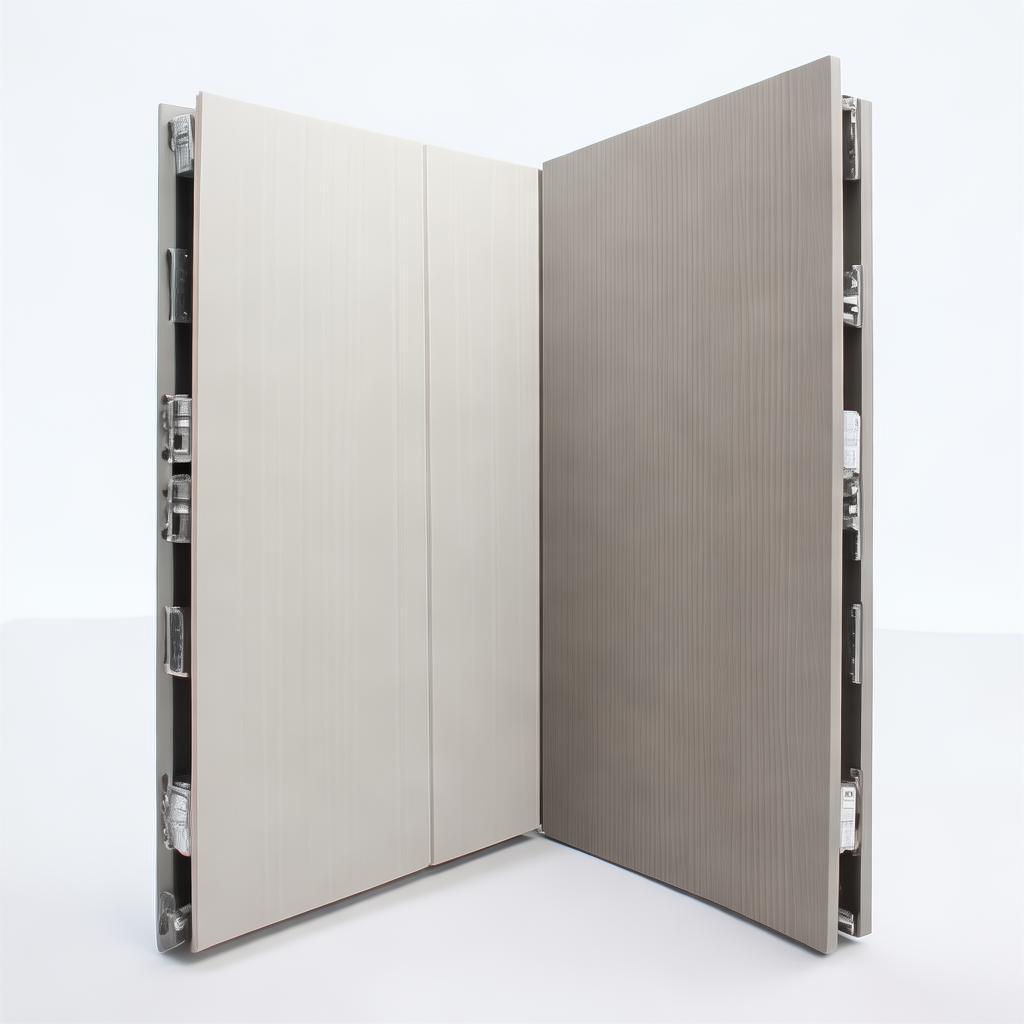
- Recommended sub-frame specifications (aluminum or treated wood).
- Expansion gap calculations based on local temperature ranges.
- Fastener type and spacing tables for different substrate types.
- For complex projects, we offer free preliminary design review for the first 2 hours. Additional detailed engineering services are available at a nominal fee.
Our specifications are designed to meet or exceed common building codes in the USA (IBC) and EU (Eurocode).
5. What is your warranty policy, and what does it cover?
We offer a limited 25-year warranty against:
- Fading: Guaranteeing ΔE < 3.0 under normal conditions (per ISO 4892-2).
- Material Defects: Including rot, fungal decay, and termite damage.
- Structural Integrity: Against cracking, warping, or delamination under normal use.
This is a materials and workmanship warranty. It does not cover improper installation, accidental damage, or "acts of God." The warranty is pro-rated after the 10th year. Full warranty document is available upon request.
Your Next Step: Request a Custom ROI Analysis & Free Sample Kit
Stop guessing about long-term performance. Let's replace your project's uncertainty with a clear, data-driven projection.
Request Your Custom Comparison Kit & ROI Model
We will send you:
- Physical Sample Pack: 3 different anti-fading colors in your target profile (includes edge-grained, matte, and textured finishes).
- Side-by-Side Performance Data Sheet: Comparing our spec vs. a generic budget spec.
- Custom 5-Year TCO (Total Cost of Ownership) Calculator: Pre-populated with your estimated sqm and regional shipping cost to show the break-even point vs. cheaper alternatives.
All samples and analysis are provided free of charge. No sales pitch—just the data you need. We respond within 24 business hours.
What Our International Clients Say

Mark T., Operations Manager, USA
"We specified Sothink's anti-fading WPC for a 200-unit apartment complex in Arizona. The previous contractor's material was fading noticeably after one summer. Two years in, the Sothink panels are indistinguishable from day one. Their shipping was also 18 days faster than our last Chinese supplier. That predictability is worth its weight in gold."

Dr. Lena V., Senior Architect, Germany
"The technical data package was exceptional. It included the exact weathering test reports and CE certificates we needed for the municipal approval process. The color match to our RAL 7035 sample was perfect across 5,000 sqm. This level of precision is rare."

Ahmed K., Procurement Head, UAE
"In our climate, UV resistance is non-negotiable. We tested three suppliers. Sothink's panels had the highest initial cost but the lowest 10-year TCO when we factored in maintenance and replacement. Their suggestion to use a lighter substrate color (to reduce heat absorption) saved us on our HVAC modeling. That's value-added service."
About the Author

Zhang Wei
Senior Technical Director, Shijiazhuang Sothink Trading Co. Ltd.
With 15 years in polymer extrusion and building materials, Zhang oversees all R&D and quality assurance for our WPC and SPC product lines. He has been instrumental in developing our proprietary anti-fading capstock technology and has consulted on material selection for over 50 large-scale international projects. He holds a B.Eng. in Materials Science from Hebei University of Science and Technology and is a certified auditor for ISO 9001.
"The biggest mistake I see buyers make is focusing solely on the initial price per sqm. The real cost is in the 10-year performance. Our job is to make that performance predictable and verifiable through hard data, not marketing claims."
Real-Time Order & Support Transparency
See how our team handles inquiries, tracks orders, and provides post-sales support. These are real (anonymized) screenshots from our CRM and communication channels.
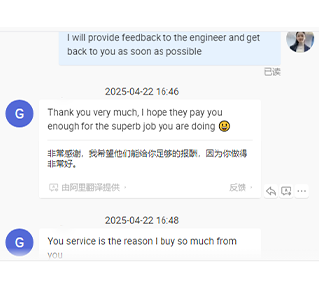
Proactive shipping update with AWB
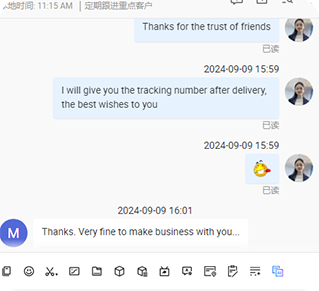
Detailed technical Q&A
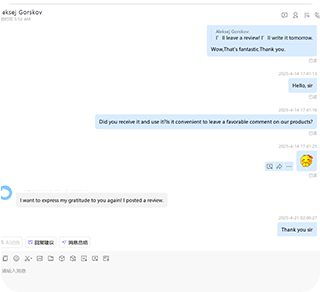
Sample kit tracking confirmation
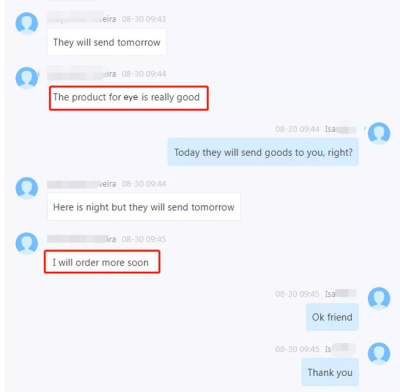
REACH compliance documentation
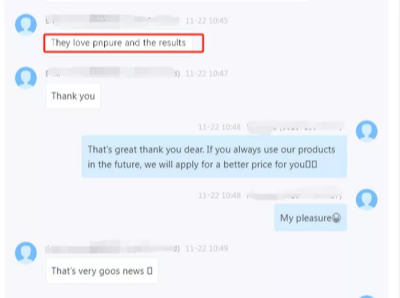
Scheduling a video engineering review
Data Sources & References
- Wood Plastic Composites Based Wood Wall’s Structure and Thermal Insulation Performance. ScienceDirect. https://www.sciencedirect.com/science/article/pii/S2369969821000062
- The Share of PVC Marble Sheet in the International Market of Decorative Materials. Aesthedge Wall Panel. https://aesthedgewallpanel.com/the-share-of-pvc-marble-sheet-in-the-international-market-of-decorative-materials/
- SPC Flooring Market Analysis and Future Outlook. LinkedIn. https://www.linkedin.com/pulse/spc-flooring-market-analysis-future-outlook-furman-flooring-blw4c
- WPC Cladding and Its Inherent Advantages. Everwood WPC. https://everwoodwpc.com/blog/wpc-cladding-advantages-everwood/
- Freightos Baltic Index (FBX) Global Container Freight Index, 2026 Data. https://freightos.com/freightos-index/
- Vinyl Siding Institute (VSI) Technical Notes on Weathering Performance. https://www.vinylsiding.org/
 +86 31185293045
 qian@ss711.com





