


Look, I’ve spent twenty years on construction sites, wrestling with materials, talking shop with the crews, and frankly, seeing a lot of corners cut. When it comes to finishing a job right, and making it last, you can’t overlook the details. And that's where fancy fascia boards come in. They aren't just trim; they’re the first line of defense against the elements, and a huge part of the overall curb appeal. A good fascia job doesn’t just look good, it protects the rafters, keeps the water out, and adds value to the whole project. It’s a detail that separates the pros from the…well, let’s just say the less meticulous.
I’ve seen too many buildings where the fascia was an afterthought, slapped on with the cheapest materials possible. It doesn’t take long for that to show. Rot, peeling paint, warped boards - it's a headache for everyone involved. The upfront cost of fancy fascia boards is a little higher, sure, but it saves a ton of money down the line. Think about the labor costs for constant repairs or, worse, the structural damage that can occur if water gets into the rafters. I've seen projects delayed for weeks, budgets blown, all because someone skimped on the fascia.
And honestly, it’s not just about practicality. People notice a well-finished building. A sharp-looking fascia adds to the perceived value of the property and makes a statement. It shows pride of workmanship, and that matters. In today’s market, first impressions are everything, and fancy fascia boards deliver that polished, professional look that clients – and inspectors – appreciate.
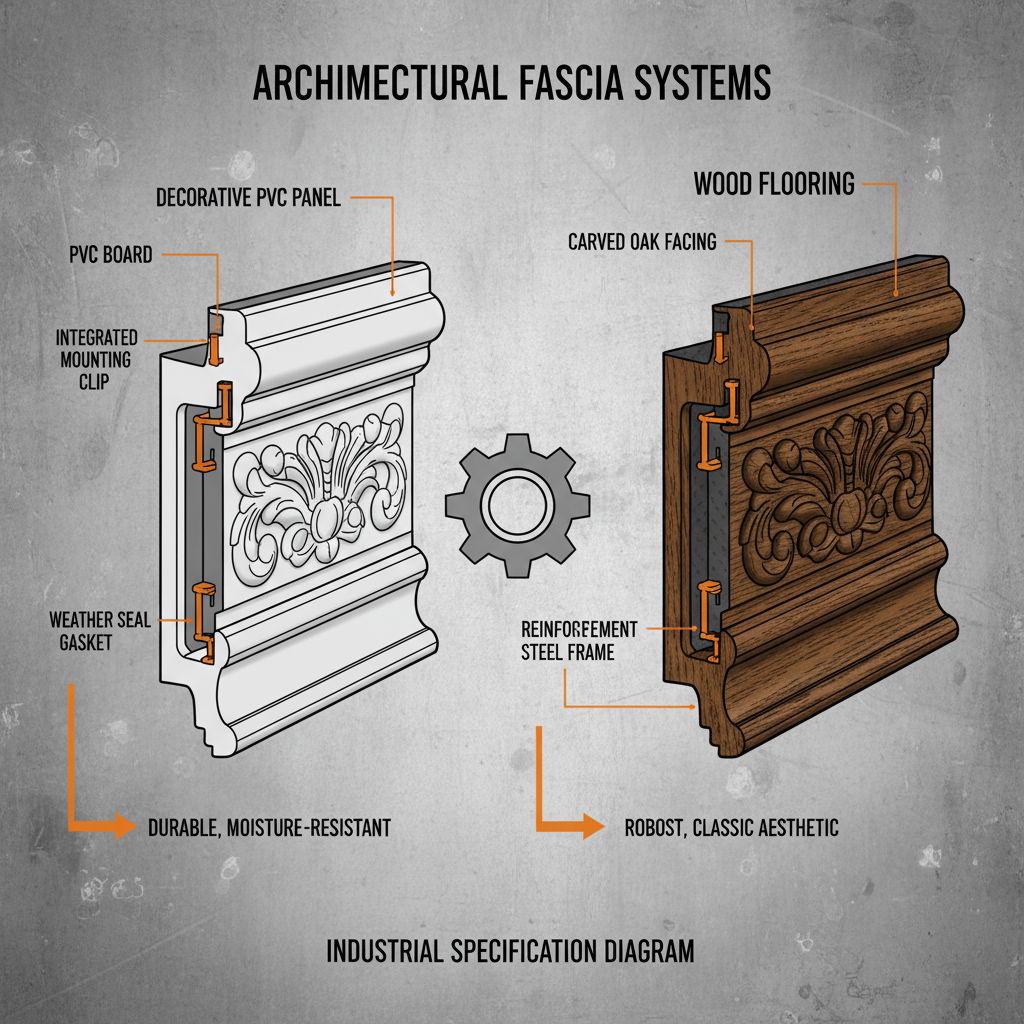
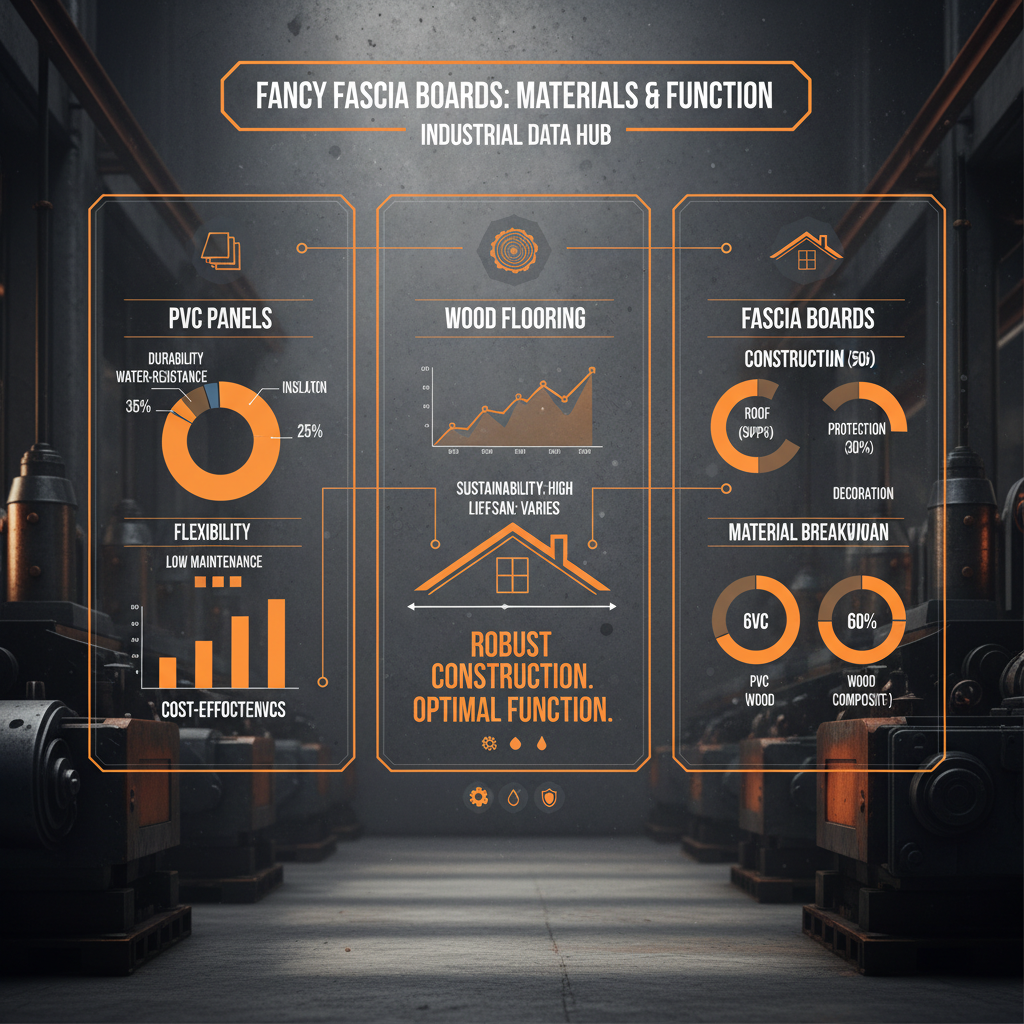
I tell every apprentice: start with quality materials. It’s non-negotiable. The fascia is your building’s hat, protecting it from the worst of the weather. Cheap materials crack, warp, and rot, leading to expensive repairs and a compromised structure. Fancy fascia boards, built with proper composites and treated lumber, simply hold up better. We’re talking years, even decades, of performance with minimal maintenance.
You’d be surprised how often I find builders cutting corners here. They'll save a few bucks upfront, but it always comes back to haunt them. With the right fascia, you're not just adding aesthetic value; you're building a robust, reliable structure that stands the test of time.
Honestly, the long-term maintenance is the real win. Wood requires constant scraping, sanding, and painting to prevent rot and decay. Fancy fascia boards are designed to resist these issues, saving you time and money down the road. They're also more resistant to pests and warping, which are common problems with wood.
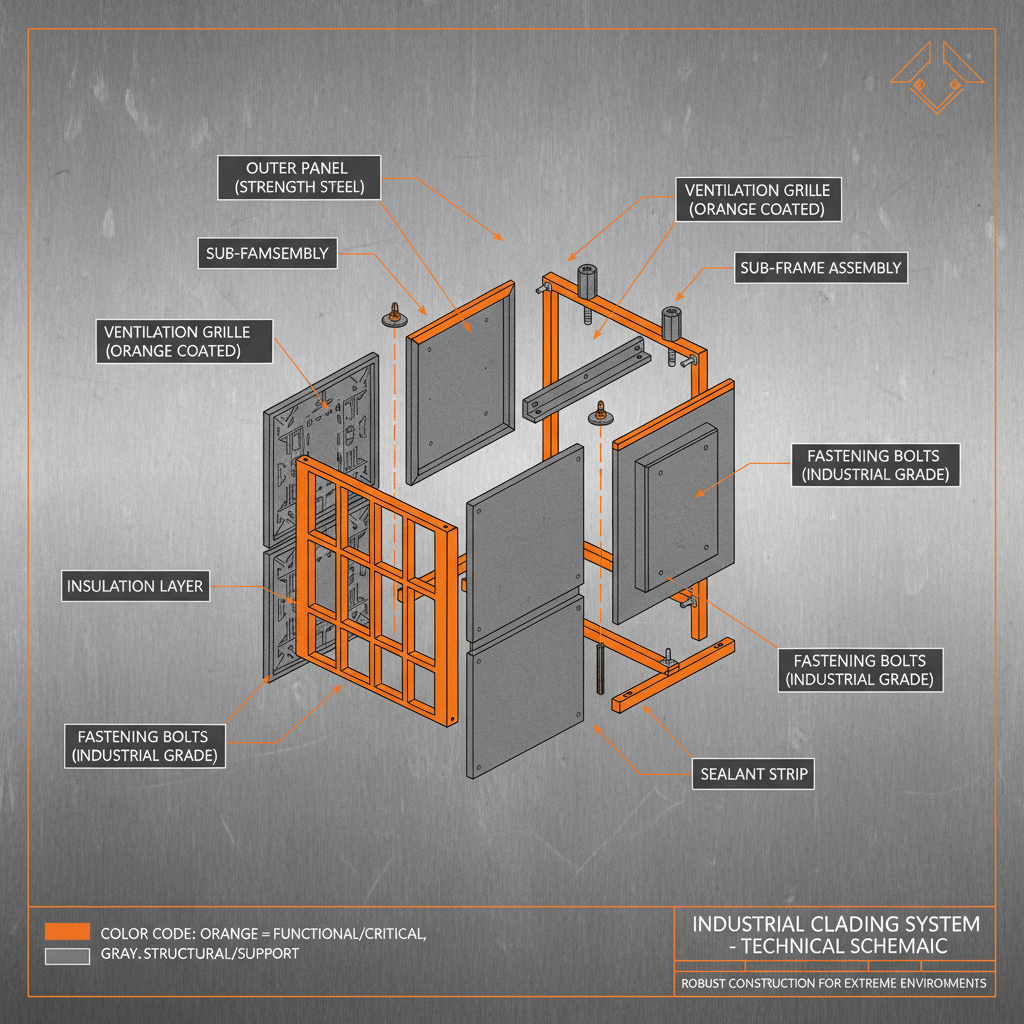
They’re generally straightforward to install, but it’s important to follow the manufacturer’s instructions carefully. Proper fastening and sealing are key to a long-lasting installation. If you’re not comfortable working with power tools or don’t have experience with this type of project, it’s best to hire a professional.
With proper installation and maintenance, fancy fascia boards can easily last 20-30 years, sometimes even longer. Their resistance to rot, insects, and weathering contributes to their exceptional lifespan, making them a worthwhile investment for long-term property value.
The initial cost is usually higher, yes. But when you factor in the reduced maintenance, longer lifespan, and potential savings on repairs, they often prove to be more cost-effective over the long run. Think of it as an investment, not just an expense.
They perform exceptionally well in a wide range of climates. Their resistance to moisture, UV exposure, and temperature fluctuations makes them ideal for coastal areas, hot and humid environments, and regions with harsh winters. They can handle pretty much anything Mother Nature throws at them.
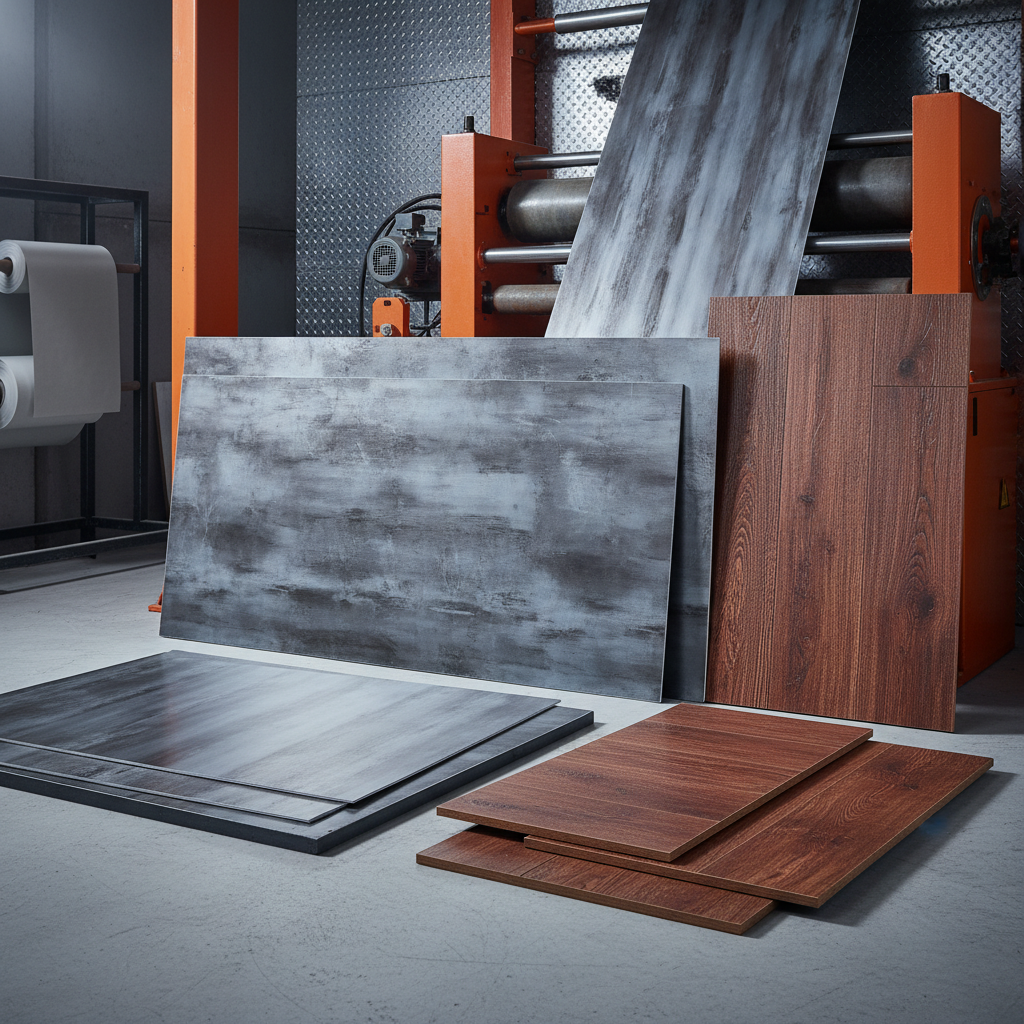
Absolutely. There's a wide variety of colors, textures, and profiles available to match the architectural style of your home. You can find options that mimic the look of wood, or choose a modern, sleek finish. There is a fancy fascia boards style for every preference.
Ultimately, choosing the right fascia board is about making a smart investment. Fancy fascia boards offer a combination of durability, weather resistance, and aesthetic appeal that simply can't be beat. They're a small detail that makes a big difference in the overall quality and longevity of your building.
Don’t underestimate the importance of quality materials and proper installation. It's better to do it right the first time than to deal with costly repairs down the road. If you’re looking for a fascia solution that will stand the test of time, I highly recommend checking out the options available at Sothinkdecor. You won’t regret it.


Shijiazhuang Sothink trading Co., LTD.
Our company focuses on product development, production, sales and other all-round services, and is committed to providing customers with high-performance products and high-quality services.





 +86 31185293045
  qian@ss711.com