0%

Table of Contents

Look, I spend my days covered in dust, talking to contractors, and actually seeing how things get built. That’s where you learn what really matters. And what matters now, more than ever, is getting durable, cost-effective, and quick-to-install exterior cladding. That's where exterior pvc wall panels come in. We’re not talking about the PVC of the 80s – this is a different beast altogether. It's about solving real-world problems on job sites, and frankly, other materials just aren't cutting it anymore in terms of balancing price, performance, and ease of use.

The construction industry is facing a labor shortage, material costs are volatile, and projects need to be completed faster than ever. Ignoring these realities is a recipe for disaster. We’re seeing a huge demand for solutions that simplify the building process, reduce waste, and still deliver a quality finish. Exterior pvc wall panels offer a pathway to address these challenges, providing a viable alternative to traditional siding materials like wood, fiber cement, and even aluminum in many applications.

I've seen too many projects delayed or go over budget because of the headaches associated with traditional materials. The prepping, the painting, the constant repairs… it adds up. The shift towards low-maintenance, long-lasting materials isn't just a trend – it's a necessity. And honestly, when I can show a contractor a material that saves them time and money and looks good, that's a win for everyone involved.
Durable Exterior Pvc Wall Panels Revolutionizing Modern Building Practices

The Core Benefits of Exterior PVC Wall Panels

Durable Exterior Pvc Wall Panels Revolutionizing Modern Building Practices

Let’s be straight – contractors aren't looking for fancy, they’re looking for practical. Exterior pvc wall panels deliver. First off, they’re incredibly durable. I’ve seen these things withstand hail, high winds, and years of harsh sunlight without fading or cracking. That translates to lower maintenance costs for building owners down the line.

Beyond durability, the lightweight nature of the panels is a huge advantage. It means easier handling on the job site, faster installation, and reduced structural load. This isn't just about convenience; it's about saving money on labor and potentially reducing framing costs. And let’s not forget the resistance to moisture, insects, and rot – problems that plague traditional wood siding.

Global Relevance and Industry Impact

The global construction industry is a massive market, projected to reach trillions of dollars in the coming years. Within that, the demand for sustainable and cost-effective building materials is soaring. The UN's Sustainable Development Goals, particularly those related to affordable housing and sustainable cities, are driving this shift. We’re seeing increased adoption of exterior pvc wall panels in developing countries where affordability and durability are paramount.

The impact extends beyond residential construction. Commercial buildings, industrial facilities, and even agricultural structures are benefiting from the advantages of PVC cladding. The ISO standards for building materials are becoming increasingly stringent, and these panels often meet or exceed those requirements, opening up new market opportunities for manufacturers and installers.

The biggest challenge right now isn't the material itself, it's overcoming the perception that PVC is "cheap" or "inferior." That’s why educating contractors and architects about the advancements in PVC technology – the increased thickness, the realistic wood-grain textures, the improved UV resistance – is so crucial.

Defining Exterior PVC Wall Panels

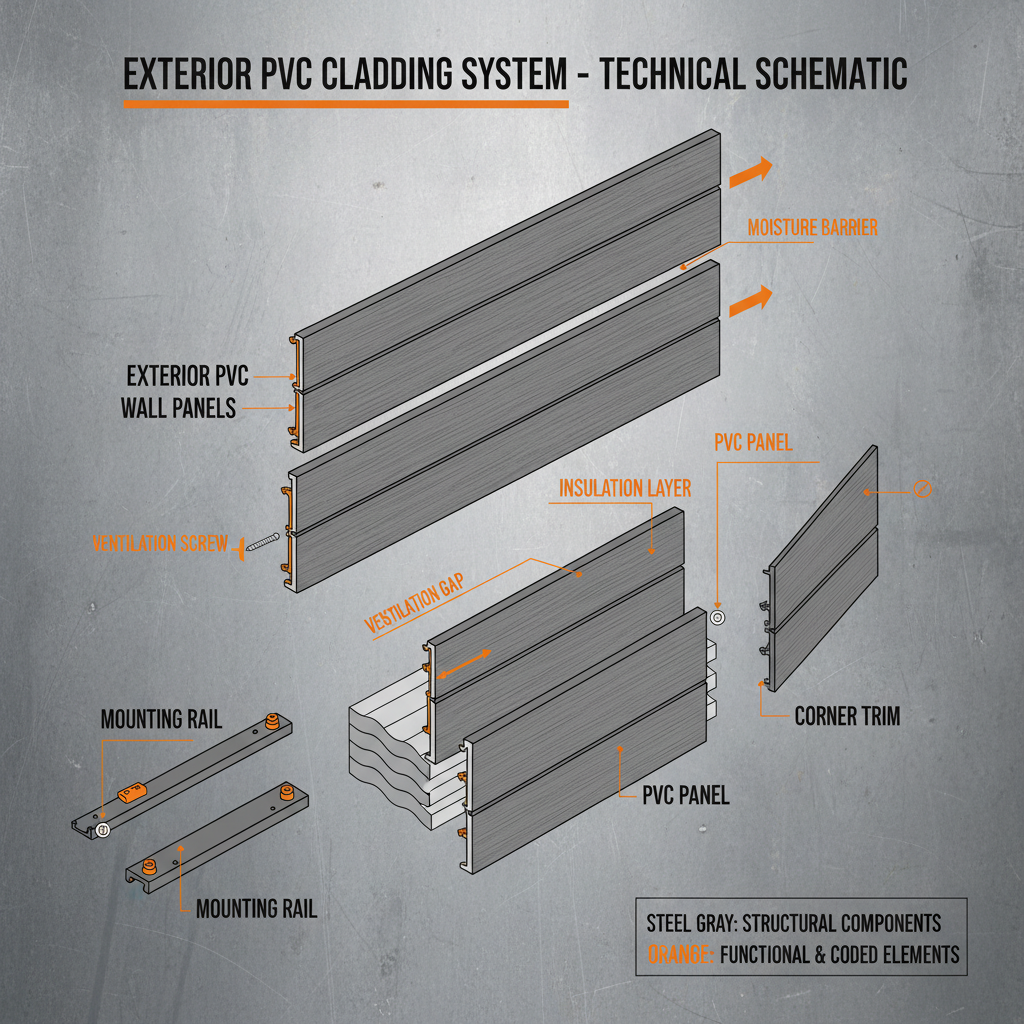
Simply put, exterior pvc wall panels are cladding systems made from polyvinyl chloride, a versatile and durable plastic. But they’re not just sheets of plastic. Modern panels are engineered with multiple layers and often incorporate additives to enhance their performance characteristics. This can include UV stabilizers, impact modifiers, and flame retardants.

They’re designed to mimic the look of traditional materials like wood, stone, or brick, but without the drawbacks. They’re available in a wide range of colors, textures, and profiles, allowing architects and designers to achieve virtually any aesthetic. Crucially, they’re designed to be a complete cladding solution, often including interlocking systems for easier installation.

This isn’t a new concept, but the quality and versatility of exterior pvc wall panels have dramatically improved in recent years. They’re moving beyond being a simple budget alternative and becoming a preferred choice for many projects where long-term performance and low maintenance are critical.

Key Factors Driving Adoption

There are several key reasons why we're seeing a surge in the use of these panels. First, durability is huge. These things simply last longer than wood, resisting rot, insect damage, and the elements. Second, cost-effectiveness – while the initial cost might be slightly higher than some wood options, the long-term savings on maintenance and replacement are significant.

Third, ease of installation is a game-changer. Lightweight panels mean faster installation times and reduced labor costs. Fourth, design flexibility allows for a wide range of aesthetic options. Finally, low maintenance translates to long-term savings for building owners – no painting, staining, or constant repairs are needed.

Comparison of Exterior Cladding Materials


Real-World Applications and Use Cases

I've seen exterior pvc wall panels used in everything from residential homes and apartment buildings to commercial storefronts and industrial warehouses. They're particularly well-suited for coastal areas due to their salt spray resistance. They're also gaining traction in agricultural applications, where durability and ease of cleaning are essential.

In post-disaster relief operations, the speed of installation and weather resistance can be a lifesaver. We’ve seen them used for temporary shelters and quick rebuilds. And in remote industrial zones, where access to skilled labor is limited, the ease of installation simplifies the construction process.

Long-Term Value and Advantages

The tangible benefits are clear: reduced maintenance costs, increased durability, and faster installation times. But there’s also a significant social and environmental impact. By reducing the demand for wood, we’re helping to preserve forests. And because these panels last longer, we’re reducing waste in the long run.

Beyond that, there’s a level of peace of mind that comes with knowing you’ve chosen a material that’s built to last. It's about building trust with clients and delivering a quality product that stands the test of time. This isn't just about building structures; it's about building confidence.

Future Trends and Innovations

We're seeing exciting advancements in PVC technology. Manufacturers are experimenting with new formulations that incorporate recycled materials, further reducing the environmental footprint. There’s also a growing trend towards incorporating smart technology into cladding systems – sensors that monitor moisture levels or temperature, providing early warnings of potential problems.

I also anticipate increased integration with Building Information Modeling (BIM) software, allowing for more accurate project planning and cost estimation. And as the demand for sustainable building practices continues to grow, we’ll likely see even more innovative applications for exterior pvc wall panels in green building projects.

The key will be continuing to educate the industry and demonstrate the long-term value of these materials.

Summary of Challenges and Potential Solutions for Exterior PVC Wall Panels

Challenge Impact on Project Potential Solution Implementation Cost (1-10)
Perceived Low Quality Hesitancy from Architects & Clients Demonstrate Improved Durability & Aesthetics with Case Studies 3
Installation Skill Gap Incorrect Installation Leads to Failures Offer Comprehensive Installer Training Programs 5
Initial Material Cost Budget Constraints on Projects Highlight Long-Term Cost Savings (Maintenance, Replacement) 2
UV Degradation in Certain Climates Fading & Potential Weakening of Panels Utilize Panels with High-Quality UV Stabilizers 4
Limited Color Options Design Restrictions Invest in Wider Range of Color Pigments & Custom Matching 6
Waste Management of Offcuts Environmental Concerns Develop Recycling Programs for PVC Waste 7

FAQS

How does the longevity of exterior PVC wall panels compare to traditional wood siding?

In my experience, wood siding, even with regular maintenance, typically needs replacing every 15-20 years. Exterior pvc wall panels, on the other hand, can easily last 30-50 years or more without significant degradation. The resistance to rot, insects, and moisture is a massive advantage. While initial cost may be higher, the long-term value is undeniable due to reduced replacement and maintenance needs. Plus, you're not constantly dealing with the headaches of painting or staining.

Are exterior PVC wall panels susceptible to fading in direct sunlight?

Early PVC formulations were prone to fading, that's true. But modern exterior pvc wall panels incorporate UV stabilizers that significantly improve their color retention. Look for panels with a high UV index rating. Even with UV protection, some slight fading might occur over decades, but it's minimal compared to the fading you’d see with painted wood. Choosing lighter colors generally helps to minimize any perceived fading as well.

What’s the installation process like compared to fiber cement siding?

Fiber cement is heavy and requires specialized tools for cutting and handling. It’s a real pain, honestly. Exterior pvc wall panels are significantly lighter and can be cut with standard woodworking tools. The interlocking systems often used with PVC panels also simplify installation and reduce the risk of gaps or leaks. Contractors often report installation times are 30-50% faster with PVC.

How do exterior PVC wall panels perform in extreme weather conditions, like hurricanes or heavy snow?

PVC panels are surprisingly resilient. They can withstand high winds and impacts without cracking or breaking. Their resistance to moisture prevents water damage and mold growth, which is critical in hurricane-prone areas. While no material is completely indestructible, PVC panels generally outperform wood and fiber cement in extreme weather. Always ensure proper installation and adherence to local building codes for optimal performance.

Are there any environmental concerns associated with using PVC?

That’s a fair question. PVC production does have an environmental impact. However, manufacturers are increasingly using recycled content and developing more sustainable formulations. Furthermore, the longevity of PVC panels means less frequent replacement, reducing overall waste. When compared to the environmental cost of continually replacing wood siding, the lifecycle impact can be lower. Look for panels certified by environmental organizations.

What kind of maintenance do exterior PVC wall panels require?

That’s the beauty of it – minimal maintenance! You typically just need to wash them occasionally with soap and water to remove dirt and grime. Unlike wood, they don’t require painting, staining, or sealing. You won't have to worry about rot, insect damage, or peeling paint. It's a huge time and money saver for building owners. Check for any damage from impacts, but overall, they’re incredibly low-maintenance.

Conclusion

Ultimately, exterior pvc wall panels represent a smart investment for anyone involved in the construction industry. They offer a compelling combination of durability, cost-effectiveness, ease of installation, and design flexibility. They’re not a one-size-fits-all solution, but in a growing number of applications, they're proving to be a superior alternative to traditional cladding materials.

Looking ahead, I expect to see continued innovation in PVC technology, further improving its performance and sustainability. The key to wider adoption will be education – educating contractors, architects, and building owners about the benefits of these materials and dispelling any lingering misconceptions. Visit our website at www.sothinkdecor.com to learn more and explore our range of exterior pvc wall panels.

Owen Davies

Owen Davies

Owen Davies is the Logistics & Supply Chain Manager for Sothink, overseeing the efficient delivery of products to customers across North America. He has a decade of experience in international trade and logistics, with a proven track record of streamlining processes and reducing costs. Owen works closely with shipping partners
Previous Investing in Durable Fancy Fascia Boards for Long Lasting Protection
Next Elevate Spaces with Premium Building Materials

Shijiazhuang Sothink trading Co., LTD.

Our company focuses on product development, production, sales and other all-round services, and is committed to providing customers with high-performance products and high-quality services.
sx-11
+86 13703399579
phone
email
whatsapp
goTop

If you are interested in our products, you can choose to leave your information here, and we will be in touch with you shortly.