


When sourcing high-end interior finishes, the pvc marble price is often a primary concern for architects and homeowners seeking the luxury of natural stone without the prohibitive costs. The challenge lies in balancing the aesthetic desire for a seamless, polished marble look with a budget that allows for large-scale application. Understanding the price drivers of these composite materials is essential for making an informed procurement decision that doesn't compromise on visual impact.
This pricing dynamic is not just about the material cost per sheet, but how it integrates with other high-performance options like SPC Flooring and WPC Interior Wall Panels. In the broader context of the plastic building components industry, PVC marble sheets offer a unique value proposition by combining the warmth of engineered polymers with the cold elegance of marble, significantly reducing both the initial investment and the long-term labor costs associated with natural stone installation.
By analyzing the factors that influence pvc marble price, this guide provides a professional framework for evaluating quality versus cost. Whether you are renovating a commercial lobby or a residential kitchen, understanding the technical specifications and market variables will ensure you select a product that delivers maximum durability and ROI over its entire service life.


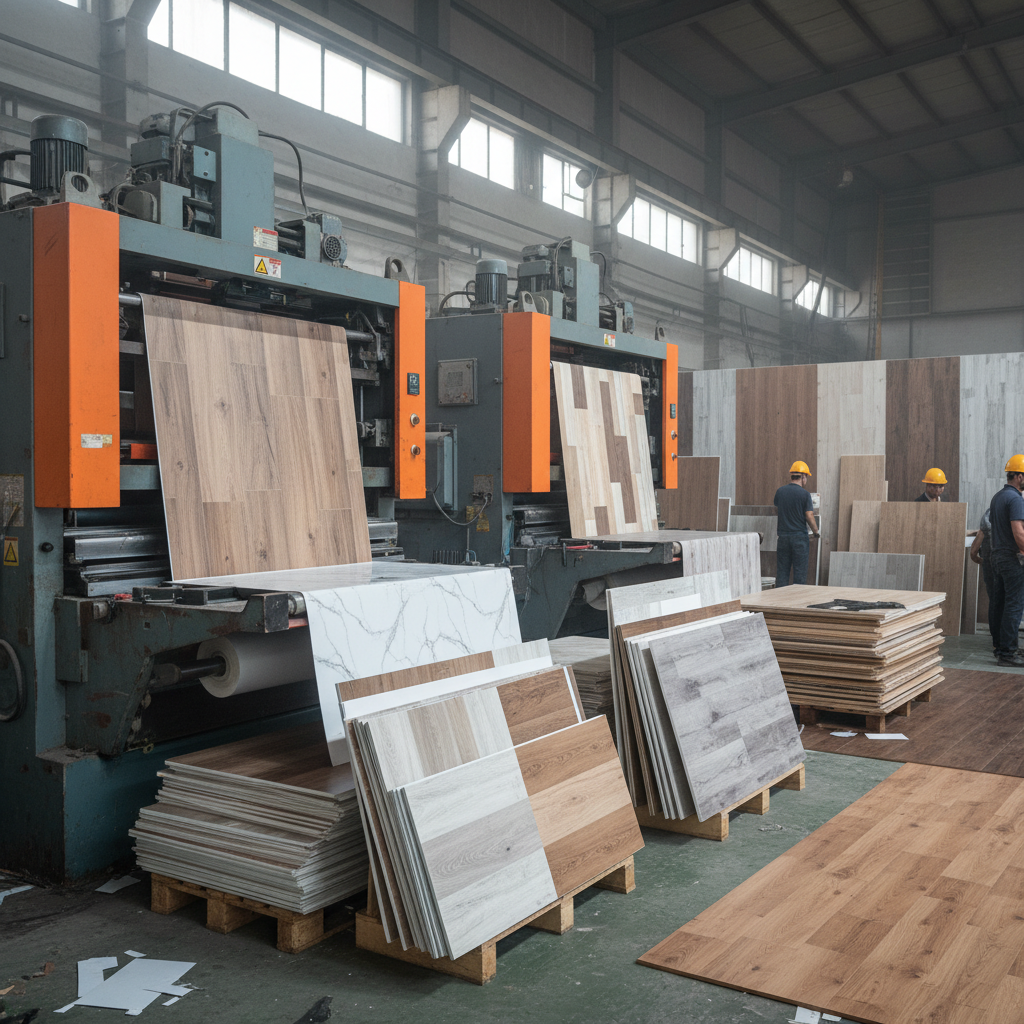
PVC marble sheets are engineered composite materials designed to replicate the intricate veining and high-gloss finish of natural marble. Unlike traditional stone, these panels are constructed from a blend of polyvinyl chloride and calcium carbonate, resulting in a product that is lightweight, waterproof, and significantly more flexible in application. This composition allows for a consistent aesthetic across large surfaces, eliminating the natural flaws often found in quarried stone.
From a structural perspective, these sheets are designed for rapid installation. Because they are manufactured in standardized sizes and possess a smooth backing, they can be adhered directly to various wall substrates. This shift from heavy masonry to lightweight polymer cladding is what fundamentally alters the cost structure, moving the expense away from specialized labor and toward material efficiency.
Several technical variables dictate the final pvc marble price. First is the thickness of the sheet; thicker panels provide better impact resistance and a more substantial feel, which typically increases the cost. Second is the quality of the UV-coating. A high-grade protective layer prevents yellowing over time and ensures the high-gloss finish remains scratch-resistant, adding a premium to the material cost but extending the product's lifespan.
The most significant cost-value trade-off occurs in the print resolution and layer depth. Premium sheets use advanced printing technologies to create a 3D depth effect in the marble veins, making them nearly indistinguishable from real stone under varying light conditions, which justifies a higher price point through superior realism.
Furthermore, the environmental grade of the PVC used plays a role. Non-toxic, eco-friendly formulations that meet international health standards may carry a slightly higher initial price but are essential for indoor air quality in residential settings. When evaluating suppliers, buyers should look beyond the unit price and consider these material integrity factors to avoid premature degradation.
The value of PVC marble extends far beyond the initial purchase price. In high-moisture environments such as bathrooms or kitchens, the waterproof nature of these panels eliminates the need for expensive sealants and the risk of mold penetration common in natural porous stone. This inherent resistance significantly reduces the frequency of professional maintenance and deep-cleaning cycles.
Maximum ROI is achieved through the reduction of construction downtime. Since these panels are lightweight and can be cut with standard tools, installation time is slashed by up to 60% compared to traditional marble slabs, directly lowering the labor expenditure of any renovation project.
Moreover, the durability of these materials, often boasting a service life of over 20 years, ensures that the cost per year of use is remarkably low. When paired with complementary products like WPC Interior Wall Panels for accent walls, the result is a cohesive, luxury environment that remains stable and visually appealing without the structural stress of heavy stone cladding.
When comparing PVC marble to natural stone, the cost divergence is most apparent in the installation phase. Natural marble requires heavy-duty lifting equipment, specialized masonry skills, and extensive grouting. In contrast, PVC marble utilizes adhesive-based mounting, which simplifies the workflow and minimizes waste.
The following data represents the relative effort and cost distribution across different wall cladding materials. While natural marble has the highest prestige, its total cost of ownership—including installation and maintenance—often makes PVC marble the more rational choice for commercial and residential projects.
PVC marble is most effective in areas where a high-end aesthetic is required but environmental conditions are harsh. Commercial hotel lobbies and office reception areas benefit from the material's impact resistance and ease of cleaning. In these high-traffic zones, the ability to wipe down surfaces with a damp cloth without worrying about acid erosion or staining is a critical operational advantage.
For residential use, these panels are ideal for bedrooms and living room accent walls. By integrating them with SPC Flooring, homeowners can create a seamless luxury transition from floor to wall. The lightweight nature also makes them suitable for upper-floor renovations where adding the weight of real marble would necessitate expensive structural reinforcement of the building's frame.
The industry is moving toward a more sustainable approach to polymer manufacturing. The integration of recycled PVC and bio-based stabilizers is reducing the carbon footprint of these products. As environmental regulations tighten, the focus is shifting toward circular economy models where old wall panels can be reclaimed and reprocessed into new building components.
Technological advancements in digital printing are also evolving. We are seeing the rise of "custom-grain" panels, where designers can specify the exact vein pattern of a specific marble quarry and have it replicated on PVC sheets. This allows for an unprecedented level of design precision while maintaining the cost-efficiencies of synthetic materials.
Ultimately, the convergence of aesthetics and eco-performance will drive the market. Future products are expected to incorporate antimicrobial coatings and enhanced fire-retardant properties, making them not only a budget-friendly alternative to stone but a safer and healthier choice for public infrastructure and modern residential complexes.
Despite the advantages, users may face challenges regarding joint visibility and substrate preparation. To achieve a truly seamless look, it is critical to use color-matched sealants and ensure the wall is perfectly flat before application. Any irregularities in the underlying surface can lead to slight gaps that detract from the luxury appearance.
Another common concern is the perception of "plasticity." To avoid this, professionals recommend combining PVC marble with textured materials, such as WPC Exterior Wall Cladding for transitional zones. This contrast in textures adds depth and authenticity to the overall design, masking the synthetic nature of the marble sheets.
Proper planning and professional-grade adhesives are the keys to success. By adhering to a strict installation protocol—cleaning the substrate, applying adhesive evenly, and allowing for proper curing time—the risk of panel warping or detachment is virtually eliminated, ensuring the 20-year service life is achieved.
| Feature | PVC Marble | Natural Marble | WPC Panels |
|---|---|---|---|
| Initial Cost | Low to Medium | Very High | Medium |
| Installation Speed | Very Fast | Slow | Fast |
| Water Resistance | 100% Waterproof | Porous/Absorbent | High Resistance |
| Maintenance | Minimal (Wipe) | High (Sealing) | Low (Clean) |
| Weight | Lightweight | Very Heavy | Lightweight |
| Life Span | 20+ Years | Lifetime | 15-20 Years |
The price is primarily determined by the thickness of the panel, the quality of the UV-protective coating, and the resolution of the marble print. Thicker sheets with high-definition 3D veining and superior scratch-resistant layers generally cost more but provide a more realistic look and longer durability.
Yes, PVC marble is an excellent choice for wet areas because it is 100% waterproof. Unlike natural stone, it does not absorb moisture or require periodic sealing, which prevents mold growth and water seepage into the walls, making it ideal for showers and kitchen backsplashes.
Installation costs for PVC marble are significantly lower. It does not require heavy machinery or specialized masonry expertise. Because the panels are lightweight and use adhesive mounting, labor hours are drastically reduced, often lowering the total installation budget by over 50%.
Modern PVC marble sheets are produced using non-toxic, eco-friendly materials that are safe for indoor environments. Many manufacturers are now integrating recycled plastics to reduce waste, providing a sustainable alternative to the energy-intensive quarrying and transport of natural stone.
High-quality PVC marble sheets generally have a service life of more than 20 years. This longevity is due to their resistance to termites, water, and fire, as well as a protective UV layer that prevents the colors from fading under interior lighting conditions.
Maintenance is extremely simple. You only need a damp cloth and mild soap to remove dust and stains. Because the surface is non-porous, you do not need to use expensive polishers or chemical sealants that are required for real marble maintenance.
Navigating the complexities of pvc marble price requires a shift in focus from initial cost to total lifecycle value. By prioritizing material thickness, UV protection, and print quality, buyers can secure a high-end aesthetic that rivals natural stone while eliminating the burdens of heavy weight, porous surfaces, and exorbitant installation fees. The efficiency of these composite materials represents a logical evolution in the plastic building components industry.
For those seeking to enhance their interior spaces with a blend of luxury and practicality, exploring high-performance options remains the best strategy. Whether you are interested in the elegance of marble sheets or the versatility of WPC panels, the right choice depends on balancing your specific environment with a reliable supplier. For more information on quality specifications and competitive procurement, you can visit our resource center at https://www.sothinkhome.com.


Shijiazhuang Sothink trading Co., LTD.
Our company focuses on product development, production, sales and other all-round services, and is committed to providing customers with high-performance products and high-quality services.







 +86 31185293045
 qian@ss711.com
