


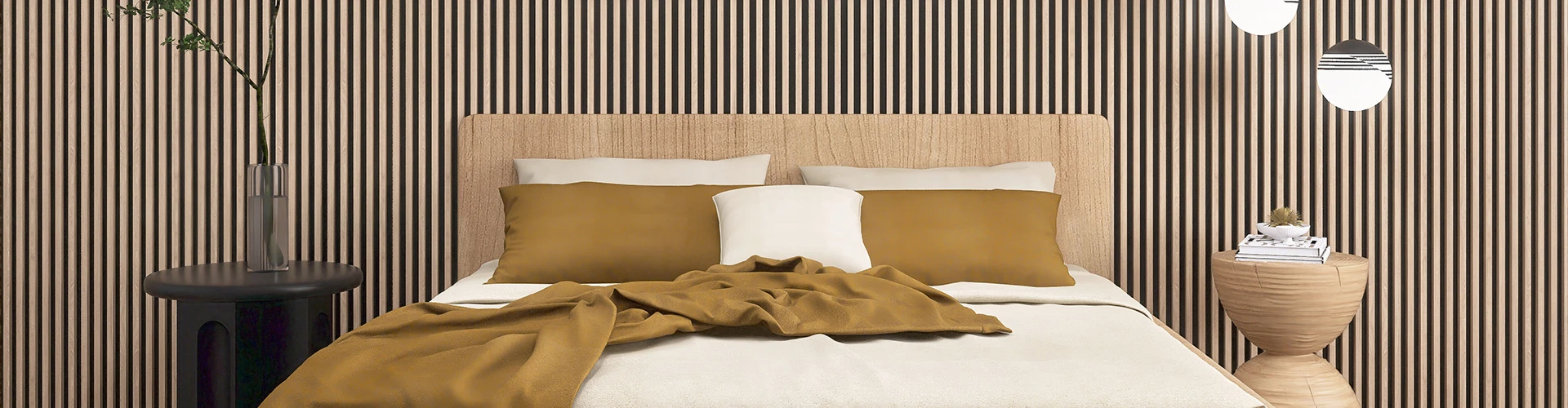
Ultimate Guide to Durable Waterproof SPC Vinyl Flooring Style
The Ultimate Guide to Waterproof SPC Vinyl Flooring: Durability Meets Style
When renovating a modern home or commercial space, the flooring choice often defines the entire atmosphere. waterproof spc vinyl flooring has emerged as a revolutionary solution for those who refuse to compromise between aesthetic elegance and rugged performance. Standing for Stone Plastic Composite, SPC flooring is engineered to withstand the toughest environments, from moisture-prone bathrooms to high-traffic living rooms. In this comprehensive guide, we will explore why this material is dominating the interior design market and how it can transform your space into a sanctuary of style and resilience.
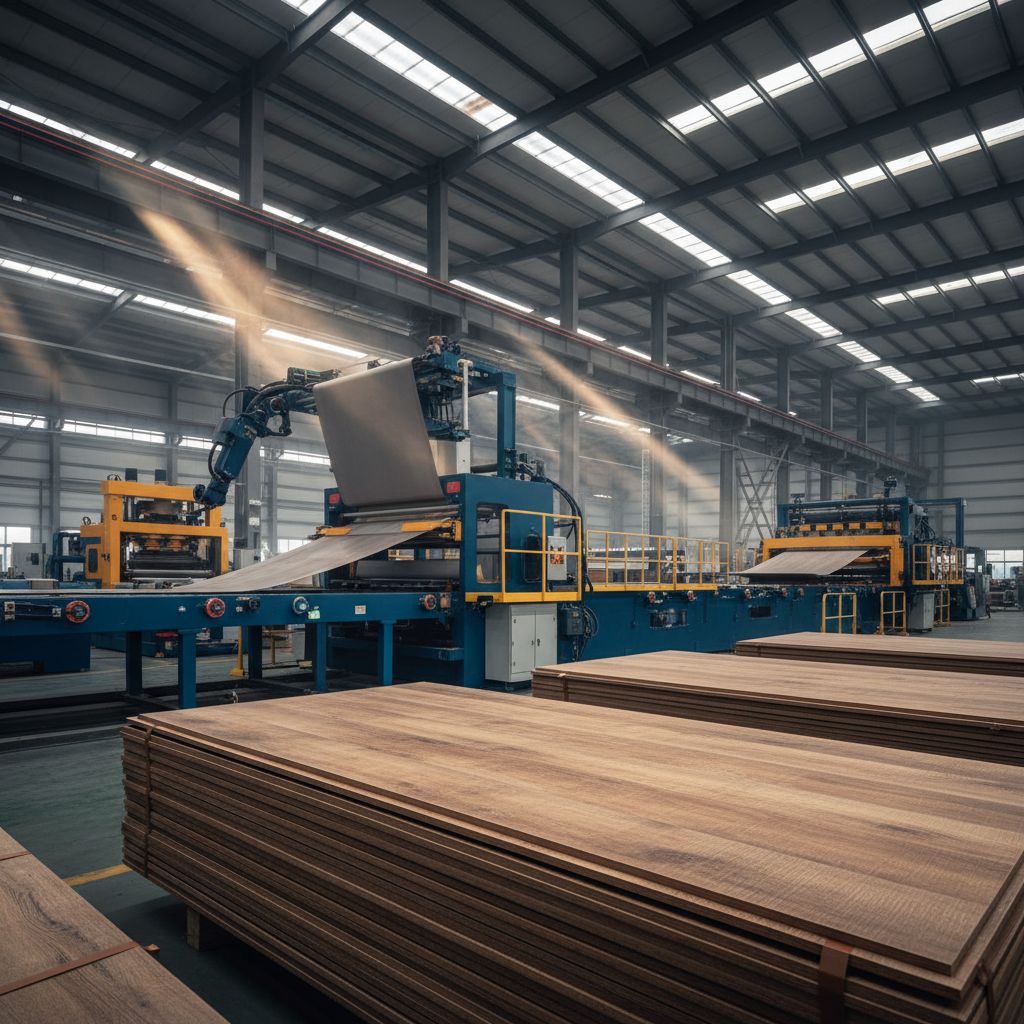
What Exactly is Waterproof SPC Vinyl Flooring?
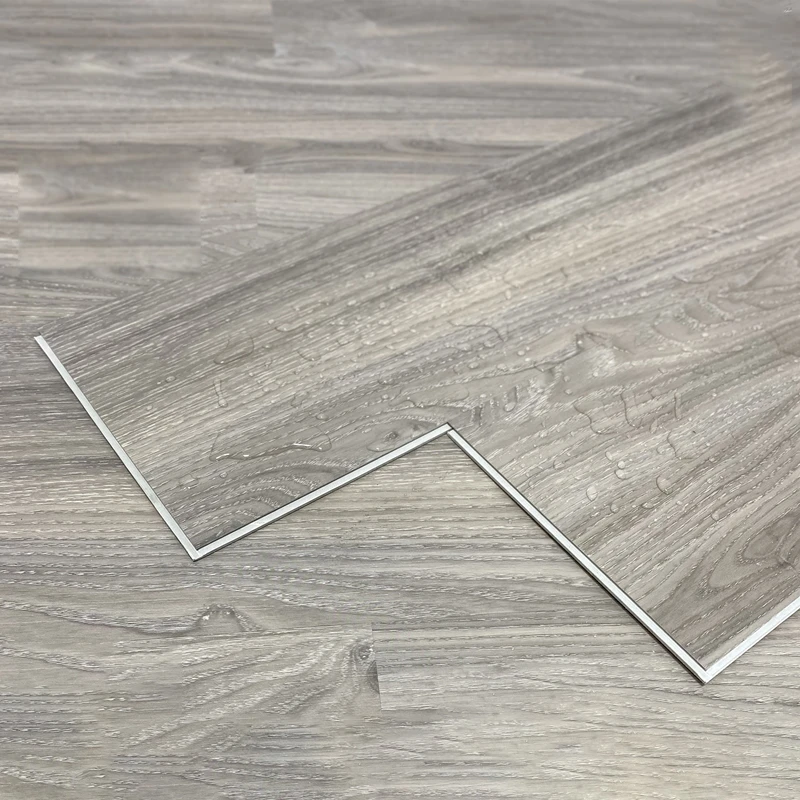
Unlike traditional vinyl or laminate, waterproof spc vinyl flooring is composed of a rigid core made from limestone powder and stabilizers. This unique composition ensures that the planks do not expand or contract when exposed to temperature fluctuations or moisture. The core is typically sandwiched between a high-definition wear layer and an attached underlayment, providing a stable and comfortable walking surface. Because it contains no organic fillers, it is inherently resistant to mold, mildew, and insects, making it a healthier choice for families and pets.
Pro Tip: Look for a wear layer of at least 0.5mm if you are installing the flooring in a commercial setting or a home with large pets to ensure long-term scratch resistance.
Key Benefits of Choosing Waterproof SPC Vinyl Flooring
The primary allure of waterproof spc vinyl flooring is its unparalleled versatility. First and foremost is its 100% waterproof nature, which eliminates the anxiety of water spills or leaks that usually ruin hardwood. Secondly, its installation is remarkably efficient; most SPC products feature a click-lock system that allows for "floating" installation without the need for messy glues or nails. Additionally, the high-density core provides a level of impact resistance that far exceeds standard luxury vinyl planks (LVP), ensuring that dropped heavy objects are less likely to leave permanent dents.
Why Homeowners Love SPC:
• Zero Swelling: Completely impervious to water penetration.
• Easy Maintenance: Simple sweep and mop routine.
• Realistic Aesthetics: Mimics natural oak, walnut, and stone perfectly.
• Eco-Friendly: Often made from recyclable materials and formaldehyde-free.
SPC vs. Traditional Flooring: A Comparative Analysis
When deciding on a new floor, it is essential to compare the performance metrics. While hardwood offers timeless luxury, it fails in wet areas. Laminate is affordable but often swells when wet. waterproof spc vinyl flooring bridges the gap, offering the look of wood with the durability of stone. The following table illustrates how SPC stacks up against other popular options in terms of key performance indicators.
Ideal Applications for Waterproof SPC Vinyl Flooring
Because of its unique properties, waterproof spc vinyl flooring is suitable for nearly every room in a building. In kitchens and bathrooms, it provides a stress-free environment where spills and splashes can be wiped away without fear. In basements, where humidity is often a challenge, the SPC core prevents the curling and warping common in other materials. Furthermore, it is a top choice for commercial spaces like clinics, boutiques, and cafes, where hygiene and high foot traffic are primary concerns. Its ability to be installed over existing hard floors also makes it a favorite for quick office renovations.
Technical Specifications of SPC Flooring
To fully appreciate the engineering behind waterproof spc vinyl flooring, one must look at the technical breakdown. The thickness of the plank typically ranges from 4mm to 7mm, with the core comprising the majority of this volume. The wear layer—the top protective coating—is what determines the product's lifespan. For residential use, 0.3mm is standard, while commercial grade usually starts at 0.5mm. The attached IXPE or EVA underlayment adds a layer of sound absorption, reducing the "click-clack" sound often associated with hard flooring.
Maintenance Tips for Long-Lasting Floors
To maintain the pristine look of your waterproof spc vinyl flooring, minimal effort is required. Regular sweeping or vacuuming with a soft brush attachment prevents abrasive grit from scratching the wear layer. For deeper cleaning, a damp mop with a pH-neutral cleaner is recommended; avoid using harsh chemicals or steam cleaners, as excessive heat can potentially damage the vinyl layers over time. Using felt pads under furniture legs and placing mats at entryways can further extend the lifespan of your flooring by reducing friction and impact.
Conclusion: Upgrade Your Space with SPC Technology
Choosing waterproof spc vinyl flooring is more than just a design choice; it is an investment in the longevity and functionality of your property. By combining the natural beauty of wood and stone with the cutting-edge durability of stone-plastic composites, you create a space that is as practical as it is beautiful. Whether you are a homeowner looking for peace of mind or a contractor seeking a high-performance material for a client, SPC flooring stands as the gold standard for modern interiors. Visit Sothink Decor to explore the perfect palette for your next project.
Frequently Asked Questions (FAQs)
Is SPC vinyl flooring truly 100% waterproof?
Yes, the core of SPC (Stone Plastic Composite) is made from limestone and stabilizers, which do not absorb water. Unlike laminate, which uses a wood-based core (HDF) that can swell, SPC remains dimensionally stable even when submerged. While the material itself is waterproof, it is still important to seal the edges in bathrooms or wet rooms with silicone to prevent water from seeping underneath the planks and affecting the subfloor.
Can I install SPC vinyl flooring over existing tiles?
In most cases, yes. One of the biggest advantages of waterproof spc vinyl flooring is its rigidity. As long as the existing tile is level, firmly adhered to the subfloor, and free of cracks or moisture, SPC can be installed directly over it using a floating method. If the tiles are uneven, a self-leveling compound may be required first to ensure a smooth finish.
Does SPC flooring feel cold underfoot?
Because SPC has a stone-based core, it can feel cooler than carpet or traditional wood. However, most high-quality SPC planks come with an integrated IXPE or EVA underlayment, which provides a thermal barrier and makes the floor feel warmer and softer. For those in very cold climates, SPC is also compatible with certain types of underfloor heating systems, provided the product is rated for such use.
How long does SPC vinyl flooring typically last?
Depending on the quality of the wear layer and the level of foot traffic, SPC flooring can last anywhere from 15 to 25 years. In residential settings with moderate use, it often lasts longer. The key to longevity is the thickness of the wear layer; a 0.5mm layer is significantly more resistant to scratches and abrasions than a 0.3mm layer, making it ideal for households with pets or busy commercial environments.
-
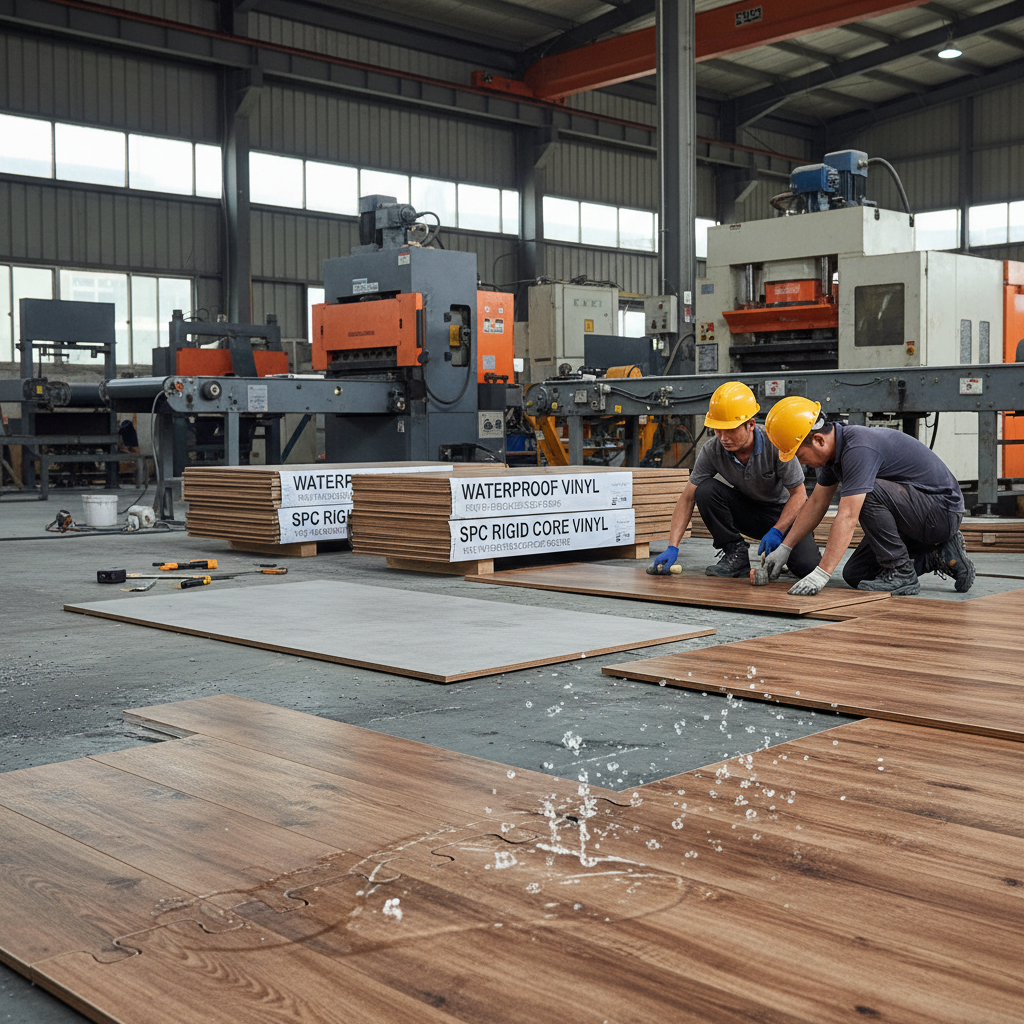 Ultimate Guide to Durable Waterproof SPC Rigid Core Vinyl FlooringChoosing the right flooring for a modern home or commercial space requires a balance between aesthetics and endurance. waterproof spc rigid core vinyl has emerged as a game-changer in the interior design world, offering the timeless look of hardwood with the unmatched resilience of stone polymer composite. Whether you are dealing with high-traffic hallways, moisture-prone bathrooms, or pet-friendly living rooms, this flooring solution provides a stable, waterproof, and scratch-resistant surface. In this comprehensive guide, we will explore why this innovative material is replacing traditional laminate and luxury vinyl planks in contemporary construction.Read More >
Apr 09 2026
-
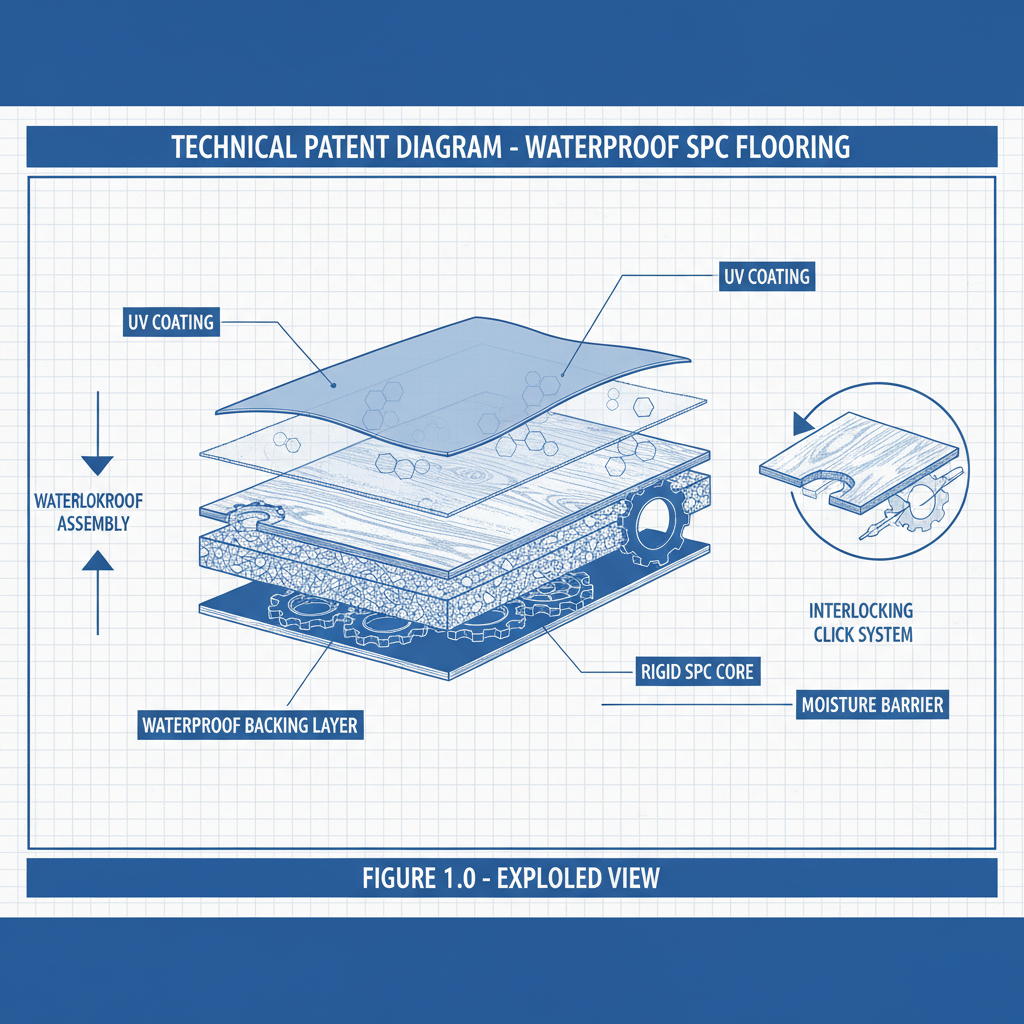 Comprehensive Guide to Waterproof SPC Flooring Durability and InstallationChoosing the right flooring for your home or business is a significant decision. Waterproof SPC flooring has emerged as a popular option due to its durability, affordability, and ease of installation. This article provides an in-depth look at waterproof SPC flooring, covering its benefits, installation process, maintenance, and comparisons with other flooring types. Understanding these aspects will help you determine if SPC flooring is the right choice for your project.Read More >
Apr 07 2026
-
 Discover the Durability and Style of Vinyl SPC Rigid Flooring SolutionsLooking for a durable, waterproof, and stylish flooring solution? Vinyl SPC rigid flooring is quickly becoming the go-to choice for homeowners and businesses alike. This article provides a comprehensive overview of this innovative flooring type, covering its benefits, installation, maintenance, and more. We’ll help you determine if SPC rigid vinyl flooring is the right fit for your project.Read More >
Apr 04 2026
-
 Comprehensive Guide to Durable Vinyl SPC Click Flooring Options and BenefitsChoosing the right flooring for your home or business is a significant decision. Vinyl SPC click flooring has emerged as a popular and durable option, offering a blend of aesthetic appeal and practical benefits. This article will explore the key features, advantages, installation process, and applications of SPC flooring, helping you determine if it's the right choice for your project. From its waterproof nature to its ease of installation, we'll cover everything you need to know.Read More >
Mar 31 2026
 +86 31185293045
  qian@ss711.com

Shijiazhuang Sothink trading Co., LTD.
Our company focuses on product development, production, sales and other all-round services, and is committed to providing customers with high-performance products and high-quality services.