


High Quality and Cheap SPC Flooring for Modern Interiors
When evaluating cost-effective surfaces for modern interiors, many project managers and homeowners are turning toward Stone Plastic Composite materials due to their exceptional balance of price and performance. This advanced composite, blending natural limestone powder with polyvinyl chloride, provides a rigid core that solves many of the stability issues found in traditional vinyl. By integrating a click-lock system, these floors significantly lower labor expenses, making them an ideal choice for those seeking cheap spc flooring without sacrificing structural integrity. Whether applied in high-traffic commercial zones or moisture-prone residential kitchens, the material's inherent water resistance and wear-resistant surface ensure long-term viability. In an era where sustainability is paramount, the use of recycled materials in the production process further enhances the value proposition for eco-conscious buyers.

Understanding the Composition and Engineering of Stone Plastic Composite Flooring
The technical superiority of SPC surfaces lies in their unique core composition. Unlike standard PVC flooring, SPC utilizes a dense blend of natural limestone powder and stabilizers. This fusion creates a product that is not only incredibly strong but also dimensionally stable, meaning it is far less likely to expand or contract under temperature fluctuations. This stability is critical for large-scale installations where gaps or buckling could compromise the aesthetic and safety of the space.
From a manufacturing perspective, the addition of a specialized wear layer on the surface protects the core from scratches, dents, and stains. This engineering ensures a long service life even in environments with heavy foot traffic. Furthermore, the click-lock design allows for a seamless installation process that requires no glue, facilitating a faster turnaround for construction projects and reducing the overall cost of ownership. By eliminating the need for adhesives, the installation process becomes cleaner and more environmentally friendly.

Key Advantages for Commercial and Residential Applications
One of the primary drivers for the adoption of these composite materials is their total waterproof nature. Because the core is composed of stone and plastic, it does not absorb moisture, making it an ideal solution for kitchens, bathrooms, and hospitals. This eliminates the risk of swelling or mold growth, which are common failures in laminate or hardwood options. For businesses operating in the healthcare or hospitality sectors, this moisture-proof characteristic translates to lower replacement costs and improved hygiene.
Additionally, the versatility in design allows buyers to achieve a high-end look on a budget. Available in tile, plank, and herringbone patterns, these surfaces can mimic the appearance of natural wood or stone with high precision. Beyond aesthetics, the health benefits are significant; the materials are produced without harmful substances like formaldehyde, ensuring a "green" indoor environment. This makes the product highly appealing to schools and nurseries where air quality is a priority.
Strategic Procurement and Selection Criteria for Budget-Conscious Buyers
When searching for cheap spc flooring, procurement officers should look beyond the initial price per square foot and evaluate the total lifecycle cost. Key considerations include the thickness of the wear layer and the quality of the click-lock mechanism. A thinner wear layer may result in a lower upfront price but will lead to faster degradation in high-traffic areas, increasing long-term maintenance costs.
It is also essential to verify the supplier's ability to provide consistent quality across large batches. Since these materials are often used in expansive commercial projects, color consistency and dimensional accuracy are paramount to avoid unsightly seams. Experienced buyers typically assess the manufacturer's technical team and their capacity for product optimization to ensure the performance meets specific project requirements. Evaluating the environmental certifications of the supplier also helps in meeting green building standards.
Comparative Analysis of SPC Flooring Performance Factors
| Feature | SPC Composite | Traditional Laminate | Natural Hardwood | Selection Priority |
|---|---|---|---|---|
| Water Resistance | Excellent | Limited | Low | High (Wet Areas) |
| Installation Speed | Very Fast | Fast | Slow | High (Tight Schedules) |
| Wear Resistance | High | Medium | Medium | High (Commercial) |
| Maintenance Cost | Very Low | Low | High | High (OPEX Budget) |
| Eco-Friendliness | High (Recycled) | Medium | Variable | Medium (LEED/Green) |
Maintenance Protocols and Long-Term Durability
Maintaining the pristine condition of a stone-plastic surface is remarkably simple, which is a major selling point for facility managers. Regular sweeping or vacuuming is sufficient to remove abrasive dust and dirt that could potentially scratch the wear layer over time. For deeper cleaning, occasional mopping with a damp mop and a mild, pH-neutral detergent is recommended. This low-maintenance requirement eliminates the need for expensive waxing or sanding processes associated with traditional floors.
The durability of the product is further bolstered by its impact resistance. The rigid core prevents the "indentation" effect often seen with softer vinyls when heavy furniture is placed on the surface. However, it is always advisable to use felt pads under heavy equipment to maximize the longevity of the wear layer. By following these basic care steps, the operational lifespan of the flooring can be extended significantly, providing a high return on investment for the buyer.
Future Trends in Plastic-Based Construction Materials
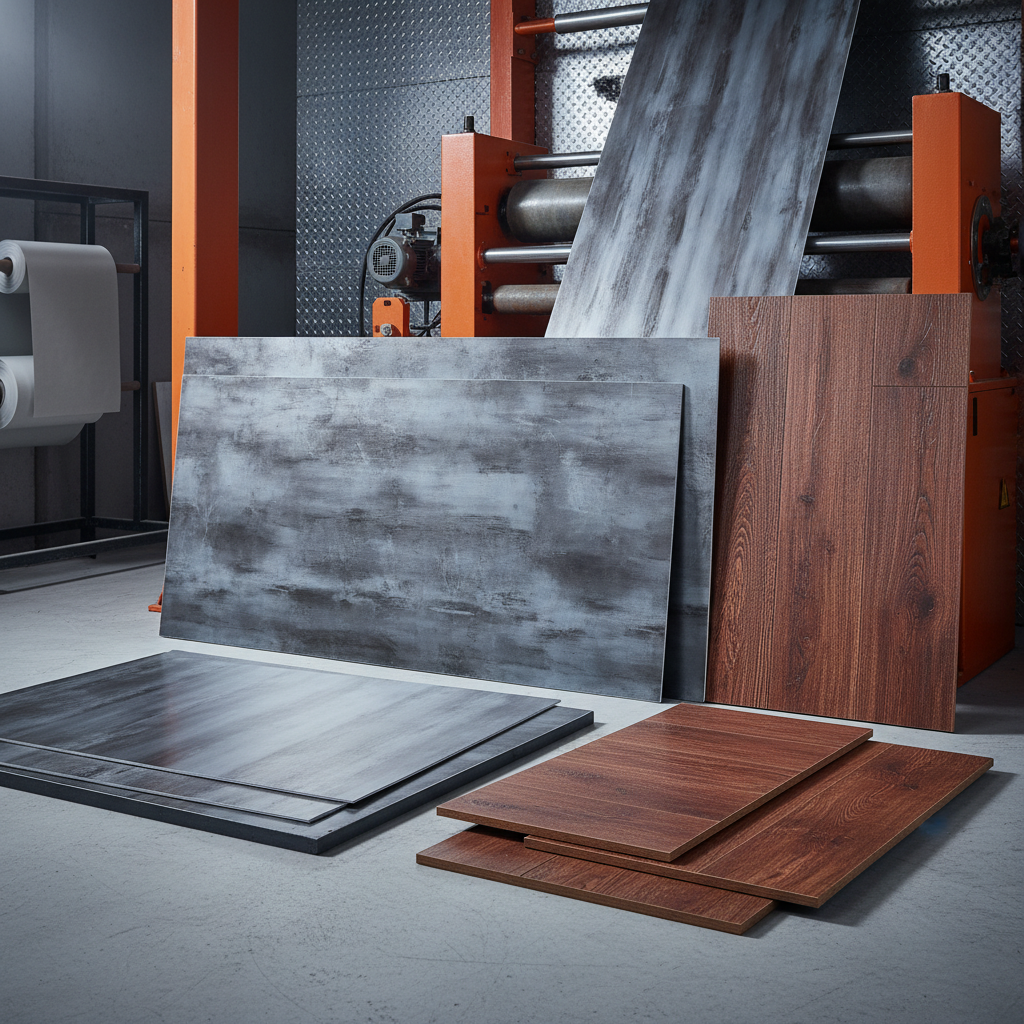
The industry is moving toward even more integrated solutions, where the boundaries between wall and floor treatments are blurring. We are seeing a rise in the use of matching WPC panels and PVC marble sheets to create cohesive interior environments. This trend allows architects to maintain a consistent aesthetic while leveraging the specific functional benefits of different composite materials—such as the rigidity of SPC for floors and the lightweight nature of WPC for cladding.
Furthermore, the push for "circular economy" manufacturing is leading to higher percentages of recycled content in the limestone-plastic blend. As technology advances, we can expect improved acoustic properties and even more realistic textures that are indistinguishable from natural materials. For procurement specialists, staying updated on these material innovations is key to delivering cutting-edge, cost-effective building solutions that meet the evolving demands of the global market.
Frequently Asked Questions About SPC Flooring
What exactly is the difference between SPC and regular vinyl flooring?
SPC stands for Stone Plastic Composite. Unlike regular vinyl, which is primarily plastic, SPC incorporates natural limestone powder into its core. This results in a much stiffer, more stable plank that is more resistant to temperature changes and indentation.
Can SPC flooring be installed over existing floors?
Yes, thanks to its rigid core and click-lock system, it can often be installed directly over existing hard flooring. This significantly reduces demolition time and overall installation costs for renovation projects.
Is this material safe for use in hospitals or schools?
Absolutely. These products are designed to be environmentally friendly and do not contain harmful substances like formaldehyde, making them a safe and healthy choice for public spaces.
How does the installation process work for these planks?
The flooring uses an intuitive click-lock installation system. Planks are snapped together without the need for glue or adhesives, ensuring a snug fit that prevents gaps and shifting over time.
What is the best way to clean a stone plastic composite floor?
Routine cleaning involves sweeping or vacuuming. For stains, use a damp mop with a mild detergent. Avoid harsh chemicals or abrasive scrubbers that could damage the protective wear layer.
Is SPC flooring truly waterproof in all areas?
Yes, the limestone-plastic core is inherently waterproof, meaning it will not swell or warp when exposed to water. This makes it highly suitable for kitchens, bathrooms, and other moisture-prone environments.
Industry Technical References
- General Overview of Flooring Materials and Standards
- International Organization for Standardization - Building Materials
- ASTM International Standards for Plastic Composites
- LEED Green Building Certification Guidelines
Selecting the right flooring involves balancing budget, durability, and environmental impact. By opting for high-performance composite solutions, you can achieve a professional, elegant finish that stands the test of time. For customized specifications or bulk procurement inquiries, consulting with a technical expert ensures your project goals are met with precision.
Related Articles


 +86 31185293045
 qian@ss711.com