


Ultimate Guide to Durable Waterproof SPC Rigid Core Vinyl Flooring
The Ultimate Guide to Waterproof SPC Rigid Core Vinyl Flooring
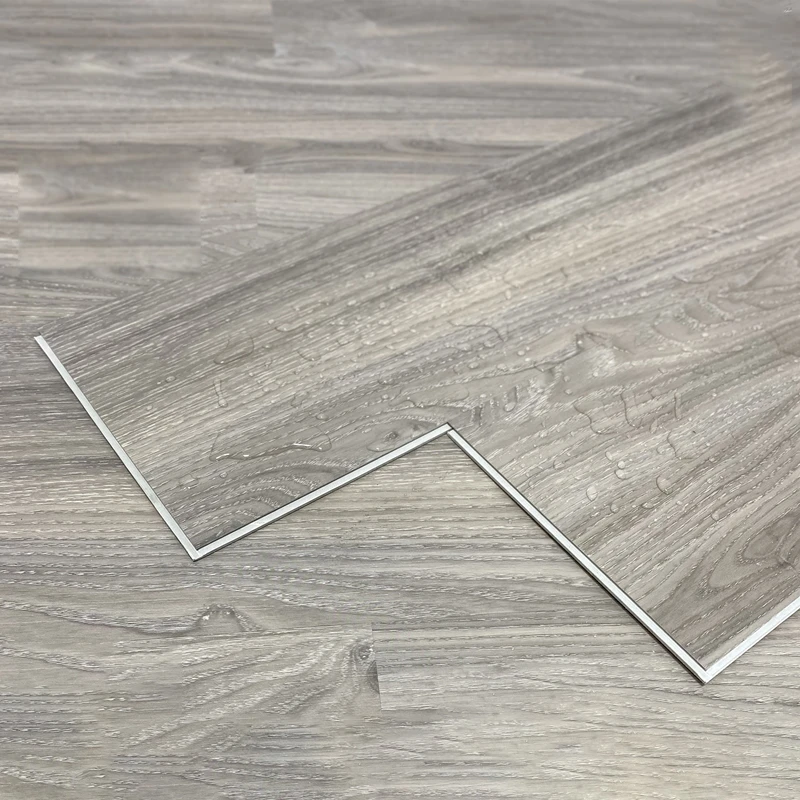
Choosing the right flooring for a modern home or commercial space requires a balance between aesthetics and endurance. waterproof spc rigid core vinyl has emerged as a game-changer in the interior design world, offering the timeless look of hardwood with the unmatched resilience of stone polymer composite. Whether you are dealing with high-traffic hallways, moisture-prone bathrooms, or pet-friendly living rooms, this flooring solution provides a stable, waterproof, and scratch-resistant surface. In this comprehensive guide, we will explore why this innovative material is replacing traditional laminate and luxury vinyl planks in contemporary construction.
What Exactly is Waterproof SPC Rigid Core Vinyl?
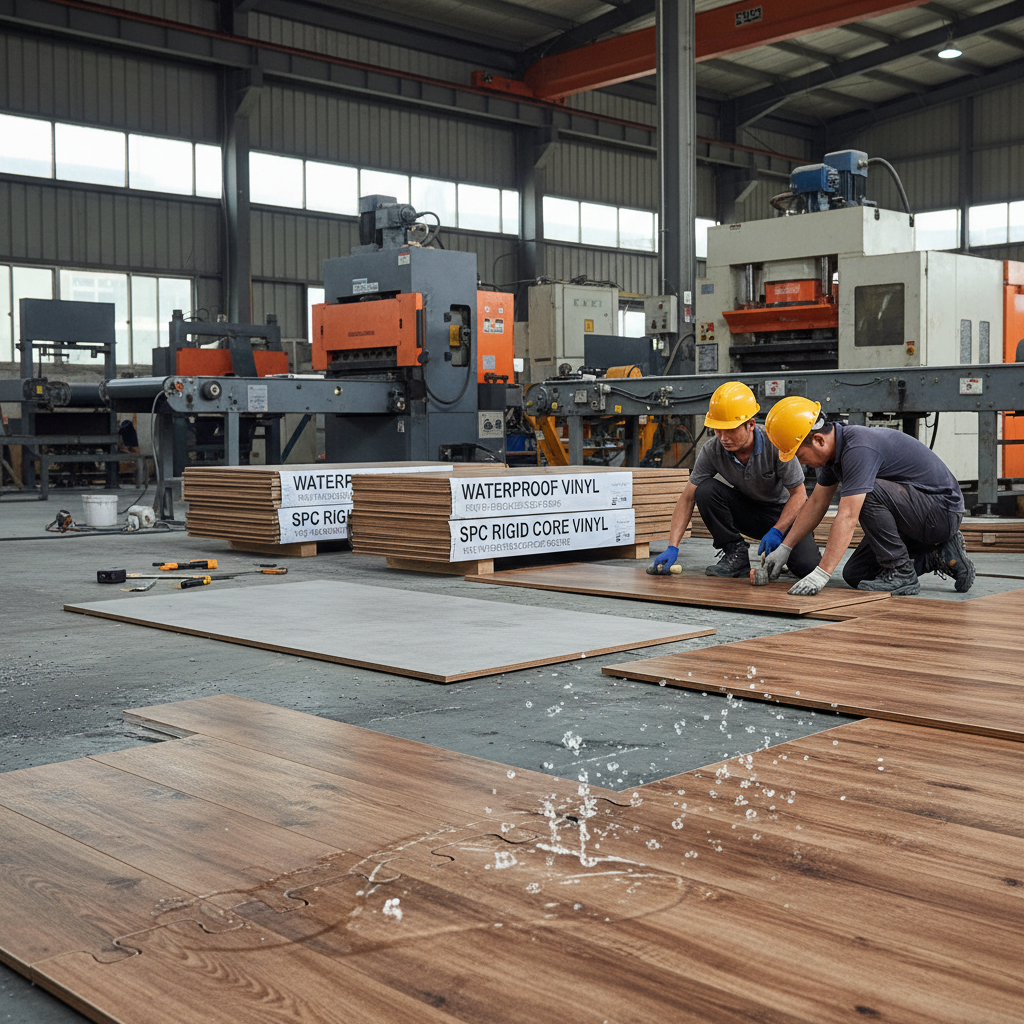
SPC stands for Stone Plastic Composite. Unlike traditional vinyl that may rely heavily on PVC, waterproof spc rigid core vinyl utilizes a core made of limestone powder and stabilizers. This "rigid core" is what gives the flooring its exceptional stability, preventing the planks from expanding or contracting significantly with temperature changes. This structural integrity makes it an ideal choice for environments where temperature fluctuations occur, such as sunrooms or basements. The top layer features a high-definition wear layer that mimics natural wood or stone, ensuring that beauty does not come at the expense of performance.
Pro Tip: The rigid core means you can install this flooring over slightly uneven subfloors without the "telegraphing" effect (where imperfections from the subfloor show through the surface) common in thinner vinyl options.
The Core Advantages of Choosing Waterproof SPC Rigid Core Vinyl
One of the primary reasons architects and homeowners are pivoting toward waterproof spc rigid core vinyl is its 100% waterproof nature. While some laminates are "water-resistant," SPC is impervious to water, meaning it won't swell, buckle, or warp when exposed to spills or humidity. Additionally, the surface is engineered to be highly resistant to scratches and dents, making it the perfect solution for households with large pets or active children. The click-lock installation system also reduces labor costs, as it typically requires no glue and can be installed as a floating floor.
Performance Benefits:
• Zero Swelling: Completely immune to moisture-induced expansion.
• High Impact Resistance: The limestone core absorbs shock better than WPC.
• Low Maintenance: Requires only simple sweeping and damp mopping.
• Eco-Friendly: Often made from recyclable materials and is formaldehyde-free.
SPC Rigid Core Vinyl vs. Traditional Flooring Options
When comparing waterproof spc rigid core vinyl to hardwood, laminate, or luxury vinyl tiles (LVT), the differences in durability and installation are stark. Hardwood is beautiful but vulnerable to water; laminate is affordable but can warp. SPC provides a "middle ground" that captures the aesthetic of the former and the price point of the latter, while adding a layer of waterproofing that neither can match. This makes it the most versatile option for a whole-house flooring project.
Ideal Application Areas for Waterproof SPC Rigid Core Vinyl
Because of its unique composition, waterproof spc rigid core vinyl is suitable for nearly every room in a building. In kitchens and bathrooms, it provides peace of mind against leaks and splashes. In basements, where humidity levels are typically higher, the rigid core prevents the floor from warping. Even in commercial spaces like retail stores or clinics, the high wear layer ensures the floor can handle thousands of footsteps daily without losing its luster. The versatility makes it a preferred choice for open-concept floor plans where a seamless transition from the living room to the kitchen is desired.
Technical Specifications of SPC Flooring
To understand why this material is so durable, one must look at the layering. A standard plank of waterproof spc rigid core vinyl consists of a UV-coated wear layer, a decorative film, the rigid SPC core, and often an integrated underlayment for sound reduction. This multi-layered approach ensures that the floor is not only waterproof but also acoustically dampened and visually stunning.
Installation and Maintenance Tips
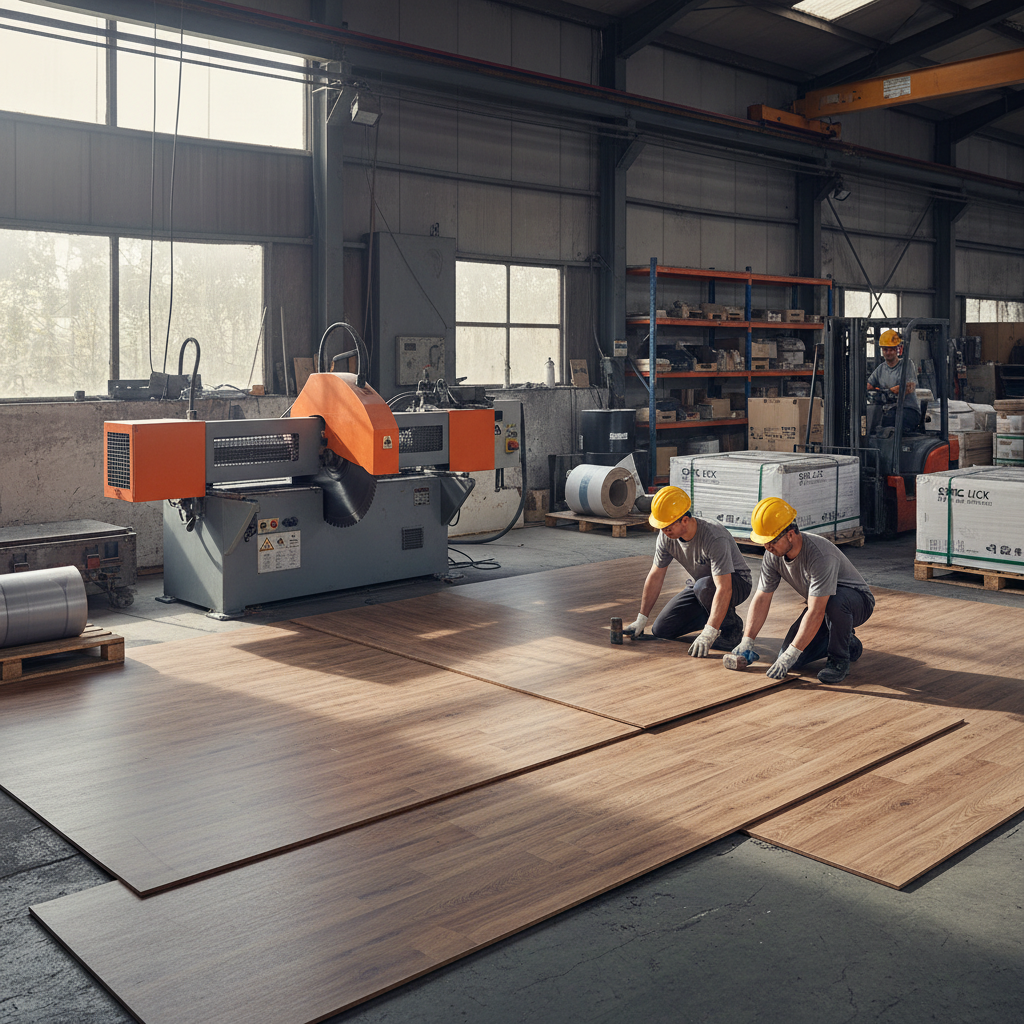
Installing waterproof spc rigid core vinyl is a straightforward process. First, ensure the subfloor is clean and level. While the rigid core handles minor imperfections, significant dips should be filled. Lay the planks in a staggered pattern to increase structural strength and visual appeal. For maintenance, avoid using steam cleaners or harsh chemicals that could damage the wear layer. A simple pH-neutral cleaner and a microfiber mop are sufficient to keep the floors looking brand new for decades.
Conclusion: The Future of Durable Flooring
In conclusion, waterproof spc rigid core vinyl represents the pinnacle of modern flooring technology. By combining the strength of stone with the flexibility of vinyl, it solves the age-old conflict between style and durability. Its waterproof nature, ease of installation, and stunning realistic finishes make it an unbeatable choice for any project. Whether you are renovating your family home or designing a commercial complex, investing in SPC flooring ensures a long-lasting, beautiful surface that stands the test of time.
Frequently Asked Questions (FAQs)
Is waterproof SPC rigid core vinyl really 100% waterproof?
Yes, the material itself is completely waterproof. Because the core is made of stone powder and PVC, it does not absorb water like wood or laminate does. This means if you have a spill or a leak, the planks will not swell or warp. However, it is important to note that while the planks are waterproof, water can still seep through the seams to the subfloor if there is a major flood, so maintaining a good seal at the edges of the room is recommended.
Can I install SPC vinyl over existing tile?
In most cases, yes. One of the biggest advantages of waterproof spc rigid core vinyl is that its rigidity allows it to be installed directly over existing hard surfaces like ceramic tile or concrete. The key is to ensure that the tile is firmly adhered to the subfloor and that there are no large gaps or protruding grout lines that exceed the manufacturer's specifications for subfloor flatness.
Does SPC flooring feel cold underfoot?
Since SPC contains stone powder, it can feel cooler than wood or WPC (Wood Plastic Composite). However, many modern SPC products come with a pre-attached acoustic underlayment (like IXPE or EVA foam) that provides a thermal barrier and makes the floor feel warmer and softer. Additionally, SPC is generally compatible with radiant heating systems, making it an excellent choice for cold climates where underfloor heating is used.
How long does SPC rigid core vinyl last?
Depending on the quality of the wear layer and the level of traffic, SPC flooring typically lasts between 20 to 30 years. For residential use, it often lasts even longer if properly maintained. The longevity is primarily determined by the thickness of the wear layer; a 0.5mm or 0.7mm wear layer is recommended for commercial or high-traffic areas to prevent the decorative film from wearing through over time.
-
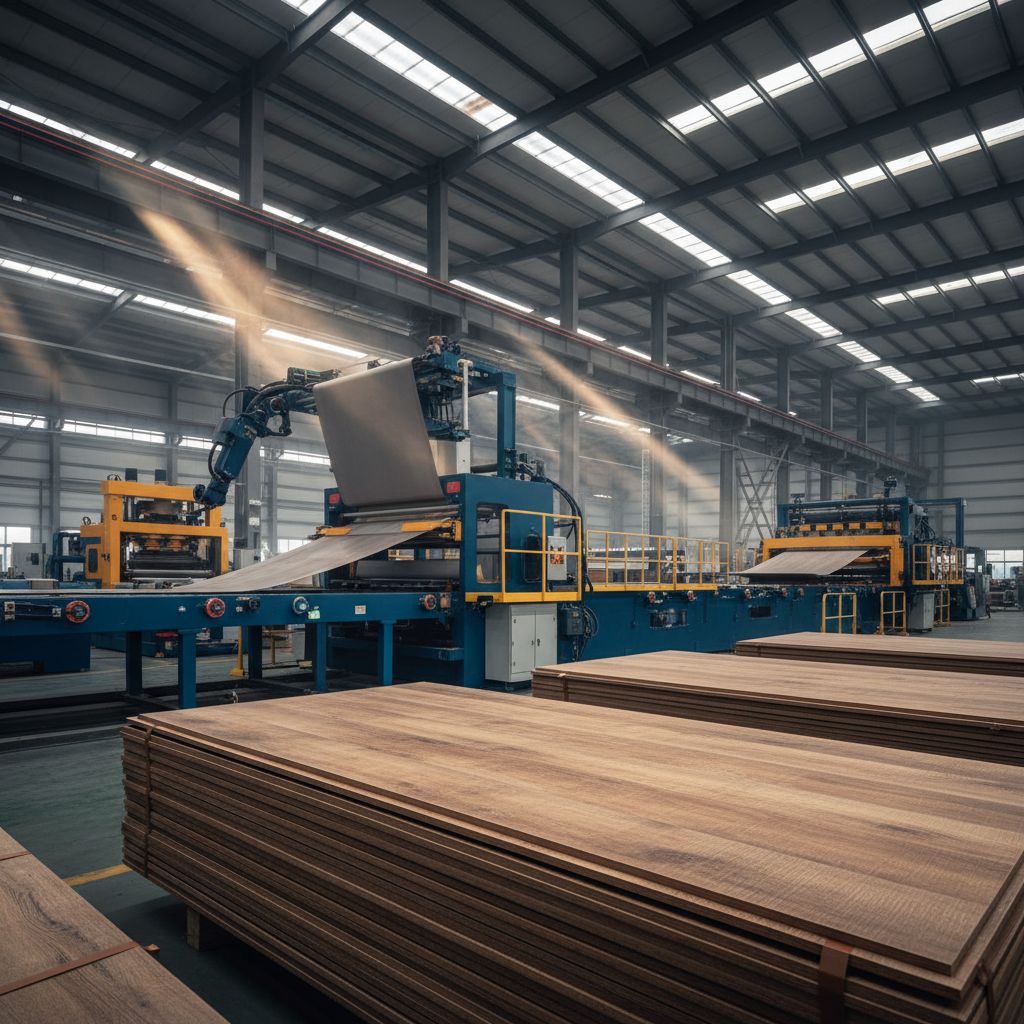 Ultimate Guide to Durable Waterproof SPC Vinyl Flooring StyleWhen renovating a modern home or commercial space, the flooring choice often defines the entire atmosphere. waterproof spc vinyl flooring has emerged as a revolutionary solution for those who refuse to compromise between aesthetic elegance and rugged performance. Standing for Stone Plastic Composite, SPC flooring is engineered to withstand the toughest environments, from moisture-prone bathrooms to high-traffic living rooms. In this comprehensive guide, we will explore why this material is dominating the interior design market and how it can transform your space into a sanctuary of style and resilience.Read More >
Apr 16 2026
-
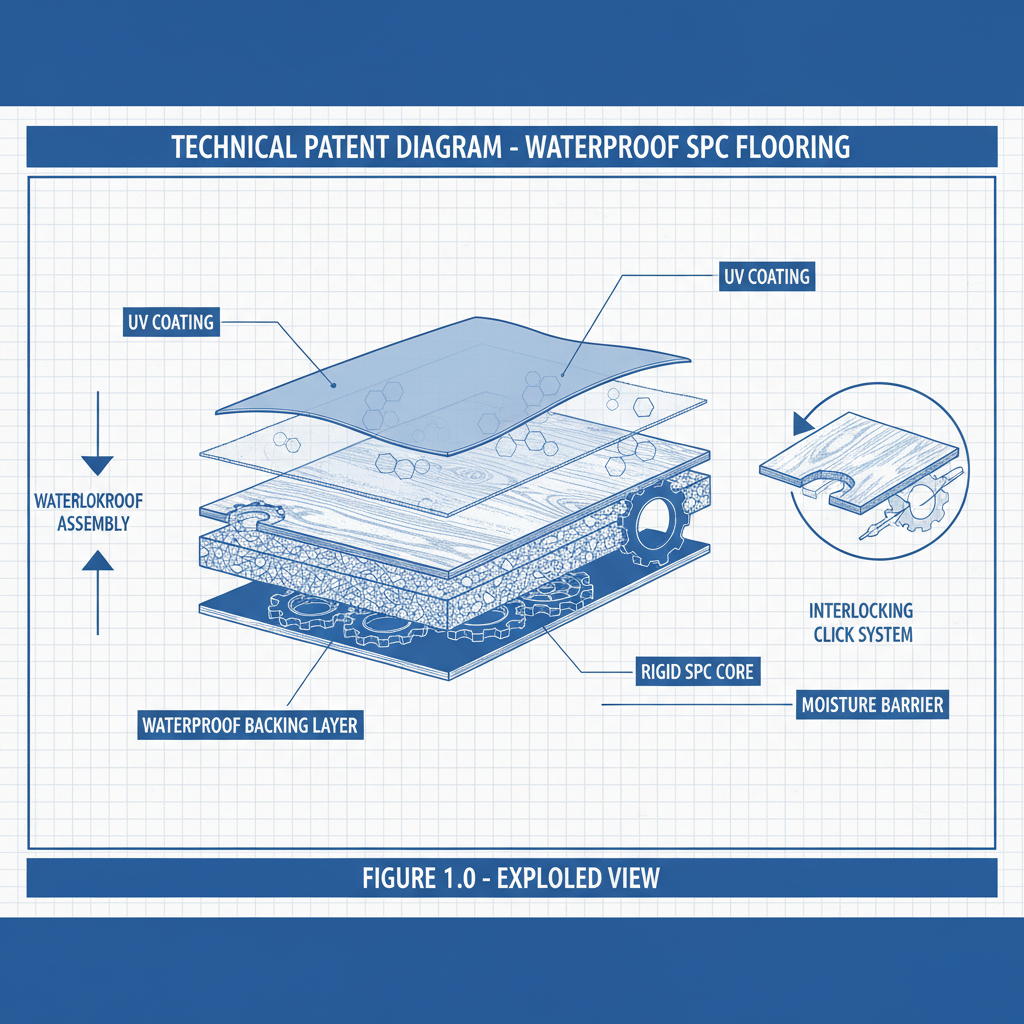 Comprehensive Guide to Waterproof SPC Flooring Durability and InstallationChoosing the right flooring for your home or business is a significant decision. Waterproof SPC flooring has emerged as a popular option due to its durability, affordability, and ease of installation. This article provides an in-depth look at waterproof SPC flooring, covering its benefits, installation process, maintenance, and comparisons with other flooring types. Understanding these aspects will help you determine if SPC flooring is the right choice for your project.Read More >
Apr 07 2026
-
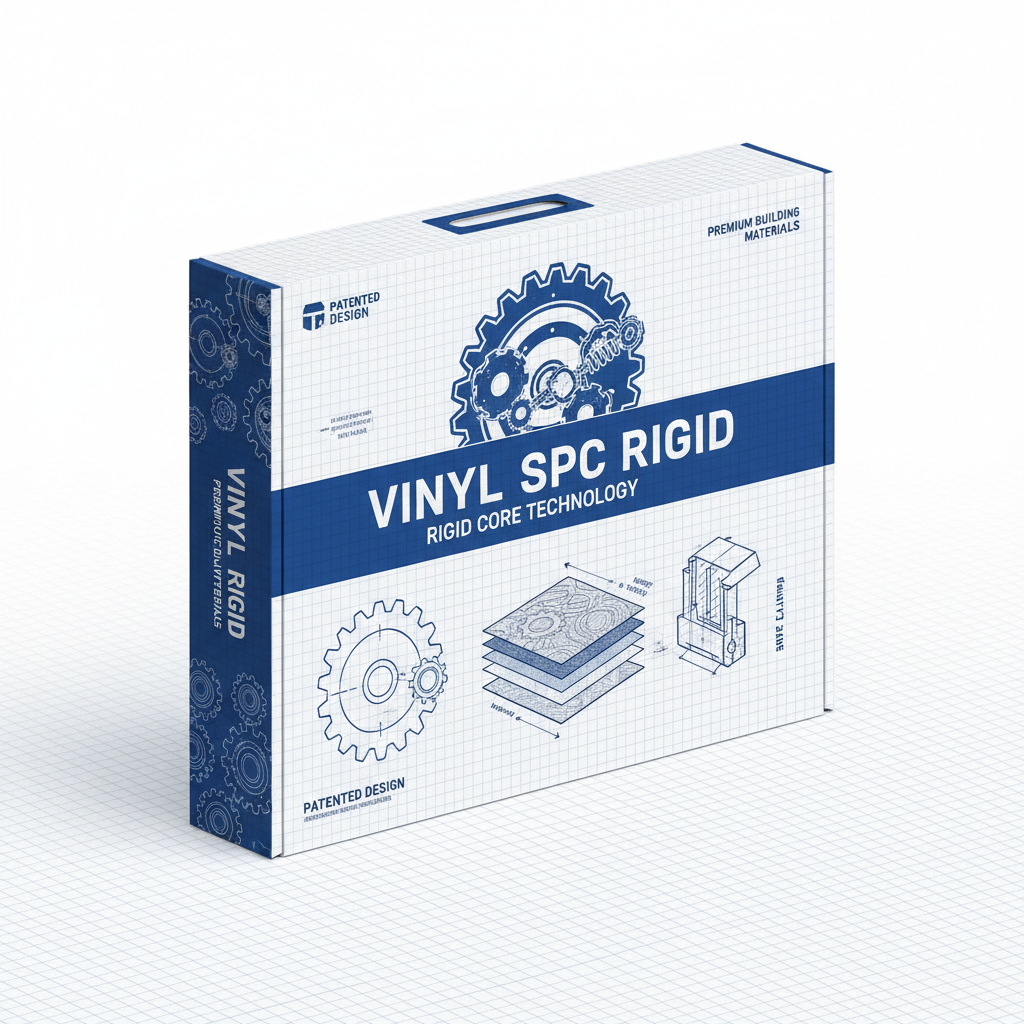 Discover the Durability and Style of Vinyl SPC Rigid Flooring SolutionsLooking for a durable, waterproof, and stylish flooring solution? Vinyl SPC rigid flooring is quickly becoming the go-to choice for homeowners and businesses alike. This article provides a comprehensive overview of this innovative flooring type, covering its benefits, installation, maintenance, and more. We’ll help you determine if SPC rigid vinyl flooring is the right fit for your project.Read More >
Apr 04 2026
-
 Comprehensive Guide to Durable Vinyl SPC Click Flooring Options and BenefitsChoosing the right flooring for your home or business is a significant decision. Vinyl SPC click flooring has emerged as a popular and durable option, offering a blend of aesthetic appeal and practical benefits. This article will explore the key features, advantages, installation process, and applications of SPC flooring, helping you determine if it's the right choice for your project. From its waterproof nature to its ease of installation, we'll cover everything you need to know.Read More >
Mar 31 2026
 +86 31185293045
  qian@ss711.com

Shijiazhuang Sothink trading Co., LTD.
Our company focuses on product development, production, sales and other all-round services, and is committed to providing customers with high-performance products and high-quality services.