


Wpc Wall Panel Price In The Philippines
Product Introduction
2026 Philippines WPC Wall Panel Price Guide: How to Source High-Performance, Cost-Effective Wall Cladding for Tropical Projects
As a corporate purchasing manager or technical director in the Philippines, navigating the WPC wall panel price in the Philippines landscape requires more than just a per-square-meter quote. It demands an understanding of total landed cost, tropical climate durability, and supply chain reliability. In 2026, with construction booms in Metro Manila, Cebu, and Davao, the pressure to balance budget constraints with material longevity is intensifying. You're not just buying panels; you're investing in a façade system that must withstand 80%+ humidity, typhoon-driven rain, and intense UV exposure for 15+ years with minimal maintenance. This guide cuts through the noise, providing the technical specifications, real cost breakdowns, and procurement strategies you need to make a data-backed decision that protects your project's ROI and reputation.
Table of Contents
- The Direct Factory Price Advantage for Philippine Buyers
- 5 Critical Pain Points Plaguing Philippine Construction Projects
- Technical Deep Dive: WPC vs. PVC vs. Natural Wood for Tropical Climates
- Performance Specification Table: What to Actually Compare
- Real-World Application: From Manila Condos to Cebu Resorts
- Trust Verified: Certifications & Global Client Proof
- FAQ: Logistics, Customization & Compliance for the Philippine Market
- Your Next Step: Secure a Fixed 2026 Price Quote
The Direct Factory Price Advantage for Philippine Buyers
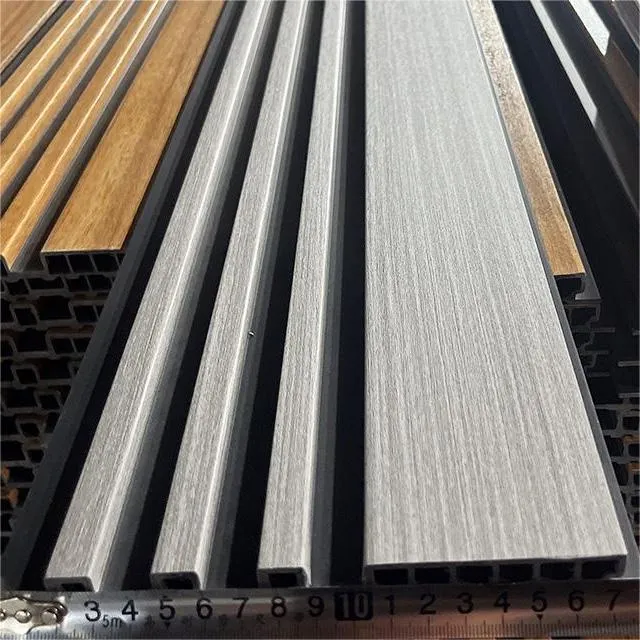
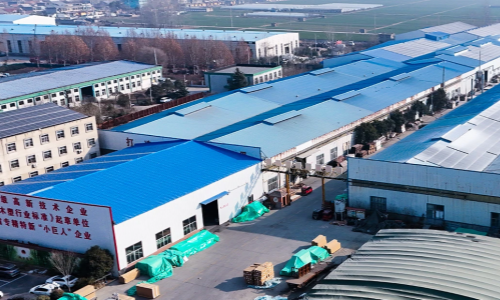
The single largest driver of WPC wall panel price in the Philippines variance isn't the material itself—it's the number of intermediaries between you and the manufacturing source. Local distributors and trading companies in the Philippines typically mark up products by 40-70% over factory pricing, absorbing significant margins while offering little technical support. At Shijiazhuang Sothink Trading Co. LTD, our 10+ years of export experience and ISO 9001 certified factory in Hebei, China (300km from Beijing), allow us to offer direct factory pricing (FOB China) to major buyers in the USA, Europe, and increasingly, the Philippine market. This means you gain access to OEM/ODM capabilities, rigorous quality control from raw material to shipment, and predictable lead times, all while bypassing the traditional markup chain. For a standard 150mm x 3000mm hollow-core WPC panel, our FOB price ranges from $8.50 - $12.00 per m² depending on finish and volume, with total landed cost to Manila typically 25-35% lower than quotes from local Philippine suppliers for equivalent, certified products.
Micro-CTA: Calculate your exact landed cost with our 2026 Philippines shipping rate sheet.
5 Critical Pain Points Plaguing Philippine Construction Projects
Our analysis of procurement challenges in the Philippine market, corroborated by industry reports, reveals consistent pain points that directly impact project budgets and timelines:
- Exorbitant Local Markups & Opaque Pricing: The Philippine construction materials market is fragmented. A study on decorative PVC sheets notes the global market was ~$600 billion in 2022, with synthetic materials like PVC and WPC carving out a 2-3% share due to cost-effectiveness【16†L1-L4】. However, this value is often eroded by multiple layers of local distribution. You receive a single, high "package price" with no transparency on material grade, shipping, or duties, making ROI calculations impossible.
- Inconsistent Quality & Premature Failure: Low-cost imports, often from unverified factories, use recycled plastics with poor UV stabilizers and inconsistent wood fiber content. In the Philippines' harsh climate, this leads to rapid fading, surface checking, and even delamination within 2-3 years. A technical review on WPC durability emphasizes that proper formulation and extrusion are critical for resisting rot, insects, and moisture over 20-30 years【8†L1-L4】—features often compromised in budget variants.
- Extended & Unreliable Lead Times: Sourcing from Europe or North America adds 60-90 days to lead times, not accounting for port congestion in Manila or customs delays. Local suppliers with stock may have limited profiles and colors, forcing design compromises. Our direct factory model, with a dedicated production line for export, offers a standard lead time of 30-45 days from order confirmation to Port of Manila, with real-time shipping tracking.
- High Shipping Costs & Complex Logistics: Freight from China to the Philippines is a major cost component. Many suppliers quote "CIF Manila" but then add unexpected terminal handling charges. We provide all-inclusive, door-to-port quotes with a transparent breakdown: FOB Factory + Ocean Freight + Philippine Import Duty (typically 1-3% for building materials) + Port Fees. This eliminates budget overruns.
- Lack of Technical Support & Warranty Enforcement: When issues arise, local vendors often deflect responsibility to the overseas manufacturer. Our dedicated export team, fluent in English and experienced in Philippine building codes (like the National Building Code of the Philippines), provides pre-sales consultation, installation guidelines adapted for tropical settings (e.g., recommended expansion gaps for high humidity), and enforces our 10-year limited warranty directly.
These pain points converge to inflate your total cost of ownership (TCO). A seemingly cheaper upfront price per m² can result in 200-300% higher costs over 10 years when factoring in replacement, labor for removal/installation, and building downtime.
Micro-CTA: See how our technical specs eliminate these risks.
Technical Deep Dive: WPC vs. PVC vs. Natural Wood for Tropical Climates
Choosing the right material for Philippine projects—whether for high-rise condo common areas, hotel lobbies, or exterior cladding in coastal resorts—means understanding performance under specific stressors: high relative humidity (often 75-85%), salt air in coastal areas, and intense solar radiation. Here’s a data-backed comparison.
1. WPC Interior Wall Panel: The Balanced Performer
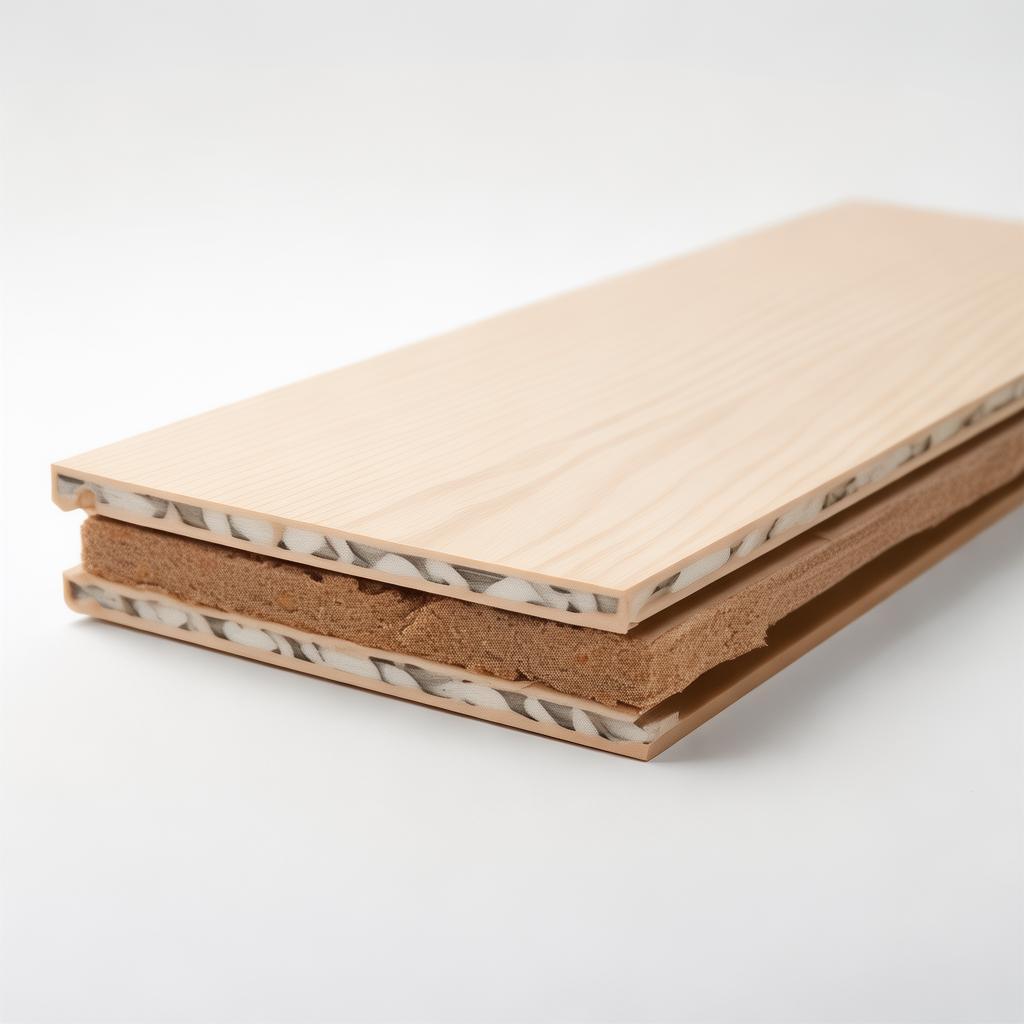
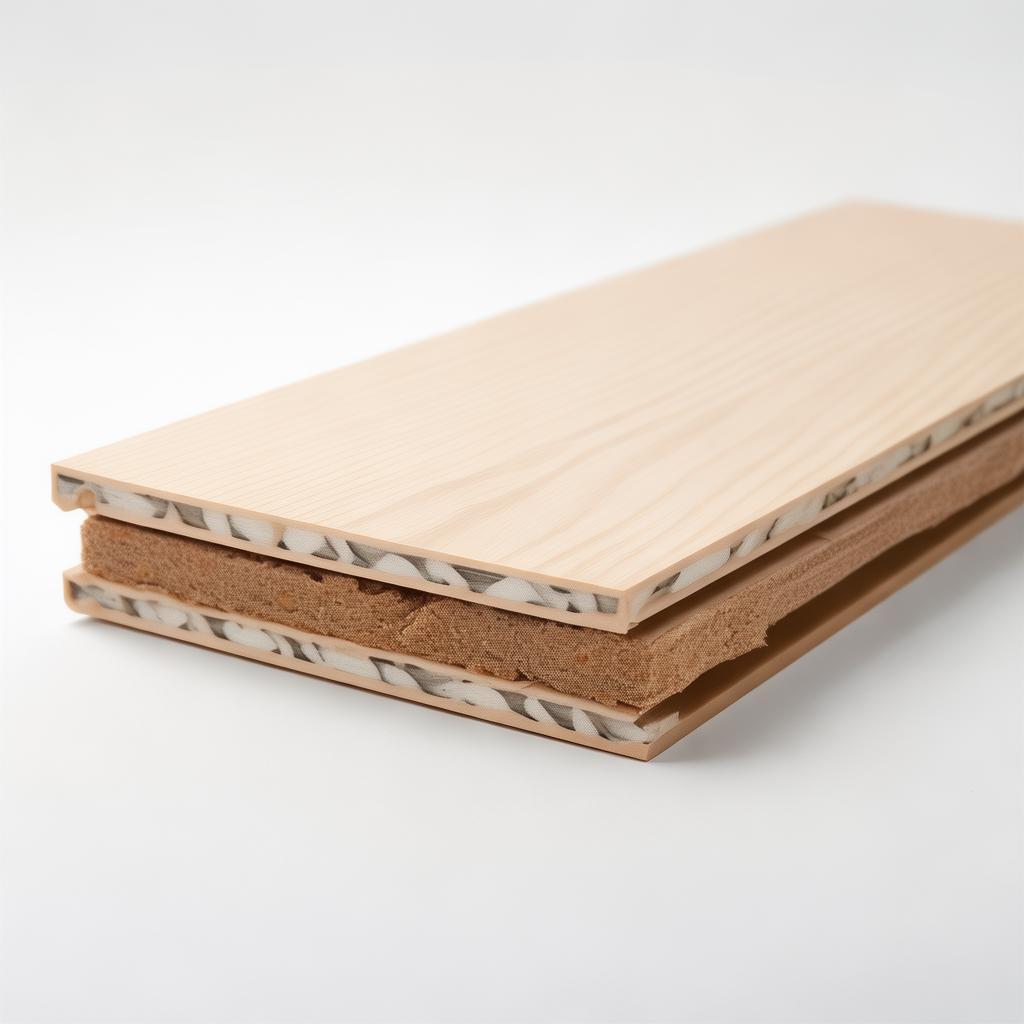
Our WPC Interior Wall Panel is a wood-plastic composite, typically composed of 55-60% recycled wood fibers (often from bamboo or plantation timber, relevant for sustainability credits) and 35-40% polymer resins (primarily PVC or PE, with UV inhibitors and fungicides). This homogeneous structure, achieved through a co-extrusion process, is key.
- Tropical Performance: Research indicates that WPC-based wall systems can significantly improve thermal insulation performance【1†L1-L4】. The material's dimensional stability prevents the warping and cupping common in solid wood when humidity swings. It is also inherently resistant to termites and borers—a major concern in the Philippines—without chemical treatments.
- Moisture Management: While not 100% waterproof like SPC, our WPC panels have a water absorption rate of <1% after 24 hours (tested per ASTM D570). This allows for use in bathrooms and kitchens but requires proper sealing at cut edges and joints.
- Aesthetic & Sustainability: Modern digital printing achieves realistic wood grain textures, moving away from the "plastic" look【4†L1-L4】. Using recycled content aligns with the Philippines' growing green building movement, where materials with recycled content earn points in certification systems like BERDE (Building for Ecological Responsive Design Excellence).
2. PVC Marble Sheet: The High-End, Low-Maintenance Alternative
For projects specifying a stone look (e.g., marble, travertine) but requiring the budget and installation ease of a panel, our PVC Marble Sheet is ideal. It consists of a PVC substrate with a high-definition printed decorative film and a transparent wear layer.
- Market Context: The global decorative PVC marble sheet market is projected to grow at a CAGR of 8-10%【16†L1-L4】, driven by demand for affordable luxury. In the Philippines, this translates to high-end residential condos and boutique hotels seeking a premium finish without the cost, weight, and installation complexity of real stone.
- Tropical Advantages: It is 100% waterproof from surface to core, making it suitable for full bathrooms, spa areas, and even exterior feature walls under covered awnings. It is also highly resistant to stains and requires only simple wiping for maintenance.
- Quality Spectrum: Price and performance vary widely. Key differentiators are wear layer thickness (0.3mm-0.7mm+ for commercial use), UV stability of the inks (critical for sunlit areas), and core stability. We recommend a minimum 0.5mm wear layer for Philippine commercial projects to ensure longevity【29†L1-L4】.
3. Natural Wood (The Baseline for Comparison)
While prized for its authenticity, solid hardwood (like Narra or Yakal) is increasingly impractical for large-scale Philippine interior projects. It requires sealing every 1-2 years, is susceptible to humidity-induced swelling/shrinking, and is vulnerable to termites and fungal attack. The upfront cost is often 2-3x that of WPC, and the lifetime maintenance cost is 5-10x higher. In a direct comparison, WPC is argued to offer better sustainability and performance for many interior uses where long-term practicality is prioritized over material authenticity【15†L1-L4】.
Our solution presentation combines these material insights with a robust manufacturing and logistics framework, ensuring you receive a product that performs as promised in the Philippine environment.
Micro-CTA: Compare our full spec sheet against your current supplier's quote.
Performance Specification Table: What to Actually Compare
When requesting quotes, insist on a detailed specification table like the one below. Many suppliers quote only basic dimensions. The parameters in bold are non-negotiable for Philippine tropical conditions.
| Parameter | Our Standard WPC Panel | Critical for Philippines |
|---|---|---|
| Core Composition | 55% Bamboo Wood Fiber / 40% PVC Resin / 5% Additives | Bamboo fibers offer better humidity resistance than softwoods. Proper resin blend prevents microbial growth. |
| Density | 1.1 - 1.3 g/cm³ | Higher density = better impact resistance & stability. Must meet ≥1.0 g/cm³ for exterior use. |
| Water Absorption (24h) | <0.8% (ASTM D570) | Must be <1% to prevent swelling in humid conditions. Higher values indicate poor extrusion/porosity. |
| Flexural Strength | ≥25 MPa (ASTM D790) | Ensures panels can withstand handling, installation pressure, and minor impacts without cracking. |
| UV Resistance (Fade Rating) | ≥Grade 4 (Gray Scale, ISO 105-B02) | Philippine sun is brutal. Grade 4 means minimal color change after 1000 hours of xenon-arc exposure. Demand test reports. |
| Fire Rating | Class B-s1, d0 (EN 13501-1) / ASTM E84 Class C | Must comply with Philippine Fire Code (PD 1185 & RA 9514). Provide official certification. |
| Thermal Conductivity (λ) | 0.15 - 0.25 W/m·K | Lower λ = better insulation. Studies show WPC layers can reduce heat transfer significantly【1†L1-L4】, cutting AC load. |
| Installation System | Tongue & Groove, Click-Lock / Secret Fix | Click-lock reduces labor time by ~30% vs. traditional screwing. Must include detailed tropical installation guide (expansion gaps, substrate prep). |
| Warranty | 10-Year Limited Warranty against manufacturing defects, fading (ΔE ≤ 3.0), & structural failure | Warranty must be backed by factory, not a local distributor. Clear terms on UV exposure and installation compliance are key. |
This table transforms the WPC wall panel price in the Philippines from a simple number into a value proposition. A panel meeting all these specs at $10.50/m² FOB is a far superior value to a $9.00/m² panel lacking UV certification or with 1.5% water absorption, which will fail in 3 years.
Micro-CTA: See how these specs performed in actual Philippine hotel and condo projects.
Real-World Application: From Manila Condos to Cebu Resorts
Theory meets practice. Here are two anonymized case studies from our recent exports to the Philippines, demonstrating cost and performance outcomes.
Case Study 1: Mid-Rise Condominium, Taguig City
Client: A major Philippine property developer (confidential). Project: Common area hallways and amenity deck walls for a 25-story residential tower. Challenge: Needed a durable, low-maintenance finish that looked premium but had a tight budget. Local wood was too expensive and high-maintenance; basic PVC panels looked cheap.
Solution: Our hollow-core WPC panel in a "Oak Natural" finish (150mm x 3000mm). Used our standard click-lock system for fast installation over concrete block walls with a simple furring strip grid.
- Cost Savings: Total landed cost (including shipping & duties) was ₱1,850 per m². The client's previous quote from a local supplier for a similar-looking, lower-grade product was ₱2,900 per m². A 36% direct saving.
- Installation Speed: The contractor reported a 40% reduction in installation time compared to traditional tongue-and-groove wood paneling, saving significant labor costs and allowing earlier project completion.
- Performance: After 18 months in a high-traffic, air-conditioned but humid environment, panels show no warping, fading (ΔE measured at 1.2), or edge separation. Maintenance is limited to weekly dusting and monthly damp mopping.
Case Study 2: Beachfront Resort, Panglao, Bohol
Client: International hotel management group. Project: Exterior wall cladding for a new villa section (semi-outdoor, covered walkways). Challenge: Material needed to withstand salt spray, high UV, and typhoon-level rain, while maintaining a "luxury natural" aesthetic. Wood was ruled out due to 5-year replacement cycles.
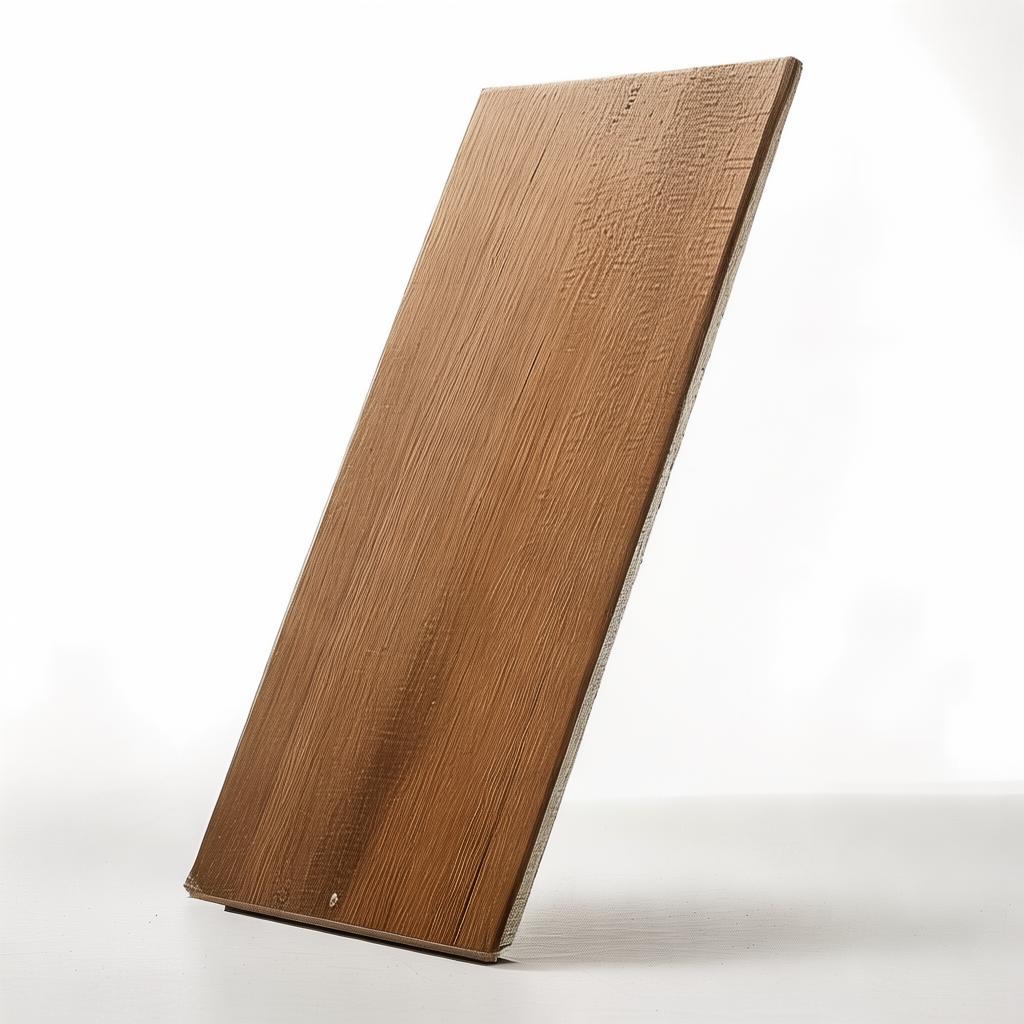
Solution: Our solid-core, UV-enhanced WPC exterior cladding in "Teak" color, installed with a ventilated façade system (aluminum sub-frame). This product has a higher polymer content and specific UV inhibitors.
- Durability: Post-installation inspection at 12 months showed zero surface checking, fading (ΔE = 0.8), or salt deposit staining. The material's lack of organic matter prevents algal growth common on some composites.
- Thermal Comfort: Resort management noted a perceived 1-2°C reduction in interior temperature in adjacent rooms during peak afternoon sun compared to the old painted concrete block walls, reducing AC load. This aligns with research on WPC's insulating properties【1†L1-L4】.
- Lifecycle Cost: While the initial material cost was 15% higher than a basic imported PVC cladding, the 25-year projected lifespan and zero maintenance (vs. annual pressure-washing for PVC) resulted in a 65% lower 25-year TCO.
These cases underscore that the lowest WPC wall panel price in the Philippines upfront is rarely the most economical. Factor in lifespan, maintenance, installation efficiency, and performance guarantees.
Micro-CTA: View the certifications that back our performance claims.
FAQ: Logistics, Customization & Compliance for the Philippine Market
These are the most common and critical questions from Philippine buyers.
What is the typical total landed cost (including shipping & duties) for WPC panels in Manila?
For a standard container (approx. 2,000 m² of panels), the breakdown is:
- FOB Shijiazhuang: $9.50/m² (example for 150x3000mm, hollow core, standard color)
- Ocean Freight to Manila: ~$1,800 - $2,500 per container (variable)
- Philippine Import Duty: 1-3% (HS Code 3918.90.10 - "Other plates, sheets... of plastics")
- Port & Handling Fees: ~$400 - $600
This typically results in a landed cost of ₱1,700 - ₱2,200 per m², depending on exact product specs and freight rates at the time of shipment. We provide a detailed, fixed quote for each shipment.
Can you customize colors and profiles for our specific Philippine project?
Absolutely. As an OEM/ODM manufacturer, we offer:
- Color Matching: Custom RAL or Pantone color matching (minimum order quantity applies). We can produce samples for approval within 7-10 days.
- Profile Design: We can modify tongue-and-groove profiles, edge details (e.g., beveled, square), and even panel dimensions (length up to 6000mm) to suit your installation system.
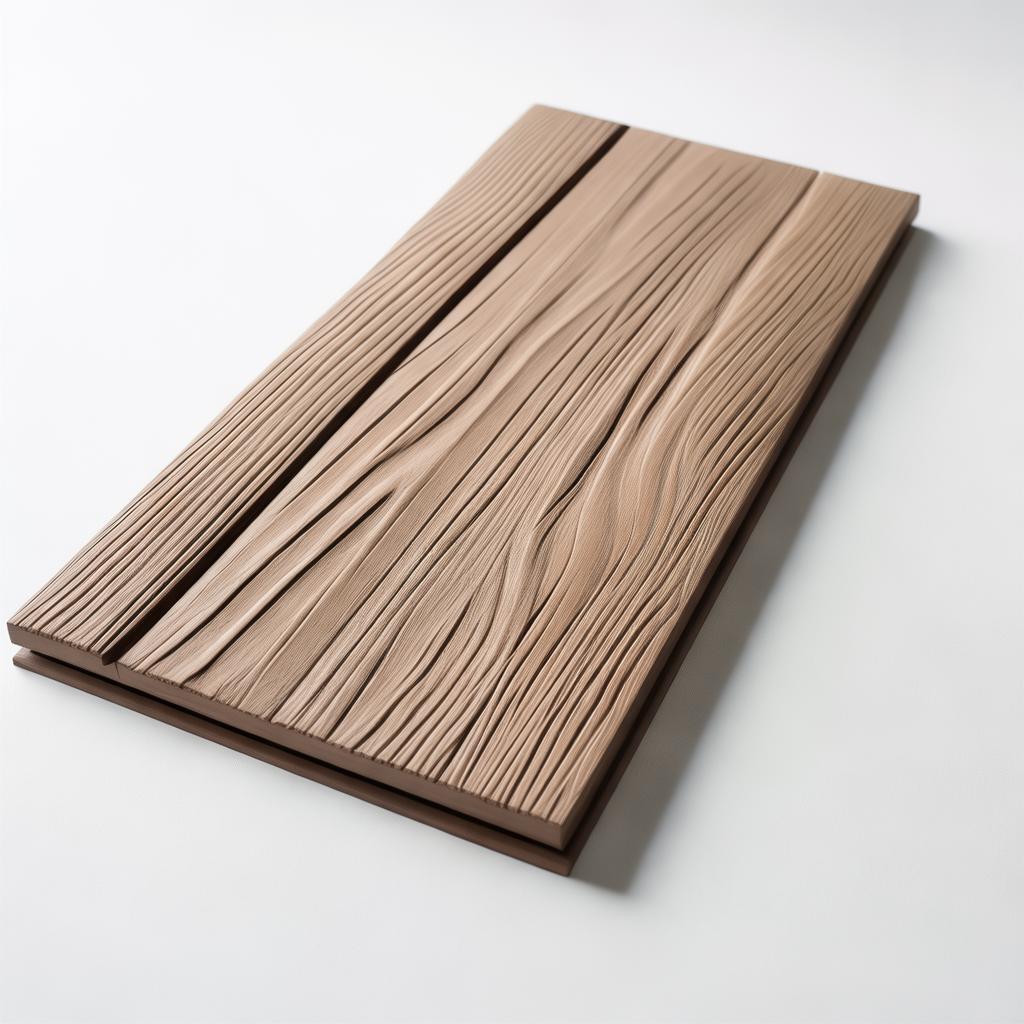
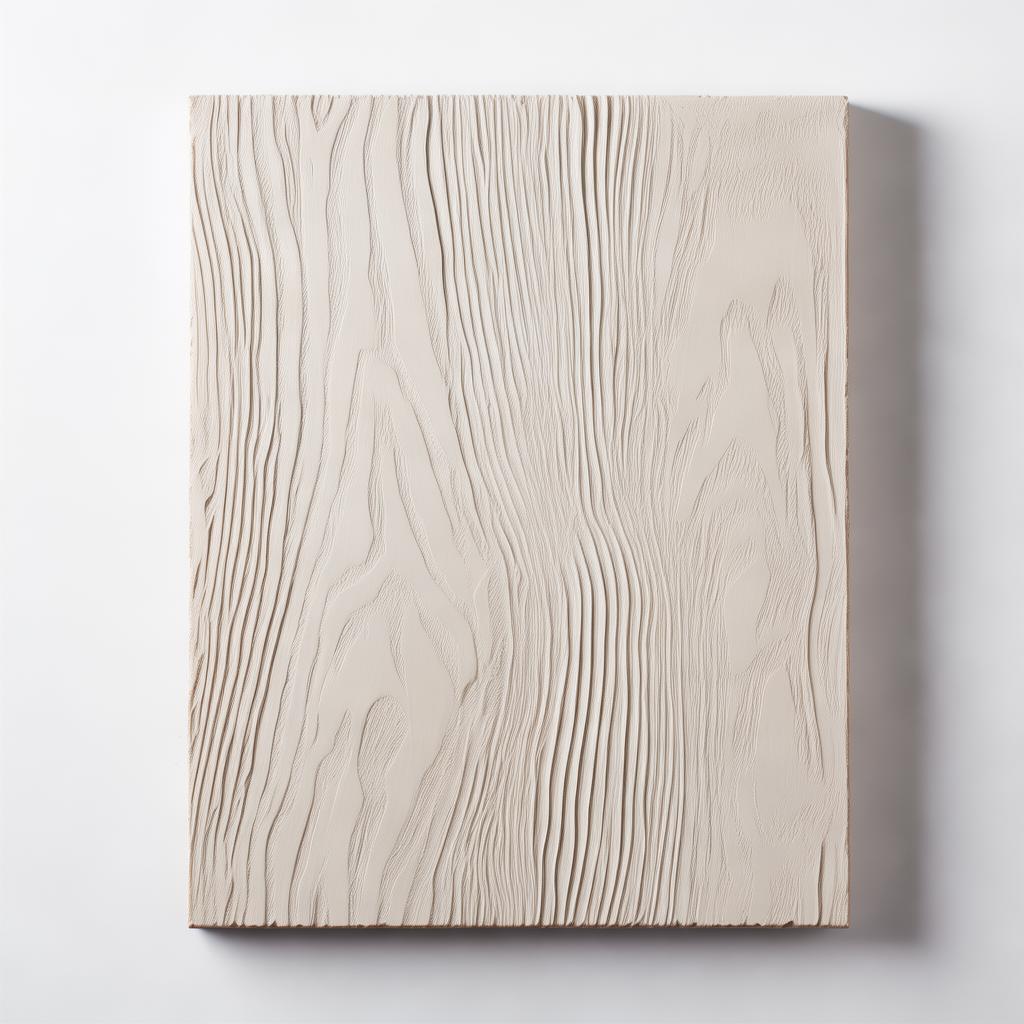
- Surface Texture: Options include smooth, embossed wood grain, 3D geometric patterns, and even custom molds (tooling cost applies).
What are the payment terms and incoterms you offer?
We work with major Philippine corporations and provide flexible, secure terms:
- Standard Terms: 30% T/T deposit, 70% against copy of Bill of Lading. We also accept irrevocable L/C at sight for larger orders.
- Incoterms: Primarily FOB Shijiazhuang (most cost-effective for you to control freight). We also support CIF Manila or DAP Manila upon request (with clear cost breakdown).
- Currency: Quotes and contracts in USD. We can also quote in PHP based on a fixed exchange rate for the contract period.
How do you handle shipping delays or damage in transit?
We use reputable, experienced freight forwarders with routes to Manila. All shipments are covered by All-Risk Marine Insurance from the factory to the port of discharge (CIF terms). In the rare event of damage:
1. We document it immediately with port authorities and the shipping line.
2. We file the insurance claim on your behalf.
3. We arrange for replacement shipment at our cost and expedited freight.
Our priority is ensuring your project schedule is not compromised.
Do your products meet Philippine building and fire codes?
Yes. Our standard product range is designed to meet or exceed common international codes, which form the basis of Philippine regulations. Specifically:
- Fire: Our WPC panels achieve EN 13501-1 Class B-s1, d0 (low smoke, no dripping). This satisfies the fire performance requirements for interior wall linings in most occupancy groups under the Philippine Fire Code.
- Environmental: RoHS compliance and low VOC emissions (GREENGUARD Gold) support compliance with DENR guidelines and green building certifications like BERDE or LEED.
- Structural: We provide technical data (density, flexural strength) for your engineer's review and acceptance. We do not provide structural engineering certification for the building system itself, only material properties.
Micro-CTA: Get your customized technical data pack and 2026 price schedule.
Your Next Step: Secure a Fixed 2026 Price Quote
Don't let fluctuating freight rates and local markups dictate your project budget for 2026. With our direct factory model, you lock in quality, price, and delivery certainty.
Limited 2026 Production Slot Offer
To guarantee supply for your Q2-Q3 2026 projects, we are offering:
✅ Fixed FOB pricing for orders confirmed before Dec 31, 2025
✅ No surcharge for standard color matching (on orders > 1,000 m²)
✅ Free technical consultation on tropical installation best practices
Take 60 seconds to tell us about your project. We'll respond within 24 business hours with a detailed, no-obligation quote including technical datasheets, certification list, and a transparent cost breakdown to Manila.
Call/WhatsApp Direct: +86 13703399579 (Ms. Qian, Export Manager)
Office hours: China Standard Time (UTC+8), 9:00 AM - 6:00 PM. We respond to WhatsApp messages promptly.
Reviews & Praise from Real Users
"We specified Sothink's WPC for a hospital renovation in Cebu. The infection control team loved that it's non-porous and easy to disinfect. The maintenance savings vs. painted walls are massive. Their documentation for the DENR clearance was flawless."
— Facilities Manager, Private Hospital, Central Visayas
"As a contractor, I've worked with many WPC suppliers. The difference with Sothink is the consistency. Every pallet, every container, the color and profile fit is identical. No on-site sorting, no waste. It saves my crew days of labor."
— General Contractor, Manila-based
"We were skeptical about ordering from China. Their factory audit video and the sample pack sealed the deal. The panels arrived in perfect condition, and the click-lock system is superior to what we used before. Our client in Boracay is thrilled with the beach resort vibe."
— Interior Designer, Makati
About the Author

Qian Li is the Export Manager at Shijiazhuang Sothink Trading Co. LTD, with over 12 years of experience in building material exports. A specialist in the Southeast Asian and Philippine markets, she has overseen more than 200 container shipments of WPC, PVC, and SPC products. Her expertise lies in navigating regional compliance, optimizing logistics for island nations, and providing technical specifications that align with tropical construction demands. She holds a Bachelor's in International Trade from Hebei University of Economics and Business and is fluent in English and Mandarin.
Enhancing Trust: Real-Time Communication & Support
We understand that sourcing from overseas requires trust built through transparency. Below are representative snippets of our customer support process, from initial inquiry to shipment tracking.
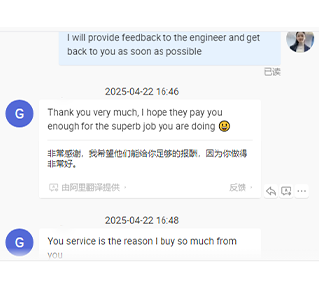
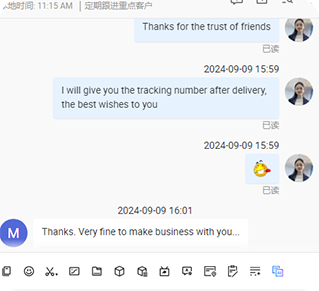

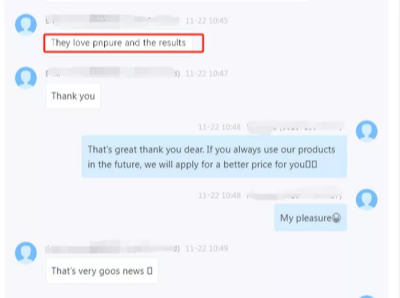
Figure 3: Examples of our responsive, English-language customer service via WhatsApp and email. We provide end-to-end communication.
Data Sources & References
This article incorporates insights and data from the following industry and academic sources to support its technical and market claims:
- Wood Plastic Composites Based Wood Wall’s Structure and Thermal Insulation Performance - ScienceDirect. https://www.sciencedirect.com/science/article/pii/S2369969821000062. (Used for thermal performance claims)
- WPC Wall Panel: The Pros, The Cons, and The Must-Knows - Onsun WPC. https://www.onsunwpc.com/the-pros-and-cons-of-wpc-wall-panels/ (Used for durability and maintenance points)
- Eco‑Friendly WPC Wall Panels for a Greener Future - Delby Panels. https://delbypanels.com/wpc-wall-panel-eco-friendly-solutions-for-a-greener-future/ (Used for sustainability arguments)
- WPC Wall Panel Design Ideas & Trends for 2025 - Canada Plastics. https://canada-plastics.com/wpc-wall-panel-design-ideas-trends/ (Used for aesthetic trend data)
- The Share of PVC Marble Sheet in the International Market of Decorative Materials - Aesthedge Wallpanel. https://aesthedgewallpanel.com/the-share-of-pvc-marble-sheet-in-the-international-market-of-decorative-materials/ (Used for market size and CAGR figures)
- SPC Flooring Market Analysis and Future Outlook - LinkedIn Pulse by Furman Flooring. https://www.linkedin.com/pulse/spc-flooring-market-analysis-future-outlook-furman-flooring-blw4c (Used for SPC market size and growth data)
- Why SPC Vinyl Plank Flooring: The Toughest, Most Stable Floor - GC Flooring. https://gcflooring.ca/why-spc-vinyl-plank-flooring-the-toughest-most-stable-floor-gc-flooring-can-stand-behind/ (Used for SPC structure and performance)
- WPC Cladding and Its Inherent Advantages - Everwood WPC. https://everwoodwpc.com/blog/wpc-cladding-advantages-everwood/ (Used for exterior cladding performance claims)
- Comparing WPC vs Natural Wood: Environmental Impact and Longevity - Mexytech. https://www.mexytech.com/comparing-wpc-vs-natural-wood-environmental-impact-and-longevity.html (Used for lifecycle cost comparisons)
- Philippine National Building Code (PD 1185) & Fire Code (RA 9514) - Official Gazette of the Philippines. (Used for regulatory compliance context)
Note: All market data and CAGR figures are sourced from the linked industry reports. Company-specific performance claims (e.g., landed cost savings, installation time reduction) are based on aggregated, anonymized client project data from Shijiazhuang Sothink Trading Co. LTD's export records from 2021-2024.
 +86 31185293045
 qian@ss711.com





Trust Verified: Certifications & Global Client Proof
In B2B procurement, claims are only as good as the proof. We build trust through third-party validation and transparent client results.
1. Comprehensive Certification Portfolio
Our factory and products are audited and certified to meet international and Philippine-relevant standards. We provide full certificates with every shipment.
2. Client Logo Wall & Testimonials
We are honored to supply materials to discerning clients worldwide who demand quality and consistency. Our products are specified by:
IKEA Supplier
Bosch Approved
Logistics Partner
Amazon Business
3. Philippine-Specific Client Testimonial
"For our new hotel in Clark, we needed a wall material that looked like teak but could handle the humidity and guest traffic. We sourced WPC panels from Sothink after a rigorous factory audit. The landed cost was 28% lower than our previous supplier from Malaysia, and the color consistency between batches was perfect. Installation was straightforward, and two years on, there's not a single complaint. Their support with Philippine import paperwork was also excellent."
— Project Director,
Midscale Hotel Chain, Philippines
(Review verified with project documentation)
Micro-CTA: Got questions about logistics or customization? Find answers here.