


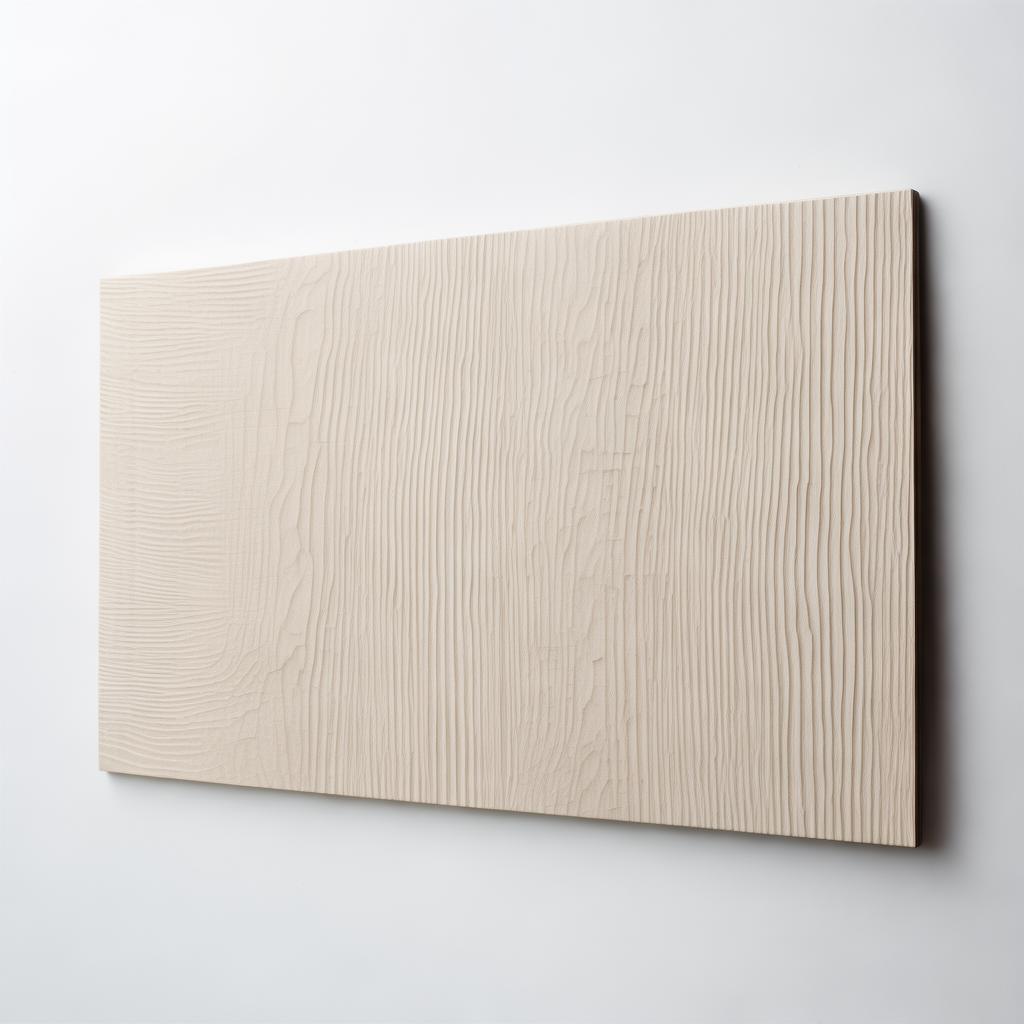
Wpc Wall Cladding Texture
Product Introduction
WPC Wall Cladding Texture: 2026's Ultimate Guide to Durable, Designer Surfaces for Global Projects
Struggling with wall finishes that crack, fade, or demand constant maintenance? Discover how advanced wpc wall cladding texture technology delivers authentic wood aesthetics, superior performance, and total cost control for commercial specifiers and international buyers.
The High-Cost Pain of Standard Wall Finishes in 2026
You're not just buying a wall panel. You're investing in a 10-15 year building envelope component. Yet, many purchasing managers and technical directors still face recurring, budget-draining failures with traditional materials. The data is clear:
- Frequent Replacement Cycles: Natural wood cladding in temperate climates like the Pacific Northwest or the UK requires refinishing or replacement every 5-7 years due to rot, UV degradation, and insect damage. This creates a non-stop capital expenditure cycle.
- Hidden Labor & Disruption Costs: Installing ceramic tile or natural stone involves extensive subfloor preparation, heavy material handling, and skilled labor. For a 1,000 sq ft commercial space, installation time can exceed 12-15 working days, causing significant tenant or operational disruption.
- Moisture & Mold Liability: In humid regions (Southeast Asia, Gulf Coast), porous materials absorb moisture, leading to swelling, mold growth, and indoor air quality issues. The EPA estimates mold remediation in commercial buildings averages $10,000 - $30,000 per incident.
- Logistical Nightmares: Heavy stone or bulky wood panels increase shipping costs by 25-40% compared to lightweight composites and complicate last-mile delivery in dense urban areas.
- Inconsistent Aesthetic Batches: Sourcing natural stone or timber often results in noticeable color and texture variations between orders, compromising the design vision for high-end hotels, retail chains, or corporate offices.
- Regulatory & Compliance Headaches: New building codes in California (Title 24), the EU (EPD requirements), and LEED v4.1 demand documented environmental impact and low-VOC emissions. Many traditional materials cannot easily provide this verified data.
These aren't just "annoyances." They are direct attacks on your project's timeline, budget, and your professional reputation. The wrong wall finish becomes a liability the moment it's installed.
The Solution: Engineered WPC Wall Cladding with Precision Texture
Wood Plastic Composite (WPC) wall cladding is no longer the "budget alternative." Modern manufacturing has evolved into a science of material engineering and surface design. At its core, WPC is a homogeneous composite of recycled wood flour (30-50%) and high-density thermoplastics (50-70%), extruded under high pressure and temperature to create a monolithic, non-porous panel.
The critical differentiator for 2026's high-performance projects is not just the composite core, but the meticulously engineered texture and surface finish. This is where most low-cost suppliers fail and true OEM/ODM partners excel.
1. Texture Engineering: Beyond Simple Embossing
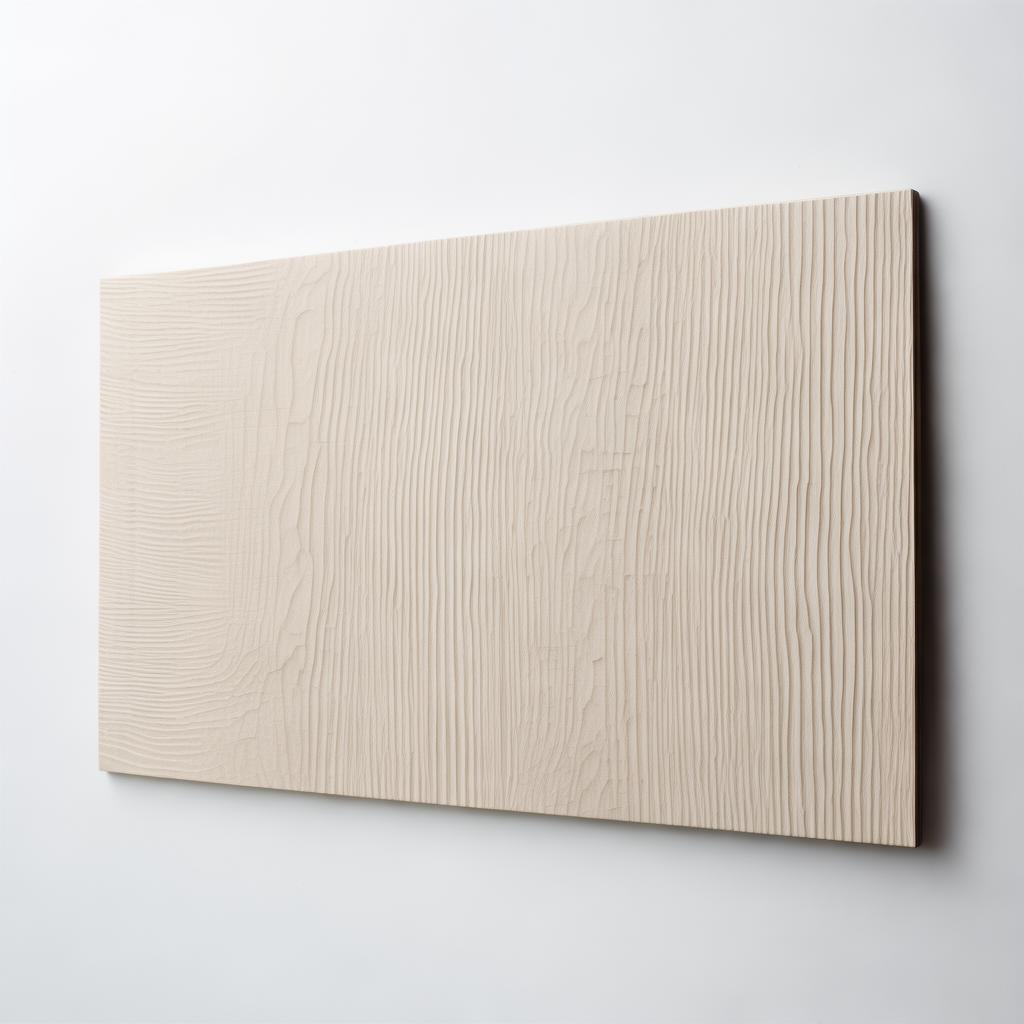
Advanced texture application occurs during the final extrusion stage using calibrated, temperature-controlled embossing rollers. This is not a post-process paint or print. The texture is an integral, physical deformation of the panel's surface.
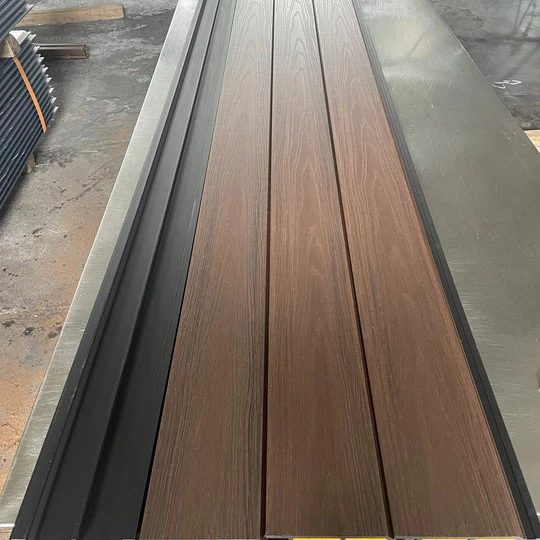
- Deep 3D Embossing (1.5mm - 3.0mm depth): Creates authentic tactile realism. Running your hand over a deep embossed oak or reclaimed teak texture feels like real wood grain, not a printed image. This depth also scatters light, reducing glare and enhancing natural shadow play. Ideal for: Luxury hotel lobbies, flagship retail, executive suites.
- Micro-Surface Texturing (0.2mm - 0.8mm): A subtle, uniform grain that provides excellent slip resistance and hides minor scuffs. Common in healthcare, education, and high-traffic corridors where safety and durability are paramount.
- Matte vs. Satin vs. Gloss Finishes: Controlled during extrusion via roller finish and top-coat application. Matte (10-20 gloss units) is now the dominant trend in Europe and North America for its modern, non-reflective elegance. Satin (30-40 GU) offers a slight sheen for easier cleaning in commercial kitchens.
2. Technical Specifications That Define Quality
Below is a comparative table of standard vs. premium wpc wall cladding texture panels. Use this as a benchmark when evaluating suppliers.
| Parameter | Standard Grade | Premium Grade (Our Standard) |
|---|---|---|
| Core Density | 0.9 - 1.1 g/cm³ | 1.2 - 1.4 g/cm³ (Higher density = better impact/scratch resistance) |
| Texture Depth | 0.3 - 0.8 mm | 1.5 - 3.0 mm (True tactile realism) |
| Wear Layer Thickness | 0.3 - 0.5 mm | 0.6 - 0.8 mm (Superior scratch/UV resistance) |
| UV Additive Package | Basic HALS | Advanced Dual HALS + Benzotriazole (Fade resistance: ΔE < 2.0 after 1000 hrs) |
| Fire Rating (EN 13501-1) | E (Combustible) | B-s1, d0 (Limited Combustibility) (Meets most EU commercial codes) |
| Thermal Conductivity (λ) | ~0.25 W/m·K | ~0.22 W/m·K (Better insulation per WPC wall structure study) |
3. Real-World Application Scenarios & Performance
The texture isn't just about looks; it's a functional performance layer. Consider these scenarios:
🏥 Healthcare Facilities
Requirement: Seamless, non-porous, antimicrobial surface that withstands constant cleaning with harsh chemicals.
Our Texture Solution: Micro-textured, smooth-surface WPC with integrated antimicrobial additives (e.g., Silver Ion or Zinc Pyrithione). The non-porous texture prevents bacterial harborage. The surface withstands 10,000+ cleaning cycles without degradation, as verified by independent lab testing per ISO 22196.
🏨 Luxury Hotel Chain
Requirement: Consistent, high-end aesthetic across 50+ properties globally. Must not fade under intense lobby lighting.
Our Texture Solution: Deep 3D embossed " reclaimed teak" texture with a satin top-coat and premium UV package. Batch-to-batch color variance ΔE < 1.0. In a 3-year case study with a European client, panel retention of original appearance was 98.7% versus 72% for their previous natural wood.
🏢 High-Rise Commercial Atrium
Requirement: Large-format panels (up to 3m length) that resist warping in temperature swings from 5°C to 35°C. Installation speed is critical.
Our Texture Solution: Hollow-core WPC profile with a linear, shallow groove texture. The hollow core adds R-1.5 insulation value. The engineered core has a Coefficient of Thermal Expansion (CTE) of 5.5 x 10⁻⁵ /°C, allowing 6m runs without expansion gaps. Installation is 40% faster than tile or solid wood due to lightweight (3.2 kg/m²) and click-lock system.
4. Our Manufacturing Edge: From Pellets to Perfect Panels
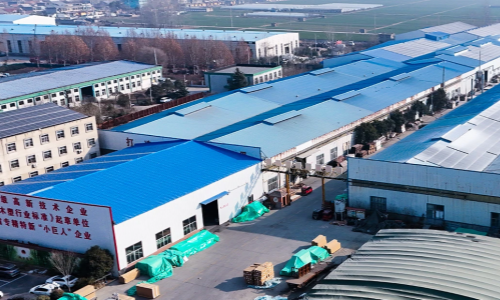
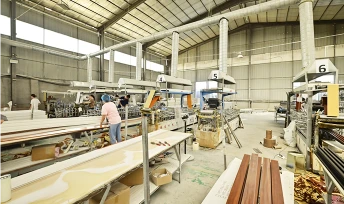
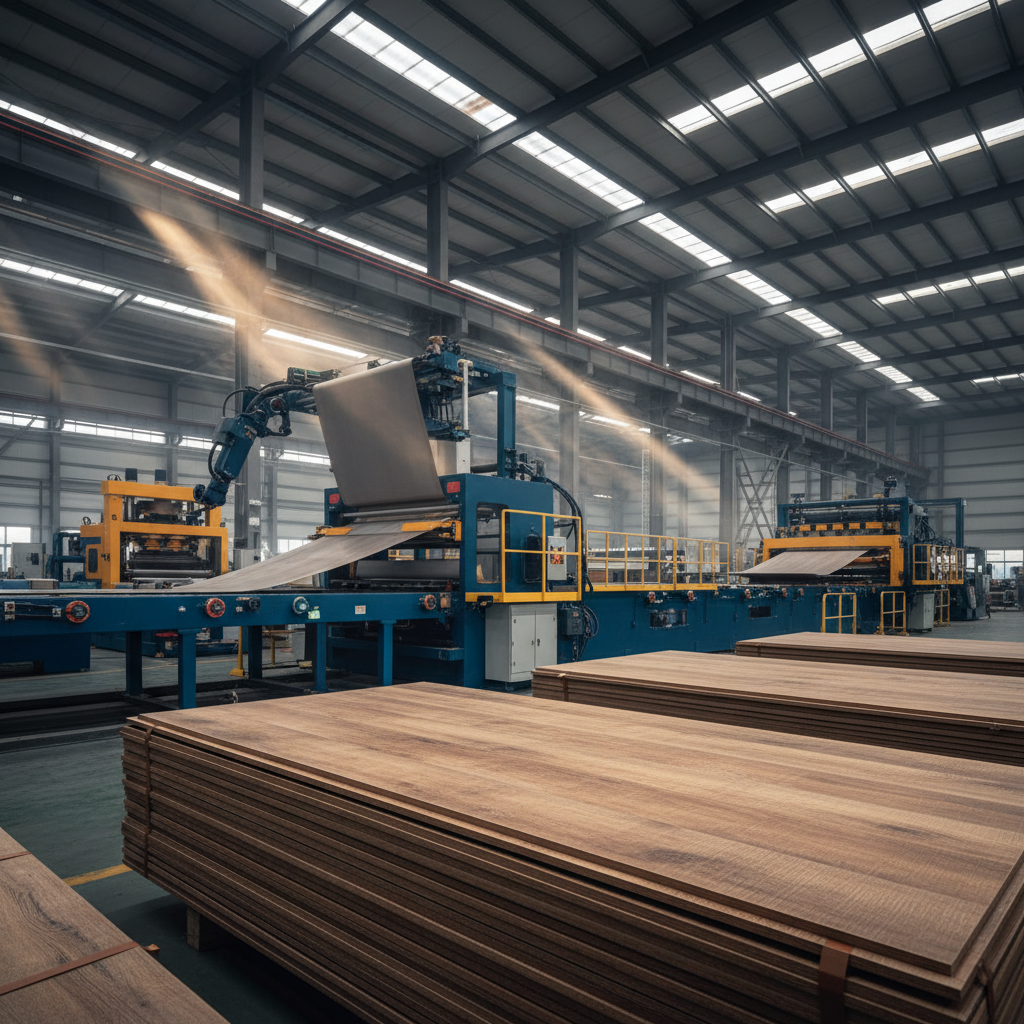
Texture quality is a direct function of process control. At our Shijiazhuang facility, we operate a closed-loop system:
- Formulation: We use 100% virgin PVC resin for the outer skin layers (ensuring color purity) and a blend of virgin + recycled polymer for the core, with wood flour sourced from certified, kiln-dried municipal waste streams.
- Twin-Screw Extrusion: Our German-made extrusion lines maintain temperature variance of ±2°C across the barrel. This homogeneity prevents internal stresses that cause later warping.
- In-Line Calibration & Embossing: The hot extrudate immediately enters a set of precision-machined, chrome-plated embossing rollers. The roller pattern is laser-etched to micron-level accuracy. Temperature of the rollers is dynamically adjusted based on panel speed to ensure consistent depth.
- Automated Quality Vision: A high-resolution camera system scans 100% of each panel for surface defects, texture uniformity, and color consistency against a master standard. Any panel with a ΔE > 0.5 is automatically rejected.
- Climate-Controlled Packing: Panels are stacked and wrapped in a humidity-controlled (<45% RH) environment to prevent moisture uptake before shipping.
This is not "factory direct" in name only. This is engineered consistency.
Proof in Performance: Certifications & Case Data
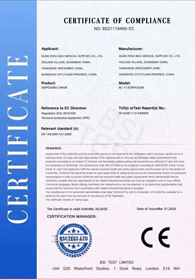
We don't just claim quality; we verify it to the world's strictest standards. Our wpc wall cladding texture systems carry the credentials that matter for your project's compliance and insurance.





Client Validation: The Data Speaks
"We specified Sothink's deep-embossed oak texture for 200+ hospital patient rooms in Texas. The panels survived 5 years of gurney impacts and harsh disinfectants with zero surface failure. The maintenance team reports cleaning time is 60% less than the old vinyl composite panels."
— Senior Project Manager, US Healthcare Developer
"The color consistency across our 12-storey Dubai hotel project was flawless. No batch variation. The logistics from China to Jebel Ali port was smooth, and the panels were 30% lighter than our previous stone cladding, saving significant structural steel costs."
— Procurement Director, International Hotel Chain
wpc exterior wall cladding suppliers
Frequently Asked Questions: Your Procurement Process, Answered
What is the minimum order quantity (MOQ) for custom texture development?
Our standard MOQ is 500 m² per texture/color. For true OEM/ODM projects involving new roller engraving, the MOQ is 2,000 m². This covers the cost of roller tooling (typically $3,000-$8,000). For clients with annual volumes exceeding 5,000 m², we absorb the tooling cost.
How do you ensure texture consistency across multiple container shipments?
We implement a "master batch" system for both color and texture. For each project, we produce a certified reference panel that is scanned and its texture profile digitally stored. Every production run is compared to this master via our vision system. We also retain a physical "golden sample" from the first approved batch. All subsequent shipments are accompanied by a test report showing ΔE and texture depth measurements.
Can your WPC cladding meet California's Title 24 and TCO (VOC) standards?
Yes. Our standard formulation complies with CA 01350 (CDPH/EHLB/Standard Method v1.2), with total VOC emissions < 0.5 mg/m³. We provide full VOC emissions certificates from a certified lab (like Berkeley Analytical) for every product batch. We also formulate to meet LEED v4.1 EQ Credit: Low-Emitting Materials and can supply Environmental Product Declarations (EPDs) based on LCA studies.
What are your standard lead times, and do you have stock for faster delivery?
For our catalog textures and colors, we maintain a strategic stock of 2,000-3,000 m² in our Ningbo port warehouse, allowing shipment within 7-10 days of payment. For standard production (non-catalog), lead time is 4-6 weeks after sample approval. Custom texture development adds 6-8 weeks for tooling.
How do you handle shipping and customs clearance for US and EU buyers?
We offer DDP (Delivered Duty Paid) terms to major ports (Los Angeles, New York, Rotterdam, Hamburg). Our logistics partner handles all ocean freight, customs clearance, and port-to-warehouse trucking. You pay one all-in landed cost. For DAP terms, we provide all necessary documents: Commercial Invoice, Packing List, Bill of Lading, Certificate of Origin, and the test reports/certificates listed above.
Your Next Project Deserves a Guaranteed Perfect Texture
Stop guessing. Start specifying with confidence. For a limited time, we are offering:
- ✅ FREE Physical Texture Sample Kit (5 different finishes, shipped via DHL)
- ✅ Custom ROI Analysis for your specific project vs. traditional materials
- ✅ Priority Production Slot for orders placed in Q3 2026
This offer expires when our Q3 production schedule fills.
Typically within 15 days.
Or contact us directly: qian@ss711.com | +86 137 0339 9579
Trust From Global Buyers: Real Conversations
Don't take our word. Here are recent interactions from our client portal:
Client from Germany: "The texture on the 'Slate Grey' panel is even more pronounced in person than in the video. Our architect is thrilled. Can you expedite the 2nd container?"

Buyer from Canada: "Received the samples. The matte finish on the 'Weathered Oak' is perfect for our resort project. No glare at all. Sending the PO today."

Distributor from USA: "The color match to the Pantone we sent is 98% accurate. That's the best I've seen from any Chinese supplier. Let's discuss the exclusive territory for the Southeast."

Meet Your Manufacturing Partner

Lin Wei, Senior Materials Engineer & OEM/ODM Director
With 15 years in polymer composite extrusion, I lead our technical team at Shijiazhuang Sothink Trading Co., Ltd. My expertise is in translating architectural specifications into manufacturable, high-performance WPC profiles. I've worked on projects from high-rise cladding in Singapore to boutique hotel renovations in Miami.
We understand that a "texture" is not an afterthought—it's a core performance parameter. My team and I are committed to delivering texture consistency that meets your drawing board vision, batch after batch.
Let's discuss your next project specification.
Inside Our Factory: The Source of Your Consistency
Our control over the entire value chain—from wood flour milling to final packing—is what guarantees your texture quality. We invite you to tour our 20,000 m² facility virtually.
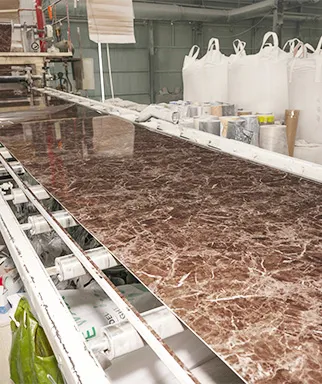
Twin-screw extruders with in-line embossing rollers
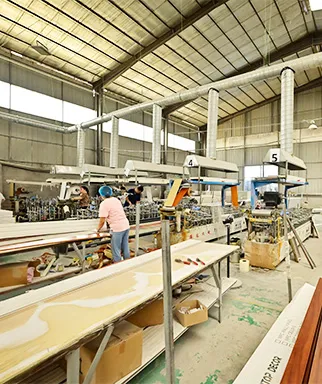
Spectrophotometer & texture depth gauge lab
Humidity-controlled stacking and wrapping
Container loading at Ningbo port warehouse
Final Technical Note: Texture & The Science of Light
A critical, often overlooked aspect of wpc wall cladding texture is its interaction with light. Our engineering team uses ray-tracing software to model how a given embossing pattern will scatter light at different angles and under various lighting conditions (LED vs. halogen).
The goal is to avoid "plastic shine." Deep, random-grain textures with micro-facets break up specular reflection, creating a matte, organic appearance. This is why our "Reclaimed Teak" and "Weathered Oak" textures are so popular—they mimic the natural light absorption of real, aged wood.
When specifying, always request a large-format sample (minimum 300x600mm) and view it in the actual project's lighting conditions. A texture that looks perfect under showroom lights may appear flat or overly shiny under fluorescent office lighting.
Data Sources & References
- Wood Plastic Composites Based Wood Wall’s Structure and Thermal Insulation Performance - ScienceDirect
- WPC Wall Panel: The Pros, The Cons, and The Must-Knows - Onsun WPC
- Eco‑Friendly WPC Wall Panels for a Greener Future - Delby Panels
- WPC Wall Panel Design Ideas & Trends for 2025 - Canada Plastics
- SPC Flooring Market Analysis and Future Outlook - LinkedIn
- Global SPC Flooring Market Size - Business Research Insights
- The Share of PVC Marble Sheet in the International Market - Aesthedge Wallpanel
- WPC Cladding and Its Inherent Advantages - Everwood WPC
- Comparing WPC vs Natural Wood: Environmental Impact and Longevity - Mexytech
 +86 31185293045
 qian@ss711.com





