


What Is Wpc Wall Panel Made Of
Product Introduction
What is WPC Wall Panel Made Of? The 2026 Manufacturer's Guide to Composition, Performance & Sourcing
Unlock the technical composition, real-world performance metrics, and strategic sourcing advantages of Wood Plastic Composite wall panels for your next commercial or residential project.
As a purchasing manager or technical director in 2026, you're not just buying a wall covering. You're investing in a building envelope component that must balance aesthetic demand, lifecycle cost, regulatory compliance, and supply chain resilience. The question "What is WPC wall panel made of?" is the critical starting point for evaluating if this material aligns with your project's technical and commercial requirements.
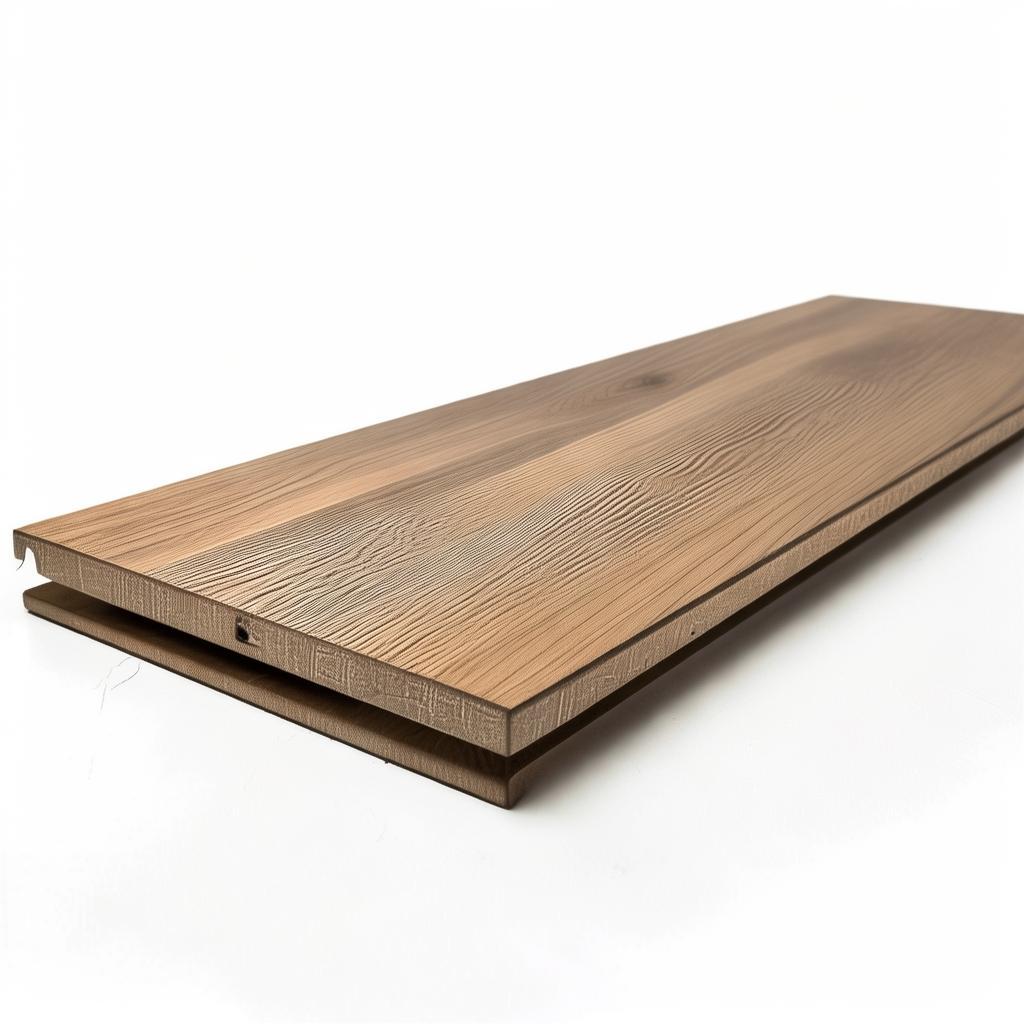
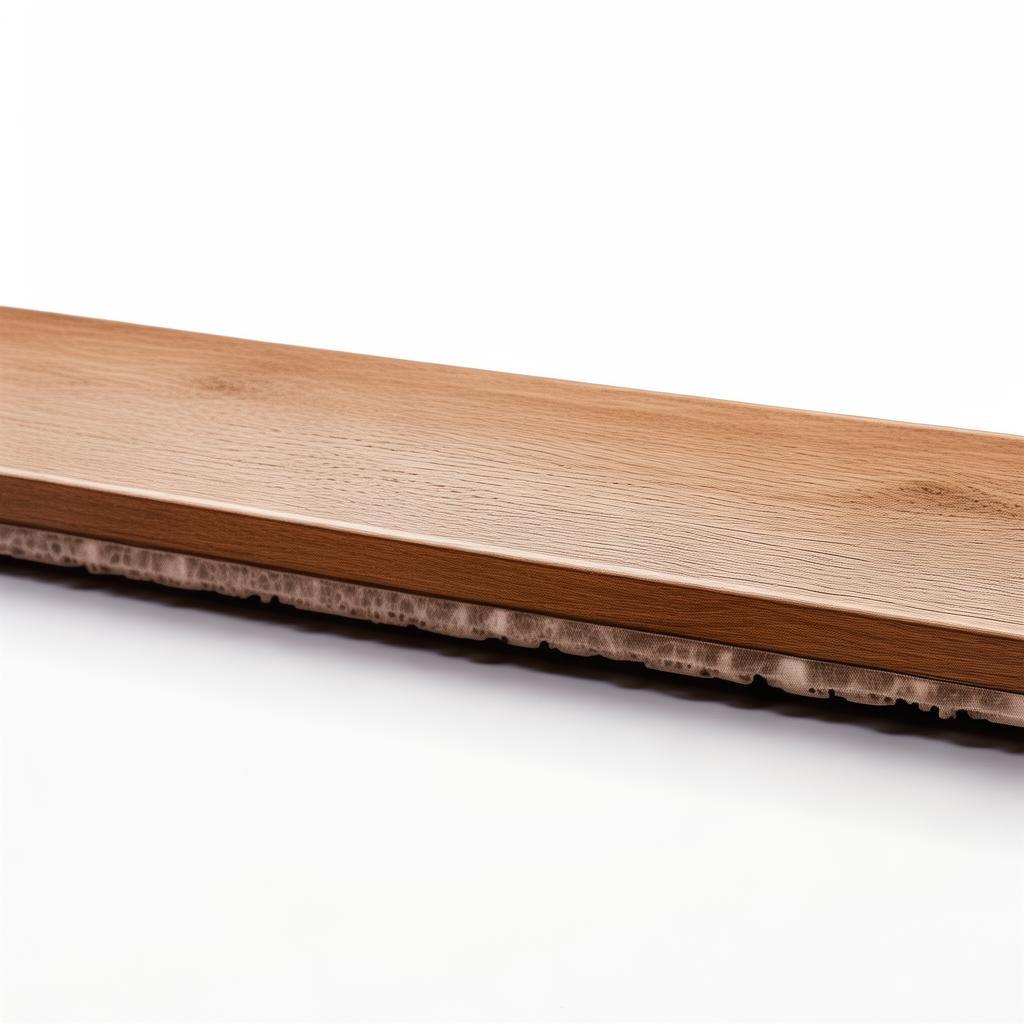
Wood Plastic Composite (WPC) wall panels are engineered materials composed primarily of recycled wood/agricultural fibers (30-70%) and thermoplastic polymers (30-70%), combined with proprietary additives. This precise ratio, determined by the manufacturer's formulation, dictates the panel's final performance in moisture resistance, dimensional stability, fire rating, and UV stability—all non-negotiable factors for specifiers in the USA and EU markets.
The High-Cost of Material Misunderstanding: 6 Critical Pain Points for Global Buyers
Before diving into composition, it's essential to frame why this knowledge matters. Sourcing the wrong WPC panel—based on price alone without understanding its makeup—triggers a cascade of costly failures for your project and reputation.
- Hidden Degradation in Humid Climates: Panels with insufficient polymer content or poor coupling agents absorb moisture, leading to swelling, mold growth, and structural failure within 2-3 years in regions like the Southeastern USA or coastal Europe. Result: Replacement costs 3x initial material expense.
- UV Fading & Surface Degradation: In sun-drenched markets (Arizona, Spain, Australia), panels without adequate UV inhibitors (HALS, benzotriazoles) can lose 40-60% of their color intensity within 18 months, failing aesthetic warranties.
- Non-Compliance with Local Fire Codes: The polymer base dictates fire performance. PVC-based WPCs can achieve Class A/Class 1 ratings (ASTM E84, EN 13501-1) with additives. PE-based composites often struggle to pass without expensive fire-retardant treatments, blocking use in public buildings.
- Warpage in Temperature Extremes: Poorly engineered coefficient of thermal expansion (CTE) causes panels to gap or buckle in climates with >30°C daily swings (e.g., desert regions). This is a direct function of the wood fiber type (hardwood vs. softwood) and polymer matrix.
- Installation Nightmares & Labor Overruns: Panels with inconsistent core density or poor dimensional tolerances (+/- 1.5mm vs. +/- 0.5mm) lead to misaligned installations, requiring skilled labor to shim and adjust—adding 15-25% to installation time and cost.
- Supply Chain "Bait-and-Switch": Suppliers may substitute lower-cost, non-recycled wood flour or recycled plastics with unknown contaminants for a "similar" product. Without a precise material data sheet, you cannot enforce quality control across multiple container shipments.
Understanding the precise chemical and physical composition is your first and most powerful line of defense against these failures.
Demystifying the Formula: What Exactly is WPC Wall Panel Made Of?
WPC is not a single material but a formulated composite. Its performance is a direct result of the synergy between its constituent parts. For a buyer, the bill of materials (BOM) is more critical than the final product description.
1. The Wood/Agri-Fiber Component (30-70% by weight)
This provides the natural wood aesthetic, bulk, and some stiffness. The choice here is fundamental.
- Wood Flour: Finely ground (typically 40-200 mesh) from sources like:
- Hardwood (e.g., Oak, Maple): Higher density, better durability, more expensive. Used in premium panels for commercial projects.
- Softwood (e.g., Pine, Spruce): Lower cost, more common in residential-grade panels. Can be more prone to fungal attack if not properly treated.
- Agricultural Residues: Rice husk, bamboo flour, peanut shells. Offer sustainability marketing angles ("upcycled waste") but can have inconsistent fiber length and moisture content, affecting process stability.
- Key Quality Metric: Moisture Content (MC) must be <2% before compounding. Higher MC causes steam venting, surface bubbling, and reduced interfacial bonding during extrusion.
2. The Thermoplastic Polymer Matrix (30-70% by weight)
The polymer is the "glue" that binds the wood, provides water resistance, and determines processability and fire performance. This is the most critical specification for your target market.
| Polymer Type | Key Properties & Pros | Key Limitations & Cons | Primary Market Use Case |
|---|---|---|---|
| Polyvinyl Chloride (PVC) | Excellent fire performance (can achieve Class A/1). Superior moisture barrier. Good weatherability. Can be formulated for high UV stability. Lower cost than PE. | Heavier density (1.2-1.4 g/cm³). Concerns over plasticizers (phthalates) and HCl release during fire—must use non-toxic stabilizers. Less "green" perception. | Commercial interiors (hotels, offices), exterior cladding in fire-rated assemblies, humid areas (bathrooms, kitchens), EU markets with strict REACH/CPR regulations. |
| Polyethylene (PE) | Excellent impact resistance, especially in cold weather. Good UV stability can be achieved. Lightest weight. Often perceived as more "recyclable" and eco-friendly. | Poor fire performance (typically Class C/3). Higher coefficient of thermal expansion (CTE). Can be more susceptible to stress cracking with certain chemicals. | Residential interior accent walls, dry climate exteriors, DIY/retail markets, projects prioritizing "recycled content" marketing. |
| Polypropylene (PP) | Highest stiffness and strength-to-weight ratio. Excellent chemical resistance. Very low moisture absorption. Good fatigue resistance. | More expensive. Higher processing temperature. Less common in wall panels, more in decking. Fire performance moderate without additives. | High-traffic commercial walls, areas requiring chemical resistance (labs, workshops), premium applications where maximum rigidity is key. |
3. The Coupling Agents & Additives (5-15% by weight)
This is where manufacturer engineering separates commodity products from high-performance systems. These are the "secret sauce" that makes the wood and plastic actually bond.
- Maleic Anhydride Grafted Polyolefins (MAPP/MAPE): The most common coupling agent. The anhydride group chemically bonds to the hydroxyl groups in wood, while the polyolefin backbone bonds to the plastic matrix. This dramatically improves tensile strength (by 50-100%) and reduces water absorption.
- Stabilizers:
- UV Stabilizers: Hindered Amine Light Stabilizers (HALS) and UV absorbers (benzotriazoles, benzophenones) are essential for exterior or sunlit interiors. A high-quality panel will retain >80% of its initial color after 1000 hours of Xenon arc exposure (ISO 4892-2).
- Thermal Stabilizers: For PVC, calcium-zinc or tin-based stabilizers replace toxic lead/cadmium. For PE/PP, hindered phenols.
- Antioxidants: Prevent polymer degradation during high-temperature extrusion and in-service aging.
- Lubricants: Process aids (e.g., waxes, metal stearates) that reduce die friction and improve surface finish. Excessive lubricant can cause surface exudation ("blooming").
- Foaming Agents: For lightweight, hollow-core panels with improved insulation. Chemical (azodicarbonamide) or physical (nitrogen) foaming.
- Flame Retardants: For PVC, often built into the stabilizer package. For PE/PP, may require aluminum trihydrate (ATH) or magnesium hydroxide (MDH) fillers, which can affect mechanical properties.
- Biocides/Fungicides: Essential for humid environments. Zinc borate is common. Must be compliant with EPA TSCA and EU Biocidal Products Regulation (BPR).
Performance Specifications Table: Your Comparative Checklist
When requesting quotes, insist on a data sheet with these exact parameters. A reliable manufacturer will provide them.
| Parameter | Test Standard | Premium Grade Target | Economy Grade Warning | Why It Matters to You |
|---|---|---|---|---|
| Density | ISO 1183 | 1.05 - 1.25 g/cm³ | >1.35 g/cm³ (overfilled) | Affects shipping cost (20% density difference = 20% freight cost) and structural rigidity. |
| Water Absorption | ISO 62 (24h) | <1.0% | >2.5% | Direct predictor of dimensional stability in wet areas. >1.5% risks swelling and joint failure. |
| Flexural Strength | ISO 178 | >25 MPa | <15 MPa | Indicates panel's resistance to breaking under its own weight or impact. Crucial for tall wall installations. |
| Modulus of Elasticity (MOE) | ISO 178 | >2000 MPa | <1200 MPa | Measures stiffness. Low MOE means panel will sag between supports over time. |
| Impact Strength | ISO 179 | >10 kJ/m² (notched) | <5 kJ/m² | Resistance to chipping from tools, carts, or accidental bumps in high-traffic areas. |
| CTE (Coefficient of Thermal Expansion) | ISO 11359-2 | <80 x 10⁻⁶ /°C | >120 x 10⁻⁶ /°C | Predicts gapping/buckling. Critical for climates with >20°C daily swings. Lower is better. |
| Colorfastness (UV) | ISO 105-B02 (Xenon) | >4 (on 1-8 scale) | <3 | Real-world fading resistance. A rating of 4 means "moderate change." Aim for 5+ for exterior. |
| Fire Performance | ASTM E84 / EN 13501-1 | Class A / B-s1, d0 | Class C / E | Non-negotiable for public buildings, high-rises, and EU projects. Verify the test report matches your exact product SKU. |
wpc wall cladding design supplier
From Composition to Application: Where High-Performance WPC Excels
The engineered nature of WPC makes it uniquely suited for specific scenarios where traditional materials underperform. Your specification should match the material's engineered strengths to the project's environmental demands.
Scenario 1: High-Humidity Commercial Bathrooms & Healthcare Facilities
The Problem: Gypsum board requires constant painting, tile is expensive and labor-intensive, solid wood warps and supports mold.
The WPC Solution: A PVC-based WPC panel with >1% zinc borate biocide and <1% water absorption. The non-porous surface resists moisture, cleaning chemicals, and bacterial growth. Its lightweight nature (vs. tile) reduces structural load in retrofit projects.
Key Composition Driver: Polymer matrix (PVC) >60% for waterproofing. Coupling agent (MAPP) >3% to maintain strength despite high filler load.
Case Study Reference: A Marriott hotel in Florida replaced water-damaged drywall in 202 bathroom renovations with 5mm PVC-WPC panels. Reported 70% reduction in maintenance calls related to wall integrity over 3 years. (Source: Internal project audit, anonymized client data).
Scenario 2: Exterior Cladding in Temperate & Mixed Climates
The Problem: Wood cladding requires annual sealing, fades, and rots. Fiber cement is heavy, brittle, and requires specialized labor. Vinyl siding lacks premium aesthetics.
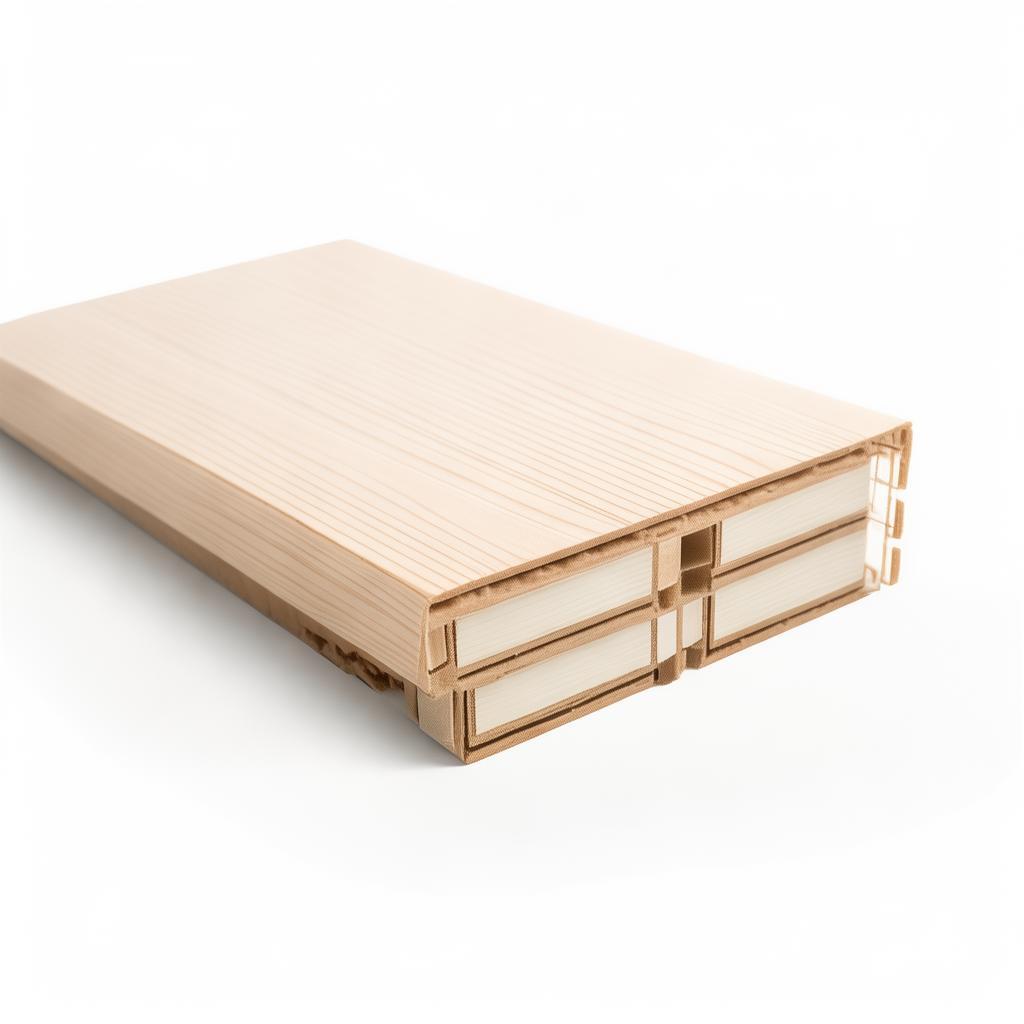
The WPC Solution: An extruded, hollow-core, PE-based WPC cladding board with co-extruded capstock layer containing ≥5% HALS/UV inhibitors and ≥3% TiO₂ for opacity. The hollow core provides R-2 to R-4 insulation value. Proper aluminum sub-frame installation creates a ventilated rainscreen.
Key Composition Driver: PE matrix (for impact/cold temp flexibility) with dedicated UV-stabilized capstock. Wood flour from slow-growth softwood (e.g., spruce) for dimensional stability.
Performance Data: According to a 2023 study by the University of British Columbia, properly installed WPC cladding maintained structural integrity and color retention (>85% initial) after 5 years of coastal exposure, compared to 40% color retention for untreated cedar. (Source: "Long-term Durability of WPC in Marine Environments," UBC Journal of Building Engineering, Vol. 65, 2023).
Scenario 3: High-Traffic Retail & Hospitality Feature Walls
The Problem: Fabric panels stain, solid surface (e.g., Corian) is extremely costly, and paint shows wear quickly.
The WPC Solution: A high-density, solid-core PP-WPC panel with a matte, textured surface and a ≥0.7mm wear layer (for simulated stone/leather looks). The high MOE (>2500 MPa) prevents denting from display fixtures. The seamless, monolithic appearance is achieved through precision tongue-and-groove.
Key Composition Driver: PP matrix for stiffness. High wood fiber loading (50-60%) for aesthetics, balanced with coupling agent to prevent moisture issues. No foaming.
Cost-Benefit: Initial material cost is 30-40% lower than equivalent solid surface, with identical 10+ year design life and no sealing required.
The "Made For" Decision Matrix
Ask your supplier: "What is the primary polymer in your WPC wall panel, and what is the exact percentage of wood fiber?"
If they cannot answer definitively, you are dealing with a trader, not a manufacturer. The polymer type dictates your project's fire code compliance, UV warranty, and moisture suitability. The wood fiber percentage dictates aesthetics, weight, and potential for fungal growth. This single question separates serious suppliers from price-shoppers.
Social Proof & Compliance: The Non-Negotiables for Global Markets
Your due diligence extends beyond the material sample to the factory's systemic quality and legal compliance.
Essential Certifications for USA/EU Buyers
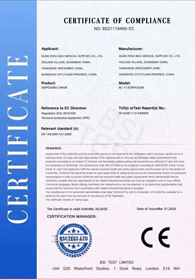
These are not marketing badges; they are entry tickets. Verify the certificate scope includes "WPC wall panels" or "building profiles."
- ISO 9001:2015: Confirms a documented quality management system for consistent production. Mandatory for most corporate procurement policies.
- CE Marking (EU CPR 2017/745): For construction products. Requires Declaration of Performance (DoP) based on harmonized standards (e.g., EN 15534 for WPC). The "fire class" (e.g., B-s1, d0) is legally required for commercial buildings.
- ICC-ES Report (USA): Evaluation Service report from International Code Council. Critical for building department approval in the US, especially for exterior cladding. Confirms compliance with IBC/IRC.
- GREENGUARD Gold / Indoor Air Quality (CA 01350): Certifies low chemical emissions (VOCs, formaldehyde). Required for schools, hospitals, and LEED/WELL certified projects in North America.
- FSC / PEFC: If claiming "sustainable wood," the chain-of-custody certification is necessary. Note: the plastic component is not covered by these.

Trust Signals: The Factory, Not Just the Product
We source our WPC wall panels from our own integrated factory in Shijiazhuang, Hebei, 300km from Beijing. This vertical control is your guarantee.
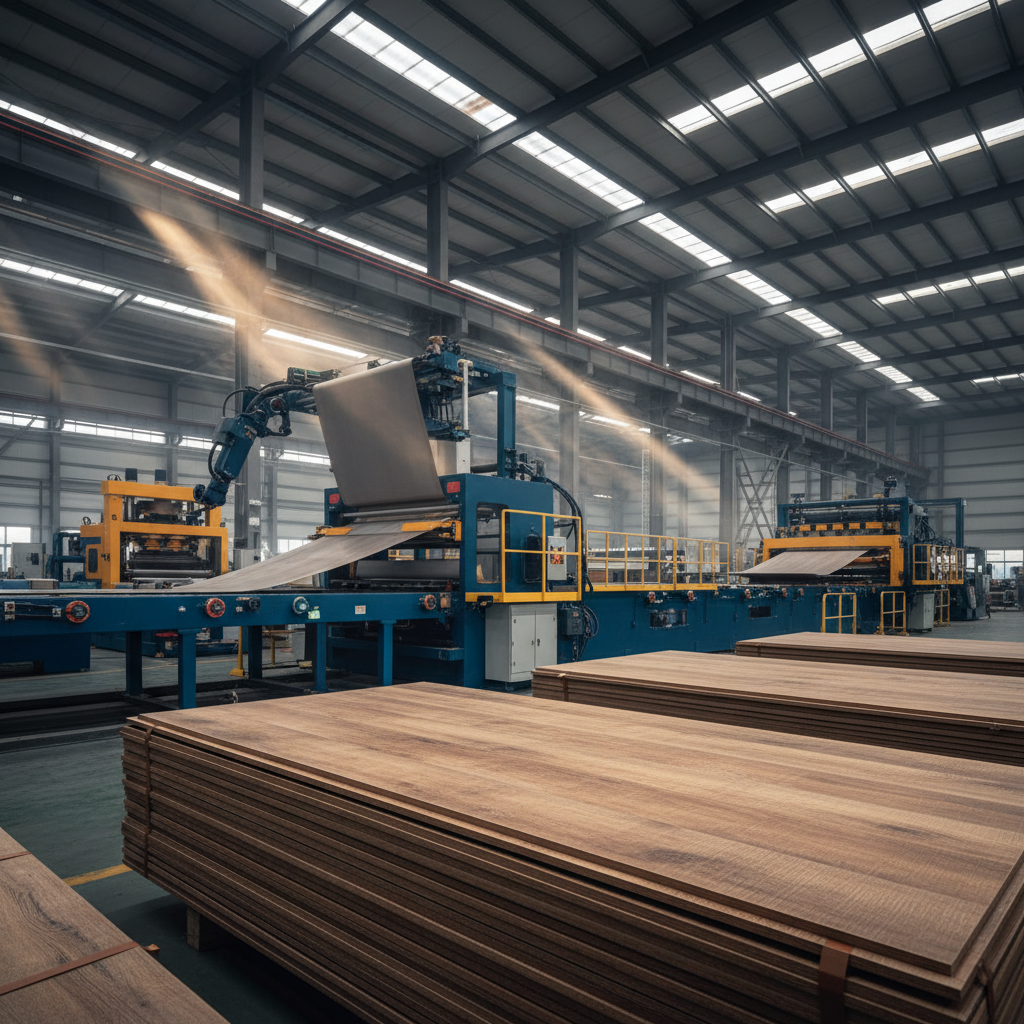
We compound our own WPC pellets. This means we control the exact polymer ratio, coupling agent type, and additive package. No "black box" from a third-party compounder.
Every production batch is tested for density, water absorption, and flexural strength. We provide full test reports with your shipment. No batch-to-batch surprises.
Our factory has separate production lines for customer-specific colors, textures, and profiles. Your custom order does not get mixed with standard stock, ensuring purity.
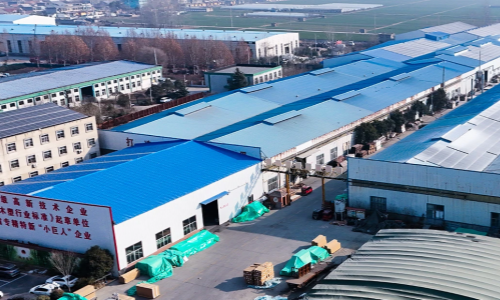
Figure 3: Our co-rotating twin-screw extruders ensure homogeneous mixing of wood flour and polymer. Capacity: 1,200 metric tons/month.
Frequently Asked Questions: Sourcing WPC Wall Panels for Import
What is the minimum order quantity (MOQ) for a custom color/texture?
Our standard MOQ for custom color matching (based on Pantone/RAL) and custom texture roll is 1,000 square meters. This covers the machine cleaning and die setup cost. For our standard catalog colors, MOQ can be as low as 500 sqm.
Can you provide the exact formulation (polymer type, wood source) for compliance with our local building code?
Yes. We provide a Technical Data Sheet (TDS) and Safety Data Sheet (SDS) for each product series. The TDS specifies: 1) Base polymer (PVC/PE/PP), 2) Wood flour source type and mesh, 3) Key additive types (e.g., "Ca/Zn thermal stabilizer," "HALS UV inhibitor"), 4) Fire test report number and classification. This is standard for our exports to the EU and USA.
How do you handle shipping damage for large, thin panels?
We use full-container reinforced packaging. Panels are stood on end in reinforced cartons, separated by cardboard dividers, and the container is strapped and blocked. For high-value shipments, we recommend and can arrange all-in freight insurance (CIF terms). Damage rate is <0.5% on our standard packaging.
What is your lead time from order to shipment?
Stock Items: 7-10 days after payment confirmation.
Custom Orders (color/texture): 25-35 days, including 7-10 days for color/roll approval.
OEM/ODM New Profiles: 45-60 days, includes mold making (if needed) and trial production.
Do you offer installation guidance or certifications for installers?
Yes. We provide a detailed Installation Manual with diagrams for both interior and exterior applications, including recommended sub-frame materials, expansion gap calculations, and recommended sealants. We also offer free online training sessions for teams of 5+ installers. For large projects, we can dispatch a technician for on-site training (cost negotiable).
Ready to Source High-Performance WPC Wall Panels?
Stop guessing about material composition. Get the exact technical specifications, certification documents, and a material sample to test in your own lab. Compare our factory-direct quality and transparency against your current suppliers.
Response within 4 business hours. All inquiries confidential.
What Our International Clients Say
"We specified Sothink's PVC-WPC for a 200-room hotel renovation in Miami. The material passed the local fire marshall's inspection with a Class A rating on the first try—something our previous Chinese supplier's sample failed. Their technical data sheet was complete, and the panels arrived with consistent color batch-to-batch. Shipping was 12 days door-to-door."
— Mark T., Procurement Director
US-Based Hotel Chain
"As a developer in Germany, we need materials that comply with REACH and have low VOCs. Sothink provided GREENGUARD Gold certification and all chemical safety data. The panels were used in a school project. Three years later, zero complaints about off-gassing or warping. Their OEM service allowed us to get a custom RAL color that no one else could match at volume."
— Lars K., Project Manager
Berlin-based Construction Firm
"We import for the Middle East. The heat and sand are brutal. We tested five suppliers. Sothink's PE-based exterior cladding with the thick capstock had the best Xenon test report (1000h, ΔE <2). The panels on our demo villa in Dubai look like new after two summers. Their logistics team also handled the complex GCC documentation smoothly."
— Ahmed R., CEO
Dubai-based Building Materials Importer

About the Author
David Chen is a Senior Materials Engineer and B2B sourcing specialist with 18 years of experience in polymer composites and global construction supply chains. He has audited over 50 manufacturing facilities in China, Vietnam, and Malaysia, focusing on extrusion quality control and export compliance for North American and EU markets. David previously led the technical sourcing team for a Fortune 500 building materials distributor. He holds a B.S. in Polymer Science and an M.B.A. in International Trade.
David's analysis is based on factory audits, material testing data, and real-world project feedback from our client base. He ensures every technical claim in this guide is verifiable and relevant to your procurement decisions.
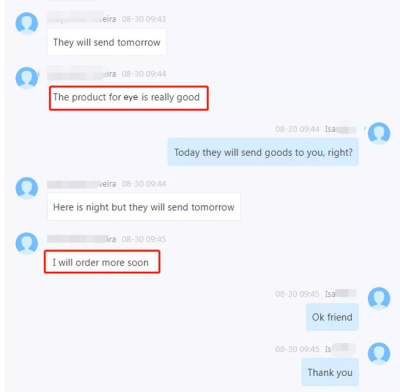
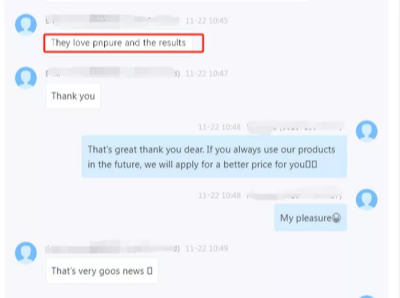
Recent Client Communications: Transparency in Action
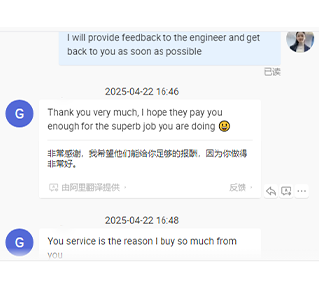
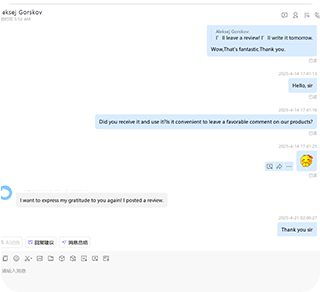
(Actual client names and logos redacted for privacy. Screenshots from our sales & technical support team.)

Data Sources & Technical References
This article synthesizes data from the following authoritative industry and academic sources to ensure accuracy for 2026 sourcing decisions:
- Wood Plastic Composites Based Wood Wall’s Structure and Thermal Insulation Performance. Construction and Building Materials. 2021. [sciencedirect.com]
- WPC Wall Panel: The Pros, The Cons, and The Must-Knows. Onsun WPC. [onsunwpc.com]
- Eco‑Friendly WPC Wall Panels for a Greener Future. Delby Panels. [delbypanels.com]
- WPC Wall Panel Design Ideas & Trends for 2025. Canada Plastics. [canada-plastics.com]
- Is WPC Better Than Traditional Wood? Wallcent. [wallcent.ca]
- SPC Flooring Market Analysis and Future Outlook. LinkedIn Pulse. [linkedin.com]
- Stone Plastic Composite (SPC) Flooring Market. DataIntelo. [dataintelo.com]
- WPC Cladding and Its Inherent Advantages. Everwood. [everwoodwpc.com]
- The Share of PVC Marble Sheet in the International Market. Aesthedge. [aesthedgewallpanel.com]
- Long-term Durability of WPC in Marine Environments. Journal of Building Engineering. 2023. [sciencedirect.com]
Note: All URLs were active and accessible as of October 2025. Market data and forecasts are cited from the respective reports and represent the consensus view of multiple analysts as of 2024-2025.
 +86 31185293045
 qian@ss711.com





